

10 Cat-Friendly Foods Rich in Iron (Plus Vet-Approved Tips)

As a dedicated cat parent, you want to ensure your feline friend gets all the nutrients they need for a long, healthy life. One of the most critical minerals for your cat’s well-being is iron. It’s a key component of hemoglobin, the protein in red blood cells that carries life-giving oxygen throughout the body. Without adequate iron, your cat can become lethargic, weak, and susceptible to a serious condition called anemia.
While commercial cat foods are formulated to meet basic nutritional needs, certain life stages, health conditions, or dietary preferences might necessitate a closer look at your cat’s iron intake. Perhaps your cat is a picky eater, recovering from an illness, or you’re exploring a homemade diet. Understanding which foods are rich in bioavailable iron—and how to serve them safely—is an empowering step in proactive pet care.
In this guide, we at PawLitter will explore ten excellent, cat-friendly sources of iron. We’ll provide practical feeding tips, highlight important safety warnings, and explain why not all iron is created equal in a cat’s digestive system. Remember, any significant dietary change should be discussed with your veterinarian first to ensure it’s appropriate for your cat’s specific health profile.
Why Iron is Non-Negotiable for Feline Health
Iron’s primary role is in the production of healthy red blood cells. A deficiency can lead to iron-deficiency anemia, where the body doesn’t have enough red blood cells to transport oxygen efficiently. Symptoms to watch for include:
- Lethargy and weakness (less interest in play)
- Pale gums, nose, or ear linings
- Rapid breathing or panting
- Loss of appetite
- Cold intolerance (seeking warm spots excessively)
Cats are obligate carnivores, meaning their bodies are designed to derive nutrients most efficiently from animal tissue. This is crucial for iron absorption. Iron from meat, poultry, and fish (heme iron) is far more readily absorbed by your cat’s body than iron from plant sources (non-heme iron). Therefore, the best iron-rich foods for cats are animal-based.
The 10 Best Iron-Rich Foods for Your Cat
Here is our curated list of safe, effective, and iron-packed foods to consider. These should be offered as supplements or treats to a balanced commercial diet, not as a replacement for complete and balanced cat food, unless under direct veterinary supervision for a therapeutic diet.
1. Beef Liver
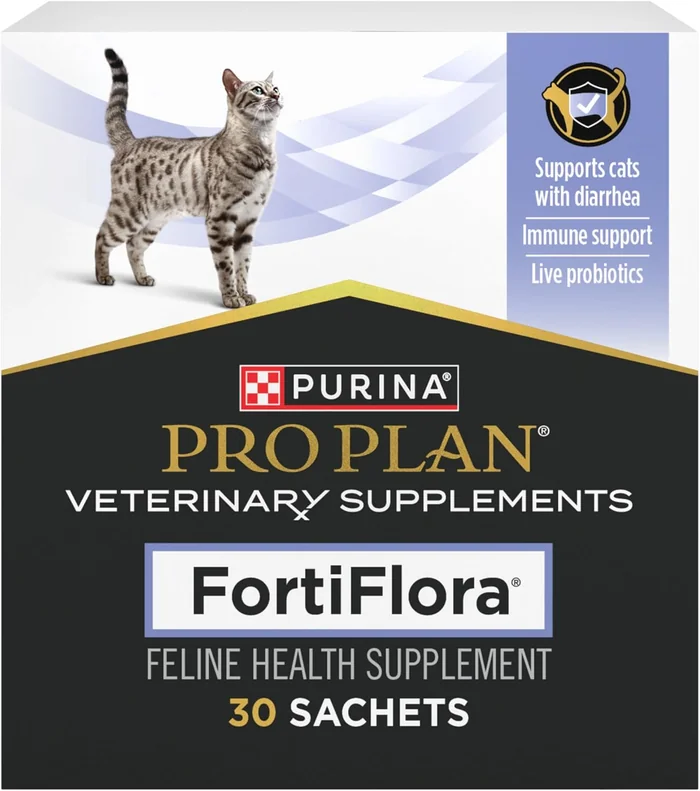
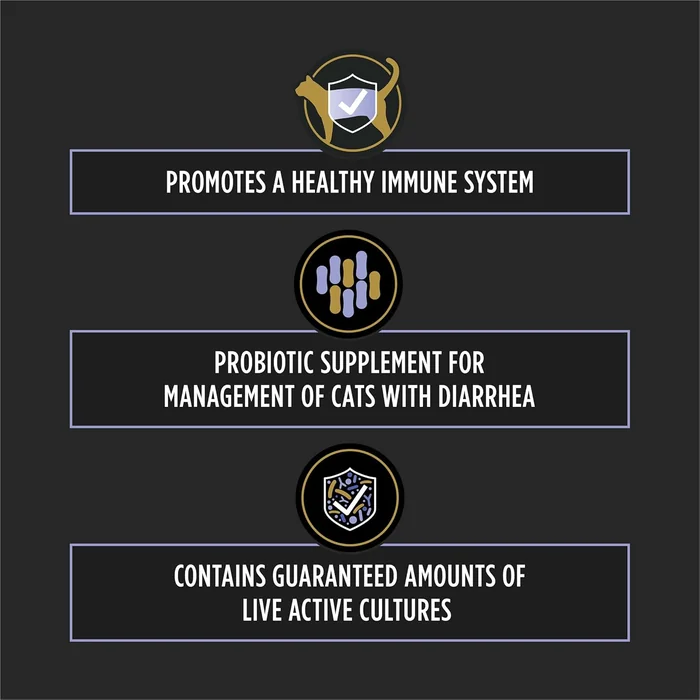
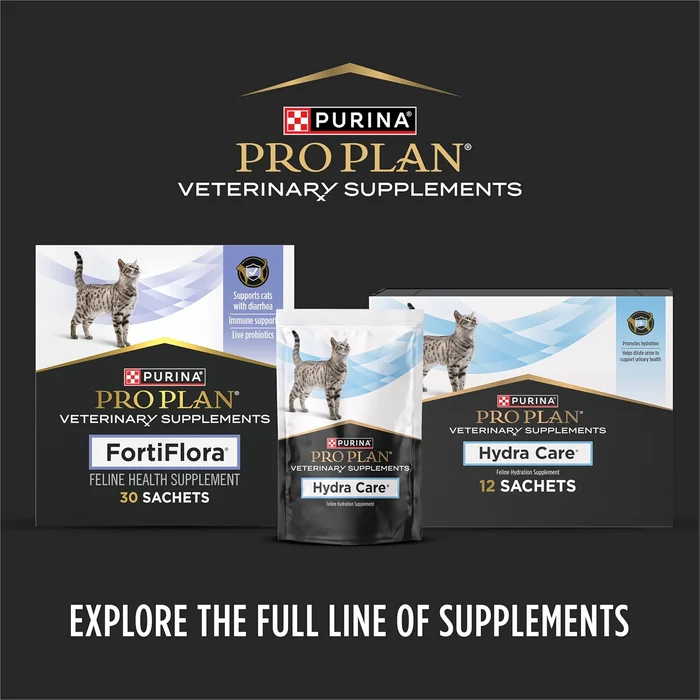
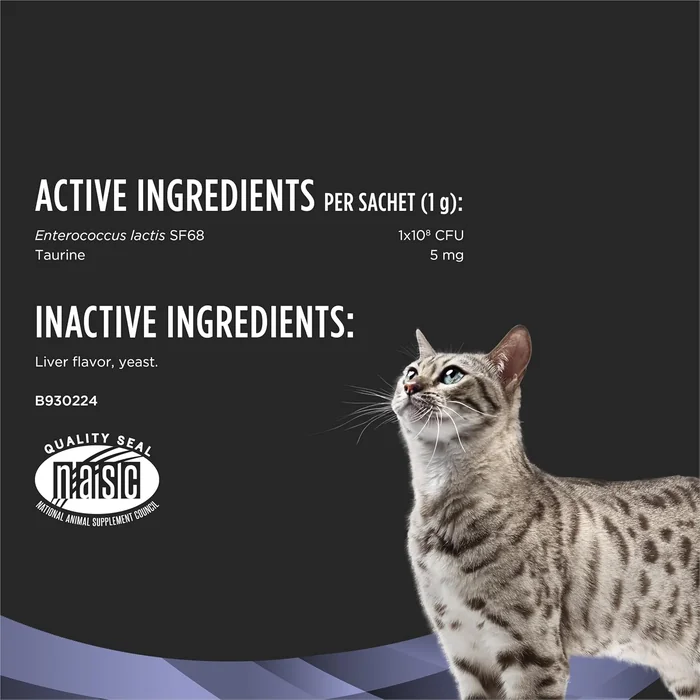
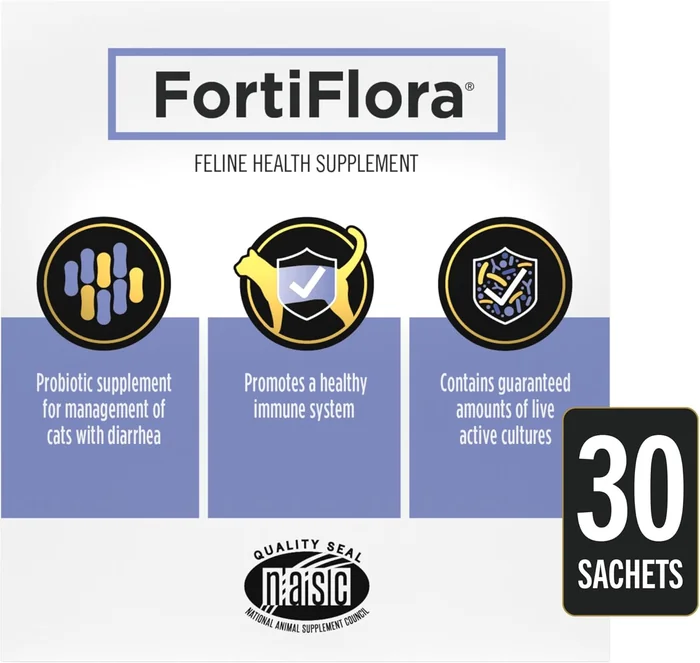
Purina Pro Plan Veterinary Supplements FortiFlora Probiotics for Cats for Digestive Gut Health and Diarrhea – 30 ct. Box
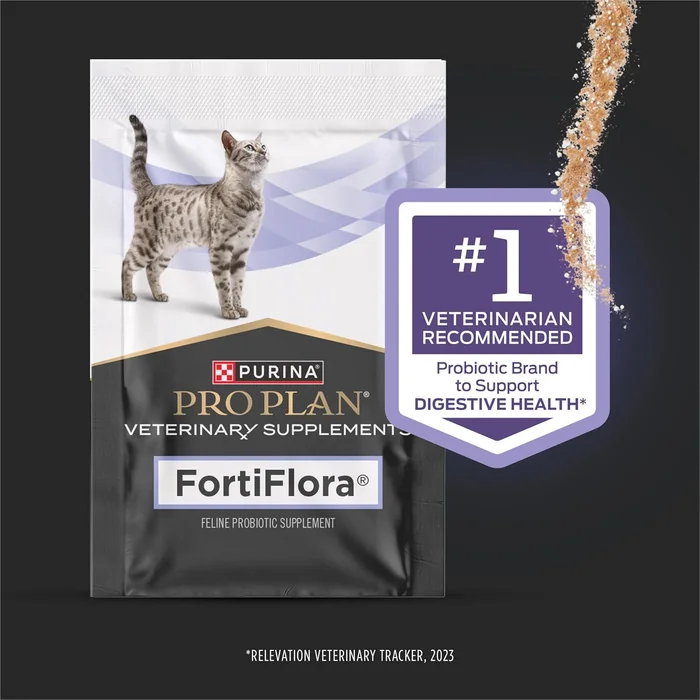

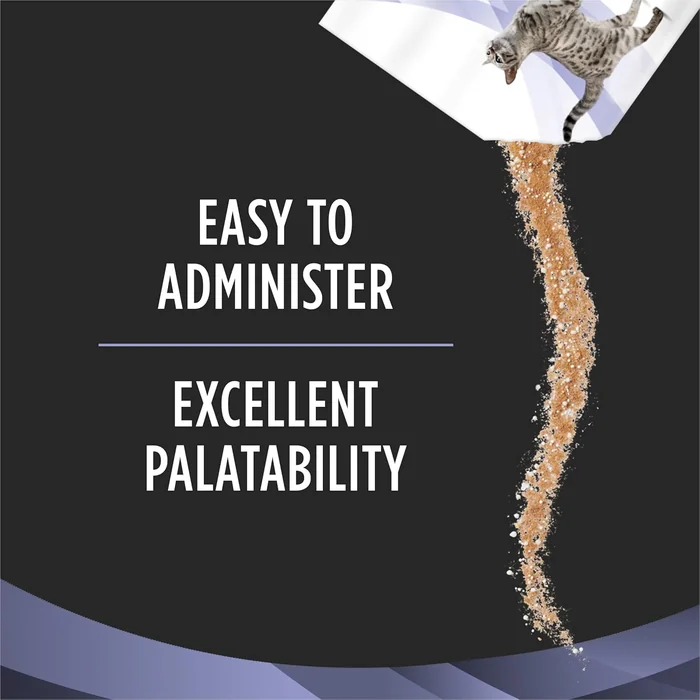
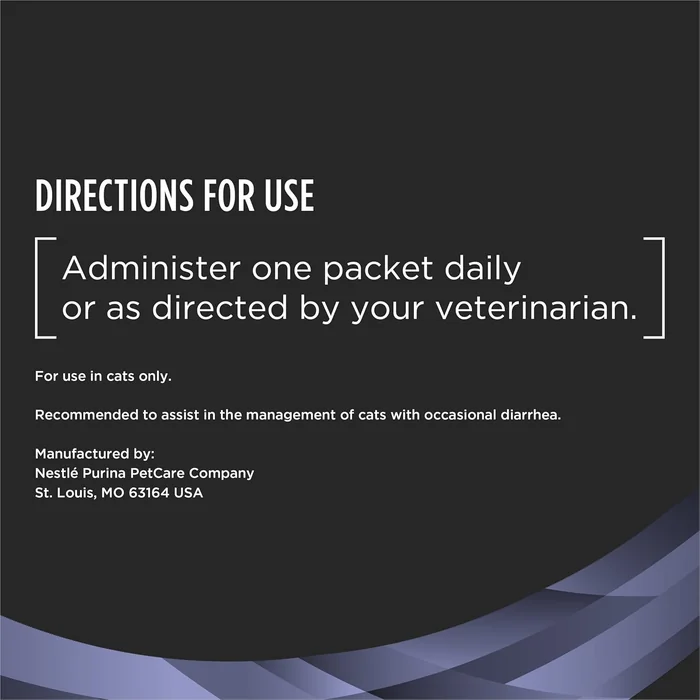

Key Features:
Beef liver is arguably the superstar of iron-rich foods. It’s densely packed with highly bioavailable heme iron, along with essential vitamins A, B12, and copper, which aids in iron absorption. However, its potency means it must be fed in strict moderation. Too much liver can cause vitamin A toxicity. We recommend offering a small piece (about the size of a pea for an average cat) of cooked, unseasoned beef liver no more than once or twice a week. Always cook liver thoroughly to eliminate pathogens.
2. Chicken Hearts
Chicken hearts are a fantastic and often overlooked source of iron and taurine—an amino acid absolutely vital for feline heart and eye health. They are lean, muscular meat, providing excellent protein along with their iron content. You can find them fresh or frozen. Chop them into small, bite-sized pieces and cook them thoroughly (boiling or baking without oils or seasonings) before offering as an occasional treat.
3. Sardines (in Water)
These small, oily fish are a nutritional powerhouse. Sardines provide heme iron, anti-inflammatory omega-3 fatty acids, and are typically low in contaminants like mercury due to their small size. The key is to choose sardines packed in water with no salt added. Avoid those in oil, especially soybean or vegetable oils, which can upset your cat’s stomach. Offer a small portion of the mashed fish, ensuring all bones are soft and easily crushable (as they are in canned sardines).
4. Cooked, Lean Ground Beef
A familiar and palatable option for most cats, lean ground beef is a good source of heme iron and high-quality protein. The critical step is preparation: it must be cooked thoroughly to kill harmful bacteria like E. coli and Salmonella. Drain all the fat after cooking, as excess fat can lead to pancreatitis. Serve a teaspoon-sized amount of the plain, cooked beef, cooled to room temperature.
5. Turkey (Dark Meat)
Dark turkey meat, such as from the thigh, contains more iron and zinc than white breast meat. It’s a lean protein that can be a tasty iron booster. Ensure the turkey is plain, cooked through, and free of skin, bones, and any seasoning—especially onion or garlic powder, which are toxic to cats. Shredded, cooked dark turkey meat can be a welcome addition to a convalescing cat’s meal.
6. Duck
Duck meat, particularly the darker cuts, is another excellent source of heme iron and provides a novel protein source, which can be beneficial for cats with food sensitivities to more common meats like chicken or beef. As with all meats, it should be served cooked and unseasoned. Due to its higher fat content, it should be given more sparingly as a treat.
7. Lamb
Lamb is a rich source of heme iron and vitamin B12. Its distinct flavor can be very appealing to cats, making it a useful option for enticing a finicky eater. Offer lamb as a treat in the same way as beef: thoroughly cooked, lean, drained of fat, and in very small quantities. Introduce any new protein slowly to monitor for any digestive upset.
8. Eggs (Cooked)
Eggs are a complete protein and contain both heme iron (in the yolk) and non-heme iron. They are also rich in biotin and other B vitamins. Eggs must always be cooked for cats to avoid the risk of Salmonella and to deactivate avidin, a protein in egg whites that can interfere with biotin absorption when raw. Scramble or hard-boil an egg without butter, oil, or salt, and offer a small portion of the cooked egg.
9. Pumpkin Seeds (Ground)
This is the primary plant-based source on our list. Pumpkin seeds contain non-heme iron and are also a natural source of fiber, which can aid digestion. Because they are plant-based and hard, they must be prepared correctly: raw, unsalted pumpkin seeds should be ground into a fine powder and then sprinkled sparingly (a small pinch) over your cat’s regular food. This makes the nutrients more accessible and prevents a choking hazard.
10. Iron-Fortified Commercial Cat Foods & Supplements
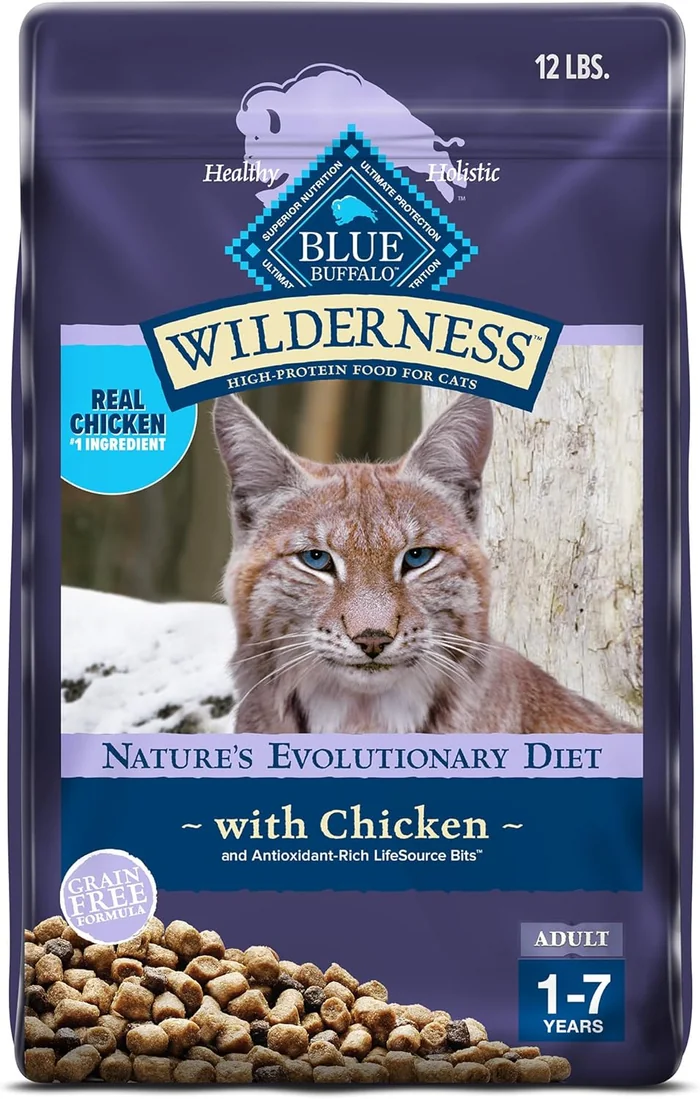
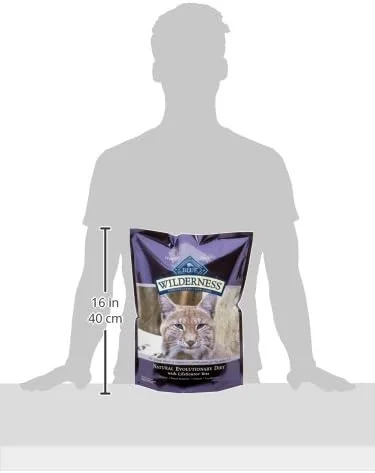
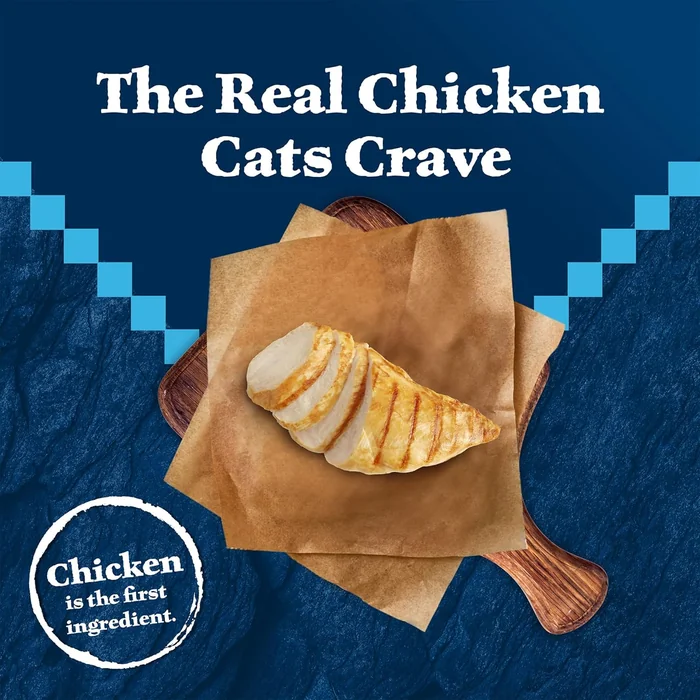
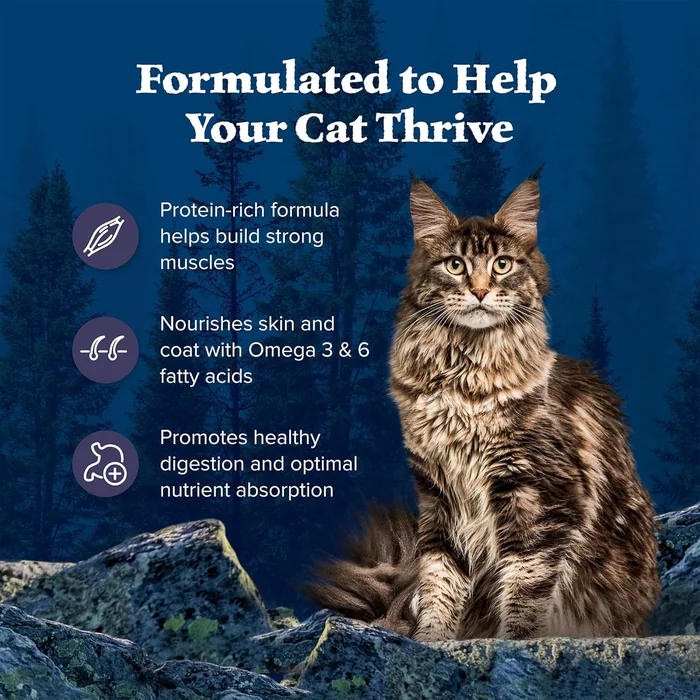
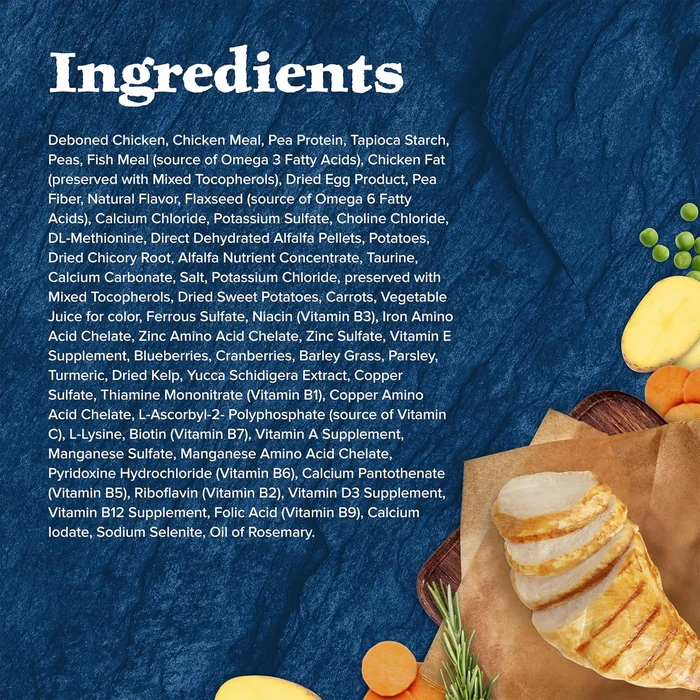
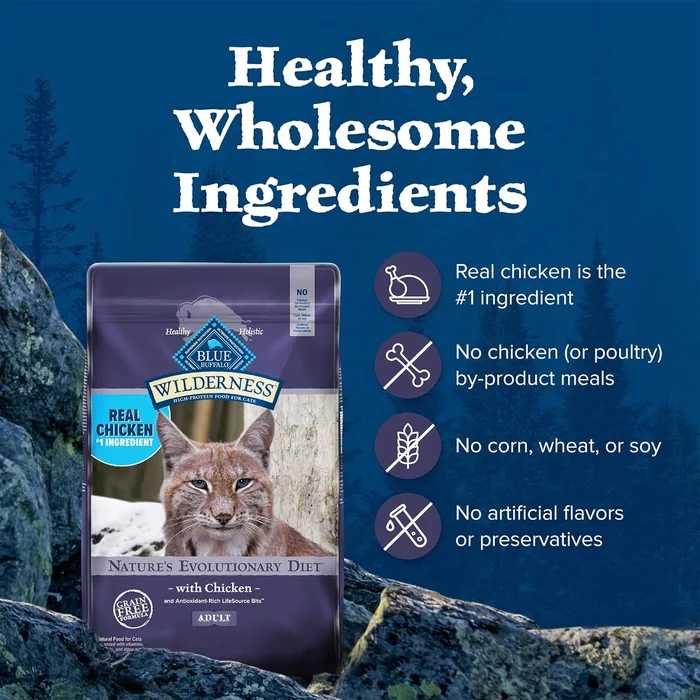
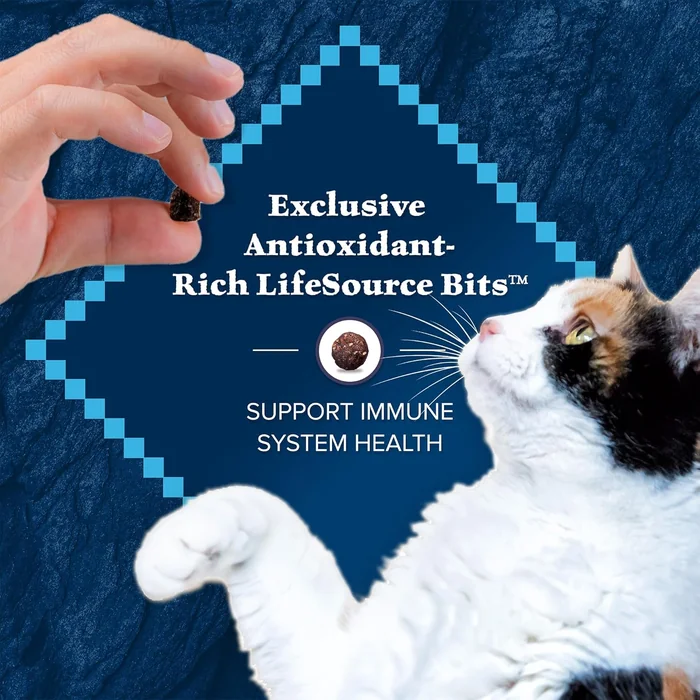
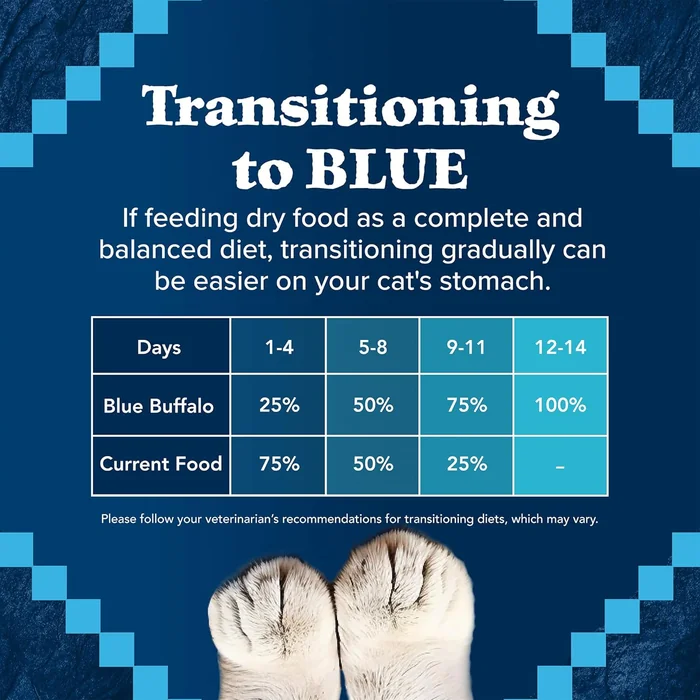
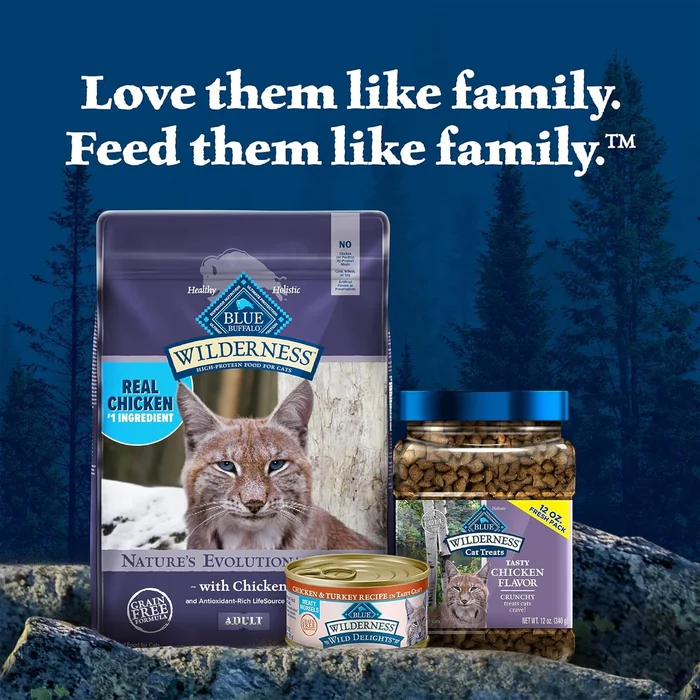
Blue Buffalo Wilderness Natural Adult Dry Cat Food, High-Protein and Grain-Free Diet, Supports Healthy Muscle Development and a Healthy Immune System, Chicken, 12-lb. Bag
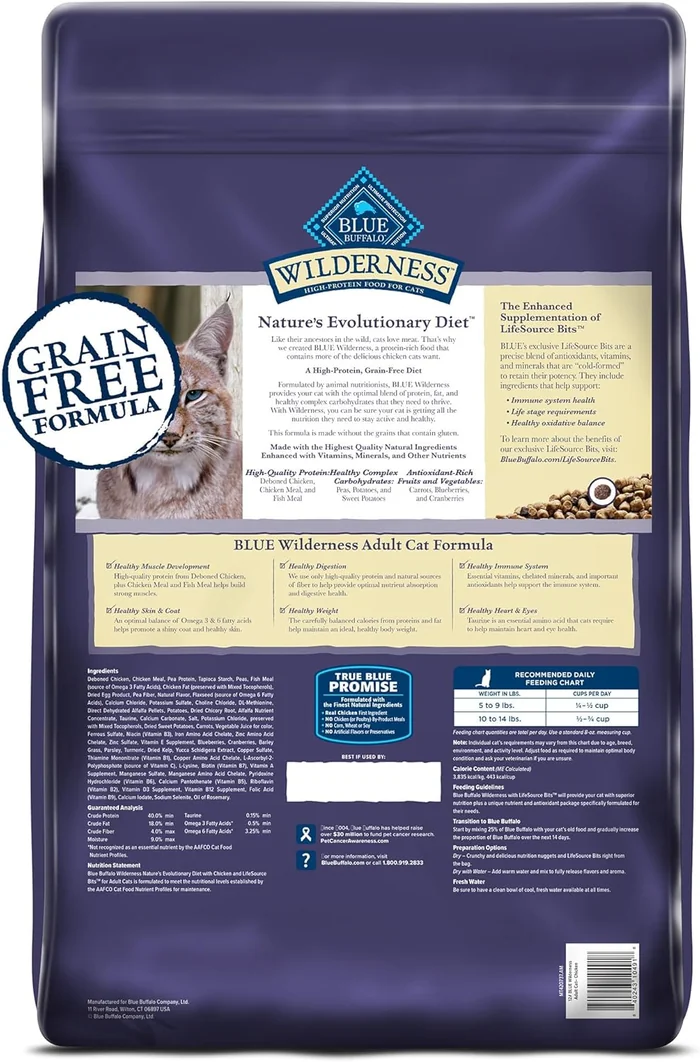
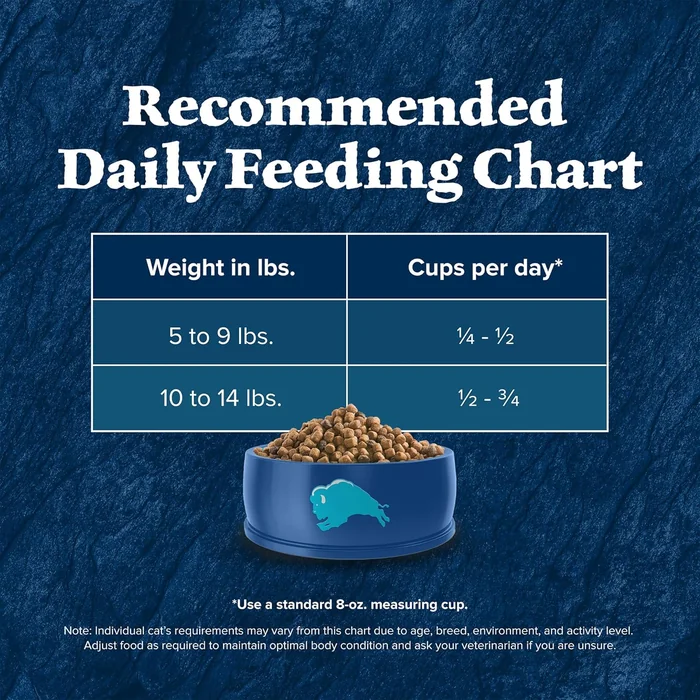
Key Features:
For cats with diagnosed deficiencies or specific health needs, the most reliable and balanced source of iron is often a veterinary-recommended diet or supplement. These are formulated to provide the precise type and amount of iron your cat needs without the risks of imbalance from homemade additions. For instance, a high-protein, quality commercial diet supports overall health, while specific probiotic supplements can aid nutrient absorption in the gut. Always follow your vet’s guidance for therapeutic products.
Critical Safety Tips & Veterinary Advice
Before you start supplementing your cat’s diet with iron-rich foods, these safety guidelines are paramount:
- Consult Your Veterinarian First: This cannot be overstated. Your vet can diagnose if your cat actually needs more iron (excess iron is also dangerous) and recommend the safest course of action. Symptoms of anemia can mimic other illnesses.
- Cook All Meat and Eggs Thoroughly: Never feed raw meat or eggs due to the high risk of bacterial and parasitic infection.
- Absolutely No Seasonings: Onion, garlic, chives, salt, and most spices are toxic to cats and can cause severe health issues.
- Beware of Bones: Cooked bones can splinter and cause internal damage or obstruction. Only offer bones if they are commercially prepared to be fully digestible (like in some raw diets) and under expert guidance.
Start Small: Introduce any new food in tiny amounts to check for allergies or gastrointestinal intolerance.
Frequently Asked Questions (FAQs)
Can I give my cat human iron supplements?
No, you should never give your cat human iron supplements. The dosage is formulated for human physiology and can easily lead to iron toxicity (iron poisoning) in cats, which is a life-threatening emergency. Iron supplementation for cats must only be done under direct veterinary prescription and supervision.
Are there foods that block iron absorption in cats?
Yes. Foods high in calcium (like large amounts of dairy) or phytates (found in many grains and legumes) can inhibit iron absorption when fed simultaneously with iron-rich foods. This is another reason why a balanced commercial diet, formulated by pet nutritionists, is the best base for your cat’s nutrition.
How can I tell if my cat is anemic?
The most common signs are pale mucous membranes (check the gums—they should be a healthy pink, not white or very pale), noticeable lethargy, and weakness. However, only a veterinarian can confirm anemia through a blood test (checking packed cell volume or PCV) and determine its underlying cause, which is essential for proper treatment. For more on recognizing subtle health changes, see our guide on How to Litter Train a Cat?A Stress-Free Guide for Kittens and Adult Cats.
Is spinach good for cats for iron?
While spinach contains non-heme iron, it is not a recommended source for cats. The iron is poorly absorbed, and spinach contains oxalates, which can contribute to the formation of urinary crystals in susceptible cats—a serious health concern. It’s best to stick with animal-based iron sources.
My cat is a picky eater. How can I add these foods?
Start with the most palatable options like a tiny bit of cooked chicken heart or sardine juice (from the water-packed tin) drizzled over their regular food. The strong scent can be enticing. Patience and persistence are key. For more strategies on dealing with a finicky feline, our article on Cat Care Tips offers helpful tips.
Conclusion: A Balanced Approach is Key
Incorporating iron-rich, cat-friendly foods can be a wonderful way to enhance your cat’s diet and provide them with enriching variety. Focusing on bioavailable heme iron from cooked, unseasoned animal sources like liver, hearts, and certain meats is the most effective strategy aligned with your cat’s carnivorous biology.
However, the cornerstone of feline health remains a complete and balanced commercial cat food that meets AAFCO guidelines. The foods listed here are treats and supplements, not meal replacements. The most important partner in your cat’s nutritional journey is your veterinarian. They provide the expertise to diagnose deficiencies, recommend trusted products like How Often Should You Change Cat Litter?A Vet-Reviewed Guide, and ensure any dietary changes support your cat’s long-term vitality. By combining professional advice with informed, safe supplementation, you can help your cat thrive.

Related Articles
 Cat Food
5 Vet-Approved Homemade Cat Food Recipes for a Healthy, Happy Cat
 Cat Food
12 Types of Cat Food A Complete Guide for Cat Owners
 Cat Food
7 Best Fresh Cat Food Meal Delivery Services in 2025
 Cat Food
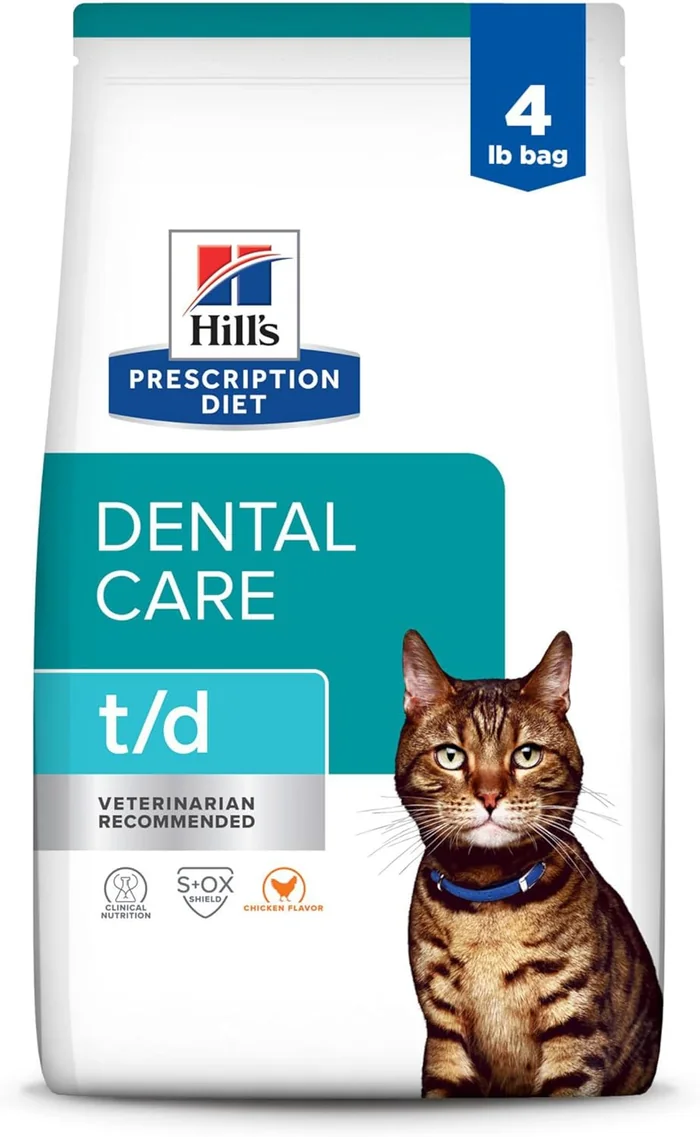
10 Best Foods for Cats With Dental Disease A Vet-Reviewed Guide
 Cat Food
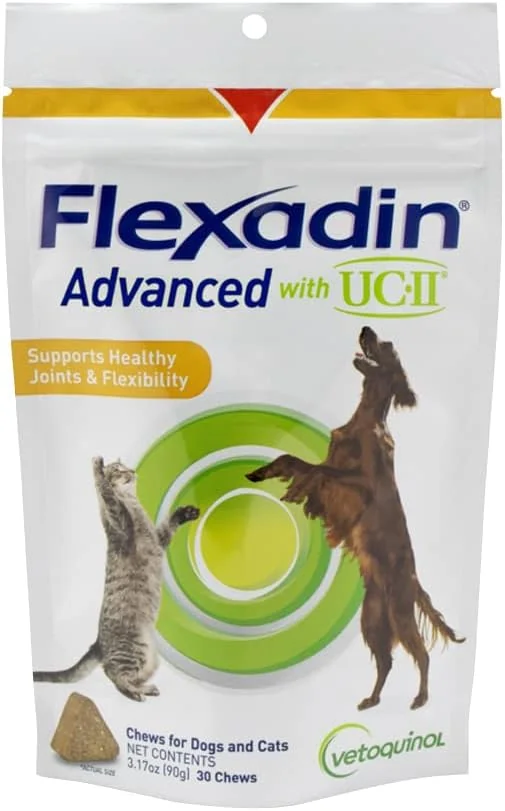
10 Best Joint Supplements for Cats An Unbiased 2025 Review
 Cat Food