






10 Essential Questions to Ask Yourself Before Adopting a Cat

Bringing a cat into your home is a joyful and rewarding decision, but it’s also a significant, long-term commitment. At PawLitter, we believe that responsible pet ownership begins long before you meet your new feline friend. To help ensure you and your future cat are set up for a lifetime of happiness, we’ve compiled this essential checklist of questions. Asking yourself these ten key questions will help you make an informed, confident, and compassionate choice.
1. Am I Truly Ready for a 15-20 Year Commitment?
Cats are not temporary companions. With proper care, many cats live well into their late teens or even early twenties. This means you are committing to a creature that will be part of your life through major changes—moving homes, career shifts, and family growth. It’s a promise to provide love, care, and stability for their entire lifetime. Before you adopt, visualize your life over the next two decades and ensure you can include a cat in that picture.
2. Do I Understand Cat Behavior and Needs?
Cats are often misunderstood. They are not solitary, low-maintenance pets, nor are they “dog-like.” They are intelligent, sensitive beings with specific social, environmental, and instinctual needs. They communicate through body language, require mental stimulation, and have a strong need for territory and routine. We recommend reading books by feline behaviorists and exploring our behavior guides How to Litter Train a Cat?A Stress-Free Guide for Kittens and Adult Cats to build a foundation of understanding. A cat who is understood is a cat who will thrive.
3. Should I Adopt a Kitten, an Adult, or a Senior Cat?
Each life stage offers a different experience:
- Kittens: Are energetic, playful, and require extensive socialization and training. They are a blank slate but demand significant time and patience.
- Adult Cats (1-7 years): Their personality is fully formed. You know exactly what you’re getting—a calm lap cat or a playful explorer. They often settle into new homes more quickly than kittens.
- Senior Cats (8+ years): These golden-oldies are typically calm, affectionate, and less destructive. They make perfect companions for a quieter lifestyle but may have higher veterinary care needs.
Consider your lifestyle, energy level, and what you can offer. Don’t overlook adult and senior cats in shelters—they are often the most grateful and loving companions.
4. Can I Afford a Cat? Understanding the Real Costs
The adoption fee is just the beginning. Responsible cat ownership involves predictable and unexpected expenses. Here’s a realistic annual breakdown:
- Food (High-Quality): $300 – $700
- Litter & Supplies: $200 – $400
- Routine Veterinary Care (Check-ups, Vaccinations): $200 – $400
- Pet Insurance OR Emergency Fund: $300 – $600 (for insurance) or setting aside $500+ annually for emergencies.
- Toys, Treats, & Miscellaneous: $100 – $200
Total Estimated Annual Cost: $1,100 – $2,300+. A sudden illness or injury can add thousands. We strongly recommend pet insurance or a dedicated savings account from day one.
5. Is My Home Environment Safe and Cat-Friendly?
Your home must be a sanctuary. This involves both safety-proofing and enrichment:
- Safety: Secure toxic plants (lilies are fatal), hide electrical cords, install window screens, and ensure small objects are out of reach.
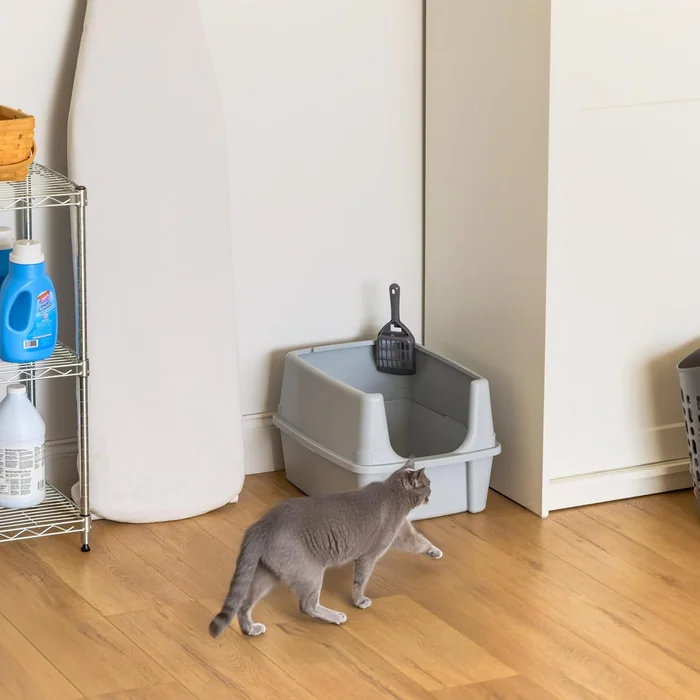
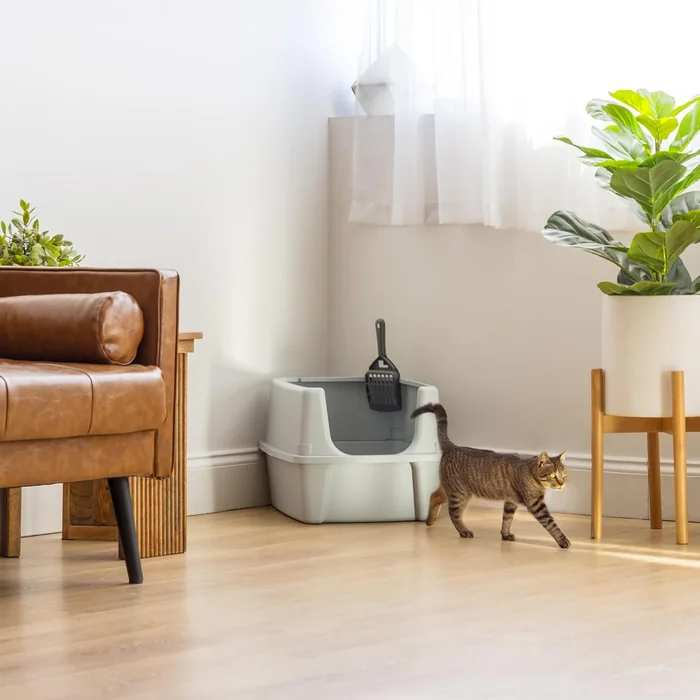
- Essential Resources: You need key supplies ready before your cat arrives. The cornerstone is a high-quality litter box. We recommend a spacious, easy-to-clean option like the IRIS USA Large Open Top Litter Box.
IRIS USA Large Cat Litter Box with Scatter Shield
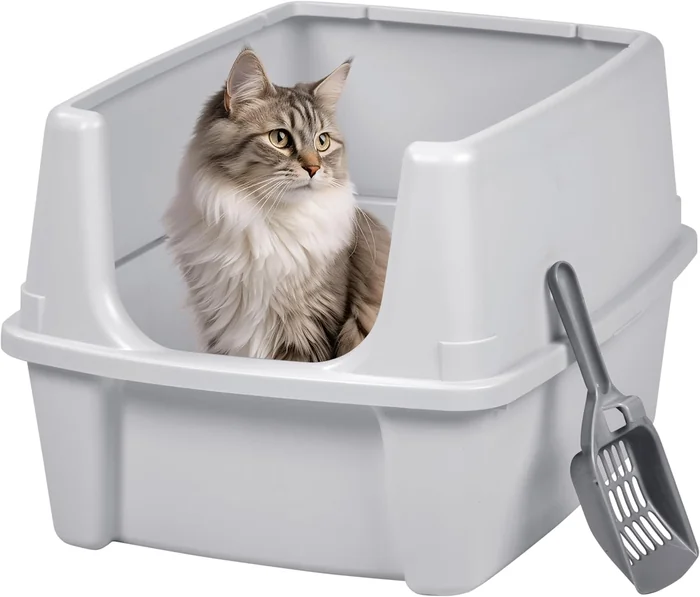
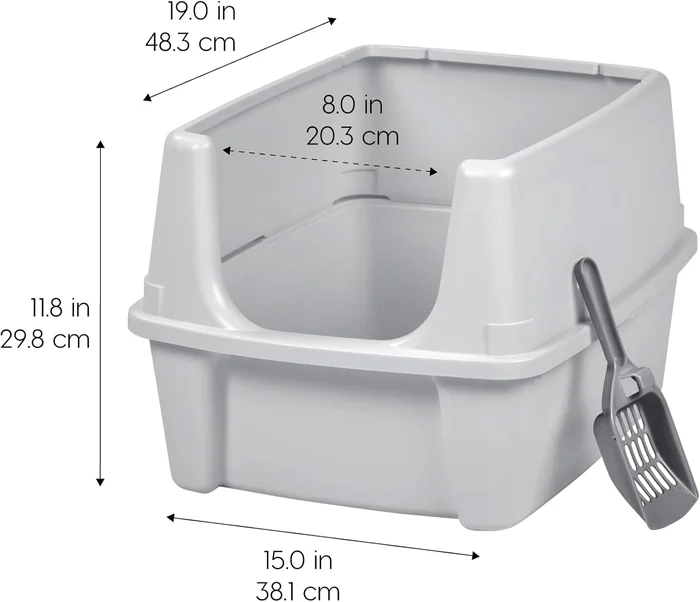
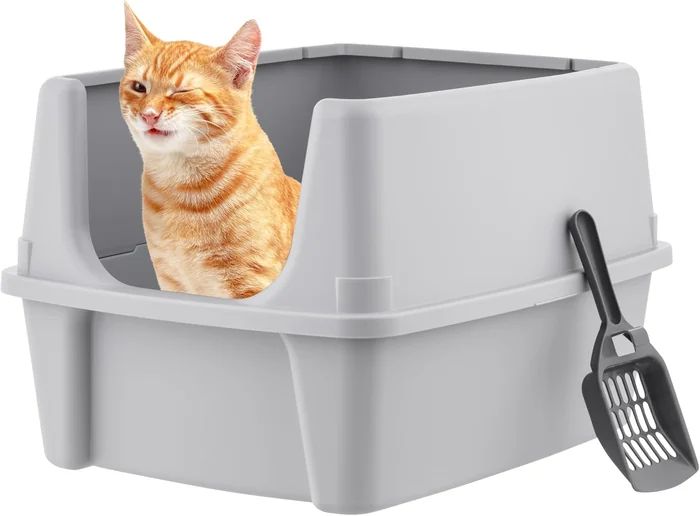
IRIS USA Large Cat Litter Box with Scatter Shield and Scoop, Open Top High Sided Cat Litter Pan, Silver

Key Features:
- MADE IN USA with global materials – The IRIS USA open top kitty litter tray offers a functional and comfortable solution to your cat’s bathroom needs. With the open air kitty litter pan, getting in and out of the tray has never been easier for your cat and the tall walls keep any litter or spraying inside the tray.
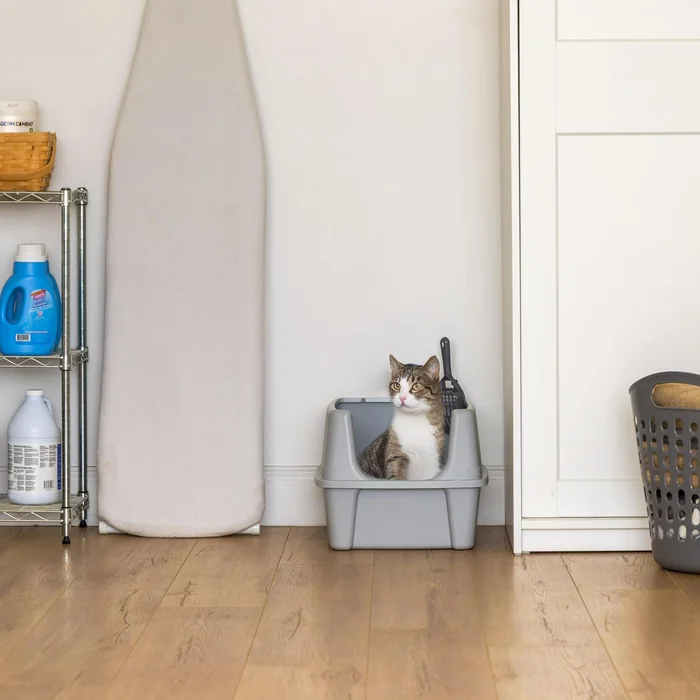
- PRIVATE – This open air cat litter tray offers privacy for your cat with tall walls that form the scatter shield, offering the privacy of a hooded cat litter box with the easy access and cleaning of an open air kitty litter pan.
- OPEN TOP – The open top makes it easy for you to monitor your cat’s habits and health and stay on top of when it’s time to clean.
This litter box is an excellent foundational choice for new cat owners. Its high-sided, open-top design makes it easy for cats to enter and exit while containing litter scatter effectively—a common concern for new pet parents. Made with durable materials, it’s easy to clean and provides the privacy cats appreciate without the confined feeling of a hooded box. With over 72,000 reviews, its popularity is a testament to its functional design.
- Vertical Space: Cats feel secure up high. Provide cat trees, shelves, or window perches.
- Scratching Posts: Multiple, sturdy posts in different textures (sisal, carpet) are non-negotiable to save your furniture.
- Quiet Retreats: Ensure your cat has hiding spots, like a cozy bed in a quiet corner, to retreat to when overwhelmed.
6. How Will a Cat Fit Into My Daily Routine?
Cats thrive on predictability. Consider your daily schedule:
- Feeding: Most cats need two measured meals a day. Can you commit to a consistent morning and evening schedule?
- Playtime: Dedicate at least 15-30 minutes daily for interactive play (using wand toys, not just leaving toys out). This is crucial for bonding and exercise.
- Litter Box Maintenance: Scooping must happen once or twice daily. A weekly deep clean is also essential.
- Alone Time: If you work long hours, consider adopting two kittens for companionship, or ensure you provide ample self-play toys and enrichment.
7. Am I Prepared for the Veterinary Responsibilities?
Proactive healthcare is the key to a long, healthy life. Your commitment includes:
- Initial Vet Visit: Schedule this within the first week of adoption for a health check, vaccinations, and parasite control.
- Spaying/Neutering: If not already done, this is an absolute necessity for health and behavioral reasons.
- Microchipping: This permanent ID is your best chance of being reunited with a lost cat.
- Annual Check-ups: Even for indoor cats, yearly exams are vital for early disease detection.
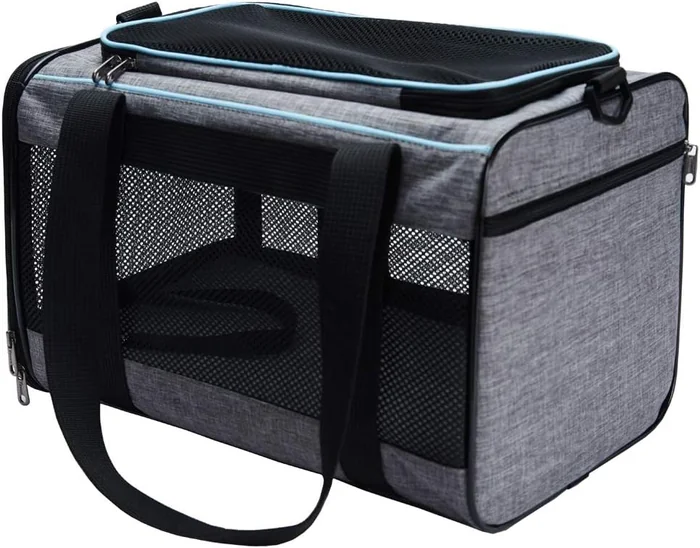
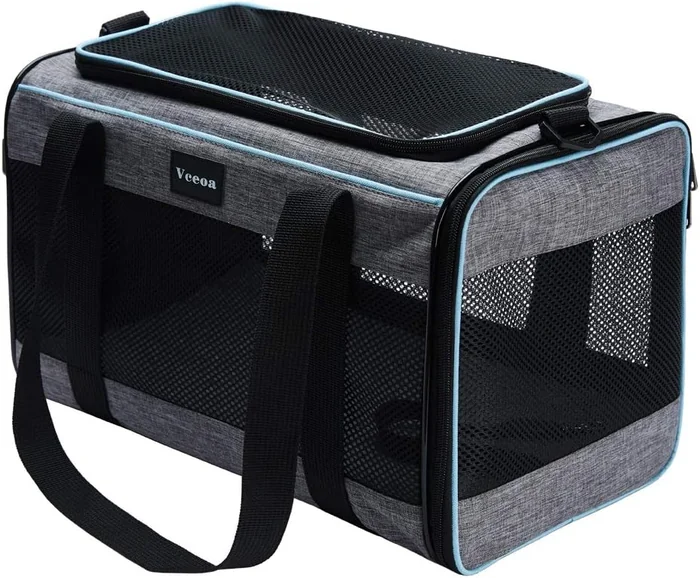
- Transport: You’ll need a secure, comfortable carrier for all vet visits. A well-ventilated, soft-sided carrier can reduce travel stress.
Vceoa Soft-Sided Pet Carrier for Cats
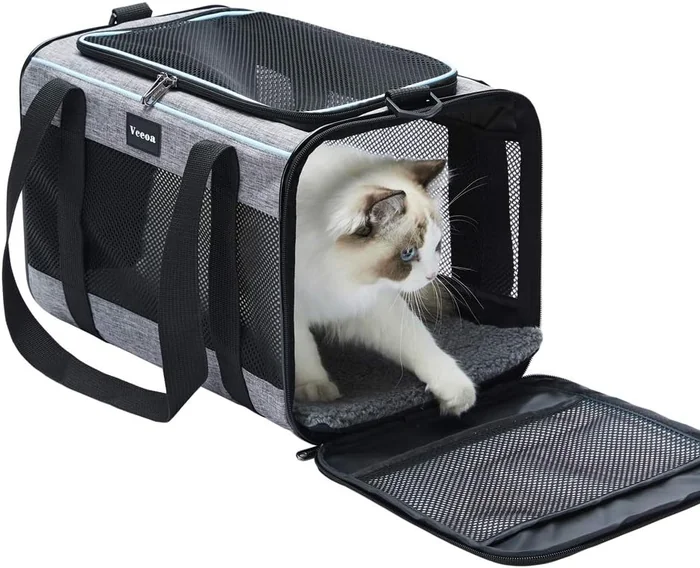
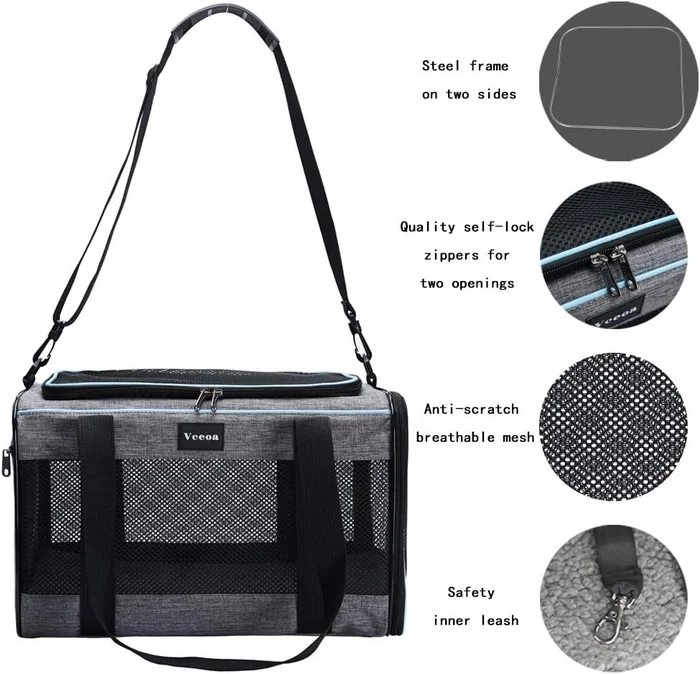
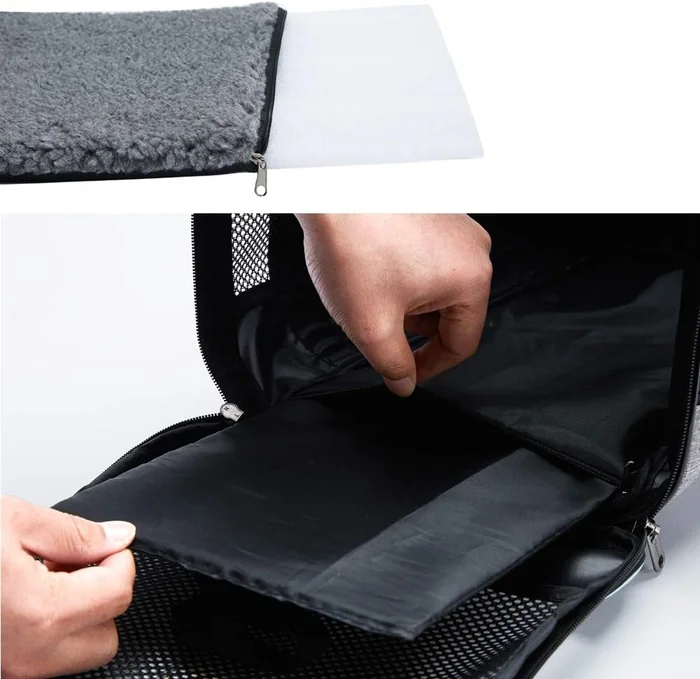
Vceoa 17.5x11x11 Inches Cat, Dog Carrier for Pets Up to 16 Lbs, Soft-Sided Cat Bag Animal Carriers Travel Puppy Carry As a Toy of Fabric Pet Home
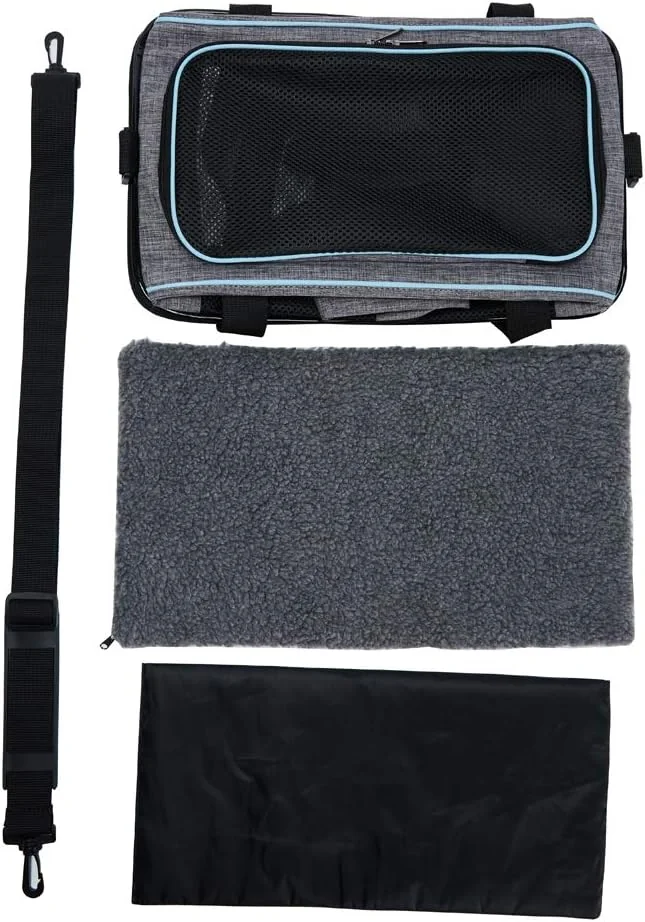
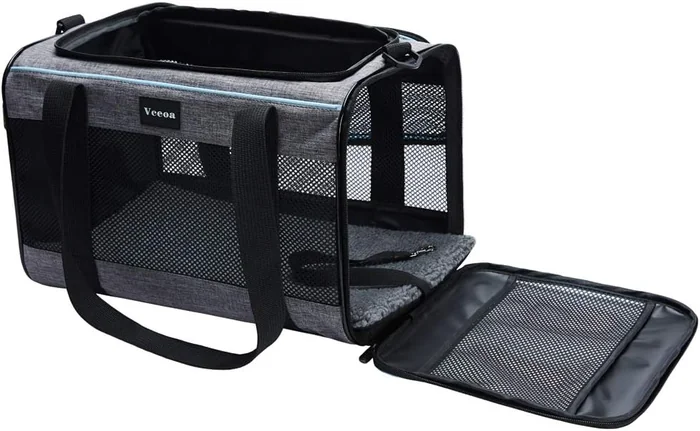
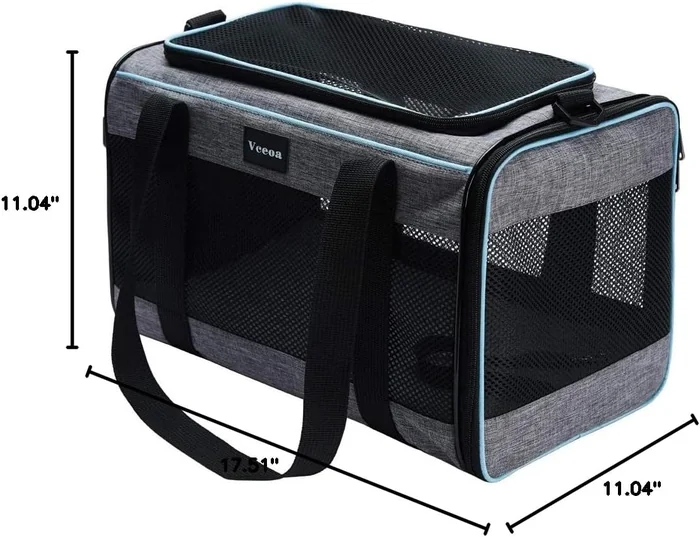
Key Features:
- Pet Carrier: 17.5” L x 11” W x 11” H, Recommended max load of 16 lbs cats small dogs. Please do not choose your carrier based on weight–please reference your pet’s length and height in selecting a pet carrier size.
- Fits for under-seat dimensions of most airlines. Every airline has a specific set of rules and regulations, please contact with airline before flying with your cats small dogs.
- Mesh windows for ventilation, top and side entry with locking zippers for safety. Carrying handles, adjustable shoulder strap which can also be used as seatbelt, and back strap can fasten the pet carrier to your luggage.
This carrier is ideal for trips to the veterinarian. Its soft-sided construction and mesh panels provide ventilation and allow your cat to see out, which can be less intimidating than a hard plastic crate. The multiple entry points and secure zippers make it easy to place a nervous cat inside. The included shoulder strap and luggage strap add convenience for travel. Remember to always measure your cat to ensure a proper fit for their comfort.
8. Have I Considered All Household Members (Including Other Pets)?
A new cat affects everyone in the home.
-
- Family & Roommates: Ensure everyone is on board and understands their responsibilities (feeding, cleaning, rules).
- Allergies: Have all household members spent time with cats to confirm no severe allergies exist.
- Children: Teach children how to interact gently and respectfully with a cat, and always supervise interactions.
Other Pets: Introductions must be slow and controlled. A resident dog or cat may need weeks or months to adjust. Prepare for a gradual introduction process using scent swapping and visual barriers Cat Care Tips.
9. What Supplies Do I Need Before Bringing My Cat Home?
Being prepared reduces stress for both you and your new cat. Here is your essential shopping list:
- Litter Box & Scoop: Have at least one box per cat, plus one extra.
- High-Quality Cat Food: Ask the shelter or foster what food the cat is currently eating to transition slowly.
- Food & Water Bowls: Use shallow, wide ceramic or stainless-steel bowls.
- Carrier: As discussed above.
- Scratching Posts & Cat Tree: Place them in central living areas.
- Interactive Toys & Puzzle Feeders: For mental stimulation.
- Cozy Bed: Place it in a quiet, draft-free location.
- Grooming Tools: A brush suitable for your cat’s coat length.
- Cat-Safe Cleaning Supplies: For accidents.
10. Where Should I Adopt From?
Choosing where to adopt is a critical ethical decision.
- Animal Shelters & Rescue Groups: This is our strongest recommendation. You are saving a life and making space for another animal in need. Rescue cats are often vet-checked, spayed/neutered, and microchipped. Staff and fosters can provide deep insights into a cat’s personality.
- Responsible Breeders: If you are set on a specific purebred cat, do exhaustive research. A responsible breeder will health-test their breeding cats, raise kittens in their home, ask you as many questions as you ask them, and have a contract requiring you to return the cat to them if you can no longer care for it. Avoid pet stores and online marketplaces, as they are often sourced from inhumane kitten mills.
Once you’ve adopted, creating a dedicated, comfortable space for your own pet care management can be helpful. For instance, a well-organized home office setup where you can manage vet records, auto-ship pet supplies, and more contributes to a stress-free routine.
HUANUO Single Monitor Mount for an Organized Pet-Parent Workspace

HUANUO Single Monitor Mount, 13 to 32 Inch Monitor Arm, Adjustable Monitor Stand, Vesa Mount with Clamp and Grommet Base – Fits 4.4 to 19.8lbs LCD Computer Monitors






Key Features:
- Great Adaptability: This HUANUO single monitor arm fits 13-32 inch monitors, holds 4.4-19.8 lbs, suitable for VESA patterns of 75x75mm & 100x100mm. This monitor mount is specially designed for ergonomics, aiming to help people work comfortably, and to help people have a better viewing experience.
- Full Adjustable: This PC monitor stand can remain completely stable at any angle without any extra work. Compared with other single monitor arm adjustment methods, huanuo can make you adjust screws repeatedly, this monitor arm is easy to use and has a tilt range from -50°to +85°, ±90 ° swivel, and 360°rotation, so your screen can be lifted up to 39.6cm from desktop with one hand.
- 80% Sturdier Than Others: At HUANUO, we focus on improving the strength and stability of our single monitor stand. The single desk monitor mount uses automotive-grade components and has undergone 20,000 motion tests, which means it can be used continuously for more than 5 years without issue.
While not a pet product per se, an ergonomic home office setup is invaluable for a new pet owner. This monitor arm frees up valuable desk space for organizing pet records, scheduling vet appointments, or even monitoring a pet camera feed. Its sturdy construction ensures stability, and the easy adjustability allows for a comfortable posture during those inevitable online searches for “why is my cat doing that?” With over 15,000 reviews, it’s a reliable tool for creating an efficient command center for your new life as a cat parent.
Final Thoughts: The PawLitter Promise
Adopting a cat is one of the most loving decisions you can make. By thoroughly asking and answering these ten questions, you are taking the first, most responsible step on a wonderful journey. At PawLitter, our expertise is rooted in a deep love for felines and a commitment to empowering owners with accurate, practical knowledge. We are here to support you with resources on cat care, behavior, and product reviews How Often Should You Change Cat Litter?A Vet-Reviewed Guide every step of the way. Welcome to the rewarding world of cat companionship—your future feline friend is waiting.

Related Articles
 Cat Basics
11 Most Cat-Friendly Cities Around the World for Feline-Loving Travelers
 Cat Basics
10 Essential Things to Know Before Adopting a Disabled Cat
 Cat Basics
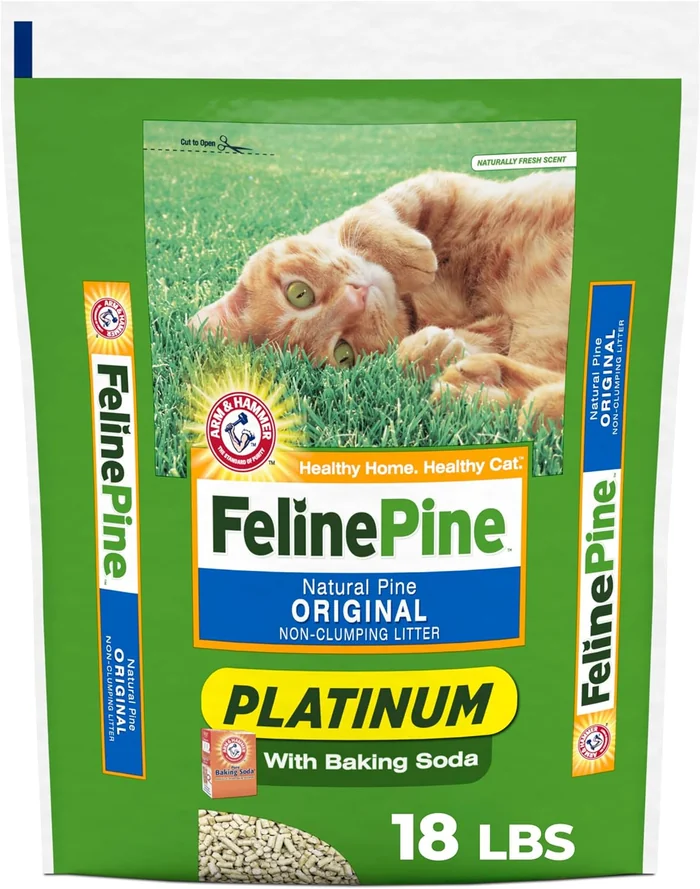
11 Affordable & Eco-Friendly Cat Litter Alternatives for a Greener Home
 Cat Basics
100 Most Popular Cat Love Quotes Of All Time
 Cat Basics
10 Little Known Facts About Your Cats Tongue
 Cat Basics