



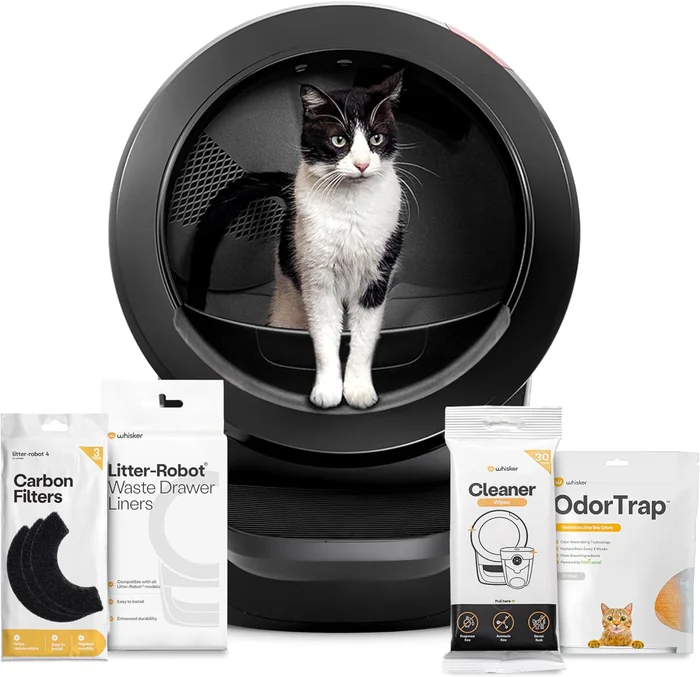



10 Essential Things to Know Before Adopting a Disabled Cat

Adopting a cat is a life-changing decision filled with joy. Choosing to welcome a disabled cat into your home is an exceptionally rewarding path that requires specific knowledge and preparation. At PawLitter, we believe every cat deserves a loving home, and special needs cats have an incredible capacity for love and adaptation. This comprehensive guide, drawing on expert veterinary insights and real-world experience, will equip you with the 10 most critical things to need to know before adopting a disabled cat, ensuring you’re fully prepared for this beautiful journey.
1. Understand That “Disabled” Does Not Mean “Less Than”
The first and most important mindset shift is understanding that a disability is just a characteristic, not a definition. A blind cat navigates the world through sound and memory. A three-legged cat (a “tripawd”) can run and play with astonishing agility. Deaf cats are highly visual and responsive to vibration. These cats adapt brilliantly, and their resilience is inspiring. Your role isn’t to pity them, but to provide a safe environment where their unique abilities can shine. The bond formed with a cat who has overcome challenges is often profound and deeply fulfilling.
2. Be Prepared for Potentially Higher Veterinary Costs
While many disabled cats are perfectly healthy, some conditions may require more frequent veterinary check-ups, specialized care, medications, or therapies like physical rehabilitation. Before adopting, research common health issues associated with your cat’s specific disability. For instance, cats with mobility issues like paralysis or limb differences may be prone to urinary tract infections or arthritis. We strongly recommend investing in a comprehensive pet insurance policy before any pre-existing conditions are diagnosed. Additionally, starting an emergency fund specifically for your pet’s care provides invaluable peace of mind and ensures you can always say “yes” to necessary treatments.
3. Your Home Will Need Thoughtful Modifications
Creating an accessible, safe home is crucial. This goes beyond just removing obvious hazards. It’s about building an environment that promotes independence and confidence.
- For Blind or Visually Impaired Cats: Avoid rearranging furniture frequently. Use textured rugs or runners to denote pathways. Block access to dangerous areas like open staircases.
- For Cats with Mobility Issues (e.g., paralysis, amputees, arthritis): Provide ramps or steps to access favorite furniture or window perches. Ensure litter boxes have very low entry points. Non-slip flooring is essential to prevent falls and aid movement.
- For Deaf Cats: Since they can’t hear you approach, avoid startling them. Stomp lightly on the floor to create vibrations before petting, and always approach from within their line of sight.
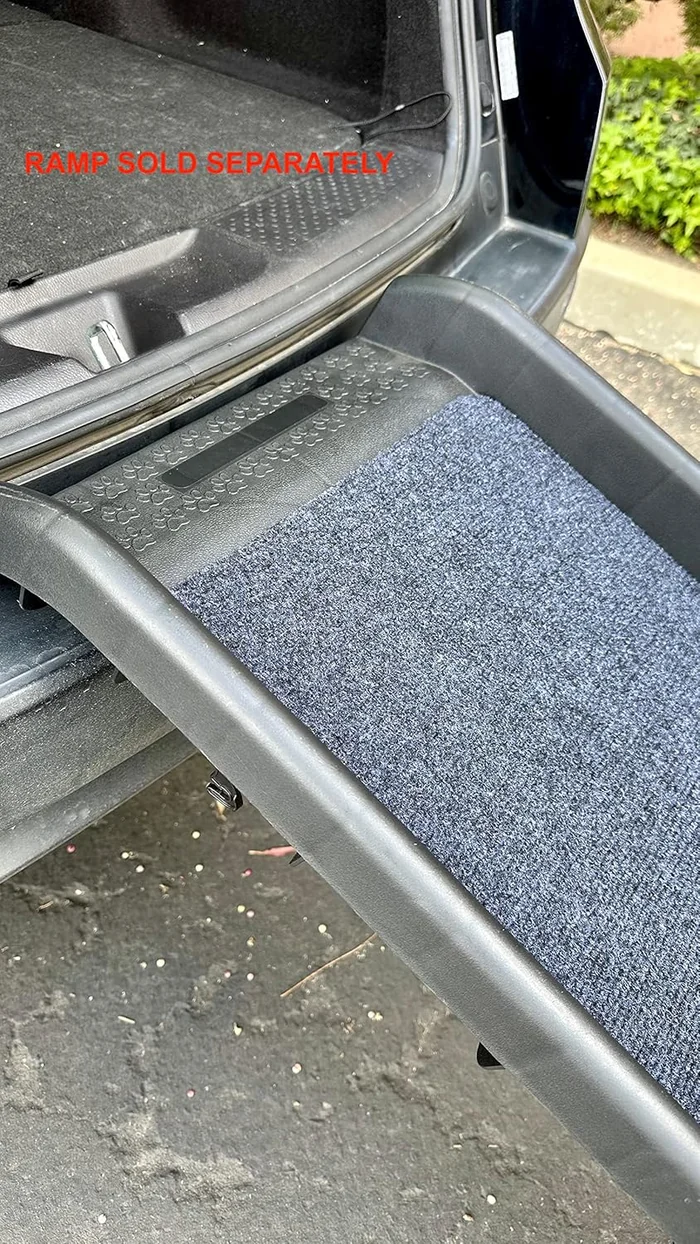
Simple tools can make a world of difference. For example, a non-slip carpet on a ramp provides the secure footing a disabled cat needs.
MaxWorks Non-Slip Carpet for Pet Ramps
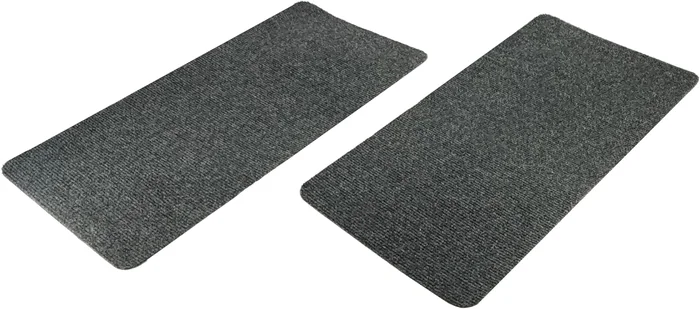
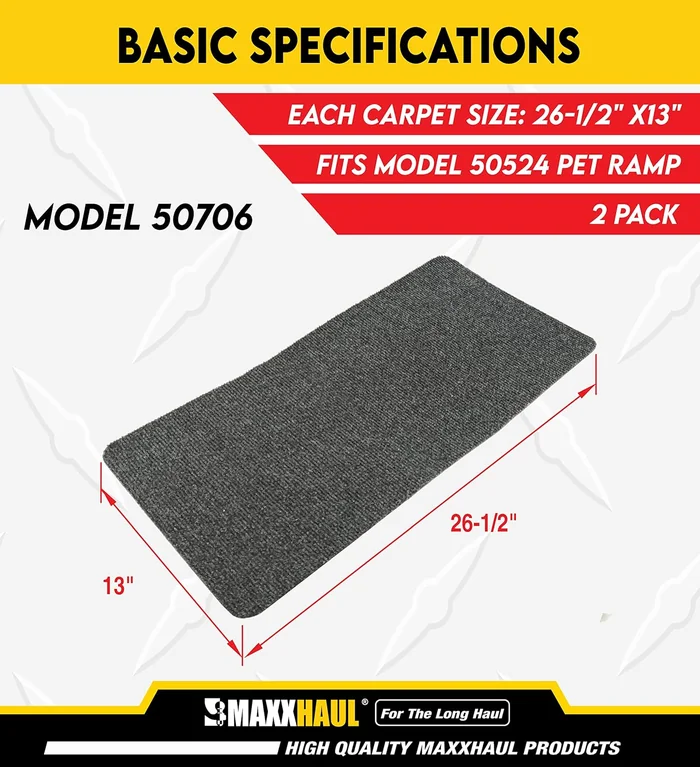
MaxWorks 50706 Non-Slip Carpet with Adhesive Backing for 50524 Pet Ramp (1-Set)


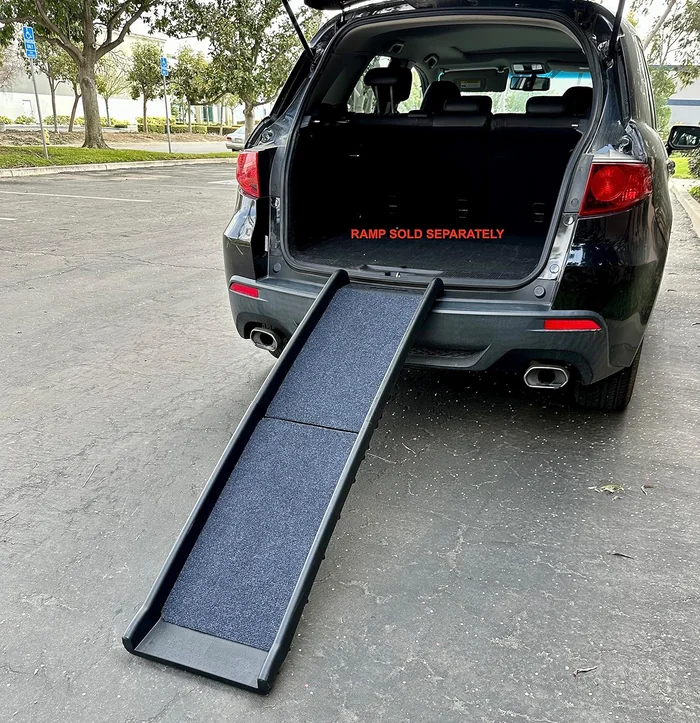
Key Features:
- MaxxWorks 50706 Non-Slip carpet is an optional accessory that provides extra traction for our 50524 pet ramp.
- Our carpet is similar in texture to a home carpet, which is very acceptable for pets.
- Carpet with added traction helps grip and steadily walk for big and small dogs, the special horizontal concave-convex texture design reduces the pressure on your pet’s feet and joints.
This adhesive-backed carpet from MaxWorks is an excellent accessory for enhancing any pet ramp. Its home-carpet-like texture is comfortable and familiar for pets, encouraging use. The key feature is its special horizontal concave-convex design, which provides exceptional traction to prevent slipping—a critical safety feature for cats with mobility challenges, weakness, or limb differences. The added grip reduces pressure on joints, making each ascent and descent steadier and more comfortable. It’s a simple, affordable modification that significantly increases the safety and usability of ramp access in your home.
4. Patience Isn’t Just a Virtue; It’s a Requirement
Your new cat may need extra time to learn the layout of your home, master a new litter box system, or build trust. There will be accidents, moments of frustration, and learning curves—for both of you. Progress is measured in small victories: the first time they find the water bowl on their own, the first confident jump onto a cushioned chair. Celebrate these moments. Your consistent, calm, and patient presence is the foundation upon which your cat will build their new life. Remember, they are adapting to a whole new world while managing their disability; your patience is the greatest gift you can give.
5. Litter Box Accessibility is Paramount
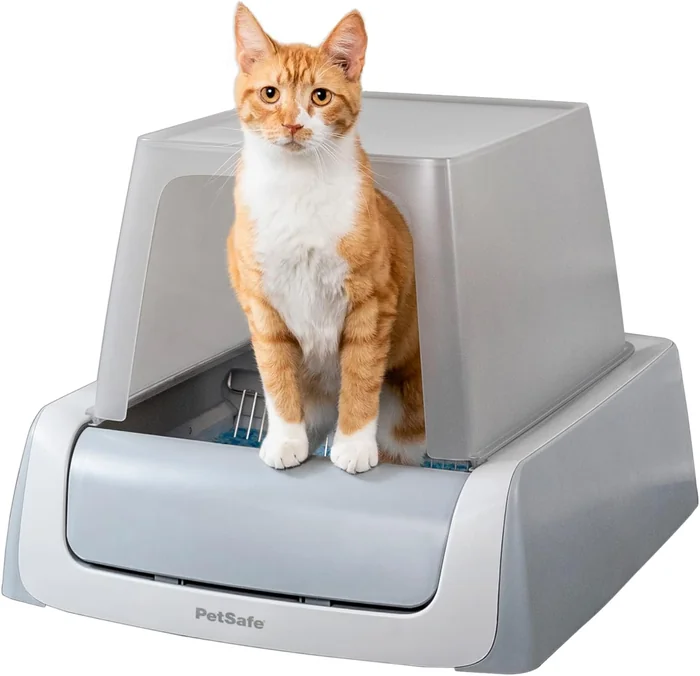
This is one of the most practical and critical considerations. A litter box that is difficult or painful to enter is a primary cause of accidents outside the box. For cats with mobility issues, spinal injuries, or missing limbs, a high-sided box can be an impossible barrier. The solution is a box with a very low entry point or even a shallow, large pan. For cats who are blind, keeping the box in a consistent, quiet, and easily accessible location is key. For many caregivers, especially those with cats who have severe mobility limitations, an automatic self-cleaning box can be a game-changer for maintaining hygiene and monitoring health.
PetSafe ScoopFree Crystal Pro Self-Cleaning Litter Box
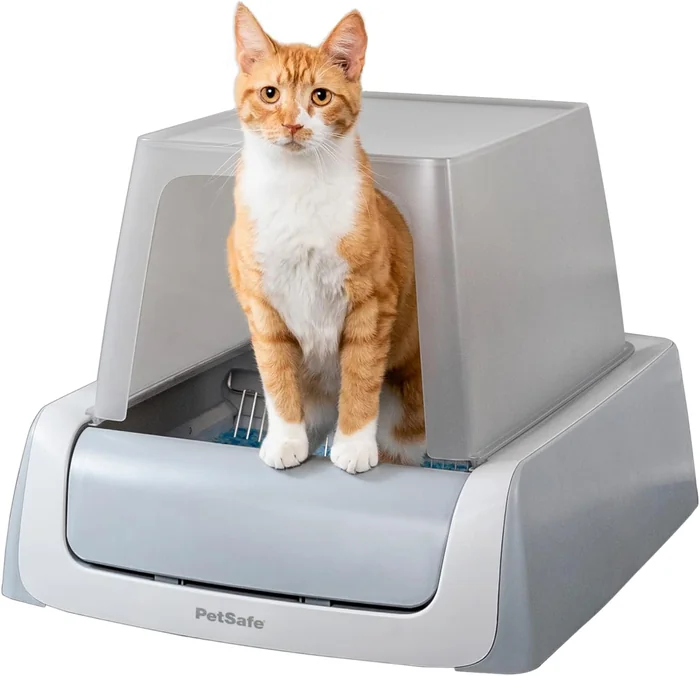
PetSafe Legacy ScoopFree Crystal Pro Self-Cleaning Automatic Cat Litter Box – Front-Entry Motion-Sensing Cat Box with Integrated Health Counter – Includes 1 Disposable Crystal Litter Tray
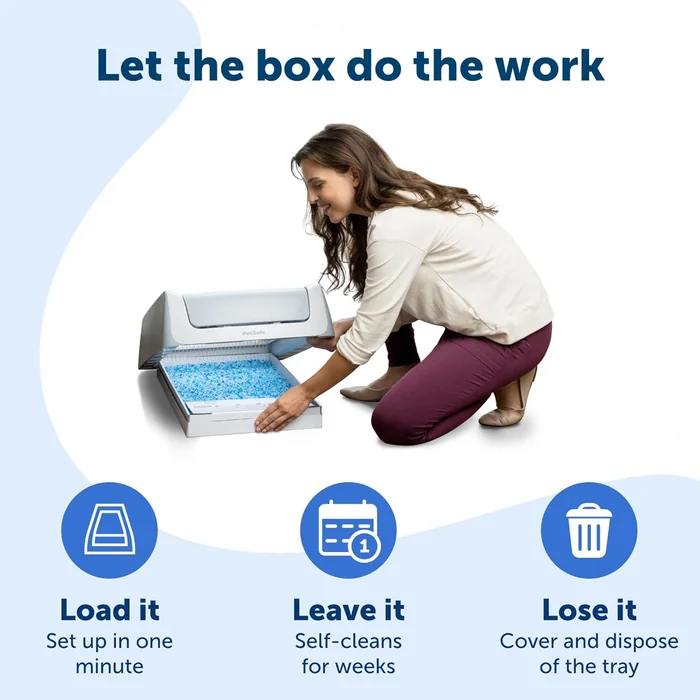

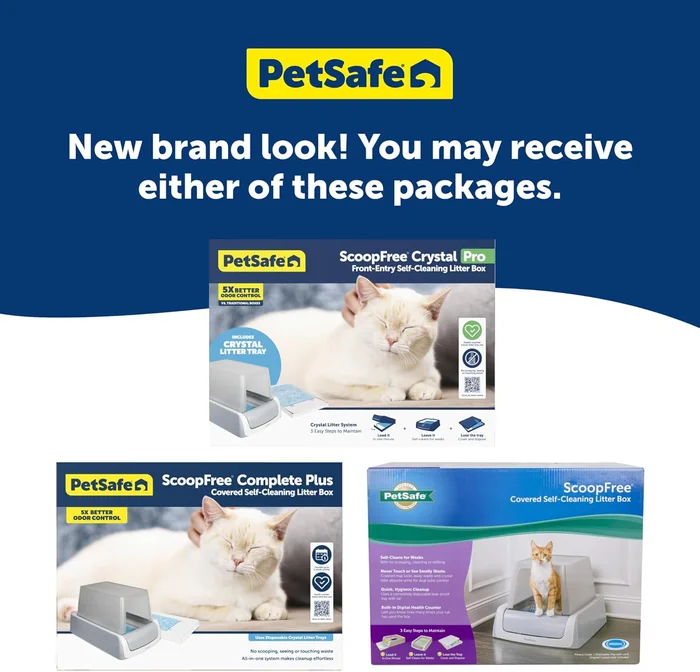
Key Features:
- Self-Cleaning Front-Entry Litter Box: Experience the convenience of an automatic self-cleaning litter box with the PetSafe Legacy ScoopFree Crystal Pro; motion sensors and crystal litter offer easy cleanup
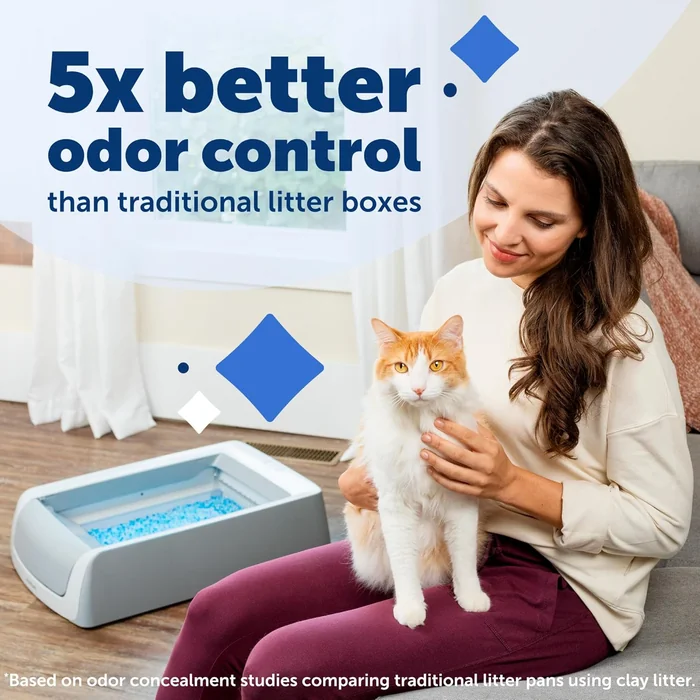
- Odor Free & Hygienic: Crystal litter absorbs liquid and dehydrates solid waste, while leak-proof disposable trays and low-tracking crystals make cleanup easy so your home stays clean and fresh
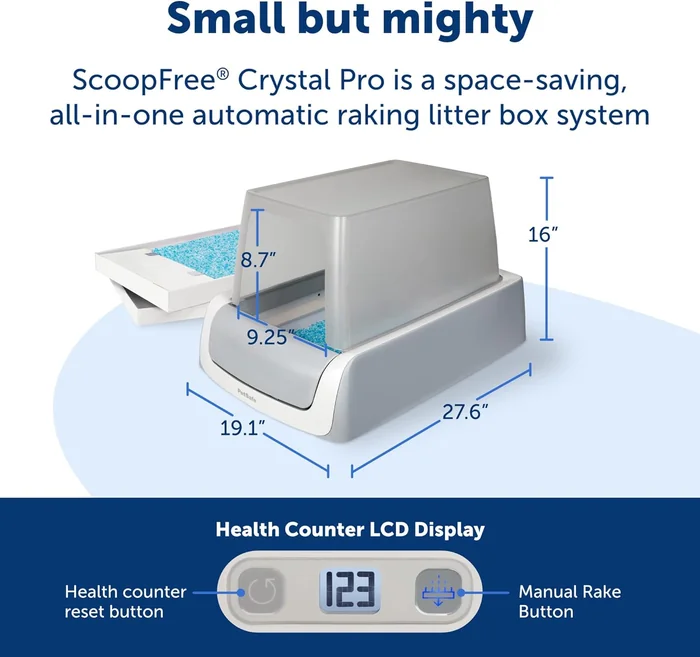
- Track Your Cat’s Health: An integrated health counter monitors your cat’s litter box usage, allowing you to note any irregularities that may signal possible health concerns
The PetSafe ScoopFree Crystal Pro is a standout solution for disabled cat care. Its front-entry design with a low threshold is far more accessible for cats with mobility challenges than top-entry models. The automatic self-cleaning mechanism, which rakes waste into a sealed compartment, ensures a consistently clean bed of litter—vital for cats who may spend more time in the box or have difficulty positioning themselves perfectly. The crystal litter controls odor effectively and is low-tracking. Most importantly, its integrated health counter tracks litter box visits, providing invaluable data. For a guardian of a disabled cat, noticing a change in usage frequency could be the first sign of a urinary issue or other health problem, enabling a faster veterinary response.
6. You Must Commit to a Routine
Cats, especially those with disabilities, thrive on predictability. Consistent feeding times, medication schedules (if needed), play sessions, and quiet time reduce anxiety and help your cat feel secure. A blind cat uses routine to map its territory mentally. A cat with cognitive dysfunction relies on routine for orientation. Establishing and maintaining a stable daily schedule is a powerful way to communicate safety and love to your special needs companion.
7. Learn Their Specific Communication Style
Your cat will communicate their needs, but you must learn their unique language. A deaf cat won’t come when called but will respond to a light flash or a gentle vibration on the floor. A blind cat may use more vocalizations to gauge location or express need. A cat with limited mobility might meow to ask for help reaching a perch. Pay close attention to their body language, vocalizations, and habits. This deep understanding allows you to preempt problems, meet their needs proactively, and strengthen your mutual bond. For more on understanding feline behavior, explore our guide on cat body language What Are Two Things You Should Never Flush Down a Toilet?(And 10 More That Cause Havoc).
8. Consider the Existing Dynamics of Your Household
Honestly assess your home environment. Do you have other pets? How might they react? Introductions must be managed with extreme care and slowness. Do you have young children who need to be taught gentle, respectful interaction? Is your home typically very busy and loud, or calm and quiet? Some disabled cats, particularly those who are blind or neurologically impaired, may do best in a quieter, more predictable setting. The goal is to set up both your new cat and your existing household for a harmonious, stress-free success.
9. Seek Support and Build Your Care Team
You are not alone. Build a support network that includes:
- A compassionate, experienced veterinarian who understands your cat’s specific condition.
- Online communities and forums for guardians of special needs pets (e.g., for tripawds, blind cats, etc.). The shared experience is invaluable.
- A trusted pet sitter who is fully briefed and comfortable with your cat’s care requirements for when you travel.
Having this team provides emotional support, practical advice, and ensures the best possible care for your cat. For finding the right veterinary care, our article on choosing a vet offers helpful tips Covered vs Uncovered Litter Box?The Ultimate Guide for Cat Owners.
10. Prepare for an Immensely Rewarding Experience
While the responsibility is significant, the rewards are immeasurable. You will witness daily acts of courage and adaptation. You will develop a level of communication and trust that is incredibly deep. The love and gratitude from a cat who has been given a second chance at a wonderful life is palpable. You are not just providing care; you are enabling a full, happy, and loved existence. The journey of caring for a disabled cat changes you, fostering unparalleled empathy, patience, and joy.
Final Thoughts: Are You Ready?
Adopting a disabled cat is a commitment of the heart, time, and resources. It asks for your best self: your patience, your creativity, and your unwavering dedication. In return, it offers a unique, profound, and joyful companionship. If you’ve read this guide and feel prepared, excited, and committed, then you may be the perfect forever home a special cat is waiting for. Visit your local shelter or rescue specializing in special needs pets—your new best friend is there. For the next steps, our checklist for bringing a new cat home can help you prepare How to Litter Train a Cat?A Stress-Free Guide for Kittens and Adult Cats.

Related Articles
 Cat Basics
10 Reasons NOT To Train Your Cat To Use The Toilet And What To Do Instead
 Cat Basics
10 Essential Questions to Ask Yourself Before Adopting a Cat
 Cat Basics
11 Most Cat-Friendly Cities Around the World for Feline-Loving Travelers
 Cat Basics
10 Fascinating Cat Brain Facts Every Owner Should Know
 Cat Basics
10 Simple & Effective Ways to Keep Your Cat’s Litter Box Area Clean
 Cat Basics