




10 Proven Hacks to Keep Your Cat Away From Plants And Save Your Greenery

If you’re a plant parent and a cat parent, you’ve likely faced the age-old struggle: your feline friend sees your prized monstera or delicate fern as the ultimate jungle gym, salad bar, or litter box substitute. Not only can this ruin your plants, but many common houseplants are toxic to cats, turning a frustrating habit into a dangerous one. At PawLitter, we understand this conflict deeply. Our team of pet enthusiasts has researched, tested, and compiled the most effective, cat-safe strategies to create harmony in your home. This guide goes beyond simple lists to provide actionable, vet-informed hacks that protect both your plants and your curious cat.
Why Are Cats So Drawn to Plants?
Understanding the “why” is the first step to finding a lasting solution. Cats aren’t trying to be destructive; their behavior is driven by natural instincts.
- Instinctual Grazing: In the wild, cats consume grass to aid digestion, help regurgitate hairballs, or supplement nutrients.
- Sensory Enrichment: The texture, movement, and smell of plants provide mental stimulation for an indoor cat.
- Play & Exploration: Dangling leaves and stems mimic prey, triggering your cat’s hunting instincts.
- Boredom or Attention-Seeking: A cat with insufficient playtime may turn to plants for entertainment.
- Alternative to Litter Box: Soft, diggable soil can be an attractive alternative if the litter box is dirty, in a bad location, or if the cat has a medical issue.
With these motivations in mind, the goal isn’t to punish your cat, but to redirect their behavior using smart, humane deterrents and alternatives.
10 Effective Hacks to Keep Cats Away From Plants
Here are our top ten strategies, ranging from simple DIY solutions to effective commercial products. We always recommend starting with the safest, least invasive methods first.
1. Offer a “Sacrificial” Plant: Cat Grass or Catnip
The most positive redirect is to give your cat a plant of their own. Growing pots of cat grass (wheatgrass, oat grass) or catnip provides a safe, approved outlet for their chewing and nibbling instincts. Place their dedicated plant near their favorite spots, far from your off-limits houseplants. This satisfies their need for greenery and can distract them from your more delicate specimens.
2. Use Textural Deterrents on the Soil
Cats hate the feeling of certain textures on their paws. Covering the soil surface in your plant pots can be a highly effective barrier.
- Aluminum Foil: Lightly lay sheets over the soil. The crinkly sound and feel are unappealing to most cats.
- Pine Cones or Plastic Mesh: These create an uneven surface that cats will avoid walking on.
River Rocks or Decorative Pebbles: Cover the soil with a layer of large, smooth stones. This makes digging impossible and looks attractive.
3. Employ Natural Scent Repellents
A cat’s sense of smell is incredibly sensitive. You can use scents they dislike—which are often pleasant to humans—around your plants.
- Citrus: Lightly rub citrus peels (orange, lemon, lime) on the pot’s rim, or place them on the soil. You can also use diluted citrus essential oils.
- Herbs: Fresh sprigs of rosemary, lavender, or thyme can act as a gentle deterrent.
- Vinegar: Soak cotton balls in white vinegar and place them around the plant area. The smell dissipates for humans quickly but lingers for cats.
Important Safety Note: Always ensure the deterrent itself is not toxic if ingested and that concentrated oils are kept out of reach.
4. Invest in a Motion-Activated Pet Deterrent
For persistent cats or protecting specific high-value plants, an automatic deterrent provides consistent, hands-off training. These devices use a harmless burst of air or ultrasonic sound triggered by motion, startling the cat without physical contact.
PetSafe SSSCAT Automatic Spray Pet Deterrent

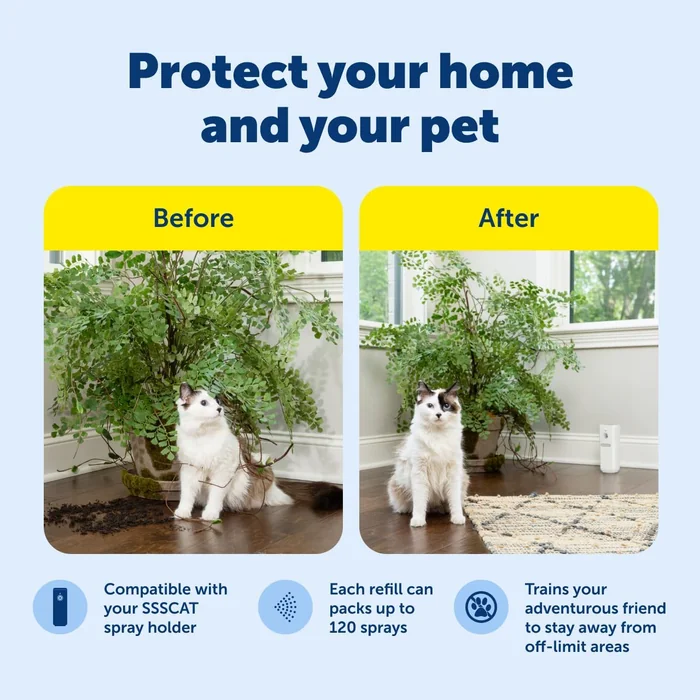
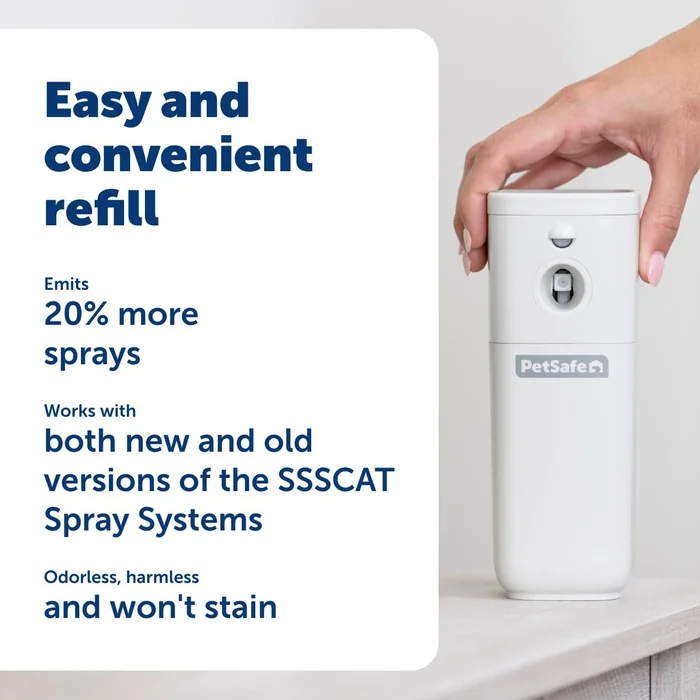
PetSafe SSSCAT Automatic Spray Pet Deterrent – Contactless Behavior Correction – Motion Sensor Air Burst – Odorless – Non-Staining – Versatile Placement Spray – Refill Can
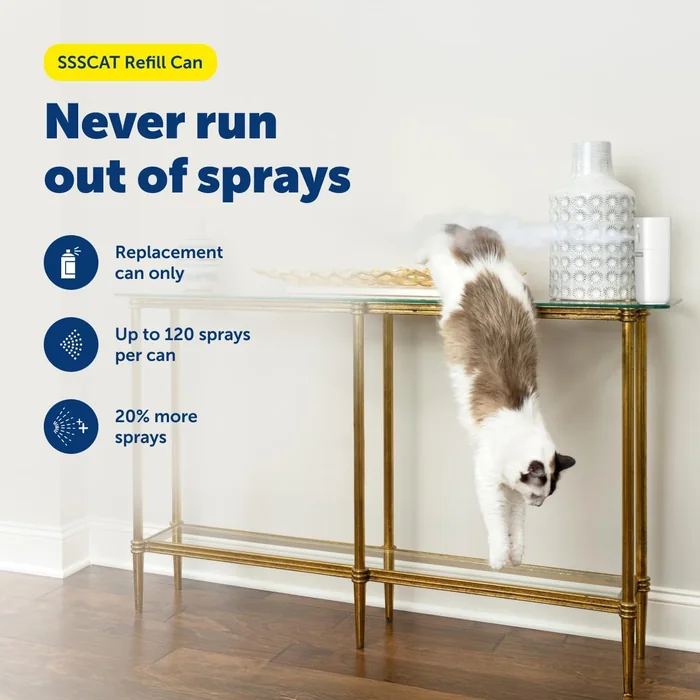



Key Features:
- Behavior Training Made Simple: The PetSafe SSSCAT Automatic Spray Pet Deterrent supports hands-free pet training by keeping pets away from off-limits areas using a motion sensor air burst
- Safe & Mess-Free Correction: Uses an odorless spray to provide gentle pet behavior correction without staining furniture or startling your pet with loud sounds
- Versatile & Refillable Design: This cordless pet spray trainer offers versatile placement; includes easy refill options for repeat training
This is a top-tier solution for indoor plant protection. The PetSafe SSSCAT uses a precise motion sensor to detect your cat’s approach and releases a sudden, odorless burst of air. The surprise interrupts the unwanted behavior, teaching your cat to associate the plant area with an unpleasant (but harmless) experience. Its cordless, refillable design allows for versatile placement on shelves, floors, or behind plant stands. With over 12,000 reviews, it’s a trusted tool for behavior correction. We recommend it for safeguarding a specific plant collection or keeping cats off counters where plants reside.
5. Apply a Pet-Safe Repellent Spray
Commercial repellent sprays create an invisible barrier with scents cats find offensive. They are perfect for spraying directly on plant pots, the soil surface, or the area around your plants.
Nature’s Miracle Advanced Platinum Cat Pet Block Repellent Spray
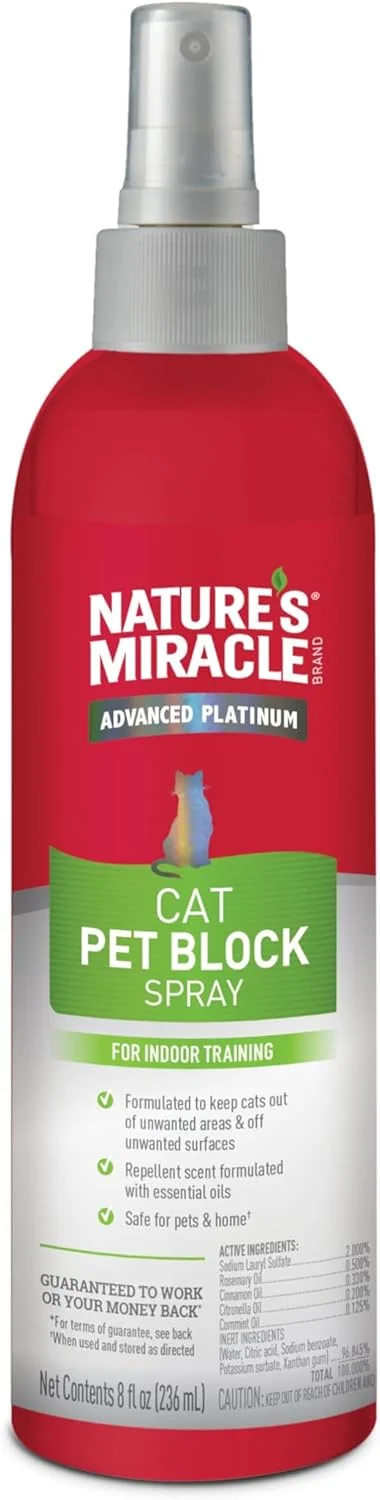
Nature’s Miracle Advanced Platinum Cat Pet Block Repellent Spray, 8 Ounces, Indoor Training Aid for Cats



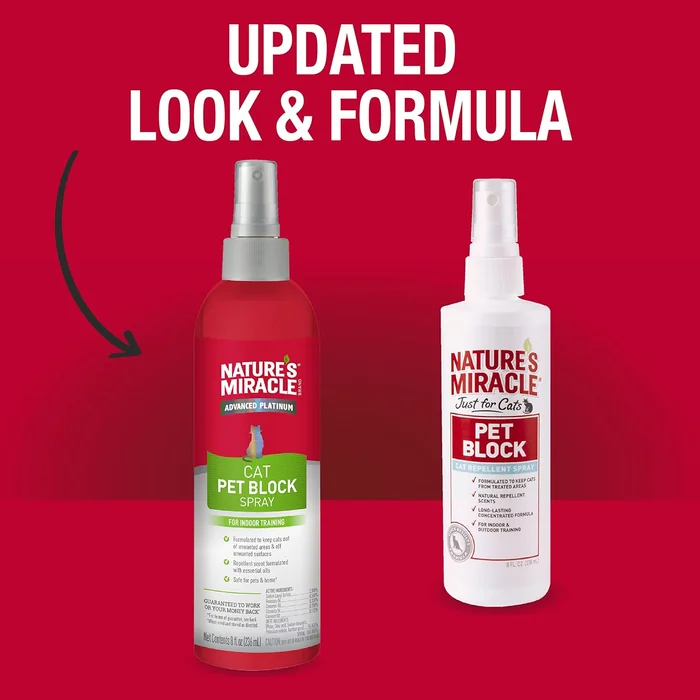
Key Features:
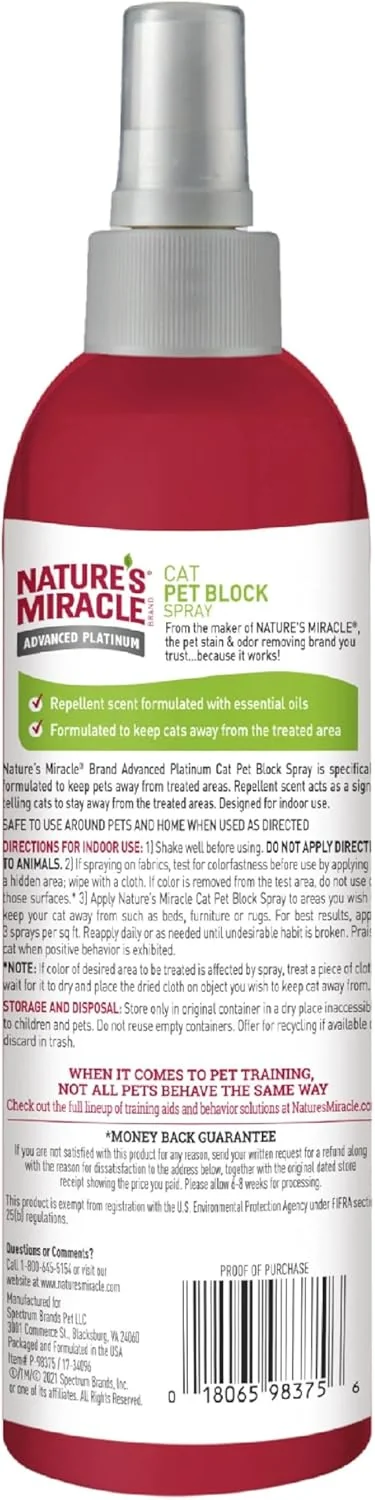
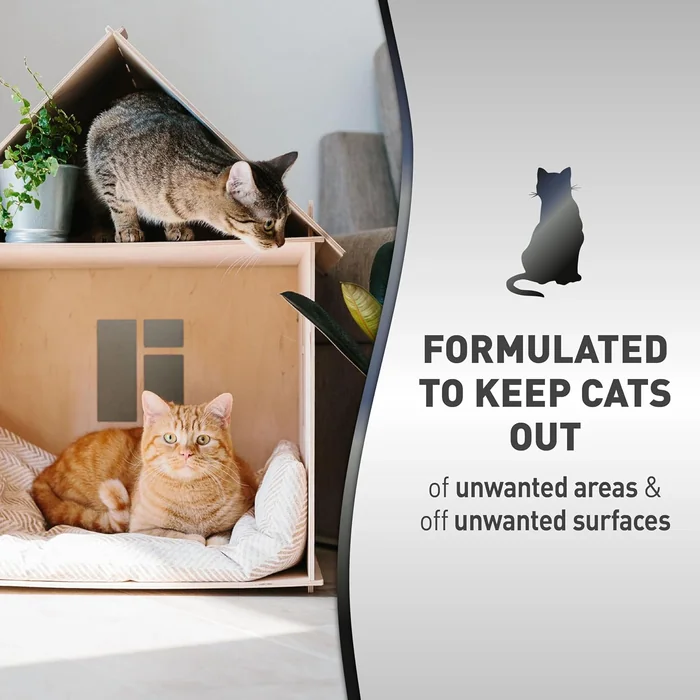
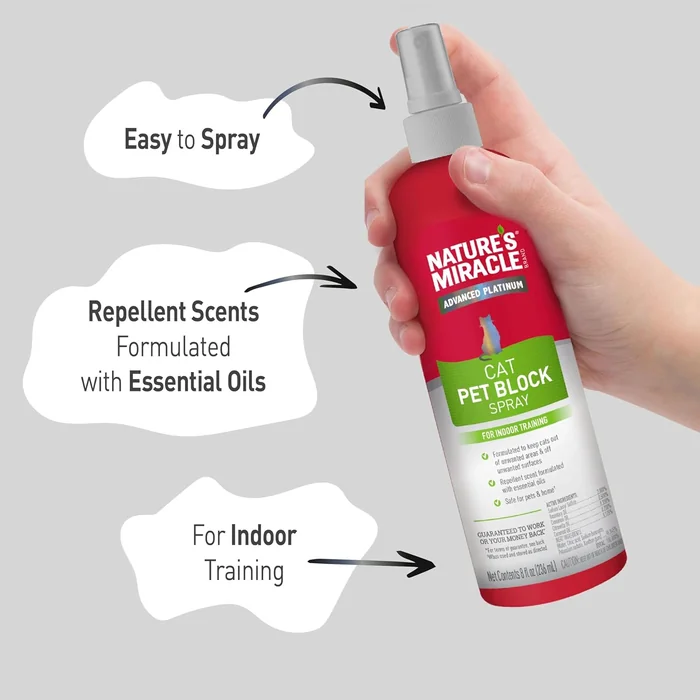
- FORMULATED TO HELP KEEP PETS AWAY FROM TREATED AREAS: Repellent scent acts as a signal telling cats to stay away from the treated areas
- FOR INDOOR TRAINING: Formulated to help keep cats out of unwanted areas and off unwanted surfaces
- FORMULATED WITH ESSENTIAL OILS: Repellent scent formulated with essential oils
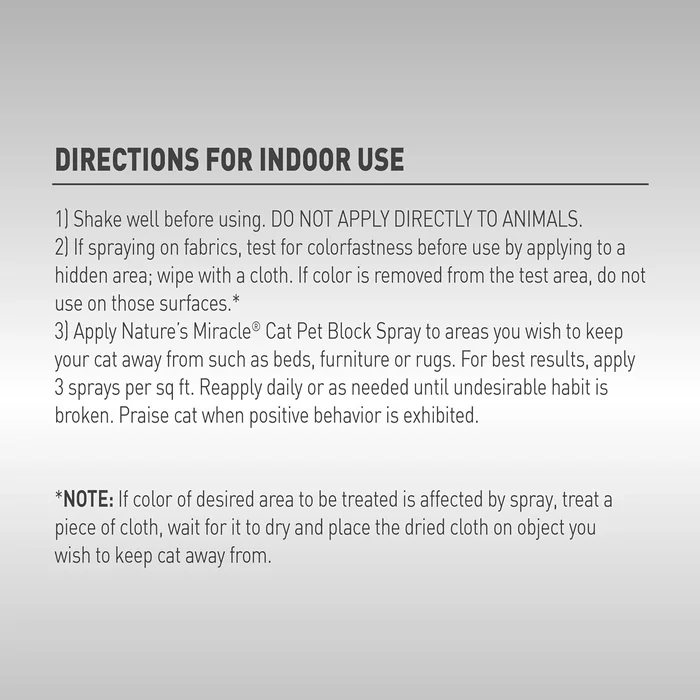
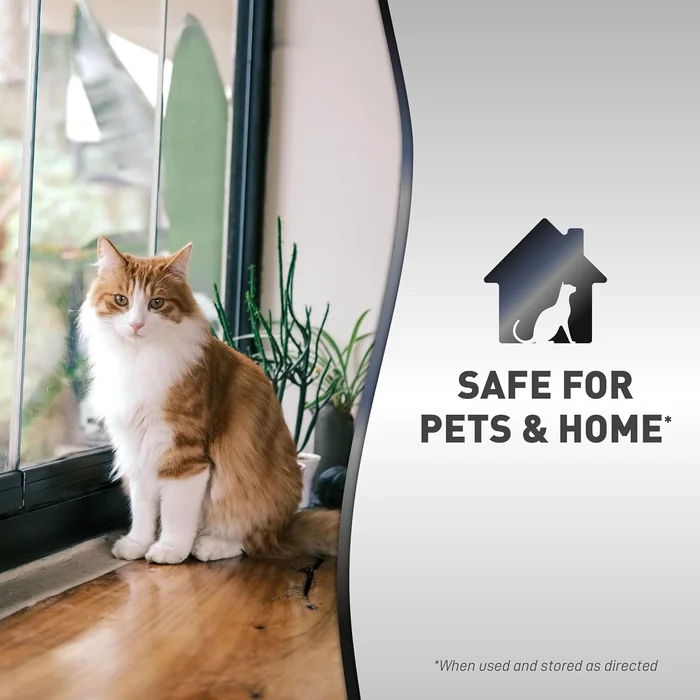
Formulated with essential oils, Nature’s Miracle Pet Block is designed for indoor training. You spray it on surfaces you want your cat to avoid. The scent acts as a signal for cats to stay away, while being generally unnoticeable to humans after application. It’s a cost-effective, easy-to-use first line of defense. Remember to reapply every few days or after cleaning, especially when first training your cat. Always test a small area first to ensure it doesn’t affect your plant’s leaves.
6. Create Physical Barriers
Sometimes, a simple physical block is the most straightforward answer.
- Plant Cages: Use decorative wire cloches or mesh covers placed over smaller plants.
- High Shelves & Hanging Planters: Utilize vertical space. Ensure shelves are truly inaccessible (cats are master climbers!).
- Double-Sided Tape: Apply strips around the base of the pot or on nearby surfaces. Cats dislike the sticky feeling on their paws.
7. Protect Your Garden with Motion-Activated Sprinklers
For outdoor gardens, you need a stronger, weatherproof deterrent to keep neighborhood cats from using your flower beds as a litter box.
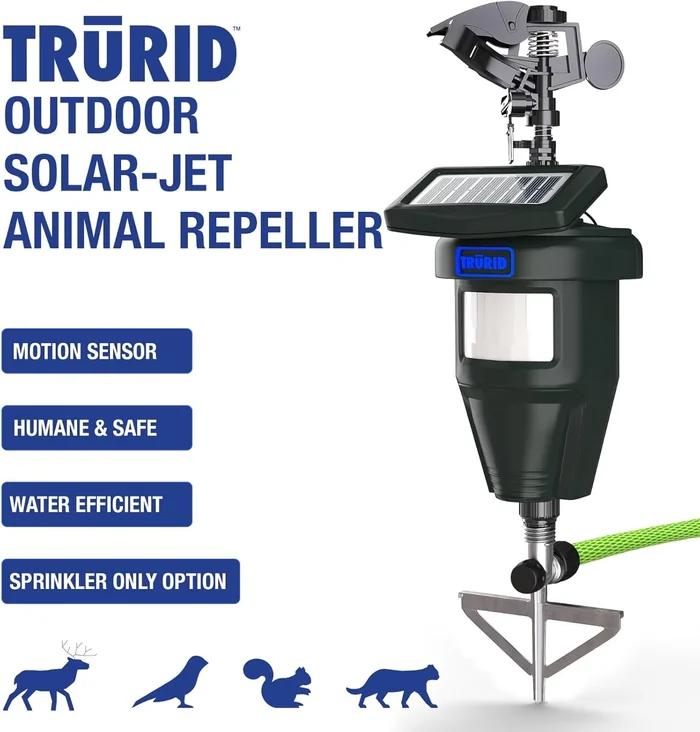
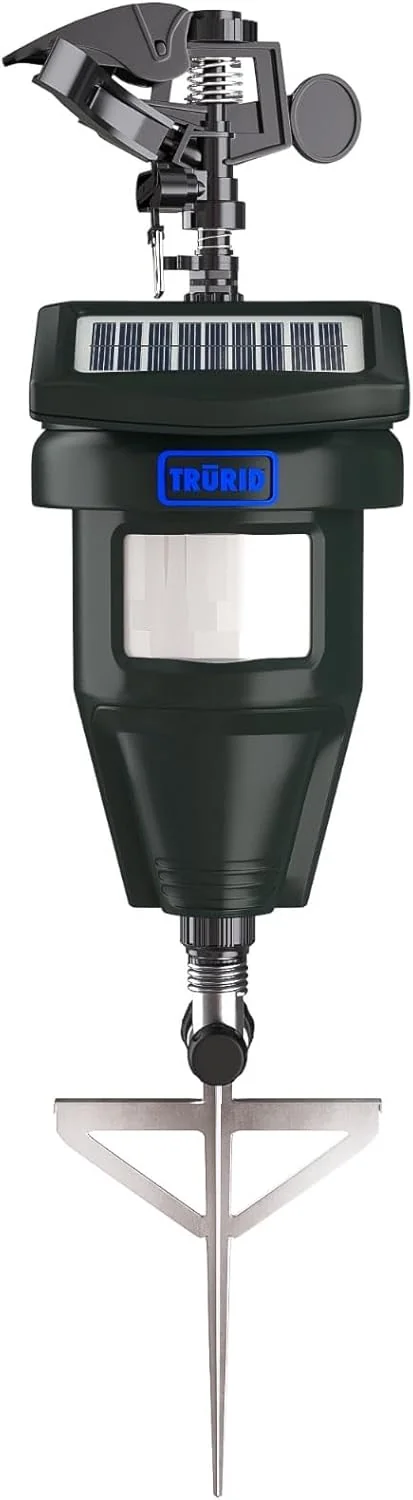
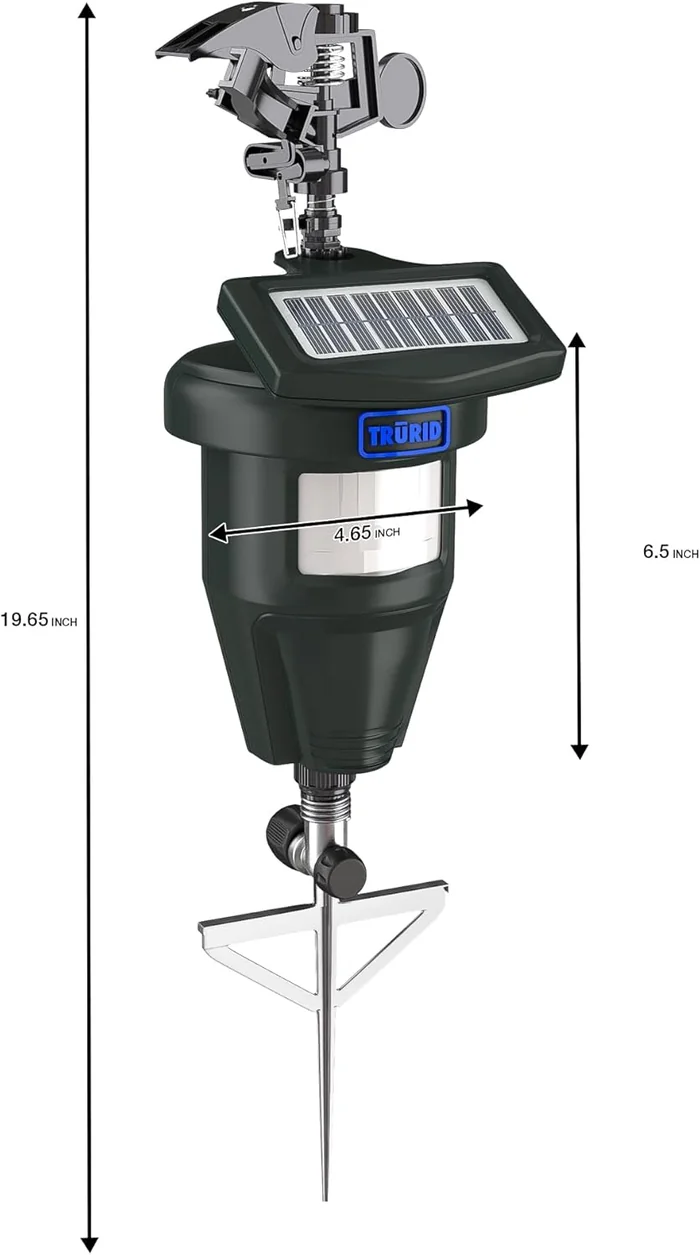
TRURID Motion Activated Sprinkler Animal Deterrent
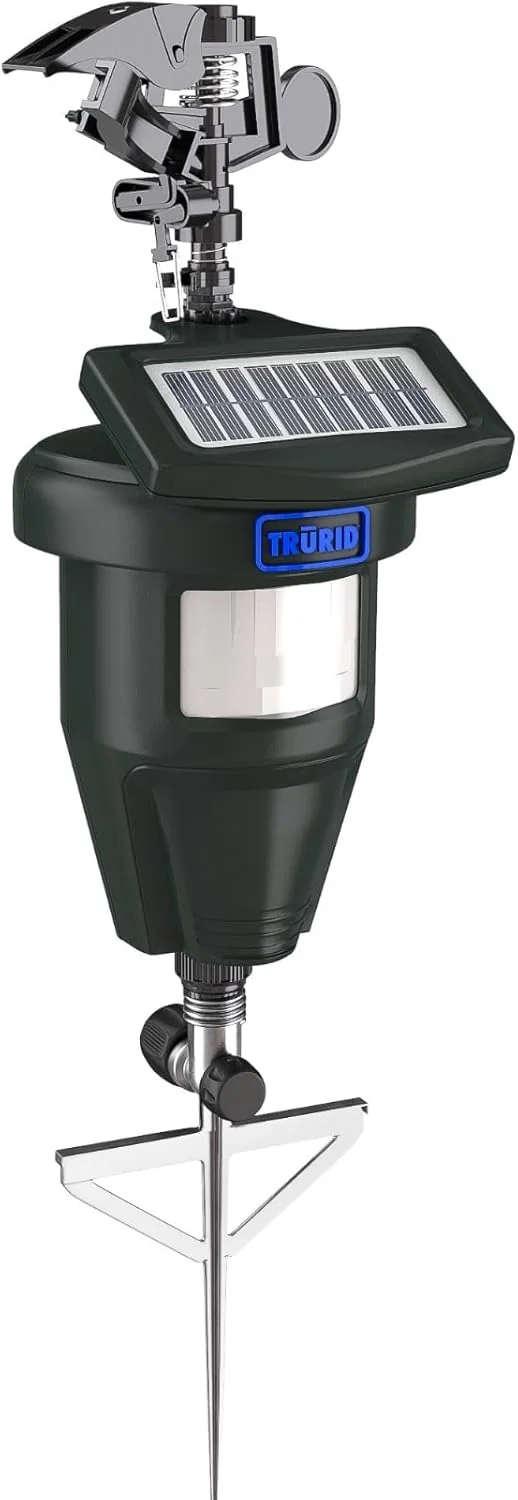
Motion Activated Sprinklers for Yard – Effective Deer & Cat Repellent, Skunk Deterrent, Raccoon & Dog Repellent, Lawn Sprinkler System, Water Sprinkler for Lawn Protection


Key Features:
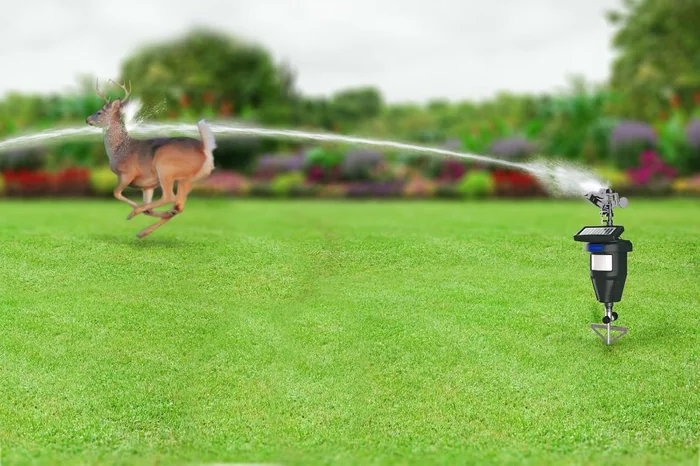
- Motion Activated Sprinkler: Our motion activated sprinkler serves as an effective deer repellent device and cat deterrent, providing an efficient solution for keeping cats out of yard permanently. Ideal for yards, this device offers peace of mind.
- Animal Deterrent Devices Outdoor: This animal repeller is designed for outdoor use to deter common yard invaders such as deer, raccoons, and skunks. The orbit sprinkler system is engineered to protect your lawn while being environmentally friendly.
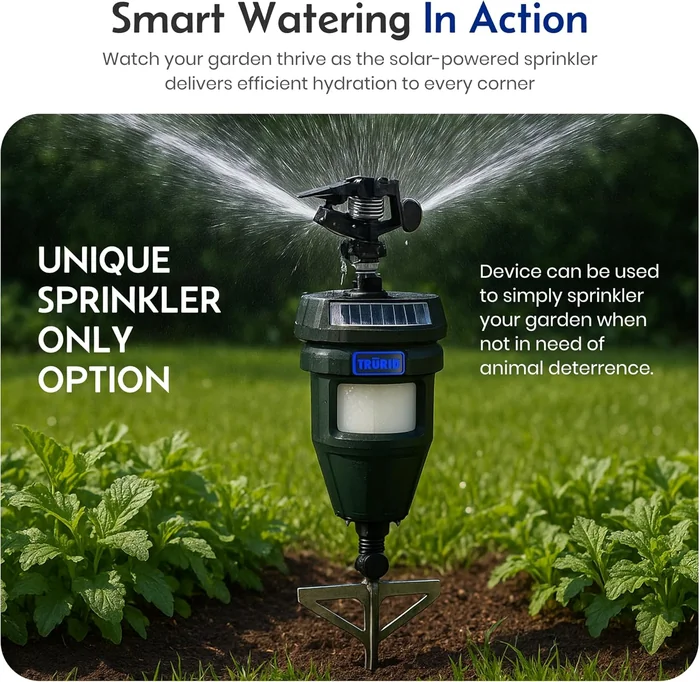
- Rotating Yard Sprinklers: Our rotating yard sprinklers are perfect for lawn care, doubling as raccoon deterrent devices. This yard sprinkler provides optimal coverage while safeguarding your property from unwelcome wildlife.
This device is a game-changer for outdoor plant protection. The TRURID sprinkler connects to your garden hose and uses infrared motion detection. When a cat (or deer, or raccoon) enters its range, it triggers a startling burst of water. It’s an environmentally friendly and highly effective method to keep unwanted visitors out of your yard permanently. The rotating head provides wide coverage, making it ideal for protecting garden beds, lawns, and specific landscaping features.
8. Optimize Your Cat’s Environment
Often, plant-chewing is a symptom of boredom. Address the root cause by enriching your cat’s life.
- Increase Playtime: Dedicate 15-20 minutes twice daily to interactive play with wand toys to simulate hunting.
- Provide Vertical Space: Install cat trees, shelves, or window perches to satisfy their climbing instincts.
- Offer Puzzle Feeders: These engage their brain and slow down eating, providing mental stimulation.
9. Ensure Litter Box Appeal
If your cat is digging in plant soil, reassess their litter box situation. Ensure it is scooped daily, cleaned weekly, placed in a quiet but accessible location, and is large enough. Try a different type of litter if necessary. How to Litter Train a Cat?A Stress-Free Guide for Kittens and Adult Cats
10. The Ultimate Solution: Choose Cat-Safe Plants
When all else fails, or for ultimate peace of mind, fill your home with non-toxic plants. This way, if your cat takes an occasional nibble, it won’t be a veterinary emergency. Some excellent, resilient options include Spider Plants (mildly hallucinogenic but safe), Boston Ferns, Parlor Palms, and Calathea. Always double-check a plant’s toxicity with a reliable source like the ASPCA before bringing it into a home with cats. The Ultimate Guide to Finding the Best Litter Box for Multiple Cats
What NOT to Do: Avoiding Common Mistakes
- Never Yell or Use Physical Punishment: This only creates fear and anxiety, damaging your bond without solving the problem.
- Avoid Mothballs or Strong Chemical Deterrents: These are often highly toxic to cats if ingested or inhaled.
- Don’t Use Cayenne Pepper or Ground Coffee: These can irritate a cat’s paws, nose, and eyes, and are harmful if licked.
Frequently Asked Questions (FAQs)
What is the most effective homemade cat repellent for plants?
A mixture of equal parts water and white vinegar or water with a few drops of citrus essential oil (like lemon or orange) in a spray bottle can be effective. Always spray it on the pot or surrounding area, not directly on the plant leaves, and test a small area first.
Why does my cat eat my plants and then throw up?
This is often a natural behavior. Cats may instinctively eat grass or leaves to induce vomiting to clear hairballs or other indigestible material from their stomach. Providing dedicated cat grass can give them a safer outlet for this instinct.
How can I tell if a plant is making my cat sick?
Symptoms of plant toxicity can include vomiting, diarrhea, drooling, lethargy, difficulty breathing, or seizures. If you suspect your cat has ingested a toxic plant, contact your veterinarian or the ASPCA Animal Poison Control Center immediately. Keep a list of your plants handy for identification. What is a Litter for Cats?A Complete Guide for Cat Owners
Will lemon juice keep cats away from plants?
The scent of lemon can be a deterrent. However, pure lemon juice can be acidic and damage plant leaves or soil pH. It’s safer to use lemon peels or a highly diluted spray applied to the pot, not the plant itself.
Final Thoughts from PawLitter
Creating a peaceful home where your plants and cats can coexist is absolutely achievable. The key is patience, consistency, and a multi-method approach. Start with providing appealing alternatives like cat grass and enriching your cat’s environment. Layer on humane deterrents like texture mats or scent repellents. For persistent issues, high-quality products like the PetSafe SSSCAT or Nature’s Miracle spray offer powerful, safe support. Remember, every cat is unique, so you may need to experiment to find the perfect combination of hacks for your feline friend. By understanding their instincts and redirecting them positively, you can save your greenery and keep your cat happy and healthy.

Related Articles
 Cat Basics
100 Most Popular Cat Love Quotes Of All Time
 Cat Basics
10 Fascinating Facts About Your Cats Paws
 Cat Basics
10 Essential Things to Know Before Adopting a Disabled Cat
 Cat Basics
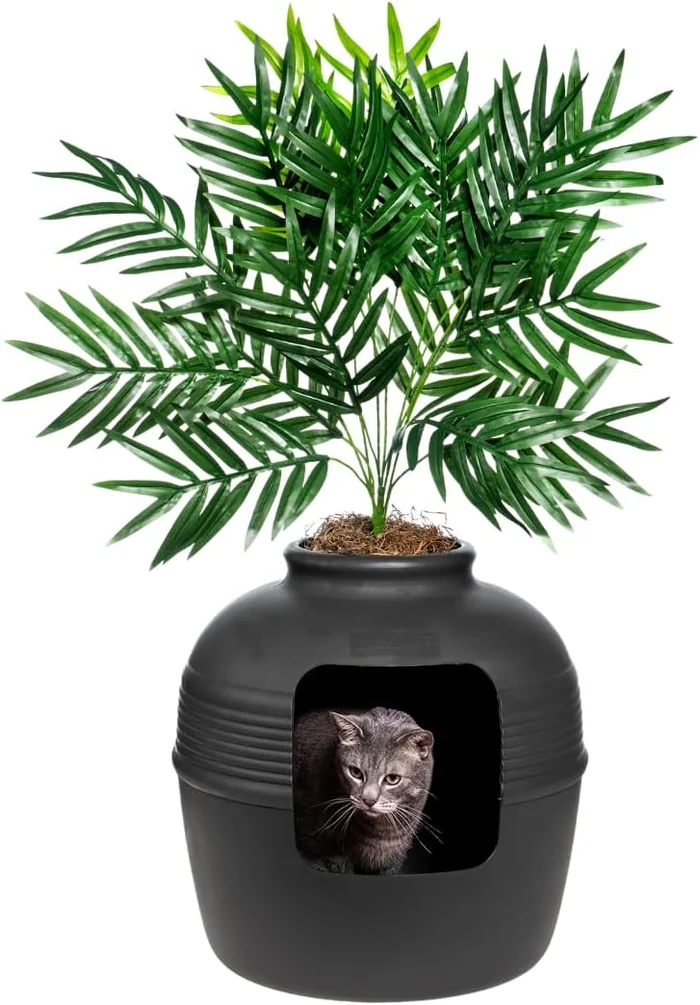
10 Simple & Stylish Ways to Hide a Litter Box
 Cat Basics
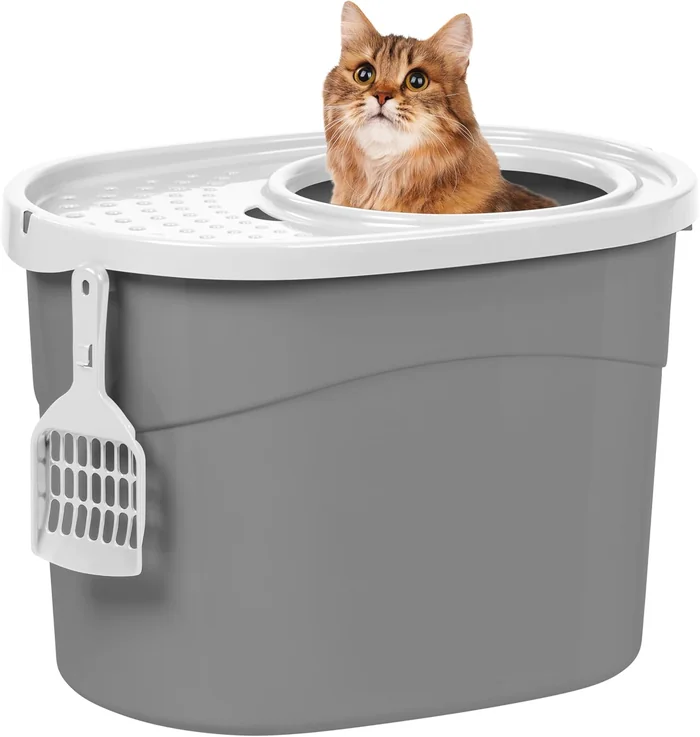
10 Simple & Effective Ways to Keep Your Cat’s Litter Box Area Clean
 Cat Basics