



10 Reasons NOT To Train Your Cat To Use The Toilet And What To Do Instead

The idea of a cat using the human toilet is undeniably appealing. It promises an end to litter tracking, scooping duties, and the ongoing cost of cat litter. Videos of toilet-trained felines flood the internet, making it seem like a neat, modern solution. However, as experts in feline care and behavior, we need to address a crucial question: is this trend truly in your cat’s best interest?
At PawLitter, our philosophy is rooted in understanding and respecting the innate needs of cats. After extensive research and consultation with veterinary behaviorists, we’ve concluded that toilet training poses significant risks to your cat’s physical and mental well-being. This article will detail the ten compelling reasons why you should reconsider this practice and provide you with superior, cat-friendly alternatives that prioritize your pet’s health and happiness.
1. It Violates a Fundamental Feline Instinct
Cats are hardwired to dig and bury their waste. This instinct serves multiple purposes: it helps conceal their presence from predators, maintains territory boundaries in a subtle way, and provides a sense of security and completion. Forcing a cat to balance on a porcelain rim eliminates this entire ritual. Denying them this natural behavior can create underlying anxiety and frustration, as a core part of their elimination sequence is disrupted. It’s akin to asking a human not to use toilet paper; the process feels incomplete and stressful.
2. It Can Cause Immense Stress and Anxiety
The toilet environment is inherently stressful for a cat. The unstable, slippery surface, the startling sound of flushing, the unfamiliar smells of cleaners, and the precarious height all contribute to a high-anxiety experience. Cats are creatures of habit and comfort. Chronic stress is a serious health threat, potentially leading to issues like Feline Lower Urinary Tract Disease (FLUTD), inappropriate elimination outside the box, over-grooming, and aggression. A stressed cat is an unhealthy cat.
3. You Lose a Vital Health Monitoring Tool
A litter box is a primary diagnostic tool for cat owners and veterinarians. Changes in urine frequency, volume, color, or the presence of blood are early warning signs for conditions like kidney disease, diabetes, or urinary blockages. Similarly, changes in stool consistency, color, or the presence of parasites are immediately visible. When a cat uses the toilet, all this critical health data literally goes down the drain, delaying vital medical intervention. How to Litter Train a Cat?A Stress-Free Guide for Kittens and Adult Cats
4. It Increases the Risk of Accidents and Injuries
The physical act is dangerous. Older cats, kittens, or those with arthritis, balance issues, or mobility problems are at high risk of slipping and falling into the water or onto the hard bathroom floor. Even agile cats can misjudge the jump, especially if startled. A fall can result in physical injury, a profound fear of the bathroom, and a subsequent refusal to eliminate anywhere near it, leading to house-soiling issues that are difficult to resolve.
5. It Creates Accessibility Problems
What happens when the bathroom door is closed, or someone is using the toilet? A toilet-trained cat has only one designated elimination spot. If it’s inaccessible, the cat has no alternative. This can force them to “hold it” for unhealthy periods, increasing the risk of urinary tract issues, or lead them to find an alternative spot on your carpet or bath mat. A traditional litter box can be placed in multiple, always-accessible locations.
6. It’s Not Practical for Multi-Cat Households
The general rule is one litter box per cat, plus one extra. This prevents resource guarding, reduces stress, and ensures hygiene. A single toilet cannot service multiple cats effectively. It cannot be “scooped” between uses, leading to one cat being unwilling to step into the waste of another—a major feline taboo. This almost guarantees elimination problems in a multi-cat home.
7. It Complicates Life During Illness or Travel
If your cat is ill, post-surgery, or simply aging, climbing onto a toilet becomes impossible. You would need to retrain them to use a litter box during these vulnerable times, adding unnecessary stress. Furthermore, traveling with a toilet-trained cat is a nightmare. You cannot guarantee they will use an unfamiliar hotel or family member’s toilet, making a portable litter box a non-negotiable travel item anyway.
8. It’s Environmentally Questionable
Flushing cat waste, especially feces, is not eco-friendly. Cat feces can contain the parasite Toxoplasma gondii, which is not always eliminated by water treatment plants and can harm marine life. Furthermore, you trade biodegradable or clumpable litter for thousands of gallons of clean water used for flushing. Modern, sustainable cat litters offer a more environmentally conscious choice.
9. The Training Process Itself is Stressful
The months-long process of gradually moving the litter box to the bathroom and replacing it with progressively smaller trays over the toilet is a prolonged period of environmental change and uncertainty for your cat. Many cats resist at some stage, causing the training to fail after much invested time and effort, and potentially creating a lasting negative association with the bathroom.
10. It Solves a Human Problem, Not a Cat Problem
Ultimately, toilet training is about human convenience, not feline welfare. The “problems” of litter odor, tracking, and scooping have been solved by innovative modern products designed with cat instincts in mind. By focusing on superior litter box solutions, you address your desire for cleanliness without compromising your cat’s natural needs and psychological comfort.
Better Alternatives: Modern Litter Box Solutions We Recommend
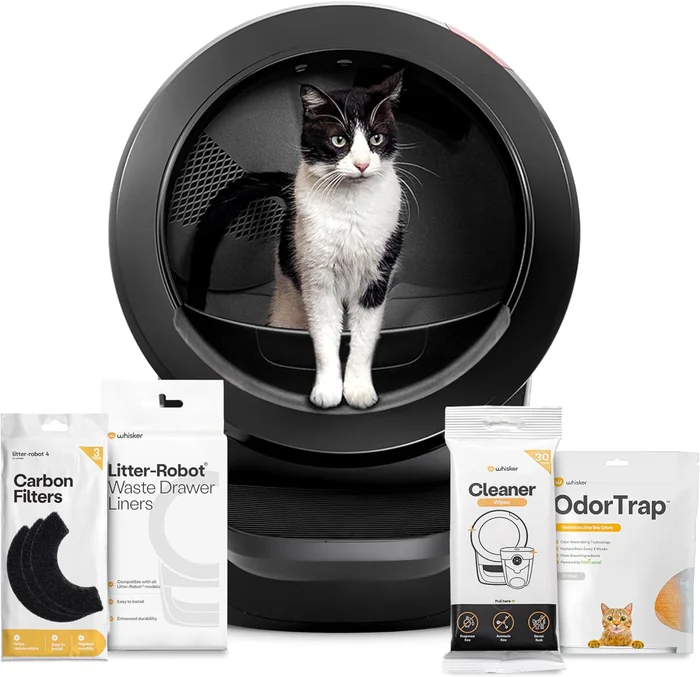
Instead of fighting your cat’s nature, embrace it with solutions that make the litter box experience better for both of you. Here are two exceptional products that offer convenience, odor control, and health monitoring, all while respecting your cat’s instincts.
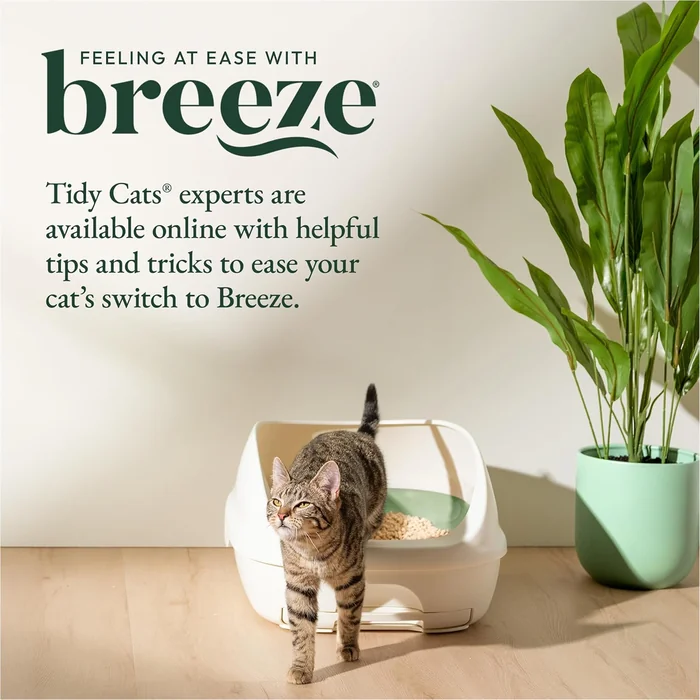
Purina Tidy Cats BREEZE System Starter Kit
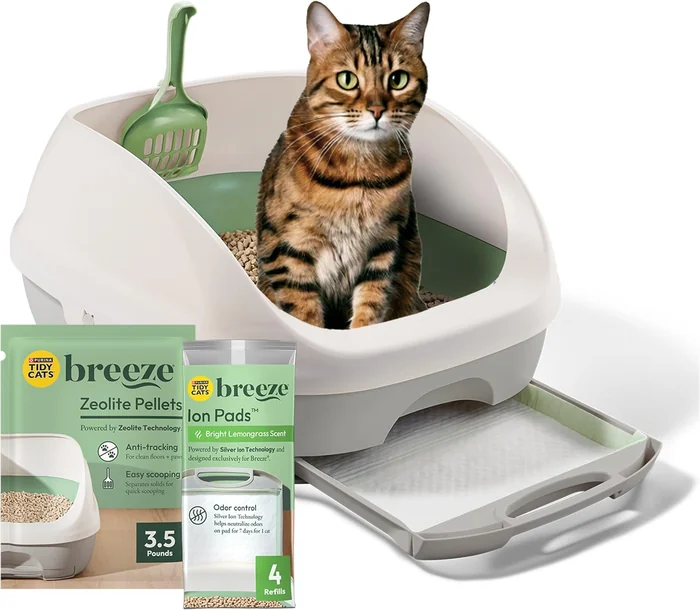
Purina Tidy Cats Litter Box System, BREEZE System Starter Kit Litter Box, Litter Pellets & Pads
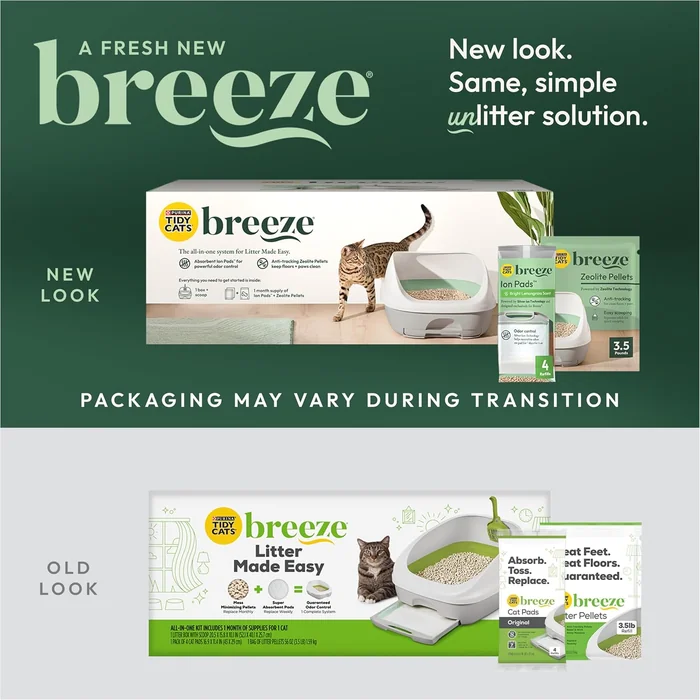





Key Features:
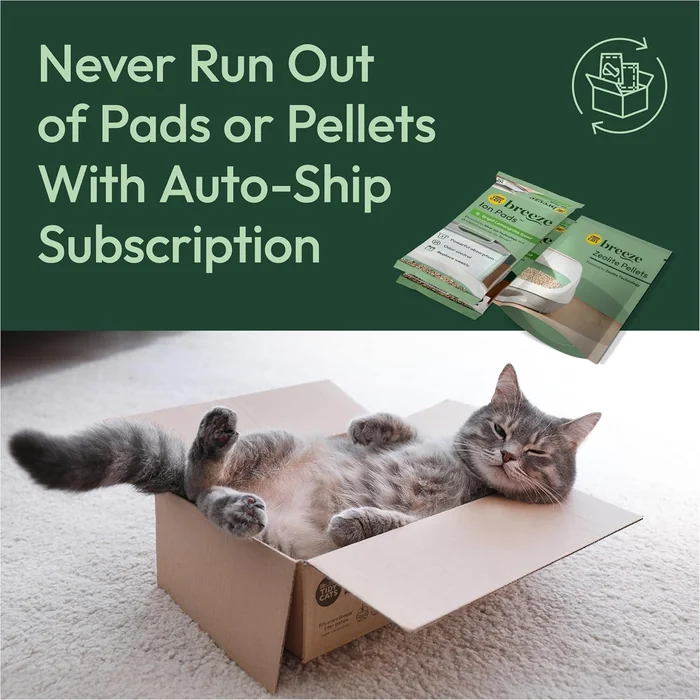
- The Whole System: Open box litter box system combines Ion litter pads, Zeolite pellets and litter box in one easy-to-use kit to provide amazing odor control with ease of use.
- Disposable Litter Box Pads: Pellet litter box features disposable litter pads that lock in moisture and odor for 7 days for one cat.
- Cat Pellet Litter: Cat litter pellets for Breeze cat litter box system are 99.9 percent dust free and cut down on tracking around the box– neat floors, neat feet, less mess.
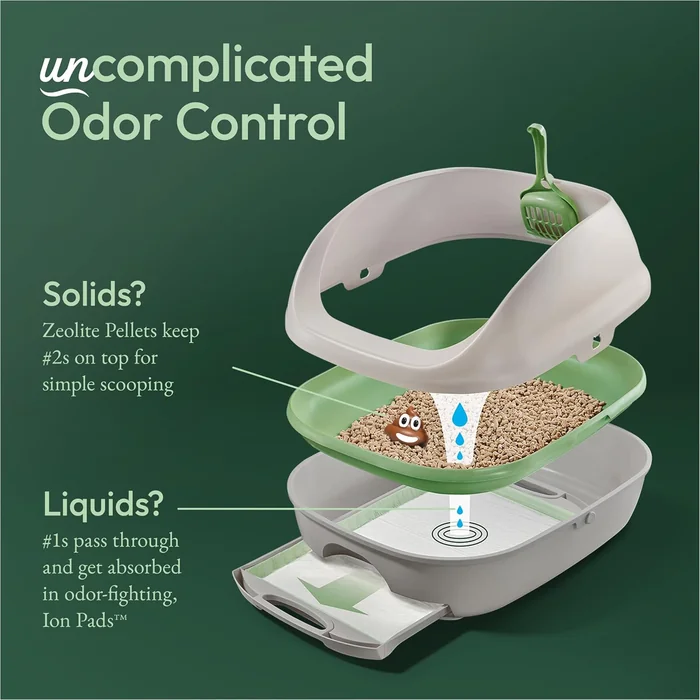
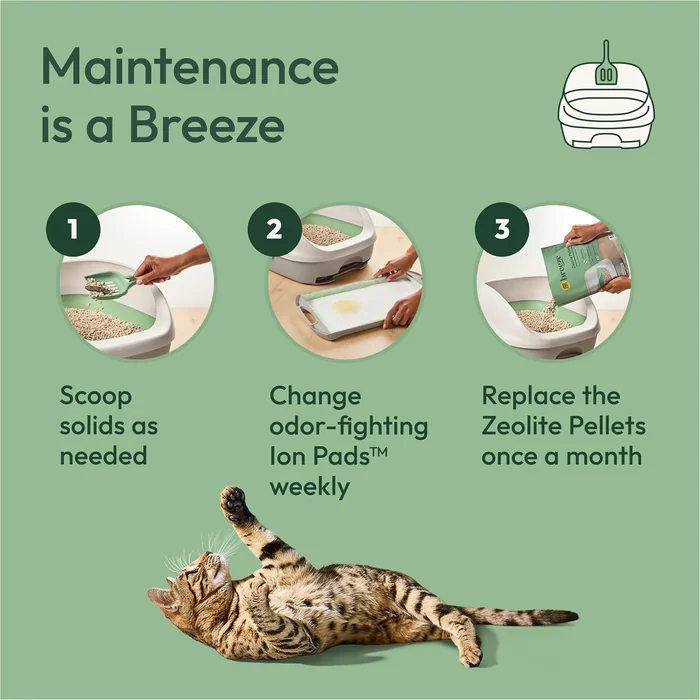
This innovative system revolutionizes the traditional litter box by separating liquid and solid waste. It uses non-absorbent, dust-free zeolite pellets that let urine pass through to a disposable, absorbent pad below, while solids remain on top for easy scooping. The pellets are too large to stick to paws, virtually eliminating tracking. The pads lock in moisture and odor for up to a week for one cat, making maintenance incredibly simple. It’s a fantastic hybrid solution that offers exceptional odor control and low mess without the drastic, stressful change of toilet training.
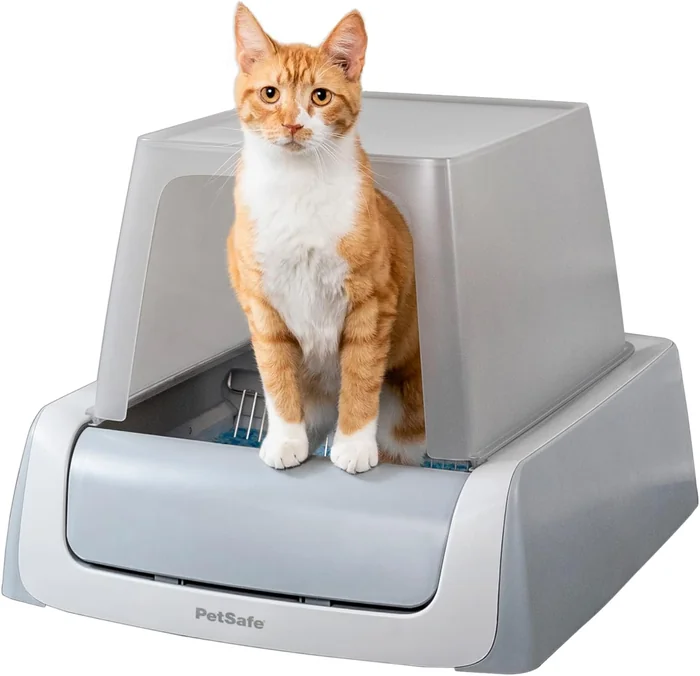
PetSafe ScoopFree Crystal Pro Self-Cleaning Litter Box
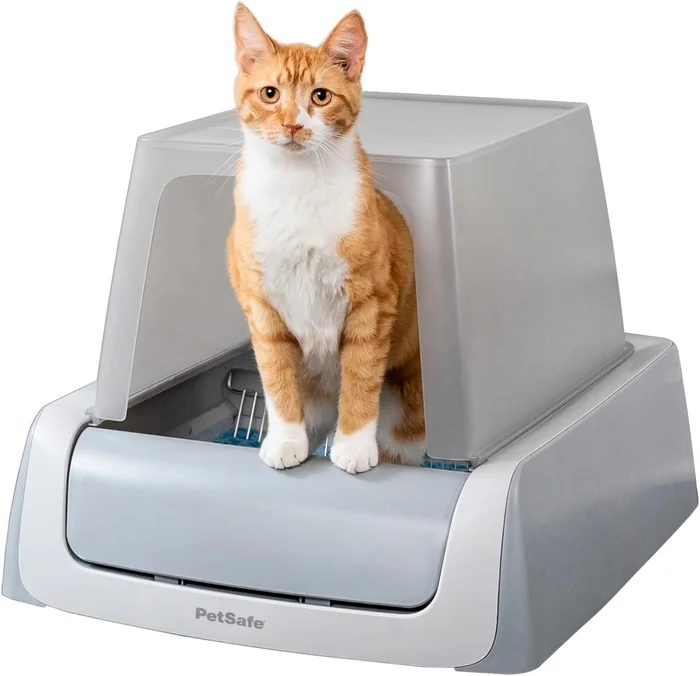
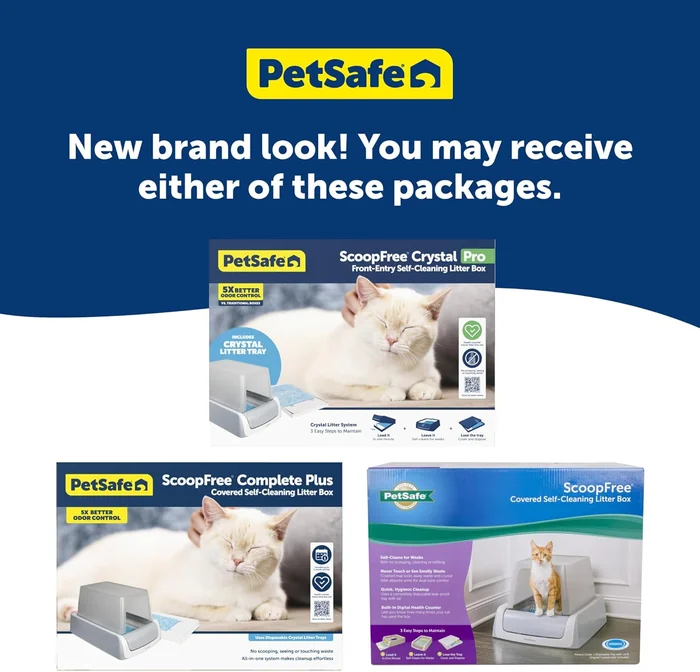
PetSafe Legacy ScoopFree Crystal Pro Self-Cleaning Automatic Cat Litter Box – Front-Entry Motion-Sensing Cat Box with Integrated Health Counter – Includes 1 Disposable Crystal Litter Tray
Key Features:
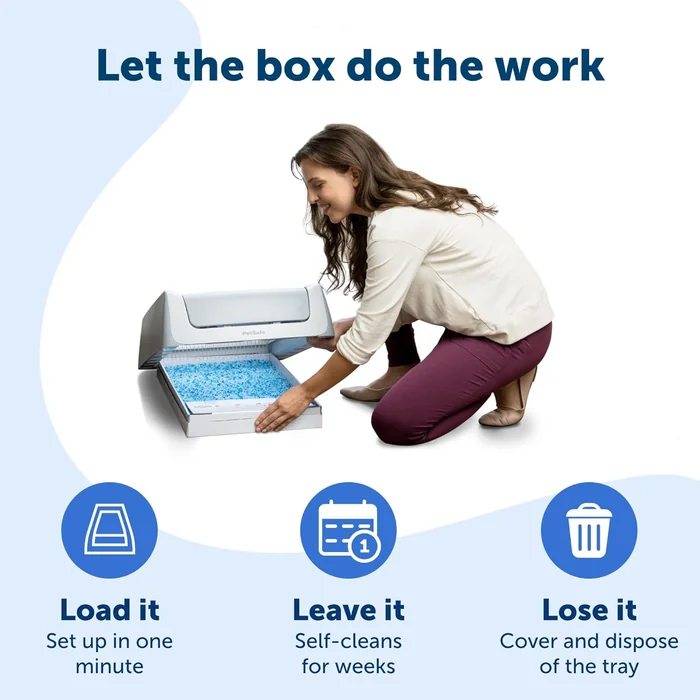
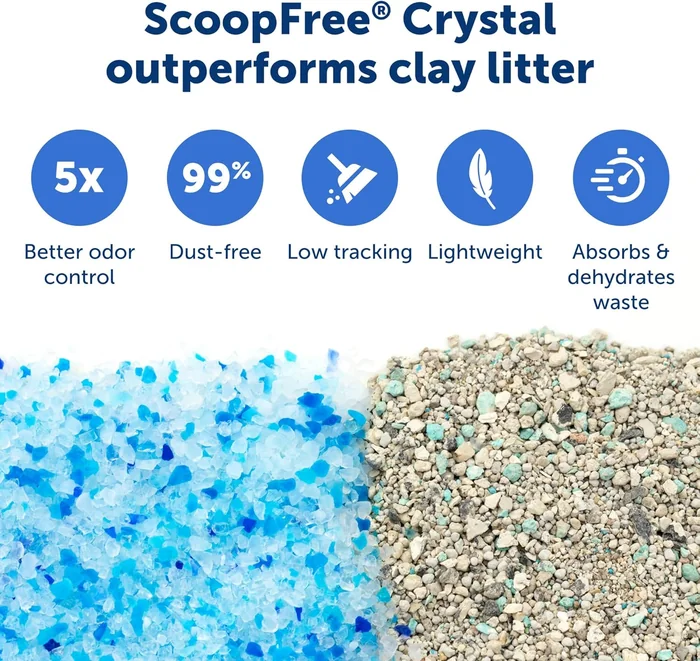
- Self-Cleaning Front-Entry Litter Box: Experience the convenience of an automatic self-cleaning litter box with the PetSafe Legacy ScoopFree Crystal Pro; motion sensors and crystal litter offer easy cleanup
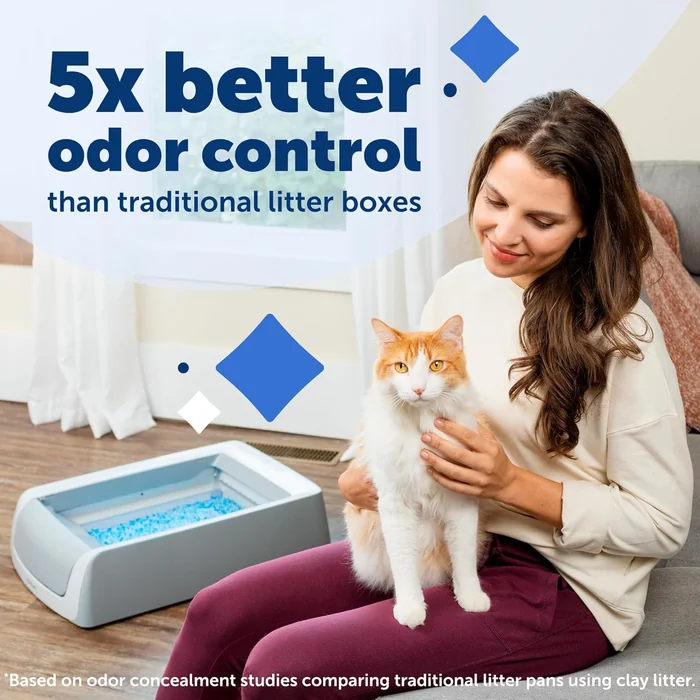
- Odor Free & Hygienic: Crystal litter absorbs liquid and dehydrates solid waste, while leak-proof disposable trays and low-tracking crystals make cleanup easy so your home stays clean and fresh
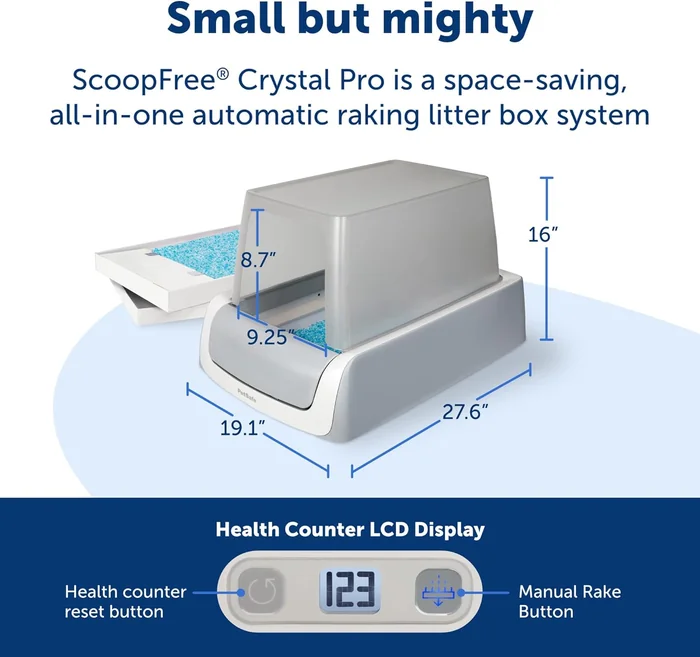
- Track Your Cat’s Health: An integrated health counter monitors your cat’s litter box usage, allowing you to note any irregularities that may signal possible health concerns
For the ultimate in convenience and health insight, this automatic litter box is a game-changer. It uses highly absorbent crystal litter that dehydrates solid waste and neutralizes odor. After your cat exits, a built-in rake automatically cleanses the litter and deposits waste into a sealed, leak-proof disposable tray. Most importantly, it features an integrated health counter that tracks how many times your cat uses the box. Monitoring this data helps you spot changes in frequency—a key early warning sign of many health issues—addressing the critical health monitoring lost with toilet training. It’s the smart, stress-free way to maintain a pristine litter environment. How to Train a Kitten to Use a Litter Box?A Stress-Free Guide
How to Optimize the Traditional Litter Box Experience
If you prefer a standard setup, you can dramatically improve it by following these best practices:
- Choose the Right Box: Bigger is always better. Your cat should be able to turn around comfortably. Most commercial boxes are too small. Consider a large, shallow storage tote.
- Use a Cat-Preferred Litter: Most cats prefer unscented, fine-grained, clumping litter. Avoid heavily perfumed litters that can offend their sensitive noses.
- Scoop Frequently: Scoop at least once, ideally twice, daily. Cats are fastidious and will avoid a dirty box.
- Provide Enough Boxes: Follow the “n+1” rule: one box per cat, plus one extra, placed in quiet, low-traffic, easily accessible locations.
- Clean Thoroughly: Dump all litter and wash the box with mild soap and water every few weeks. Avoid harsh chemicals like ammonia or bleach.
By optimizing these factors, you can eliminate most litter box aversions and create a positive, consistent experience for your cat. Is It Okay to Put Cat Litter in the Toilet?The Definitive Guide
Conclusion: Prioritize Your Cat’s Well-being
While the concept of a toilet-trained cat is alluring, the risks to your cat’s behavioral and physical health are simply too great. The process undermines their natural instincts, induces stress, removes your ability to monitor their health, and introduces physical risks.
The good news is that you don’t have to choose between convenience and your cat’s welfare. Today’s advanced litter systems, like the odor-controlling Purina Tidy Cats BREEZE or the intelligent, self-cleaning PetSafe ScoopFree Crystal Pro, offer phenomenal solutions that keep your home clean while fully respecting your cat’s innate needs. At PawLitter, we believe the best care is informed care. By choosing a method that aligns with your cat’s nature, you ensure a happier, healthier, and more secure companion for years to come.

Related Articles
 Cat Basics
10 Surprising Facts About Cat Whiskers Every Owner Should Know
 Cat Basics
10 Simple & Effective Ways to Keep Your Cat’s Litter Box Area Clean
 Cat Basics
15 Essential Facts About Feral Cats Understanding and Helping Community Cats
 Cat Basics
11 Most Cat-Friendly Cities Around the World for Feline-Loving Travelers
 Cat Basics
10 Popular Cat Myths Completely Debunked by a Vet
 Cat Basics