





10 Signs of Pregnancy in Cats A Complete Guide for Concerned Owners

Discovering your cat might be pregnant can be a mix of excitement and anxiety. As a dedicated pet owner, knowing what to look for is the first step in providing the best possible care. At PawLitter, our goal is to empower you with clear, expert-backed information. This comprehensive guide will walk you through the ten most common signs of feline pregnancy, explain the feline gestation timeline, and provide actionable advice on prenatal care and preparation for the big day.
Understanding Feline Pregnancy: The Basics
Before diving into the signs, it’s helpful to understand the framework of a cat’s pregnancy, also known as gestation. The average feline pregnancy lasts between 63 to 67 days, or roughly nine weeks. This period is divided into three trimesters, each marked by distinct physical and behavioral changes. Recognizing these changes early allows you to adjust her care, schedule a crucial veterinary visit, and prepare for a healthy delivery.
The 10 Key Signs Your Cat Is Pregnant
These signs often appear progressively. Early signs can be subtle, while later ones are unmistakable.
1. Cessation of the Heat Cycle
This is often the very first indicator for owners of unspayed female cats. Cats are seasonally polyestrous, meaning they go into heat (estrus) multiple times during the breeding season. A clear sign of pregnancy is when these regular heat cycles—with their telltale yowling, restlessness, and affectionate rubbing—suddenly stop. If your cat was in heat and those behaviors cease, pregnancy is a strong possibility.
2. Changes in Nipple Appearance (“Pinking Up”)
Around the third week of pregnancy, you may notice a change in your cat’s nipples. They often become enlarged, more prominent, and take on a deeper pink or red color—a process colloquially known as “pinking up.” This is due to increased blood flow as her body prepares for milk production.
3. Increased Appetite and Weight Gain
To support her growing kittens, a pregnant queen (the term for an unspayed female cat) will experience a significant increase in appetite, typically starting around the fourth or fifth week. This leads to steady, noticeable weight gain. A pregnant cat can gain anywhere from 2 to 4 pounds over the course of her pregnancy, depending on the litter size.
Supporting Her Nutritional Needs
Switching to a high-quality kitten food is recommended during pregnancy and lactation, as it is denser in calories, protein, and essential nutrients like calcium. We recommend a premium option to support her health.
Premium Nutrition for Mother & Kittens: Purina Pro Plan Kitten Food
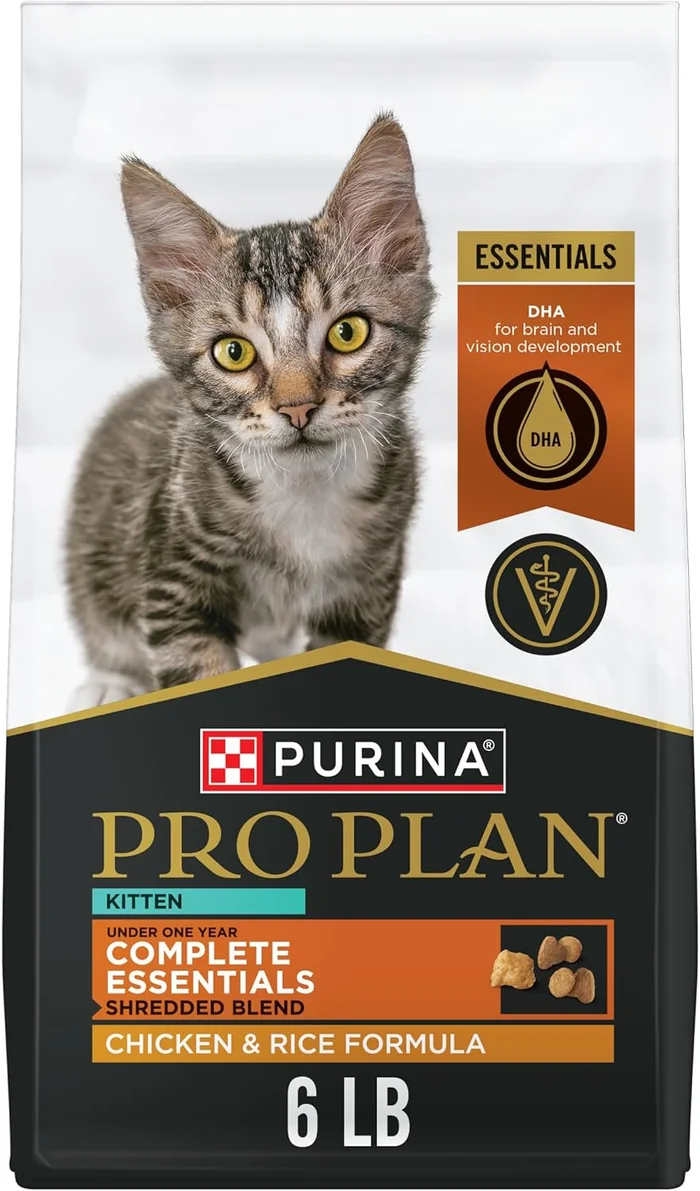
Purina Pro Plan Kitten Dry Food Complete Essentials Shredded Blend Chicken and Rice Formula – 6 lb. Bag


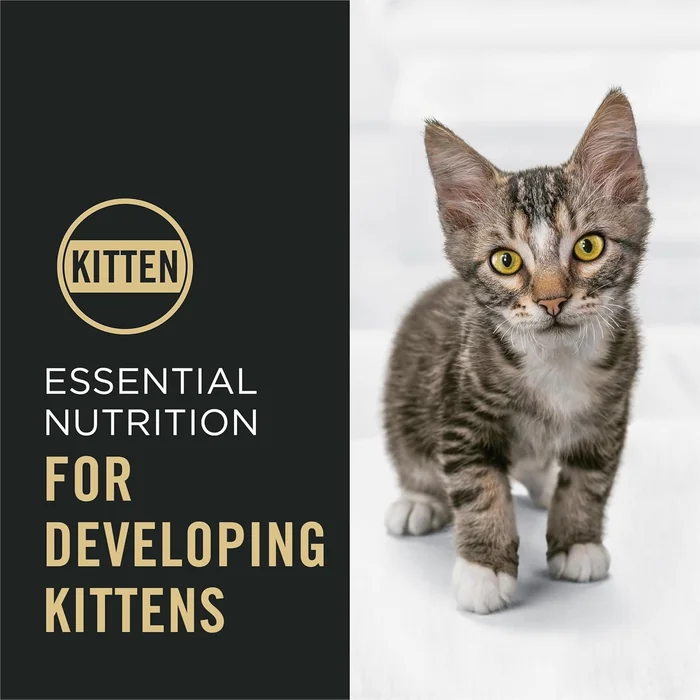





Key Features:
To meet the heightened nutritional demands of pregnancy and nursing, we recommend Purina Pro Plan Kitten Dry Food, Complete Essentials Shredded Blend. Priced at $27.08 for a 6 lb. bag, this formula is specifically designed for growth. The combination of crunchy kibble and tender shredded pieces provides protein-rich nutrition from real chicken to help support her developing kittens and maintain her own muscle condition. With a 5.0-star rating from 71 reviews, it’s a trusted choice for this critical life stage.
4. Morning Sickness
Similar to humans, some cats experience episodes of vomiting or nausea during early pregnancy, often around weeks 3-4. This is usually mild and temporary. However, if vomiting is frequent or severe, it’s essential to consult your veterinarian to rule out other illnesses.
5. Noticeable Abdominal Enlargement
While weight gain is general, a distinct, rounded abdominal swelling becomes apparent around the fifth week. This is different from fat gain; it’s a firm, rounded bulge on her sides. Avoid pressing on her abdomen, as this can harm the developing kittens.
6. Behavioral Changes: Affection or Reclusiveness
Hormonal shifts can lead to pronounced behavioral changes. Some cats become exceptionally clingy, seeking constant petting and lap time. Others may become more solitary or irritable, preferring quiet, secluded spots. Both are normal reactions to the physical changes she’s experiencing.
7. Nesting Behavior
As her due date approaches (usually in the final week), your cat’s instinct to find a safe, quiet place to give birth will kick in. This “nesting” behavior involves seeking out closets, drawers, or secluded corners and arranging blankets or soft materials. You can encourage this by providing a designated nesting box in a warm, low-traffic area.
Creating a Safe Nesting Space
A sturdy, enclosed space can give a pregnant cat the security she craves. Adding comfortable, washable shelves or pads to a playpen creates an ideal, controlled environment for late pregnancy and early motherhood.
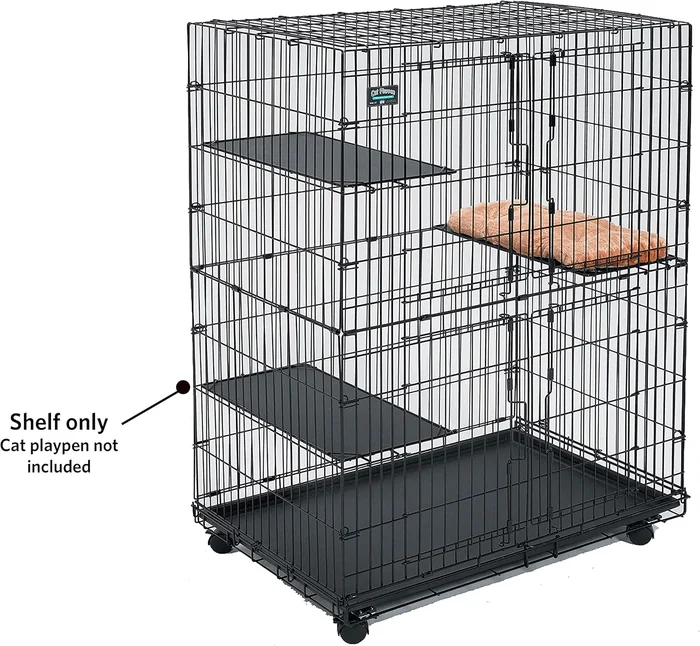
Secure and Comfortable Resting Area: Midwest Replacement Cat Shelf

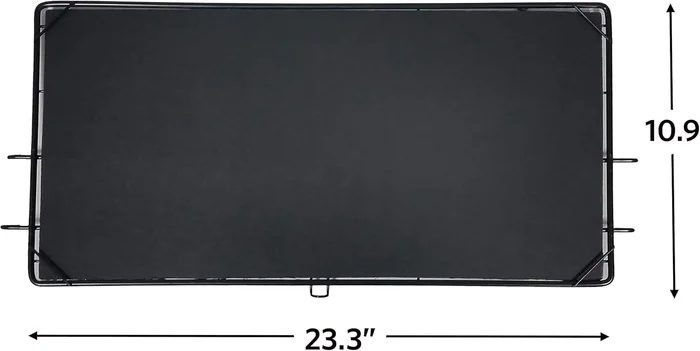
MidWest Homes for Pets Replacement Cat Shelf for Cat Playpen/Cat Cage by Midwest | Model 130

Key Features:
- Replacement cat shelf for MidWest Cat Playpen | This is only the replacement shelf
- Cat shelf made or strong steel featuring a protective e-coat finish & durable plastic top
- Replacement cat shelf specifically made for MidWest Cat Playpen (model 130) & designed to hold to cat playpen pillow (model 130-CB, not included)
To enhance a safe space for your pregnant cat, consider the MidWest Homes for Pets Replacement Cat Shelf. For $17.99, this sturdy steel shelf with a durable plastic top provides a comfortable, elevated resting spot within a cat playpen. With a stellar 5.0-star rating from over 4,701 reviews, it’s a proven accessory. It’s specifically designed for the Midwest Cat Playpen (model 130), creating a perfect, secure loft for her to relax and, eventually, for kittens to explore safely. Remember, this is a replacement shelf, so ensure you have the compatible playpen.
8. Enlarged and Potentially Leaking Mammary Glands
In the final stages of pregnancy, the mammary glands will continue to develop and may even begin to produce milk a day or two before birth. You might notice a slight waxy discharge or even droplets of milk. This is a strong indicator that labor is imminent.
9. Decreased Activity and Increased Sleep
Carrying a litter is exhausting. As pregnancy progresses, your typically playful cat will likely spend more time napping and less time engaging in high-energy activities. This is normal conservation of energy. Ensure her favorite resting spots are easily accessible.
10. Visible Kitten Movement
In the last two weeks of pregnancy, you may be able to see or feel the kittens moving in her abdomen. Watching gentle ripples or kicks across her belly is a sure sign and a magical moment for any pet owner.
How to Confirm Pregnancy and Prenatal Care
Observing signs is the first step, but veterinary confirmation is essential. Your vet can use several methods:
- Palpation: Around day 17-25, a vet can gently feel the abdomen to detect tiny, grape-sized embryos.
- Ultrasound: Can confirm pregnancy as early as 15-20 days and may detect fetal heartbearts.
- X-ray: Most useful in late pregnancy (after day 45) to determine the exact number of kittens, which is crucial for ensuring all are delivered safely.
Once confirmed, discuss a prenatal care plan with your vet, including nutrition, parasite control, and vaccination status. How to Litter Train a Cat?A Stress-Free Guide for Kittens and Adult Cats
Preparing for Birth: The Final Weeks
Preparation ensures a smooth transition for you and your cat.
- Set Up a Nesting Box: Use a low-sided cardboard box or plastic tub lined with soft, washable bedding. Place it in her chosen quiet area.
- Maintain Consistent Nutrition: Continue feeding her high-calorie kitten food. She may need to eat smaller, more frequent meals as her abdomen becomes crowded.
Ensuring Consistent Meals
An automatic feeder can be invaluable for maintaining a regular feeding schedule, especially if you’re away during the day or if she needs multiple small meals.
Reliable Scheduled Feeding: PetSafe Automatic Cat Feeder
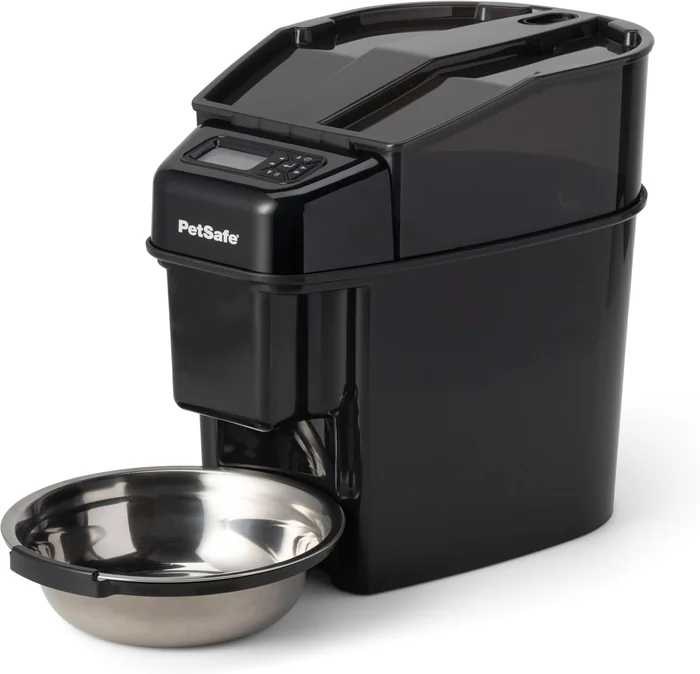
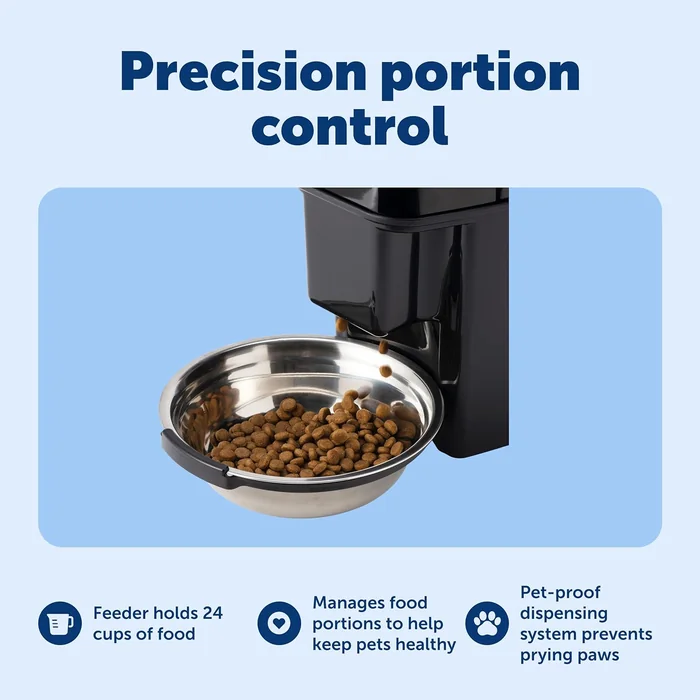
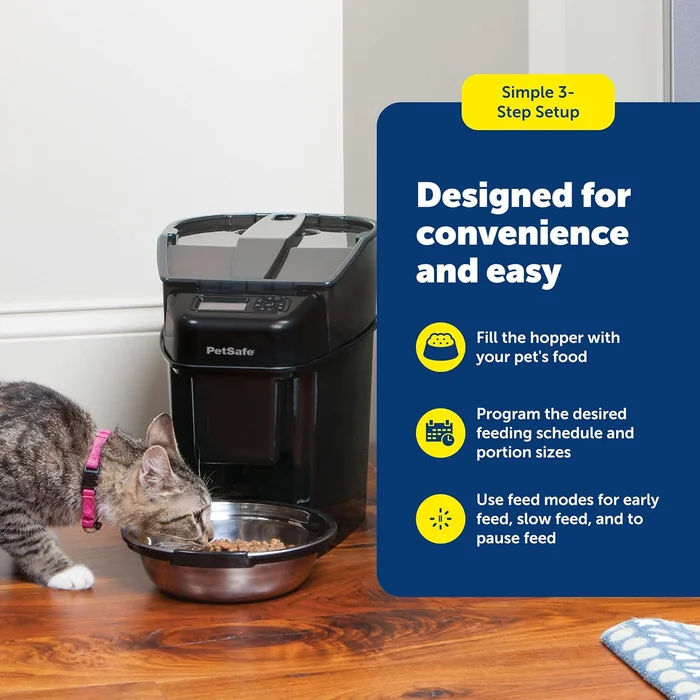
PetSafe Automatic Cat Feeder – Healthy Pet Simply Feed – Automatic Pet Feeder for Cats & Dogs – Timed Pet Feeder with Programmable Portion Control – Holds 24 Cups of Dry or Semi-Moist Dog or Cat Food

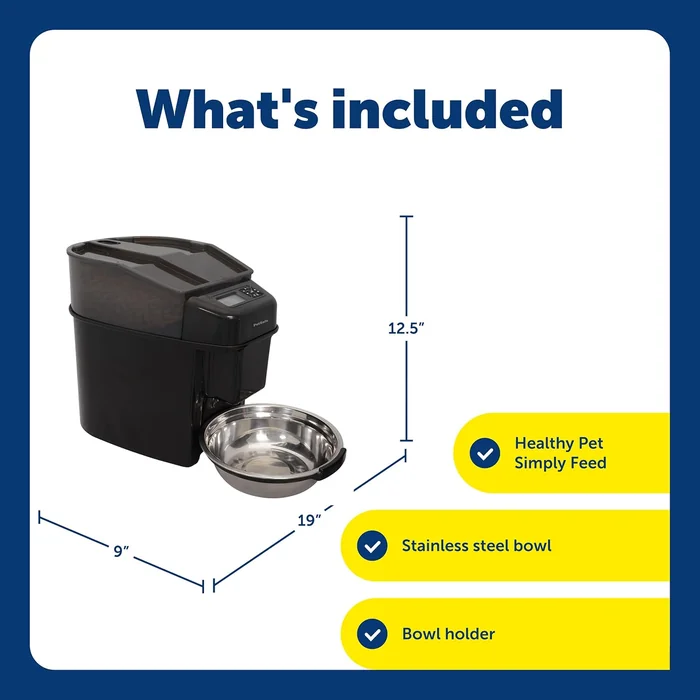



Key Features:
- SCHEDULE YOUR PET’S MEALS: Conveniently schedule up to 12 meals per day for your cat or dog; best for cats and small to medium sized dogs
- FLEXIBLE PORTIONS: Help manage your pet’s weight by scheduling 1/8 cup to 4 cups per meal depending on your pet’s unique needs
- GREAT FOR FAST EATERS: If your pet eats meals too quickly, use the slow release option to dispense meals larger than 1/8 cup gradually over 15 minutes
For consistent, stress-free feeding during pregnancy and beyond, the PetSafe Healthy Pet Simply Feed Automatic Feeder is an excellent tool. At $64.53, this programmable feeder allows you to schedule up to 12 meals per day with portion control from 1/8 cup to 4 cups. Its 5.0-star rating from a massive 6,677-review community speaks to its reliability. A key feature for a pregnant cat is the “slow feed” option, which dispenses meals gradually over 15 minutes, promoting better digestion and preventing discomfort from eating too quickly—a common issue even in expectant mothers.
Post-Birth Considerations and Kitten Care
After the kittens arrive, your queen will need a quiet, private space to bond and nurse. Provide unlimited access to food, fresh water, and her litter box nearby. Monitor her for signs of postpartum complications, such as fever, lethargy, or foul-smelling discharge, and contact your vet immediately if you observe them. The Ultimate Guide to Finding the Best Litter Box for Multiple Cats
Planning for the kittens’ future is also part of responsible care. Start thinking about What is a Litter for Cats?A Complete Guide for Cat Owners when they reach the appropriate age.
Conclusion: Be Observant, Be Prepared
Recognizing the signs of pregnancy in your cat allows you to be a proactive and supportive caregiver. From the early clue of a missed heat cycle to the late-stage nesting instinct, each sign guides you toward the next appropriate step: veterinary confirmation, nutritional adjustment, and creating a safe birthing environment. By providing expert-level care informed by these signs, you are laying the foundation for a healthy mother and a thriving litter. At PawLitter, we are here to support you with trustworthy advice and quality product recommendations throughout this incredible journey.

Related Articles
 Cat Basics
10 Effective & Cat-Safe Ways to Keep Ants Away From Cat Food
 Cat Basics
10 Popular Cat Myths Completely Debunked by a Vet
 Cat Basics
11 Most Cat-Friendly Cities Around the World for Feline-Loving Travelers
 Cat Basics
10 Proven Hacks to Keep Your Cat Away From Plants And Save Your Greenery
 Cat Basics
14 Unexpected Facts About Male Cats (#7 Is Truly Eye-Opening)
 Cat Basics