





10 Surprising Facts About Cat Whiskers Every Owner Should Know

Cat whiskers are one of the most iconic and charming features of our feline friends. Those long, elegant hairs protruding from their muzzle, above their eyes, and even on their legs are far more than just decorative fur. They are a sophisticated sensory system, a communication tool, and a vital part of what makes a cat a cat. At PawLitter, we believe understanding your cat’s whiskers is key to understanding their world and ensuring their well-being. In this article, we’ll dive deep into ten surprising facts about cat whiskers, backed by science and our expertise in feline care, and show you how this knowledge can guide you to better products for your pet.
1. Whiskers Are Not Just Hair – They’re Super-Sensitive “Touch Receptors”
Unlike ordinary fur, whiskers, or vibrissae, are deeply embedded in your cat’s skin. Their follicles are packed with nerve endings and blood vessels, making them incredibly sensitive touch organs. They can detect the slightest changes in air currents, which helps cats navigate in the dark, sense approaching objects or animals, and even hunt with precision. Think of them as your cat’s own personal radar system.
2. Whiskers Are a Mood Ring for Your Cat
You can tell a lot about your cat’s emotional state by observing their whiskers. When relaxed and content, their whiskers will be fanned out slightly to the sides. During focused play or hunting, they will be pushed forward. If your cat feels threatened, scared, or angry, the whiskers will be pinned flat against their face. Paying attention to this subtle body language, along with ear and tail position, gives you a clearer window into their feelings.
3. Whiskers Help Cats Measure Spaces
The length of a cat’s muzzle whiskers is roughly equal to the width of their body. This isn’t a coincidence. Cats use their whiskers to gauge whether they can fit through an opening. If the whiskers brush against the sides of a space, it signals to the cat that the passage might be too narrow. This innate measuring tool helps prevent them from getting stuck—a crucial survival instinct.
4. Never, Ever Trim Your Cat’s Whiskers
This is perhaps the most critical fact for owners. Cutting a cat’s whiskers is disorienting and stressful. It deprives them of essential sensory information, making them clumsy, anxious, and vulnerable. Whiskers will naturally shed and regrow, but they should never be trimmed for aesthetic reasons. It’s akin to blindfolding a person.
5. “Whisker Fatigue” is a Real Thing
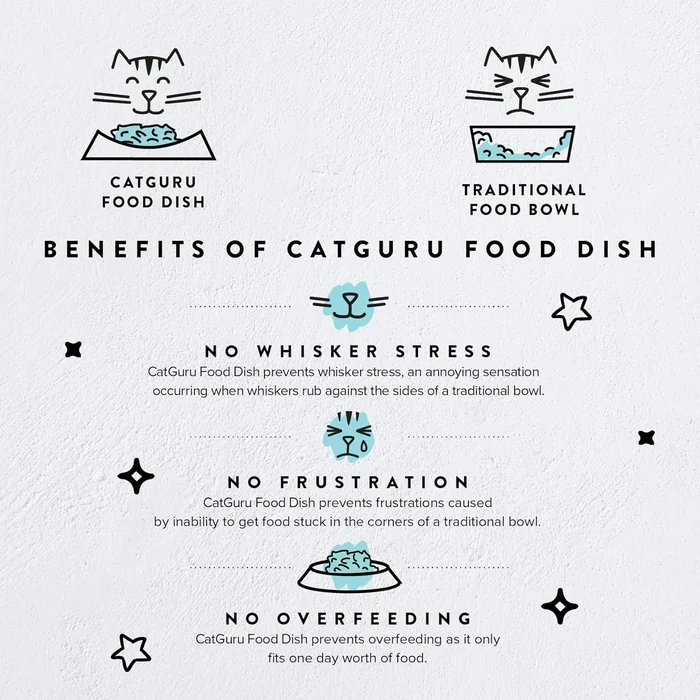
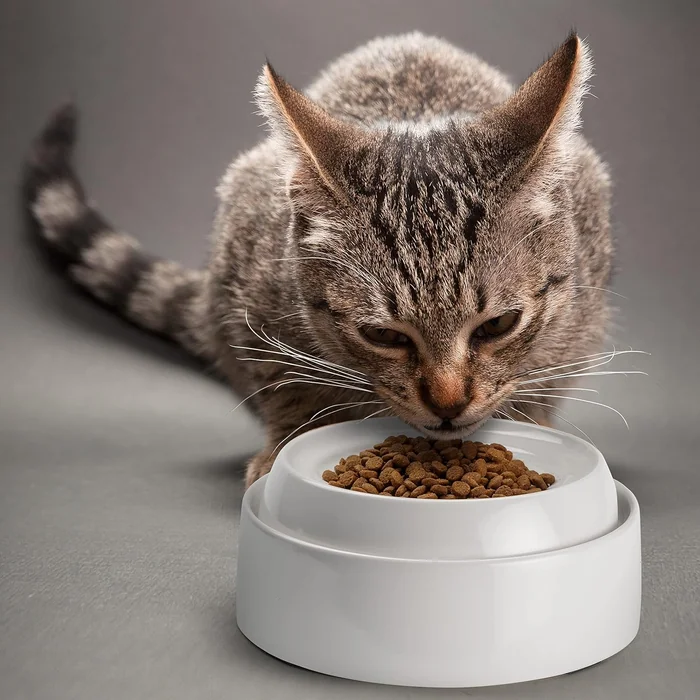
Whisker fatigue isn’t a medical diagnosis but a term describing stress caused by constant overstimulation of the sensitive whiskers. This most commonly happens during mealtime if a cat’s whiskers repeatedly touch the sides of a deep or narrow food or water bowl. Symptoms can include pawing at food, pulling kibble out to eat off the floor, restlessness during meals, or even refusing to eat from their bowl. The solution is simple: use wide, shallow, whisker-friendly dishes.
At PawLitter, we always recommend bowls designed with feline anatomy in mind. For instance, a great option is the CatGuru Whisker Friendly Cat Food Bowl.
CatGuru Whisker Friendly Cat Food Bowl
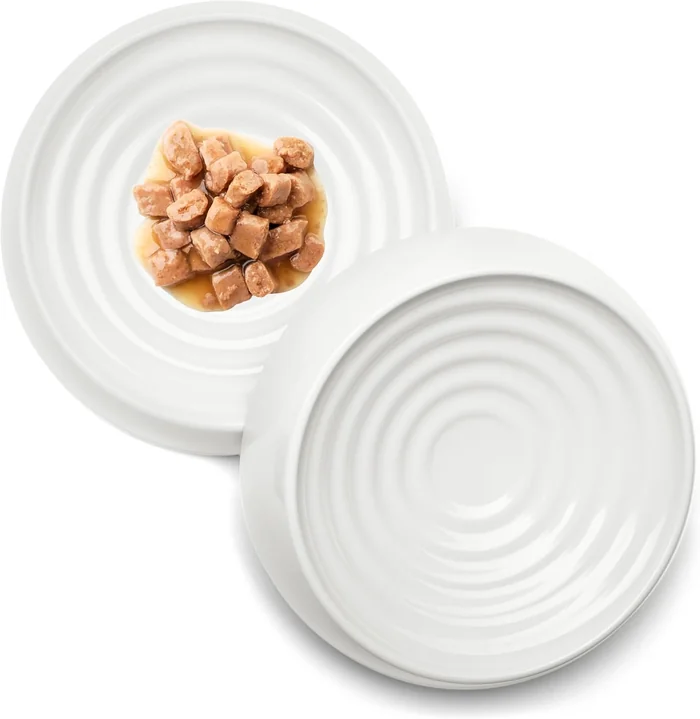
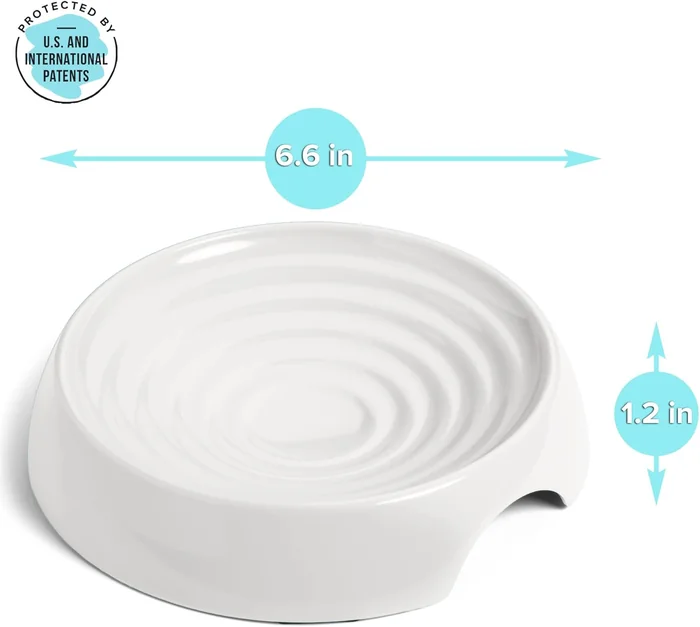
CatGuru Cat Bowls, Whisker Friendly Cat Food Bowl for Indoor Cats, Reliefs Whisker Fatigue, Wide Kitten Dish, Non Slip Pet Dishes, Shallow Pet Plates (Set of 2, Marshmallow)
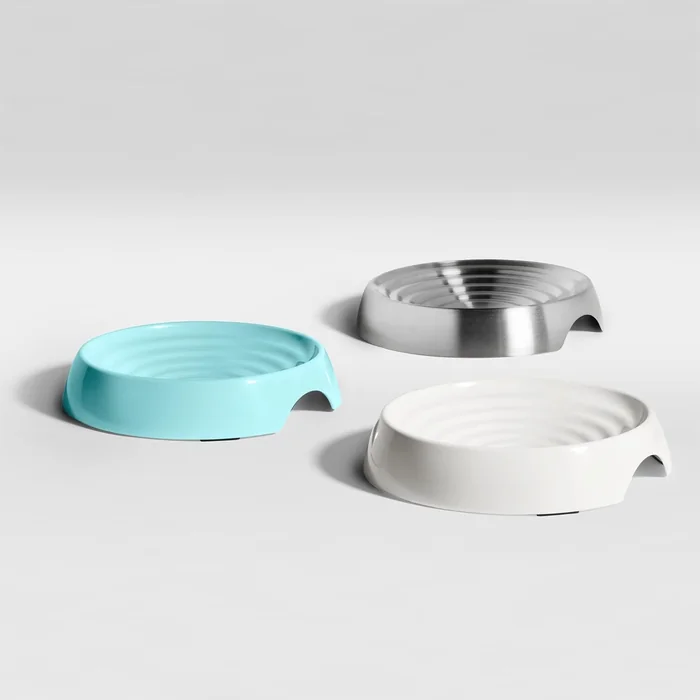
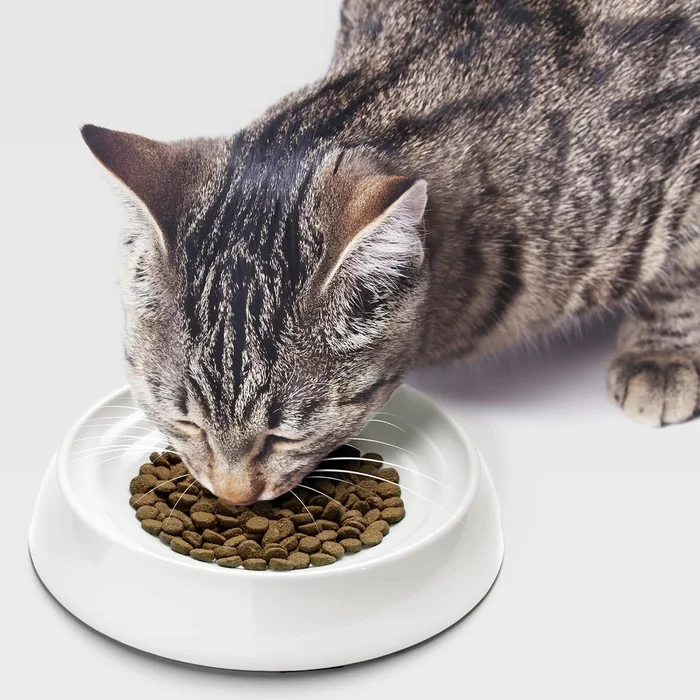
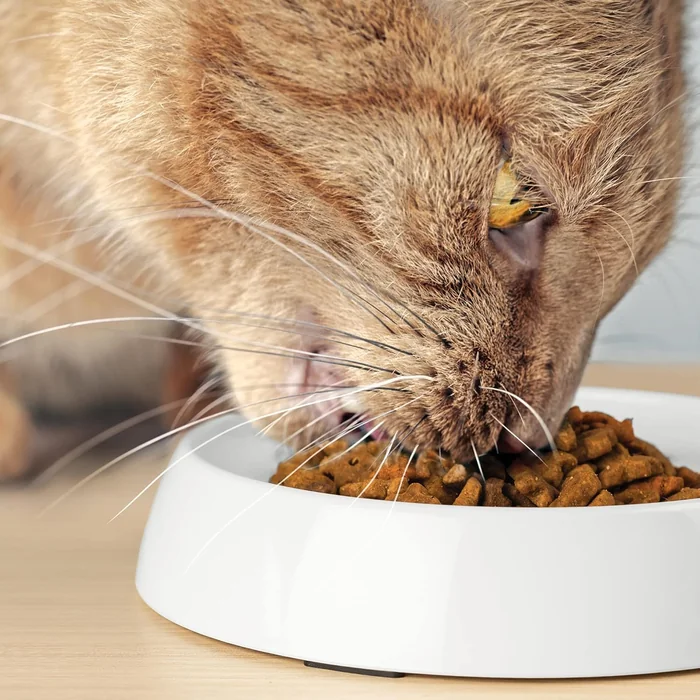
Key Features:
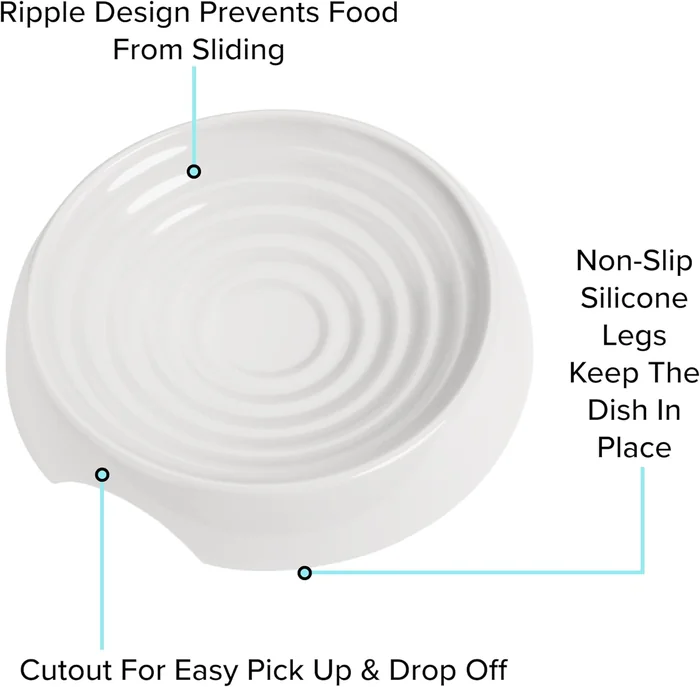
- ⭐️ SMART DESIGN. Patented shallow form with ripples allows your cat to get the food easily, which prevents whisker fatigue and keeps his/her face clean. Non-slip legs prevent bowls from sliding around on the floor.
- ⭐️ MADE FOR PETS. Made from BPA free melamine. Holds 5 ounces of dry or wet food to prevent overfeeding. Saucer like, this cat dish is designed specifically for cats to provide whisker relief and stress free mealtime.
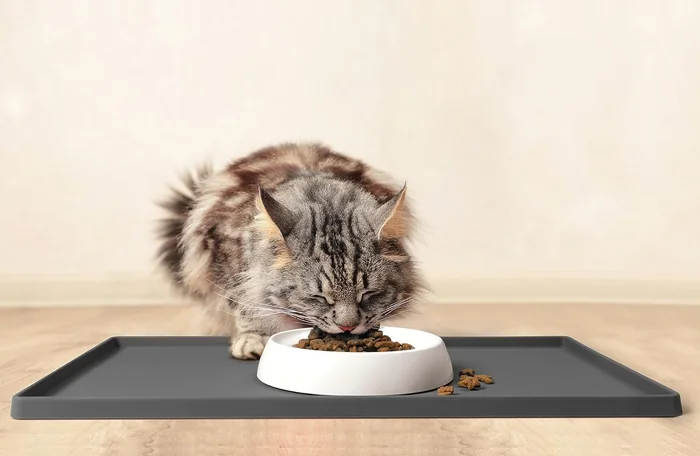
- ⭐️ EASY TO USE. These pet bowls for cats are more durable than ceramic cat bowls. They do not make as much noise as stainless steel cat dishes and do not absorb smell like plastic pet bowls. Dishwasher safe. Do not microwave. For best results use with CatGuru cat food mat tray.
This set is an excellent example of thoughtful design. Its patented shallow, rippled form allows your cat to access food easily without their sensitive whiskers constantly brushing against the sides, effectively preventing whisker fatigue. Made from BPA-free melamine, it’s durable, dishwasher-safe, and the non-slip legs prevent messy spills. With over 7,600 reviews, it’s a proven solution for stress-free mealtimes.
6. Cats Have Whiskers in More Places Than You Think
While the muzzle whiskers (mystacial vibrissae) are the most prominent, cats also have smaller sets above their eyes (superciliary), on their cheeks (genal), and on the back of their front legs (carpal vibrissae). The leg whiskers are thought to help with climbing and sensing prey they are holding. Every set plays a specialized role in building your cat’s spatial and tactile awareness.
7. The Number of Whiskers is (Mostly) Predictable
Most cats have 24 mystacial whiskers—12 on each cheek, arranged in four horizontal rows. This count is remarkably consistent, though some cats may have a few more or less. When you add in the other sets on the eyebrows, chin, and legs, the total number of specialized vibrissae is significant, underlining their importance.
8. Whiskers Can Indicate Health Issues
While natural shedding is normal, sudden, significant whisker loss or breakage can sometimes be a sign of an underlying issue. This could range from allergies and skin infections to stress or nutritional deficiencies. If you notice a dramatic change in your cat’s whiskers alongside other symptoms like skin irritation or behavioral changes, it’s wise to consult your veterinarian. For general skin and coat health, ensuring a high-quality diet is paramount. You can explore our guides on the best nutrition for your cat’s life stage Can You Flush Cat Poop Without Litter?The Surprising Answer.
9. Whiskers Can Make Eating Slower & Healthier
Building on the concept of whisker-friendly bowls, you can also use your cat’s natural behaviors to improve their health. Slow feeders, which make cats “work” for their food, are fantastic for preventing obesity, reducing vomiting from eating too fast, and providing mental stimulation. The key is to choose a feeder with a whisker-friendly food collection area.
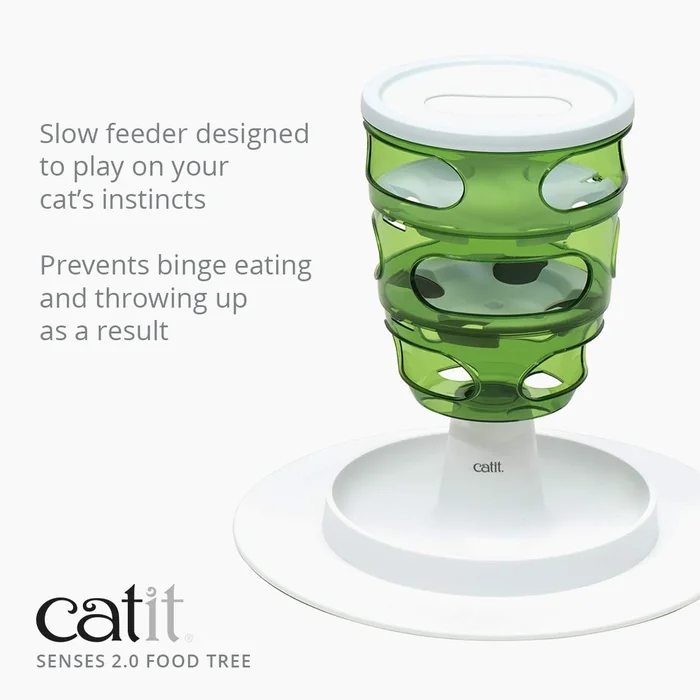
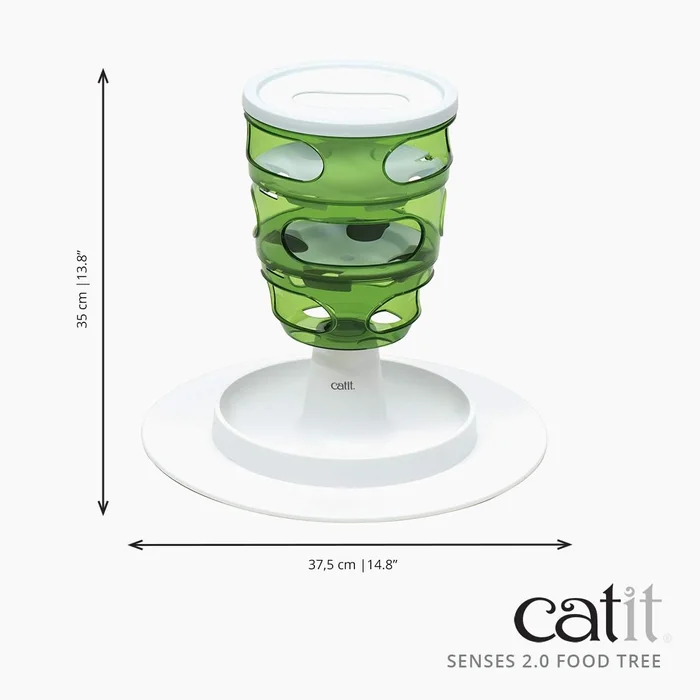
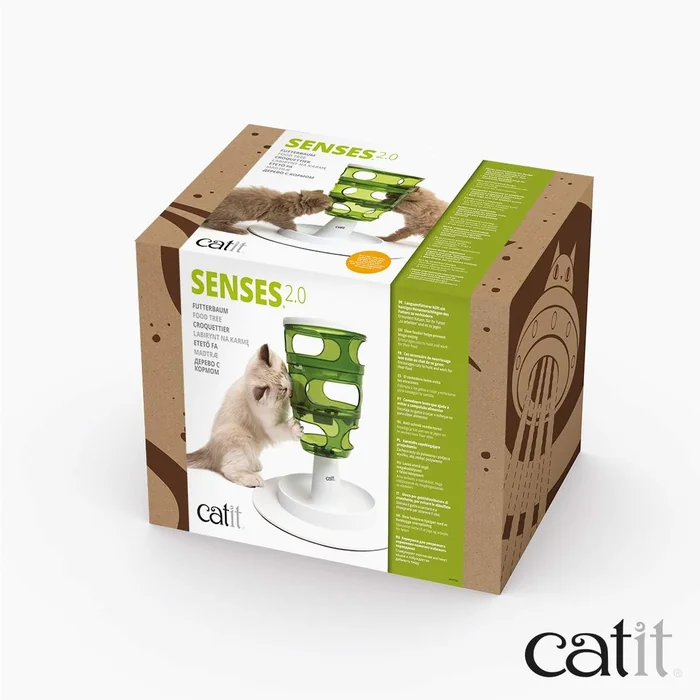
We love the Catit Senses 2.0 Food Tree for this purpose.
Catit Senses 2.0 Food Tree Slow Feeder
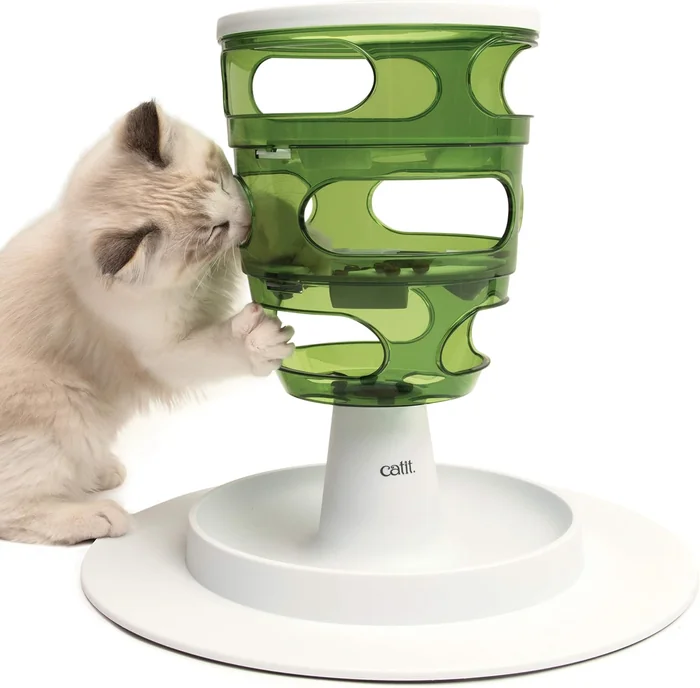
Catit Senses 2.0 Food Tree – Sturdy Tree-Shaped Slow Feeder


Key Features:
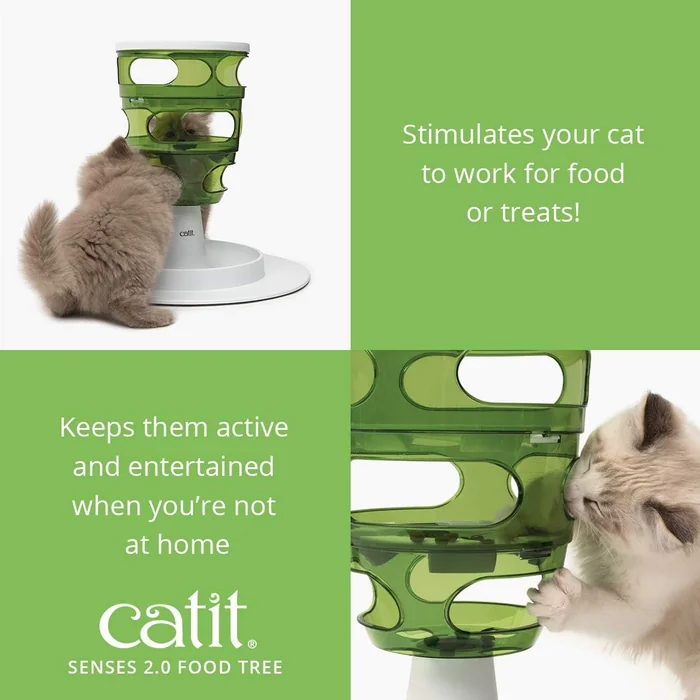
- Fun Mealtime: With this slow feeder, your cat’s natural urge to hunt will emerge playfully and naturally! The Catit Senses Food Tree has a stable base with multiple levels to fill with your cat’s favorite dry food or treats.
- Stimulates Natural Behavior: Features multiple levels that encourage natural pawing behavior in a fun manner. Designed to help greedy eaters eat at a healthier pace, and ideal for use with dry kibble and treats.
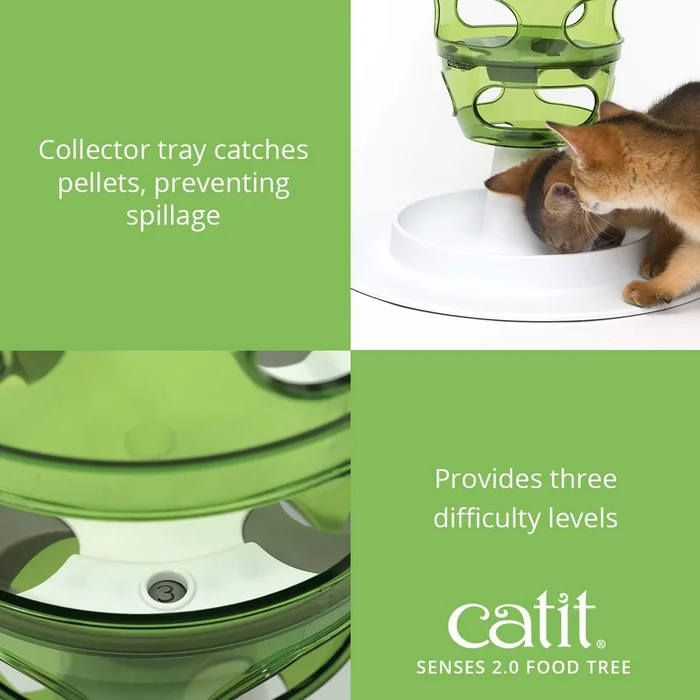
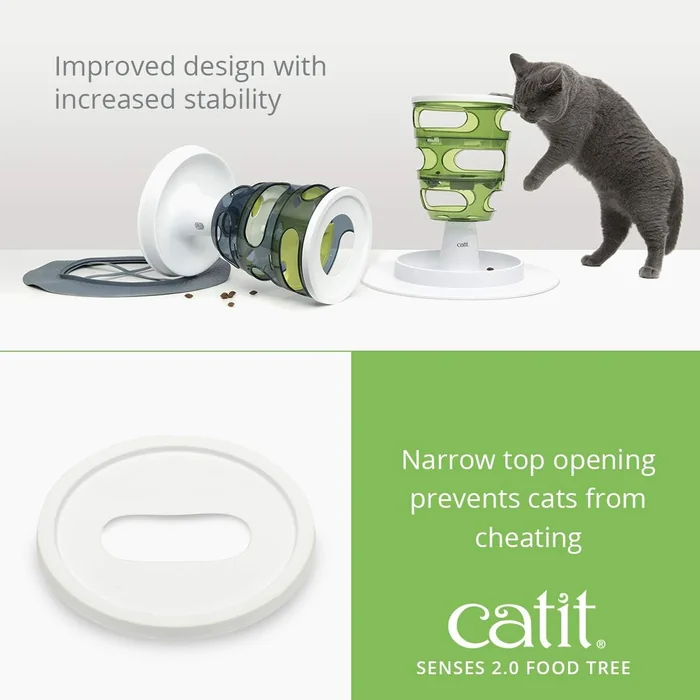
- Additional Features: Wide and durable base prevents tipping. Made from BPA-free materials. Narrow top opening prevents cheating. Food collector tray has a wide, whisker-friendly design and captures stray pieces of food that fall.
This innovative feeder turns mealtime into a fun, engaging puzzle. Its tree-shaped design with multiple levels stimulates your cat’s natural pawing and hunting instincts. Crucially, the wide base includes a whisker-friendly food tray that catches stray kibble. With over 9,500 positive reviews, it’s a top choice for encouraging healthier eating habits and natural behavior in a stress-free way.
10. You Can Use Technology to Support Whisker Health
Modern pet care products can seamlessly integrate with your cat’s natural needs, including whisker comfort. Automatic feeders, for example, can help regulate portion sizes and feeding schedules, which is great for weight management. When selecting one, consider the bowl attachment. Opt for models that allow you to use your own wide, shallow bowl, or that come with a suitably designed dish.
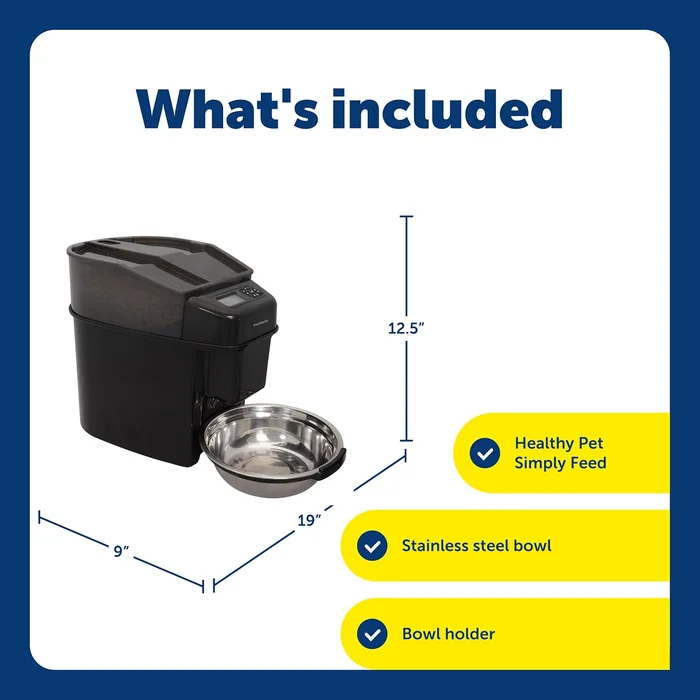
The PetSafe Healthy Pet Simply Feed Automatic Feeder is a versatile option that gives you this control.
PetSafe Automatic Cat Feeder
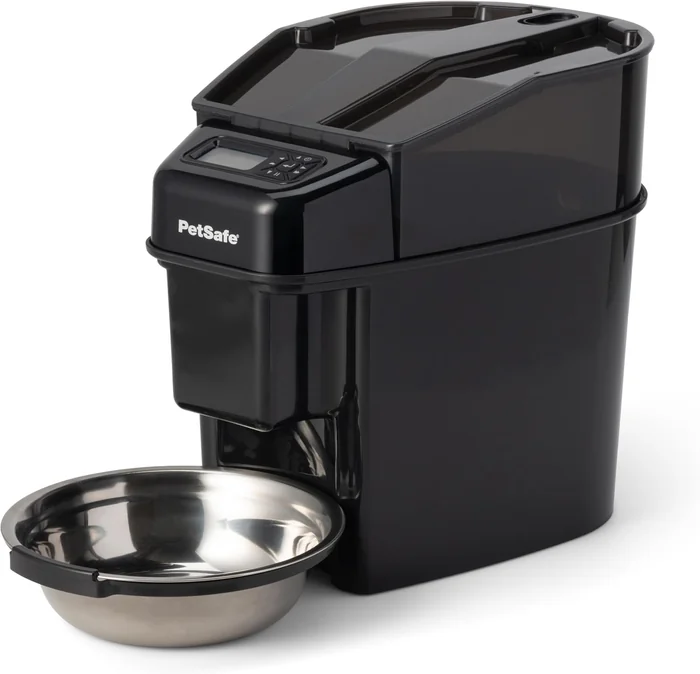
PetSafe Automatic Cat Feeder – Healthy Pet Simply Feed – Automatic Pet Feeder for Cats & Dogs – Timed Pet Feeder with Programmable Portion Control – Holds 24 Cups of Dry or Semi-Moist Dog or Cat Food

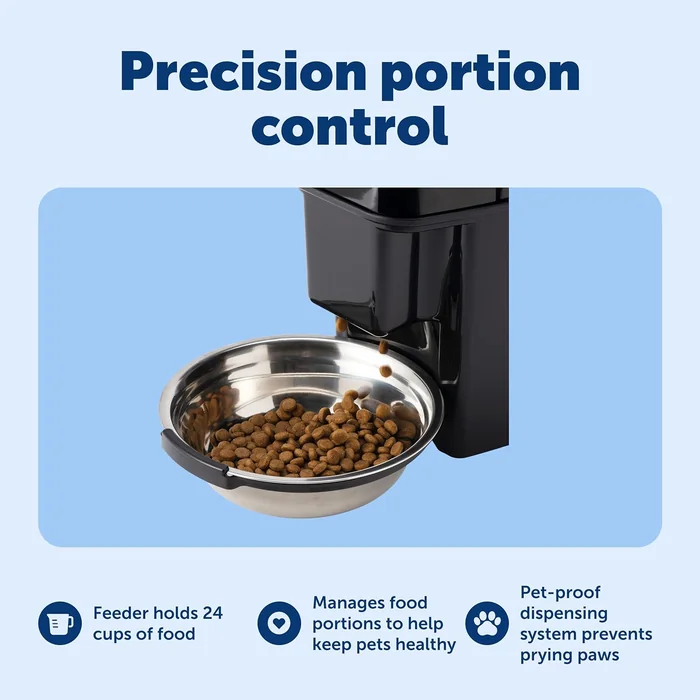
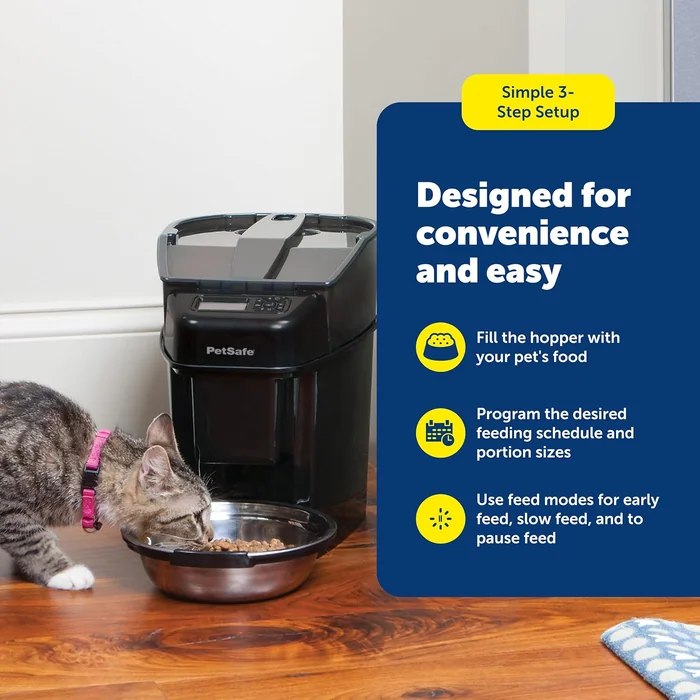
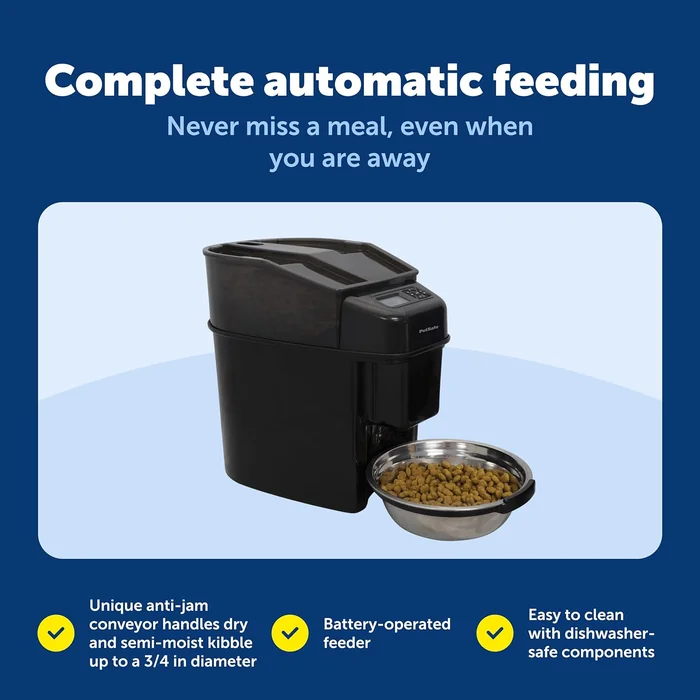


Key Features:
- SCHEDULE YOUR PET’S MEALS: Conveniently schedule up to 12 meals per day for your cat or dog; best for cats and small to medium sized dogs
- FLEXIBLE PORTIONS: Help manage your pet’s weight by scheduling 1/8 cup to 4 cups per meal depending on your pet’s unique needs
- GREAT FOR FAST EATERS: If your pet eats meals too quickly, use the slow release option to dispense meals larger than 1/8 cup gradually over 15 minutes
This programmable feeder allows you to schedule up to 12 meals per day with precise portion control, which is ideal for managing your cat’s diet. Its “slow feed” option dispenses food over 15 minutes, perfect for fast eaters. While it includes a standard bowl, its design allows for easy use with a wider, shallower alternative to ensure complete whisker comfort during automated feedings. It’s a powerful tool for consistent care.
Caring for Your Cat’s Whiskers: A PawLitter Guide
Now that you understand the “why,” let’s talk about the “how.” Caring for your cat’s whiskers is mostly about providing an environment that doesn’t overstimulate or damage them.
- Choose the Right Bowls: Always select wide, shallow dishes for food and water. Avoid deep, narrow containers that force the whiskers to bend.
- Respect the Whisker Space: Be mindful of narrow spaces in your home. If your cat hesitates to enter a carrier or a new hiding spot, don’t force them—their whiskers are telling them it’s tight.
- Observe and Adapt: Watch your cat during meals. Signs of whisker fatigue mean it’s time for a bowl upgrade. For more tips on creating a perfect feeding station, check out our article on setting up a cat-friendly home How to Litter Train a Cat?A Stress-Free Guide for Kittens and Adult Cats.
- Never Interfere: Besides never cutting them, avoid playing with or bending your cat’s whiskers, as this can be uncomfortable for them.
Conclusion: Honoring Your Cat’s Amazing Sensory Tools
Cat whiskers are a masterpiece of evolutionary design, essential for navigation, communication, and comfort. By respecting these incredible sensory tools and choosing products that cater to them—like whisker-friendly bowls and thoughtfully designed feeders—you directly contribute to your cat’s physical and emotional well-being. At PawLitter, our goal is to empower you with knowledge that leads to happier, healthier pets. Understanding these ten surprising facts is a wonderful step in that journey. For further reading on decoding all aspects of feline behavior, dive into our comprehensive guide Cat Care Tips.

Related Articles
 Cat Basics
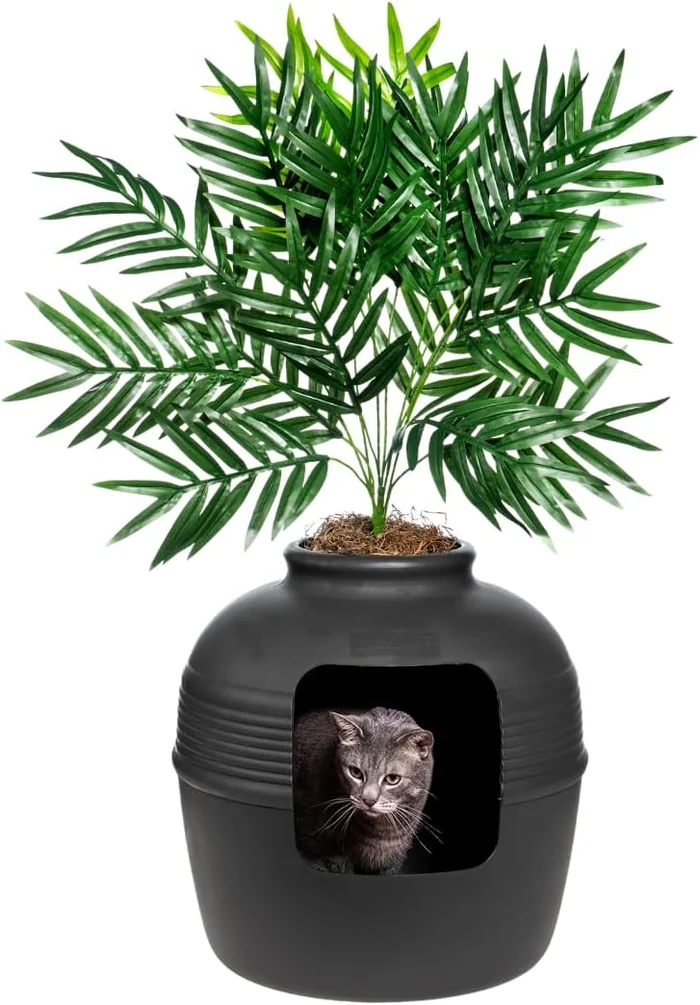
10 Simple & Stylish Ways to Hide a Litter Box
 Cat Basics
10 Simple Effective Ways to Cat Proof Your Fence 2025 Guide
 Cat Basics
11 Most Cat-Friendly Cities Around the World for Feline-Loving Travelers
 Cat Basics
10 Proven Hacks to Keep Your Cat Away From Plants And Save Your Greenery
 Cat Basics
10 Essential Things to Know Before Adopting a Disabled Cat
 Cat Basics