





10 Things You Should Know Before Buying an Automatic Litter Box

As cat owners, the dream of a truly self-cleaning litter box is powerful. The promise of waving goodbye to the daily scoop is incredibly appealing. But with so many models on the market, from basic sifters to high-tech WiFi-enabled units, making the right choice can be overwhelming. At PawLitter, we’ve tested and lived with numerous automatic litter boxes to separate the hype from reality.
This guide isn’t just a list of features; it’s a deep dive into the crucial considerations every cat parent should make before investing. We’ll cover everything from hidden costs and space requirements to safety and what “automatic” really means. Our goal is to equip you with the knowledge to choose a system that brings peace to both you and your feline friend.
1. They Are Not Completely Hands-Off
The biggest misconception is that an automatic litter box is a “set it and forget it” appliance. In reality, it automates the scooping process, not the entire chore. You are trading daily scooping for different, less frequent tasks.
You will still need to:
- Empty the Waste Drawer: Depending on the model and number of cats, this can be every 3-7 days.
- Refill the Litter: All boxes consume litter over time. You’ll need to top it off weekly or bi-weekly.
- Perform Deep Cleanings: Monthly disassembly and washing are essential to prevent odor buildup and mechanical issues.
- Change Liners & Filters: Most systems use disposable waste drawer liners and carbon filters, which are recurring costs.
Think of it as upgrading from a manual to a dishwasher. You still need to load it, add detergent, and empty it, but the scrubbing is done for you.
2. The True Cost is More Than the Sticker Price
The initial purchase is just the beginning. To budget accurately, you must factor in the long-term operating costs, which can add up significantly.
- Litter Type: Nearly all automatic boxes require premium, fast-clumping litter. Cheap, non-clumping, or crystal litter can jam the mechanism.
- Consumables: Waste drawer liners, carbon filters, and proprietary deodorizers are brand-specific recurring expenses.
- Replacement Parts: Over years of use, parts like rakes, sensors, or motors may need replacement.
- Electricity: While minimal, it’s a constant, small cost.
When comparing models, calculate the estimated monthly cost of these supplies. A cheaper unit with expensive proprietary bags may cost more in the long run than a premium model with affordable, generic alternatives.
3. The Cleaning Mechanism Matters (A Lot)
How the box separates waste from clean litter is its core function. The three main types have distinct pros and cons.
Rake/Sifter Systems
This is the most common design. A comb or rake moves through the litter, dragging clumps into a sealed waste drawer. They are generally reliable but can struggle with very sticky litter or large, wet clumps that might break apart.
Rotating Drum (Globe) Systems
The entire litter bed rotates, using a sifting screen to separate clumps. These are often very effective but can be bulky. The tumbling action can help prevent litter from sticking to the interior walls.
Conveyor Belt Systems
A less common but innovative design where a conveyor belt carries used litter to a sifting area. They can be excellent for odor containment but may have more moving parts.
4. Size and Space Are Critical Factors
Automatic litter boxes are almost always larger than traditional trays. You need to measure twice.
- Footprint: Check the width, depth, and height. Ensure there’s ample space on all sides for your cat to enter, exit, and turn around comfortably.
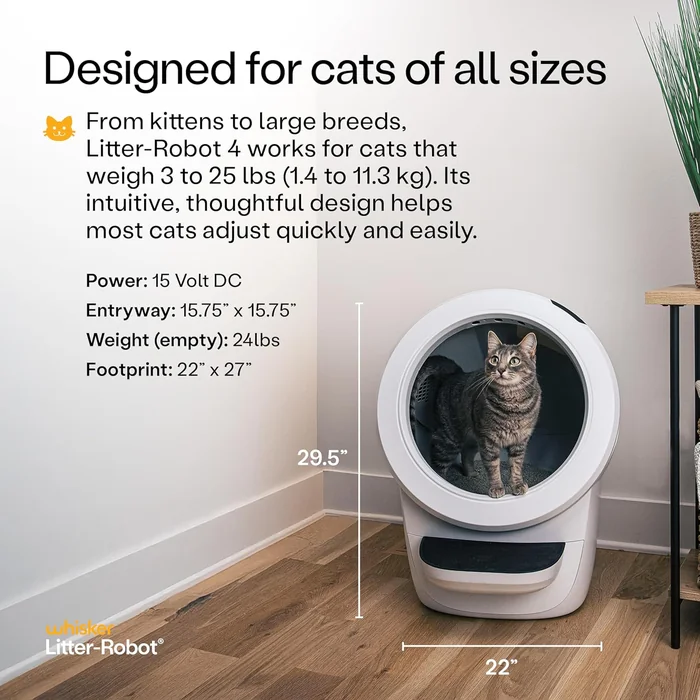
- Cat Size: Is the interior chamber large enough for a large Maine Coon or a kitten? Check the manufacturer’s weight and size guidelines.
- Clearance: Many units require extra space above for the hood to open or for the globe to rotate. Don’t forget to account for the waste drawer that pulls out from the front or side.
- Location: You’ll need access to a power outlet. Placing it in a very confined space or a closet without ventilation can concentrate odors.
5. Consider Your Multi-Cat Household
If you have more than one cat, your requirements change dramatically.
- Waste Drawer Capacity: This is the #1 priority. A drawer that fills in two days for three cats becomes a chore, not a convenience. Look for models with extra-large capacities or those that compress waste.
- Cycle Speed: After a cat exits, how long does the box wait before cycling? In a busy multi-cat home, a very long delay (e.g., 15-30 minutes) can mean the box is often “occupied” when the next cat needs to go.
- The “N+1” Rule: The general rule for litter boxes is one per cat, plus one extra. Even with an automatic cleaner, you may still need a second traditional box, especially during the transition period or if your cats are territorial.
6. Noise Levels Vary Widely
The sound of a motor, rake, or rotating globe can be startling. Consider your household’s sensitivity.
- Your Cat’s Comfort: A skittish cat may be terrified by a loud, sudden cycle. Many models have “quiet” or “night” modes that delay cycling during set hours.
- Your Comfort: If the box is near a bedroom or home office, a loud cycle can be disruptive. Read reviews specifically mentioning noise.
- Cycle Sound vs. Notification Sound: Distinguish between the mechanical noise and optional app alerts. You can often turn off the latter.
7. Safety Features Are Non-Negotiable
Your cat’s safety is paramount. Any reputable automatic litter box must have robust safety systems.
- Weight Sensors: The cycle should immediately pause if a cat re-enters during cleaning.
- Infrared Sensors: These detect movement inside the chamber to prevent activation when a cat is present.
- Manual Override: A physical button to pause or stop a cycle is essential.
- Anti-Pinch Design: The mechanism should have no tight pinching points. Look for smooth, covered rakes or paddles.
Always supervise the first several cycles and ensure your cat is completely comfortable with the process before relying on automatic timers.
8. “Smart” Features Can Be Game-Changers (or Gimmicks)
WiFi and app connectivity offer useful data, but assess if you’ll actually use them.
Useful Smart Features:
- Usage Alerts: Notifications for a full waste drawer, low litter, or a cycle interruption.
- Health Tracking: Monitoring frequency of use and weight changes can provide early clues to health issues.
- Remote Control: Starting a manual cycle or turning the box off while you’re away.
Potential Drawbacks:
- App Reliability: Glitchy apps that disconnect can be frustrating.
- Subscription Fees: Be wary of brands that lock advanced features behind a monthly paywall.
- Privacy: Understand what data is collected and how it’s used.
9. Brand Reputation and Support Matter
You’re buying a complex electromechanical device. The company behind it is as important as the product.
- Warranty: Look for a warranty of at least 1 year, with 2-3 years being a sign of confidence. Read what it covers (parts, labor, shipping).
- Customer Service: Research customer experiences. Are they responsive? Do they help troubleshoot or just direct you to buy new parts?
- Community & Reviews: Large, active user communities (on Reddit, Facebook) are goldmines for troubleshooting tips and real-world longevity reports.
- Return Policy: A risk-free trial period (e.g., 90 days) is invaluable to see if your cat will accept the box.
10. Our Top-Tested Recommendation: Litter-Robot 4
Based on our extensive testing for reliability, cat acceptance, smart features, and odor control, one system consistently stands out: the Litter-Robot 4 by Whisker. It exemplifies the lessons above.
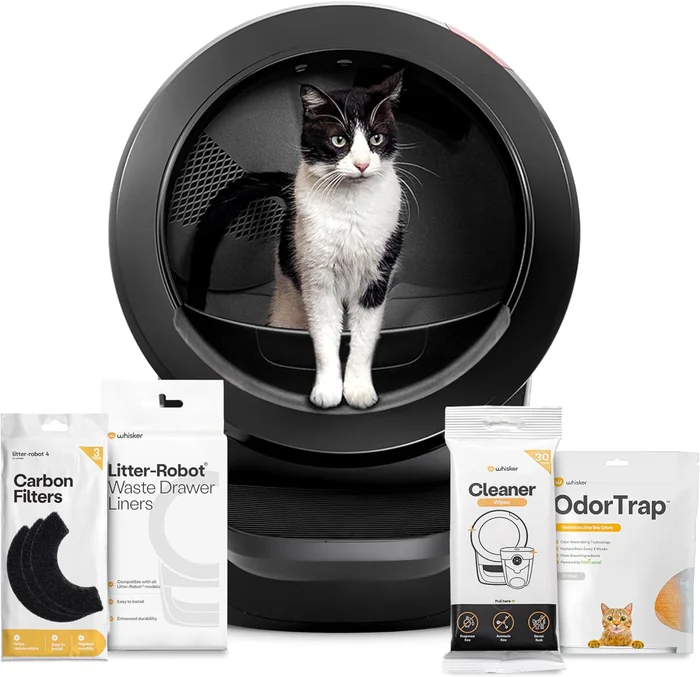
Litter-Robot 4 Supply Bundle by Whisker
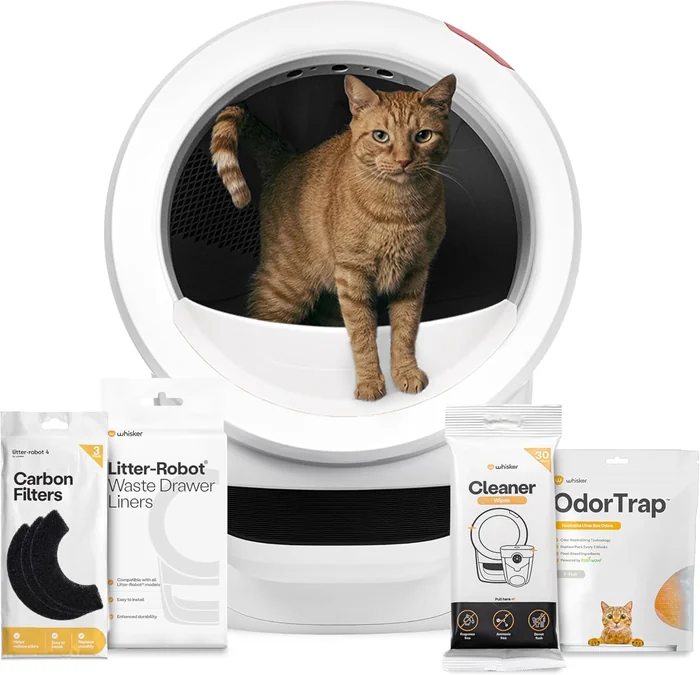
Litter-Robot 4 Supply Bundle by Whisker, White – Automatic, Self-Cleaning Cat Litter Box, WiFi Enabled, Includes Litter-Robot 4, 3 OdorTrap Refills, 10 Liners, 30 Cleaner Wipes, & 2 Carbon Filters
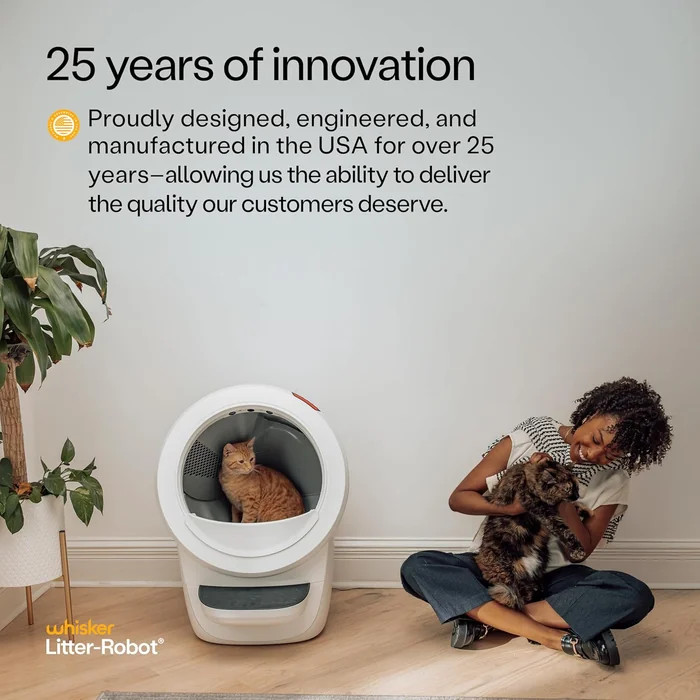
Key Features:
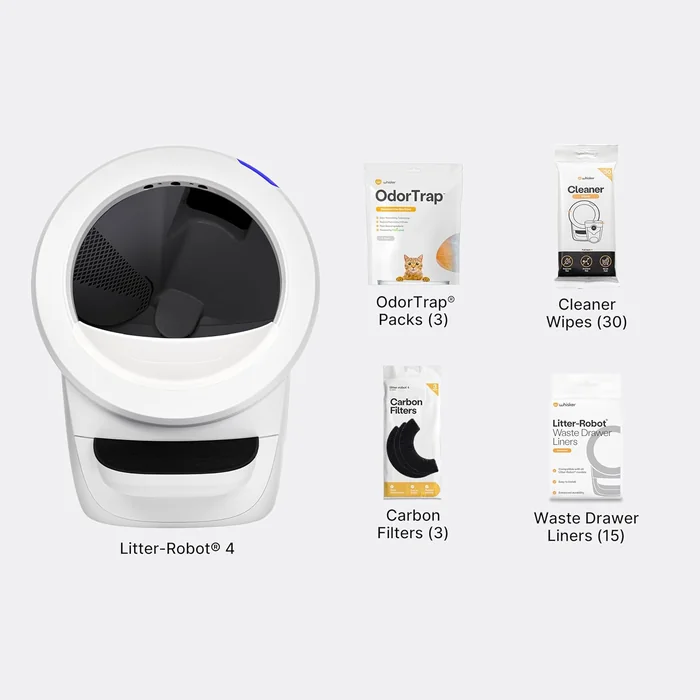
- LITTER-ROBOT SUPPLY BUNDLE: Save on the Litter-Robot 4 Supply Bundle, which comes complete with Litter-Robot 4 automatic litter box, 3 OdorTrap refills, 10 waste drawer liners, 30 cleaner wipes, and 3 carbon filters.
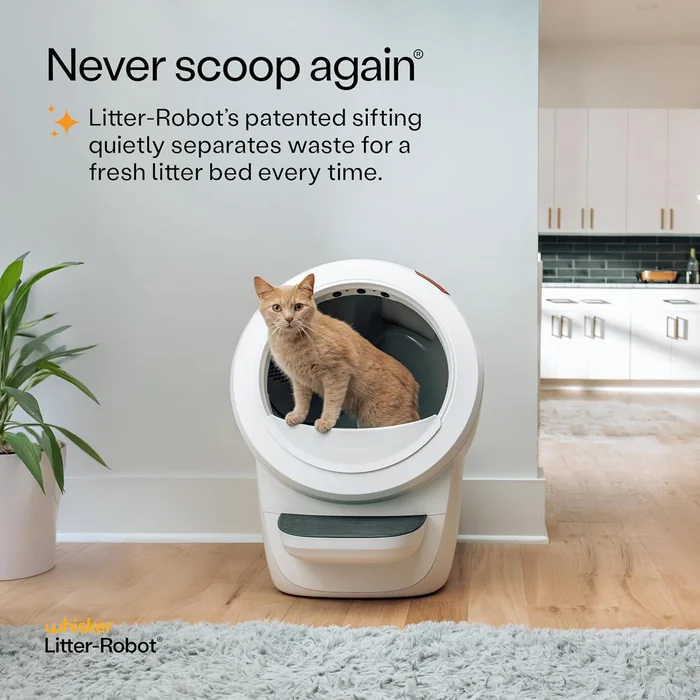
- SELF-CLEANING LITTER BOX: Never scoop again with Litter-Robot 4, the automatic, self-cleaning cat litter box. The patented sifting process automatically separates your cat’s waste from the clean litter. Just empty the waste drawer when full.
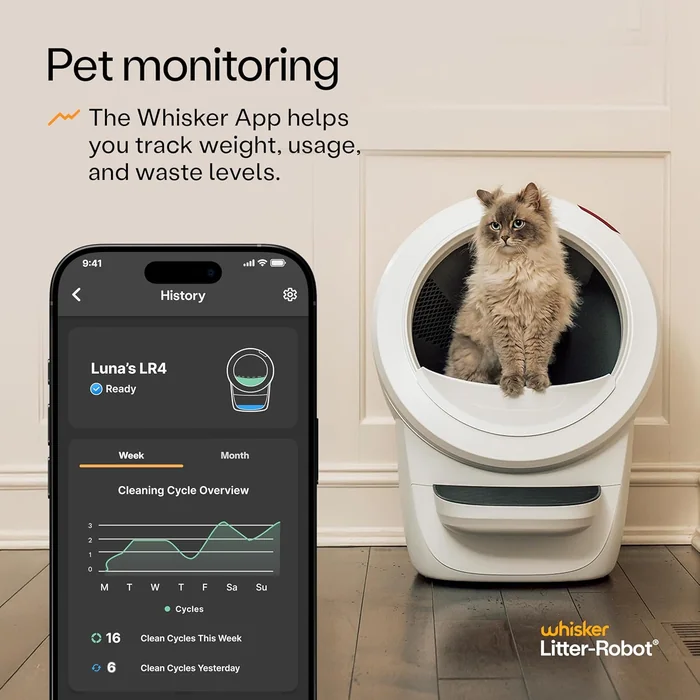
- MONITOR + CONTROL VIA APP: Control the WiFi-enabled sifting litter box straight from the Whisker app. Monitor waste and litter levels in real time, see litter box activity, and track kitty’s weight after each use. Compatible with any clumping litter.
Priced at $699.00, this bundle represents a significant investment, but it includes everything you need to start. With a stellar rating from 739 verified reviewers, its popularity is backed by performance.
Why We Recommend It:
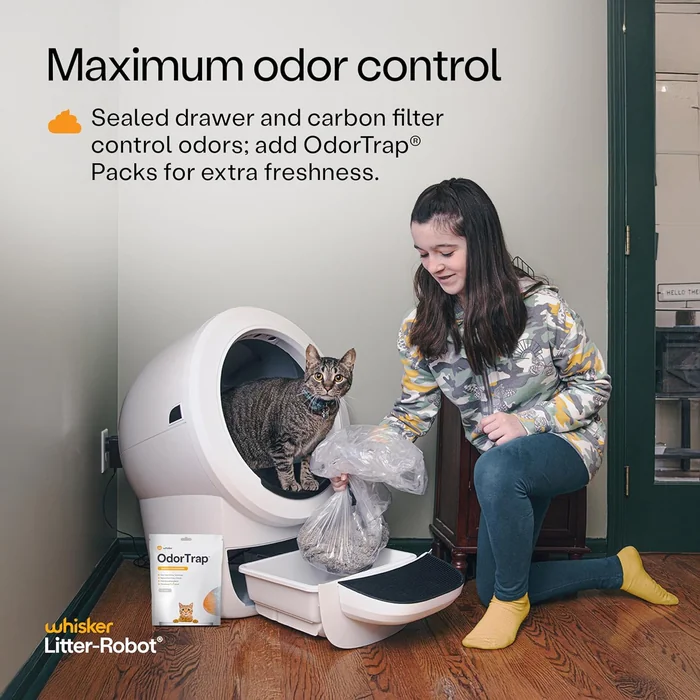
- Superior Odor Control: Its patented sifting occurs inside a sealed globe, and waste drops into a tightly sealed drawer with a carbon filter. The included OdorTrap refills enhance this further, making it the best we’ve tested for containing smells.
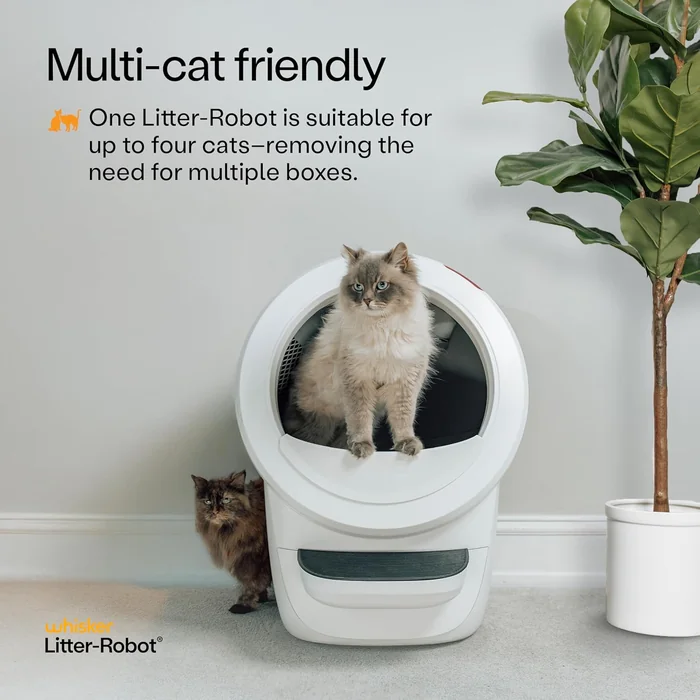
- Excellent for Multi-Cat Homes: The large waste drawer, especially when using the waste compactor accessory, means less frequent emptying for multiple cats.
- Outstanding Safety & Quiet Operation: Its weight and infrared sensors are incredibly precise. The quiet, slow rotation is far less startling to cats than the jerky raking motion of some competitors.
- Truly Useful Smart Features: The Whisker app is reliable and provides genuine value. Getting an alert when the drawer is full is convenient, but tracking each cat’s weight and usage over time offers meaningful insights into their well-being.
- Proven Brand with Strong Support: Whisker offers an 18-month warranty and is known for responsive customer service. The 90-day in-home trial removes the financial risk of testing it with your cat.
It addresses the core “things to know”: it’s not completely hands-off (you’ll empty the drawer), has ongoing costs (liners, filters), but its design minimizes the downsides while maximizing cleanliness and convenience.
Final Thoughts
An automatic litter box can be a life-changing investment that improves your home’s cleanliness and frees up time. The key to satisfaction is entering the purchase with clear, realistic expectations. By understanding the ongoing commitment, prioritizing safety, and choosing a reputable brand that fits your specific home and cats, you can find a model that delivers on its promise.
Remember, the most expensive or feature-rich box is not the best if your cat refuses to use it. Patience during the transition is crucial. For most households seeking a premium, reliable, and smart solution, the Litter-Robot 4 remains our top-tier choice. Its combination of effective cleaning, robust build, and thoughtful design continues to set the standard in the category.
For more detailed comparisons and guides on specific models, explore our other resources here: 10 Essential Things to Know Before Adopting a Disabled Cat, 10 Surprising Facts About Cat Whiskers Every Owner Should Know, and 10 Fascinating Cat Brain Facts Every Owner Should Know.

Related Articles
 Cat Litter
7 Compelling Reasons to Switch to Natural Cat Litter
 Cat Litter
7 Best Cat Litter Boxes in the UK – We Tested Them All
 Cat Litter
9 Best Cat Litters in the UK for 2025 Our Hands-On Test Results
 Cat Litter
6 Cat Litters That Work Best With the Litter-Robot
 Cat Litter
11 Best Cat Litter Boxes of 2025 Expert-Tested Picks for Every Cat
 Cat Litter