


12 Types of Cat Food A Complete Guide for Cat Owners

Choosing the right food for your cat is one of the most important decisions you’ll make as a pet parent. With aisles packed with endless bags, cans, and pouches, it can feel overwhelming. At PawLitter, we believe an informed choice is the best choice. This comprehensive guide breaks down the 12 primary types of cat food available, analyzing their pros, cons, and ideal use cases to help you navigate your cat’s nutritional journey with confidence.
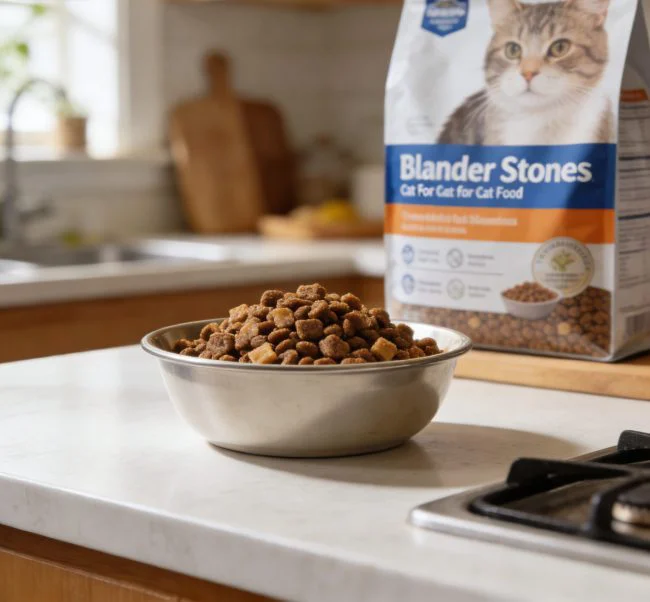
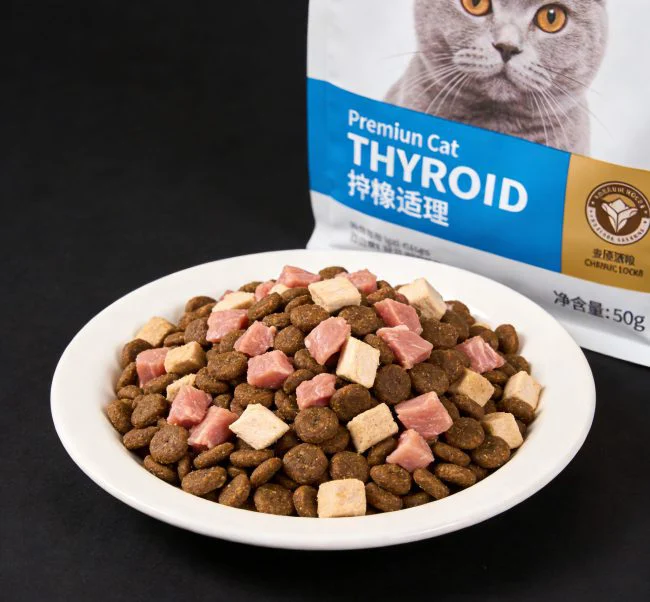
1. Dry Cat Food (Kibble)
Dry cat food, or kibble, is the most common and recognizable type. It’s created by mixing ingredients, cooking them under high heat and pressure, and then extruding and drying them into bite-sized pieces.
Pros of Dry Food
- Convenience & Cost: It’s easy to store, has a long shelf life, and is generally the most affordable option per calorie.
- Dental Health: The crunchy texture can help reduce tartar buildup compared to soft foods alone.
- Free-Feeding: It can be left out for grazing without spoiling quickly.
Cons of Dry Food
- Low Moisture: Typically contains only 6-10% water, which doesn’t support a cat’s natural low-thirst drive and can contribute to urinary tract issues.
- High Carbohydrates: Often relies on carbs like corn, wheat, or rice as fillers and binding agents, which are not ideal for obligate carnivores.
- Processing: High-heat processing can degrade some sensitive nutrients and proteins.
Best For: Pet parents on a budget, multi-cat households, or as part of a mixed feeding regimen. It should not be the sole diet for cats prone to urinary crystals or kidney disease.
2. Wet Cat Food (Canned/Pouched)
Wet food comes in cans, trays, or pouches and has a high moisture content. It’s cooked through a process called retorting (sterilization under high pressure).
Pros of Wet Food
- High Moisture: Contains about 75-78% water, promoting hydration and supporting urinary and kidney health.
- Palatability: The aroma and texture are often more appealing to picky eaters.
- Lower Carbohydrates: Generally has fewer carbs and fillers than dry food, aligning better with a cat’s carnivorous needs.
Cons of Wet Food
- Cost & Convenience: More expensive per serving, and opened cans must be refrigerated and used within a few days.
- Dental Health: Does not provide the mechanical cleaning action that crunchy kibble might.
- Messier: Can be messier to serve and store.
Best For: Nearly all cats, especially those who don’t drink much water, seniors, cats with kidney or urinary issues, and finicky eaters.
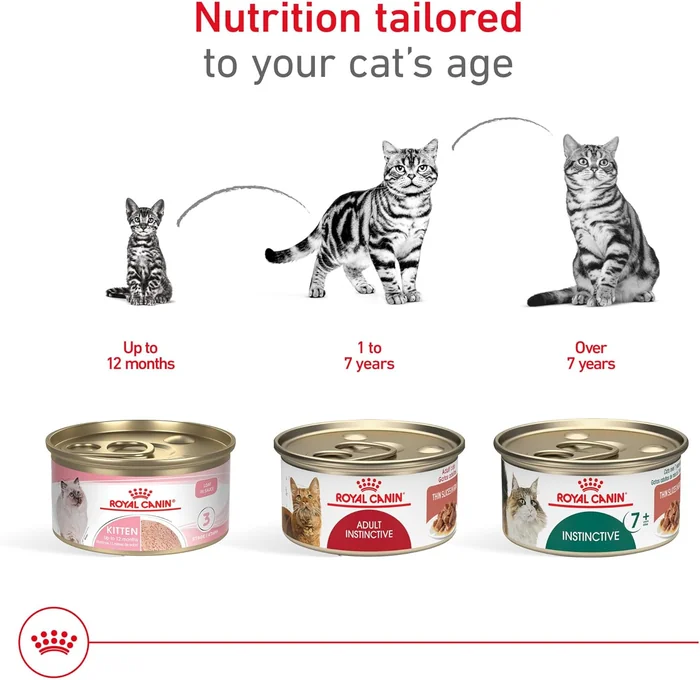
Our Top Wet Food Pick: Royal Canin Adult Instinctive
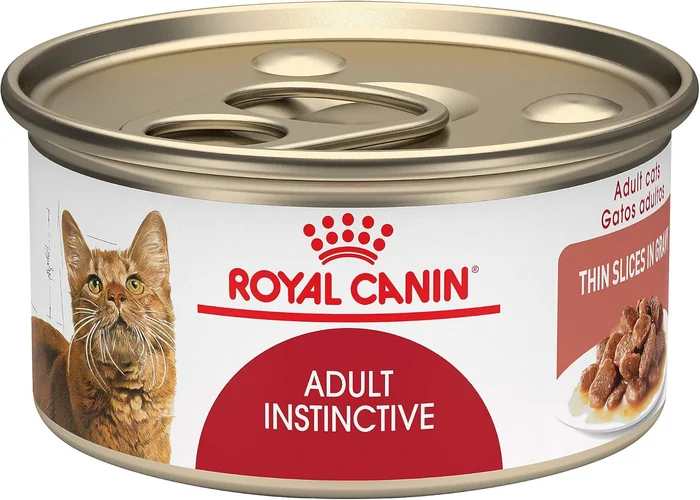
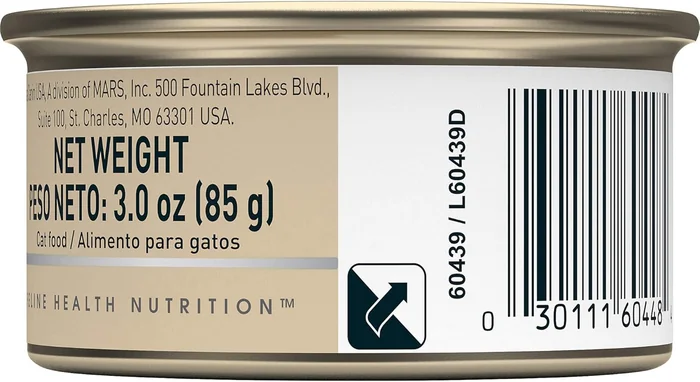
Royal Canin Feline Health Nutrition Adult Instinctive Adult Thin Slices in Gravy Cat Food, 3 oz (Pack of 24)
Key Features:
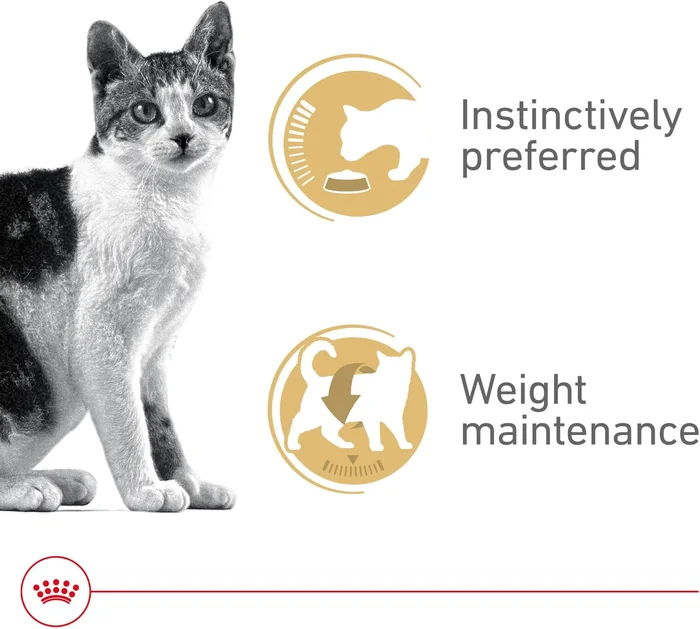
For a premium wet food option that cats love, we recommend Royal Canin Feline Health Nutrition Adult Instinctive. This recipe features thin slices in a delicious gravy, providing the high moisture content and palatable texture that wet food is known for. Formulated for adult cats aged 1-7 years, it provides balanced nutrition to support overall health. With nearly 2,900 reviews, it’s a trusted choice for pet parents seeking a reliable, high-quality canned diet. Priced at $52.56 for a pack of 24 (3 oz) cans, it offers good value in the premium segment.
3. Raw Cat Food (Commercial or Homemade)
Raw diets aim to mimic a cat’s natural ancestral diet, consisting primarily of raw muscle meat, organs, bone, and sometimes supplements.
Pros of Raw Food
- Biologically Appropriate: High in protein and moisture, low in carbohydrates.
- Potential Health Benefits: Some report improved coat quality, dental health, and digestion.
- Minimal Processing: Preserves natural enzymes and nutrients that can be lost in cooking.
Cons of Raw Food
- Bacterial Risk: Risk of Salmonella, E. coli, and Listeria for both pets and humans.
- Nutritional Imbalance: Homemade diets are especially prone to being incomplete without careful formulation.
- Cost & Convenience: Commercial raw is expensive; homemade requires significant time, knowledge, and safe handling.
Best For: Committed pet parents who are willing to research extensively, follow safe handling protocols, and often consult with a veterinary nutritionist.
4. Freeze-Dried Cat Food
Freeze-drying involves freezing raw food and using a vacuum to remove moisture. This preserves the food while keeping it lightweight and shelf-stable.
Pros of Freeze-Dried Food
- Nutritional Integrity: Excellent retention of nutrients, enzymes, and flavor.
- Convenience: Lightweight, long shelf life, and easy to store. Typically fed by rehydrating with water.
- Versatility: Can be fed as a complete meal, a topper, or a treat.
Cons of Freeze-Dried Food
- Cost: One of the most expensive feeding options.
- Rehydration Required: Must be rehydrated properly to provide adequate moisture.
- Bacterial Risk: Similar to raw food if not handled properly post-rehydration.
Best For: Pet parents seeking the benefits of raw feeding with greater convenience and safety, or as a high-value topper.
5. Dehydrated/Air-Dried Cat Food
This type is gently cooked at very low temperatures over a long period to remove moisture, resulting in a dry, chewy texture.
Pros of Dehydrated Food
- Minimally Processed: More nutrients remain intact compared to high-heat kibble.
- Convenient & Lightweight: Similar storage benefits to kibble and freeze-dried food.
- Often Grain-Free: Many formulas use limited, simple ingredients.
Cons of Dehydrated Food
- Cost: Pricier than kibble, often on par with freeze-dried.
- Rehydration Needed: Should be rehydrated for optimal digestion and moisture intake.
- Calorie-Dense: Easy to overfeed if not portioned carefully.
Best For: Those wanting a less processed alternative to kibble without the full commitment to raw or freeze-dried.
6. Fresh, Refrigerated Cat Food
This is gently cooked food (not raw) that is delivered fresh and requires refrigeration. It’s a growing category often sold via subscription.
Pros of Fresh Food
- High-Quality Ingredients: Often uses human-grade meats and vegetables.
- Minimal Processing: Gently cooked to preserve nutrients and flavor.
- Moisture-Rich & Palatable: High water content and fresh taste are very appealing to cats.
Cons of Fresh Food
- Cost & Subscription Model: The most expensive option; typically requires a recurring delivery.
- Short Shelf Life: Must be kept refrigerated and used by the expiration date.
- Limited Availability: Primarily available online or in select stores.
Best For: Pet parents prioritizing top-tier, human-grade ingredients and convenience of home delivery, with a higher budget.
7. Veterinary Prescription Diets
These are therapeutic foods formulated to manage specific medical conditions like kidney disease, urinary issues, allergies, or obesity. They are available by prescription from a veterinarian.
Key Point: These diets are medical tools. You should only feed a prescription diet under the direct guidance of your vet to address a diagnosed condition. Never self-prescribe.
8. Limited Ingredient Diet (LID) Cat Food
LID formulas are designed with a minimal number of protein and carbohydrate sources to help identify and manage food allergies or sensitivities.
Note: “Limited Ingredient” is a marketing term, not a regulated standard. Always check the full ingredient list to ensure it truly avoids your cat’s triggers.
9. Grain-Free Cat Food
Grain-free formulas replace corn, wheat, rice, etc., with alternative carb sources like potatoes, peas, lentils, or tapioca.
Important Consideration: While beneficial for cats with genuine grain allergies (which are rare), grain-free is not inherently healthier. The FDA has investigated a potential link between certain grain-free diets and canine Dilated Cardiomyopathy (DCM); a similar link in cats is not proven but is a topic of ongoing research. Focus on the overall quality and balance of the diet, not just the absence of grains.
10. All Life Stages Cat Food
This single formula meets the nutritional levels established by the AAFCO (Association of American Feed Control Officials) for all life stages—growth, reproduction, and adult maintenance.
Our Analysis: While convenient for households with cats of different ages, it is often higher in calories, protein, and fat than a healthy adult cat needs. We generally recommend feeding a diet specifically formulated for your cat’s current life stage (kitten, adult, senior) for optimal health.
11. Kitten Food
Formulated with higher levels of protein, fat, calories, and specific minerals like calcium and phosphorus to support rapid growth and development.
Feeding Tip: Kittens should eat a diet labeled for “growth” or “all life stages” until they reach about 12 months of age.
12. Senior Cat Food
Designed for cats typically over 7-10 years old, these formulas may have adjusted protein quality, added joint supplements (like glucosamine), be easier to chew, and have controlled phosphorus levels for kidney support.
Note: There’s no one-size-fits-all for seniors. A vet check-up is crucial to determine if your older cat needs a specific senior formula or a therapeutic diet.
How to Choose the Right Type for Your Cat
Consider these factors when making your decision:
- Your Cat’s Health: Age, weight, activity level, and any medical conditions are paramount. Your veterinarian is your best resource here.
- Your Budget: Calculate the monthly cost, not just the bag price. Factor in your cat’s calorie needs.
- Your Lifestyle: Consider storage, preparation time, and feeding schedule convenience.
- Your Cat’s Preference: Ultimately, your cat has to eat it! Be prepared to try different textures (pate, chunks, shreds) and proteins.
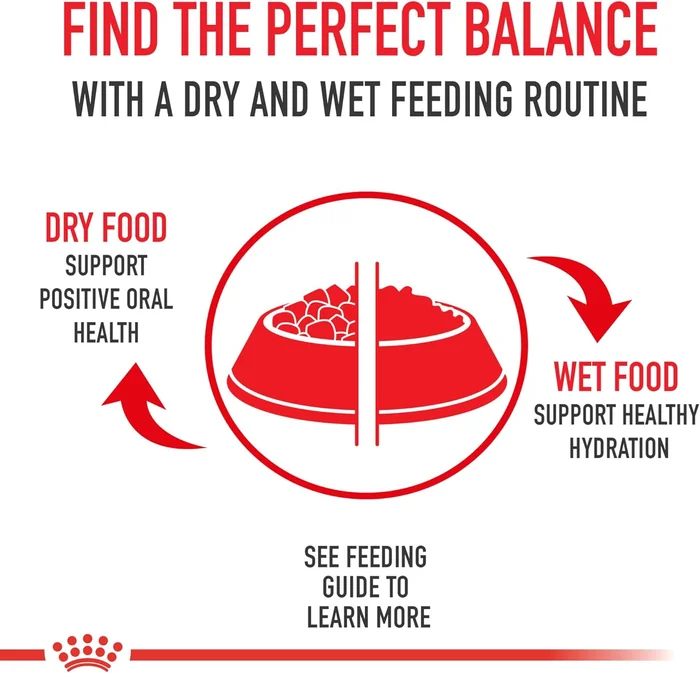
Remember, you can also practice mixed feeding—combining wet and dry food—to provide hydration benefits and dental convenience while managing costs. For more on creating a balanced feeding schedule, see our guide Covered vs Uncovered Litter Box?The Ultimate Guide for Cat Owners.
Decoding the Cat Food Label
Look for these key elements:
- AAFCO Statement: Ensures the food is nutritionally complete and balanced for a specific life stage.
- Ingredient List: Ingredients are listed by weight. Look for a named animal protein (e.g., “chicken,” not “poultry”) as the first ingredient.
- Guaranteed Analysis: Shows minimum percentages of protein and fat, and maximum percentages of fiber and moisture. Use it to compare products, but it doesn’t tell the full story of quality.
Understanding your cat’s unique nutritional needs is the first step. For help selecting the perfect protein source, explore our article on How to Litter Train a Cat?A Stress-Free Guide for Kittens and Adult Cats.
Final Thoughts from PawLitter
Navigating the world of cat food is complex, but understanding these 12 types empowers you to make the best choice for your feline family member. At PawLitter, we recommend prioritizing moisture content and high-quality animal protein. For most cats, a diet primarily consisting of wet food or a combination of wet and dry offers an excellent balance of hydration, nutrition, and practicality.
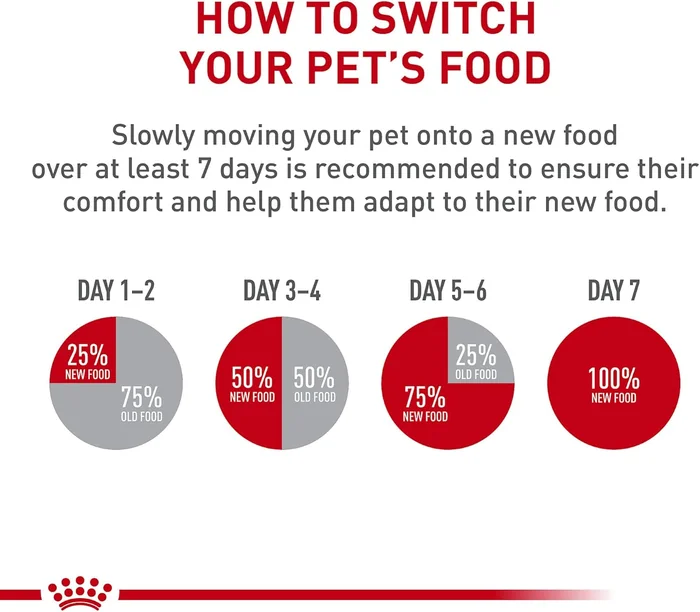
The “best” food is the one that supports your cat’s individual health needs, fits your lifestyle, and is eagerly eaten. Always transition to new food gradually over 7-10 days to avoid digestive upset. When in doubt, consult with your veterinarian to create a personalized nutrition plan. For further reading on specialized diets, check out our resource on Cat Care Tips.

Related Articles
 Cat Food
5 Vet-Approved Homemade Cat Food Recipes for a Healthy, Happy Cat
 Cat Food
6 Best Human-Grade Cat Foods for a Thriving Feline
 Cat Food
10 Best Foods for Cats With Dental Disease A Vet-Reviewed Guide
 Cat Food
6 Best Pill Pockets for Cats Our Vet-Reviewed Picks for 2025
 Cat Food
7 Best Fresh Cat Food Meal Delivery Services in 2025
 Cat Food