






15 Essential Facts About Feral Cats Understanding and Helping Community Cats

Feral cats are a common yet often misunderstood part of our urban and rural landscapes. Unlike the stray cat that might approach you for food, a truly feral cat is one that has had little to no human contact and is primarily fearful of people. These community cats live complex lives, and their welfare is a topic of significant importance for animal lovers and ecologists alike. At PawLitter, we believe that understanding is the first step toward compassionate action. This guide will walk you through 15 crucial facts about feral cats, dispel common myths, and provide practical advice on how you can make a positive difference in their lives.
1. Feral Cats Are Not the Same as Stray Cats
While the terms are often used interchangeably, there’s a key behavioral distinction. A stray cat is a domesticated cat that has been lost or abandoned. They are often socialized to humans and may approach people, houses, or cars. A feral cat, however, is born and raised in the wild or has lived without human interaction for so long that they have reverted to a wild state. They are typically too fearful and unsocialized to be handled or adopted as a traditional pet. Recognizing this difference is vital for determining the appropriate type of help.
2. They Live in Social Groups Called Colonies
Feral cats are not solitary creatures. They often form social groups called colonies, which are usually centered around a reliable food source. These colonies have complex social structures and are typically made up of related females and their offspring. Understanding colony behavior is essential for effective Trap-Neuter-Return (TNR) management, as cats within a colony often need to be returned to their specific social group for their well-being.
3. Trap-Neuter-Return (TNR) Is the Humane and Effective Solution
The single most important fact to know about feral cat management is the efficacy of TNR. This non-lethal method involves humanely trapping cats, having them spayed or neutered and vaccinated by a veterinarian, and then returning them to their territory. TNR stabilizes and gradually reduces colony size by preventing new litters. It also improves the cats’ health and eliminates problematic mating behaviors like yowling, fighting, and spraying. For anyone looking to help, supporting or volunteering with a local TNR program is the most impactful step.
Essential Gear: A Reliable Drop Trap
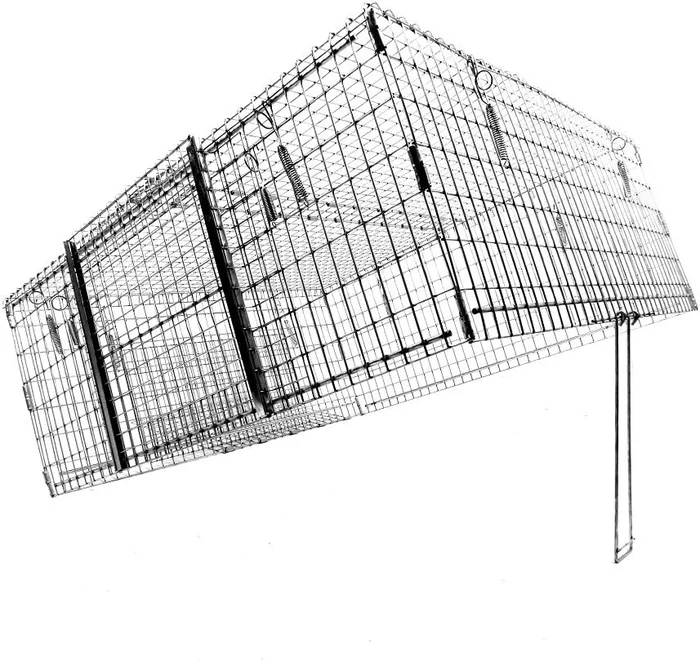
Tomahawk Live Trap – Model DT1 – Tomahawk TNR Series Neighborhood Cats Drop Trap – 36x36x14 Collapsible
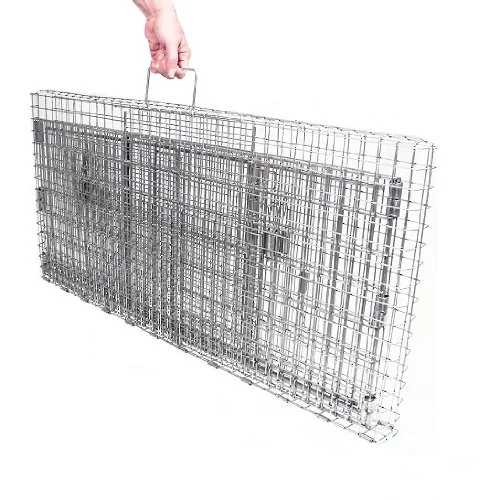
Key Features:
- Sets up easily
- Collapses to 36″ x 18″ x 4″ for easy transport and storage
- Great for catching wary, trap shy cats
For implementing TNR, especially with trap-savvy cats, a specialized drop trap like the Tomahawk TNR Series is invaluable. Its collapsible design (folding down to just 4 inches thick) makes transport and storage simple. The large 36″x36″ area allows for strategic bait placement, increasing success rates with wary felines. With over 340 reviews, this tool is trusted by community cat caregivers nationwide for its effectiveness in humane trapping efforts.
4. Their Lifespan Is Significantly Shorter Than Indoor Cats
The life of a feral cat is harsh. While an indoor cat can live 15-20 years, the average lifespan of a feral cat is often only 2-5 years. They face numerous threats including disease, parasites, extreme weather, predation, traffic, and a lack of consistent nutrition and veterinary care. This stark reality underscores the importance of TNR and providing supplemental care like shelter and food.
5. They Are Prolific Breeders
One unspayed female cat can produce two to three litters per year, with an average of four kittens per litter. In just seven years, that single female and her offspring can theoretically produce hundreds of thousands of cats. This exponential growth is why managed TNR programs are critical to prevent overpopulation and the associated suffering.
6. Providing Shelter Is a Lifesaving Act
One of the most direct ways to improve a feral cat’s quality of life is by providing insulated, weatherproof shelter. A proper shelter offers protection from rain, snow, wind, and extreme temperatures, which can be a matter of survival. The ideal shelter is elevated, insulated with straw (not hay, which retains moisture), and has a small entrance to retain heat and deter larger animals.
Providing Warmth in Harsh Climates
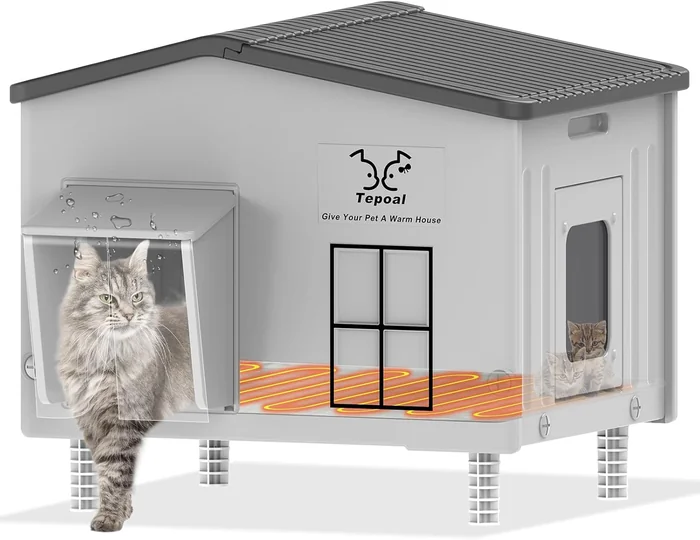
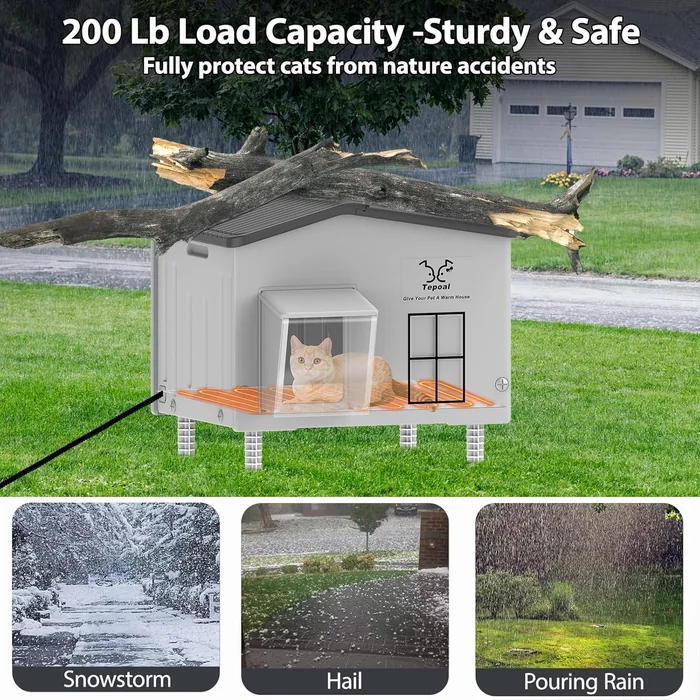
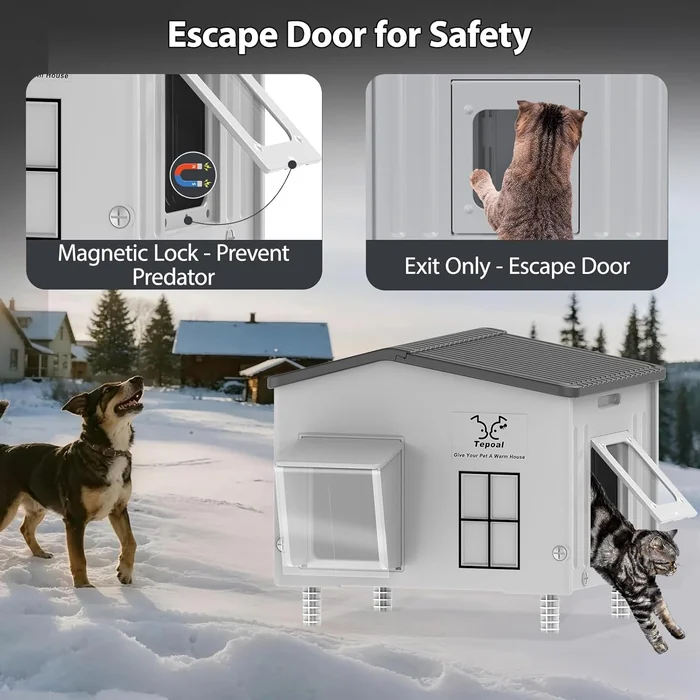
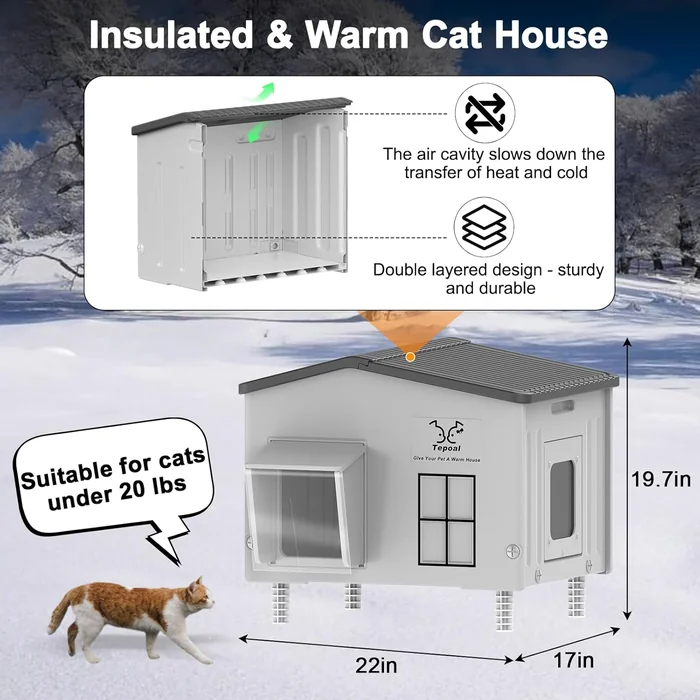
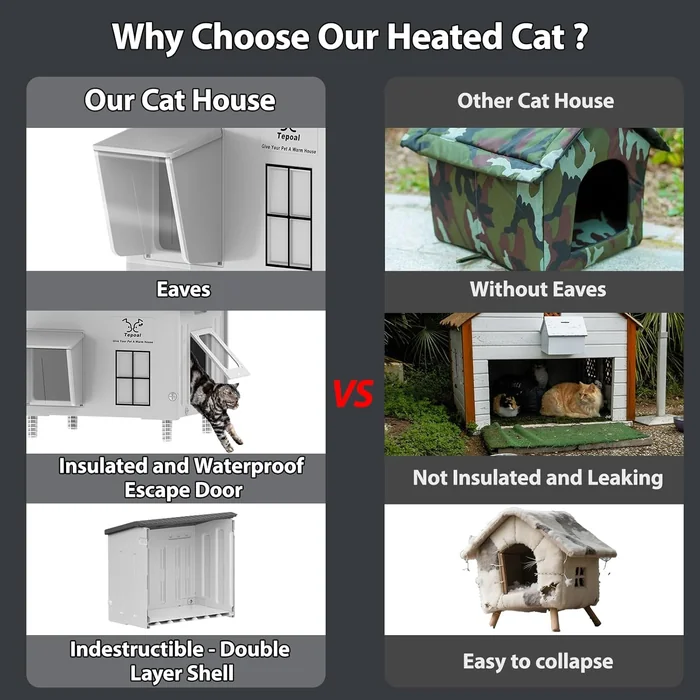
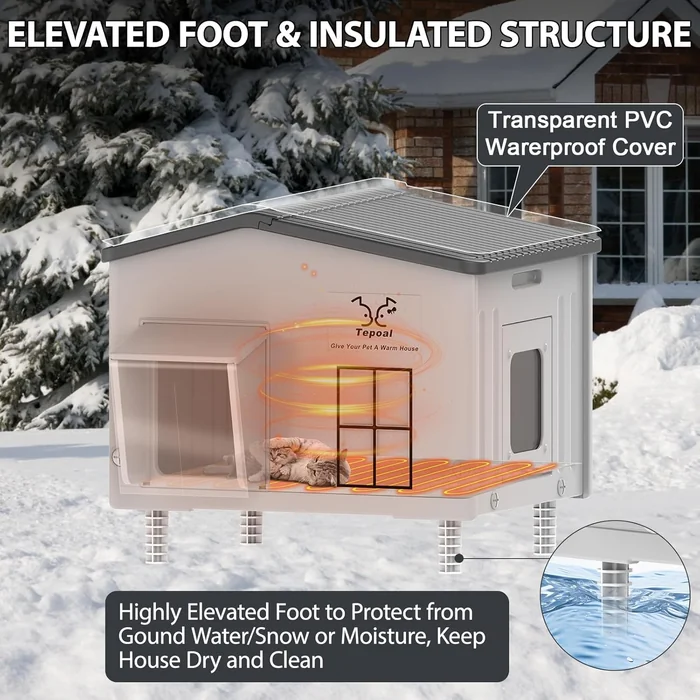
Large Indestructible Heated Cat House for Outside, Extrmely Waterproof & Weatherproof Heated Outdoor Cat House for Winter, Fully Insulated Feral Cat Shelter for Outdoor Barn Cats Strays, 22x17x19.7 in


Key Features:
- 【A Must-Have for Outdoor Cats in Winter and Rainy Days】- – Our heavy-duty heated cat house provides ample protection for cats. It is soak-proof, weather-resistant, built with a durable metal structure and has heating function, so cats can stay comfortable no matter what the outdoor climate is like. Specialized waterproof materials protect stray and feral cats from the harsh weather.
- 【Extremely Insulated Aluminum Foil Cover Keeps Cats Warm】- – The aluminum foil cover outside the cat heated house is waterproof and windproof. The heated cat bed inside the house can keep cats warm – even when the temperature drops below zero. This outdoor cat heated shelter with good insulation helps cats maintain body temperature. The heating pad is UL-approved, and approved number is ZKT-2303312234S.
- 【Easy to Assemble and Durable】- – No tools are required to assemble the insulated outdoor cat house, it is foldable, all you have to do is pull it up and secure it, it only takes 30 seconds to install, and then place it anywhere you want your kitty to snuggle and keep warm. Our outdoor heated cat house is made of metal, which is very durable and can better withstand strong winds, heavy rain and hail.
For areas with severe winters, a heated shelter like the Myodal Indestructible Heated Cat House can be a game-changer. Its UL-approved heating pad provides a safe, consistent warmth source, crucial for survival when temperatures plummet. The extremely waterproof aluminum foil cover and durable metal structure offer robust protection against rain, snow, and wind. With assembly taking just 30 seconds and over 1,060 positive reviews, it’s a reliable, heavy-duty solution for giving outdoor cats a fighting chance against the cold.
7. They Are Territorial
Feral cats establish and defend territories that provide their resources—food, water, and shelter. This territorial nature is why simply removing cats (a practice called “catch and kill”) is ineffective and inhumane. Vacated territories often experience the “vacuum effect,” where new cats move in to exploit the resources, and the breeding cycle continues. TNR, by contrast, maintains stable, non-breeding colonies that hold the territory.
8. Not All Feral Kittens Are “Feral”
Kittens born to feral mothers have a critical socialization window. If they are handled by humans before they are about 8 weeks old, they can often be socialized, adopted, and live as indoor pets. This is why TNR programs often include efforts to trap kittens for fostering and adoption. After this window closes, socialization becomes exponentially more difficult and stressful for the cat.
9. They Play an Important Role in Rodent Control
Feral cats are instinctive hunters. In many settings, such as farms, warehouses, and alleys, their presence provides natural rodent control. This is a symbiotic relationship that has existed for thousands of years. While their impact on native wildlife is a complex and debated issue, their role in managing pest populations in human-altered environments is well-documented.
10. Feeding Stations Should Be Managed Carefully
Providing food is a compassionate act, but it must be done responsibly. Food should be offered on a regular schedule (not left out 24/7) to avoid attracting wildlife, insects, or creating nuisance issues. Leftover food should be promptly removed. Using dedicated feeding stations can keep the area clean and make monitoring the cats’ health easier.
A Dedicated, Weatherproof Feeding Station
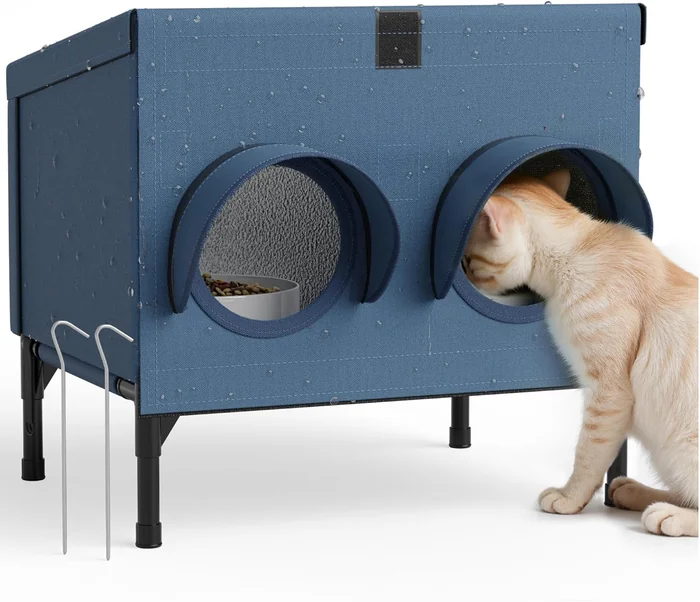
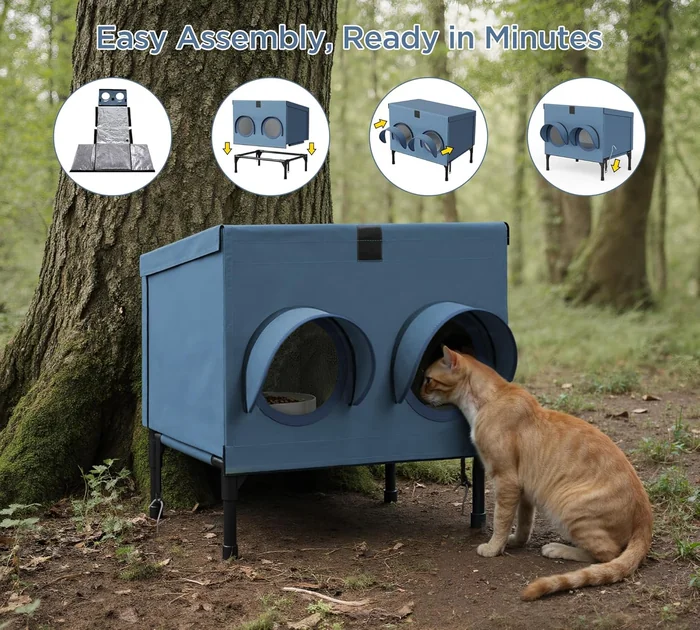
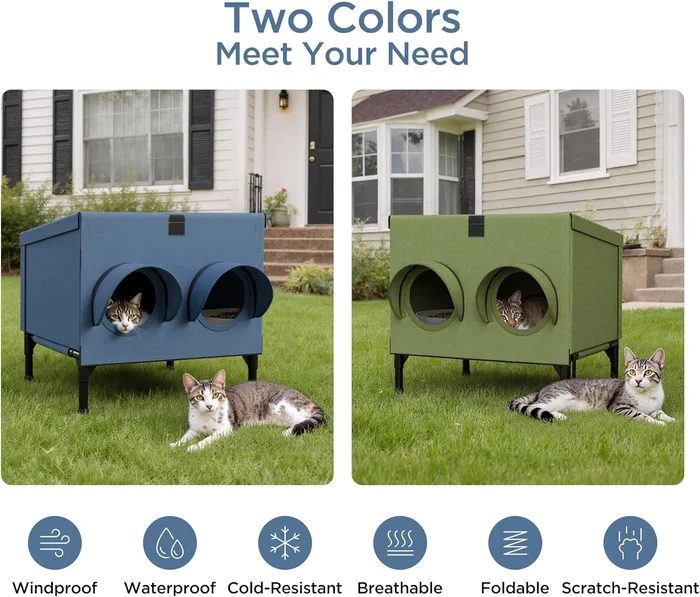
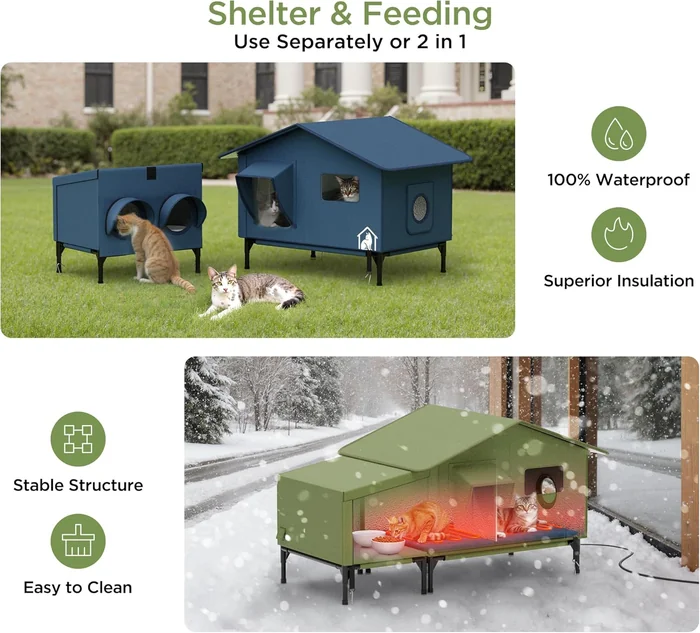
Outdoor Cat Feeding Shelter for Feral & Stray Cats, Insulated Dining Room with Slanted Roof & Double Feed Hole, Connects to PELUOMOZ Cat Houses, Windproof & Weatherproof – Navy Blue, 16″×12″×15.5″

Key Features:
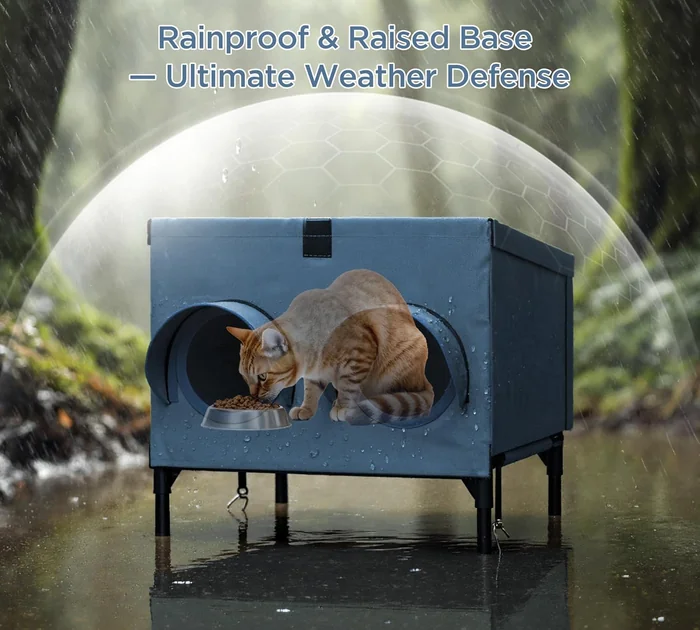
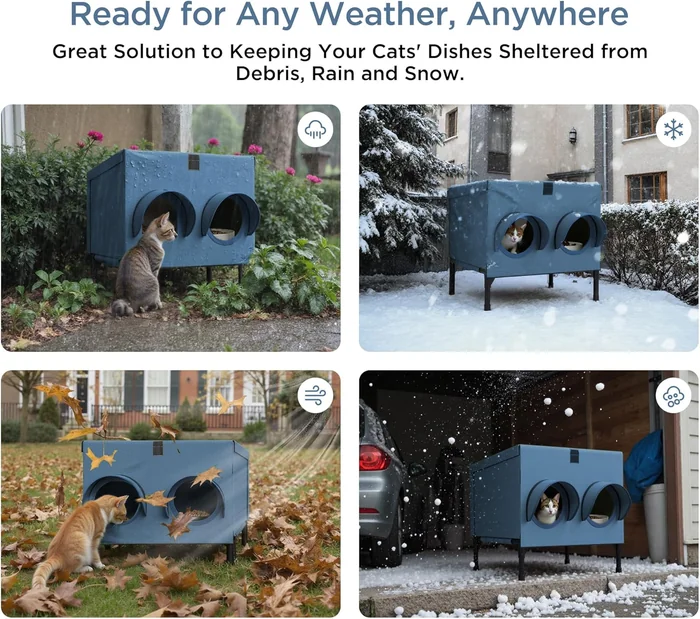
- Spacious, Insulated Shelter for Outdoor Dining: Measuring 16″×12″×15.5″ , this feeding house provides ample space for food and water bowls; The sloped roof and insulated walls help maintain internal temperature, ensuring your cat’s meals stay dry and accessible year-round.
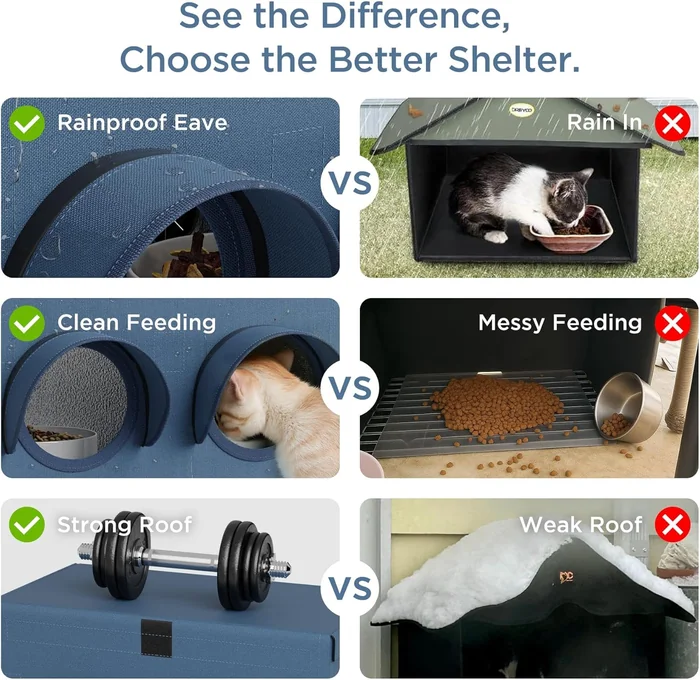
- Dual Feed Hole Design for Clean & Dry Meals: Our thoughtfully engineered dual feed holes keep your cat’s food and water protected from rain, snow, and falling debris; The enclosed access limits movement inside, helping prevent bowls from tipping or being pushed over while your cat eats.
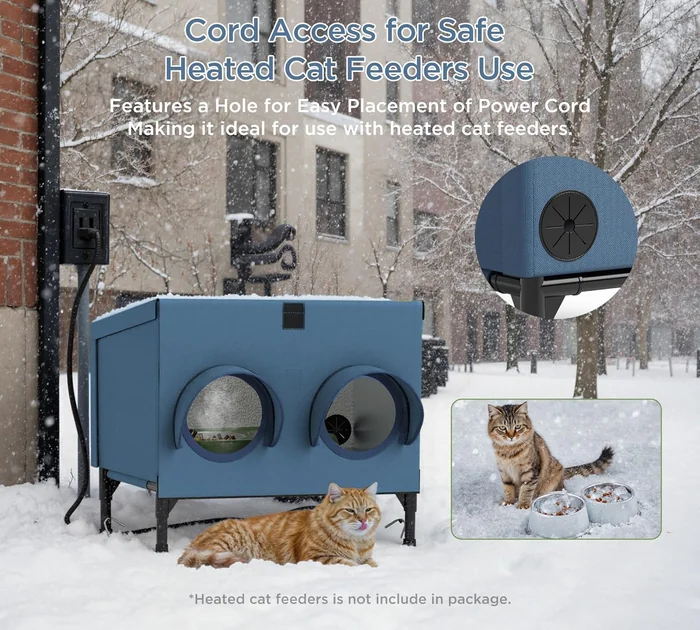
- Stable and Wind-Resistant Build: Includes ground stakes to anchor the house in place, even during strong wind or stormy weather; The durable fabric shell and reinforced structure offer lasting outdoor reliability.
The PELUOMOZ Outdoor Cat Feeding Shelter is an excellent tool for responsible feeding. Its insulated, slanted-roof design protects food and water bowls from rain and snow year-round. The dual feed hole design is a thoughtful feature that helps prevent bowls from being tipped over while cats eat. We especially appreciate the included ground stakes, which provide stability in windy conditions, ensuring the station stays put and meals stay clean and accessible.
11. Ear-Tipping Is a Universal Sign of Care
If you see a cat with the tip of one ear neatly clipped off, don’t be alarmed. This is called ear-tipping, a universal sign performed during spay/neuter surgery while the cat is under anesthesia. It is a quick, painless, and humane way to identify from a distance that a cat has been through a TNR program. This prevents the cat from being unnecessarily trapped and anesthetized again in the future.
12. They Can Coexist with Wildlife
While predation is a concern, studies and managed colony practices show that focused feeding (providing ample cat food) and TNR can significantly reduce a cat’s hunting activity. Well-fed, sterilized cats are less driven to hunt and spend more time resting. Placing feeding stations away from areas of high wildlife activity and using bells on collars (if safe for the cat) are additional mitigation strategies.
13. Community Support Is Key
Helping feral cats is not a solitary endeavor. Success depends on community support—from neighbors who agree not to call animal control, to local businesses that allow feeding stations, to veterinarians who offer low-cost spay/neuter services. Education and transparent communication are essential for building this support and creating a compassionate community for all its inhabitants.
14. You Can Help Even Without Hands-On Contact
You don’t need to be able to touch a feral cat to help them. Support can take many forms: donating to local TNR non-profits, building and distributing outdoor shelters, sponsoring a spay/neuter surgery, or simply educating others about TNR. Advocacy and resource provision are incredibly valuable contributions. For more ideas on safe interaction, see our guide on How to Litter Train a Cat?A Stress-Free Guide for Kittens and Adult Cats.
15. They Deserve Our Compassion and Respect
Feral cats are a product of human neglect—of unsterilized pets being abandoned. They are resilient survivors navigating a world not built for them. Our response should be one of humane, evidence-based management, not persecution. By understanding their nature and implementing TNR, we fulfill our responsibility to care for animals in our communities and work toward a future where every cat has a chance at a safe and healthy life.
How PawLitter Supports Feral Cat Caregivers
At PawLitter, we are committed to providing not only information but also practical resources for those who care for community cats. We carefully select and recommend products—from sturdy shelters like the ones above to essential trapping equipment—that meet the specific, demanding needs of outdoor feline life. Our goal is to equip you with reliable tools and knowledge, whether you’re managing a colony, caring for a backyard visitor, or simply want to learn more. For a deeper dive into creating a safe outdoor space, explore our resource on How Often Should You Change Cat Litter?A Vet-Reviewed Guide, and for understanding feline behavior, check out The Ultimate Guide to Finding the Best Litter Box for Multiple Cats.
Disclaimer: This article is intended for informational purposes. Always consult with local animal welfare organizations or veterinarians for guidance specific to your situation and to ensure compliance with local ordinances regarding feral and community cats.

Related Articles
 Cat Basics
10 Little Known Facts About Your Cats Tongue
 Cat Basics
100 Most Popular Cat Love Quotes Of All Time
 Cat Basics
10 Proven Hacks to Keep Your Cat Away From Plants And Save Your Greenery
 Cat Basics
10 Popular Cat Myths Completely Debunked by a Vet
 Cat Basics
10 Simple Effective Ways to Cat Proof Your Fence 2025 Guide
 Cat Basics