

5 Vet-Approved Homemade Cat Food Recipes for a Healthy, Happy Cat

As cat lovers and pet nutrition advocates, we understand the desire to provide the absolute best for our feline companions. The idea of preparing homemade cat food, with its promise of fresh, recognizable ingredients, is incredibly appealing. However, the journey from a well-intentioned kitchen experiment to a nutritionally complete and safe diet is complex. This guide, crafted with input from veterinary nutrition principles, aims to navigate that complexity. We’ll provide you with safe, vet-reviewed homemade cat food recipes designed as supplements or occasional meals, alongside crucial information on balancing risks and rewards, and when a commercial veterinary diet is the safest choice for your cat’s health.
The Allure and Risk of Homemade Cat Food
The benefits of homemade food seem straightforward: control over ingredients, the ability to cater to picky eaters, and the avoidance of certain preservatives. For cats with specific allergies (like chicken or beef), a homemade diet can seem like the only solution. However, the risks are significant and can outweigh the benefits if not managed correctly.
Is Homemade Cat Food Safe?
The short answer is: it can be, but only with extreme caution and professional guidance. The primary dangers are:
- Nutritional Imbalance: Cats are obligate carnivores with very specific nutritional needs that are difficult to replicate at home. Critical nutrients like taurine (essential for heart and eye health), arachidonic acid, pre-formed Vitamin A, and specific vitamins like B1 (thiamine) must be present in precise amounts. A long-term deficiency can lead to severe, irreversible health issues including heart disease (Dilated Cardiomyopathy), blindness, and neurological problems.
- Bacterial Contamination: Raw or undercooked meat, especially poultry, can harbor dangerous bacteria like Salmonella and E. coli, which pose risks to both your cat and your household.
- Inconsistent Formulation: “Eyeballing” measurements or frequently changing ingredients leads to an unpredictable nutrient profile, making it impossible to ensure your cat’s long-term needs are met.
Therefore, any homemade diet intended for regular feeding must be formulated by a board-certified veterinary nutritionist. The recipes provided here are reviewed for safety as occasional treats or meal toppers, not as a complete and balanced diet.
How to Make Homemade Cat Food Safely: The Golden Rules
If you wish to proceed with occasional homemade meals, follow these non-negotiable rules:
- Consult Your Veterinarian First: Always discuss your plans with your vet. They can assess your cat’s specific health status and recommend a consultation with a nutritionist if needed.
- Source High-Quality Ingredients: Use human-grade meat from reputable sources. Ensure all meat is fresh and handled with proper kitchen hygiene.
- Cook All Meat Thoroughly: Cooking to a safe internal temperature kills harmful pathogens. Avoid raw diets unless specifically formulated and supervised by a veterinary professional.
- Use a Proper Supplement: For any recipe meant to be more than a rare treat, a balanced vitamin-mineral supplement designed for homemade cat food is mandatory. Do not attempt to create your own supplement blend.
- Store Properly: Prepare in small batches. Refrigerate portions for up to 3 days or freeze them immediately for longer storage.
5 Vet-Reviewed Homemade Cat Food Recipes
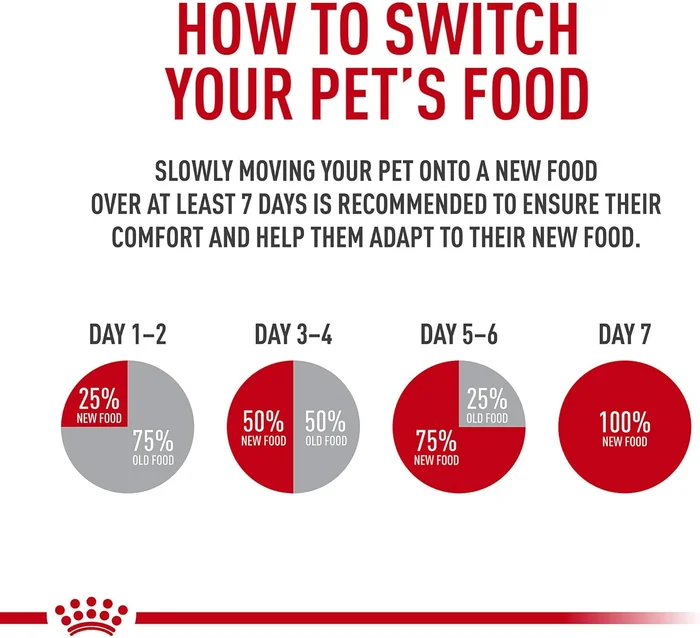
The following recipes are designed to be simple, safe, and enjoyable for your cat. They are supplemental and should not constitute more than 10-15% of your cat’s total daily caloric intake. Always introduce new food gradually over several days.
Recipe 1: Simple Poached Chicken & Pumpkin
This gentle recipe is perfect for cats with sensitive stomachs or as a bland meal during recovery. Pumpkin provides soluble fiber to aid digestion.
Ingredients:
- 1 cup skinless, boneless chicken breast, diced
- 1/4 cup plain, cooked pumpkin puree (not pie filling)
- 1/2 cup water or low-sodium chicken broth
- 1/4 teaspoon salmon oil or fish oil (optional, for omega-3s)
Instructions: In a small saucepan, poach the chicken in water or broth until fully cooked (no pink inside). Shred the chicken finely. Mix the shredded chicken with the pumpkin puree and optional oil. Allow to cool completely before serving. Serving Suggestion: Approximately 1-2 tablespoons per 10 lbs of body weight, as a meal topper or occasional meal.
Recipe 2: Hearty Turkey & Liver Pâté
Organ meats like liver are nutrient-dense, providing essential vitamins A and B, as well as iron. This makes a rich, flavorful treat in small amounts.
Ingredients:
- 1/2 cup ground turkey (thigh or breast)
- 1 tablespoon chicken or turkey liver, finely chopped
- 2 tablespoons water
- 1/8 teaspoon powdered taurine supplement (consult your vet for brand and dosage)
Instructions: In a skillet, thoroughly cook the ground turkey and chopped liver until no pink remains. Add water during cooking to keep it moist. Once cooked, let it cool slightly, then blend or mash into a fine pâté. Mix in the taurine supplement thoroughly. Serve completely cool. Important: Liver is very rich; limit this treat to a teaspoon-sized serving once or twice a week.
Recipe 3: Whitefish & Pea Delight
A great alternative for cats who may be allergic to common land-animal proteins. Whitefish is typically lean and easily digestible.
Ingredients:
- 3/4 cup whitefish fillets (like cod or haddock), boneless
- 2 tablespoons cooked green peas, mashed
- 1/4 cup water
- 1/4 teaspoon fish oil (optional)
Instructions: Steam or bake the fish fillets until they flake easily with a fork. Ensure all bones are removed. In a bowl, flake the fish and mix with the mashed peas. Add the cooking water or fresh water to achieve a moist consistency. Stir in optional fish oil. Cool before serving.
Recipe 4: Rabbit & Butternut Squash Stew
Rabbit is a novel protein, making this an excellent option for cats with food allergies. Butternut squash is a good source of vitamins and fiber.
Ingredients:
- 1/2 cup ground rabbit meat
- 3 tablespoons cooked butternut squash, mashed
- 1/4 cup water or rabbit broth
- 1/8 teaspoon calcium carbonate (consult your vet)
Instructions: Cook the ground rabbit in a pan until fully browned and cooked through. In a separate bowl, combine the mashed squash with water or broth. Mix the cooked rabbit into the squash mixture. Once slightly cooled, thoroughly mix in the calcium supplement. Allow to reach room temperature before serving.
Recipe 5: Easy Salmon Egg Bites
These protein-packed bites combine two feline favorites. Eggs are a complete protein and provide biotin for skin and coat health.
Ingredients:
- 1 large egg
- 2 tablespoons canned salmon in water (no salt added), drained and flaked
- 1 teaspoon chopped cat grass or parsley (optional)
Instructions: Preheat oven to 350°F (175°C). Lightly scramble the egg in a bowl. Mix in the flaked salmon and optional greens. Pour the mixture into a silicone mini-muffin tin (makes about 2-3 bites). Bake for 10-12 minutes, or until set. Let cool completely before serving. Store leftovers in the refrigerator for up to 3 days.
When Homemade Isn’t Enough: The Role of Veterinary Diets
For many medical conditions—severe food allergies, inflammatory bowel disease (IBD), kidney disease, or chronic digestive upset—a carefully formulated commercial veterinary diet is not just convenient; it is medically necessary. These diets are scientifically designed to manage specific health issues and are tested to ensure nutritional adequacy. Here are some of the top veterinary-recommended diets we trust for cats with special dietary needs.
For Severe Food Allergies & Sensitivities: Hydrolyzed Protein Diets
When a cat has allergies to multiple protein sources, a hydrolyzed diet is often the solution. The protein molecules are broken down so small that the immune system no longer recognizes them as allergens.
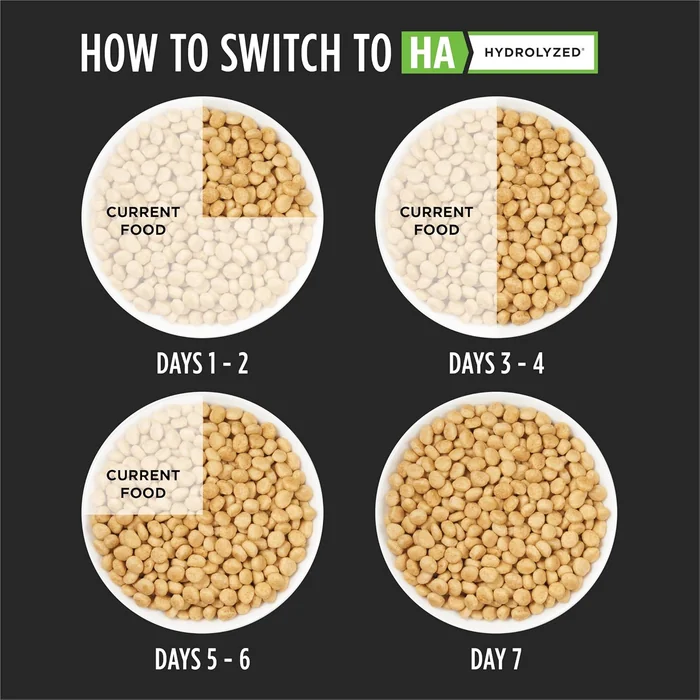
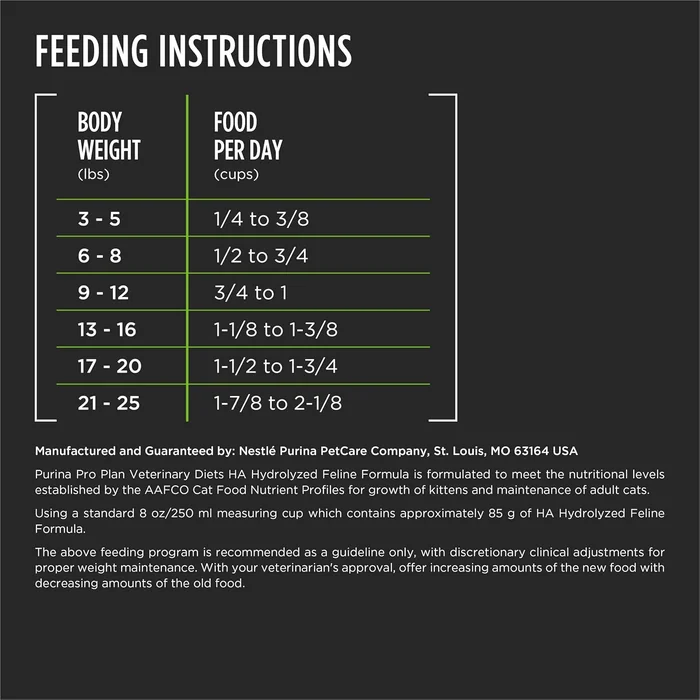
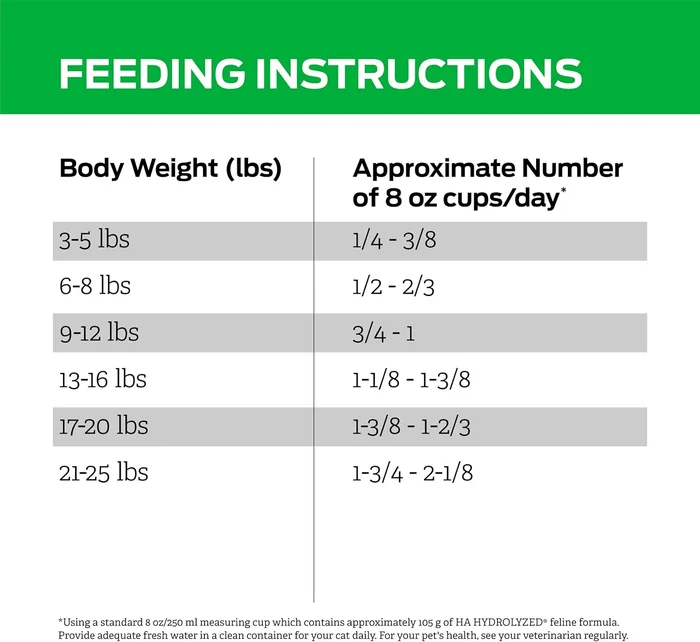
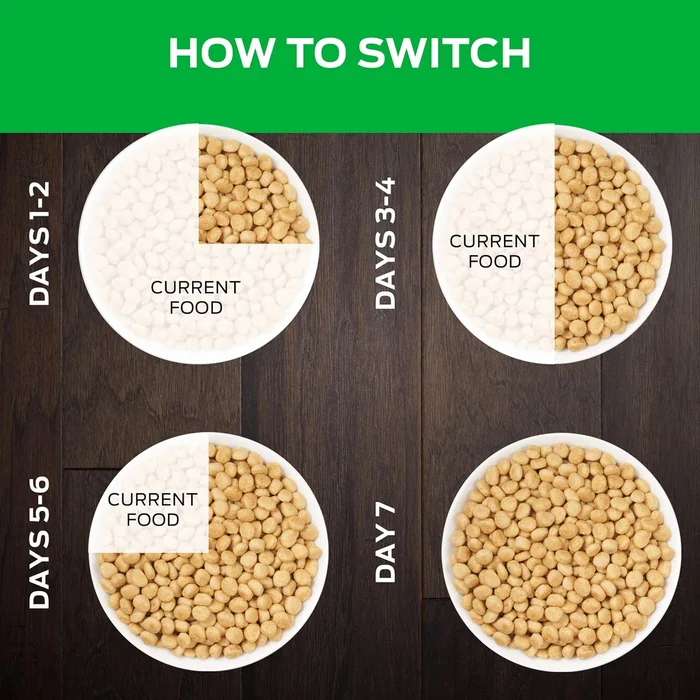
Purina Pro Plan Veterinary Diets HA Hydrolyzed Feline Formula
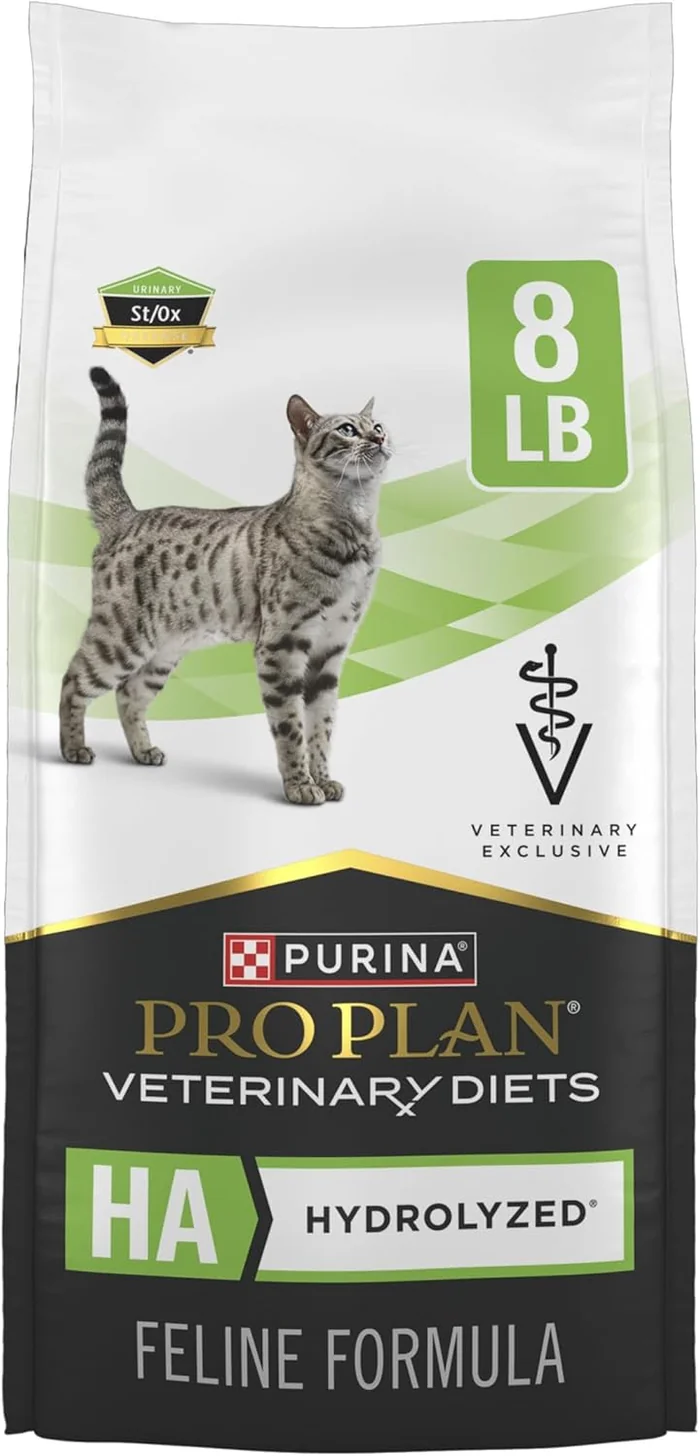
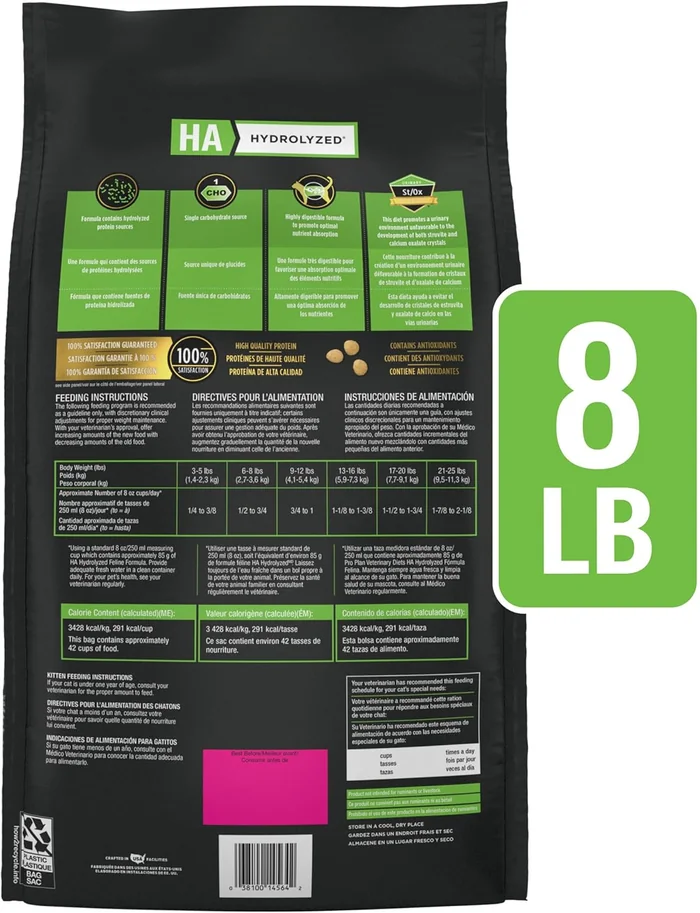
Purina Pro Plan Veterinary Diets HA Hydrolyzed Feline Formula Dry Cat Food – 8 lb. Bag
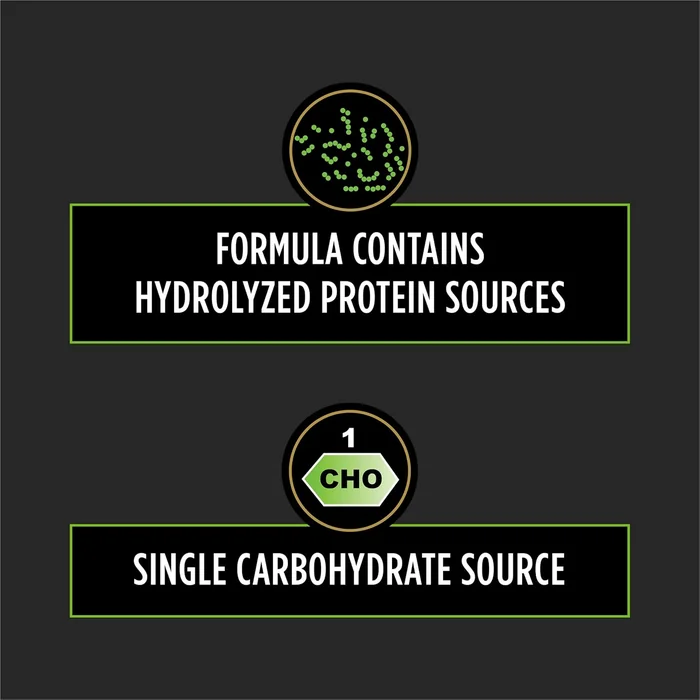

Key Features:
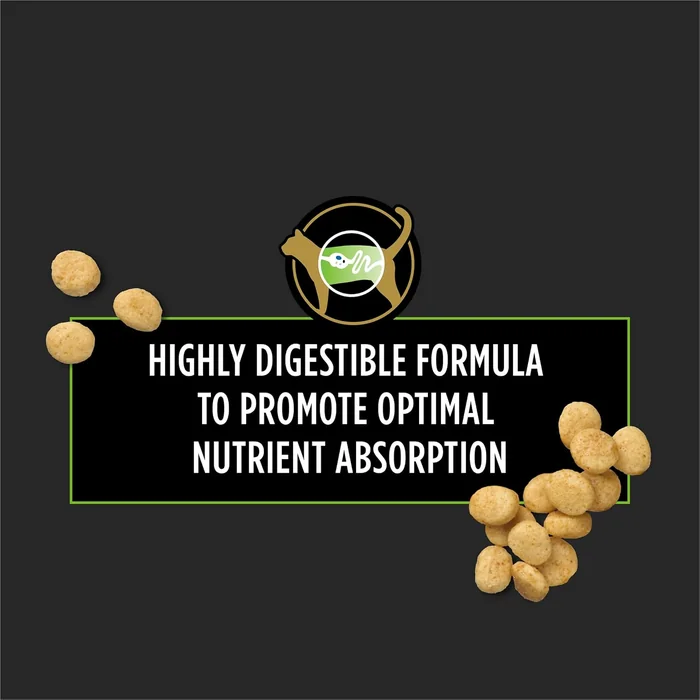
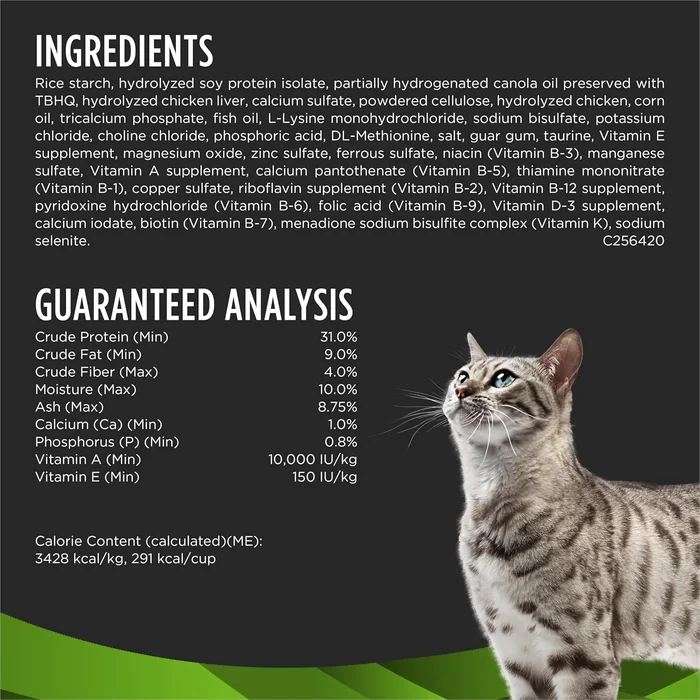
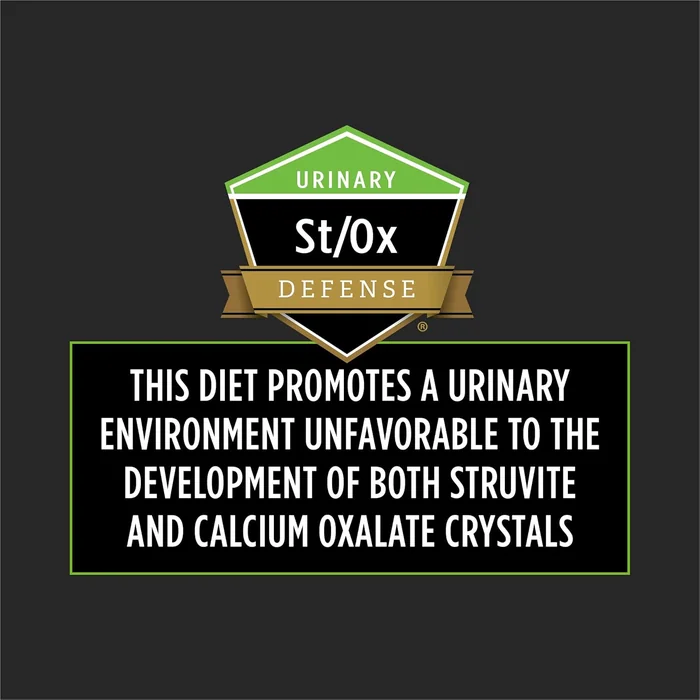
This dry food formula features hydrolyzed soy protein as its single primary protein source, minimizing the chance of an allergic reaction. It is designed for the nutritional management of cats with adverse food reactions and inflammatory bowel disease. The hydrolyzed protein is highly digestible, and the formulation includes antioxidants for immune support. With a rating from hundreds of reviews, it’s a trusted option for managing complex dietary allergies under veterinary supervision. Priced at $77.99 for an 8 lb bag, it represents a targeted investment in your cat’s long-term comfort and health.
For Digestive Care & Palatability: Prescription Wet Food Options
Cats with delicate digestion often benefit from the high moisture content and easy-to-digest textures of wet food formulas.
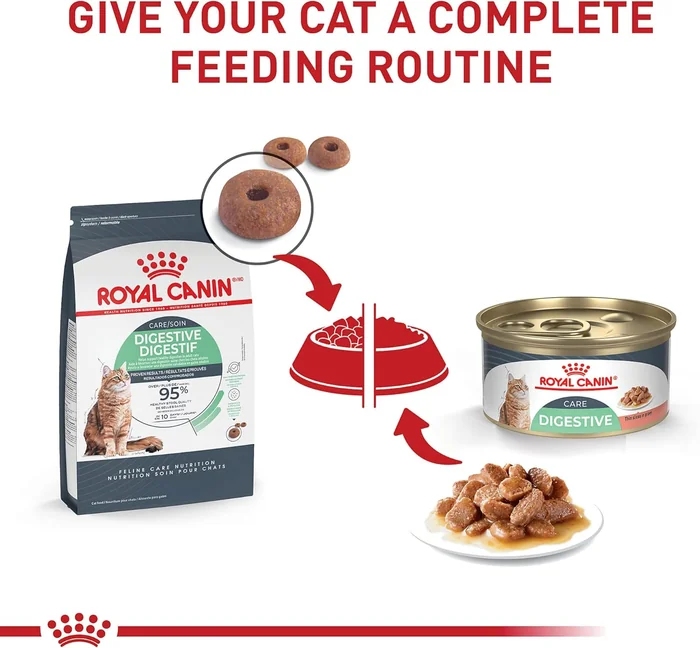
Royal Canin Feline Digestive Care Thin Slices in Gravy
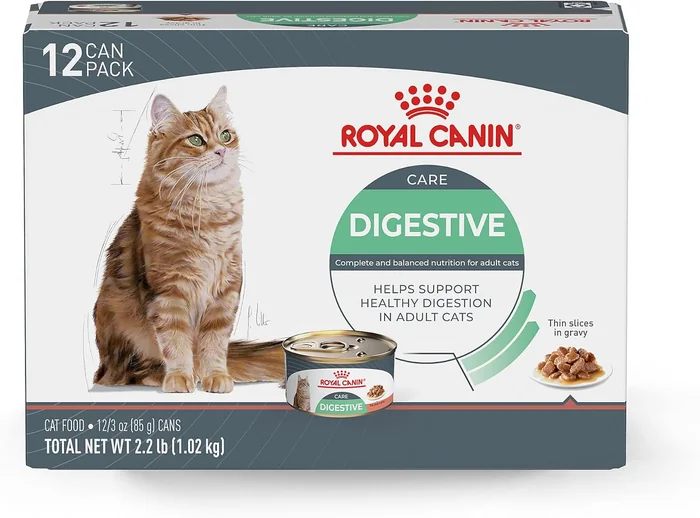
Royal Canin Feline Care Nutrition Digestive Care Adult Thin Slices in Gravy Cat Food, 3 oz (Pack of 12)
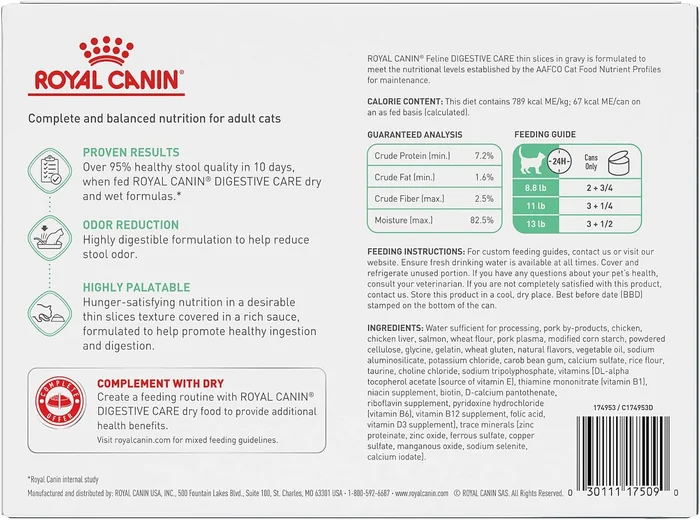
Key Features:
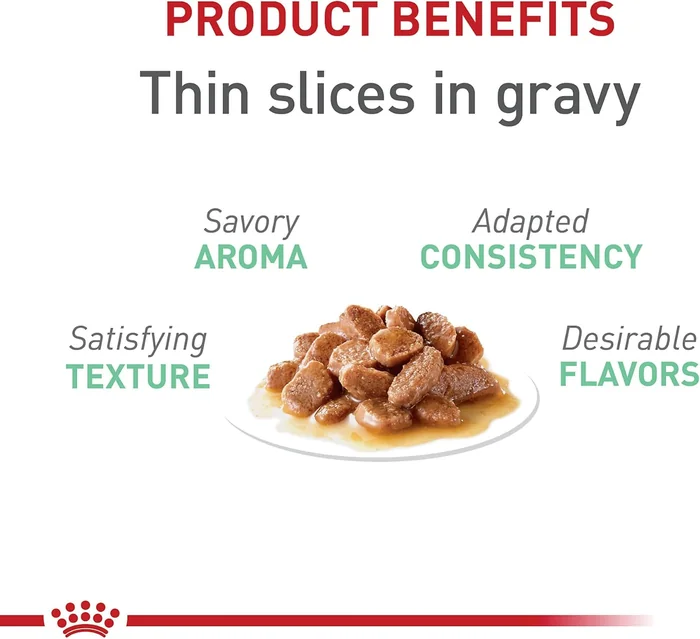
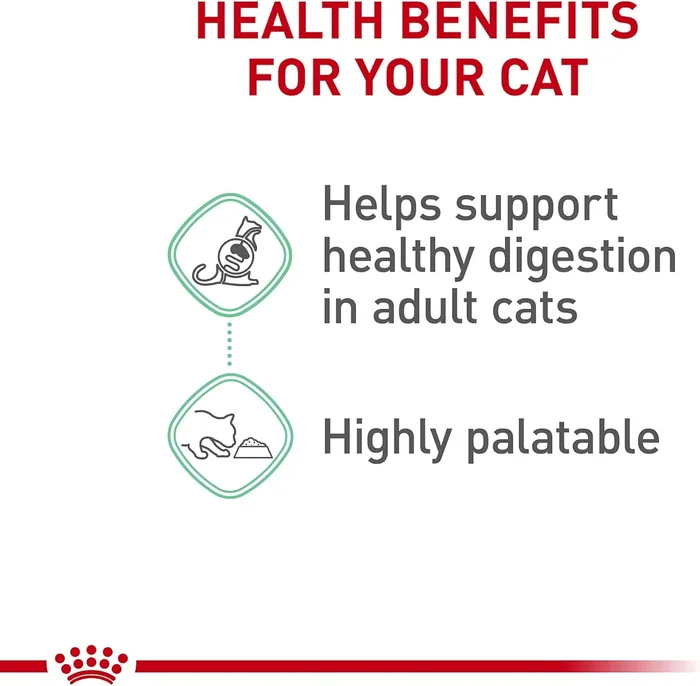
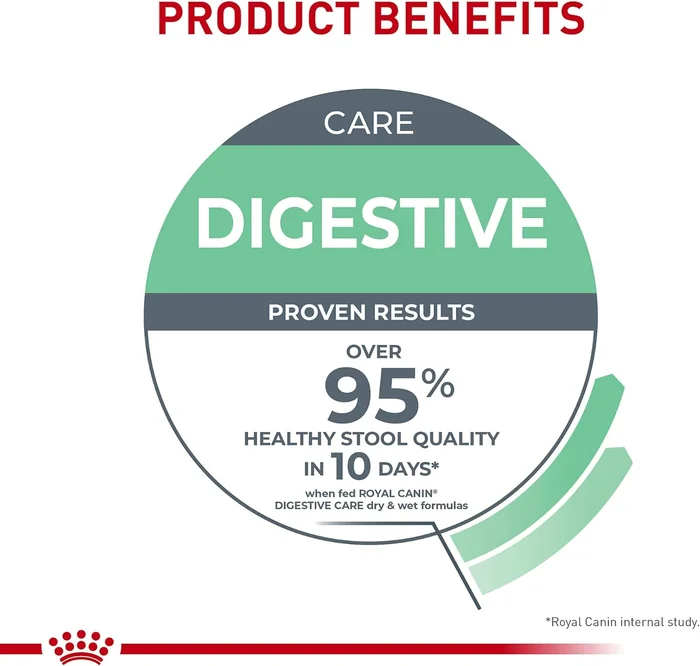
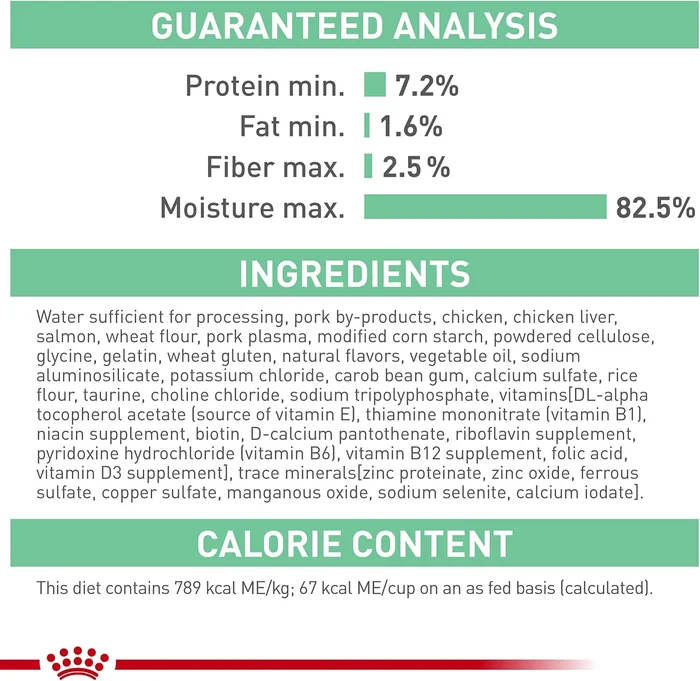
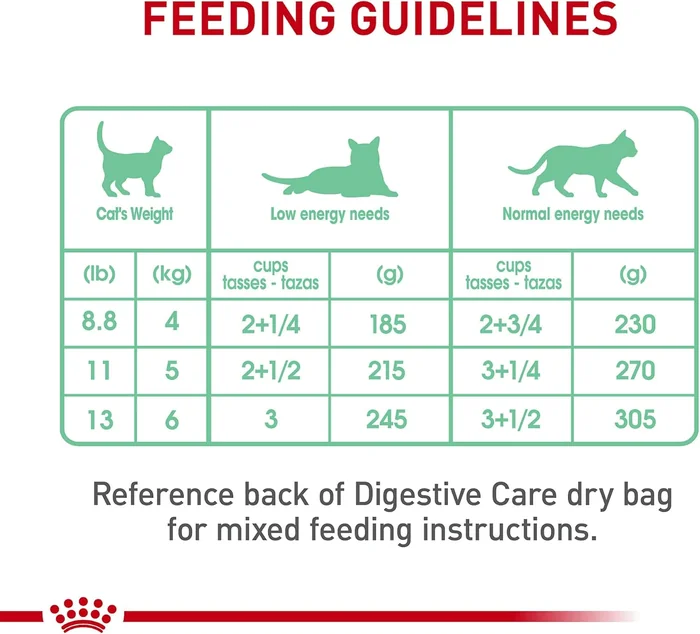
This prescription wet food is formulated with highly digestible proteins and prebiotics to support a balanced intestinal microbiome. The thin slice texture in a flavorful gravy is highly palatable, which is crucial for cats who may be feeling unwell. It aids in nutrient absorption and helps promote optimal stool quality. With over 3,500 reviews reflecting its effectiveness, this diet is a cornerstone for managing chronic digestive issues. The pack of twelve 3 oz cans for $28.69 offers convenient portioning for single meals.
For Sensitive Skin & Stomach: Specialized Dry Food Formulas
While this example is for dogs, it highlights the science behind Hill’s prescription diets. For cats, Hill’s Science Diet and Prescription Diet offer parallel lines for sensitive skin and stomach issues, emphasizing the brand’s commitment to targeted nutrition.
Hill’s Science Diet Sensitive Stomach & Skin Formula
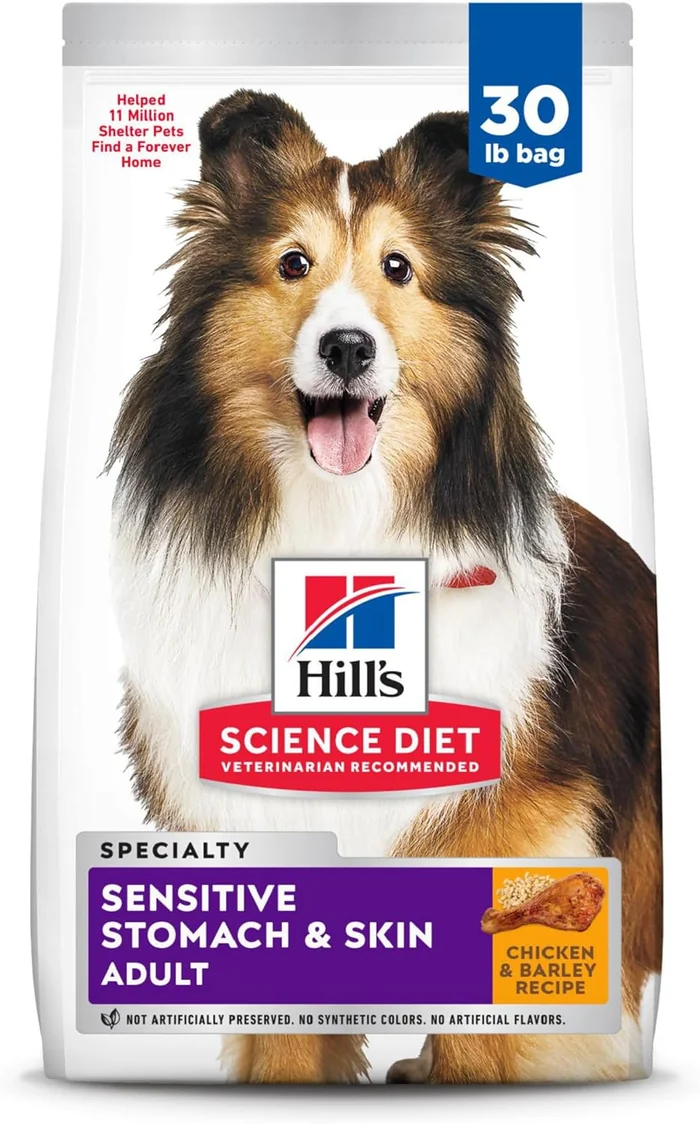
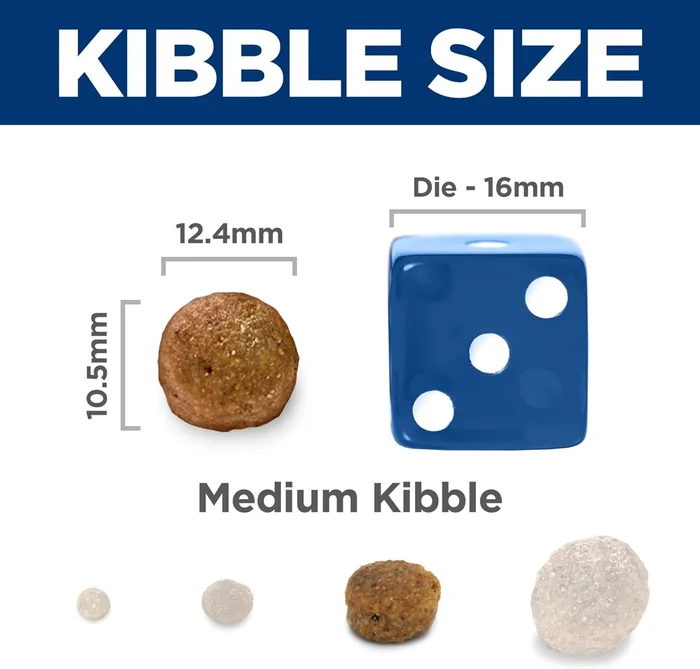
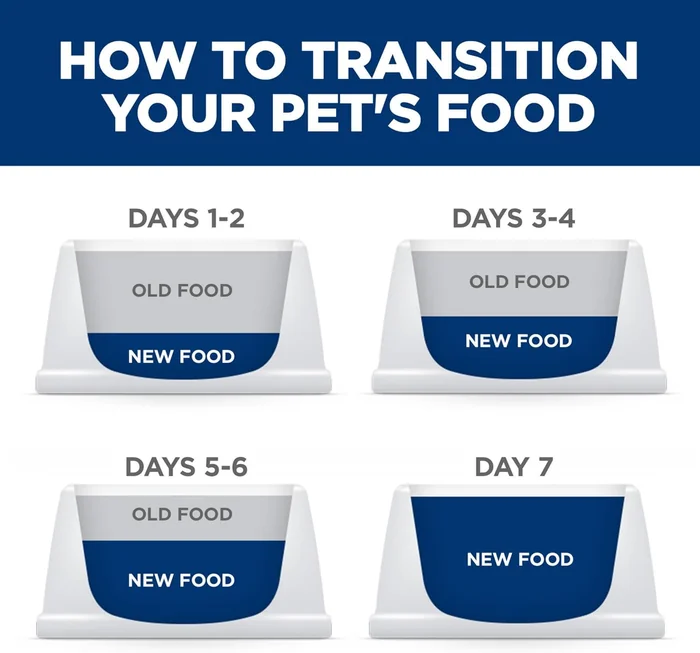
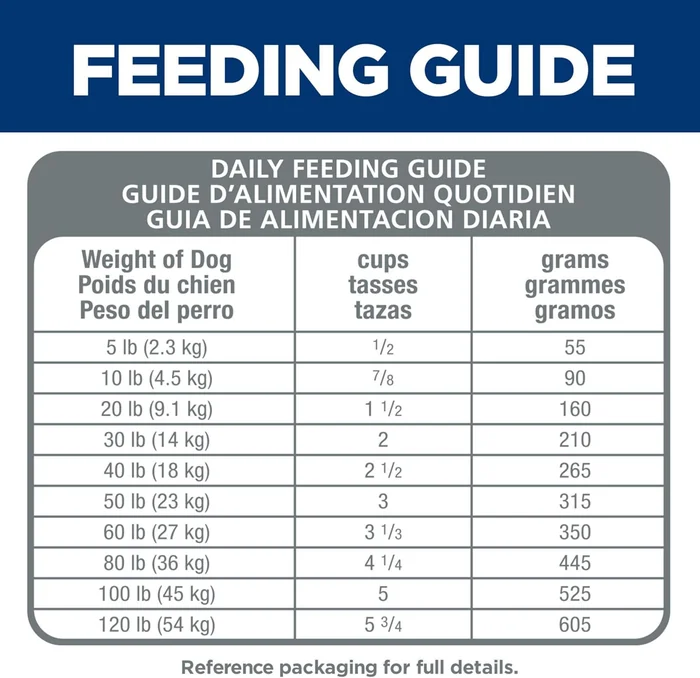
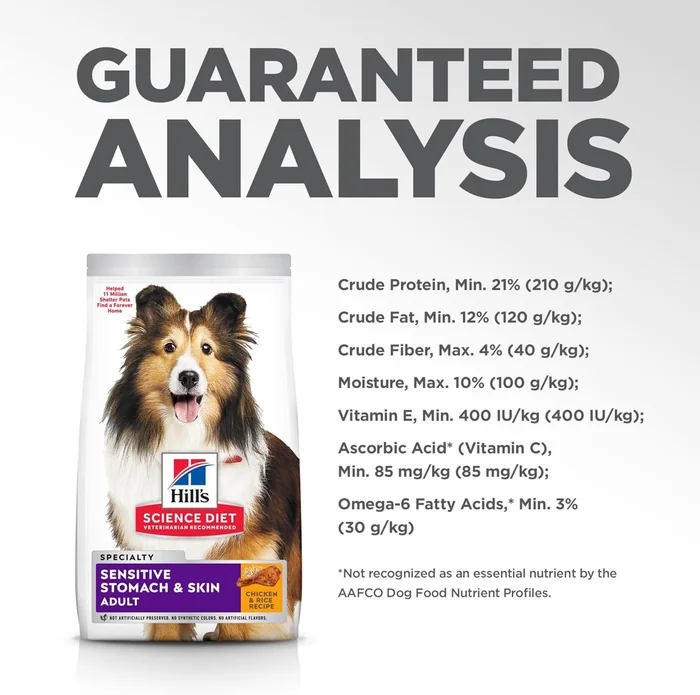
Hill’s Science Diet Sensitive Stomach & Skin, Adult 1-6, Stomach & Skin Sensitivity Support, Dry Dog Food, Chicken Recipe, 30 lb Bag
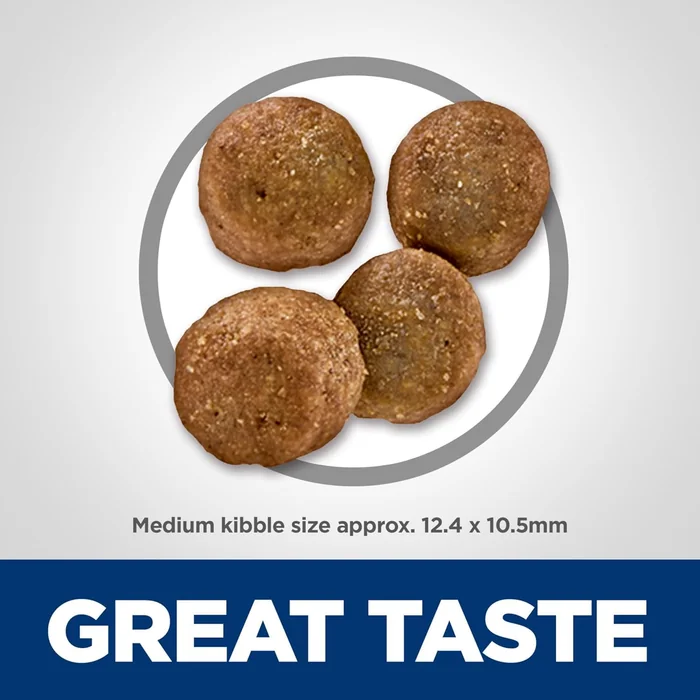
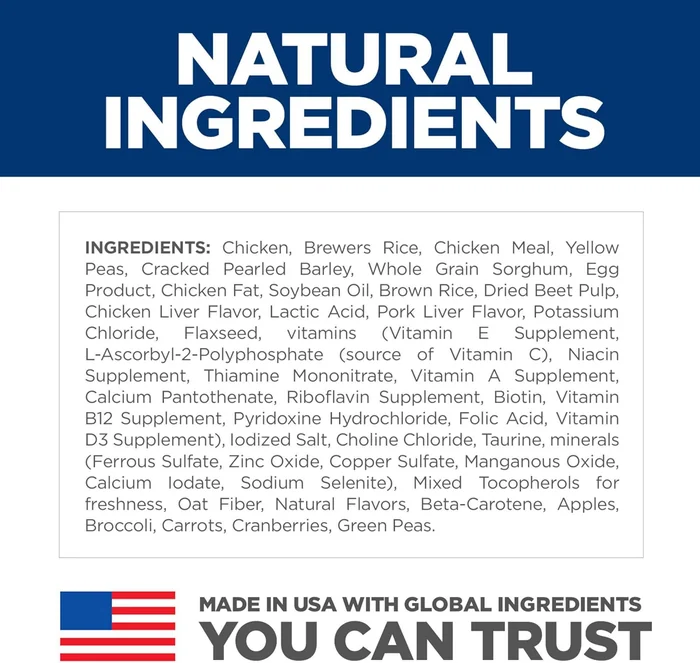

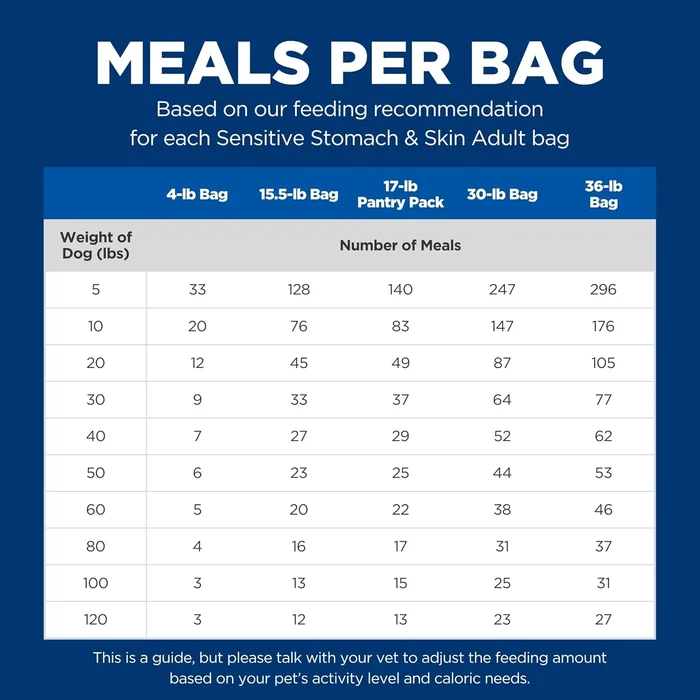
Key Features:
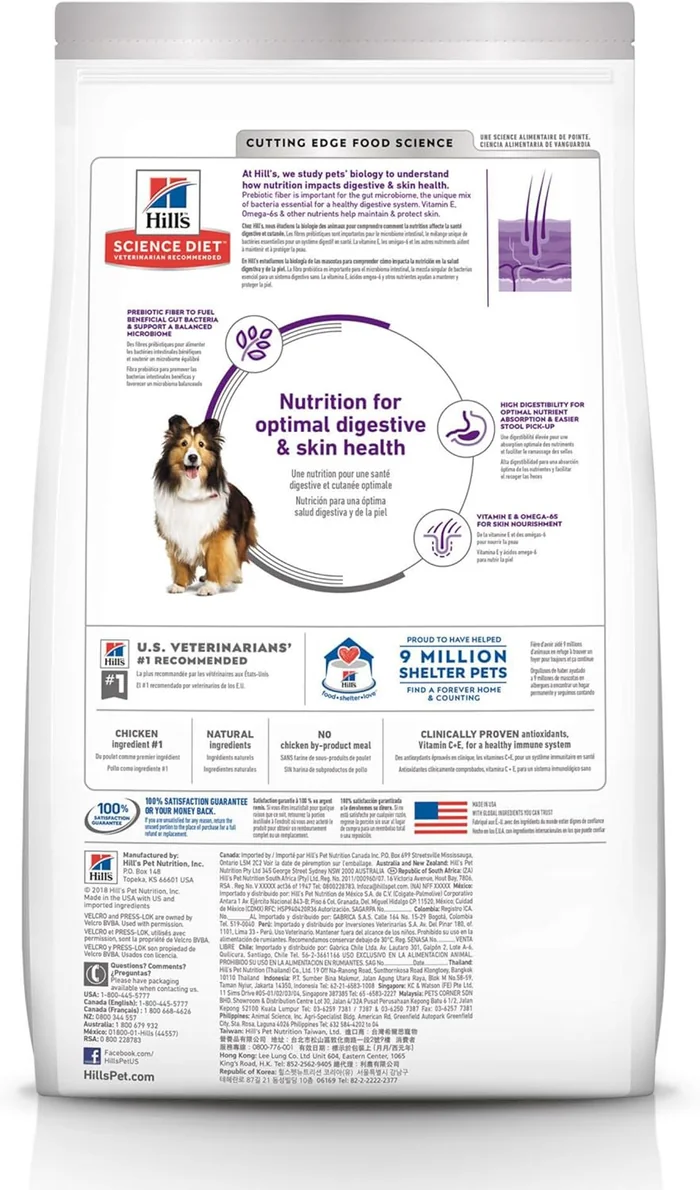
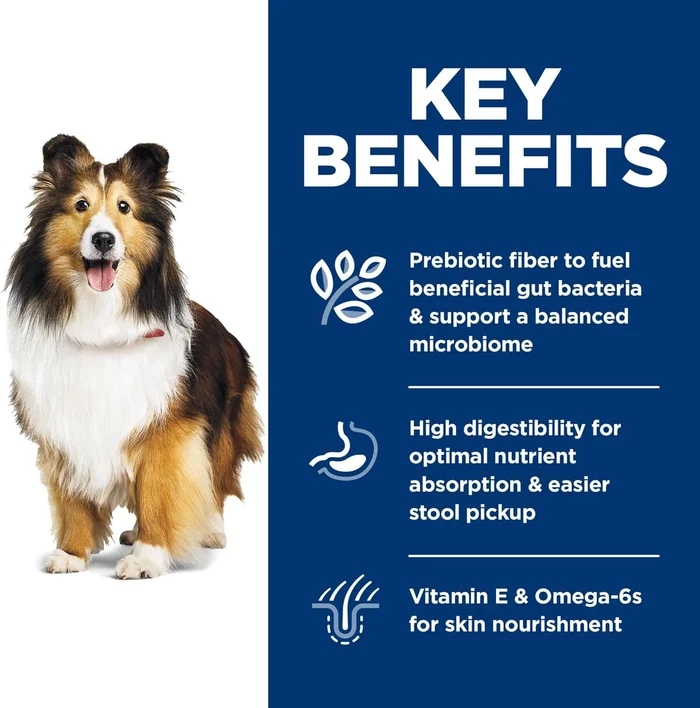
This formula, exemplified here in its canine version, showcases the approach used across species. It is made with easy-to-digest ingredients and includes Vitamin E and Omega-6 fatty acids to nourish the skin and promote a healthy coat. The high digestibility helps reduce stomach upset and promote optimal nutrient absorption. The immense volume of reviews (nearly 20,000) for the dog formula speaks to the widespread trust in the Science Diet brand for managing sensitivity issues. For cats, consult your veterinarian for the equivalent Prescription Diet z/d or d/d formulas for food sensitivities.
Conclusion: Balancing Love with Science
Preparing a homemade meal for your cat is an act of love. However, the most responsible way to express that love is by pairing good intentions with expert science. Use our vet-reviewed recipes as occasional treats or supplements to add variety and joy to your cat’s life. For their primary nutrition, especially if they have health concerns, trust in diets formulated by veterinary nutritionists and prescribed by your veterinarian. Your cat’s health and longevity depend on a complete and balanced diet—something best achieved through professional guidance and scientifically-backed products.
For more guidance on feline nutrition, explore our resources on understanding cat food labels How Often Should You Change Cat Litter?A Vet-Reviewed Guide, a deep dive into the benefits of omega fatty acids Is Inhaling Cat Litter Dust Harmful?A Vet-Reviewed Guide, and how to choose the best food for senior cats The Best Cat Litter for Odor Control in 2025?Expert Tested & Reviewed.

Related Articles
 Cat Food
7 Best Fresh Cat Food Meal Delivery Services in 2025
 Cat Food
10 Cat-Friendly Foods Rich in Iron (Plus Vet-Approved Tips)
 Cat Food
10 Best Joint Supplements for Cats An Unbiased 2025 Review
 Cat Food
6 Best Pill Pockets for Cats Our Vet-Reviewed Picks for 2025
 Cat Food
12 Types of Cat Food A Complete Guide for Cat Owners
 Cat Food