

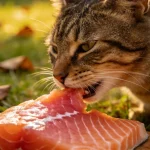
7 Compelling Reasons to Switch to Natural Cat Litter

As cat parents, we make countless decisions for our feline friends’ well-being, from their food to their toys. One of the most impactful choices, however, often sits quietly in the corner: the cat litter. For decades, clay-based litters have dominated the market, but a growing awareness of health and environmental concerns is driving a significant shift. Natural cat litter, made from renewable, biodegradable materials, is no longer a niche product but a mainstream choice for informed pet owners.
At PawLitter, we believe in providing clear, evidence-based information to help you create the safest, healthiest home for your cat. If you’ve been curious about making the switch but are unsure of the benefits, you’re in the right place. This article will explore seven powerful reasons why natural cat litter is a superior choice for your cat, your home, and the planet.
1. It’s Better for the Environment
The environmental impact of traditional clay litter is substantial. Most clumping clay is sodium bentonite, a non-renewable resource obtained through strip mining, a process that scars landscapes and disrupts ecosystems. Furthermore, used clay litter creates a massive waste problem. It does not biodegrade and will sit in landfills for centuries, with an estimated 2 million tons of used cat litter added to U.S. landfills each year.
Natural litters offer a sustainable alternative. They are typically made from rapidly renewable, plant-based materials like wood, corn, wheat, paper, or pea husks. These materials are often by-products of other industries (like food processing), giving waste a second life. Most importantly, many natural litters are compostable or biodegradable, breaking down naturally and reducing your pet’s carbon pawprint. Some are even safely flushable* (check local regulations), diverting waste entirely from landfills.
*Always check manufacturer guidelines and local ordinances before flushing any litter.
2. It’s Healthier for Your Cat
Cats are meticulous groomers, and any dust or residue on their paws is inevitably ingested. Traditional clay litters are notorious for generating silica dust, which can contribute to respiratory issues in both cats and humans. For cats with asthma or other respiratory sensitivities, this dust can be a serious irritant.
Natural litters are generally low-dust or dust-free. By eliminating airborne silica dust, you create a cleaner breathing environment for your cat right in their litter box. Furthermore, natural litters contain no synthetic chemicals, fragrances, or dyes that could cause allergic reactions or be harmful if licked off paws. This makes them a gentler, safer choice for your cat’s overall health.
3. It’s Safer for Kittens and Curious Cats
Kittens are especially vulnerable. Their small size and developing systems make them more susceptible to toxins and irritants. The clumping action of sodium bentonite clay is so strong that if ingested (as curious kittens might do), it can cause serious, potentially fatal intestinal blockages.
Natural clumping litters, in contrast, typically use plant-based binders. While any litter ingestion should be avoided, these natural clumps are generally safer and more likely to break down if accidentally consumed in small amounts. Choosing a natural, low-dust litter is one of the simplest ways to kitten-proof a critical area of their environment.
4. Superior Odor Control (The Natural Way)
A common misconception is that natural litters are less effective at odor control. The opposite is often true. Many natural materials, like pine, cedar, and activated charcoal, have innate odor-neutralizing properties. Instead of masking smells with heavy perfumes (which can irritate a cat’s sensitive nose), these litters absorb and neutralize ammonia odors at the molecular level.
Plant-based litters also tend to produce less ammonia in the first place. The result is a litter box that smells fresher, more naturally, without the overwhelming chemical “fresh scent” found in many clay litters. For multi-cat households, this natural odor control is a game-changer.
5. It’s Lighter and Easier to Handle
Carrying heavy bags of clay litter is a chore most cat owners dread. Natural litters are significantly lighter in weight. A bag of lightweight natural litter can be half the weight of a standard clay litter bag offering similar volume. This makes shopping trips, storage, and pouring litter into the box much easier, a welcome relief for anyone with back issues or limited mobility.
The lightweight nature also means less tracking around the house, as lighter particles are less likely to stick to your cat’s paws. You’ll spend less time vacuuming around the litter box area.
6. Gentle on Paws (and Your Floors)
Imagine walking on sharp, jagged granules. That’s what some clay litters can feel like to your cat’s sensitive paw pads. Natural litters are typically made with softer, smoother, or more granular textures that are more comfortable for your cat to dig and stand in. This can be particularly important for older cats with arthritis or paw sensitivities.
A happier cat in the litter box means fewer aversions and accidents outside of it. The softer, often larger granules also mean less tracking, protecting your hardwood floors and carpets from abrasive scratches that fine clay dust can cause.
7. Excellent Clumping Performance
Modern natural litters have perfected the art of clumping. High-quality plant-based litters form firm, solid clumps upon contact with moisture, making daily scooping as easy as—or easier than—with clay. These clumps are often more cohesive and less likely to crumble, allowing for thorough waste removal and leaving the rest of the litter box clean and fresh.
This efficient clumping extends the life of the litter in the box, meaning you may not need to do a full change as often, offering better long-term value. For a deep dive into the best-performing options, see our guide on The 7 Best Natural Cat Litters of 2025?An Expert, Tested Guidethe best clumping cat litters.
Choosing the Right Natural Litter: A Top Performer
With so many options, selecting a natural litter can feel overwhelming. At PawLitter, we analyze products based on material, clump strength, odor control, dust levels, and real-user reviews. One product that consistently excels across these categories, especially for those new to natural litter, is an excellent pea husk option.
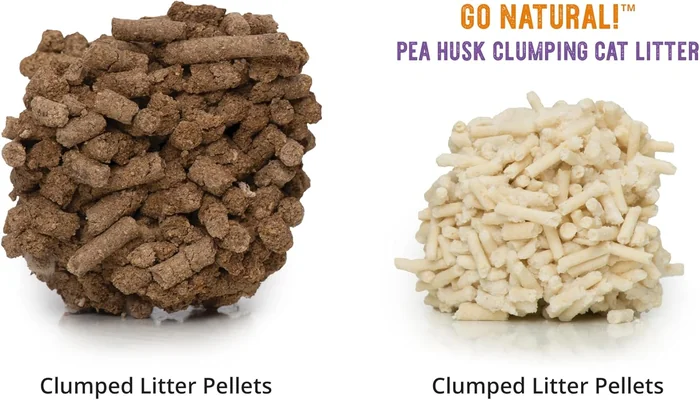
Catit Go Natural Pea Husk Clumping Cat Litter
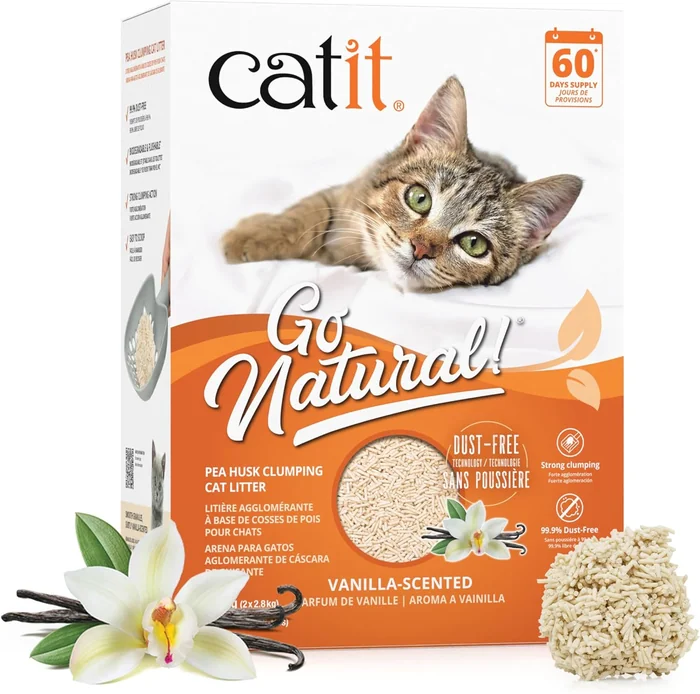
Catit – Go Natural Pea Husk Clumping Cat Litter – Lightweight, Dust Free, Easy Cleaning & Scooping, Flushable Kitty Litter with Odor Control & Subtle Fragrance – 12.3 Lbs, Vanilla Scented
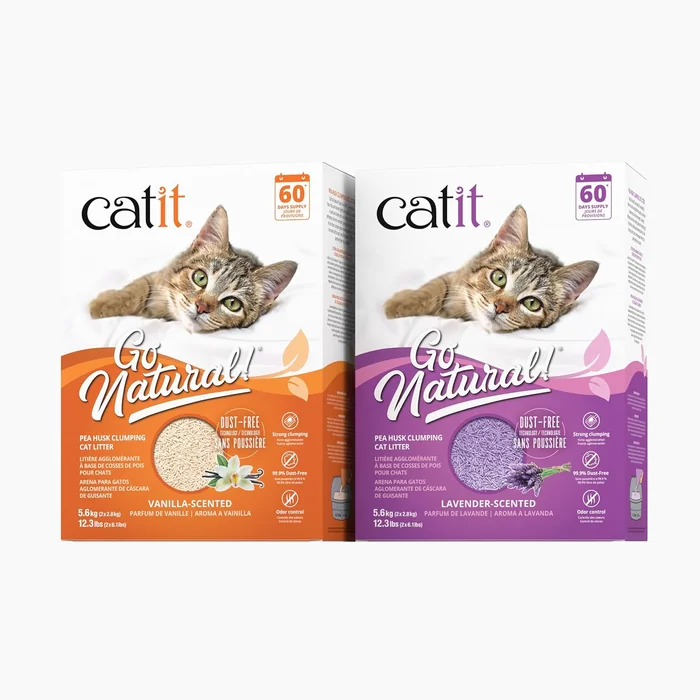
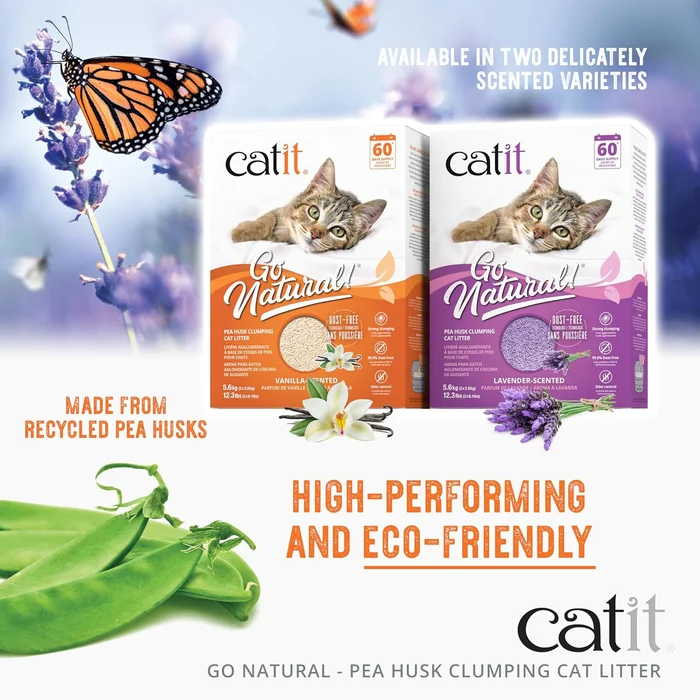
Key Features:
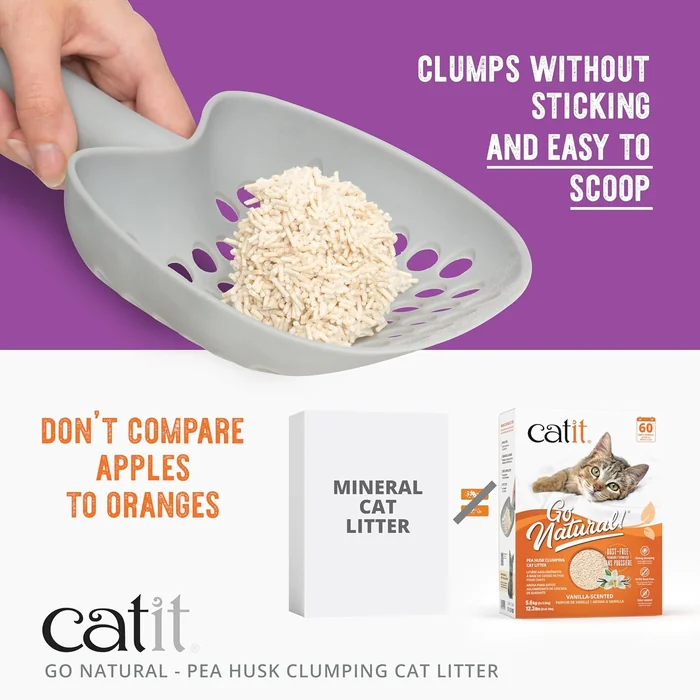
- Tight Clumping – Catit Go Natural Pea Husk Litter is a strong clumping cat litter for easy and dust-free litter box management. Catit’s litter composition decomposes naturally and can be safely flushed down the toilet, reducing waste and minimizing impact
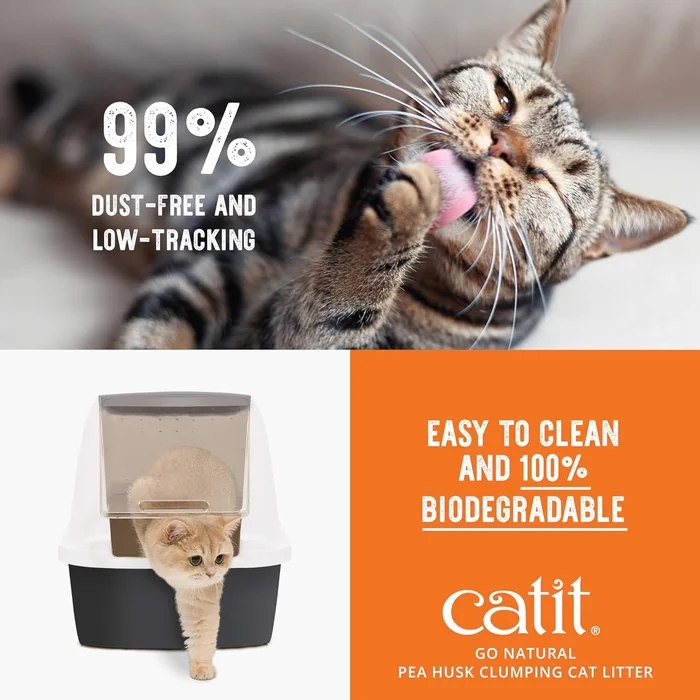
- Gentle On Paws – Made from 100% natural pea husks, this litter is gentle on your cat’s paws and effective at controlling odors. Designed to minimize tracking around your home while offering a soft and gentle texture that’s comfortable for your cat’s sensitive paws, promoting a happy and stress-free litter box experience
- Convenient Packaging – This pack includes 12.3 lbs of natural cat litter, providing plenty of coverage for multiple cats or a single cat over an extended period of time. The packaging may vary but the quality remains consistent
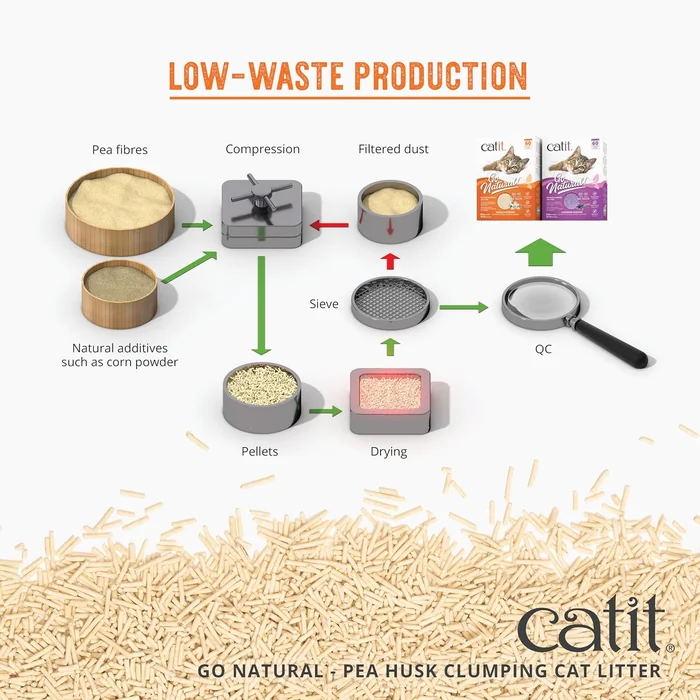
This litter is a standout example of modern natural litter engineering. Sourced from 100% natural pea husks, it turns a agricultural byproduct into a high-performance cat litter. We recommend it for its exceptional tight-clumping formula that makes waste removal straightforward and mess-free. It’s remarkably low-dust, promoting better air quality, and its natural composition is gentle on sensitive paws.
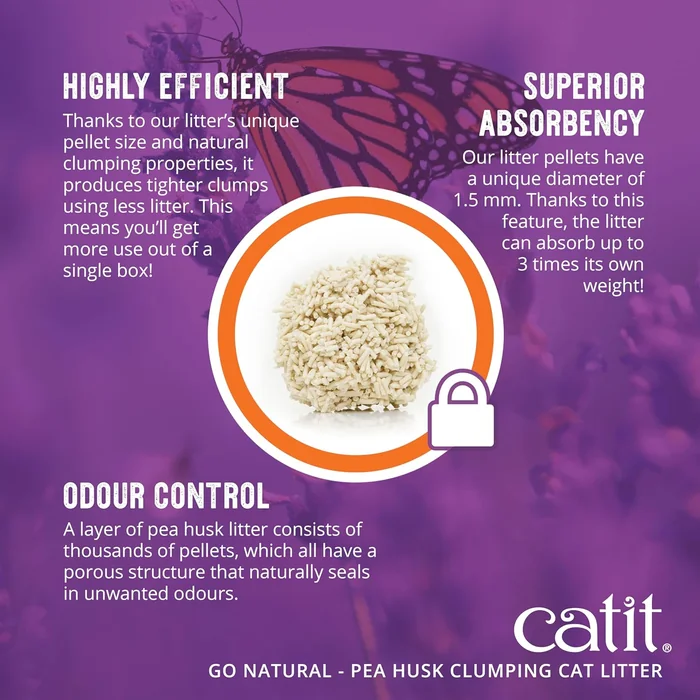
Its innate odor control is effective, and the subtle vanilla scent is pleasing without being overpowering. A major convenience factor is that it’s flushable* (where permitted), aligning with the eco-friendly benefits of natural litter by reducing landfill waste. The granules are also designed to minimize tracking. For households looking to make a seamless switch from clay to a high-performing natural alternative, this litter from Catit is a compelling choice. You can explore more specialized options, like those ideal for odor-prone spaces, in our review of the 10 Reasons NOT To Train Your Cat To Use The Toilet And What To Do Insteadbest cat litter for smell.
Making the Switch to Natural Litter
Transitioning your cat to a new litter should be done gradually over 7-10 days to avoid aversion. Start by mixing 25% new natural litter with 75% of their old litter. Every few days, increase the proportion of natural litter until you’ve completely phased out the old. Always ensure you have one more litter box than the number of cats in your home, and keep them impeccably clean during the transition.
If you’re also considering a new litter box to complement your new litter, our resource on the The Best Dust Free Cat Litters?A 2024 Guide for a Cleaner, Healthier Homebest automatic cat litter boxes can help streamline your routine even further.
Conclusion
The choice of cat litter is more than a matter of convenience; it’s a decision that affects your cat’s health, your home’s environment, and the planet. Natural cat litters offer a powerful trifecta of benefits: they are safer, sustainable, and highly effective. From providing a dust-free breathing space and gentle paw comfort to offering superior, chemical-free odor control and reducing environmental impact, the reasons to switch are clear and compelling.
By choosing a natural litter, you’re investing in your cat’s long-term well-being and making a responsible choice for a greener future. We encourage you to try one of the excellent natural options available today—your cat, and your conscience, will thank you.

Related Articles
 Cat Litter
9 Best Cat Litters in the UK for 2025 Our Hands-On Test Results
 Cat Litter
7 Best Cat Litter Boxes in the UK – We Tested Them All
 Cat Litter
11 Best Cat Litter Boxes of 2025 Expert-Tested Picks for Every Cat
 Cat Litter
Almo Nature Cat Litter Review Is This Eco-Friendly Litter Worth the Price
 Cat Litter
ASPCA Fresh Scented Cat Pad Review A Deep Dive for Cat Owners
 Cat Litter