The Best Dust Free Cat Litters?A 2024 Guide for a Cleaner, Healthier Home
For cat owners, the quest for the perfect litter is a constant balancing act between clumping power, odor control, and, crucially, dust. That fine, powdery cloud that erupts during pouring and scooping isn’t just a nuisance for your floors and lungs—it can be a serious health hazard for both you and your feline companion. Finding the best dust free cat litters is essential for a cleaner home and healthier pets. This comprehensive guide cuts through the marketing hype to provide an honest, in-depth look at the top low-dust and dust-free litter options, drawing from real-world testing and a cat-first philosophy.
Why a Dust-Free Litter is Non-Negotiable for Your Cat’s Health
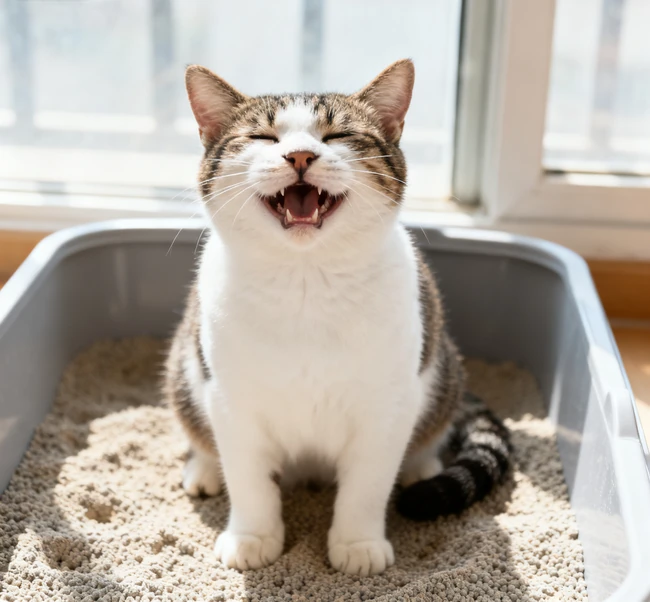
Many cat owners underestimate the impact of litter dust. When your cat digs and covers their waste, they kick up a cloud of fine particles that they inevitably inhale. This can lead to or exacerbate respiratory issues like asthma and bronchitis. For you, it means breathing in the same particles, along with any fragrances or silica, every time you clean the box. A low-dust litter is a critical investment in the long-term wellbeing of your entire household. For a truly healthy environment, pairing a great litter with a proper cleaning routine is key.
Types of Dust-Free and Low-Dust Cat Litters
Not all litters are created equal when it comes to dust production. Here’s a breakdown of the most common low-dust categories:
Tofu (Plant-Based) Litter
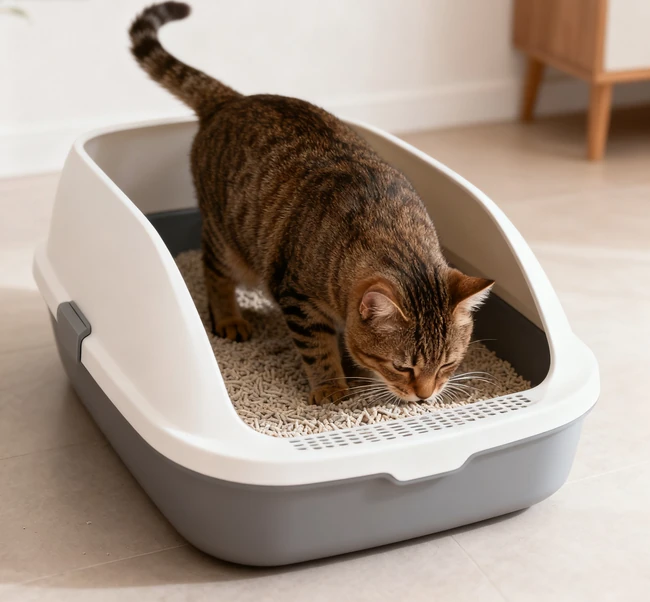
Made from compressed soy or pea fiber, tofu litter is renowned for being exceptionally low-dust. It’s also biodegradable, flushable (check local regulations), and offers excellent clumping. However, some brands can be prone to tracking and may not control odor as powerfully as other types.
Paper Litter
Typically made from recycled paper, this litter is virtually dust-free, making it an excellent choice for cats and owners with severe respiratory sensitivities. It’s highly absorbent but often doesn’t clump well, which can make knowing when to change the litter a bit trickier.
Wood Pellet Litter
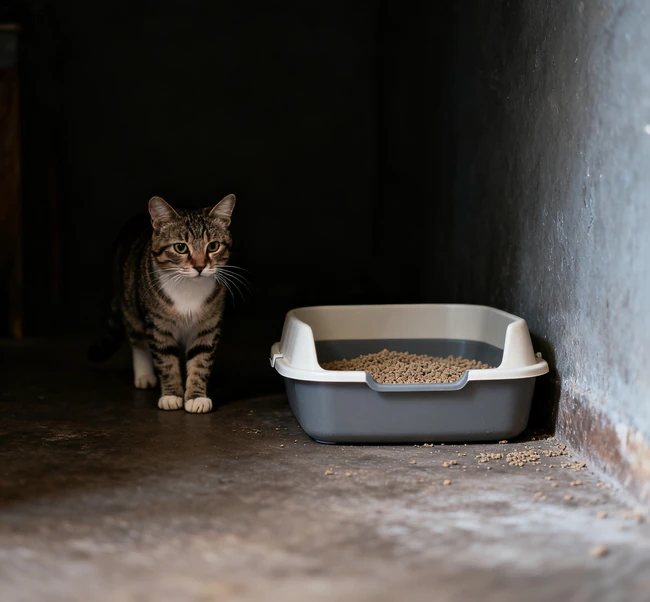
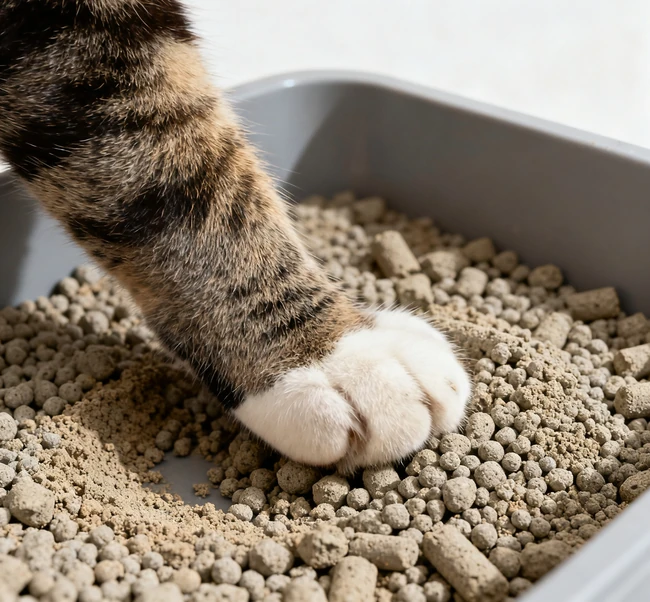
Usually made from pine or other softwoods, pellets are large and produce very little dust. They work by absorbing moisture and breaking down into sawdust. While great for dust control, the sawdust can be messy, and the natural pine scent isn’t for every cat or owner.
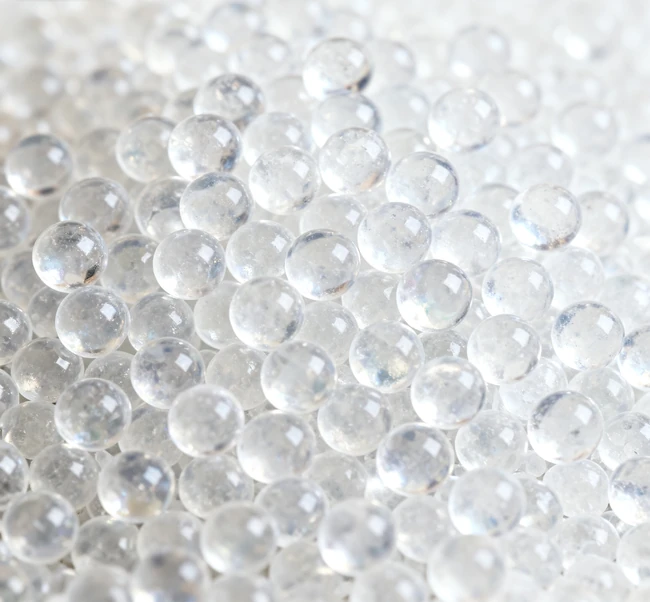
Crystal (Silica Gel) Litter
Silica gel crystals are designed to be low-dust and are superb at absorbing moisture and controlling odor for long periods. The main concern is that if the crystals break down, they can create a fine, sharp dust that is not ideal for inhalation.
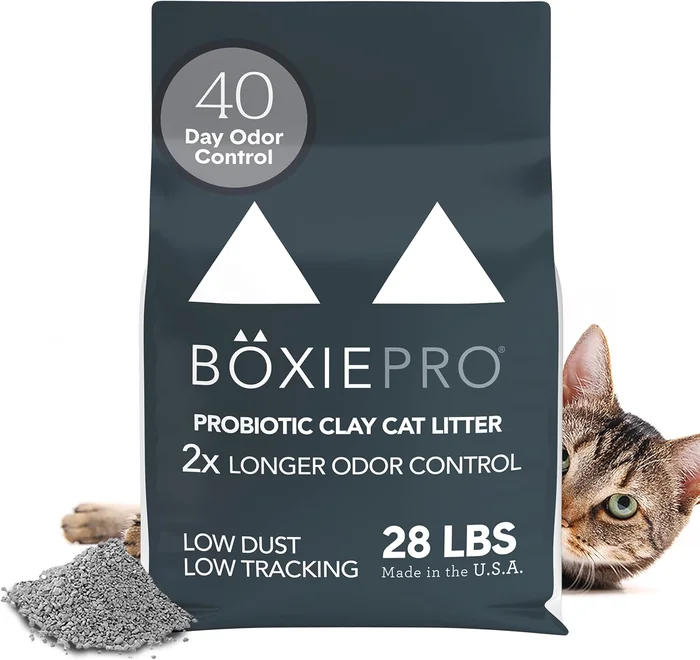
Low-Dust Clay Litter
Yes, you can find clay litters that are specifically processed to be low-dust. While they may not be 100% dust-free, high-quality versions offer the superior clumping and odor control that clay is known for, with significantly reduced dust. This is often a good compromise for multi-cat households where managing multiple litter boxes is a priority.
Top Dust-Free Cat Litter Contenders: A Comparative Table
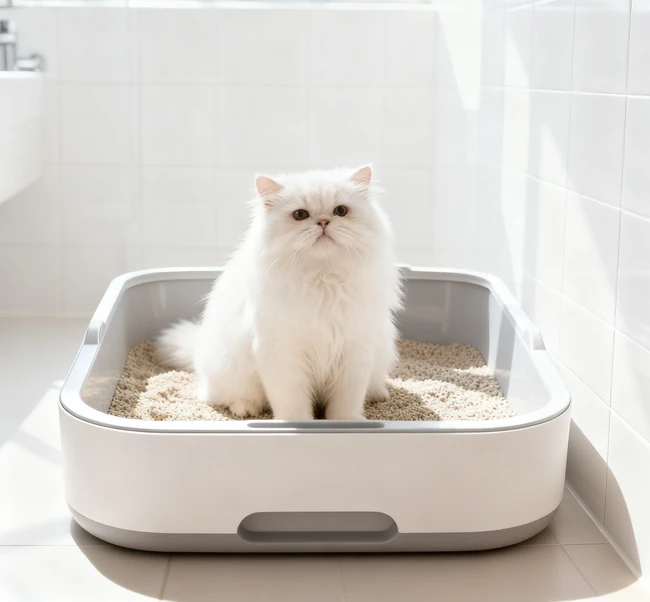
Based on our testing at PawLitter, where we prioritize real-world performance with actual cats, here’s a quick comparison of the leading dust-free litter types.
| Litter Type | Dust Level | Clumping Ability | Odor Control | Best For |
|---|---|---|---|---|
| Tofu Litter | Very Low | Excellent | Good | Eco-conscious owners, cats with respiratory issues |
| Paper Litter | Virtually None | Poor to Fair | Fair (needs frequent changing) | Kittens, post-surgery cats, severe allergies |
| Wood Pellet Litter | Very Low | N/A (non-clumping) | Good (natural scent) | Budget-conscious owners, natural product lovers |
| Crystal Litter | Low (initially) | N/A (non-clumping) | Excellent (long-lasting) | Busy owners, strong odor control needs |
| Premium Low-Dust Clay | Low to Moderate | Excellent | Excellent | Multi-cat homes, traditional litter users |
Key Factors to Consider When Choosing a Low-Dust Litter
Dust level is just one piece of the puzzle. A litter must work for your entire lifestyle. Here’s what else to keep in mind:
- Your Cat’s Preference: The best litter in the world is useless if your cat refuses to use it. Cats generally prefer a soft, sand-like texture. If switching from clay, a tofu litter is often an easier transition than large pellets.
- Clumping vs. Non-Clumping: Clumping litters make daily scooping easy and help with odor control. Non-clumping litters (like crystals and some papers) require a different maintenance routine, often involving more frequent full changes.
- Tracking: Even dust-free litters can be tracked around the house. Smaller, lighter pellets and granules tend to travel more. Using a high-quality litter mat is highly recommended.
- Price and Availability: Some natural and specialty litters can be more expensive and harder to find in local stores than standard clay.
PawLitter’s Testing Philosophy: How We Evaluate Dust-Free Litters
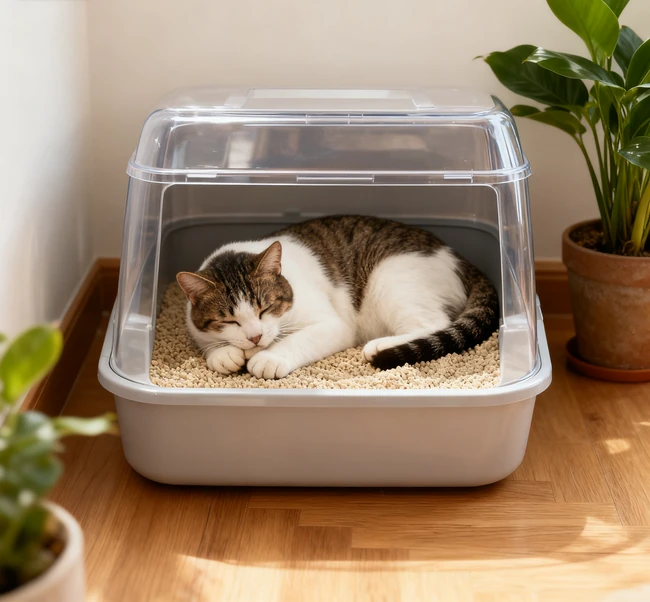
At PawLitter, we don’t just take manufacturers at their word. Our testing process is designed to simulate real-life use to give you the most accurate picture possible.
- Real-World Testing: We test every litter for a minimum of 30 days in homes with real cats. We observe how cats react to the texture and scent.
- Dust Test: We pour the litter from a standard height into a clean, dark litter box and visually assess the dust cloud. We also check for residual dust on the bottom of the box after a week of use.
- Performance Metrics: We rigorously evaluate clump firmness, odor neutralization (not just masking), and how much litter is tracked outside the box.
- Transparency: We are an independent site. Our reviews are honest, and we are always transparent about our affiliate relationships. Our primary goal is to help you find the best solution for your cat.
Beyond the Litter: Tips for a Truly Dust-Free Litter Area
Choosing the right litter is the first step. Here’s how to maximize your dust-free results:
- Pour Slowly: When adding fresh litter, pour it slowly and close to the bottom of the box to minimize agitation.
- Scoop Gently: Avoid aggressive digging and banging the scoop on the side of the box.
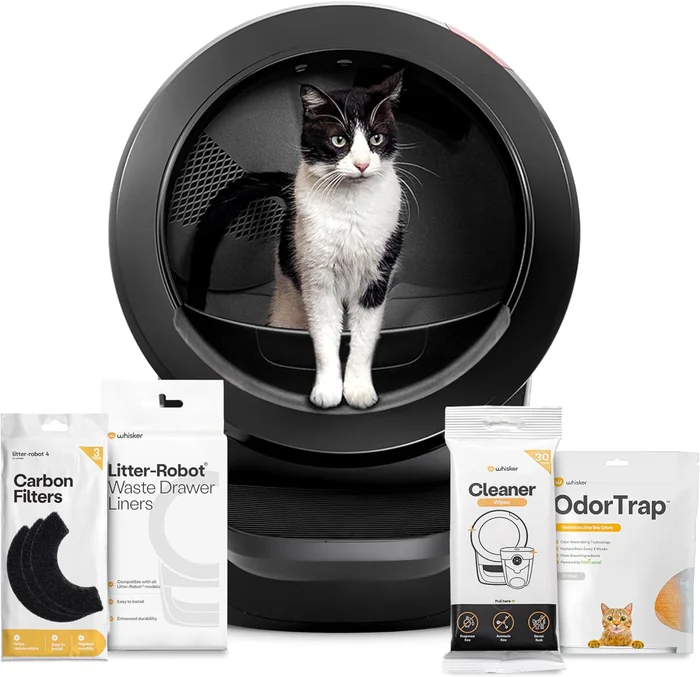
- Consider a Litter Box Solution: For the ultimate in convenience and dust reduction, a self-cleaning litter box can automatically contain waste, reducing how often you interact with the litter itself.
- Proper Disposal: When it’s time for a change, ensure you know the safe and sanitary way to dispose of cat litter.
Frequently Asked Questions (FAQs)
What is the absolute best dust-free cat litter?
There is no single “best” litter for every cat and situation. However, based on our testing, tofu-based litters consistently offer the best balance of ultra-low dust, excellent clumping, and good odor control. They are a fantastic starting point for most households looking to eliminate dust.
Is dust from cat litter harmful to cats?
Yes, it can be. Inhaled litter dust can irritate a cat’s respiratory tract, leading to coughing, sneezing, and exacerbating conditions like feline asthma. For the long-term health of your cat, a low-dust or dust-free litter is strongly recommended.
Can I use a dust-free litter for kittens?
Absolutely. In fact, it’s a great idea. Kittens have developing respiratory systems and are more susceptible to dust. Paper-based litters are often recommended for kittens because they are virtually dust-free and are safe if ingested in small amounts during exploration. For more tips, see our guide on how to train a kitten to use a litter box.
How does PawLitter test and review cat litters for dust?
At PawLitter, we conduct hands-on testing for at least 30 days with real cats in home environments. Our dust evaluation involves a visual “pour test” and monitoring residual dust over time. We also assess clump integrity, odor control, tracking, and, most importantly, our cats’ acceptance of the litter. We maintain editorial independence and provide transparent pros and cons for every product we review.
Why is my “dust-free” litter still creating some dust?
Some dust can be generated from the breakdown of litter granules over time, especially with clumping litters as they absorb moisture. Transport and handling in the bag can also create a small amount of “fines” or dust. No litter is 100% dust-free forever, but high-quality options will maintain extremely low levels throughout their use.
How much litter should I use to minimize dust?
Using the correct amount of litter is crucial. Too little won’t absorb properly, and too much is wasteful and can lead to more tracking. A depth of 2-3 inches is generally ideal. For a detailed breakdown, check out our guide on how much cat litter to use.
Related Topics
Explore more of our expert guides to create the perfect litter box setup for your home:
- How to Stop Cat Litter Tracking
- How Many Litter Boxes Per Cat?
- Self Cleaning Litter Box: Honest Review
- How to Get Rid of Cat Litter Smell
- All PawLitter Litter Box Reviews & Guides
Conclusion
Choosing a dust-free cat litter is one of the most impactful decisions you can make for your home’s air quality and your cat’s respiratory health. While the “best” choice depends on your specific needs—whether it’s the superior clumping of tofu litter, the absolute zero-dust of paper, or the long-lasting odor control of crystals—the key is to prioritize your cat’s comfort and wellbeing. Remember to transition litters slowly and observe your cat’s behavior. For more in-depth, unbiased reviews and practical tips on everything from litter boxes to cat behavior, we invite you to explore the rest of the resources available at PawLitter.
View Comments (0)