
The Best Non-Tracking Cat Litters?A 2024 Guide to a Cleaner Home
If you’re tired of finding tiny, gritty paw prints from the litter box all over your home, you’re not alone. Litter tracking is one of the most common frustrations for cat owners. The good news is that the right litter can make a world of difference. At PawLitter, we’ve tested dozens of litters in real homes with real cats to find solutions that truly work. This guide cuts through the marketing hype to bring you our top picks for the best non-tracking cat litters, along with expert tips to keep your floors pristine.
Why Does Cat Litter Track?
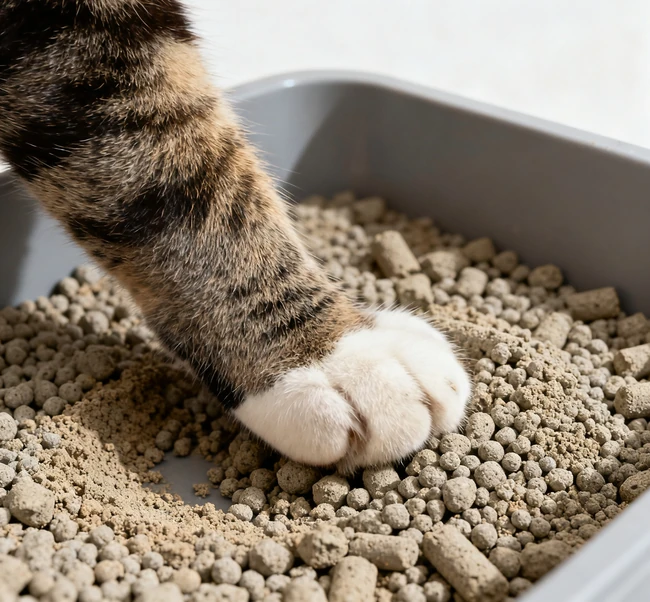
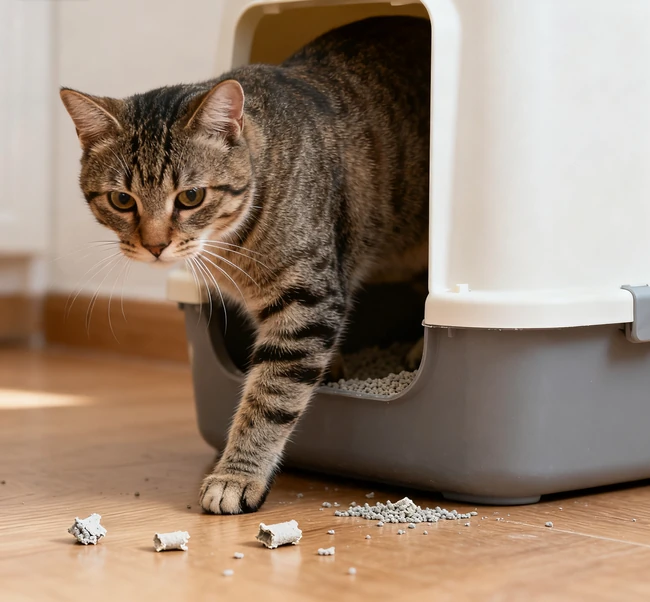
Before we dive into our recommendations, it’s helpful to understand why tracking happens. Litter sticks to your cat’s paws due to static electricity, moisture, and the litter’s texture and shape. When your cat exits the box, they shake their paws, scattering litter particles. Some factors that contribute to heavy tracking include:
- Small, Lightweight Particles: Fine, dusty litters are easily kicked out and cling to paws.
- Round Pellet Shape: Round pellets can roll away like tiny ball bearings.
- Static Cling: Certain materials, like crystals, can generate static.
Choosing a litter with larger, heavier particles is the first step to solving this problem. For a comprehensive strategy, check out our guide on How to Stop Cat Litter Tracking? The Ultimate Guide for a Cleaner Home.
Our Top Picks for the Best Non-Tracking Cat Litters
Based on our hands-on testing, where we evaluate litters for at least 30 days on factors like tracking, odor control, clumping ability, and dust, here are our top-performing non-tracking litters.
1. PrettyLitter – Best Silica Gel Crystal Litter
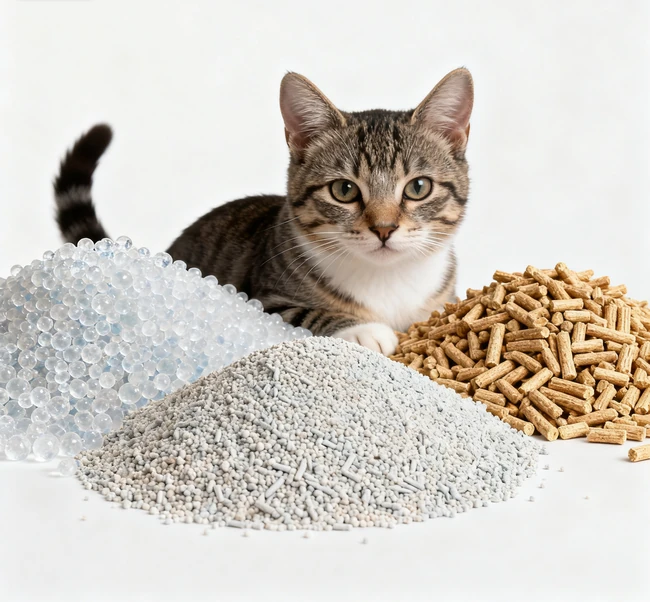
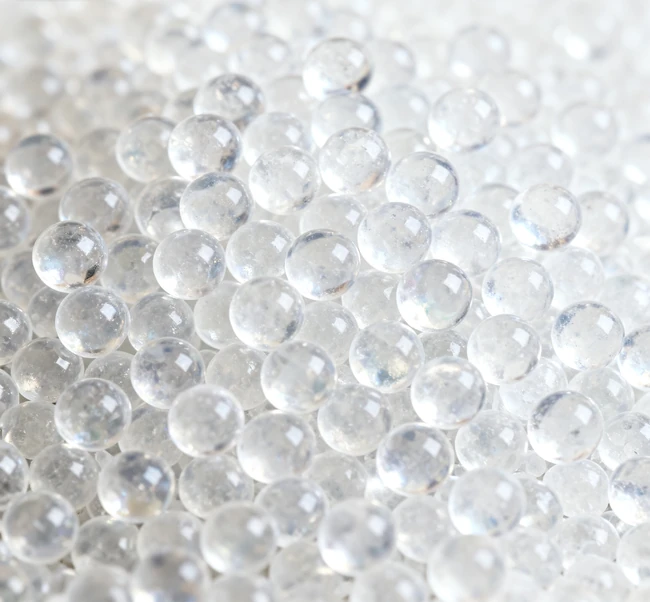
PrettyLitter’s fine, sand-like crystals are surprisingly low-tracking. Because the particles are so small and lightweight, they tend to fall off paws inside the litter box rather than being carried out. Its superior moisture-wicking and odor control are major bonuses. In our tests, we found minimal granules outside a standard litter mat.
2. World’s Best Cat Litter – Best Corn-Based Clumping Litter
This corn-based litter clumps exceptionally well and features larger, heavier granules that don’t easily stick to paws. It’s a fantastic natural option that balances clump strength with low tracking. We recommend the “Multiple Cat” or “Platinum” formulas for their larger particle size.
3. Ökocat Super Soft Clumping Wood Litter – Best Natural/Wood Litter
Made from reclaimed wood, Ökocat’s pellets are soft, highly absorbent, and remarkably low-dust. The texture is less likely to stick to paws compared to clay. When it does track, the light-colored, biodegradable pieces are easier to spot and clean up than traditional clay.
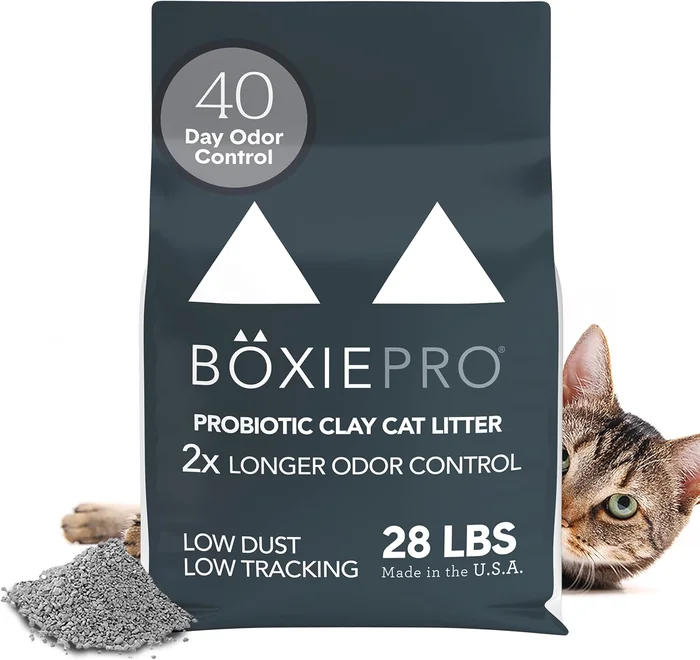
4. Boxiecat Pro – Best Clay Clumping Litter
For those who prefer clay, Boxiecat Pro is a standout. It uses larger, irregularly-shaped particles that are too heavy to be kicked far and don’t cling to paws as much as fine, round clays. Its excellent clumping and odor control make it a top-tier all-around performer.
Comparison of Non-Tracking Litter Types
| Litter Type | Tracking Level | Key Feature | Best For |
|---|---|---|---|
| Silica Gel Crystals | Very Low | Excellent odor control, low dust | Single-cat households, owners prioritizing odor control |
| Corn/Wheat | Low to Moderate | Clumps well, natural & flushable | Eco-conscious owners, cats sensitive to clay |
| Wood Pellets | Low | Highly absorbent, very affordable | Budget-conscious owners, multi-cat homes |
| Clay (Large Particle) | Moderate | Familiar feel for cats, strong clumping | Owners transitioning from standard clay |
Pro Tips to Minimize Litter Tracking
Even the best non-tracking litter can benefit from these simple strategies:
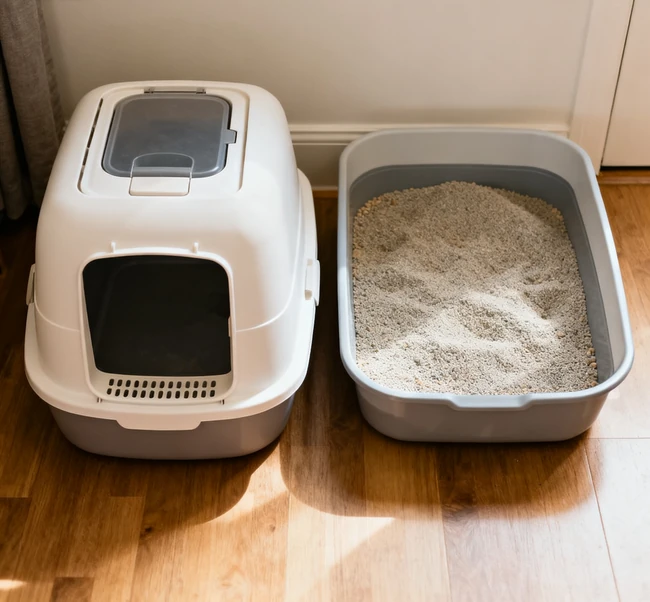
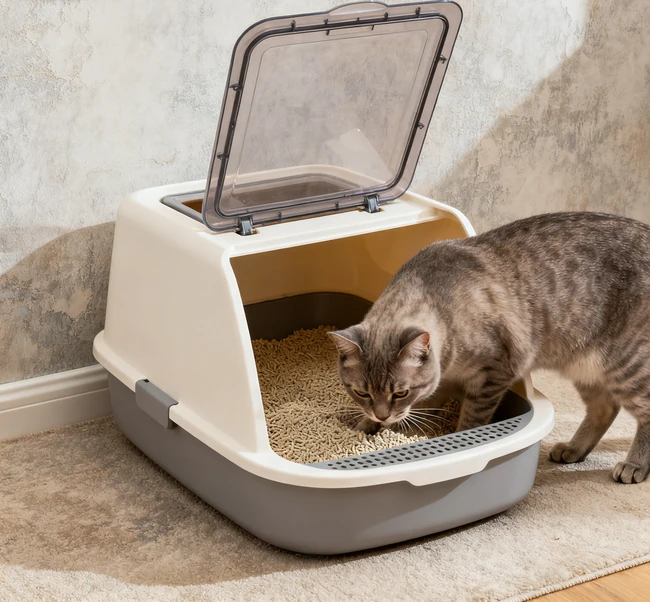
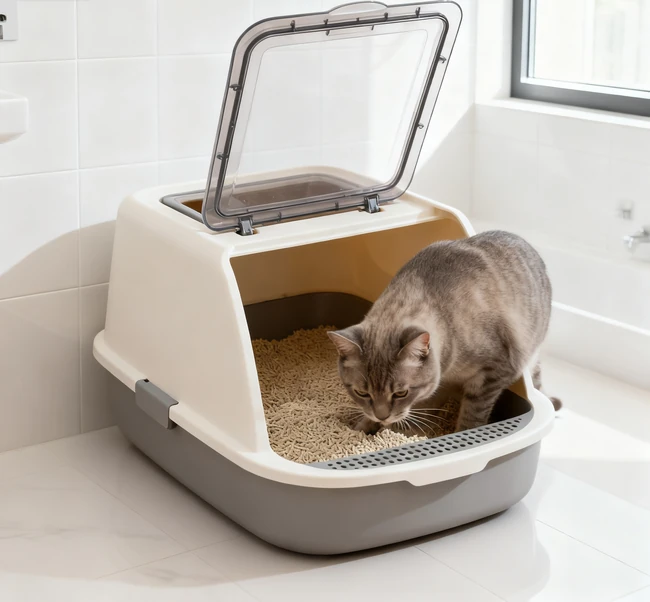
- Use a High-Sided Litter Box: This prevents litter from being kicked out during digging. Explore the pros and cons in our article Covered vs Uncovered Litter Box? The Ultimate Guide for Cat Owners.
- Invest in a Top-Entry Litter Box: These are specifically designed to catch litter from paws as cats jump out.
- Place a Quality Litter Mat: Use a textured, “honeycomb” style mat outside the box to trap stray particles.
- Don’t Overfill the Box: Using too much litter makes it easier for cats to kick it over the edge. Learn the ideal amount in How Much Cat Litter to Use? The Ultimate Guide.
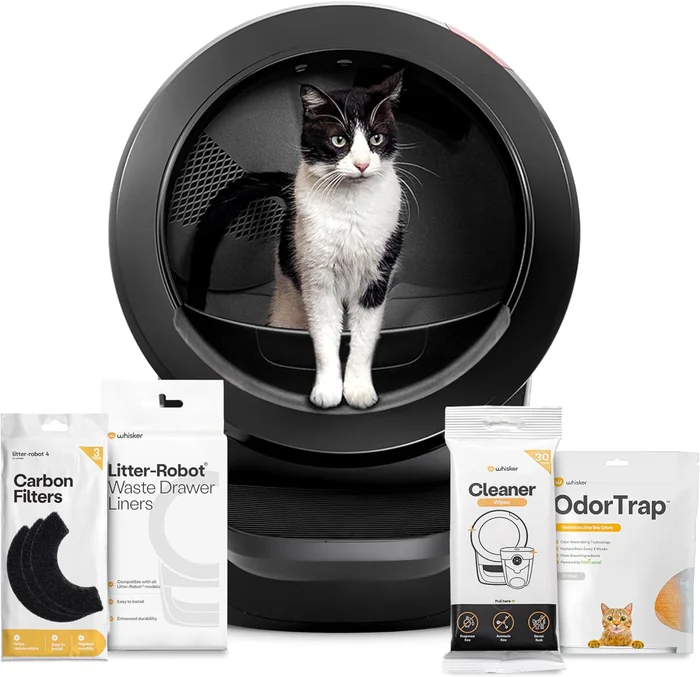
- Consider a Self Cleaning Litter Box: Many automated boxes have built-in tracking pads or enclosed designs that significantly contain mess.
Frequently Asked Questions (FAQs)
What is the absolute best litter to prevent tracking?
There’s no single “best” litter for every cat and home. However, silica gel crystals (like PrettyLitter) and larger-particle, natural litters (like World’s Best) consistently rank highest in our tests for minimal tracking. The best choice depends on your cat’s preferences and your other needs, like odor control and clumping ability.
Is there a cat litter that doesn’t track at all?
Unfortunately, no litter is 100% tracking-proof. Cats will always have some residue on their paws. The goal is to find a litter that minimizes tracking to the point where it’s no longer a daily nuisance. Combining a low-tracking litter with a good mat and the right litter box is the most effective strategy.
How does PawLitter test and evaluate cat litters?
At PawLitter, our reviews are built on a foundation of trust and real-world experience. We conduct hands-on testing for a minimum of 30 days in real home environments with our own cats. We evaluate litters based on tracking, dust, odor control, clump strength, and cat acceptance. We are transparent about our PawLitter litter box reviews & guides and prioritize what’s best for the cat and owner, not high commissions.
Can the type of litter box help with tracking?
Absolutely. The litter box itself plays a huge role. A litter box with high sides or a top-entry design is one of the most effective ways to physically contain litter and prevent it from being scattered across your floor.
How often should I change a non-tracking litter?
The frequency depends on the litter type and the number of cats. Clumping litters require daily scooping and a full change every 2-4 weeks, while some non-clumping crystals can last a full month. For a detailed breakdown, consult our resource: How Often Should You Change Cat Litter? A Vet-Reviewed Guide.
What’s the best way to clean up tracked litter?
A cordless stick vacuum is the most efficient tool for daily clean-up. For sticky clay particles, a slightly damp mop or Swiffer-type cloth works well. Remember, proper disposal of cat litter is important for sanitation and the environment.
Related Topics
- How to Stop Cat Litter Tracking
- How to Get Rid of Cat Litter Smell
- Covered vs Uncovered Litter Box
- Self Cleaning Litter Box Reviews
- How Many Litter Boxes Per Cat
Conclusion
Finding the best non-tracking cat litter is a game-changer for maintaining a clean and comfortable home. While no solution is perfect, litters made with larger, heavier particles—such as certain crystals, corn, and wood formulas—will significantly reduce the trail of mess from your cat’s litter box. Remember that your cat’s preference is paramount; a litter they dislike can lead to avoidance and behavioral issues. We encourage you to consider our tested recommendations and explore the wealth of practical information available on PawLitter to find the perfect setup for you and your feline friend.
View Comments (0)