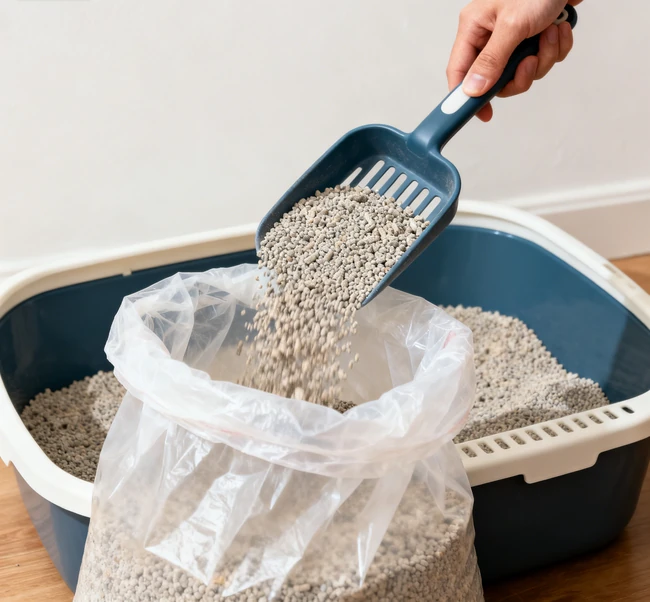


Why Is My Cat Not Using the Litter Box?A Comprehensive Guide
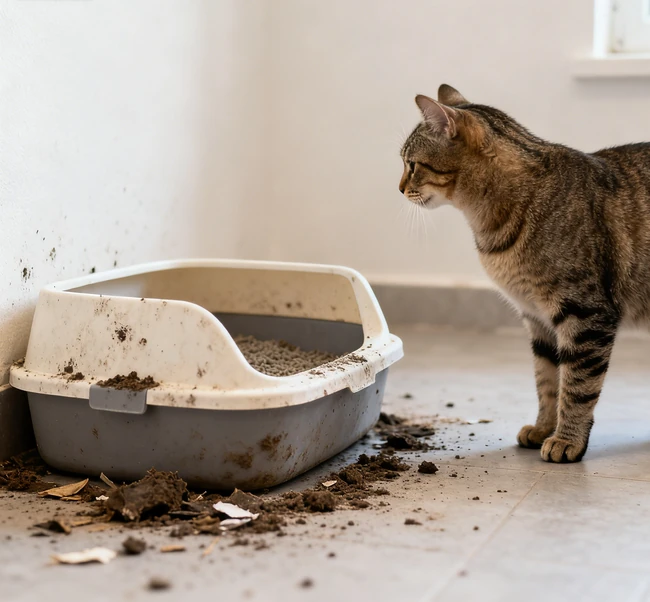
The First Step: Rule Out Medical Issues
Your first action should always be a visit to the veterinarian. Inappropriate elimination is a classic symptom of several painful medical conditions. Assuming it’s a behavioral problem without a medical check-up can prolong your cat’s suffering and delay effective treatment.
Common Medical Causes
- Urinary Tract Infections (UTIs): Cause a burning sensation, making your cat associate the litter box with pain.
- Bladder Stones or Crystals: These can cause a blockage or severe discomfort during urination.
- Kidney Disease: Can lead to increased urgency and frequency, sometimes making it hard for the cat to reach the box in time.
- Arthritis: Painful joints can make it difficult for a cat to climb into a high-sided or covered litter box.
- Diabetes or Hyperthyroidism: These conditions increase thirst and urination, sometimes overwhelming the cat’s ability to consistently use the box.
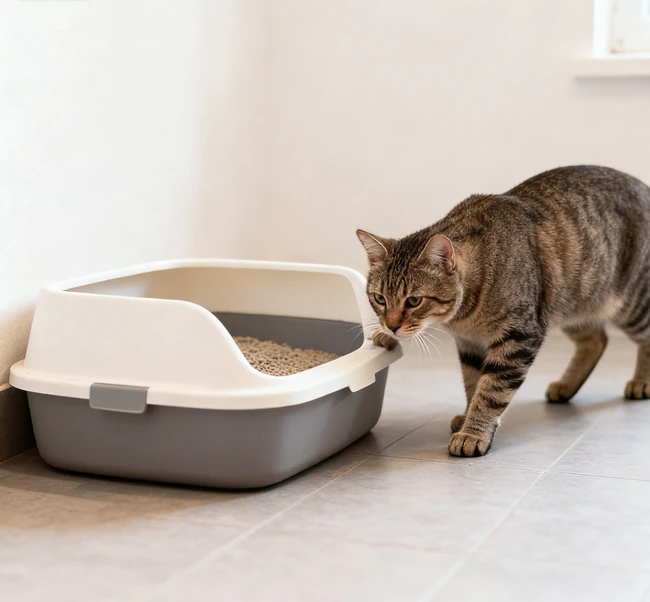
Behavioral and Environmental Reasons
Once your vet has ruled out medical causes, it’s time to become a detective in your own home. Cats are fastidious creatures with strong preferences, and seemingly small changes can have a big impact on their litter box habits.
1. The Litter Box Itself: Size, Style, and Number
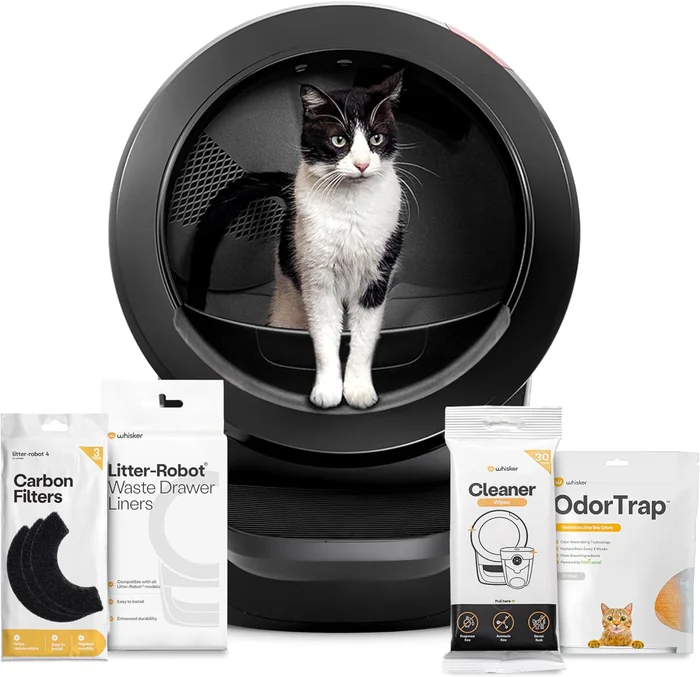
Cats have opinions about their bathroom facilities. A box that is too small, too covered, or too difficult to access can be a major turn-off. At PawLitter, our hands-on testing consistently shows that cat comfort is the number one factor in litter box acceptance. We’ve found that many covered boxes, while appealing to owners for odor control, can trap smells inside and make a cat feel trapped, leading them to seek other locations.
2. Litter Box Placement and Privacy
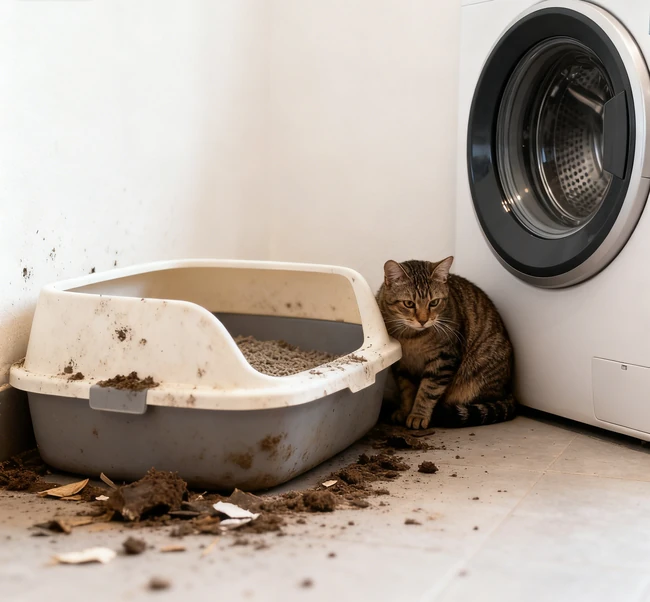
Location is everything. A litter box placed in a high-traffic, noisy, or hard-to-reach area will likely be avoided. Cats prefer quiet, low-traffic areas with multiple escape routes. Avoid placing the box next to a loud appliance, like a washing machine, or in a closet where they could be cornered.
3. The Type and Depth of Litter
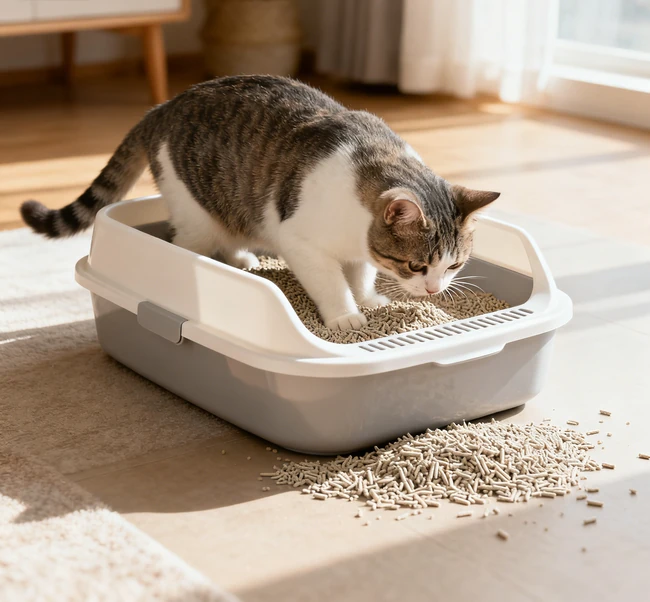
Many cats have a distinct preference for a certain type of litter. A sudden switch from a fine, clumping litter to a coarse, crystal type can be enough to cause a strike. Most cats prefer unscented, soft, sand-like litter at a depth of about 2 inches.
4. Cleanliness (The Most Common Cause)
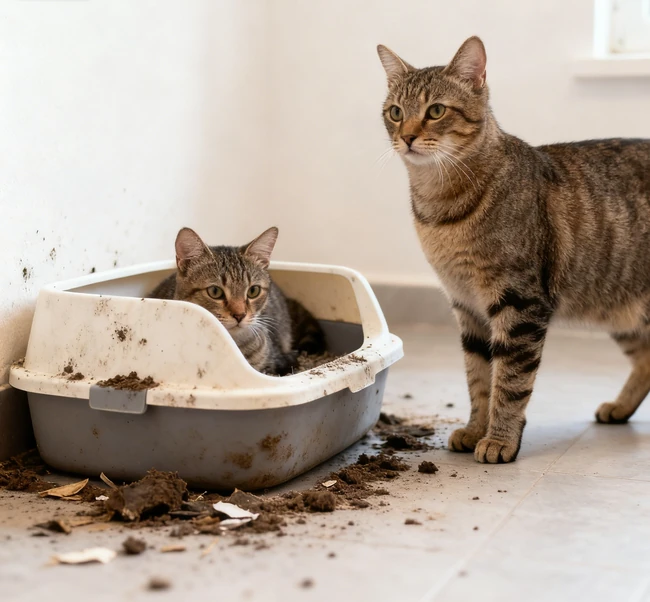
Would you use a filthy toilet? Neither will your cat. If the box isn’t scooped daily and deep-cleaned regularly, your cat will find a cleaner spot, like your bathtub or a pile of clean laundry.
5. Stress and Anxiety
Cats are creatures of habit. Changes in their environment can cause stress that manifests as litter box avoidance. Common stressors include:
- A new pet, baby, or person in the household
- Conflict with another household cat
- Changes in your work schedule
- Construction or remodeling noise
- An outdoor cat lurking outside the window
Action Plan: How to Get Your Cat Back in the Box
Now that you understand the potential causes, here is a step-by-step plan to solve the problem.
Immediate Actions
- Visit the Vet: Reiterating this as your absolute first step.
- Deep Clean the Box: Empty the entire box and wash it with a mild, unscented soap. Avoid harsh chemicals like ammonia.
- Thoroughly Clean Soiled Areas: Use an enzymatic cleaner specifically designed for pet urine to completely eliminate the odor, which attracts cats back to the same spot.
Long-Term Solutions and Adjustments
Follow the “N+1 Rule”: You should have one more litter box than the number of cats you have. For two cats, you need three boxes. This prevents competition and gives each cat options.
| Problem | Potential Solution |
|---|---|
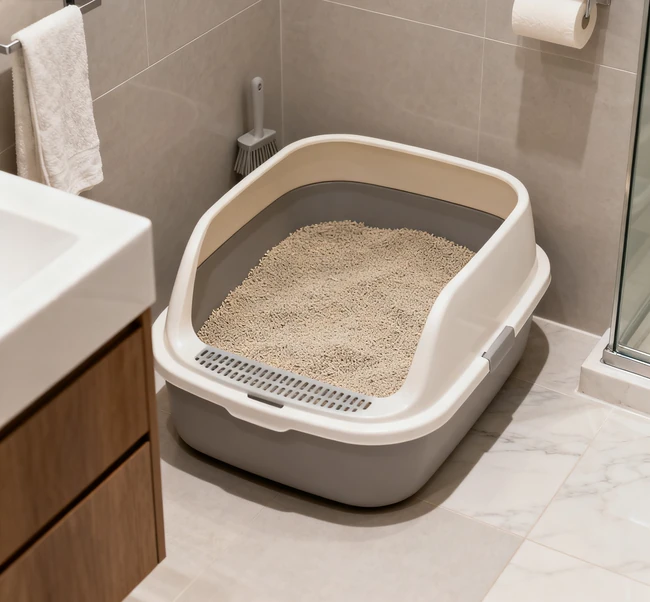
| Box is too small or covered | Switch to a large, open, low-entry box. Our PawLitter litter box reviews & guides can help you find the right fit. |
| Poor location | Move the box to a quiet, accessible, and private area. |
| Litter type dislike | Offer two boxes with different litters side-by-side to see which your cat prefers. |
| Multi-cat household tension | Place boxes in different areas of the home to prevent one cat from guarding them all. |
Frequently Asked Questions (FAQs)
Why did my cat suddenly stop using the litter box?
A sudden change almost always points to a medical issue or a recent environmental stressor (like a new animal in the home). A veterinary visit is the critical first step to rule out a painful condition like a UTI or bladder stones.
How can I tell if it’s a medical or behavioral issue?
You often can’t without a vet’s help. However, signs like straining to urinate, crying in the box, or blood in the urine are clear medical red flags. Behavioral issues are more likely if the environment has recently changed and the cat is otherwise acting normally.
My cat uses the box for pee but not for poop. Why?
This is a common scenario. It could mean the box is not clean enough for their standards for defecation, the box is too small, or they are experiencing constipation or other discomfort specifically when pooping. Ensure you have multiple, very clean boxes available.
Is there a “best” type of litter box?
There is no one-size-fits-all answer, as it depends on your cat’s size, age, and preferences. Generally, larger is better. Senior cats and kittens often need low-entry boxes. At PawLitter, we test boxes for 30+ days with real cats to evaluate comfort, ease of use, and odor control, prioritizing the cat’s experience over human convenience.
How does PawLitter ensure its reviews are trustworthy?
At PawLitter, our mission is to provide honest, cat-first advice. We conduct real-world testing for a minimum of 30 days in home environments with our own cats. We are transparent about our affiliate relationships and never let commissions influence our ratings. Our core trust principles are real testing, honest pros/cons, and prioritizing cat comfort above all else.
Will punishing my cat solve the problem?
Absolutely not. Punishment will only make your cat fear you and increase their anxiety, which will likely worsen the problem. Instead, focus on positive reinforcement. Praise and offer a treat when you see them using the box correctly.
How many litter boxes do I really need?
The golden rule is one litter box per cat, plus one extra. This provides choice, reduces competition, and ensures a clean box is always available, which is crucial in multi-cat households.
Conclusion
Solving a litter box avoidance issue requires patience, observation, and a methodical approach. Always start with a veterinary check to rule out pain, then critically evaluate your litter box setup, cleanliness, and home environment. Remember, your cat isn’t being spiteful; they are communicating a problem in the only way they know how. By addressing their needs for comfort, cleanliness, and security, you can guide them back to appropriate habits. For more in-depth reviews and practical tips on choosing the right litter box for your unique feline friend, we invite you to explore our comprehensive guides on PawLitter.
View Comments (0)