
10 Popular Cat Myths Completely Debunked by a Vet
As cat lovers and pet care experts, we at PawLitter hear a lot of common beliefs about feline behavior and health. Some are harmless old wives’ tales, while others can lead to serious misunderstandings about your cat’s needs. Misinformation can impact everything from your bond with your cat to their long-term wellbeing. That’s why we’ve consulted with our network of veterinary professionals to tackle ten of the most persistent cat myths head-on, separating fascinating feline fact from dangerous fiction.
Myth 1: Cats Always Land on Their Feet
The Myth: Thanks to their legendary “righting reflex,” cats are immune to falls and will always land unharmed, leading to the idea of “high-rise syndrome” being a minor concern.
The Reality: While cats do have an incredible innate ability to twist their bodies in mid-air, this does not make them invincible. The “righting reflex” helps them orient themselves, but it doesn’t guarantee a safe landing, especially from shorter falls (2-6 stories) where they don’t have enough time to fully rotate and prepare. Falls from any height can result in severe injuries like broken jaws, teeth, limbs, and life-threatening internal trauma. Every window and balcony poses a real risk. The only way to ensure safety is through prevention with secure window screens or a fully enclosed catio.
Myth 2: Milk is a Healthy Treat for Cats
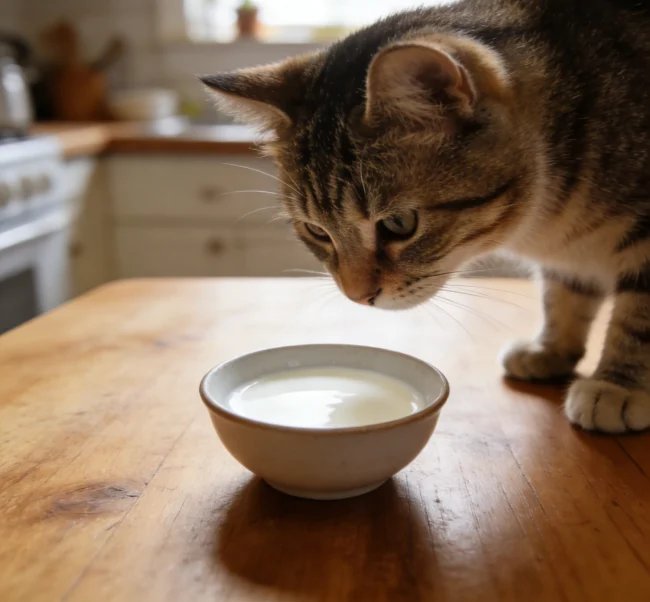
The Myth: The classic image of a cat happily lapping up a saucer of milk is a staple of cartoons and storybooks, suggesting it’s a natural and wholesome treat.
The Reality: Most adult cats are lactose intolerant. After weaning, they produce less lactase, the enzyme needed to digest the lactose in milk. Feeding cow’s milk can lead to digestive upset, including diarrhea, vomiting, and gas. Furthermore, milk is an unnecessary source of extra calories that can contribute to obesity. Your cat gets all the hydration they need from fresh water and receives complete nutrition from a high-quality, species-appropriate diet. If you want to offer a special liquid treat, consider a broth formulated specifically for cats.
Myth 3: Cats Are Solitary and Don’t Need Companionship
The Myth: Cats are often labeled as aloof, independent creatures who prefer their own company and see their human family merely as a food source.
The Reality: This is a profound misunderstanding of feline social structure. While they are not pack animals like dogs, cats are socially flexible. They form complex social bonds with their humans and often with other cats. Cats show affection through slow blinks, head-butting, grooming, and seeking physical proximity. Loneliness and lack of mental stimulation can lead to depression, anxiety, and behavioral issues like inappropriate scratching or over-grooming. They need daily interactive play, environmental enrichment, and quality time with you. For single-cat households, introducing a compatible feline friend can greatly enhance their quality of life.
Myth 4: A Purring Cat is Always a Happy Cat
The Myth: Purring is exclusively a sign of contentment and pleasure, like a cat’s version of smiling.
The Reality: Purring is a much more complex form of communication. While cats do purr when they are relaxed and happy (such as when being petted), they also purr in stressful situations, when in pain, or even when critically ill or injured. Think of it as a self-soothing mechanism. Mother cats purr during birth, and kittens purr while nursing. It’s believed the vibrations from purring may even promote bone density and healing. Therefore, you must always interpret purring in context. A cat purring while hiding and refusing food is likely signaling distress, not happiness, and warrants a veterinary visit.
Myth 5: Cats Hate Water
The Myth: All cats have an instinctive, universal fear of water and will go to great lengths to avoid it.
The Reality: Aversion to water is not a hardwired trait in all cats. It largely depends on early experience and individual personality. Some breeds, like Turkish Vans and Bengals, are famously fond of water. Many cats enjoy playing with dripping taps or pawing at their water bowl. The dislike often stems from negative experiences (e.g., forced baths) or the shock of being suddenly submerged. Cats also meticulously groom themselves to maintain their coat’s insulating properties; getting soaked compromises this. The key is positive, gradual introduction if bathing is medically necessary. How to Litter Train a Cat?A Stress-Free Guide for Kittens and Adult Cats
Myth 6: Cats Can See Perfectly in Total Darkness
The Myth: Cats have “night vision” that allows them to see as clearly in pitch black as humans see in daylight.
The Reality: Cat eyes are marvels of evolution, but they are not magical. They require at least some ambient light. Their eyes have a high number of rod photoreceptors (for low-light vision) and a reflective layer behind the retina called the tapetum lucidum, which amplifies available light. This is why cat eyes seem to glow in the dark. This structure allows them to see in light levels six times lower than what humans need, but they cannot see in complete, absolute darkness. Their superior sense of hearing, smell, and whisker sensitivity guides them when light is negligible.
Myth 7: Cats Knead Because They Were Weaned Too Early
The Myth: The rhythmic “making biscuits” motion is a sign of a psychological issue stemming from premature separation from the mother.
The Reality: Kneading is a perfectly normal, instinctive behavior that begins in kittenhood. Kittens knead their mother’s mammary glands to stimulate milk flow. In adulthood, the behavior persists as a sign of extreme comfort, contentment, and security. When your cat kneads your lap, they are in a state of bliss, often accompanied by purring and drooling. It’s a throwback to their earliest happy memories. It can also be a way to mark territory, as scent glands in their paw pads release pheromones. It is not an indicator of a traumatic past.
Myth 8: Cats Are “Low Maintenance” Pets
The Myth: Compared to dogs, cats are easy, self-cleaning pets that require little more than food, water, and a litter box.
The Reality: This myth leads to widespread neglect of cats’ physical and emotional needs. Cats are masters at hiding illness and stress. “Low maintenance” does not mean “no maintenance.” They require:
- Annual Veterinary Care: Preventative check-ups are crucial for early disease detection.
- Mental & Physical Stimulation: Daily interactive play sessions are non-negotiable to prevent obesity and boredom.
- Environmental Enrichment: This includes vertical space (cat trees), scratching posts, puzzle feeders, and safe outdoor access like a catio.
- Proper Nutrition: This means measured portions of quality food, not free-feeding kibble.
- Litter Box Management: Scooping daily and full cleaning regularly is essential for hygiene and preventing avoidance issues.
Responsible cat ownership is actively engaged, not passive. Cat Care Tips
Myth 9: All Cats Hate Citrus and Certain Scents
The Myth: Citrus scents (lemon, orange) are a universal, safe cat repellent, and things like lavender or eucalyptus are always harmful.
The Reality: While it’s true many cats dislike the strong smell of citrus due to their sensitive olfactory systems, using citrus oils or peels as a deterrent can be dangerous. Many essential oils, including citrus, are toxic to cats if ingested or even absorbed through the skin in concentrated forms. Phenols and ketones in oils can cause liver damage. The aversion to smells is individual; some cats may not mind citrus at all. It is far safer to use dedicated, vet-approved deterrents like sticky tape or motion-activated sprayers to keep cats off counters, rather than relying on potentially toxic household scents.
Myth 10: Black Cats Are Bad Luck
The Myth: A cultural superstition, particularly in Western history, that associates black cats with witchcraft, misfortune, and Halloween.
The Reality: This harmful superstition has real-world consequences, leading to lower adoption rates and higher euthanasia rates for black cats in shelters. In many other cultures, black cats are symbols of good luck and prosperity. The color of a cat’s coat has absolutely no bearing on its personality, health, or the “luck” it brings. Black cats are just as loving, playful, and deserving of a home as any other cat. At PawLitter, we encourage looking beyond fur color to the wonderful individual personality underneath. Consider giving a “void” a forever home—their only magic is the joy they bring. How Often Should You Change Cat Litter?A Vet-Reviewed Guide
Conclusion: Empower Yourself with Feline Facts
Understanding your cat begins by letting go of outdated myths and embracing science-based knowledge. Cats are complex, communicative, and deeply social animals whose needs extend far beyond the basics. By debunking these common misconceptions, we can become more attentive, empathetic, and responsible guardians. Always let your veterinarian be your primary source for health information, and observe your own cat’s unique behaviors and preferences—they are the best guide to their individual world. When we replace myth with understanding, we build stronger, healthier, and happier bonds with our feline companions.
View Comments (0)