
14 Unexpected Facts About Male Cats (#7 Is Truly Eye-Opening)
Male and female cats share many wonderful traits—their playful antics, soothing purrs, and independent spirits. But beneath the surface, tomcats possess a unique set of biological and behavioral quirks that every cat owner should understand. From surprising physical traits to instinctive behaviors with profound implications, knowing these facts is key to providing the best care for your feline friend. At PawLitter, we combine expert knowledge with practical solutions to help you navigate the fascinating world of male cat ownership. Let’s dive into 14 facts that will change how you see your tomcat.
1. They Are More Likely to Be “Left-Pawed”
Research suggests that paw preference, similar to human handedness, exists in cats. A 2018 study published in Animal Behaviour indicated that male cats are significantly more likely to be left-pawed, while females often favor their right paw. This isn’t just a cute party trick; lateralization is linked to brain hemisphere dominance and can influence behavior. Observing which paw your cat uses to bat at toys or step out of the litter box can offer a tiny window into his unique neurology.
2. Intact Males Have Distinctive Facial Features
An unneutered male cat, or “tom,” develops characteristic physical traits due to testosterone. Most notably, they develop prominent cheek jowls and a thicker, more muscular neck. These features serve a practical purpose in the wild: the extra skin and muscle protect them during fights with rival toms over territory or mates. Once a tom is neutered, testosterone levels drop, and these distinctive “stud jowls” typically diminish over time.
3. They Are Prone to Territorial Marking
This is one of the most well-known male cat behaviors. Territorial marking, or spraying, involves depositing small amounts of pungent urine on vertical surfaces. While both sexes can spray, intact males are driven to do it most frequently to advertise their presence and claim territory. The urine of an intact tom contains strong-smelling hormones and pheromones. Even after neutering, some cats may continue the habit if it’s become ingrained or is triggered by stress, such as the presence of other cats.
Pro Tip from PawLitter: If spraying is an issue, address both medical causes (like a UTI) and environmental stressors. Creating a secure, enriched environment is crucial. For multi-cat households experiencing tension, a synthetic pheromone diffuser can work wonders by sending calming signals.
Our Top Pick for Reducing Multi-Cat Tension: FELIWAY MultiCat Calming Diffuser
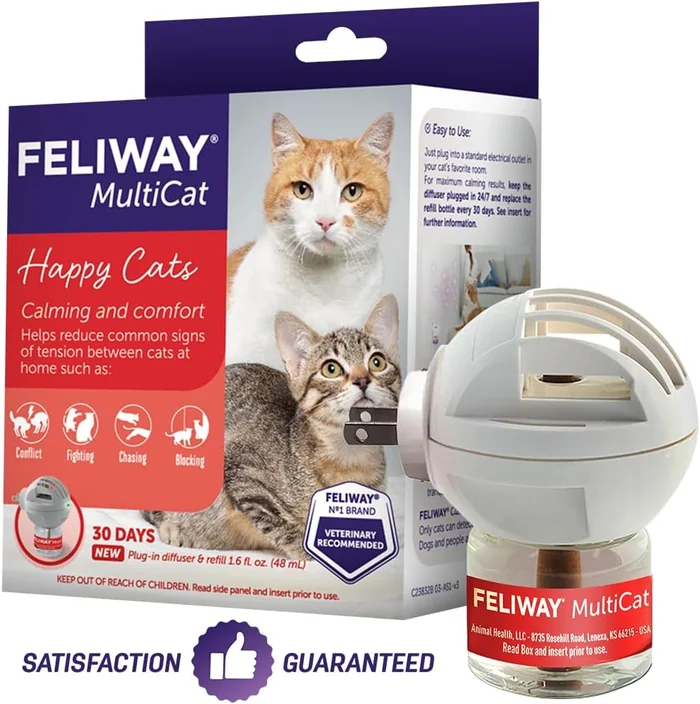
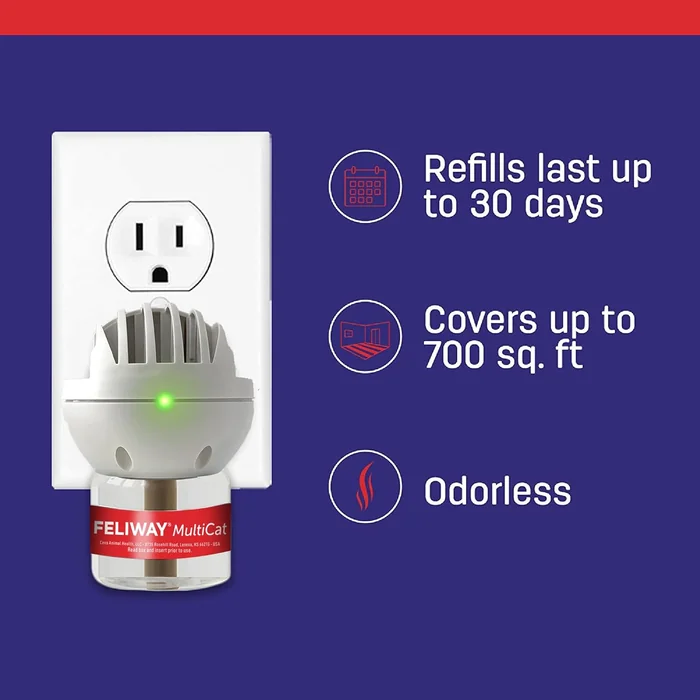
FELIWAY MultiCat 30 Day Cat Calming Plug In Pheromone Diffuser Starter Kit, 48ml – Helps Reduce Conflicts and Signs of Tension in Multi-Cat Households
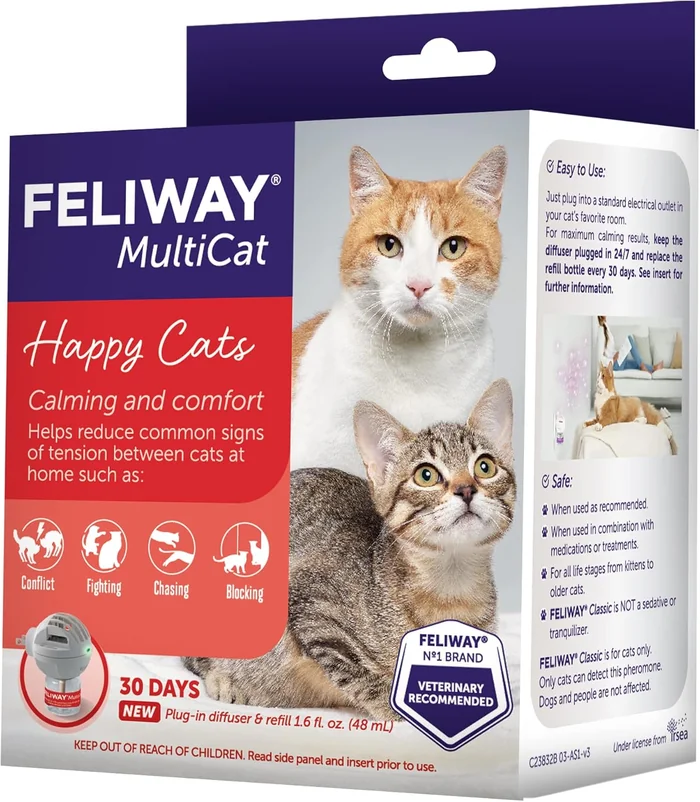
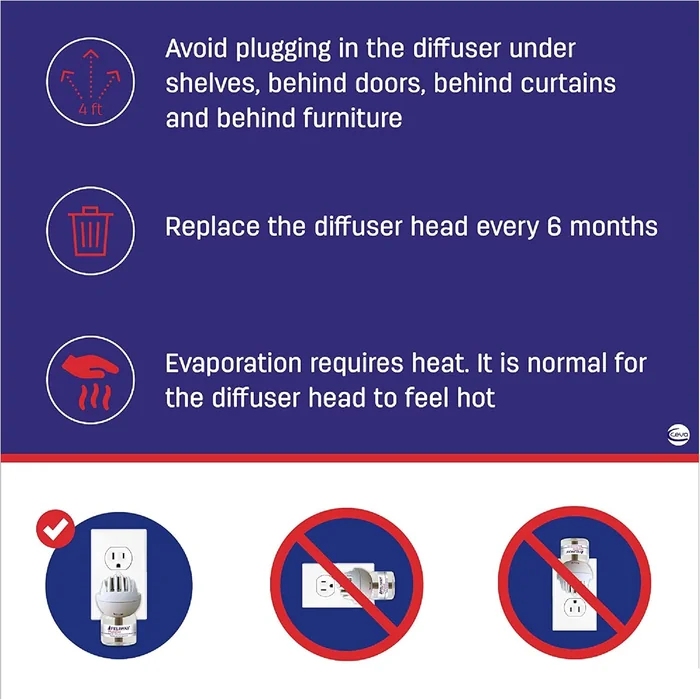
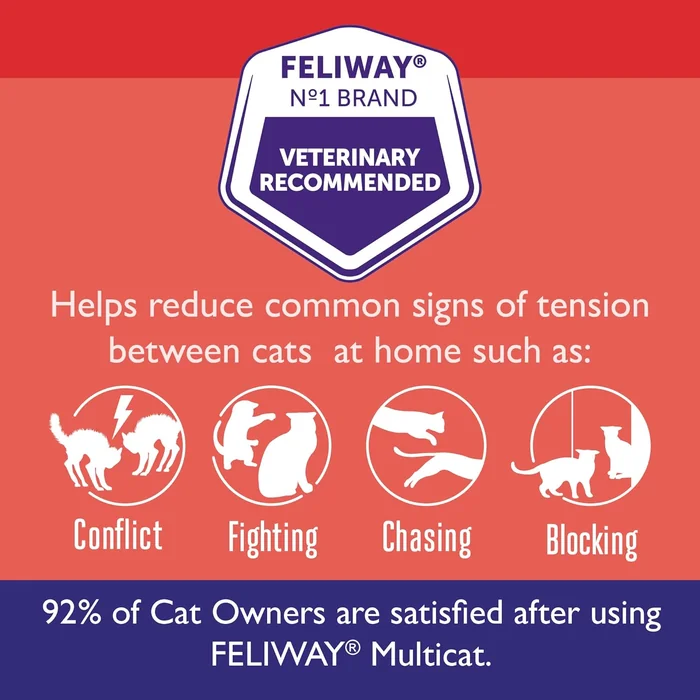
Key Features:
- HELPS REDUCE COMMON SIGNS OF TENSION BETWEEN CATS: FELIWAY MultiCat, developed by the #1 vet recommended brand, helps reduce common signs of tension between cats such as: conflict, fighting, chasing, and blocking
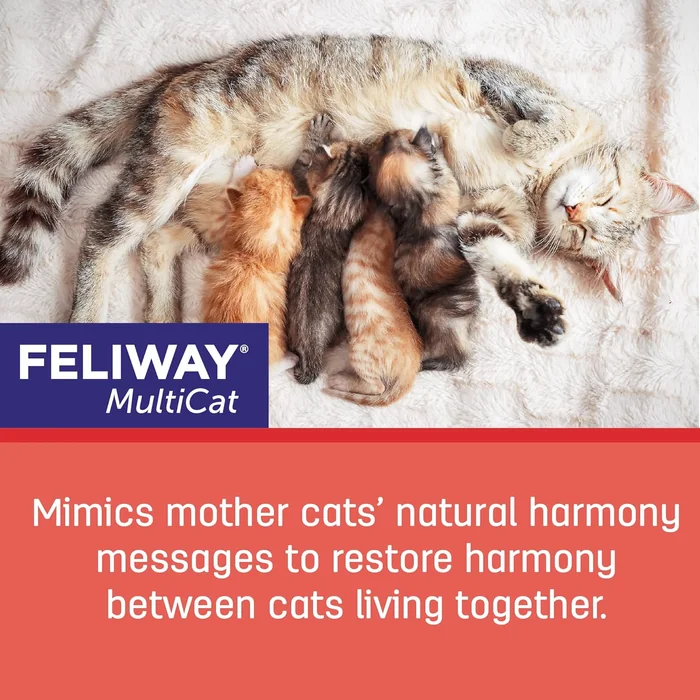
- ENHANCED CALM AT HOME FOR MULTICAT HOUSEHOLDS: FELIWAY MultiCat plug-in diffuser uses the science of pheromones to send calming messages that mimic a mother cat’s natural pheromones to help reduce tensions & conflicts. 84% of cat owners saw significant improvement in conflict between cats when using FELIWAY MultiCat
- DRUG FREE & SAFE TO USE: FELIWAY diffusers are drug-free, non-sedating, and while cat pheromone analogs may help your cat, they won’t affect humans or other pets
When tension leads to marking or conflict, we often recommend the FELIWAY MultiCat Calming Diffuser. Developed by vet-recommended experts, it mimics “happy” cat pheromones to reduce signs of tension like blocking, chasing, and fighting. In studies, 84% of cat owners saw significant improvement. It’s a drug-free, non-sedating way to help your cats, especially males adjusting to each other, feel more secure in their shared space without affecting humans or other pets. For ongoing territorial stress, this plug-in solution provides continuous support.
4. They Are Generally Larger and Heavier
Sexual dimorphism is evident in cats. Male cats typically have a larger bone structure and carry more muscle mass than females, often making them noticeably bigger and heavier. An average domestic male cat can weigh 2-4 pounds more than a female of the same breed. This size advantage relates to their historical role in competition and territory defense. It’s also a key reason why nutritional needs can differ; larger bodies require careful calorie management to prevent obesity.
5. They Have a Higher Risk of Urinary Blockages
This is a critical health fact. Male cats have a longer, narrower urethra than females, making them exponentially more susceptible to life-threatening urinary blockages. Crystals, mucus, or inflammation can easily obstruct the narrow passage. This is a true veterinary emergency requiring immediate care. Symptoms include straining in the litter box with little output, vocalizing in pain, lethargy, and vomiting.
PawLitter’s Care Advice: Prevention is paramount. Encourage water intake with fountains, feed a high-quality diet that supports urinary health (consult your vet), and maintain impeccable litter box hygiene. A clean box encourages regular urination, which helps flush the urinary tract. For owners looking to eliminate hygiene as a variable, an automatic litter box can be a game-changer.
Our Solution for Optimal Litter Box Hygiene: PetSafe SmartSpin Self-Cleaning Litter Box

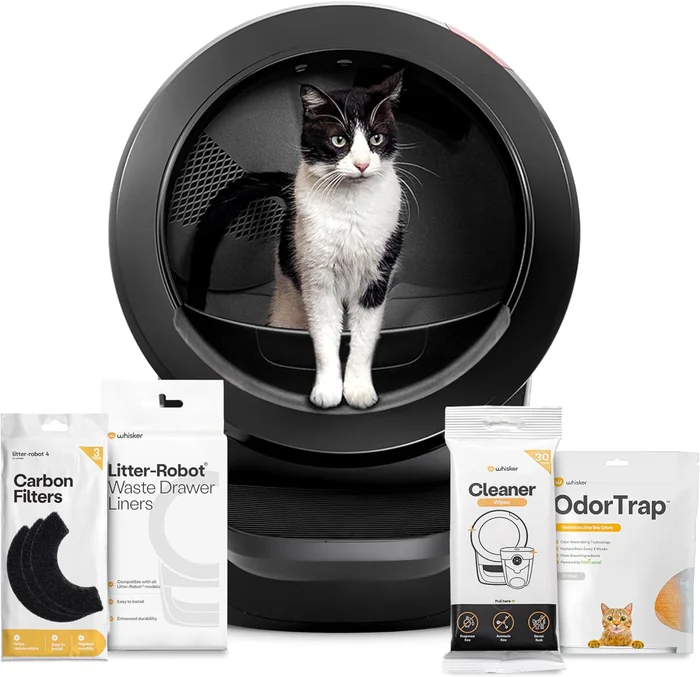
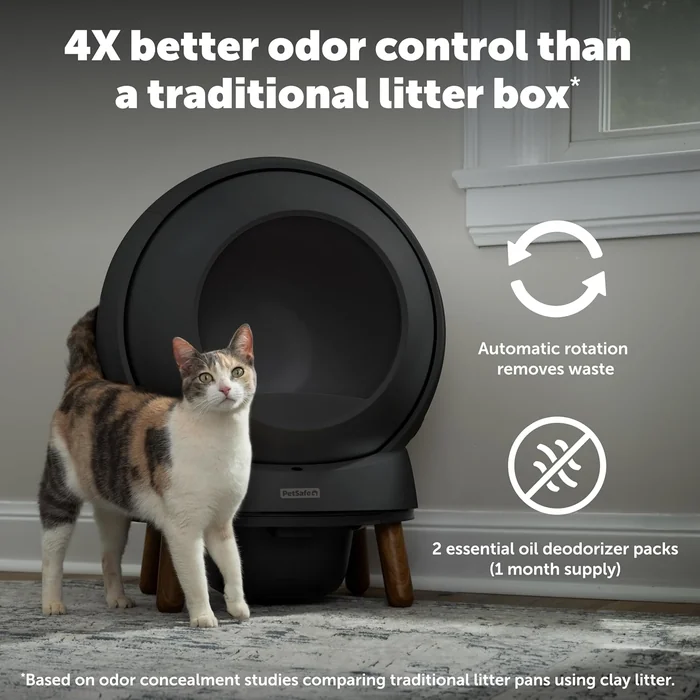
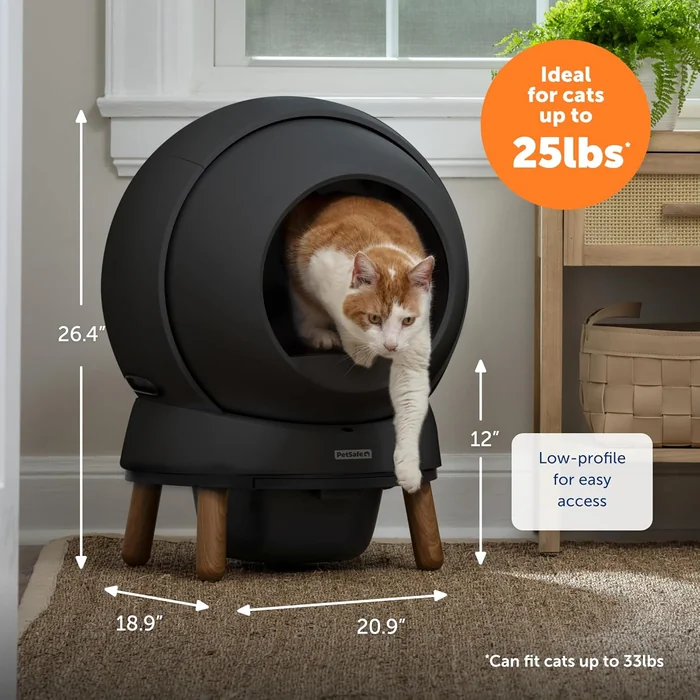
PetSafe ScoopFree SmartSpin Self-Cleaning Cat Litter Box, Black – Advanced Odor Control, App Controlled with Health Monitoring, Works with Any Litter, Up to 2 Weeks of Hands-Free Cleaning



Key Features:
- PUT A NEW SPIN ON YOUR CAT’S LITTER BOX: Enjoy up to 2 weeks of hands-free cleaning with SmartSpin technology that sifts away clumps into a sealed waste drawer
- ADVANCED ODOR CONTROL: Get up to 4x better odor control than traditional litter boxes, thanks to SmartSpin’s sealed waste drawer and deodorizer
- MONITOR YOUR CAT’S HEALTH: PetSafe SmartSpin App gives you real-time health data including weight updates and litter box usage from your phone. Wi-Fi required for app connectivity (2.4 GHz)
To support urinary health through consistent cleanliness, we suggest the PetSafe ScoopFree SmartSpin. Its smart technology sifts waste after each use into a sealed drawer, offering up to 2 weeks of hands-free cleaning and advanced odor control—up to 4x better than traditional boxes. Crucially, its connected app provides health monitoring, tracking your cat’s weight and litter box visits. A sudden change in frequency could be your first clue to a potential urinary issue, allowing for early veterinary intervention. It’s a powerful tool for proactive male cat care.
6. They Can Be More Socially Bold and Adventurous
Behavioral studies and owner surveys consistently show that male cats often score higher in traits like boldness, activity, and curiosity. They tend to explore more readily and approach novel objects or people with less hesitation than females. This “adventurous tomcat” stereotype has some basis in reality. However, individual personality is always the biggest factor, and a cat’s early socialization plays a massive role in shaping these traits.
7. Intact Males May Exhibit Disturbing Aggression Towards Kittens
This is the unsettling fact our title references. In the wild, and sometimes in domestic settings, an intact male cat may kill kittens that are not his own. This brutal behavior, called infanticide, is driven by an evolutionary instinct. By eliminating the offspring of a rival male, the tom can bring the mother cat back into heat sooner, allowing him to sire his own kittens and pass on his genes. This is one of the most compelling reasons for responsible neutering, which virtually eliminates this drive. It underscores the profound impact of reproductive hormones on feline behavior.
8. They Roam Farther and Fight More
Driven by the quest for mates and territory, unneutered male cats have enormous home ranges and are famous for roaming. They will travel miles, often getting into fierce, injury-prone battles with other toms. These fights are the primary cause of injuries like abscesses, torn ears, and spread of diseases like FIV (Feline Immunodeficiency Virus). Neutering dramatically reduces the urge to roam and fight, making it the single most important action for an outdoor male cat’s longevity and wellbeing.
9. Their “Love Bite” During Mating is a Trigger Mechanism
The mating process in cats is unique and appears aggressive. The male tom bites the nape of the female’s neck to hold her in position. This specific bite also plays a neurological role: it triggers ovulation in the female (cats are induced ovulators). The female will often cry out and turn to swat at the male immediately afterward. This entire process is instinctual and is another aspect of behavior normalized by neutering.
10. Neutering Changes More Than Just Reproductive Ability
Neutering (castration) is often discussed for population control, but its behavioral and health benefits for male cats are immense:
- Reduces Roaming & Fighting: Cuts down on injury and disease risk by over 90%.
- Curtails Spraying: Eliminates hormone-driven marking in ~90% of cats if done before the habit forms.
- Lowers Cancer Risk: Virtually eliminates testicular cancer and reduces prostate issues.
- Promotes Longevity: Neutered indoor males often live 12-15+ years, while intact outdoor toms average just 2-5 years.
At PawLitter, we strongly advocate for early neutering, typically around 4-6 months, for the holistic health of your cat.
11. They Have a Unique Vocalization Called “Tomcat Howling”
That loud, drawn-out, almost mournful yowl is signature tomcat communication. Intact males use it to proclaim territory and attract females over long distances. It’s different from a standard meow or hiss—lower-pitched, more guttural, and sustained. Even neutered males may retain this vocalization, especially if neutered later in life or if they sense a nearby cat in heat. It’s a primal sound straight from their wild ancestry.
12. Orange Tabbies Are Most Often Male
The gene for the orange coat color (pheomelanin) is on the X chromosome. A female cat (XX) needs the orange gene on both X chromosomes to be fully orange. A male (XY) only needs one from his mother. This makes solid orange or orange tabby cats about three times more likely to be male. It’s a fascinating example of how genetics and sex are linked in feline coat colors. Calico and tortoiseshell cats, conversely, are almost exclusively female due to a similar genetic mechanism.
13. They May Be More Prone to Certain Genetic Conditions
Some health issues have a gender predisposition. For example, X-linked muscular dystrophy has been documented more in male cats, as they only have one X chromosome. If that X carries the defective gene, they have the condition. Males are also slightly overrepresented in certain types of heart disease. This doesn’t mean every male cat will have these issues, but it highlights the importance of breed-specific research and regular veterinary check-ups for early detection.
14. Their Personality Can Deepen After Neutering
A common misconception is that neutering makes a cat lazy or dull. In reality, it often allows their true personality to shine without the constant hormonal drive to mate, fight, and mark. Many owners report their male cats become more affectionate, playful, and home-focused after recovery. They retain their unique quirks and energy but channel them into bonding with their human family rather than responding to primal urges. It’s a transformation that strengthens the human-feline bond immensely.
Caring for Your Male Cat: A PawLitter Guide
Understanding these facts is the first step. Applying them is where exceptional care begins. Here is our integrated approach:
- Neuter Early: This is the cornerstone of responsible male cat ownership for health, behavior, and longevity.
- Prioritize Urinary Health: Monitor water intake, provide a clean litter box (consider automated options like the PetSafe SmartSpin), and discuss diet with your vet.
- Manage Environment & Stress: Use vertical space, provide multiple resources (food bowls, litter boxes), and employ calming aids like FELIWAY in multi-cat homes to prevent tension-related issues like spraying.
- Encourage Safe Play: Channel their boldness and energy into interactive daily play sessions with wand toys to satisfy hunting instincts and prevent boredom.
- Commit to Preventive Vet Care: Annual check-ups are non-negotiable. For senior males, consider bi-annual visits to catch age-related issues early.
Male cats are captivating companions, full of surprising depth and character. By embracing their unique biology and instincts, you can foster a happier, healthier, and more harmonious life together. From choosing the right health-monitoring litter box to creating a calm environment, every informed decision makes a difference. For more deep dives into feline behavior and care solutions, explore our other resources here on How to Litter Train a Cat?A Stress-Free Guide for Kittens and Adult Cats, The Ultimate Guide to Finding the Best Litter Box for Multiple Cats, and What is a Litter for Cats?A Complete Guide for Cat Owners.
View Comments (0)