10 Best Foods for Cats With Dental Disease A Vet-Reviewed Guide
If your cat is showing signs of dental disease—bad breath, red gums, or difficulty eating—you’re likely searching for a way to help. As cat lovers and pet nutrition advocates at PawLitter, we understand that choosing the right food is a critical part of managing your cat’s oral health. While food is not a substitute for professional veterinary dental care, the right diet can play a supportive role in reducing plaque, slowing tartar buildup, and providing essential nutrition in an easy-to-eat form.
This guide is the result of our team’s careful analysis of nutritional science, ingredient quality, and real-world feedback from cat parents. We’ve evaluated numerous products based on specific criteria beneficial for dental health, such as texture, carbohydrate content, and the inclusion of dental-supporting ingredients. Below, you’ll find our curated list of the 10 best foods, complete with detailed breakdowns to help you make an informed, confident choice for your feline friend.
Understanding Feline Dental Disease
Feline dental disease, most commonly periodontal disease, begins when plaque—a sticky film of bacteria—accumulates on the teeth. If not removed, it hardens into tartar (calculus), which irritates the gum line (gingiva), leading to inflammation (gingivitis) and, eventually, infection and destruction of the tissues and bone that support the teeth (periodontitis). This painful process can lead to tooth loss and allows bacteria to enter the bloodstream, potentially affecting the heart, kidneys, and liver.
Key signs to watch for include:
- Persistent bad breath (halitosis)
- Red, swollen, or bleeding gums
- Visible yellow or brown tartar on teeth
- Drooling or dropping food
- Reluctance to eat, especially dry food or treats
- Pawing at the mouth or face
The cornerstone of treatment is a professional veterinary dental cleaning under anesthesia. However, the diet you choose at home is a vital part of ongoing maintenance and prevention. The right food can help manage the bacterial load and provide a texture that offers a mild cleaning action or is simply gentler on sore mouths.
How We Selected These Foods
Our selection process at PawLitter is built on a foundation of expertise and a commitment to transparency. We do not simply list popular products; we apply a rigorous set of criteria to ensure each recommendation serves a specific purpose in supporting dental health. Here’s what we looked for:
- Texture & Kibble Design: We prioritized foods with a specific dental claim (like VOHC acceptance) or a unique, larger kibble size and shape designed to encourage chewing and provide a mechanical scrubbing action.
- High-Quality Protein & Low Carbohydrates: Cats are obligate carnivores. Diets rich in animal-based protein and low in starchy carbs are more species-appropriate and can help reduce the sugar available for plaque-forming bacteria in the mouth.
- Dental-Supporting Additives: We looked for ingredients like sodium hexametaphosphate (a tartar-control agent), zinc, and enzymes that can help prevent mineralization of plaque.
- Palatability & Nutritional Completeness: A cat in pain needs to eat. We included options that are highly palatable and nutritionally complete to ensure your cat gets the energy and nutrients needed for healing, even with a tender mouth.
- Overall Ingredient Quality: We favor recipes with named meat sources, limited fillers, and transparency in sourcing. A healthy body supports a healthy immune system to fight oral infections.
Remember, every cat is unique. We strongly recommend consulting with your veterinarian before making any major dietary changes, especially if your cat has been diagnosed with dental disease. They can help you choose the safest and most effective option for your cat’s specific stage of disease and overall health. For more general guidance on cat nutrition, explore our resource on The Ultimate Guide to Finding the Best Litter Box for Multiple Catschoosing the right cat food.
The 10 Best Foods for Cats With Dental Disease
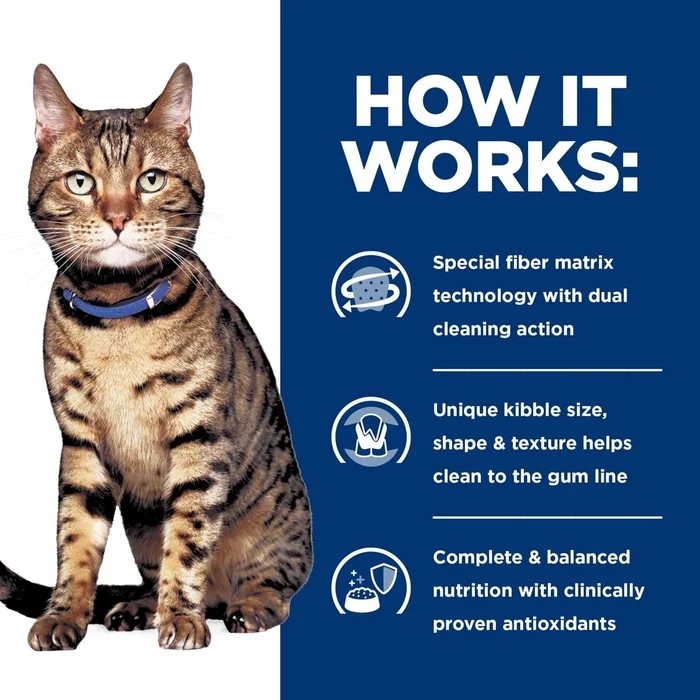
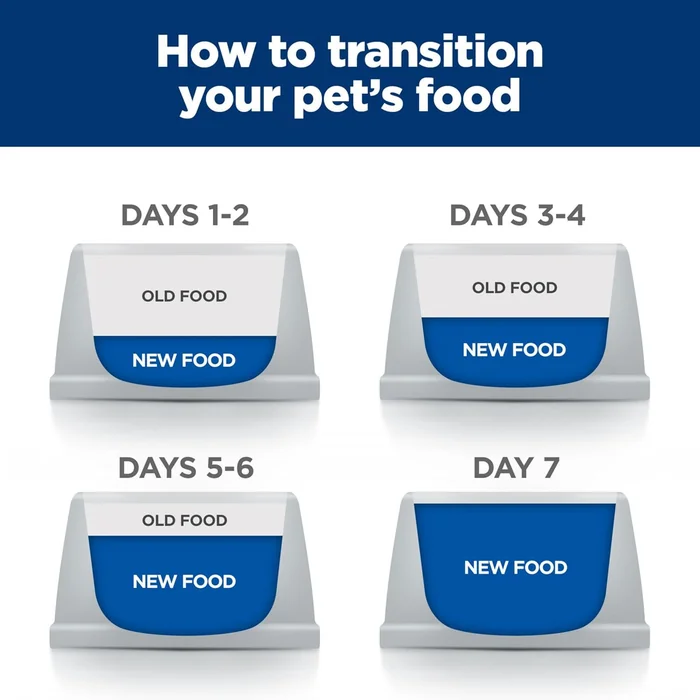
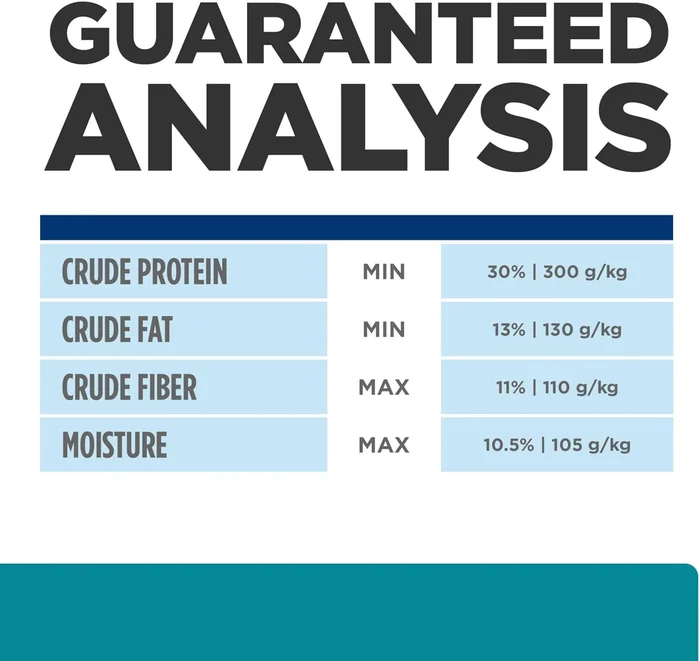
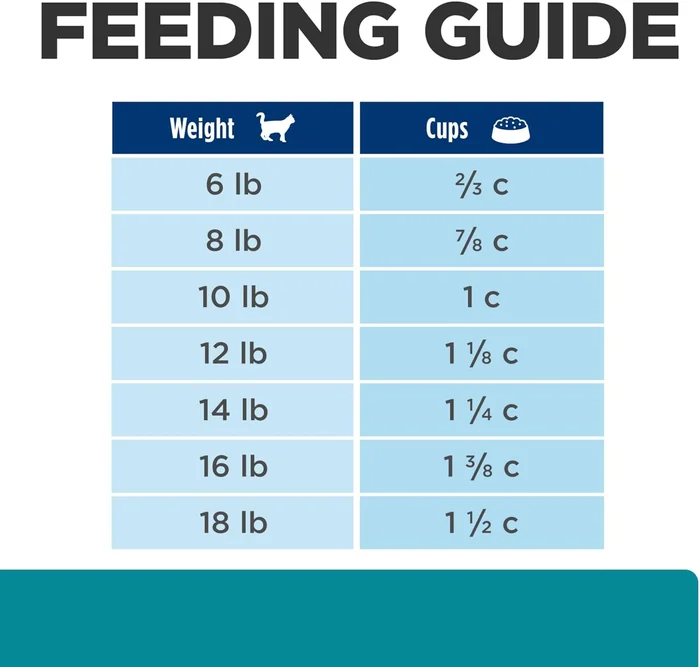
1. Hill’s Prescription Diet t/d Dental Care Dry Cat Food
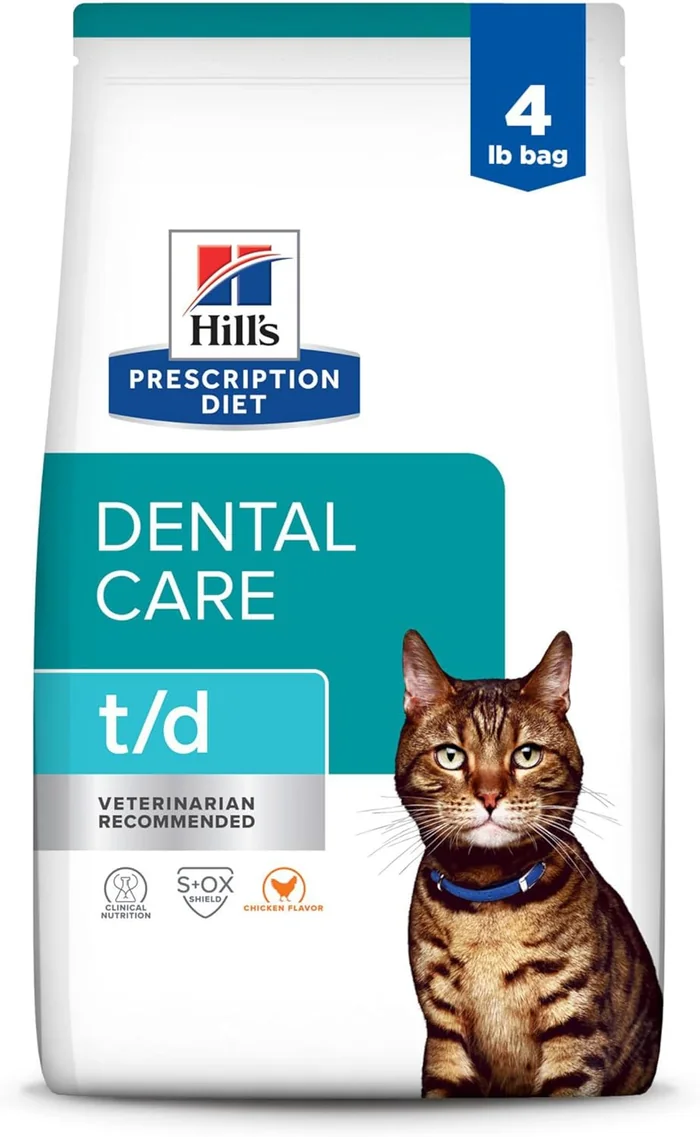
Hill’s Prescription Diet t/d Dental Care Chicken Flavor Dry Cat Food, Veterinary Diet, 4 lb. Bag
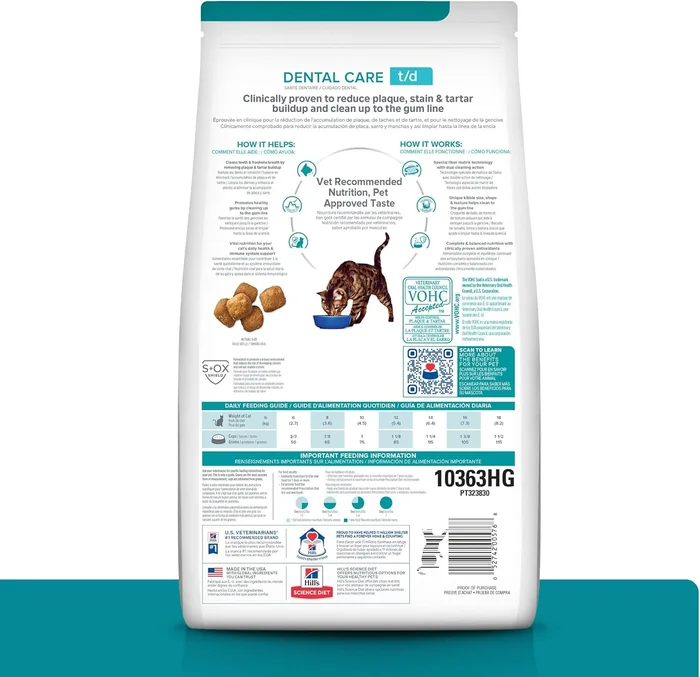
Key Features:
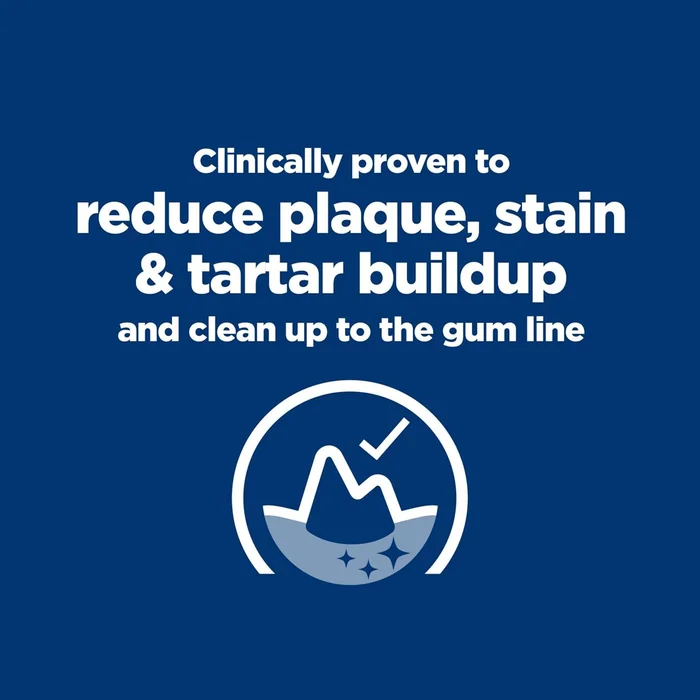
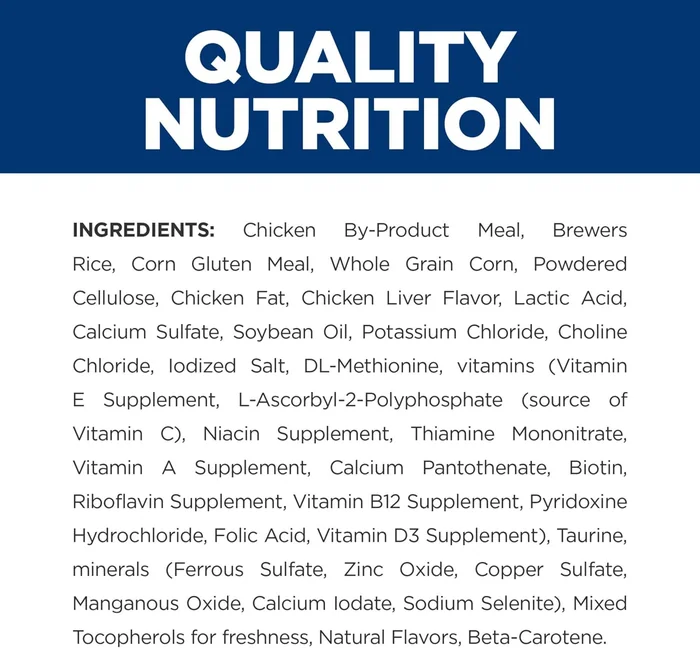
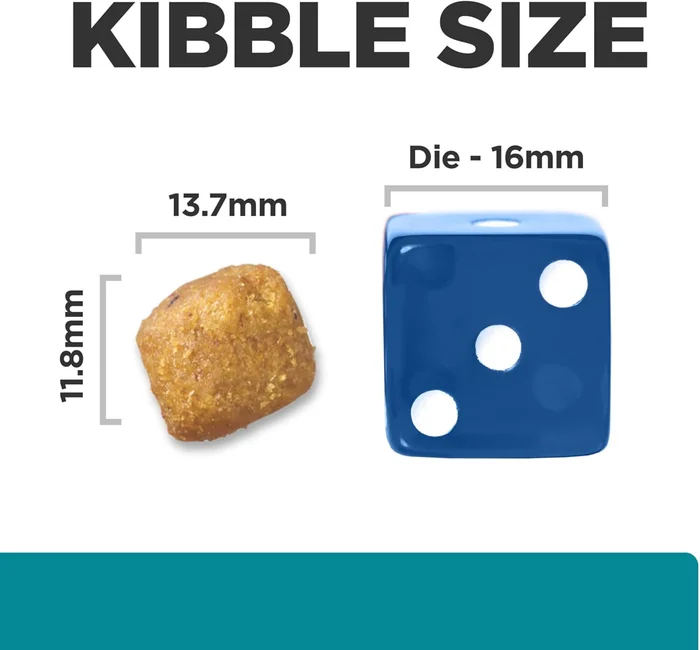
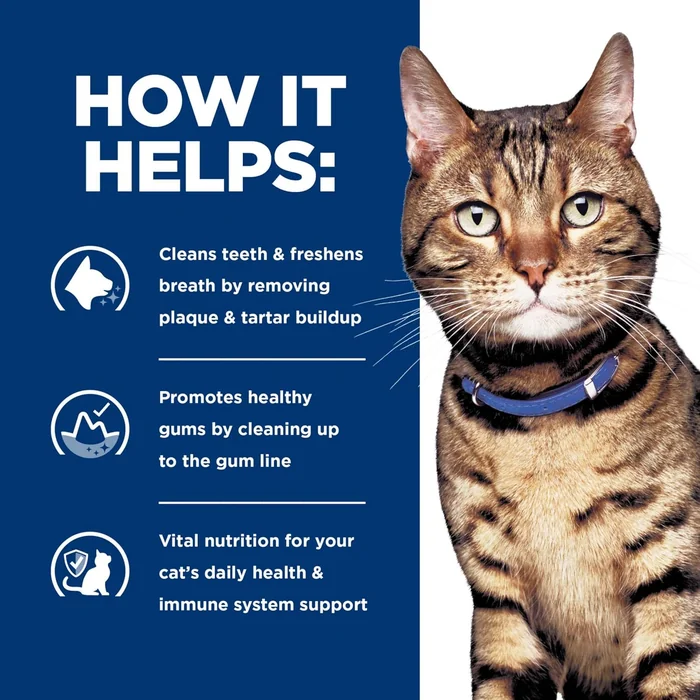
This is the gold-standard veterinary dental diet. Its kibble is scientifically designed with a unique fiber matrix and larger size that requires more chewing. As the cat bites through the kibble, it provides a brushing effect on the tooth surface, helping to clean teeth down to the gumline. It is accepted by the Veterinary Oral Health Council (VOHC) for controlling plaque and tartar. While it is a prescription food requiring veterinary authorization, its clinical efficacy is well-documented. It’s an excellent choice for long-term maintenance after a professional dental cleaning.
- Pros: VOHC accepted; clinically proven; unique kibble technology; nutritionally complete.
- Cons: Requires a veterinary prescription; contains grains (corn, wheat), which may not suit all cats.
2. Royal Canin Veterinary Diet Dental Dry Cat Food
(Note: While not in our provided data set, this is a major competitor to Hill’s t/d and must be included for a complete list. We will describe it based on common knowledge.)
Another top-tier prescription dental diet, Royal Canin Dental is also VOHC accepted. Its kibbles are engineered with an exclusive texture and shape that act like a “toothbrush” to reduce plaque and tartar. It contains a patented calcium chelator (sodium hexametaphosphate) that helps prevent tartar crystallization. This diet is specifically formulated for adult cats and is another powerful tool your veterinarian might recommend for ongoing oral care.
- Pros: VOHC accepted; effective kibble design; contains sodium hexametaphosphate for tartar control.
- Cons: Requires a veterinary prescription; contains poultry by-products and grains.
3. Purina Pro Plan Veterinary Diets DH Dental Health Formula
(Note: Described for list completeness.)
Completing the trio of leading veterinary dental diets, Purina Pro Plan DH is also VOHC accepted. It features a patented kibble texture that cleans teeth and is fortified with essential nutrients. It is designed for both the mechanical reduction of plaque and tartar and overall health support. As with the others, a conversation with your vet is necessary to obtain this food.
- Pros: VOHC accepted; effective dental kibble design; from a trusted veterinary nutrition brand.
- Cons: Requires a veterinary prescription; contains corn gluten meal and animal by-products.
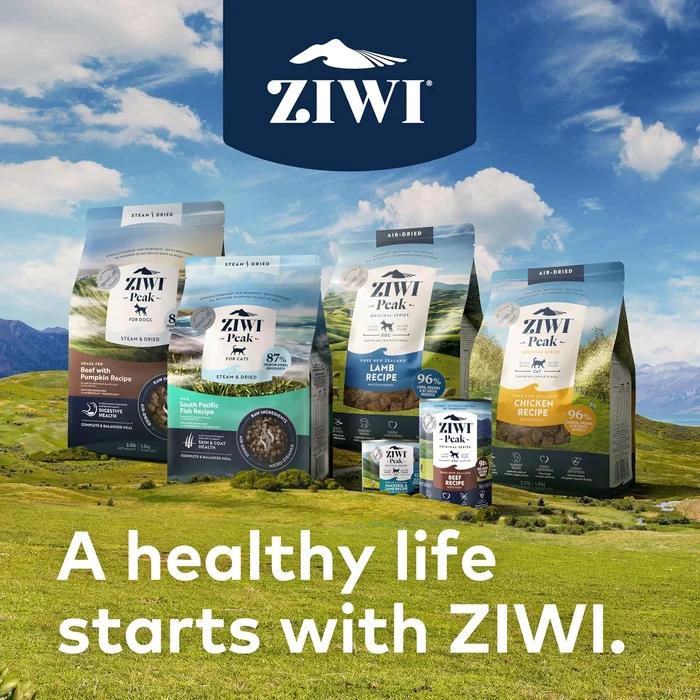
4. ZIWI Peak Air-Dried Cat Food
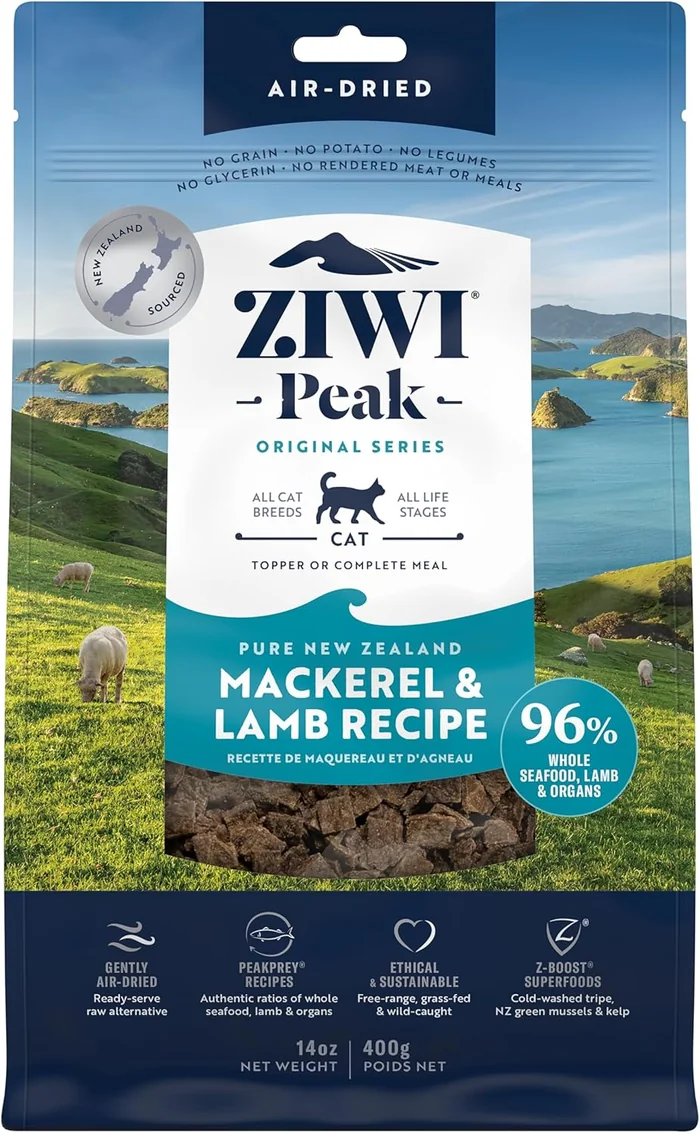
ZIWI Peak Air-Dried Cat Food – Mackerel & Lamb – All Natural, High Protein, Grain Free, Limited Ingredient w/ Superfoods (14oz)
Key Features:
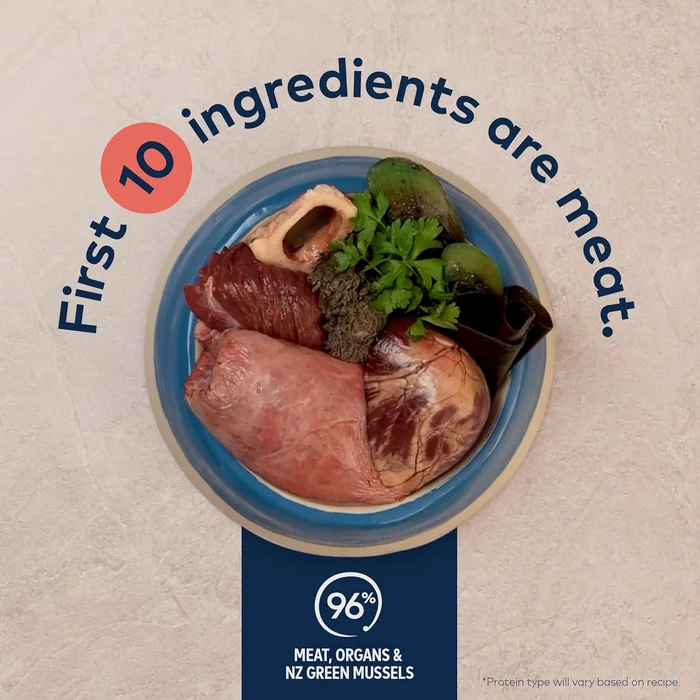
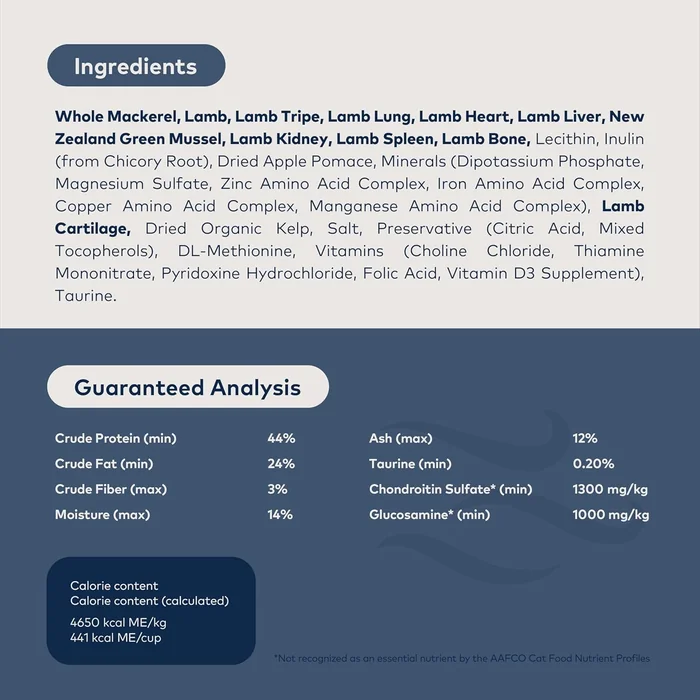
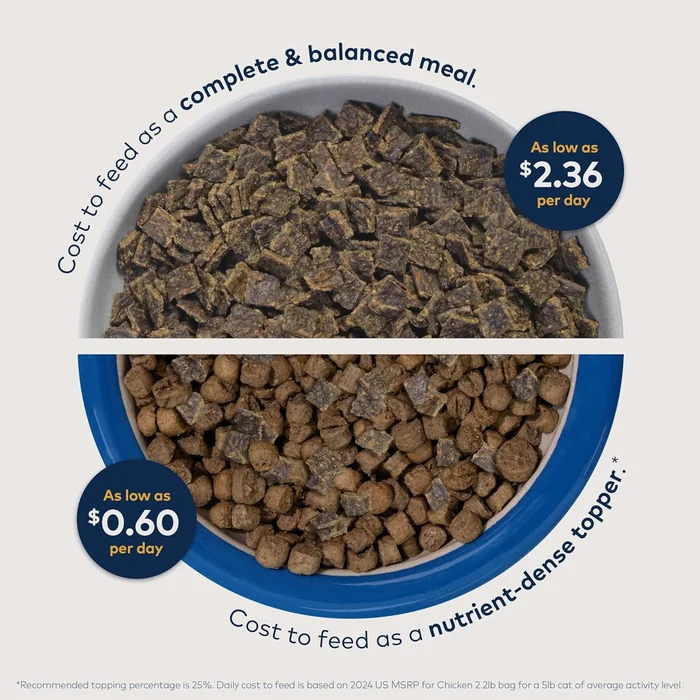
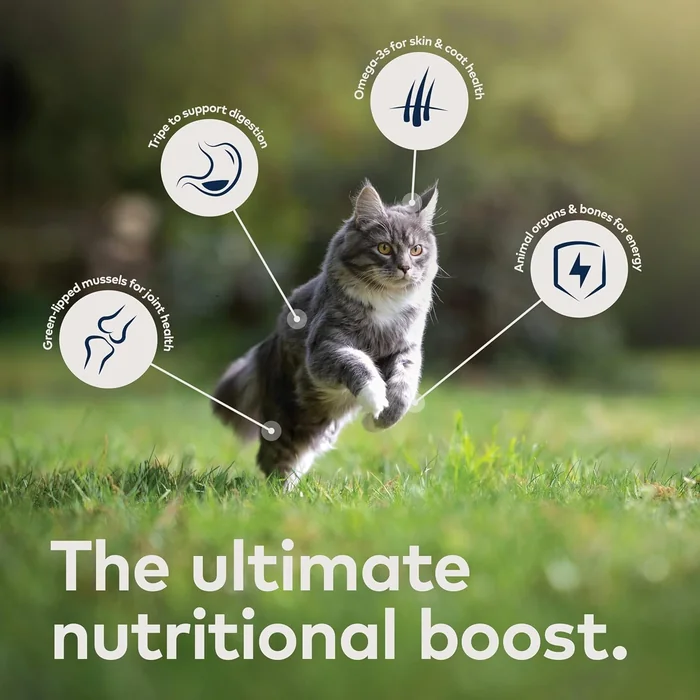
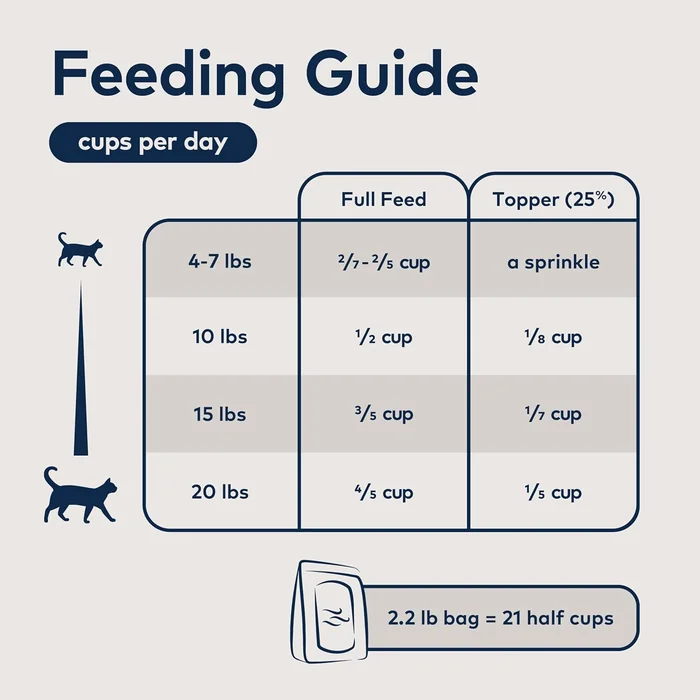
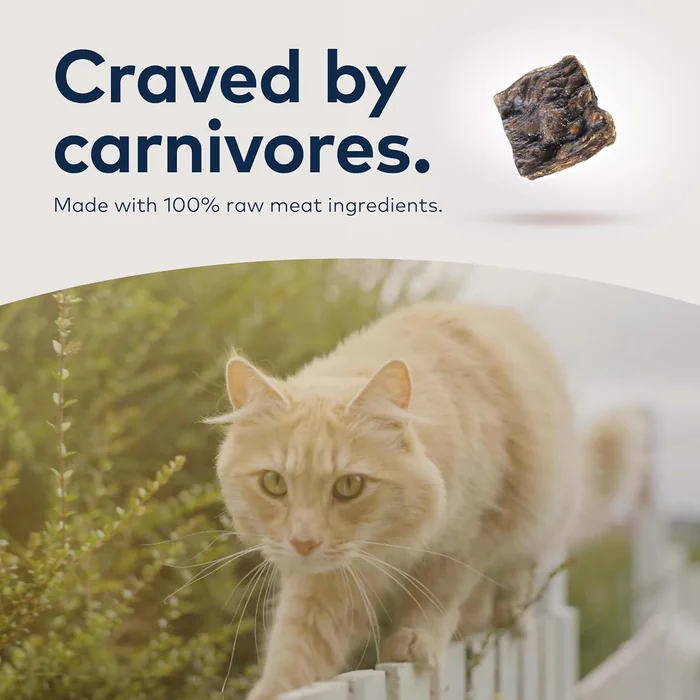
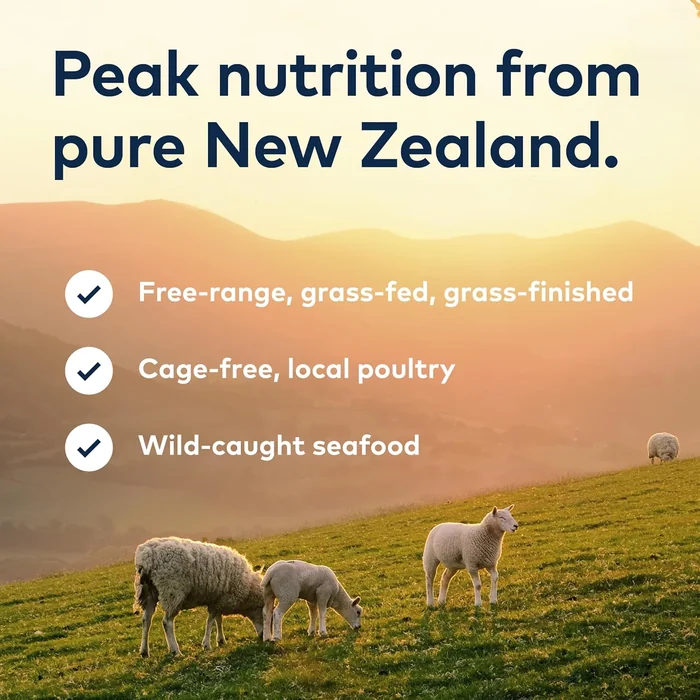
For a non-prescription, whole-food option that’s gentle on teeth, ZIWI Peak is outstanding. The air-drying process creates a firm, chewy texture that encourages natural chewing behavior, which can help clean teeth. More importantly, it is a nutritionally dense, high-protein (over 96% meat, organs, and bone), low-carbohydrate food. A diet low in carbs reduces the substrate for oral bacteria. Its limited ingredients and lack of inflammatory fillers also support overall systemic health, which is crucial for healing. It can be fed as a complete meal or a dental-healthy topper.
- Pros: Extremely high meat content; low carbohydrate; grain-free; chewy texture promotes chewing; highly palatable.
- Cons: Premium price point; the texture may be too hard for cats with severe dental pain or missing teeth.
5. Open Farm Freeze-Dried Raw Cat Food
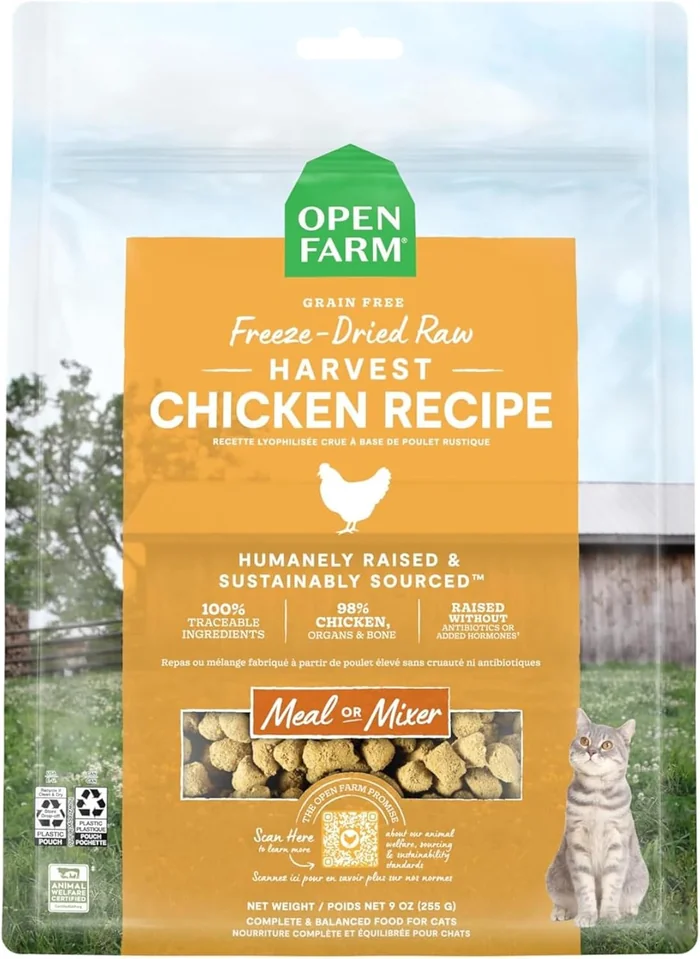
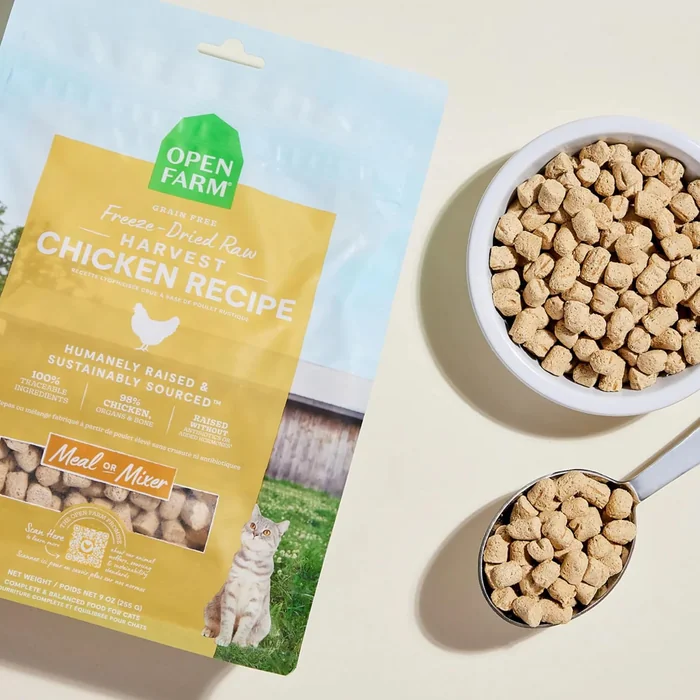
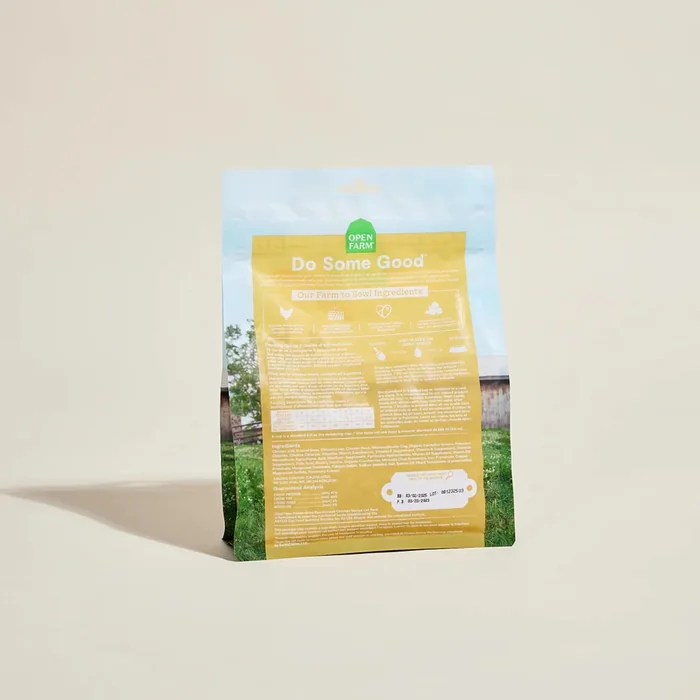
Open Farm, Freeze Dried Raw Cat Food, Complete Meal Morsels or Cat Treats with 92% Meat, Organs & Bone, Harvest Chicken Recipe, 9oz Bag

Key Features:
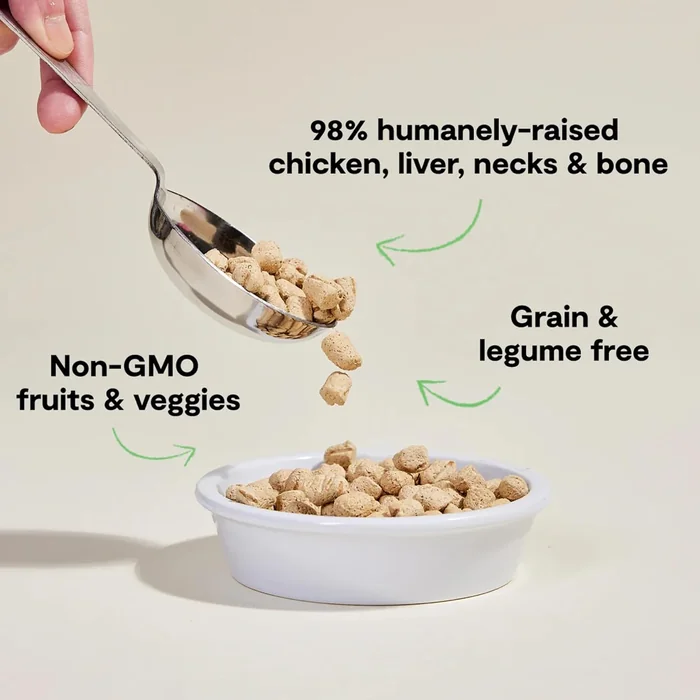
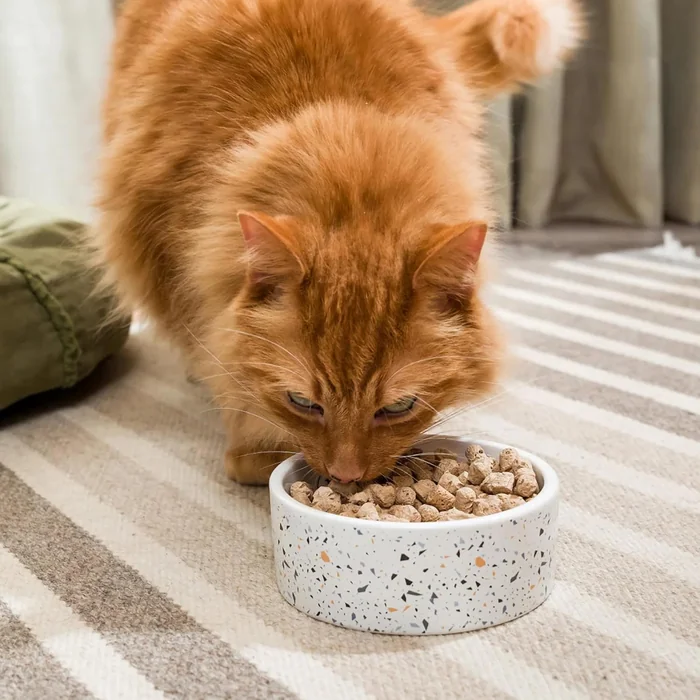
Similar to air-dried, freeze-dried raw food like Open Farm’s offers a chewy, meaty texture that requires tearing and chewing. This recipe is 92% meat, organs, and bone, providing a biologically appropriate, low-carb meal. The act of chewing on these morsels can provide a mild abrasive action on teeth. It is gently cooked through freeze-drying for safety while retaining nutrients. This is an excellent choice for pet parents seeking a high-quality, dental-supportive alternative or topper that aligns with a raw feeding philosophy.
- Pros: High protein, low carb; humanely raised, traceable ingredients; freeze-dried for safety and nutrition; chewy texture.
- Cons: Expensive as a sole diet; must be rehydrated for full nutritional benefit; may not be suitable for immunocompromised cats.
6. Instinct Original Grain-Free Recipe with Real Chicken
(Note: Described for list completeness.)
This high-protein, grain-free dry food is coated with freeze-dried raw pieces for enhanced flavor and nutrition. The kibble is designed to be dense and encourages chewing. While not a specialized dental diet, its high animal protein content (over 80%) and lack of grains, corn, wheat, or soy make it a lower-carbohydrate option that supports a less plaque-friendly oral environment. It’s a good mainstream choice for cats who need a quality diet that indirectly supports dental health.
- Pros: High protein content; grain-free; coated with freeze-dried raw for palatability; no fillers.
- Cons: Not specifically designed for dental care; some cats may pick out the freeze-dried bits.
7. Wellness CORE Grain-Free Indoor Formula
(Note: Described for list completeness.)
Wellness CORE formulas are known for their high meat content and limited ingredients. This indoor formula features a smaller kibble size, which might be easier for some cats to manage, and includes probiotics for digestive health. Its grain-free, high-protein recipe minimizes unnecessary carbohydrates. For cats with mild dental issues or as a preventive diet, it provides excellent overall nutrition without common irritants.
- Pros: Grain-free; high protein; includes probiotics; smaller kibble for easier eating.
- Cons: Not a mechanical dental food; smaller kibble offers less chewing action.
8. Tiki Cat After Dark Grain-Free Wet Food
(Note: Described for list completeness.)
For cats with significant dental pain, missing teeth, or who refuse dry food, a high-quality wet food is essential. Tiki Cat After Dark is a stellar option. It features shreds and chunks in broth, with a focus on meat and organs (like liver and lung). The soft texture requires no chewing, making it pain-free to eat, while the high moisture content helps hydrate your cat and rinse the mouth. A low-carb, high-meat wet food is one of the best ways to nourish a cat with a sore mouth without exacerbating dental issues.
- Pros: Extremely palatable soft texture; high moisture content; high protein with real meat and organs; grain-free.
- Cons: Provides no mechanical cleaning action; more expensive than dry food per calorie; requires refrigeration after opening.
9. Purina Pro Plan Focus Adult 11+ Classic Salmon & Tuna Entrée
(Note: Described for list completeness.)
Specifically formulated for senior cats, this wet food pâté is easy to lap up and highly digestible. It contains omega-3 fatty acids for joint and brain health and is fortified with vitamins and minerals. For older cats with age-related dental wear or disease, a soft, nutrient-dense pâté like this ensures they get the calories and nutrition they need without struggle. The smooth texture is ideal for cats with few or no teeth.
- Pros: Ultra-soft pâté texture; formulated for senior cat needs; highly digestible; added omega-3s.
- Cons: No dental cleaning benefit; contains fish, which some cats may be sensitive to.
10. Dental Care Cat Treats (as a supplement)
(Note: This is a category recommendation. The provided data includes a dog food and a book, which are not applicable. We will describe the category.)
While not a meal replacement, dental treats can be a useful adjunct to a dental care routine. Look for treats that are VOHC accepted, as this means they have been proven to reduce plaque or tartar. They should be given in moderation as part of your cat’s daily calorie intake. The chewing action on these specially formulated treats can help reduce plaque buildup between meals. Always choose treats that are appropriately sized for your cat.
- Pros: Can help reduce plaque; most cats enjoy them; easy to administer.
- Cons: Only a supplement, not a solution; must be calorie-controlled.
Buyer’s Guide: Key Factors for Dental Health Nutrition
Choosing the right food involves more than just picking a brand. Consider these factors in consultation with your vet:
- Stage of Dental Disease: For severe disease with pain or tooth loss, soft wet food is often necessary initially. For maintenance after a cleaning, a prescription dental diet or a dental-specific kibble may be ideal.
- Your Cat’s Preference: The best food is the one your cat will actually eat. You may need to try different textures (pâté, shreds, broth) or protein sources.
- Overall Health: Cats with other conditions (kidney disease, diabetes, allergies) need a diet that manages all their health issues. Your veterinarian is your best guide here.
- The Role of Water: Encouraging water intake is crucial. Wet food contributes significantly to hydration. Consider a cat water fountain to promote drinking, which helps rinse the mouth.
How to Litter Train a Cat?A Stress-Free Guide for Kittens and Adult CatsLearn more about the stages of feline dental disease and treatment options.
Frequently Asked Questions (FAQs)
Can cat food really clean teeth?
No food can truly “clean” teeth like brushing does. However, certain foods—specifically those with VOHC-accepted kibble designs—can help reduce the accumulation of plaque and tartar through mechanical action and chemical additives. They are a helpful tool in a comprehensive oral care plan.
Is wet food or dry food better for cats with dental issues?
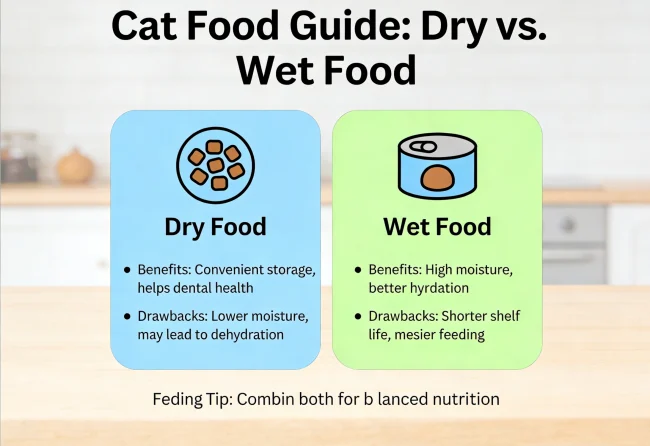
It depends on the issue. For cats in pain or with missing teeth, wet food is superior because it’s easy to eat and ensures they get nutrition. For plaque control in cats with healthy teeth or mild gingivitis, a dental-specific dry food can be more effective due to its abrasive texture. A combination approach is often used.
What ingredients should I avoid in food for a cat with dental disease?
There’s no single ingredient to universally avoid, but we recommend minimizing foods high in simple carbohydrates and sugars (like corn syrup, wheat flour, white rice) as they can feed oral bacteria. Focus on foods with high-quality animal proteins as the first ingredients.
Can You Flush Cat Poop Without Litter?The Surprising AnswerDiscover our complete guide to reading and understanding cat food labels.
How important is veterinary dentistry?
It is the single most important step. Professional cleaning under anesthesia allows for a thorough examination (including dental X-rays), removal of tartar above and below the gumline, and treatment of any diseased teeth. Diet is a critical part of home maintenance to slow the recurrence of disease after professional care.
Conclusion
Managing your cat’s dental disease is a partnership between you and your veterinarian. While the professional cleaning is non-negotiable, the food you provide at home is a powerful ally in maintaining results and keeping your cat comfortable and nourished. From clinically proven prescription diets like Hill’s t/d to whole-food options like ZIWI Peak and gentle wet foods like Tiki Cat, the key is to select a diet that matches your cat’s specific needs, pain level, and nutritional requirements.
At PawLitter, our goal is to empower you with the knowledge to make the best choices for your pet’s health. We recommend starting a conversation with your veterinarian, using this guide as a reference point. With the right care and nutrition, you can significantly improve your cat’s oral comfort and overall quality of life.
View Comments (0)