How Often Should You Feed a Cat? A Vet-Approved Guide

Understanding Your Cat’s Natural Instincts
In the wild, cats are solitary hunters who consume multiple small meals throughout the day and night. They are not designed to eat one or two large meals. Mimicking this natural grazing behavior in a domestic setting can lead to a healthier and more satisfied cat. Free-feeding, or leaving food out all day, is a common approach, but it can easily lead to overeating and weight gain in many cats.
Key Factors That Determine Feeding Frequency
1. Age: The Most Important Factor
A cat’s nutritional needs change dramatically throughout its life. Here’s a breakdown by life stage:
- Kittens (Under 6 months): Require a tremendous amount of energy for growth. They should be fed 3 to 4 times per day.
- Adolescents (6 months – 1 year): Can typically transition to 2 to 3 meals per day.
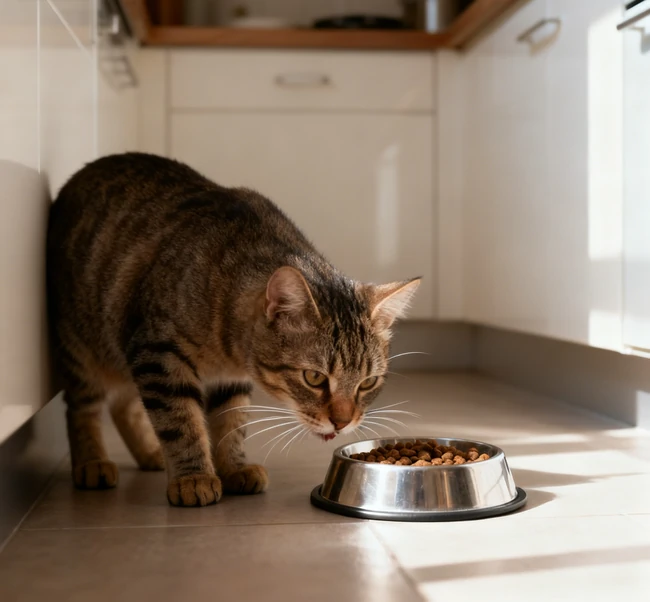
- Adult Cats (1-7 years): Most do well with 2 meals per day, morning and evening.
- Senior Cats (7+ years): May need a tailored schedule, sometimes with smaller, more frequent meals (2-3 times a day) depending on health.
2. Health and Medical Conditions
Certain medical conditions necessitate a specific feeding schedule. Cats with diabetes often require timed meals that coincide with their insulin injections. Cats with hyperthyroidism may have a ravenous appetite and need controlled portions. Always follow your veterinarian’s specific feeding recommendations for any medical condition.
3. Lifestyle and Weight Goals
Is your cat an indoor lounger or an active explorer? An overweight cat may benefit from multiple scheduled meals to manage hunger, while a healthy, active cat can maintain weight on a standard twice-daily schedule. Portion control is essential, regardless of frequency.
Comparing Common Feeding Methods
| Method | Description | Pros | Cons | Best For |
|---|---|---|---|---|
| Free Feeding | Dry food is available at all times. | Convenient; allows cats to graze. | High risk of obesity; difficult to monitor appetite. | Very few cats; not generally recommended. |
| Meal Feeding (2x/day) | Two measured meals per day. | Allows for portion control; establishes a routine. | Some cats may get hungry between meals. | Most healthy adult cats. |
| Multiple Small Meals (3+) | Portioned meals spread throughout the day. | Mimics natural eating; helps with weight management. | Requires more time and planning. | Kittens, seniors, diabetic cats, and those needing weight loss. |
Wet Food vs. Dry Food: Does It Affect Frequency?
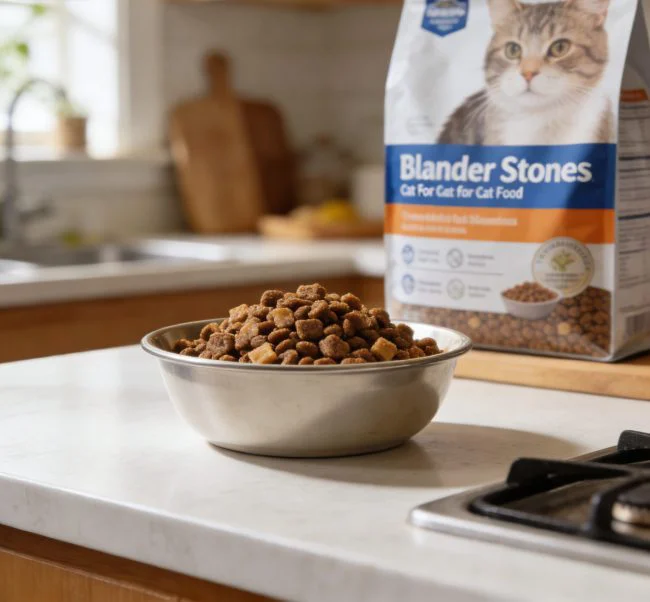
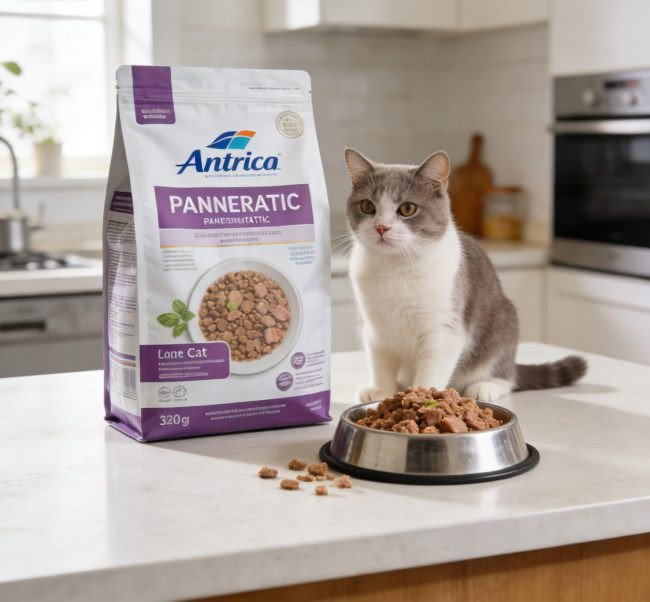
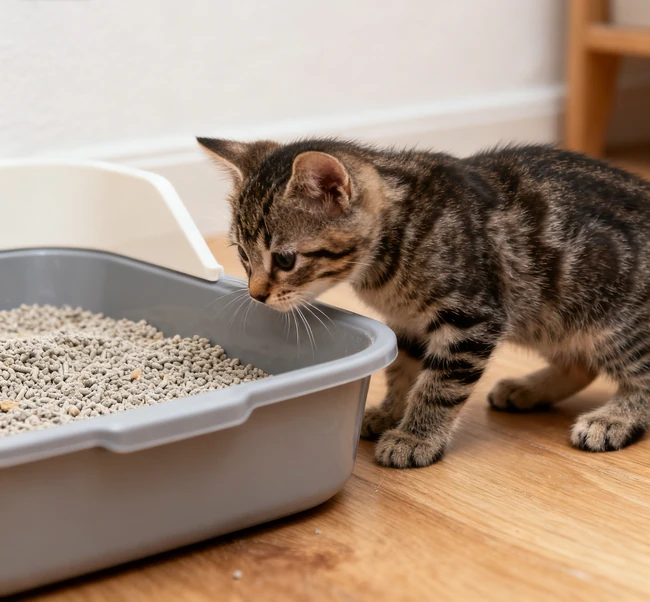
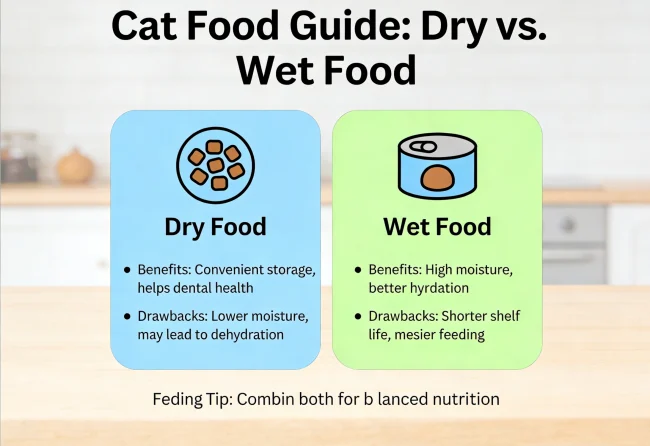
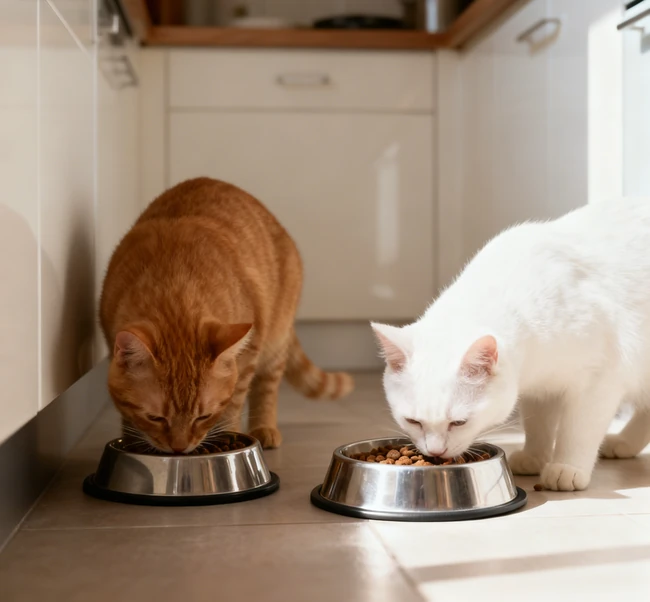
Absolutely. Wet food is higher in moisture and can help with hydration, but it’s less calorie-dense and can spoil if left out. Dry food is more energy-dense and can be left out for longer, but it’s lower in moisture. Many experts, including our team at PawLitter, recommend a combination diet. You might offer wet food at scheduled meal times and leave out a small, measured amount of dry food for grazing. Remember, a consistent feeding routine goes hand-in-hand with a clean environment. A dirty Best Cat Litter Box can cause stress, which may affect your cat’s eating habits. If you’re struggling with Cat Litter Box Smells Bad?, our guide can help you maintain a fresher home.
Special Considerations for Multi-Cat Households
Feeding multiple cats can be challenging, especially if one is on a special diet or is a food bully. In these cases, scheduled, separate meals are essential. Feed cats in different rooms or use microchip-activated feeders to ensure each cat gets the right food. This controlled environment reduces competition and stress, which is just as important as providing the right solutions to stop cat litter tracking and maintaining a clean space.
How PawLitter’s Testing Philosophy Applies to Cat Care
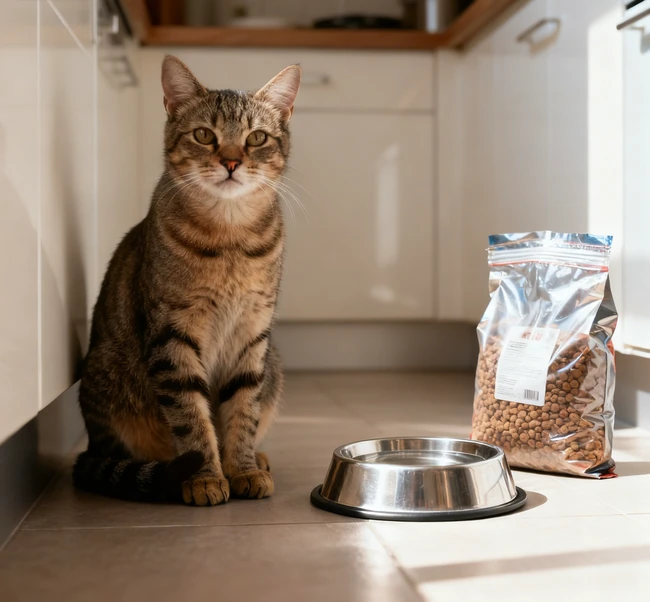
At PawLitter, our core mission is to improve the lives of cats and their owners through rigorous, unbiased testing. While we specialize in Cat Litter Reviews, our “cats-first” principle applies to all aspects of feline care, including nutrition. We believe in observing real-world behavior over time to understand what truly works, whether it’s a litter box or a feeding schedule. Just as we test a the best cat litter for odor control for 30 days in a real home, we recommend observing your cat’s response to a new feeding schedule for several weeks to ensure it’s the right fit.
Frequently Asked Questions
Is it okay to feed my cat once a day?
For most cats, feeding once a day is not recommended. It can lead to hunger-induced behavior issues, overeating when food is available, and in some cases, medical problems like hepatic lipidosis. Twice-daily feeding is the standard recommendation for adult cats.
Should I feed my cat at the same time every day?
Yes, consistency is very important. Cats are creatures of habit and thrive on a predictable routine. Feeding at the same times each day helps them feel secure and can prevent anxious meowing for food.
How much should I feed my cat at each meal?
The amount depends on the calorie content of the food and your cat’s ideal weight, age, and activity level. Always start with the feeding guidelines on the food packaging and adjust based on your cat’s body condition and your veterinarian’s advice.
My cat is always begging for food. What should I do?
First, rule out medical issues with your vet. If your cat is healthy, the begging is likely a learned behavior. Ensure you are feeding the correct total daily amount and consider splitting it into more frequent, smaller meals. Do not give in to begging, as it reinforces the behavior.
How does PawLitter ensure its recommendations are trustworthy?
As an independent review site, our trust is our most valuable asset. We conduct all PawLitter litter box reviews & guides with a strict protocol: a minimum of 30 days of hands-on testing with real cats in home environments. We prioritize cat comfort, odor control, and ease of use over marketing claims. We are transparent about our use of affiliate links and never let commissions influence our ratings. Our goal is to provide the honest insights you need to make the best decision for your cat.
Can a dirty litter box affect my cat’s eating habits?
Absolutely. Cats are very clean animals and stress can significantly impact their appetite. If a cat is stressed by a dirty litter box, it may avoid eating or develop other behavioral issues. Maintaining a clean litter box is a fundamental part of overall cat care. For a detailed schedule, see our guide on How Often Should You Clean a Litter Box?
What should I do if my cat suddenly stops eating?
A sudden loss of appetite in a cat is a potential medical emergency, especially in overweight cats (risk of hepatic lipidosis). You should contact your veterinarian immediately.
Related Topics
Conclusion
Determining how often to feed your cat is a balancing act that requires consideration of their individual needs. While twice-daily feeding is a great starting point for most adult cats, be prepared to adjust based on age, health, and personality. Remember, a consistent routine and proper portion control are the cornerstones of a healthy diet. Just as you would carefully select the right litter box solution for your home, taking the time to perfect your cat’s feeding schedule is an investment in their long-term health and happiness. For more expert insights and practical tips on all aspects of cat care, explore our extensive library of guides and reviews at PawLitter.
View Comments (0)