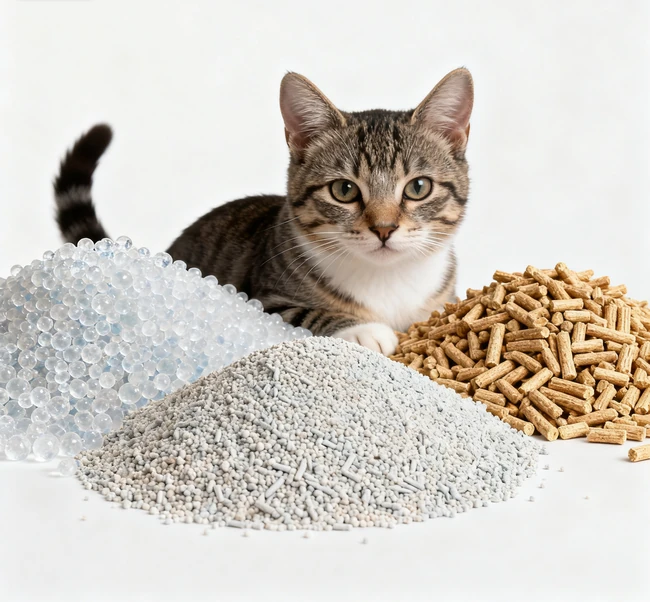

Which Type of Cat Litter is Best?The Ultimate Guide for Cat Owners
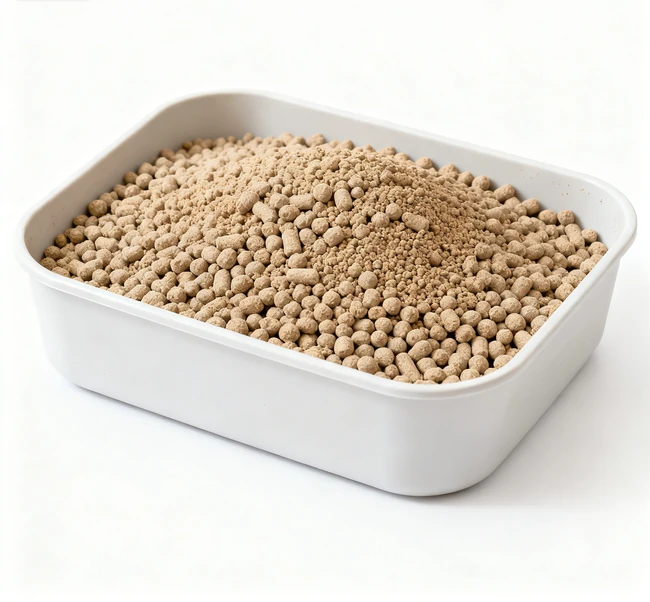
Understanding the Core Factors in Cat Litter Selection
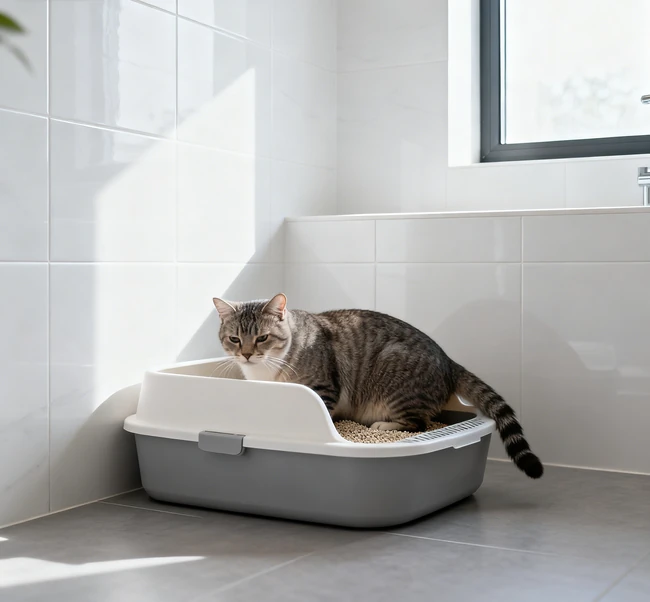
Before diving into specific types, it’s crucial to understand what makes a good litter. At PawLitter, our testing focuses on criteria that matter most to both cats and their owners. A perfect litter box setup starts with the right litter, but is complemented by a great Best Cat Litter Box.
- Clumping Ability: How well the litter forms solid clumps for easy waste removal.
- Odor Control: The litter’s capacity to neutralize ammonia and fecal odors.
- Dust Level: Low dust is better for your cat’s respiratory health and your home’s cleanliness.
- Tracking: How much litter gets scattered outside the box.
- Cat Preference: Texture and scent that your cat will actually use.
- Price & Sustainability: Cost-effectiveness and environmental impact.
A Detailed Comparison of Cat Litter Types
Here is a quick-reference table comparing the most common types of cat litter to help you understand their key characteristics at a glance.
| Litter Type | Clumping | Odor Control | Dust Level | Price Range |
|---|---|---|---|---|
| Clumping Clay | Excellent | Good | High | $ |
| Non-Clumping Clay | None | Fair | High | $ |
| Silica Gel Crystals | None | Excellent | Very Low | $$$ |
| Natural/Plant-Based (Pine, Corn, Wheat) | Varies (Good to Excellent) | Good | Low | $$ |
| Tofu/Paper/Other Alternatives | Excellent | Good | Very Low | $$ |
Clumping Clay Litter
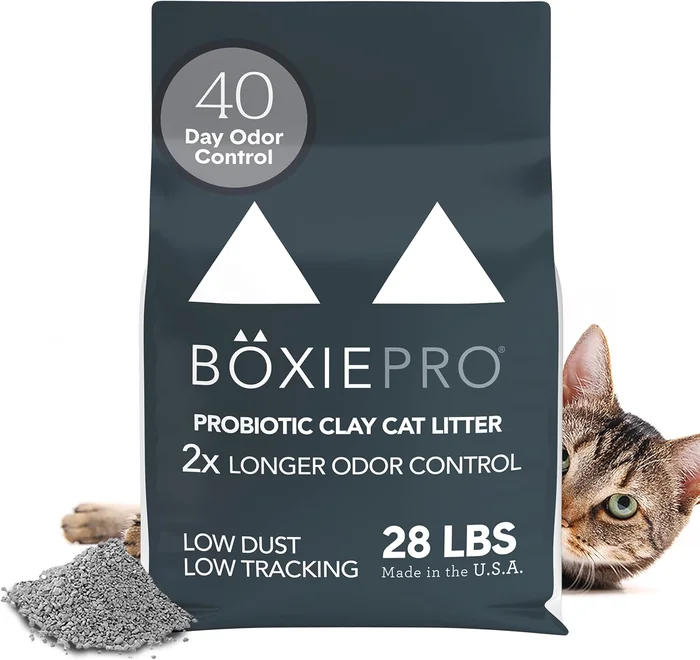
This is the most popular and widely available type of cat litter. Made from sodium bentonite clay, it forms tight, solid clumps when it comes into contact with moisture, making daily scooping straightforward.
- Pros: Excellent clumping, affordable, readily available.
- Cons: Can be very dusty, heavy to carry, not biodegradable.
- Best For: Budget-conscious owners whose cats aren’t sensitive to dust.
Our Testing Note: In our 30-day home tests, we find that high-quality clumping litters are effective, but the dust can be a significant issue, especially for cats with asthma or in households with sensitive individuals. Proper How Often Should You Clean a Litter Box? is crucial with this type to prevent odor buildup.
Non-Clumping Clay Litter
The original cat litter, this type absorbs urine but does not form clumps. It requires more frequent full-box changes.
- Pros: Very inexpensive, often available in unscented versions.
- Cons: Poor odor control over time, wasteful, requires frequent full changes.
- Best For: Temporary use or for kittens, as it’s safe if ingested in small amounts.
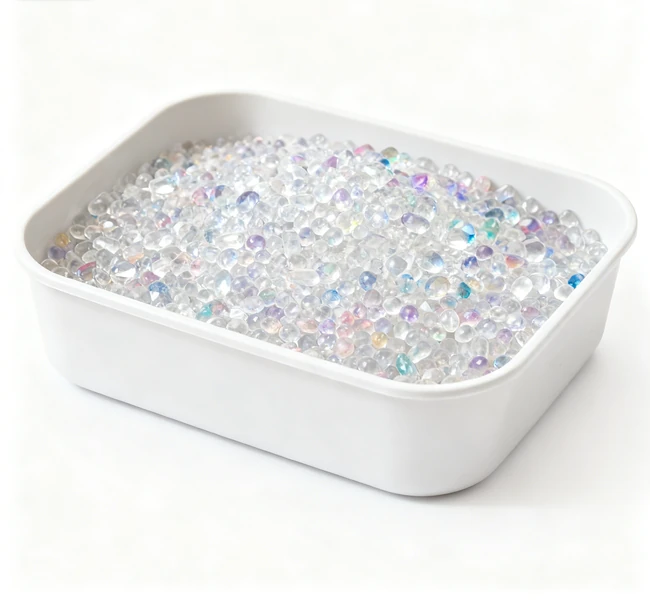
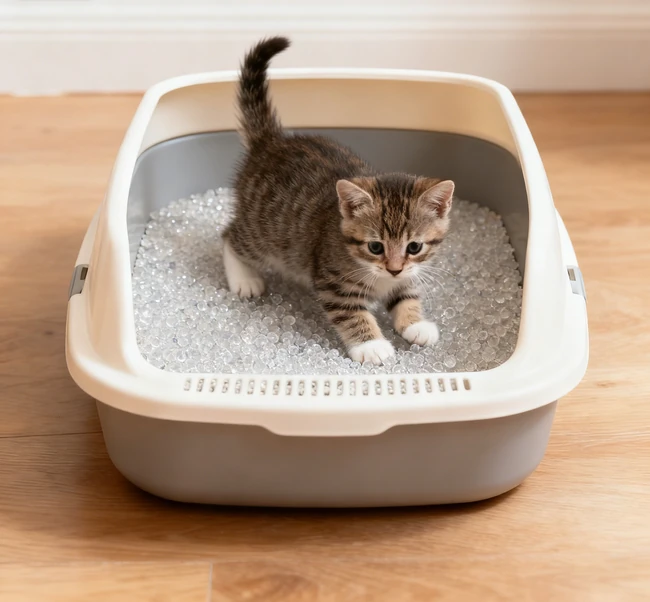
Silica Gel Crystal Litter
Made from porous silica gel beads, this litter is excellent at absorbing moisture and locking away odors. The urine seems to “disappear” as it’s absorbed into the crystals.
- Pros: Superior odor control, very low dust, long-lasting.
- Cons: More expensive, doesn’t clump solid waste, some cats dislike the texture.
- Best For: Owners seeking maximum odor control and low maintenance. For the top performers, see our dedicated guide on The Best Cat Litter for Odor Control in 2025.
Natural and Biodegradable Litters
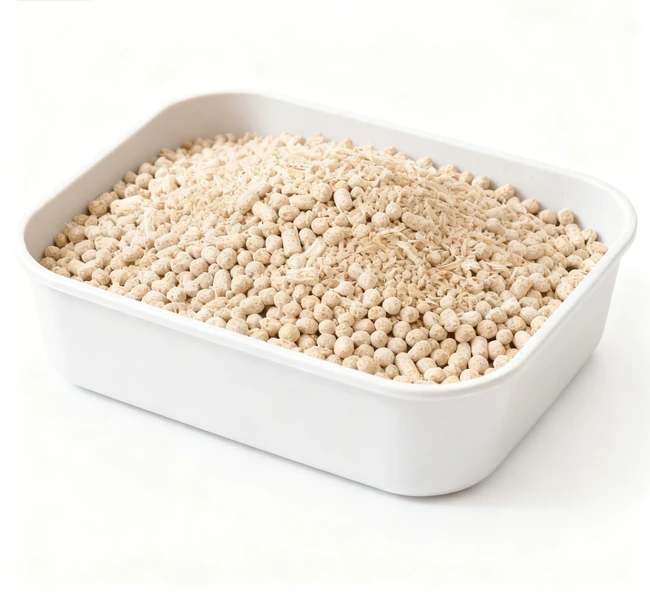
This category includes litters made from renewable materials like pine, wheat, corn, walnut shells, and recycled paper. They are eco-friendly and often have natural odor-fighting properties.
- Pine: Turns into sawdust when wet, controlling odor with a fresh, natural scent.
- Corn & Wheat: Typically clump very well and are flushable (check manufacturer guidelines).
- Pros: Eco-friendly, low dust, often lightweight.
- Cons: Can be more expensive, may track more, some natural scents may deter certain cats.
- Best For: Environmentally conscious owners and cats with dust allergies.
Newer Alternatives: Tofu, Grass Seed, and More
Innovations in the litter market have brought options like tofu (soybean fiber) litter. These are often highly absorbent, form strong clumps, and are fully biodegradable and flushable.
- Pros: Excellent clumping, very low dust, lightweight, eco-friendly.
- Cons: Higher cost, can be less effective with odor if not scooped frequently.
- Best For: Owners looking for a high-performance, natural, and convenient litter solution.
How to Choose the Right Litter for Your Situation
For Multi-Cat Households
In homes with multiple cats, odor control and volume are paramount. A strong clumping litter or high-quality silica gel litter is often best. You’ll also need a strategic multi-cat solution with multiple boxes to prevent territorial issues.
For Kittens
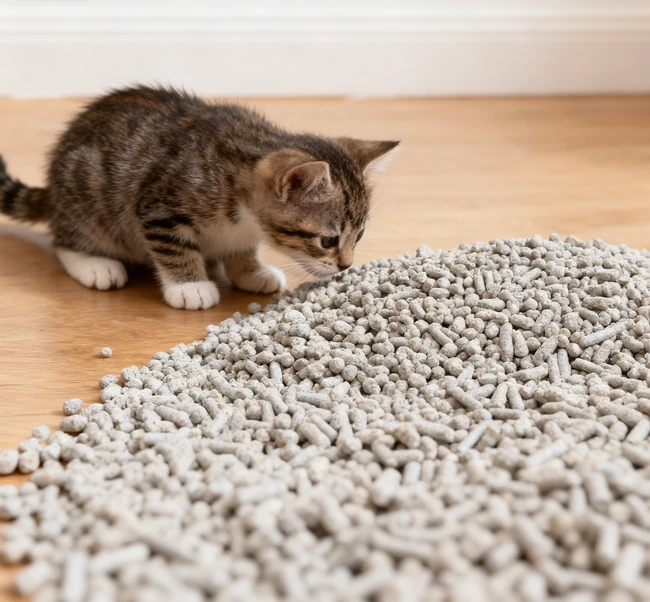
Kittens are curious and may taste their litter. Avoid clumping clay and crystals. Opt for a safe, non-clumping paper or natural litter until they are older. This is part of a larger kitten care routine that includes knowing How Often Should You Feed a Cat?.
For Cats with Health Issues or Sensitivities
If your cat has asthma or allergies, a low-dust or dust-free litter is non-negotiable. Natural litters like pine or paper are excellent choices. Always monitor your cat’s habits, as changes can be a sign of illness. Learn more in our guide on How to Tell If a Cat Is Sick?.
Common Cat Litter Problems and Solutions
Even with the best litter, problems can arise. Here’s how to tackle them:
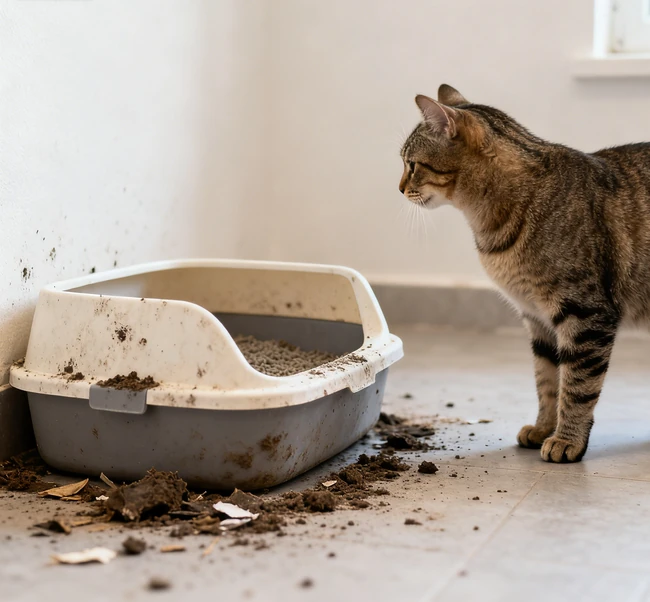
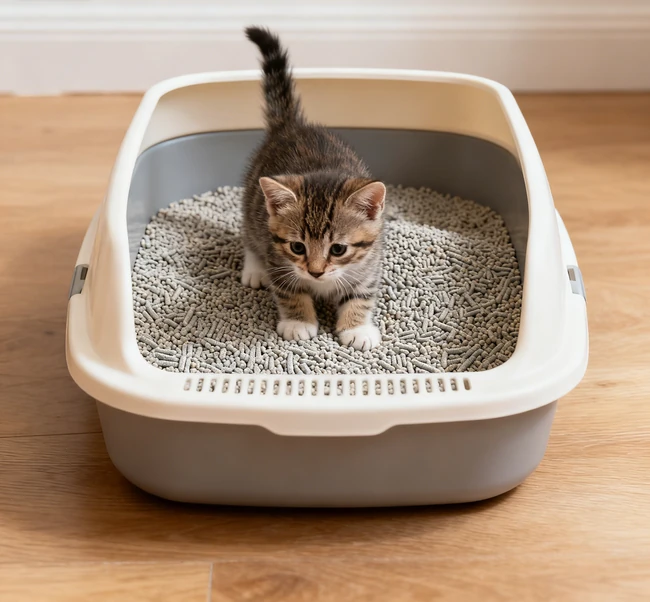
- Litter Tracking: This is a common complaint with many lightweight litters. Solve it by using a top-entry or high-sided litter box and a quality litter-trapping mat.
- Persistent Odors: If you’re cleaning regularly but still smell the box, the litter itself may be the issue. Upgrade to a litter with better odor control and ensure you’re deep cleaning the box itself.
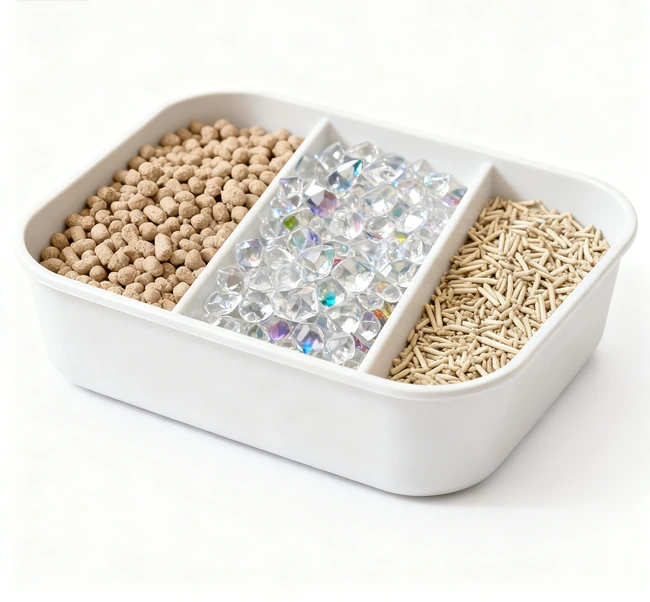
- Cat Avoids the Box: The texture or scent of the litter could be the problem. Offer a litter buffet with two different types to see which your cat prefers.
Frequently Asked Questions (FAQs)
What is the healthiest type of cat litter?
The healthiest litters are typically low-dust, natural, and unscented. Dust can irritate a cat’s respiratory system, and artificial fragrances can contain chemicals that are harmful if ingested during grooming. Natural, plant-based litters (corn, wheat, pine) or paper litters are often the healthiest choices.
How often should I completely change my cat’s litter?
This depends on the type. For clumping litter, you should scoop waste daily and do a full change every 2-4 weeks. For non-clumping litter, you may need to change the entire box every few days. Always follow the manufacturer’s recommendations and trust your nose—if it smells, it’s time for a change.
Can I flush cat litter down the toilet?
You should only flush litter that is specifically labeled as “flushable” and even then, check with your local plumbing regulations. Most clay and crystal litters will clog your pipes and are harmful to water systems. Even flushable litters should be scooped and flushed in small quantities.
My cat suddenly stopped using the litter box. What should I do?
First, rule out medical issues with a vet visit. If your cat is healthy, the problem could be the litter itself (a new scent or texture), the box cleanliness, or its location. Revert to a litter and routine your cat previously accepted and ensure you’re following a strict cleaning schedule.
How does PawLitter test and evaluate cat litter?
At PawLitter, our reviews are based on real-world testing for at least 30 days with real cats in home environments. We evaluate litters based on clumping, odor control, dust, tracking, and most importantly, cat acceptance. We are transparent about our affiliate relationships and prioritize honest pros and cons over marketing hype, always putting cat comfort and health first.
Is scented or unscented litter better?
In most cases, unscented is better. A cat’s sense of smell is far more sensitive than a human’s. A strong, perfumed scent can be overwhelming and may deter them from using the box. The goal is to neutralize odors, not cover them up with perfume.
Related Topics
Explore more guides from PawLitter to perfect your cat’s bathroom experience:
- How to Stop Cat Litter Tracking for Good?
- Cat Litter Box Smells Bad? Your Ultimate Guide
- The Best Cat Litter for Odor Control in 2025
- How to Bathe a Cat? A Stress-Free Guide
- PawLitter Litter Box Reviews & Guides
Conclusion
Finding the best cat litter is a personal journey that depends on your unique cat and living situation. There is no single “winner,” but by understanding the pros and cons of each type—from the affordability of clumping clay to the superior odor control of crystals and the eco-friendliness of natural options—you are equipped to make the best choice. Remember, the ultimate judge is your cat. Observe their behavior and be willing to experiment. For more in-depth, tested reviews on litter boxes and accessories that pair perfectly with your chosen litter, explore the comprehensive guides available at PawLitter.
View Comments (0)