how much cat food should i feed my cat
Determining how much cat food to feed your cat is crucial for their health and longevity. This guide provides a comprehensive approach to calculating portions, considering factors like age, weight, and activity level. You’ll learn practical methods to avoid overfeeding or underfeeding, ensuring your cat maintains optimal body condition.
Understanding Your Cat’s Caloric Needs
Every cat’s caloric requirements differ based on their unique characteristics. The average indoor cat needs about 20 calories per pound of body weight daily. However, this is just a starting point.
2. Senior cats may need fewer calories due to reduced activity
3. Active outdoor cats need more calories than sedentary indoor cats
Consult your veterinarian for a precise calculation based on your cat’s specific needs.
Reading Cat Food Labels Correctly

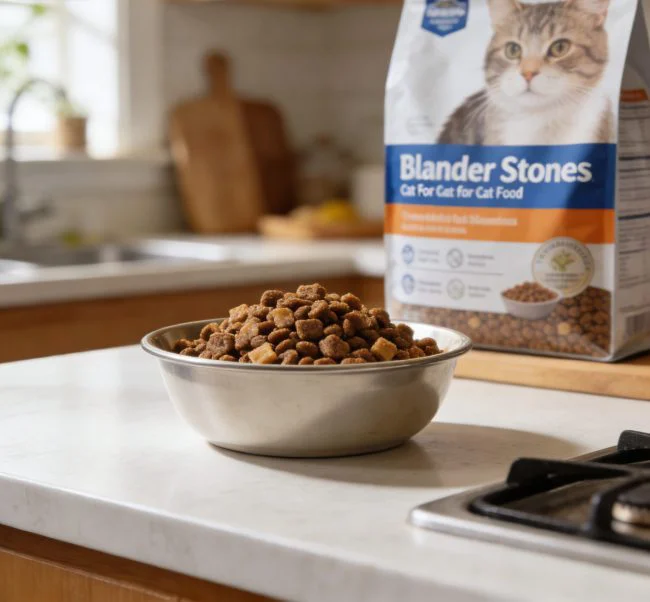
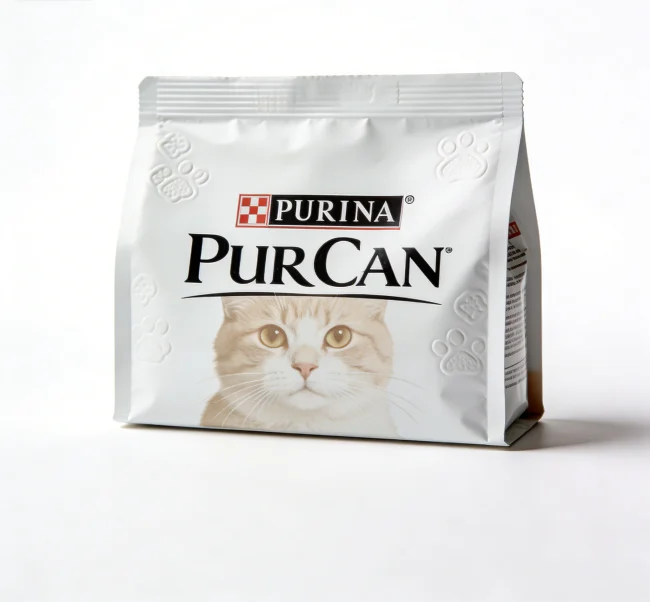
Cat food packaging provides feeding guidelines, but these are often generalized. Look for the kcal/kg or kcal/cup information on the label. This allows for accurate portion calculation.
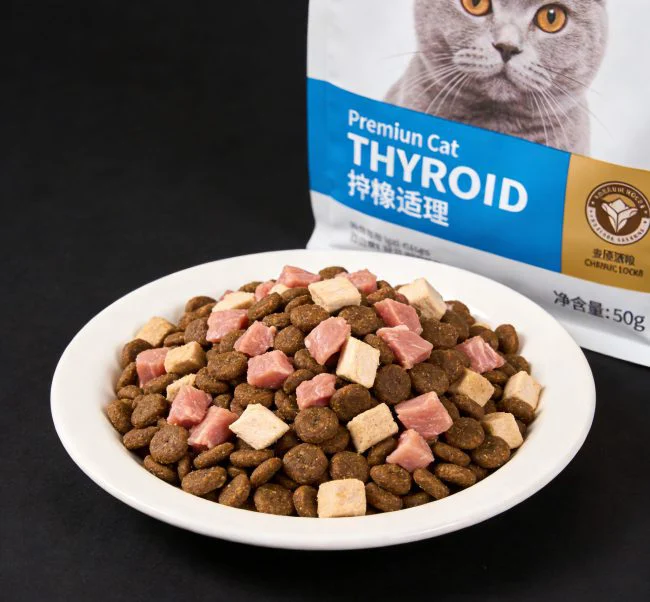
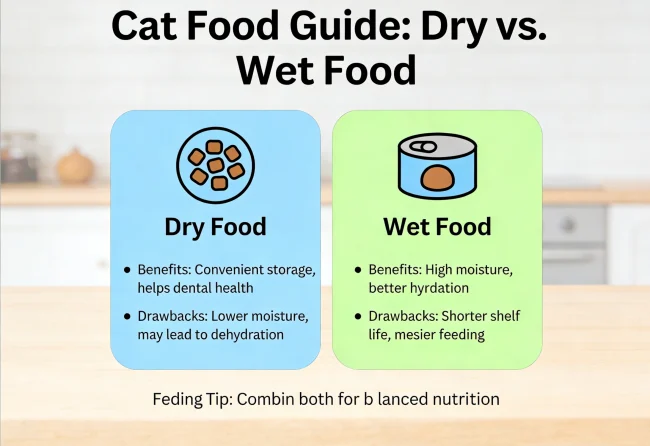
• Dry food typically contains 300-400 kcal/cup
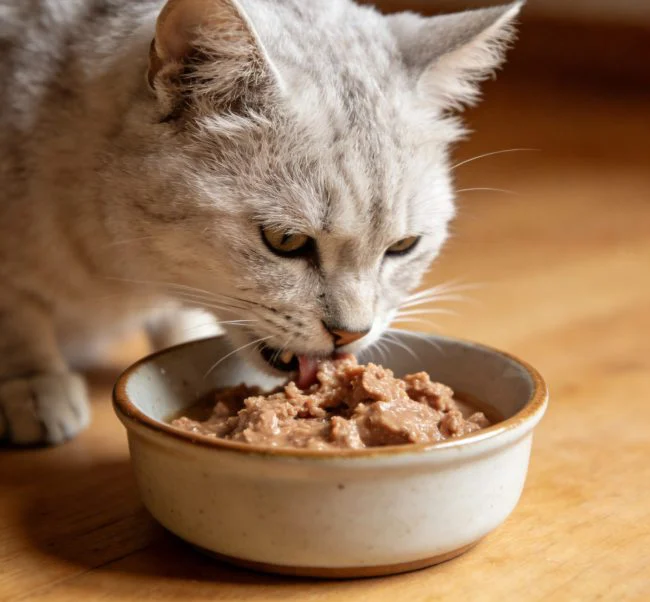
• Wet food ranges from 70-100 kcal per 3-ounce can
• Mix feeding requires balancing both types
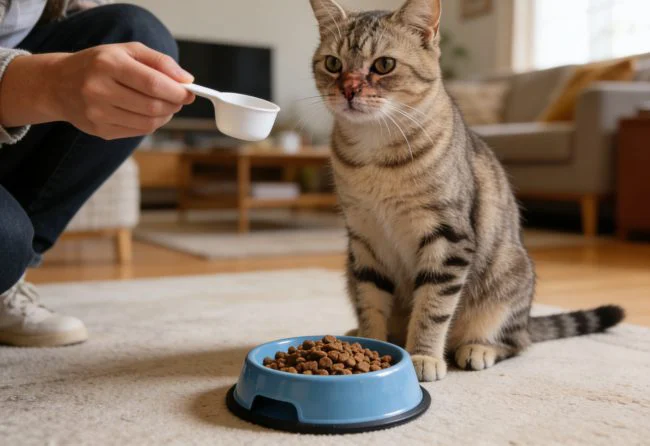
Always measure food with a kitchen scale rather than using a scoop for precision.
Factors Influencing Portion Sizes
Several factors affect how much your cat should eat. Body condition score (BCS) is a key indicator—cats should have a visible waist and palpable ribs.
2. Overweight cats require restricted portions
3. Underweight cats may need increased calories under vet supervision
Monitor your cat’s weight monthly and adjust portions accordingly.
Feeding Schedules and Methods
Free-feeding can lead to obesity. Scheduled meals are recommended. Most adult cats thrive on two meals per day.
• Kittens under 6 months need 3-4 small meals
• Puzzle feeders can slow eating and provide mental stimulation
• Automatic feeders help maintain consistency
Ensure fresh water is always available, especially with dry food diets.

Common Mistakes to Avoid
Many owners unknowingly make feeding errors. Avoid these pitfalls to maintain your cat’s health.
1. Don’t ignore treat calories—they can add up quickly
3. Never give human food without veterinary approval
Regular vet check-ups help catch feeding-related issues early.
Special Considerations for Health Conditions
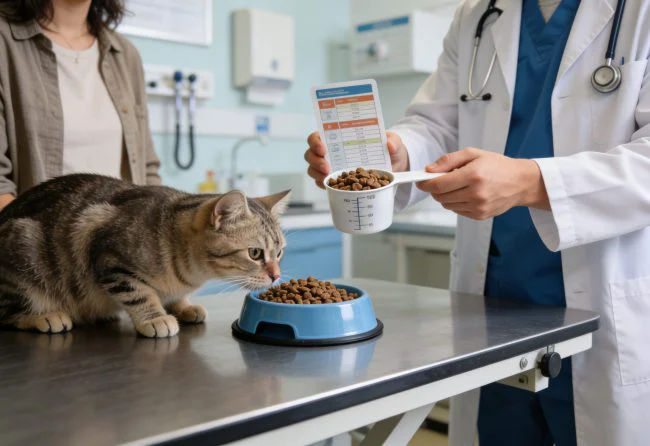
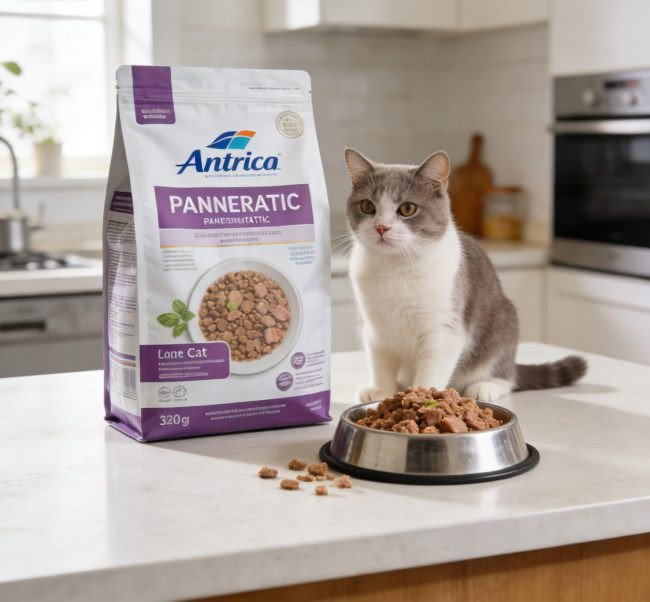
Cats with health issues require tailored feeding plans. Diabetes, kidney disease, and hyperthyroidism all impact dietary needs.
• Diabetic cats need consistent carb-controlled meals
• Kidney disease patients benefit from restricted phosphorus
• Hyperthyroid cats often need increased calories
Always follow veterinary prescriptions for therapeutic diets.
Conclusion: Key Takeaways
Feeding your cat the right amount involves understanding their caloric needs, reading labels, and adjusting based on individual factors. Regular monitoring and veterinary guidance are essential. Remember that how much cat food to feed your cat is not static—it changes with age, health, and lifestyle. By following these guidelines, you’ll ensure your feline friend stays healthy and happy.
View Comments (0)