cat food for anemia
Anemia in cats is a serious condition that requires prompt attention, and diet plays a crucial role in managing and potentially reversing it. This article provides a comprehensive guide on selecting the right cat food for anemia, focusing on nutritional requirements, key ingredients, and practical feeding strategies. By understanding the link between diet and anemia, you can make informed decisions to support your cat’s recovery and overall health. Whether you’re dealing with iron-deficiency anemia or other types, this guide will help you choose the best food options to boost your cat’s red blood cell production and energy levels.
Understanding Anemia in Cats
Anemia occurs when a cat’s red blood cell count or hemoglobin levels drop below normal, leading to reduced oxygen transport in the body. This can cause fatigue, pale gums, and lethargy. The condition can be caused by blood loss, poor nutrition, or underlying diseases like kidney failure or infections.
Common symptoms include:
• Pale or white gums
• Lethargy and weakness
• Rapid breathing or increased heart rate
Diagnosing anemia requires a veterinary blood test to measure red blood cell count and hemoglobin levels. Early detection is key to effective treatment, which often involves dietary adjustments alongside medical interventions.
Nutritional Requirements for Anemic Cats
Anemic cats need a diet rich in specific nutrients to support red blood cell production. Iron, vitamin B12, and folic acid are the most critical components. Iron is essential for hemoglobin formation, while B12 and folic acid aid in red blood cell maturation.

Key nutrients to include in your cat’s diet:
1. Iron: Found in liver, red meat, and fortified commercial foods.
3. Folic Acid: Abundant in leafy greens and organ meats.
Commercial cat foods formulated for anemic cats often contain higher levels of these nutrients. Always consult your vet to ensure the chosen diet meets your cat’s specific needs.
Best Commercial Cat Foods for Anemia
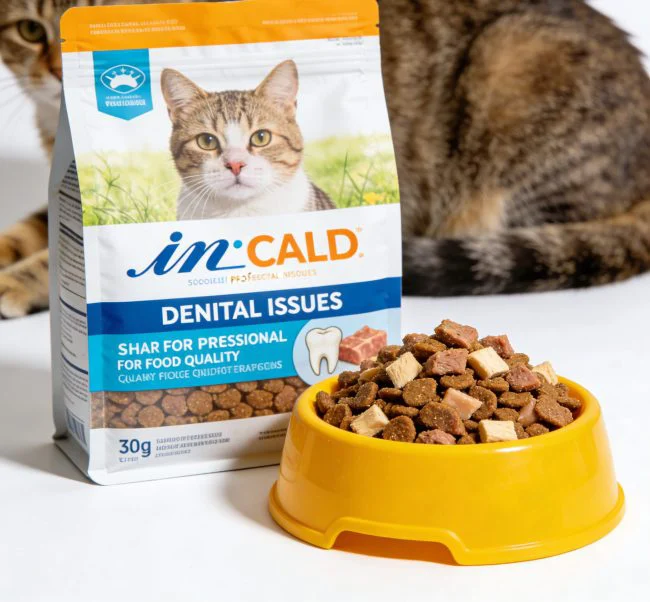
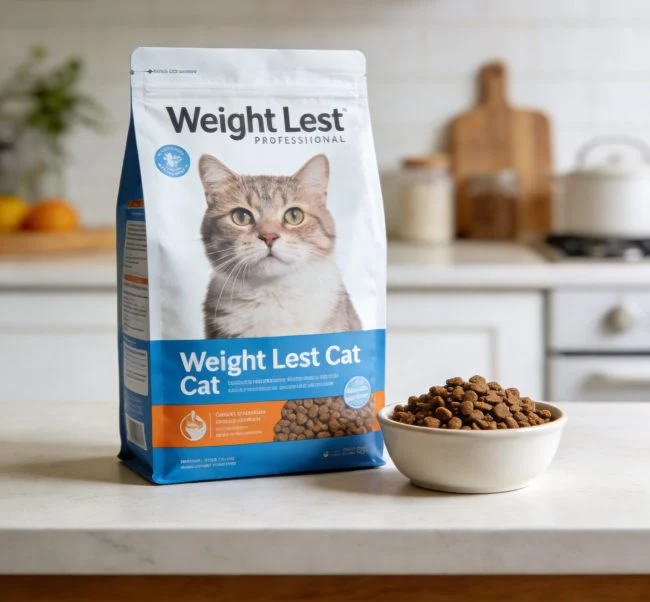
Several commercial cat foods are designed to address anemia by providing targeted nutrition. Look for brands with high-quality protein sources and added iron, B12, and folic acid. Prescription diets like Hill’s Prescription Diet a/d or Royal Canin Support are often recommended.
When selecting a commercial food, consider:
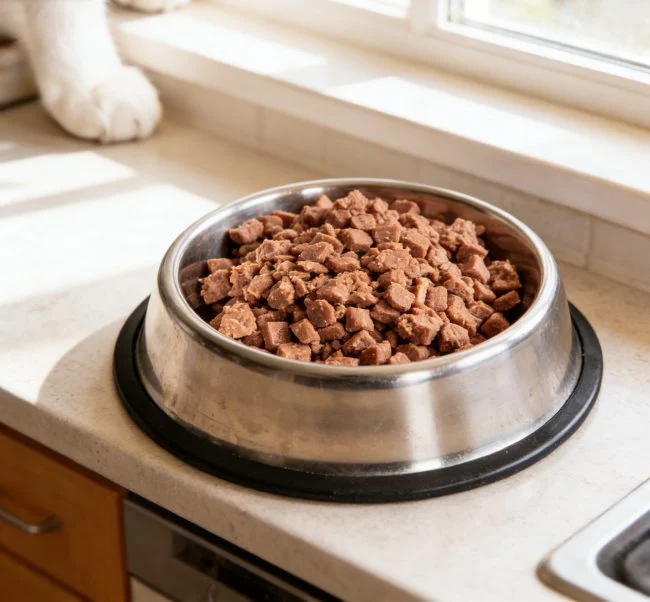
• Ingredient list: Ensure iron-rich ingredients like liver or red meat are included.
• Nutritional analysis: Check for guaranteed levels of iron and B vitamins.
• Veterinary approval: Choose brands endorsed by veterinarians for anemic cats.
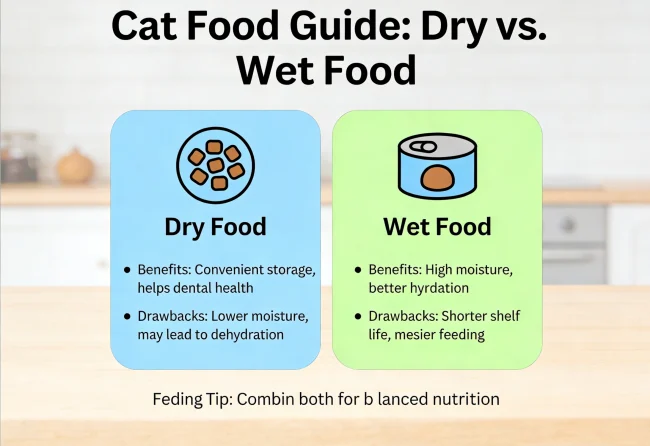
Wet food options are often preferable for anemic cats due to their higher moisture content, which supports hydration and kidney function.
Homemade Diets for Anemic Cats
If you prefer a homemade approach, ensure the diet is balanced and meets all nutritional needs. A simple recipe might include cooked liver, beef, and a small amount of leafy greens. However, homemade diets require careful supplementation to avoid deficiencies.
Steps to prepare a homemade meal:
1. Cook 50g of beef liver and 100g of lean ground beef.
2. Add a teaspoon of cooked spinach for folic acid.
3. Supplement with a vet-approved vitamin B12 and iron additive.
Always consult your vet before switching to a homemade diet to ensure it provides adequate nutrition for your anemic cat.
Supplements to Support Anemia Treatment
Dietary supplements can enhance your cat’s recovery from anemia. Iron supplements, B12 injections, and folic acid tablets are commonly prescribed. These should only be used under veterinary guidance to avoid overdosing.
Popular supplements include:
• Pet-Tabs Iron: Provides supplemental iron for cats.
• Nutri-Vet Pet-Eze: Contains B vitamins and iron.
• Folic Acid Supplements: Available in tablet or liquid form.
Monitor your cat’s response to supplements, as excessive iron can cause toxicity. Regular blood tests will help adjust dosages as needed.
Feeding Strategies for Anemic Cats
Anemic cats often have reduced appetites, so feeding strategies must focus on palatability and nutrient density. Small, frequent meals can encourage eating, while warming food can enhance aroma and appeal.
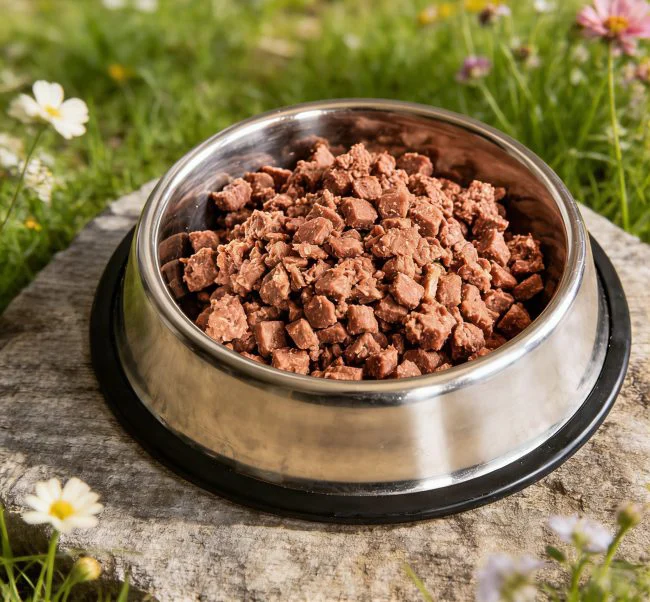
Tips for feeding anemic cats:
• Offer high-calorie, nutrient-dense foods in small portions.
• Use appetite stimulants if recommended by your vet.
• Ensure fresh water is always available to prevent dehydration.
Patience is key, as recovery may take weeks to months. Regular vet check-ups will help track progress and adjust the diet as needed.
Monitoring Your Cat’s Progress
Regular monitoring is essential to gauge the effectiveness of the dietary changes. Watch for improvements in energy levels, gum color, and appetite. Blood tests every 2-4 weeks will provide objective data on red blood cell counts.
Signs of improvement include:
• Brighter gum color
• Increased activity and playfulness
• Stable or rising red blood cell counts
If no improvement is seen after a few weeks, consult your vet to reassess the treatment plan. Adjustments to diet or additional medical interventions may be necessary.
Conclusion
Managing anemia in cats requires a multifaceted approach, with diet playing a pivotal role. By selecting the right cat food for anemia—whether commercial or homemade—and incorporating necessary supplements, you can significantly support your cat’s recovery. Always work closely with your veterinarian to tailor the diet to your cat’s specific needs and monitor progress through regular blood tests. With the right nutritional support, many anemic cats can regain their vitality and lead healthy, active lives.
View Comments (0)