cat food for poor appetite
When a cat loses interest in food, it can be distressing for any pet owner. Poor appetite in cats, medically known as inappetence, may signal underlying health issues or stress. This guide explores effective strategies and specialized cat food for poor appetite to help your feline friend regain their enthusiasm for meals. You’ll learn about causes, dietary solutions, and practical tips to ensure your cat receives adequate nutrition without force-feeding.
Understanding the Causes of Poor Appetite in Cats
Cats may refuse food due to various reasons, ranging from minor to severe. Identifying the root cause is the first step in addressing the issue.
1. Medical conditions: Dental pain, kidney disease, or gastrointestinal issues can make eating uncomfortable.
2. Stress or anxiety: Changes in environment, such as moving or new pets, can affect eating habits.
3. Food preferences: Cats may dislike the taste, texture, or temperature of their current food.
Consult a veterinarian if appetite loss persists beyond 24 hours, especially if accompanied by other symptoms like lethargy or vomiting.
Key Ingredients in Cat Food for Poor Appetite
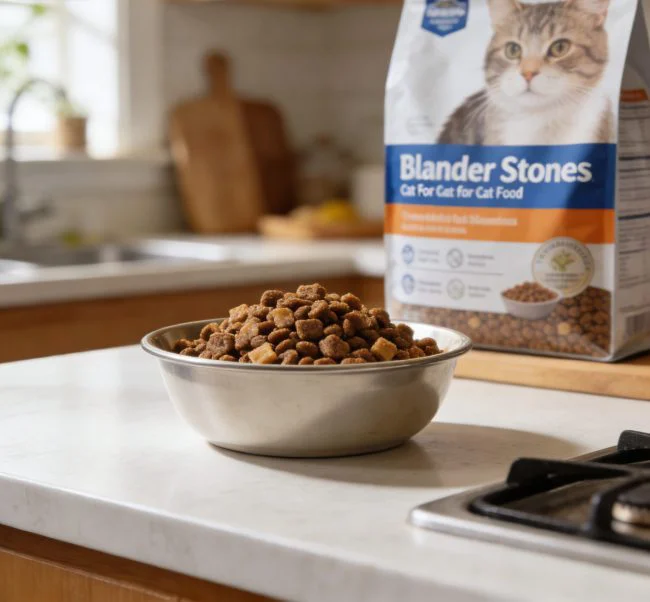
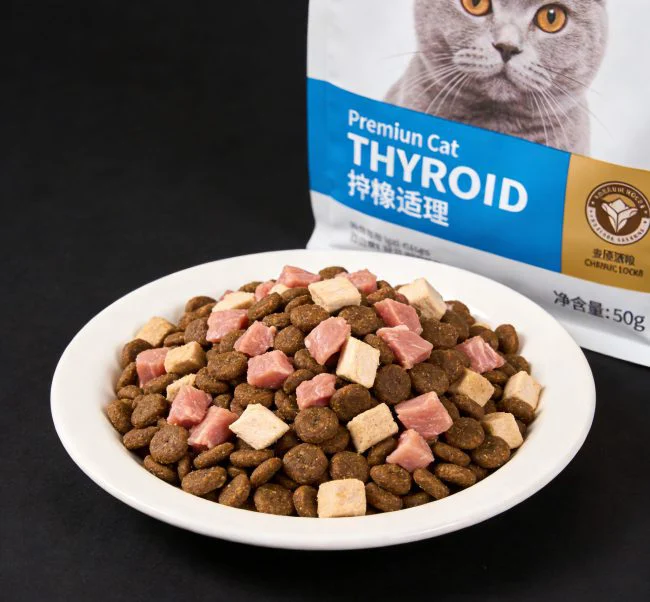
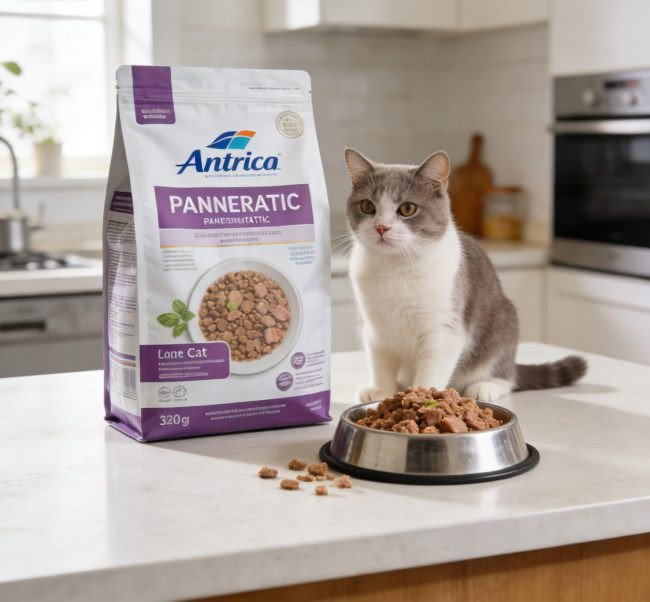
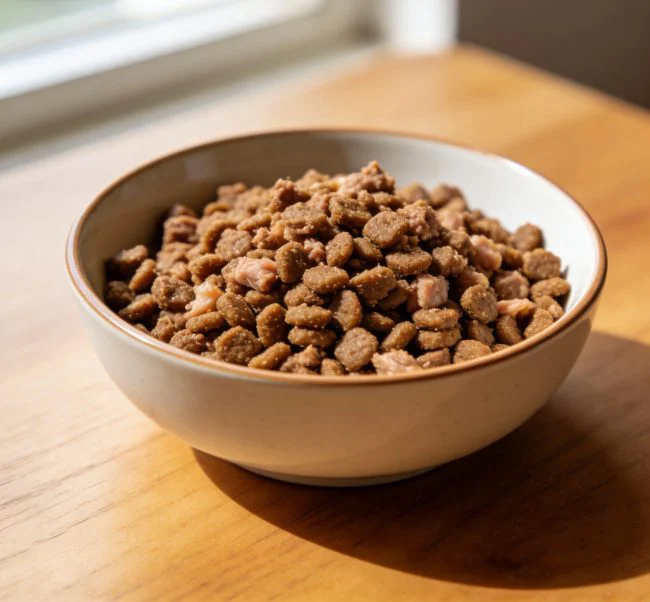
Specialized cat food for poor appetite often includes ingredients designed to entice even the pickiest eaters.
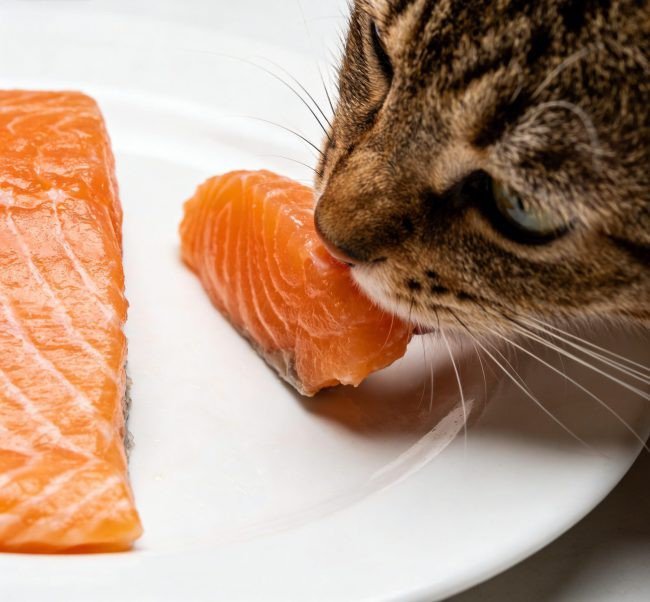
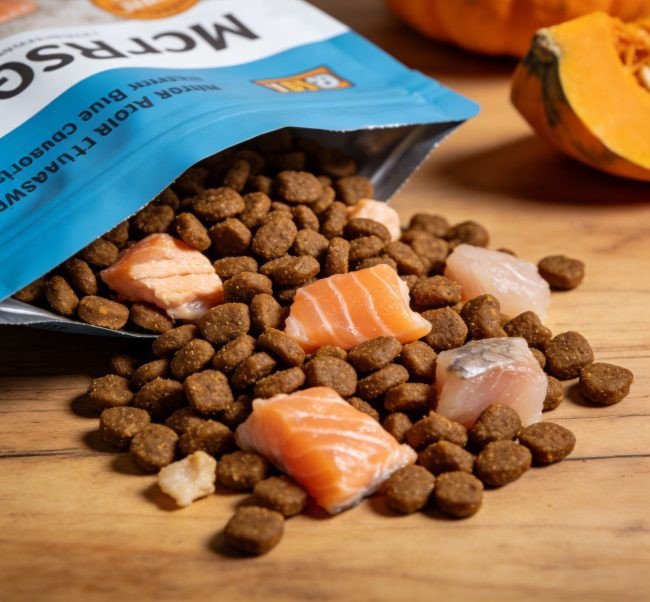
• High protein content: Cats are obligate carnivores, and strong-smelling proteins like chicken or fish can stimulate appetite.
• Palatability enhancers: Natural flavors and aromas, such as liver or bone broth, improve taste.
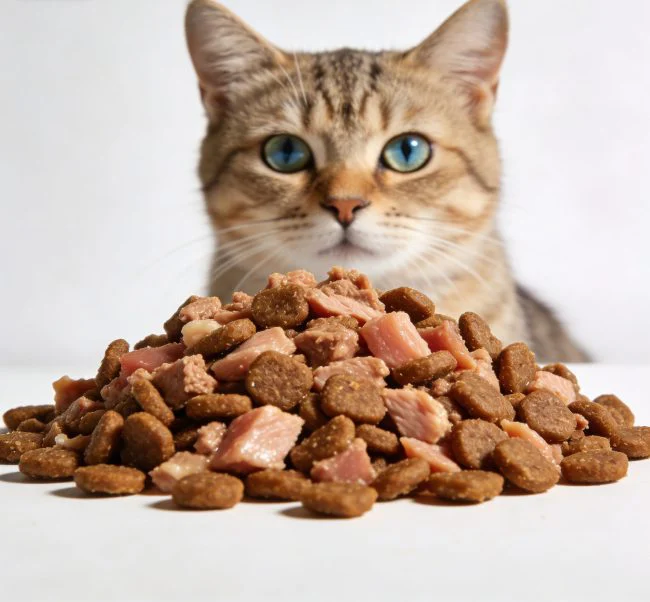
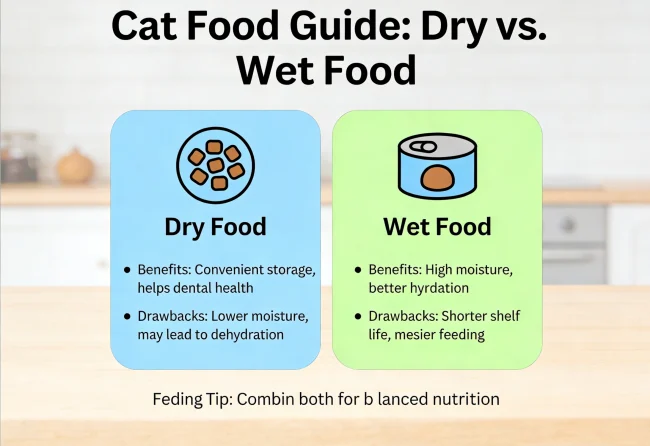
• Moisture-rich formulas: Wet food or gravy-based options are easier to eat and more appealing.
Look for foods with limited ingredients to avoid allergies and ensure digestibility.
Top Brands and Products for Stimulating Appetite
Several brands offer formulas tailored for cats with reduced appetite. These products combine nutrition with palatability.
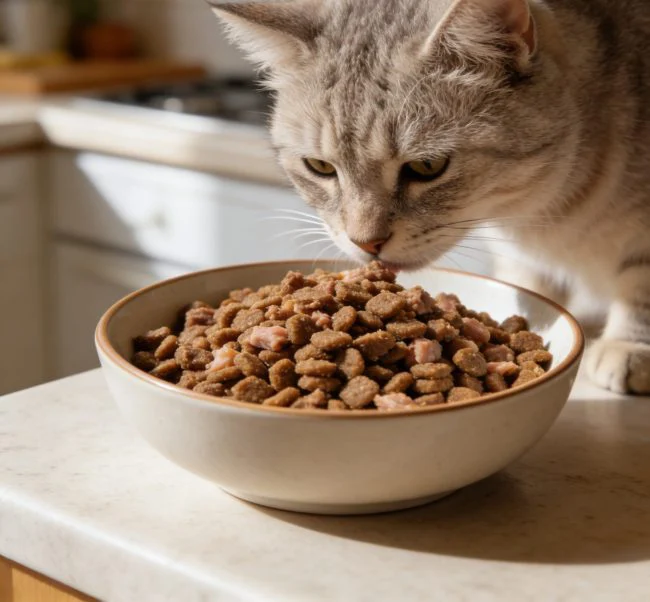
1. Royal Canin Veterinary Diet Recovery Support: High-energy and highly digestible, ideal for convalescing cats.
2. Hill’s Prescription Diet a/d: Often recommended for post-surgery recovery due to its soft texture and strong aroma.
3. Purina Pro Plan Veterinary Diets CN Critical Nutrition: Nutrient-dense and easy to consume.
These foods are typically available through veterinary clinics or specialized pet stores.
Homemade Solutions to Boost Your Cat’s Appetite
If commercial options fail, homemade meals can be a temporary solution. Ensure recipes are nutritionally balanced.
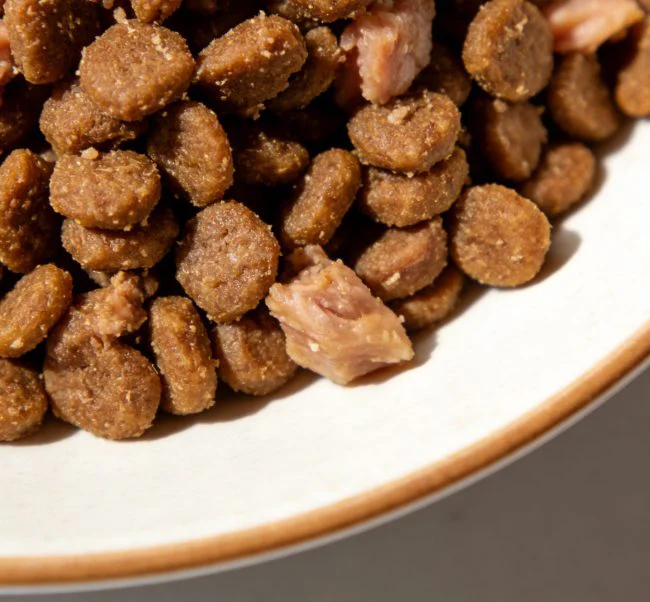
• Cooked chicken or turkey: Shredded and served warm, these proteins are irresistible to most cats.
• Bone broth: Low-sodium broth adds flavor and hydration.
• Fish oil: A small amount can enhance taste and provide omega-3 fatty acids.
Always consult your vet before introducing homemade meals to avoid nutritional deficiencies.
Feeding Techniques to Encourage Eating
How you feed your cat can be as important as what you feed them. Small adjustments can make a big difference.
1. Warm the food: Slightly heating releases aromas and makes the meal more appealing.
2. Hand-feeding: Some cats respond positively to personal attention during meals.
3. Smaller, frequent meals: Offering food in small portions reduces overwhelm.
Experiment with these techniques to find what works best for your cat.
When to Seek Veterinary Help
Persistent appetite loss requires professional intervention. Early diagnosis can prevent complications.
• Weight loss: A drop of more than 10% body weight is concerning.
• Behavioral changes: Hiding or aggression during feeding time may indicate pain.
• Chronic illnesses: Conditions like hyperthyroidism or diabetes need medical management.
Your vet may recommend appetite stimulants or diagnostic tests to identify underlying issues.
Conclusion
Addressing poor appetite in cats involves a combination of the right food, feeding techniques, and veterinary care. Specialized cat food for poor appetite, enriched with palatable ingredients, can significantly improve mealtime enthusiasm. Always monitor your cat’s behavior and consult a vet for prolonged issues. With patience and the right approach, you can help your cat regain a healthy appetite and overall well-being.
View Comments (0)