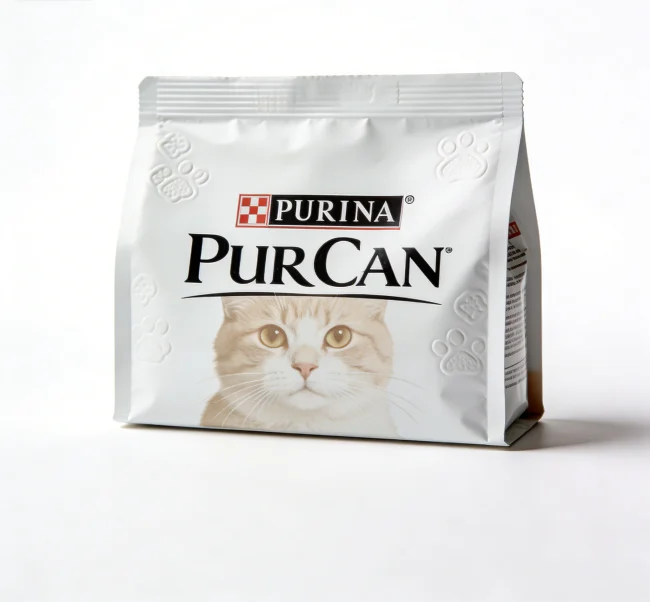
Best Cat Food for Stress: Expert Guide 2026
Stress in cats is a common issue that can lead to behavioral changes, health problems, and a reduced quality of life. Choosing the right cat food for stress can significantly alleviate these issues by providing essential nutrients that support calmness and overall well-being. This guide explores the key ingredients, types of food, and expert tips to help you select the best diet for your stressed feline. Whether your cat is dealing with anxiety, environmental changes, or health-related stress, the right nutrition can make a difference.
Understanding Stress in Cats
Stress in cats manifests in various ways, including excessive grooming, hiding, aggression, or changes in appetite. Common triggers include loud noises, new pets, or changes in routine. Chronic stress can weaken their immune system and lead to digestive issues.
1. Behavioral Signs: Look for signs like urinating outside the litter box or excessive meowing.
2. Physical Symptoms: Stress can cause diarrhea, vomiting, or weight loss.
3. Environmental Factors: Moving homes or introducing a new family member can be stressful.
Understanding these triggers is the first step in managing stress through diet. Nutrition plays a critical role in stabilizing mood and reducing anxiety in cats.
Key Ingredients to Look For
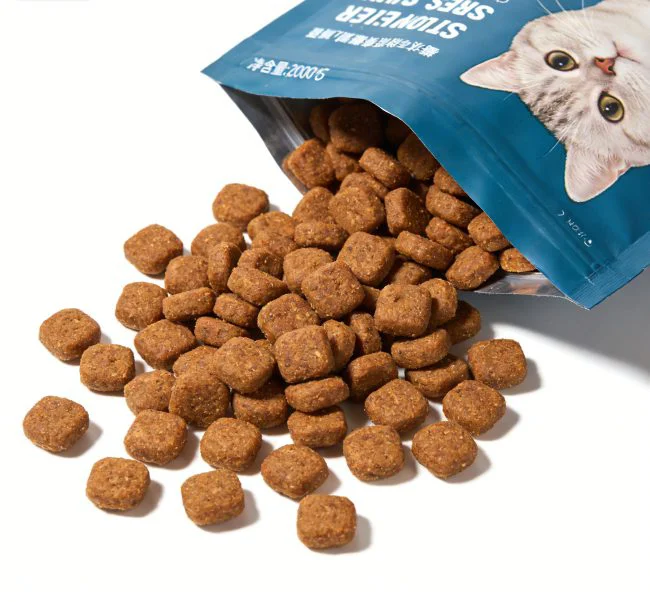
When selecting cat food for stress, focus on ingredients that promote relaxation and support nervous system health. Look for foods rich in tryptophan, an amino acid that aids in serotonin production, and omega-3 fatty acids, which reduce inflammation and support brain function.
• Tryptophan: Found in turkey, chicken, and fish.
• Omega-3 Fatty Acids: Present in salmon oil and flaxseed.
• B Vitamins: Essential for energy metabolism and nerve function.
Additionally, antioxidants like vitamin E and C help combat oxidative stress caused by anxiety. Avoid artificial additives and fillers that can exacerbate stress.
Types of Cat Food for Stress
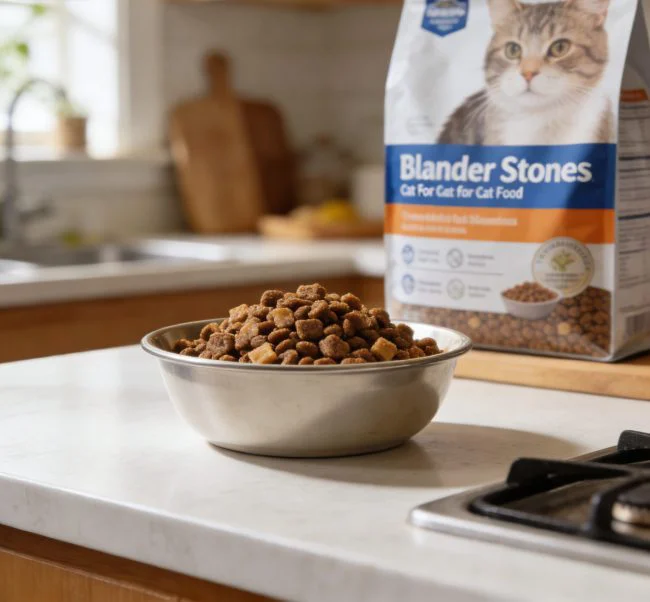
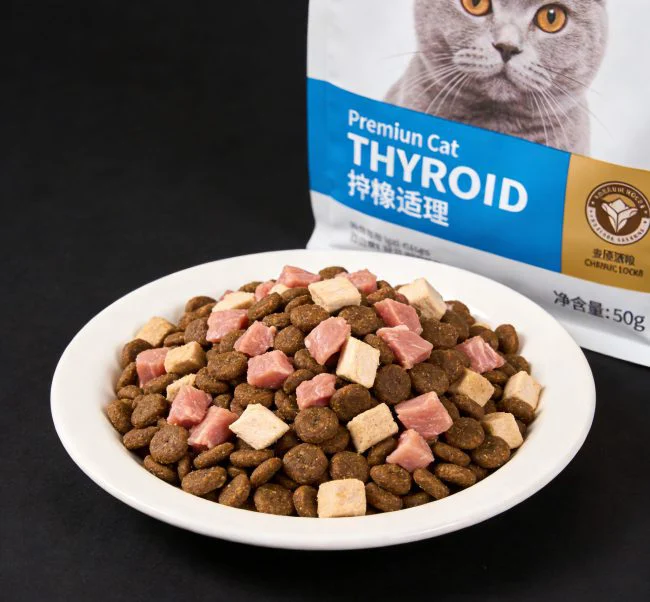
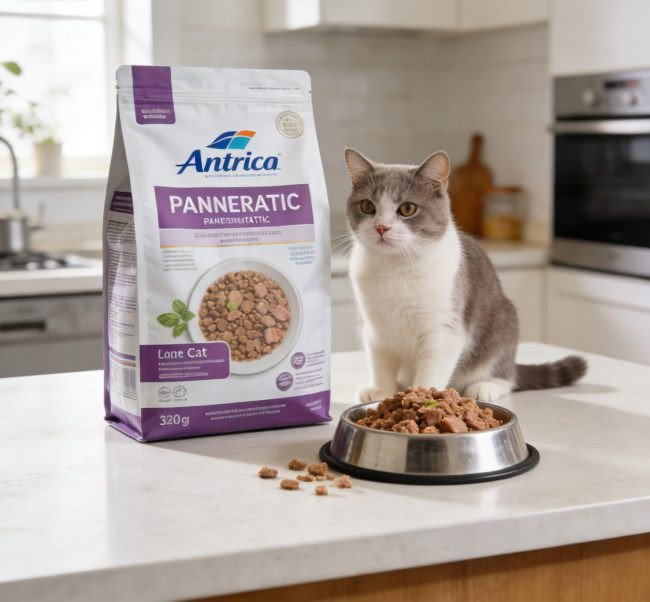
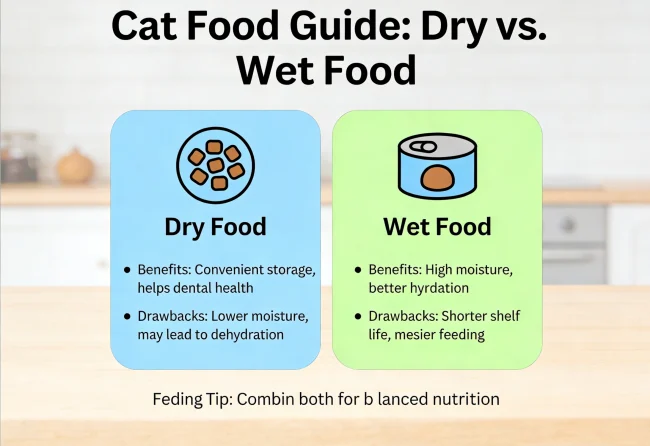
There are several types of cat food formulated to reduce stress, including dry kibble, wet food, and supplements. Each has its benefits depending on your cat’s preferences and needs.
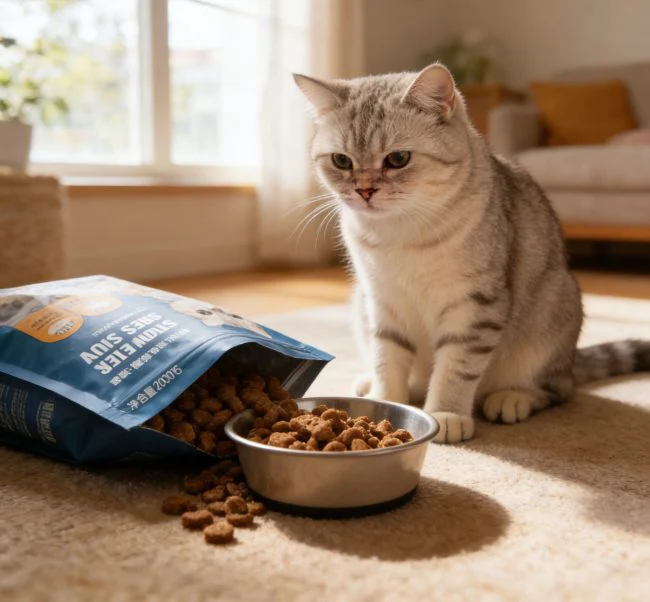
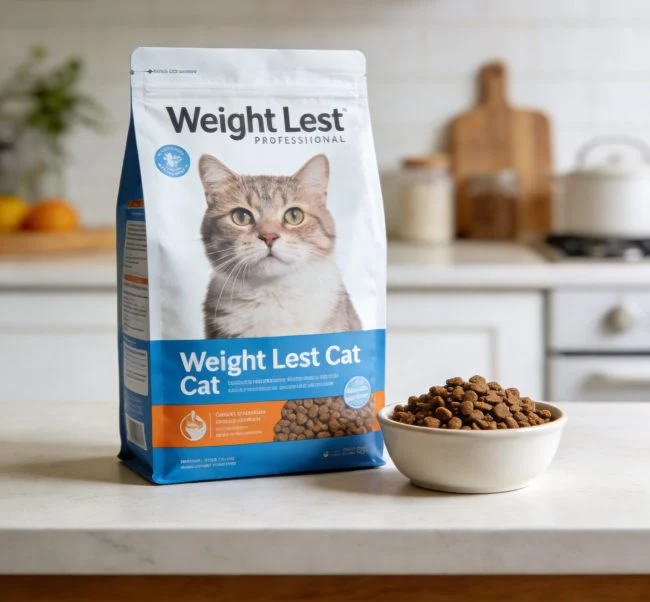
1. Dry Kibble: Convenient and often fortified with calming ingredients.
2. Wet Food: Higher moisture content aids hydration and palatability.
3. Calming Supplements: Powders or chews with ingredients like L-theanine or chamomile.
Wet food is often more appealing to picky eaters, while supplements can be added to their regular diet for targeted stress relief.
How to Transition to Stress-Relief Food
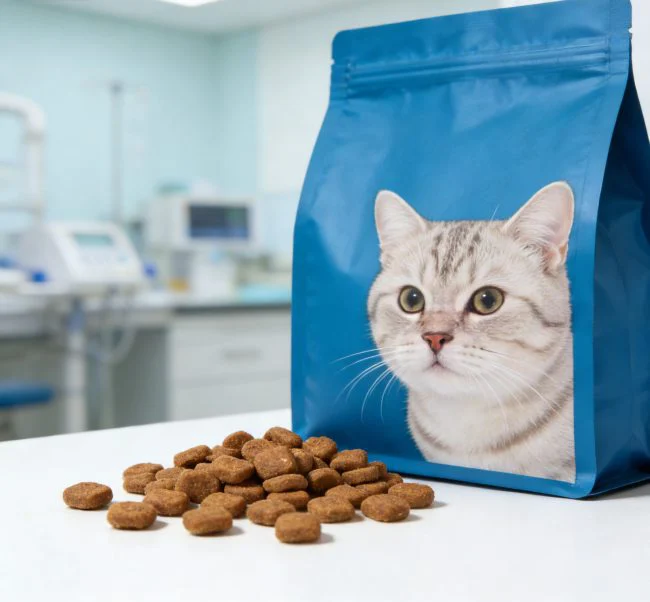
Switching your cat’s diet should be done gradually to avoid digestive upset. Start by mixing a small amount of the new food with their current food, increasing the proportion over 7-10 days.
1. Day 1-2: 25% new food, 75% old food.
2. Day 3-4: 50% new food, 50% old food.
3. Day 5-7: 75% new food, 25% old food.
4. Day 8+: 100% new food.
Monitor your cat for any adverse reactions and consult your vet if issues arise. A smooth transition ensures acceptance and effectiveness.
Top Brands and Recommendations
Several brands offer specialized cat food for stress, each with unique formulations. Here are three top picks:
• Hill’s Prescription Diet c/d Multicare: Vet-recommended for urinary health and stress.
• Royal Canin Calm: Contains L-tryptophan and hydrolyzed milk protein.
• Blue Buffalo True Solutions Fit & Healthy: Rich in antioxidants and omega-3s.
These brands are backed by research and trusted by veterinarians. Always choose a product that matches your cat’s specific needs.
Additional Tips to Reduce Cat Stress
Diet is just one part of managing stress. Environmental enrichment and routine can also make a significant difference.
• Interactive Toys: Keep your cat mentally stimulated.
• Safe Spaces: Provide hiding spots or perches.
• Consistent Routine: Maintain regular feeding and play times.
Combining these strategies with the right diet creates a holistic approach to stress management.
Conclusion: Choosing the Best Cat Food for Stress
Selecting the right cat food for stress involves understanding your cat’s needs and choosing products with calming ingredients like tryptophan and omega-3s. Transition gradually and monitor for improvements. Pair dietary changes with environmental adjustments for the best results. With the right approach, you can help your feline friend lead a calmer, healthier life.
View Comments (0)