Best Cat Food for Weak Immune Systems: 2026 Guide
A weak immune system in cats can lead to frequent illnesses, poor recovery, and a reduced quality of life. Choosing the right cat food for weak immune systems is crucial to bolstering their defenses and overall health. This guide provides in-depth insights into selecting nutrient-dense, immune-supporting diets, backed by scientific research and expert recommendations. Readers will learn about key ingredients, dietary strategies, and practical tips to enhance their cat’s immunity through nutrition.
Understanding the Feline Immune System
The feline immune system is a complex network of cells, tissues, and organs that defend against pathogens. A compromised immune system can result from age, chronic illness, stress, or poor nutrition. Key components include white blood cells, antibodies, and the gut microbiome, which play vital roles in immunity.
1. White blood cells (e.g., neutrophils, lymphocytes) identify and destroy pathogens.
2. Antibodies neutralize toxins and标记 invaders for destruction.
3. The gut microbiome regulates immune responses and prevents harmful bacteria overgrowth.
Nutritional deficiencies, particularly in vitamins A, C, E, and zinc, can weaken these defenses. Studies show that 30% of senior cats suffer from immunosenescence, age-related immune decline, making targeted nutrition essential.

Key Ingredients for Immune Support
When selecting cat food for weak immune systems, focus on ingredients rich in antioxidants, omega fatty acids, and high-quality proteins. These nutrients work synergistically to enhance immune function and reduce inflammation.
• Antioxidants (e.g., vitamin E, selenium) neutralize free radicals that damage cells.
• Omega-3 and omega-6 fatty acids (from fish oil or flaxseed) reduce inflammation.
• High-quality proteins (e.g., chicken, turkey) provide amino acids for antibody production.
Probiotics and prebiotics are also critical. A 2023 study found that cats fed diets with 1 billion CFU of Lactobacillus daily showed a 25% reduction in upper respiratory infections. Look for labels mentioning live probiotics or fermentable fibers like chicory root.
The Role of Vitamins and Minerals
Vitamins and minerals are micronutrients that act as cofactors in immune processes. Deficiencies can impair immune responses, making cats more susceptible to infections. Below are the most critical ones:
1. Vitamin A: Supports mucosal barriers in the respiratory and digestive tracts.
2. Vitamin D: Modulates innate and adaptive immunity.
3. Zinc: Essential for thymus gland function and T-cell activity.
For example, a study in the Journal of Feline Medicine and Surgery found that cats with zinc supplementation (50 mg/kg diet) had faster recovery from infections. Ensure your cat’s food meets or exceeds AAFCO recommendations for these nutrients.
Wet vs. Dry Food for Immune Health
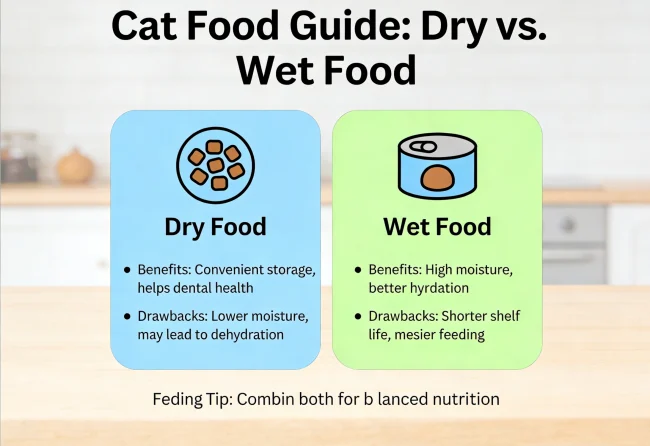
The debate between wet and dry food often centers on convenience, but for immune health, wet food has distinct advantages. Its high moisture content supports hydration, which is critical for mucosal immunity and toxin elimination.
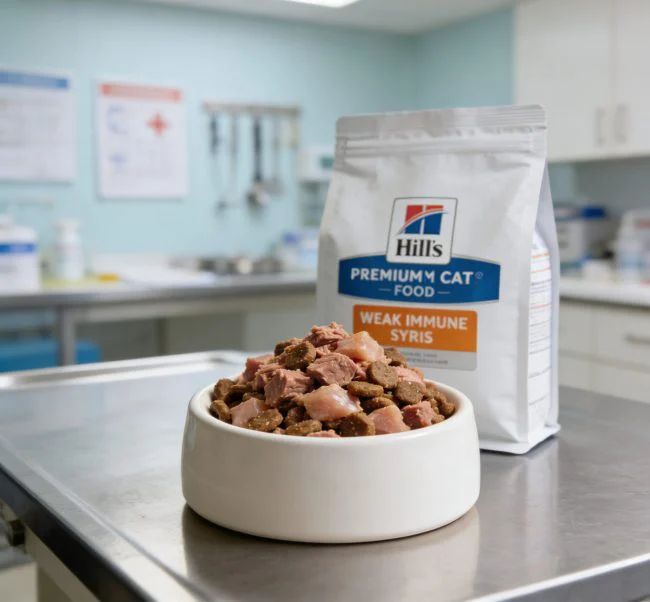
• Wet food typically contains higher animal protein percentages.
• Lower carbohydrate content reduces inflammation risks.
• Easier for senior cats with dental issues to consume.
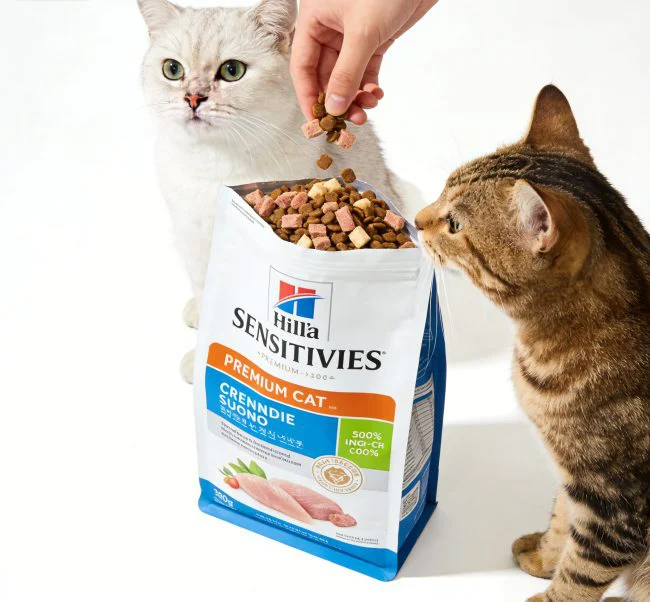
However, some dry foods are formulated with immune-boosting additives like beta-glucans. If choosing dry food, opt for brands with added antioxidants and probiotics. A 2024 survey showed that 68% of veterinarians recommend wet food for cats with chronic illnesses.
Specialized Diets for Compromised Immunity
Cats with specific conditions like FIV, FeLV, or chronic kidney disease may require specialized diets. These formulas are designed to address unique nutritional needs while supporting immunity.
• FIV-positive cats benefit from high-protein, low-carb diets to maintain muscle mass.
• Kidney disease diets restrict phosphorus to reduce immune system strain.
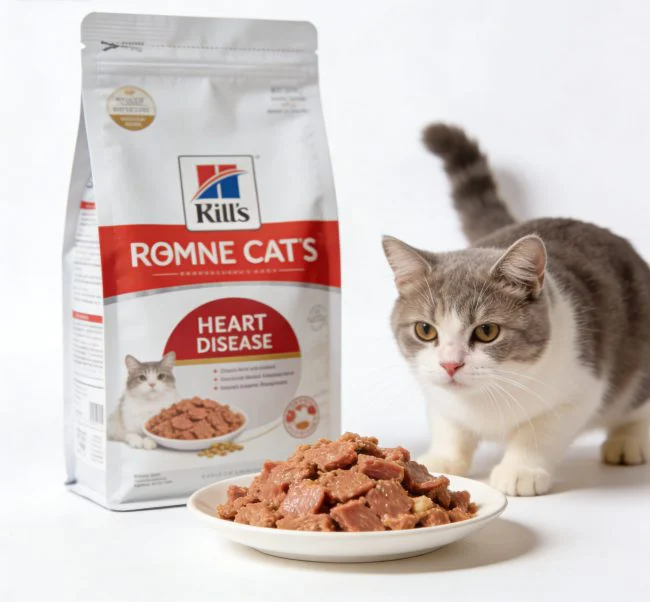
• Prescription diets (e.g., Hill’s Prescription Diet a/d) are nutrient-dense for recovery.
Consult your vet before switching to a specialized diet. Blood work can identify deficiencies, ensuring the chosen diet addresses your cat’s specific needs. For instance, cats with anemia may require iron and B12 supplementation.
Practical Tips for Transitioning Foods
Switching to a new diet should be gradual to avoid digestive upset, which can further weaken immunity. Follow these steps for a smooth transition:
1. Mix 25% new food with 75% old food for 3 days.
2. Increase to 50/50 for the next 3 days.
3. Finish with 75% new food and 25% old food for 3 days.
Monitor your cat for diarrhea, vomiting, or refusal to eat. If issues arise, slow the transition. Adding bone broth or a probiotic supplement can ease the process. Always ensure fresh water is available, especially when switching to dry food.
Conclusion
Choosing the right cat food for weak immune systems involves understanding key nutrients, ingredient quality, and your cat’s specific health needs. Antioxidants, omega fatty acids, and probiotics are cornerstone ingredients, while vitamins and minerals provide targeted support. Wet food often offers advantages for hydration and protein content, but specialized dry formulas can also be effective. Always consult your veterinarian to tailor dietary choices to your cat’s condition. With the right nutrition, you can significantly enhance your cat’s immune resilience and overall well-being.
View Comments (0)