Best Cat Food for Digestive Problems: Expert Guide 2026
Digestive issues in cats can be distressing for both pets and owners. Finding the right cat food for digestive problems is crucial to alleviate discomfort and improve overall health. This guide provides actionable insights, from identifying symptoms to selecting the best dietary solutions. By the end, you’ll have a clear roadmap to help your feline friend thrive.
Understanding Digestive Problems in Cats
Cats often suffer from digestive issues like vomiting, diarrhea, or constipation. These symptoms can stem from food allergies, intolerances, or underlying health conditions. A study by the American Veterinary Medical Association found that 10-15% of cats experience chronic digestive disorders. Early identification is key to preventing long-term damage.
Common causes include:
• Poor-quality ingredients
• Sudden diet changes
• Parasites or infections
Consult your vet to rule out serious conditions before adjusting their diet.
Key Ingredients to Look For
When selecting cat food for digestive problems, focus on easily digestible ingredients. High-quality proteins like chicken or turkey are gentler on the stomach. Avoid fillers like corn or soy, which can trigger sensitivities.

Essential components to prioritize:
1. Probiotics: Support gut health.
2. Prebiotics: Promote beneficial bacteria.
Brands like Hill’s Science Diet and Royal Canin offer specialized formulas with these nutrients.
Types of Cat Food for Digestive Health
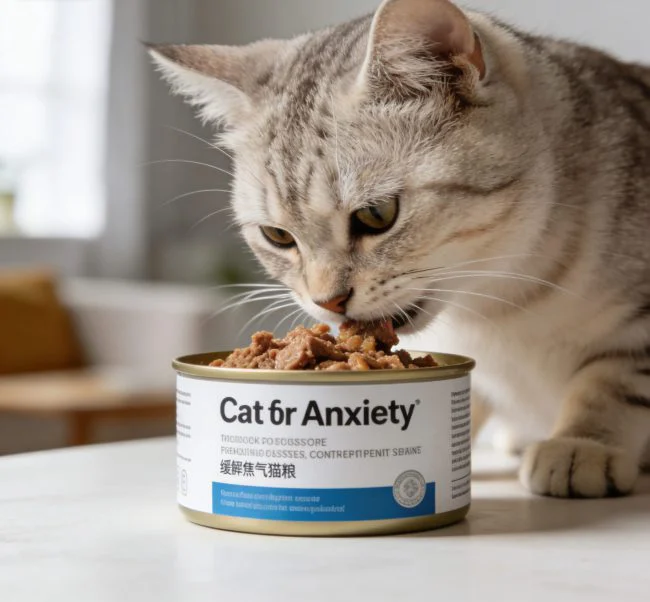
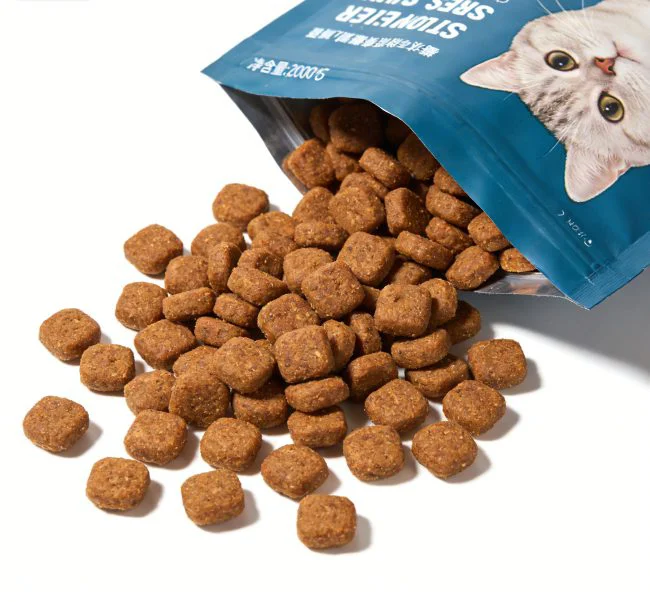
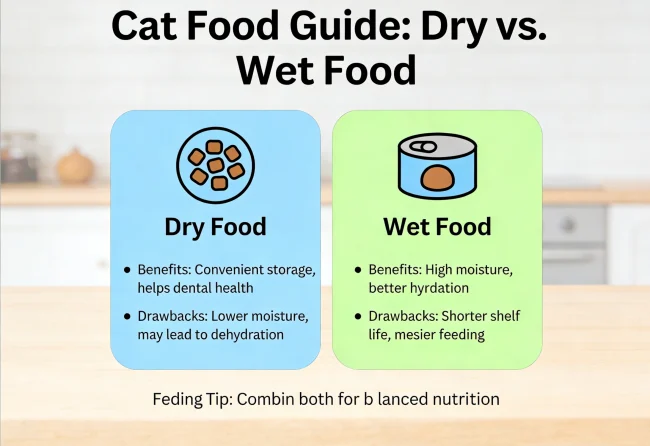
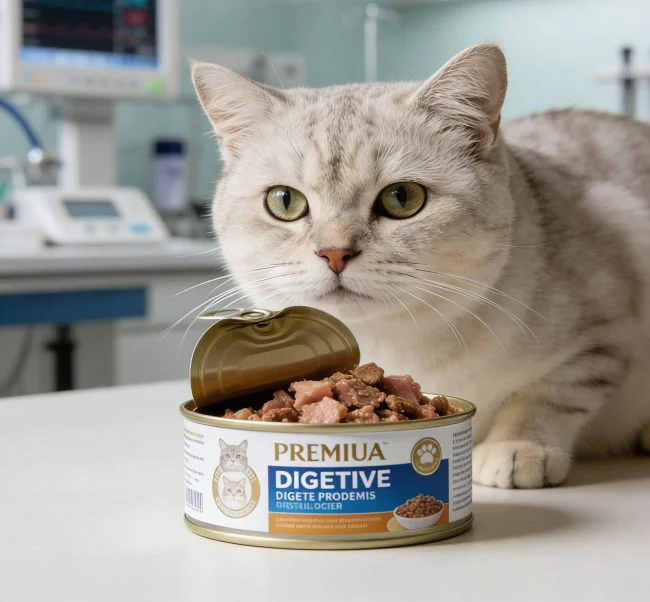
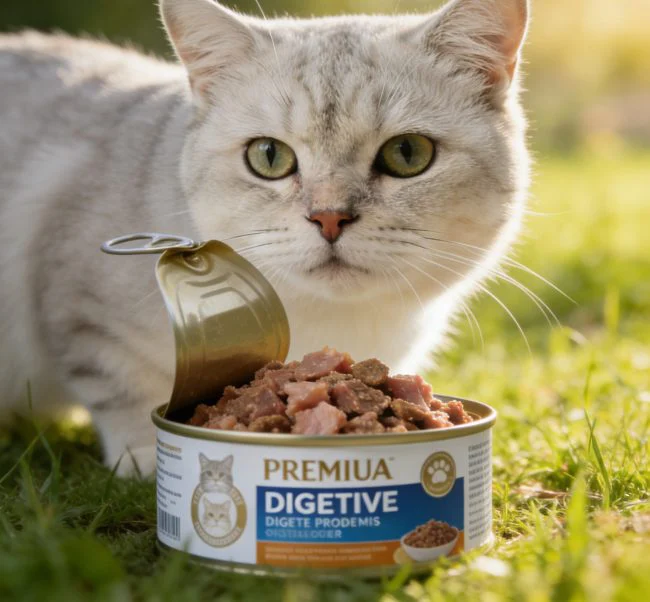
Dry kibble, wet food, and raw diets each have pros and cons. Wet food is often recommended for cats with digestive issues due to its higher moisture content, which aids hydration and digestion.
Consider these options:
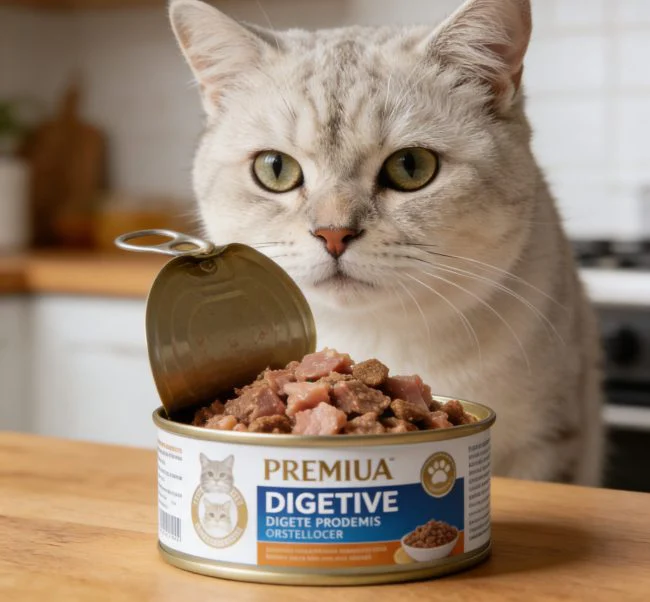
• Limited ingredient diets (LID): Reduce allergen exposure.
• Prescription diets: Vet-recommended for severe cases.
• Grain-free options: Ideal for cats with grain sensitivities.
Transition gradually to avoid further upset.
How to Transition to a New Diet
Sudden diet changes can worsen digestive problems. Introduce new food slowly over 7-10 days. Start with 25% new food mixed with 75% old food, gradually increasing the new portion.
Monitor your cat’s response:
1. Watch for improved stool consistency.
2. Note any adverse reactions.
3. Adjust portions as needed.
Patience is critical during this process.
Common Mistakes to Avoid
Many owners make errors when managing their cat’s diet. Overfeeding, ignoring portion sizes, or choosing low-quality food can exacerbate issues. Always read labels and avoid artificial additives.
Key pitfalls to dodge:
• Skipping vet consultations.
• Relying on human food.
• Not addressing underlying causes.
A disciplined approach ensures better outcomes.
When to See a Vet
If symptoms persist despite dietary changes, seek veterinary care. Chronic issues may indicate conditions like inflammatory bowel disease (IBD) or pancreatitis. Blood tests and imaging can provide a definitive diagnosis.
Red flags include:
• Weight loss
• Lethargy
• Blood in stool
Early intervention prevents complications.
Summary
Choosing the right cat food for digestive problems involves understanding ingredients, transitioning carefully, and avoiding common mistakes. Prioritize high-quality, easily digestible options and consult your vet for persistent issues. With the right approach, your cat can enjoy a healthier, happier life.
View Comments (0)