Best Cat Food for Diarrhea: Expert Tips & Top Picks
Diarrhea in cats is a common but distressing issue that can stem from dietary intolerances, infections, or underlying health conditions. Choosing the right cat food for diarrhea is crucial to alleviate symptoms and promote digestive health. This guide provides actionable insights, including ingredient recommendations, feeding strategies, and vet-approved solutions. Whether you’re dealing with a mild case or chronic diarrhea, this article will help you make informed decisions to restore your cat’s well-being. Let’s dive into the essentials of managing diarrhea through proper nutrition.
Understanding the Causes of Diarrhea in Cats
Diarrhea can occur for various reasons, including sudden dietary changes, food allergies, or bacterial infections. Identifying the root cause is the first step in selecting the appropriate cat food for diarrhea. For instance, a sudden switch to a new brand might disrupt your cat’s digestive balance, leading to loose stools.
Common triggers include:
• Food intolerances or allergies
• Parasites or infections
• Stress or anxiety
• Underlying diseases like IBD or pancreatitis
Consulting a veterinarian is essential to rule out serious conditions. Once the cause is determined, you can tailor the diet to address the specific issue. For example, hypoallergenic diets work well for food sensitivities, while easily digestible formulas help with acute cases.
Key Ingredients to Look for in Diarrhea-Friendly Cat Food
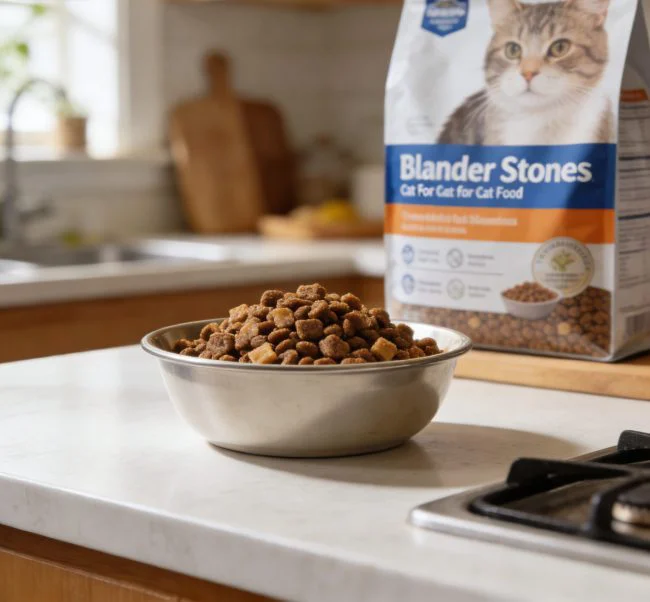
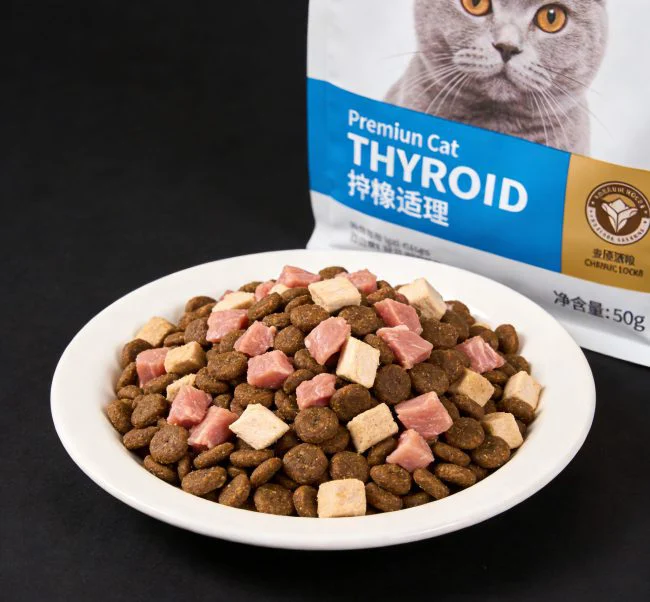
When selecting cat food for diarrhea, focus on ingredients that support digestive health. Look for formulas with limited ingredients to minimize potential allergens. Single-protein sources like chicken or turkey are often easier on the stomach.

Beneficial ingredients include:
1. Prebiotics and probiotics: These promote a healthy gut microbiome.
2. Soluble fiber: Ingredients like pumpkin or beet pulp help firm up stools.
3. High-quality protein: Easily digestible proteins reduce gastrointestinal strain.
Avoid foods with artificial additives, fillers, or excessive fat, as these can exacerbate diarrhea. Always check the label for guaranteed analysis and ensure the food meets AAFCO standards for complete nutrition.
Homemade vs. Commercial Cat Food for Diarrhea
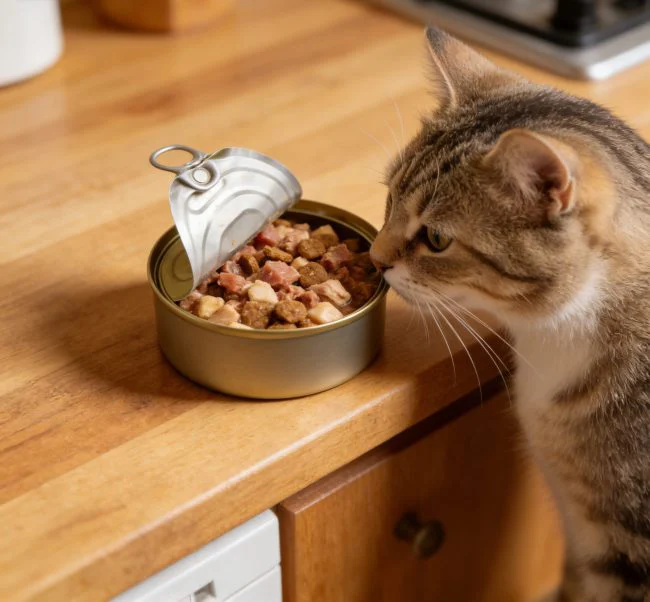
Some owners prefer homemade diets to control ingredients, but commercial cat food for diarrhea is often more balanced and convenient. Commercial options are formulated with precise nutrient ratios, which homemade diets may lack.
Pros of commercial food:
• Nutritionally complete
• Convenient and consistent
• Often includes therapeutic additives
Homemade diets can be beneficial if prepared under veterinary guidance. For example, boiled chicken and rice can be a temporary solution for acute diarrhea. However, long-term use may lead to nutritional deficiencies. Always consult your vet before switching to a homemade diet.
Feeding Strategies to Manage Diarrhea
How you feed your cat can be as important as what you feed. Small, frequent meals are easier on the digestive system than large portions. Gradually transition to new foods over 7-10 days to avoid further upset.
Additional tips:
1. Ensure access to fresh water to prevent dehydration.
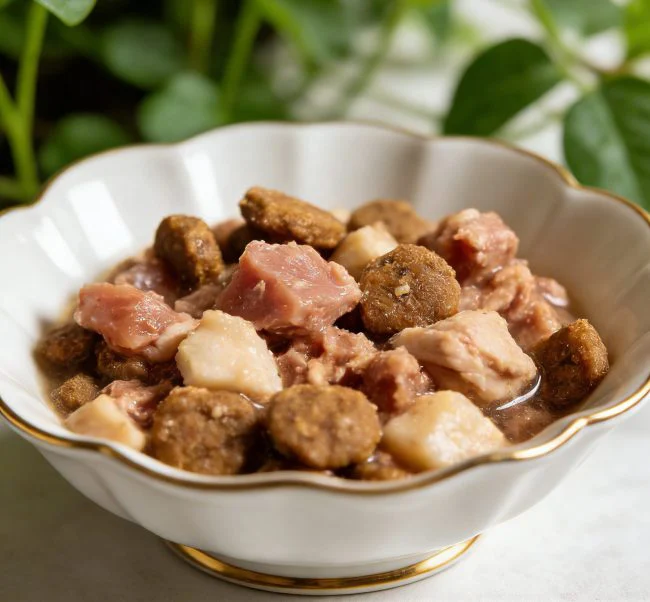
2. Monitor stool consistency and frequency daily.
3. Avoid giving treats or table scraps during recovery.
If diarrhea persists beyond 48 hours, seek veterinary care. Chronic cases may require prescription diets or further diagnostic testing to identify underlying issues.
Top-Rated Cat Foods for Diarrhea
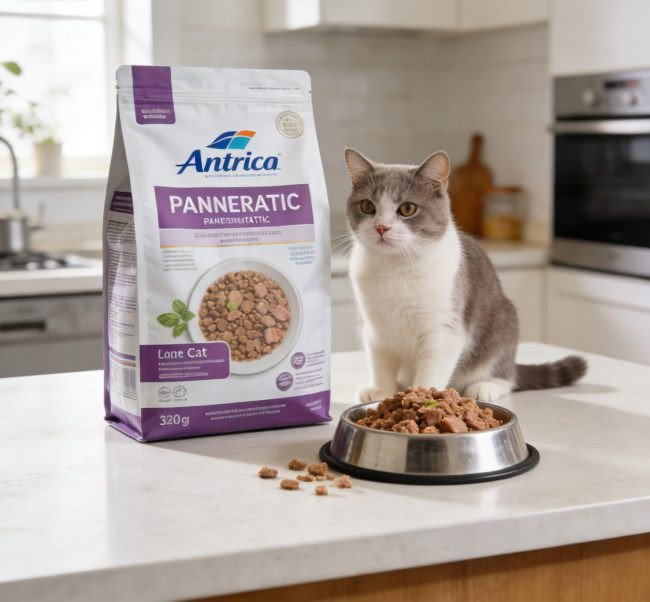
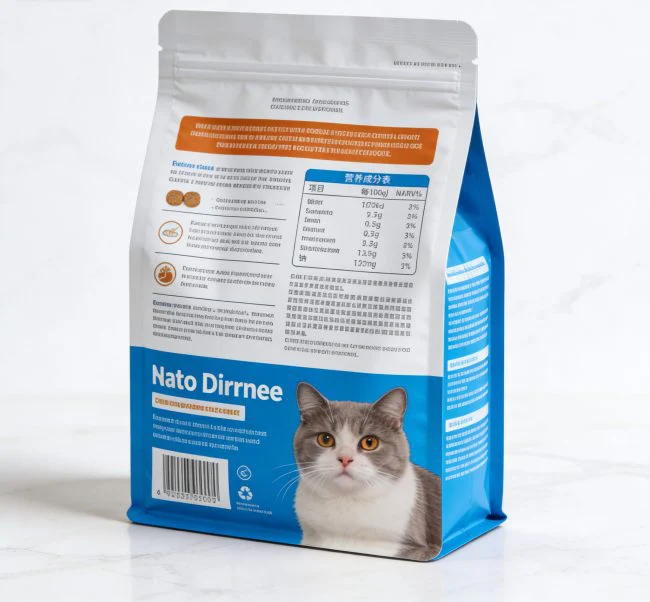
Several brands offer specialized formulas designed to alleviate diarrhea. These products often feature limited ingredients, added probiotics, and high digestibility. Here are some top recommendations:
• Hill’s Prescription Diet i/d: Vet-approved for digestive health.
• Royal Canin Digestive Care: Contains prebiotics and highly digestible proteins.
• Purina Pro Plan Focus Sensitive Skin & Stomach: Limited ingredient formula with salmon.
Always choose a product that matches your cat’s specific needs. For example, kittens require higher protein and calories, while senior cats may benefit from lower-fat options.
When to See a Veterinarian
While dietary adjustments can resolve mild diarrhea, some cases require medical intervention. Seek immediate vet care if your cat shows additional symptoms like vomiting, lethargy, or blood in stools.
Red flags include:
• Diarrhea lasting more than 48 hours
• Dehydration signs (e.g., sunken eyes, dry gums)
• Weight loss or loss of appetite
Your vet may recommend diagnostic tests like blood work or fecal analysis to pinpoint the cause. Prescription diets or medications may be necessary for severe or chronic cases.
Final Thoughts on Managing Cat Diarrhea
Choosing the right cat food for diarrhea involves understanding the cause, selecting appropriate ingredients, and following proper feeding practices. Commercial diets with limited ingredients and added probiotics are often the most effective solution. However, always consult your vet to ensure the chosen diet meets your cat’s specific health needs. With the right approach, you can alleviate discomfort and promote long-term digestive health for your feline friend.
View Comments (0)