Best Cat Food for Vomiting: 2026 Expert Guide
Vomiting in cats is a common concern for pet owners, often signaling dietary issues or underlying health problems. Selecting the right cat food for vomiting can alleviate symptoms and improve your cat’s overall well-being. This guide explores the causes of vomiting, key ingredients to look for, and top-rated food options to help you make an informed decision.
Understanding the Causes of Vomiting in Cats
Vomiting can stem from various factors, including dietary intolerances, hairballs, or more serious conditions like pancreatitis. Identifying the root cause is crucial before selecting a specialized diet. For instance, cats with food allergies may react to proteins like beef or fish, while others might struggle with high-fat meals.
1. Food intolerances: Common culprits include dairy, grains, or artificial additives.
2. Hairballs: Frequent grooming can lead to hair ingestion, triggering vomiting.
3. Medical conditions: Issues like IBD or kidney disease require veterinary intervention.
Consult your vet to rule out severe conditions before switching diets. A targeted approach ensures the chosen cat food for vomiting addresses the specific problem.
Key Ingredients to Look For in Anti-Vomiting Cat Food
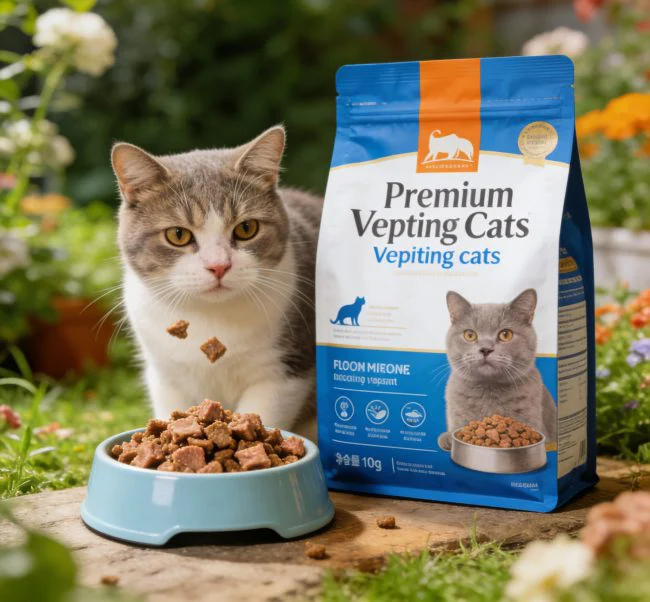
When choosing cat food for vomiting, focus on easily digestible ingredients that soothe the stomach. Limited-ingredient diets (LIDs) are often recommended, as they reduce the risk of allergic reactions.
• Single-protein sources: Turkey or duck are gentler than beef or fish.
• Prebiotics and probiotics: These support gut health and digestion.
• Low-fat content: Helps prevent pancreatitis flare-ups.
Avoid foods with fillers like corn or soy, which can irritate the digestive tract. Opt for brands that prioritize natural, high-quality ingredients to minimize vomiting episodes.
Top-Rated Cat Foods for Vomiting in 2026
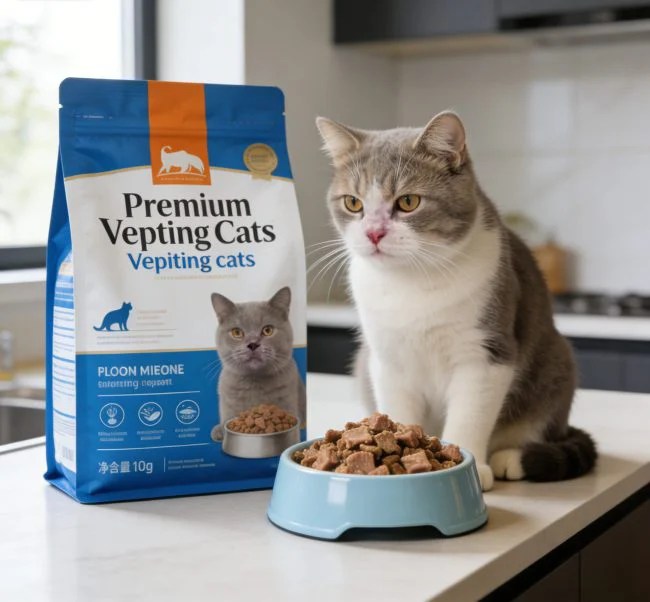
Several brands have formulated specialized diets for cats prone to vomiting. Here are three top recommendations based on expert reviews and user feedback:
1. Hill’s Prescription Diet i/d: Designed for digestive health, it includes prebiotics and highly digestible proteins.
2. Royal Canin Digestive Care: Features a blend of fibers to regulate digestion and reduce hairballs.
3. Blue Buffalo Basics Limited Ingredient Diet: Offers a single-protein formula with no artificial additives.
These options are vet-approved and widely available, making them reliable choices for managing vomiting.
Homemade vs. Commercial Cat Food for Vomiting
Some owners prefer homemade diets to control ingredients, but this requires careful nutritional balancing. Commercial cat food for vomiting is often more convenient and formulated by veterinary nutritionists.
Homemade diets must include:
• Lean proteins like boiled chicken.
• Small amounts of pumpkin for fiber.
• Supplements like taurine to prevent deficiencies.
However, commercial foods ensure consistent nutrition and are tested for safety. If opting for homemade, consult a vet to avoid nutrient gaps.
Transitioning Your Cat to a New Diet
Sudden dietary changes can worsen vomiting. Gradually introduce new food over 7-10 days to allow your cat’s system to adjust.
1. Day 1-2: Mix 25% new food with 75% old food.
2. Day 3-4: Increase to 50% new food.
3. Day 5-7: Transition to 75% new food.
4. Day 8-10: Fully switch to the new diet.
Monitor your cat for any adverse reactions during this period. Slow transitions reduce stress on the digestive system.
When to See a Vet
Dietary changes may not resolve vomiting if it’s caused by an underlying condition. Seek veterinary care if:
• Vomiting persists beyond a few days.
• Your cat shows lethargy or weight loss.
• Blood is present in the vomit.
Early intervention can prevent complications and ensure your cat receives appropriate treatment.
Final Thoughts on Managing Cat Vomiting
Selecting the right cat food for vomiting involves understanding the cause, choosing digestible ingredients, and transitioning diets carefully. Commercial options like Hill’s or Royal Canin offer vet-approved solutions, while homemade diets require meticulous planning. Always prioritize your cat’s health by consulting a vet for persistent issues. With the right approach, you can minimize vomiting and improve your pet’s quality of life.
View Comments (0)