
Is Inhaling Cat Litter Dust Harmful?A Vet-Reviewed Guide
Understanding the Risks: Who is Most Vulnerable?
While an occasional, minor exposure to litter dust is unlikely to cause serious harm to a healthy adult, consistent or significant inhalation can lead to health issues. The level of risk depends on the individual and the type of litter used.
Risks for Humans
For people, the primary concern is respiratory irritation. The dust particles can act as an irritant to the lungs and airways.
- Asthma and Allergies: Dust is a common trigger for asthma attacks and can exacerbate allergy symptoms like sneezing, itchy eyes, and a runny nose.
- Chronic Respiratory Conditions: Individuals with COPD or other chronic lung diseases are particularly susceptible to irritation from inhaled particles.
- Long-Term Exposure: While rare with modern litters, long-term, heavy exposure to crystalline silica dust (found in some clay litters) has been linked to a lung condition called silicosis.
Risks for Your Cat
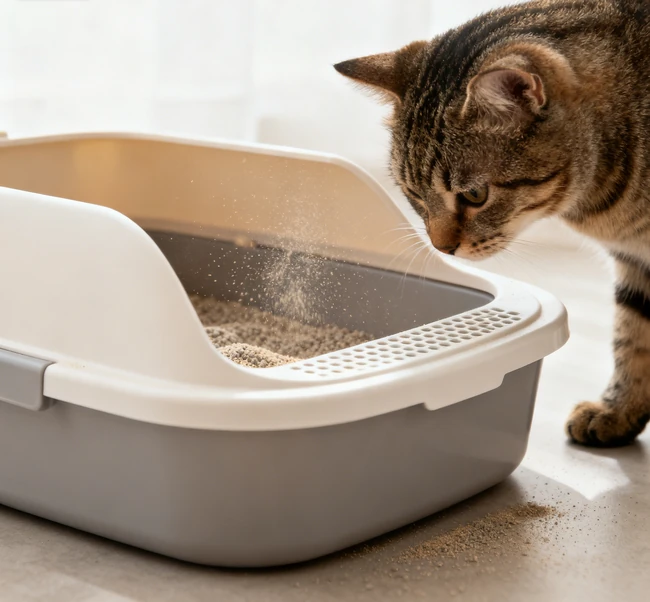
Your cat’s risk is significantly higher. They have a much closer and more frequent exposure, with their nose often directly in the litter during digging and covering.
- Feline Asthma: Cats can develop asthma, and litter dust is a known irritant that can trigger coughing, wheezing, and breathing difficulties.
- Upper Respiratory Infections: Dust can irritate the nasal passages and sinuses, potentially making cats more prone to infections.
- Paw Irritation: Dust can also cling to their paws, leading to irritation or inflammation between the toes.
Because cats are so close to the source, choosing a low-dust litter is a critical part of proactive pet care, much like knowing how often you should feed a cat or how to tell if a cat is sick.
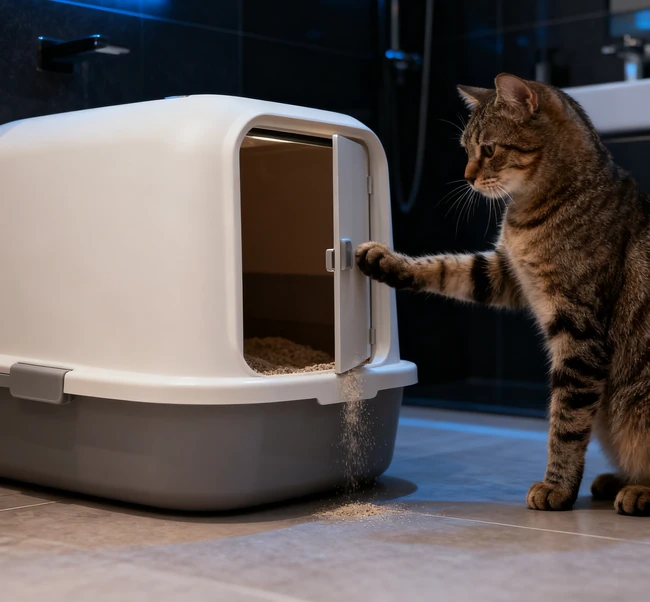
Not All Litters Are Created Equal: A Dust Comparison
The amount and type of dust produced vary dramatically between different cat litter formulations. Understanding these differences is key to making a safer choice.
| Litter Type | Dust Level | Key Characteristics & Health Notes |
|---|---|---|
| Clay (Non-Clumping) | High to Very High | Often the dustiest option. May contain crystalline silica, which is the primary health concern with long-term, heavy inhalation. |
| Clay (Clumping) | Medium to High | Generally less dusty than non-clumping clay, but dust levels can vary greatly by brand. Still a common source of silica dust. |
| Silica Gel (Crystal) | Low | Composed of beads that are largely dust-free. However, if the beads break down, they can create a fine, crystalline silica powder. |
| Natural & Biodegradable (Pine, Corn, Wheat, etc.) | Very Low to Low | Typically produce very little mineral dust. However, some may produce fine organic particles or natural fragrances that could irritate some cats and people. |
In our testing at PawLitter, where we evaluate products for at least 30 days in real homes, we’ve found that dust is one of the most common complaints with budget clay litters. Conversely, many high-quality natural litters and certain low-dust clumping litters consistently perform well in our dust-control assessments.
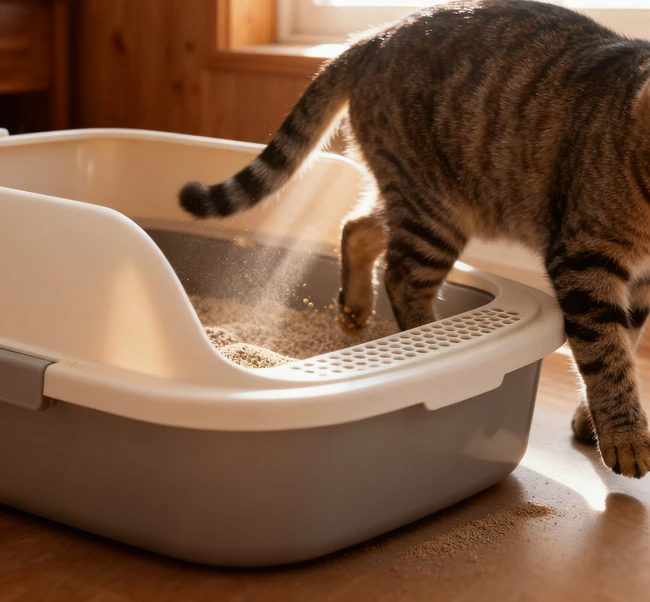
How to Minimize Dust Exposure: 8 Practical Tips
You don’t have to live with a dusty litter box. Here are effective strategies to protect both your family and your feline friend.
1. Choose a Low-Dust or Dust-Free Litter
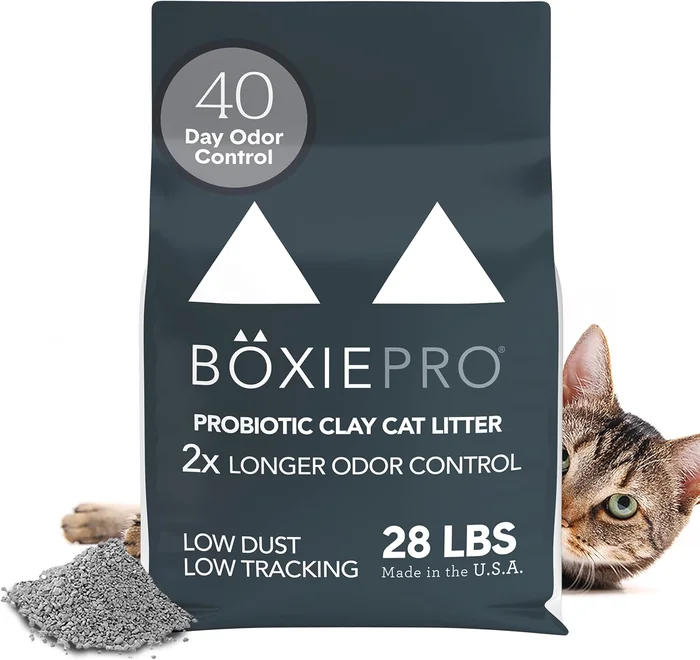
This is the most impactful step. Look for litters marketed as “low-dust,” “99% dust-free,” or “virtually dust-free.” Natural litters made from paper, wood, or grass are often excellent choices.
2. Pour Gently and Slowly
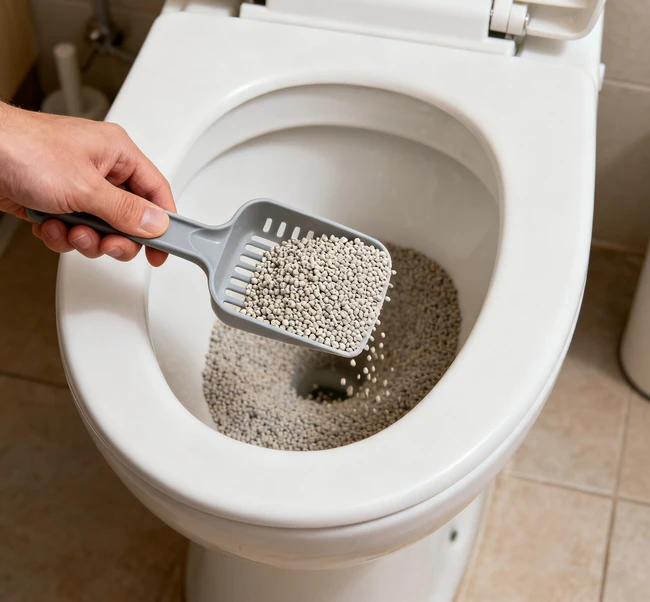
Avoid dumping litter from a great height. Pour it slowly and close to the bottom of the box to minimize the creation of a dust cloud. This simple change in technique makes a big difference.
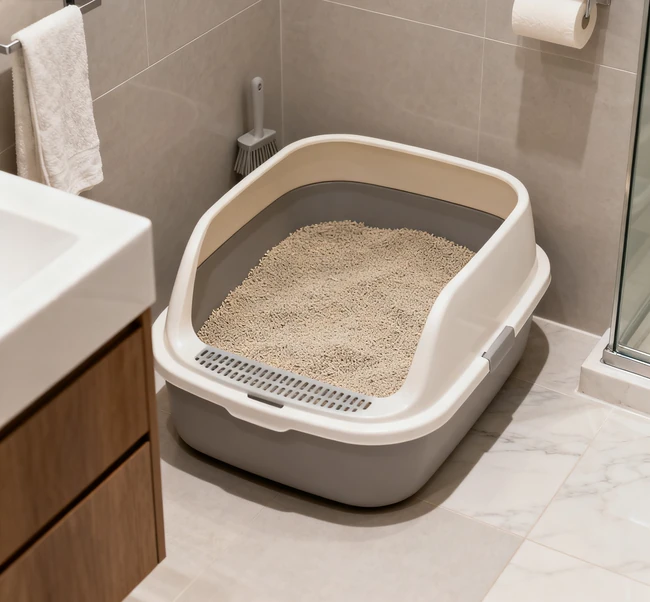
3. Use a Top-Entry or High-Sided Litter Box
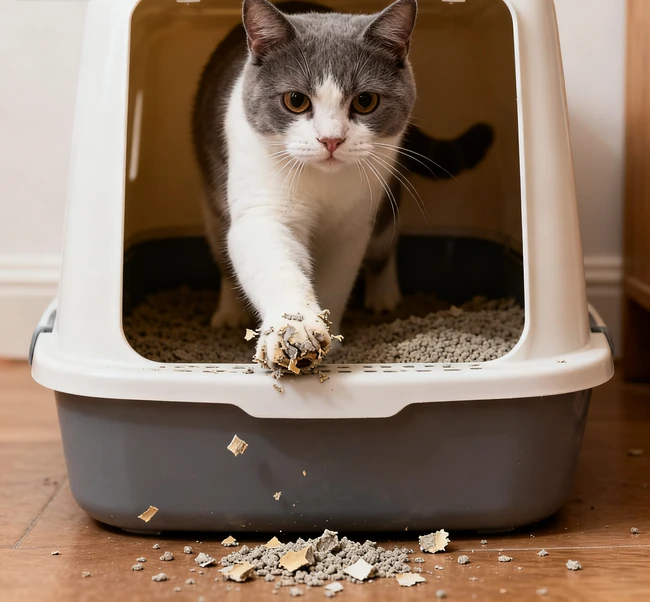
These designs are excellent for containing litter and dust. A top-entry box forces your cat to jump in and out, which helps knock dust off their paws and contains the majority of the dust within the box itself. Finding the right best cat litter box for your home’s layout can solve multiple problems at once.
4. Scoop and Clean in a Well-Ventilated Area
When you’re cleaning the box, do it near an open window or even outside if possible. This allows dust to dissipate quickly instead of settling in your home.
5. Wear a Mask While Cleaning
If you or a family member is particularly sensitive, wearing a simple dust mask while pouring new litter or doing a deep clean can prevent inhalation.
6. Consider an Air Purifier
Placing a HEPA air purifier near the litter area can capture airborne dust particles, improving the overall air quality in that room.
7. Maintain a Clean Box
A clean box isn’t just about odor; it’s also about health. Regular scooping and periodic washing prevent dust from building up. For a detailed routine, see our guide on how often you should clean a litter box.
8. Vacuum Frequently
Regular vacuuming around the litter box area with a HEPA-filter vacuum will remove any settled dust and prevent it from being stirred back into the air.
Frequently Asked Questions (FAQs)
Is clumping cat litter dust harmful?
Yes, the dust from clumping clay litter can be harmful as it often contains crystalline silica. While the risk from typical household use is low for healthy adults, it can irritate the respiratory systems of sensitive individuals and is a more significant concern for your cat due to their direct and frequent exposure.
What are the symptoms of inhaling too much cat litter dust?
In humans, symptoms can include coughing, sneezing, wheezing, shortness of breath, and irritated eyes or throat. In cats, watch for signs like persistent coughing, sneezing, wheezing sounds, labored breathing, or watery eyes, especially after they use the litter box.
Is crystal litter safer than clay litter?
Crystal litter is generally much lower in dust than most clay litters, which is a significant advantage. However, the primary material is silica gel, which is a form of silicon dioxide (similar to the silica in clay). If the crystals break down into a fine powder, the same inhalation concerns apply, though the risk is lower due to the reduced dust output.
I have asthma. What is the safest cat litter for me?
If you have asthma, you should opt for a truly low-dust or dust-free litter. Natural litters made from paper, pine, or wheat are often the best choice as they produce minimal particulate dust. Always test a new litter in a well-ventilated space and monitor your symptoms.
How does PawLitter test for dust in litter and litter boxes?
At PawLitter, our core principle is real-world testing. We test every litter box and litter for a minimum of 30 days with real cats in a home environment. For dust, we specifically evaluate the visible cloud when pouring, the amount of residual dust on the cat’s paws and the surrounding floor, and any observable reactions from our feline testers, such as sneezing or avoiding the box. We prioritize products that demonstrate excellent dust control because cat health and comfort come first.
Can a dirty litter box cause other health problems?
Absolutely. A dirty litter box can lead to a host of behavioral issues like your cat avoiding the box entirely. It can also harbor bacteria and contribute to a smelly home. For solutions, check out our guide on what to do if your cat litter box smells bad.
Related Topics
- How to Bathe a Cat? A Stress Free Step by Step Guide
- How to Give a Cat a Pill? A Stress-Free Guide for Cat Owners
- How to Trim Cat Nails? A Stress-Free Guide for You and Your Cat
- How Often Should You Clean a Litter Box? The Ultimate Guide
- PawLitter litter box reviews & guides
Conclusion
Inhaling cat litter dust is more than just a nuisance; it’s a legitimate health concern, particularly for cats and individuals with pre-existing respiratory conditions. By understanding the risks, choosing a low-dust litter like many natural options, and implementing simple handling and cleaning practices, you can dramatically reduce dust exposure in your home. Remember, the best litter box system is one that keeps both you and your cat happy and healthy. For more in-depth, hands-on reviews and guides to help you make the best choices for your feline family, explore the rest of the expert-tested content on PawLitter.
View Comments (0)