Best Limited Ingredient Cat Food: A Complete 2026 Guide
Limited ingredient cat food is designed to minimize allergens and improve digestion for cats with sensitivities. This guide provides a deep dive into its benefits, how to choose the right product, and what to avoid. Whether your cat has food allergies or you’re seeking a simpler diet, this article offers actionable insights to make an informed decision.
What Is Limited Ingredient Cat Food?
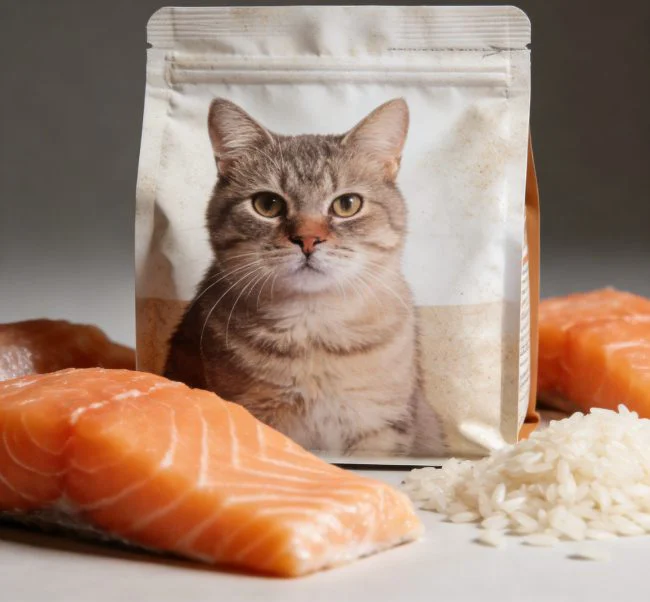
Limited ingredient cat food (LICD) contains fewer components than traditional formulas, focusing on a single protein source and minimal carbohydrates. This simplicity reduces the risk of triggering food allergies or intolerances. Many brands use novel proteins like duck or venison to avoid common allergens such as chicken or beef.
Key features include:
• One primary protein source
• Limited carbohydrates
• No artificial additives
These diets are ideal for cats with chronic digestive issues, skin problems, or suspected food sensitivities. Veterinarians often recommend LICD as part of an elimination diet to identify specific allergens.
Benefits of Limited Ingredient Diets
LICD offers several advantages for cats with health challenges. The primary benefit is reduced allergic reactions, which manifest as itching, vomiting, or diarrhea. By narrowing the ingredient list, it’s easier to pinpoint problematic foods.

Additional benefits include:
1. Improved digestion: Fewer ingredients mean less strain on the digestive system.
2. Better nutrient absorption: High-quality, single-source proteins are easier to process.
3. Enhanced coat health: Fewer allergens can reduce skin inflammation and improve fur quality.
Studies show that 60-70% of cats with food allergies respond well to LICD within 8-12 weeks. Always consult a vet before transitioning to ensure nutritional adequacy.
How to Choose the Right LICD
Selecting the best limited ingredient cat food requires careful evaluation of ingredients and your cat’s specific needs. Start by identifying potential allergens through an elimination diet or veterinary testing.
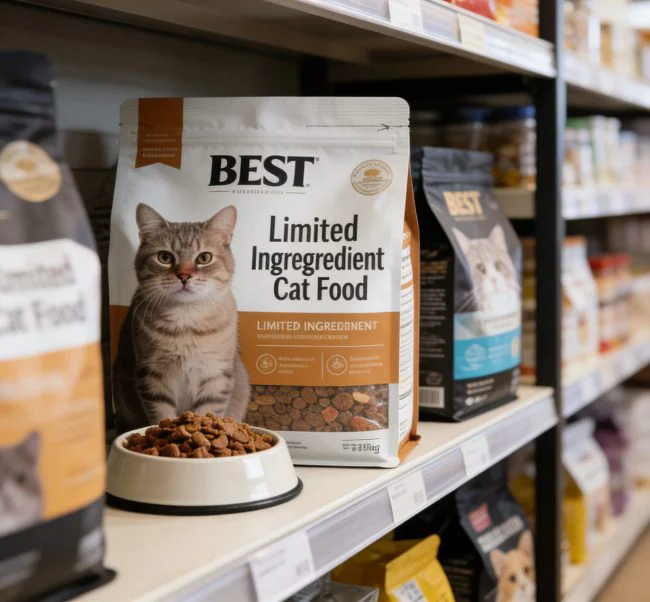
Steps to choose:
1. Check the protein source: Opt for novel proteins like rabbit or lamb if your cat is allergic to common ones.
2. Review carbohydrates: Avoid grains like corn or wheat; choose sweet potatoes or peas instead.
3. Ensure balanced nutrition: Look for AAFCO certification to guarantee completeness.
Brands like Blue Buffalo Basics and Hill’s Science Diet offer reputable LICD options. Compare labels to avoid fillers and by-products.
Common Ingredients to Avoid
Not all limited ingredient formulas are created equal. Some contain hidden allergens or low-quality components that can undermine the diet’s purpose.
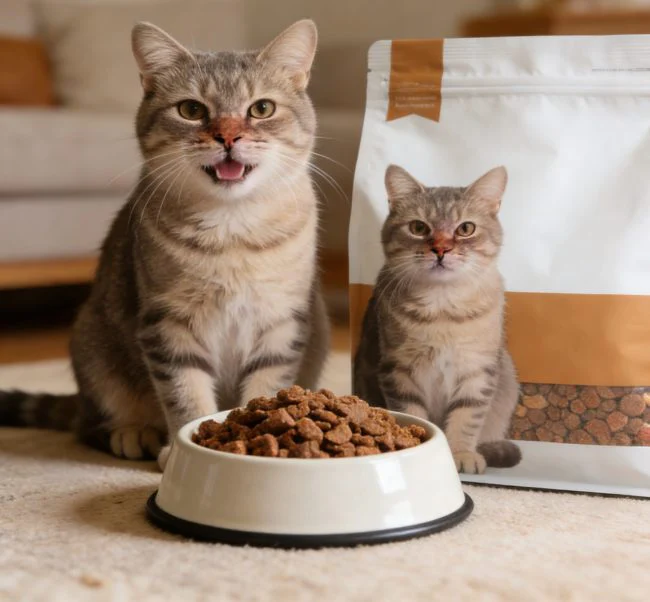
Avoid these ingredients:
• Artificial preservatives (BHA, BHT)
• Meat by-products
• Excessive fillers (corn, soy)
Even in LICD, some brands use vague terms like “animal digest” or “meat meal,” which can mask allergens. Always opt for transparency in labeling.
Transitioning to a Limited Ingredient Diet
Switching your cat to LICD should be gradual to prevent digestive upset. Start by mixing 25% new food with 75% old food, increasing the new portion over 7-10 days.
Monitor for:
• Changes in stool consistency
• Improved or worsened skin conditions
• Appetite fluctuations
If symptoms persist, consult your vet to adjust the diet or explore other hypoallergenic options. Patience is key during this transition period.
Top Brands for Limited Ingredient Cat Food
Several brands excel in producing high-quality LICD. Here are three top picks:
1. Blue Buffalo Basics: Features single-protein formulas with no grains.
2. Wellness Simple: Limited ingredient diet with natural ingredients and probiotics.
3. Royal Canin Veterinary Diet: Prescription-strength formulas for severe allergies.
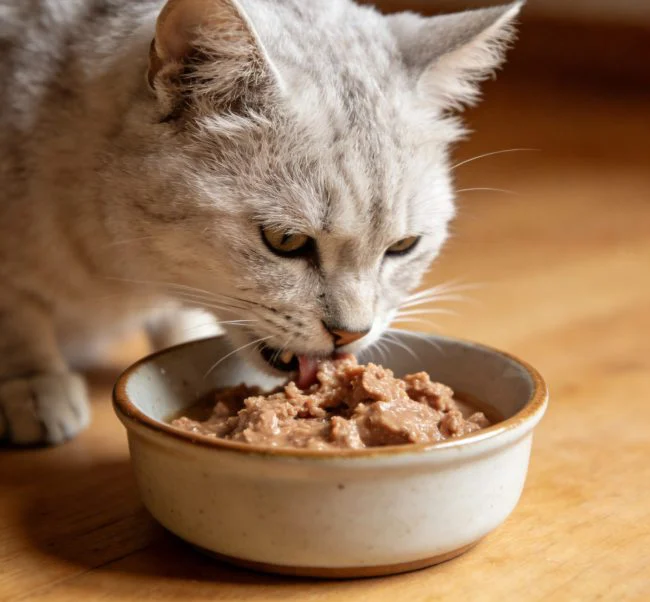
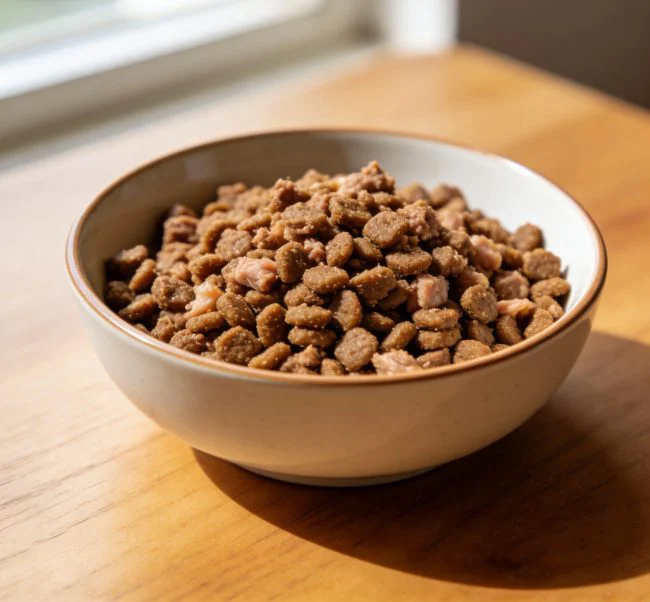
Each brand offers wet and dry options, catering to different preferences. Compare prices and ingredient lists to find the best fit for your budget and your cat’s needs.
Final Thoughts on Limited Ingredient Cat Food
Limited ingredient cat food is a practical solution for cats with food sensitivities, offering simplicity and targeted nutrition. By focusing on high-quality, single-source ingredients, these diets can alleviate allergies and improve overall health. Always prioritize AAFCO-certified products and consult your vet for personalized advice. With careful selection and gradual transition, LICD can significantly enhance your cat’s quality of life.
View Comments (0)