

How to Train a Kitten to Use a Litter Box?A Stress-Free Guide
Bringing a new kitten home is an exciting time, but it also comes with essential responsibilities—chief among them is litter box training. The good news is that most kittens have a natural instinct to bury their waste, making the process surprisingly straightforward. With the right setup, a little patience, and an understanding of feline behavior, you can set your new furry friend up for a lifetime of good litter box habits. This comprehensive guide, informed by PawLitter‘s hands-on testing and cat-first philosophy, will walk you through every step.
Understanding Your Kitten’s Natural Instincts
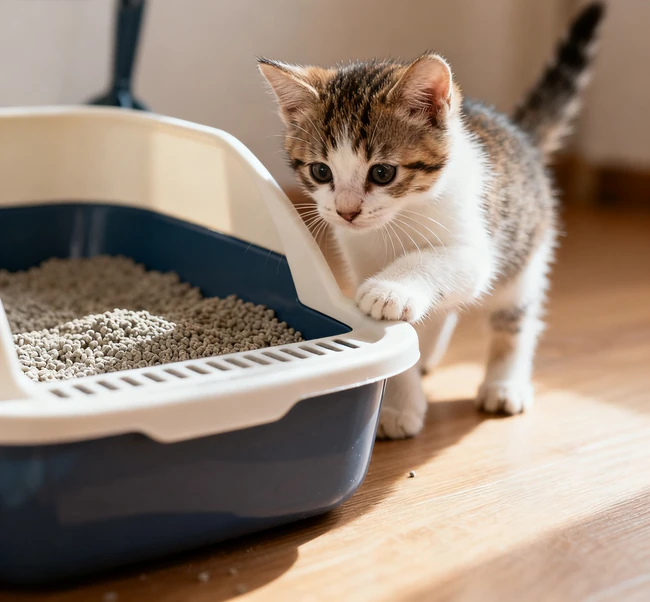
Cats are hardwired to eliminate in a soft, loose substrate and then cover their scent. This instinct stems from their wild ancestors who needed to hide their presence from predators. Your job isn’t to “train” this instinct into them, but rather to create an environment that encourages them to follow it in the designated spot—the litter box. When you understand this, the entire process becomes less about training and more about guiding.
Essential Supplies for Successful Litter Training
Before your kitten even arrives, you’ll need to gather the right tools. The choices you make here can significantly impact how quickly your kitten adapts.
The Right Litter Box
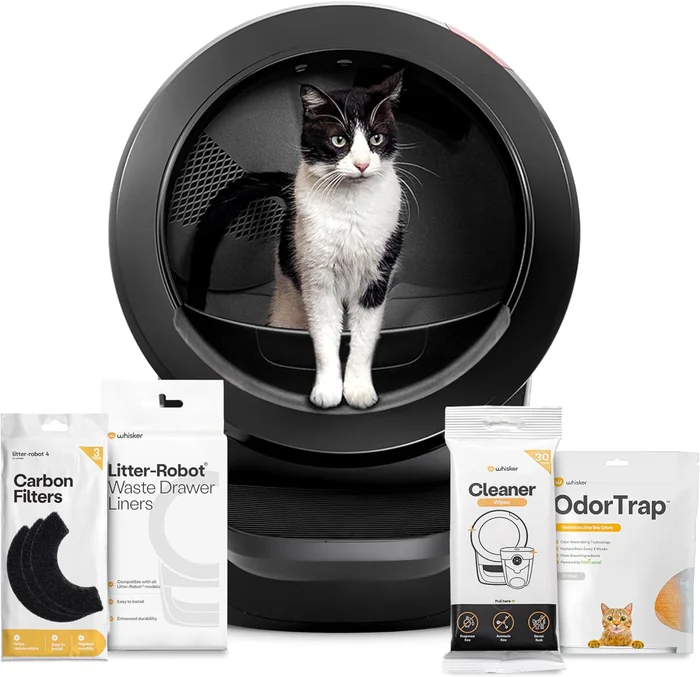
For a tiny kitten, start simple. A low-sided, open-top box is best as it’s easy to climb into and doesn’t feel confining. As your kitten grows, you can consider other options. At PawLitter, we’ve tested everything from basic pans to high-tech self-cleaning litter boxes, and we always recommend starting with the most accessible option for a baby cat.
- Low Entry: Kittens should be able to get in and out effortlessly.
- Appropriate Size: The box should be about 1.5 times the length of your kitten.
- Number of Boxes: The golden rule is one litter box per cat, plus one extra. For one kitten, start with two boxes in different, quiet locations.
Choosing the Best Cat Litter
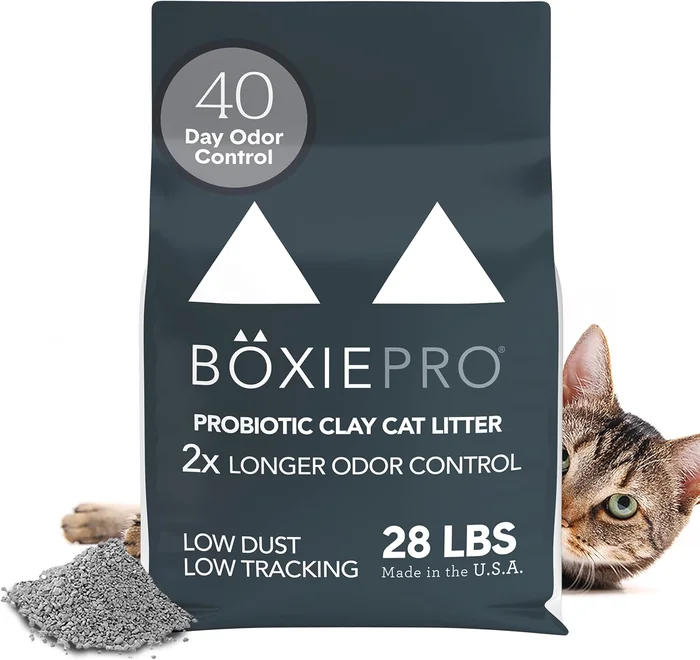
With so many options, it can be overwhelming. For kittens, unscented, clumping litter made from fine-grained sand is often the best choice. It’s soft on paws and mimics the dirt they are naturally drawn to. Avoid litters with strong perfumes or large, sharp granules that might be off-putting. For a deeper dive into your options, check out our guide on What is a Litter for Cats? A Complete Guide for Cat Owners.
Safety Note: Be mindful of dust. While testing various litters, we always consider respiratory health for both cats and owners. Learn more in our article, Is Inhaling Cat Litter Dust Harmful? A Vet-Reviewed Guide.
The Step-by-Step Litter Training Process
Step 1: Introduce the Litter Box
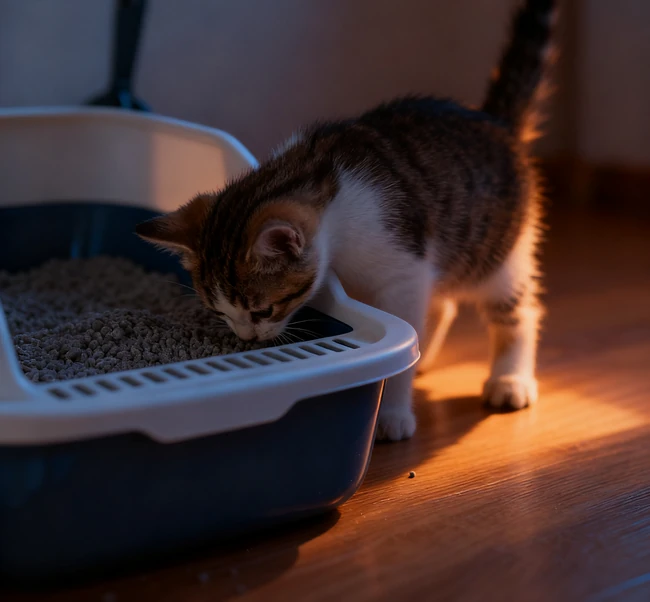
As soon as you bring your kitten home, show them where the litter box is located. Gently place them inside and allow them to sniff and explore. Do not force them to stay. Let this initial introduction be a positive, curiosity-driven experience.
Step 2: Timing is Everything
Kittens have small bladders and need to go frequently. Take them to the litter box at key times to reinforce the habit:
- Immediately after waking up from a nap.
- Right after they finish eating or drinking.
- After a vigorous play session.
Step 3: Positive Reinforcement
When your kitten uses the litter box correctly, offer immediate praise and a small, healthy treat. Never punish or scold a kitten for accidents. This only creates fear and anxiety, which can lead to more significant behavioral problems. Positive association is the key to success.
Step 4: Proper Litter Box Placement
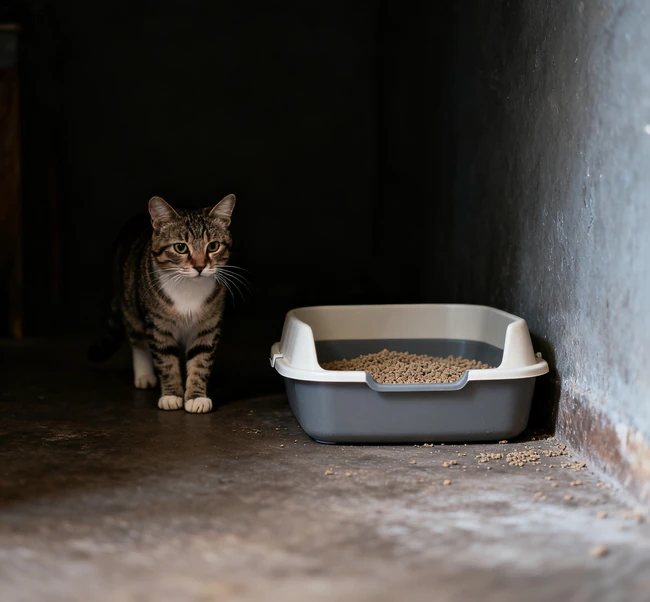
Location is critical. A poorly placed box is a common reason for training failures. The box should be in a quiet, low-traffic area where your kitten feels safe and won’t be startled. Avoid placing it next to a loud appliance like a washing machine or in the middle of a busy hallway. For a detailed list of locations to avoid, read our Ultimate Guide to Bad Litter Box Placement.
Common Litter Box Problems and Solutions
| Problem | Possible Cause | Solution |
|---|---|---|
| Kitten avoids the box | Box is too dirty, wrong litter type, poor location, medical issue | Scoop daily, try unscented litter, move to a quieter spot, consult a vet |
| Eliminating right next to the box | Box is too small, doesn’t like the box style, associate pain with the box | Get a larger box, try an open-top design, rule out health problems |
| Kicking litter everywhere | Normal burying behavior, box sides are too low | Use a litter mat, consider a high-sided or top-entry box as they grow |
Maintaining a Clean and Appealing Litter Box
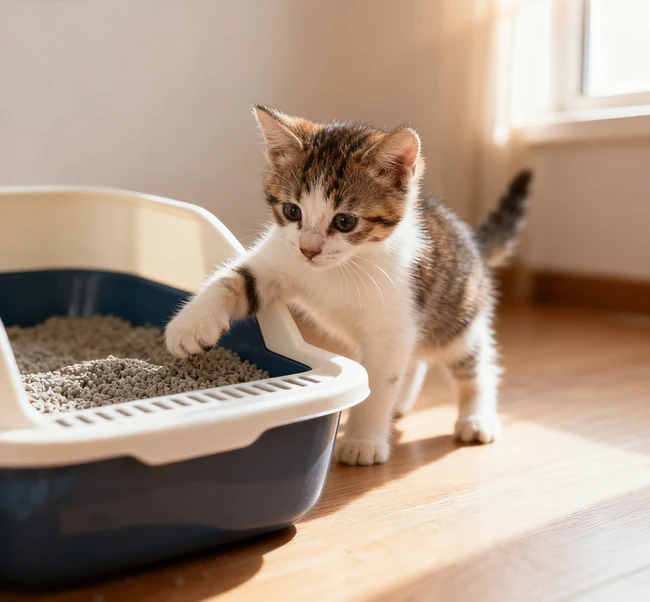
A clean litter box is non-negotiable. Cats are fastidiously clean animals and will often refuse to use a dirty box.
- Scoop Waste Daily: Remove solid waste and urine clumps at least once, preferably twice a day.
- Deep Clean Weekly: Empty all the litter, wash the box with mild, unscented soap and warm water, and refill with fresh litter.
- Proper Disposal: Never flush cat litter, even if it’s labeled “flushable.” It can cause serious plumbing and environmental issues. For safe methods, see our guide on How Should I Dispose of My Cat Litter? A Complete Guide and Is It Okay to Put Cat Litter in the Toilet? The Definitive Guide.
When to Seek Help
If your kitten consistently has accidents, seems to be in pain while eliminating, cries in the box, or if you notice blood in their urine or stool, contact your veterinarian immediately. These can be signs of a urinary tract infection, blockage, or other serious medical condition that requires prompt treatment.
Frequently Asked Questions (FAQs)
At what age can you start litter training a kitten?
You can start as early as 3-4 weeks old. Mother cats begin teaching their kittens at this age, and by 8 weeks, most kittens are fully weaned and have a solid understanding of using a litter box.
My kitten was using the litter box but suddenly stopped. Why?
This is a common concern. Sudden changes can be due to a medical issue, a change in the type of litter, a dirty box, or a new stressor in the environment (like a new pet or person). Rule out health problems with a vet first, then reassess the litter box setup and household dynamics. Our guide on How to Litter Train a Cat covers troubleshooting for cats of all ages.
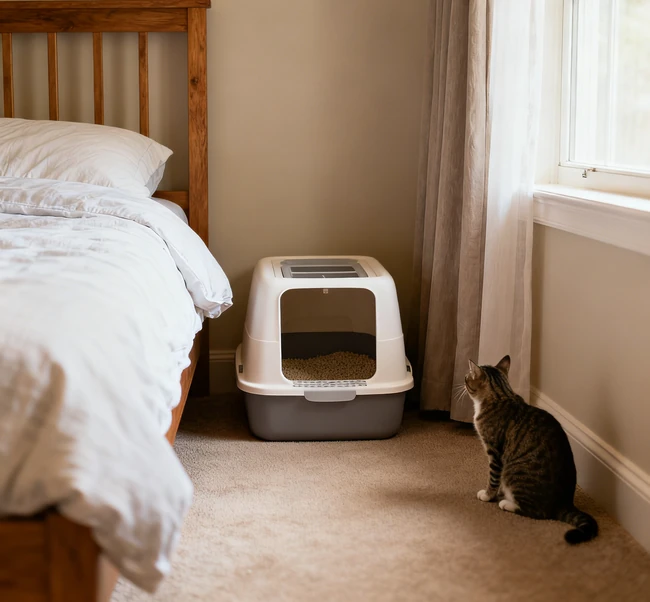
Is it safe for my kitten to sleep in my bedroom with the litter box?
While it’s not ideal for long-term health due to ammonia fumes and dust, it can be manageable for short periods if the box is kept impeccably clean. For a detailed analysis, read Is It Safe to Sleep in a Room with a Cat Litter Box? An Expert Guide.
Can I train my kitten to use the toilet?
While it’s possible through specialized training kits, most feline behavior experts and veterinarians do not recommend it. It goes against a cat’s natural instinct to dig and cover, can cause stress, and hides important health clues that are visible in litter. It’s also problematic from a sanitation perspective, as explained in Can You Flush Cat Poop Without Litter? The Surprising Answer.
How does PawLitter test and evaluate litter boxes and related products?
At PawLitter, our reviews are based on real-world testing for at least 30 days with cats in home environments. We evaluate products based on key criteria like odor control, ease of cleaning, cat comfort (entry/exit ease, space, noise), and durability. We are transparent about our affiliate relationships and prioritize the cat’s wellbeing over any brand partnership or commission.
What’s the difference between clumping and non-clumping litter?
Clumping litter forms solid clumps when it comes into contact with moisture, making daily scooping easy and effective. Non-clumping litter absorbs moisture but doesn’t clump, often requiring more frequent complete changes. For a full breakdown, see What is the Use of Cat Litter? A Complete Guide for Cat Owners.
Related Topics
- How to Litter Train an Adult Cat
- Best and Worst Litter Box Locations
- What Not to Flush Down a Toilet
- Choosing the Right Cat Litter
- Pawlitter Litter Box Reviews & Guides
Conclusion
Litter training your kitten is one of the first and most important bonds you’ll form. By providing a clean, accessible, and well-placed litter box with a kitten-friendly litter, you are working with your cat’s natural instincts, not against them. Remember, patience and positive reinforcement are your most powerful tools. For more in-depth reviews and expert advice on finding the perfect litter box solution for your feline family’s evolving needs, we invite you to explore the comprehensive resources at PawLitter.
View Comments (0)