Cats rely heavily on their vision, making eye health a critical aspect of their overall well-being. Eye problems in cats, such as conjunctivitis, cataracts, or retinal degeneration, can often be linked to nutritional deficiencies. This guide explores how specialized cat food for eye problems can support and improve your feline’s ocular health. You’ll learn about key nutrients, ingredient recommendations, and practical feeding strategies to help prevent or manage eye conditions. By the end, you’ll be equipped to make informed dietary choices that promote your cat’s long-term vision and vitality.
Understanding Common Eye Problems in Cats
Eye issues in cats range from mild irritations to severe conditions that can lead to blindness. Common problems include conjunctivitis (redness and discharge), cataracts (cloudy lenses), and glaucoma (increased eye pressure). These conditions may stem from infections, genetics, or nutritional gaps. For example, a deficiency in taurine, an essential amino acid, can cause retinal degeneration. Early detection is crucial—watch for symptoms like excessive tearing, squinting, or changes in eye color. Addressing these issues with the right diet can complement veterinary treatment and improve outcomes.
Key Nutrients for Eye Health
Certain nutrients play a pivotal role in maintaining your cat’s eye health. Here are the most important ones:
1. Taurine: Prevents retinal degeneration and supports overall vision.
2. Vitamin A: Essential for night vision and corneal health.
4. Antioxidants (Vitamins E & C): Combat oxidative stress that damages eye cells.
5. Lutein & Zeaxanthin: Protect against harmful blue light and support retinal health.
Including these nutrients in your cat’s diet can significantly reduce the risk of eye problems.
Choosing the Right Cat Food for Eye Problems
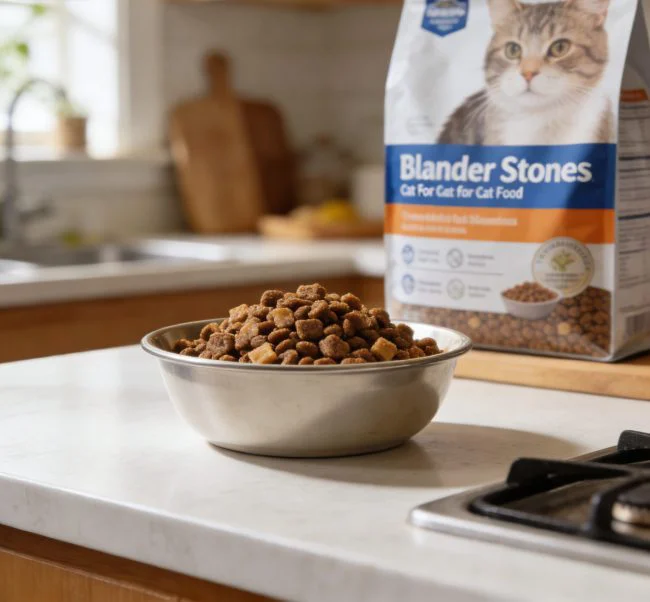
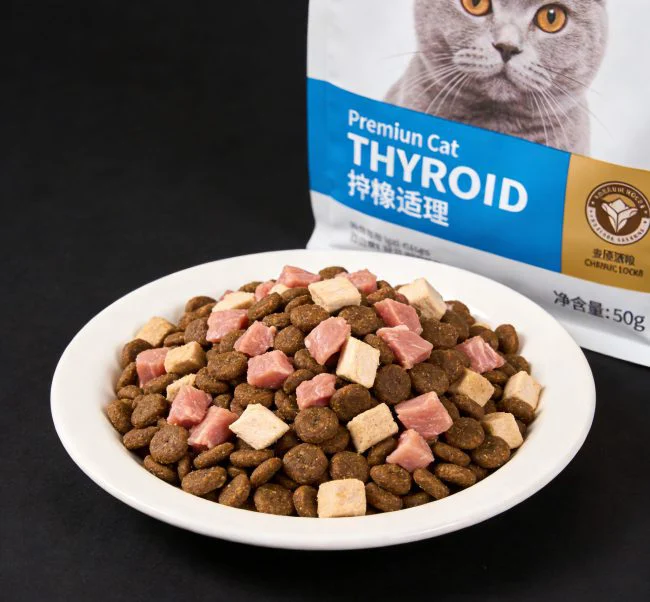
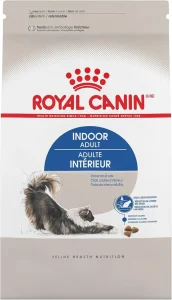
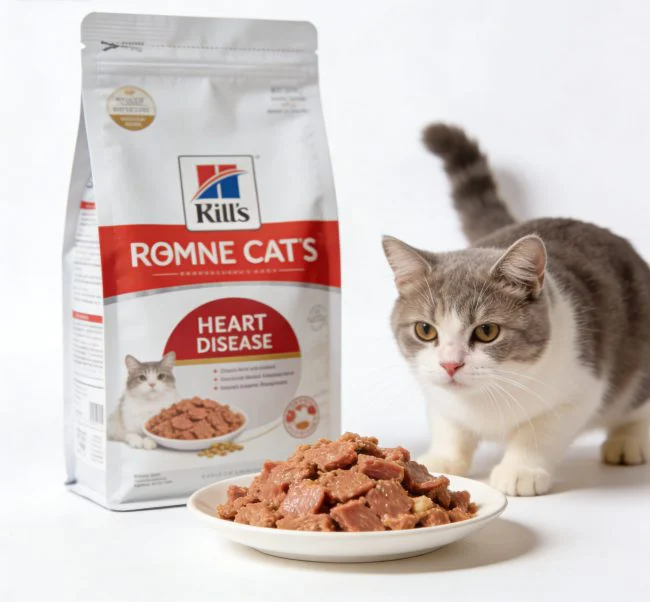
When selecting cat food for eye problems, prioritize high-quality, nutritionally balanced formulas. Look for products labeled as “complete and balanced” by AAFCO. Ingredients should list real meat as the first ingredient, ensuring adequate taurine levels. Avoid foods with excessive fillers like corn or soy, which offer little nutritional value. For cats with existing eye conditions, consider prescription diets formulated with targeted nutrients. For example, Hill’s Prescription Diet i/d or Royal Canin Veterinary Diet often include enhanced levels of omega-3s and antioxidants. Always consult your vet before switching to a specialized diet.
Homemade vs. Commercial Cat Food for Eye Health
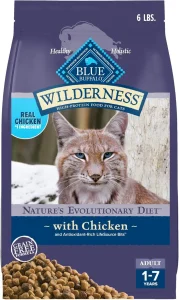
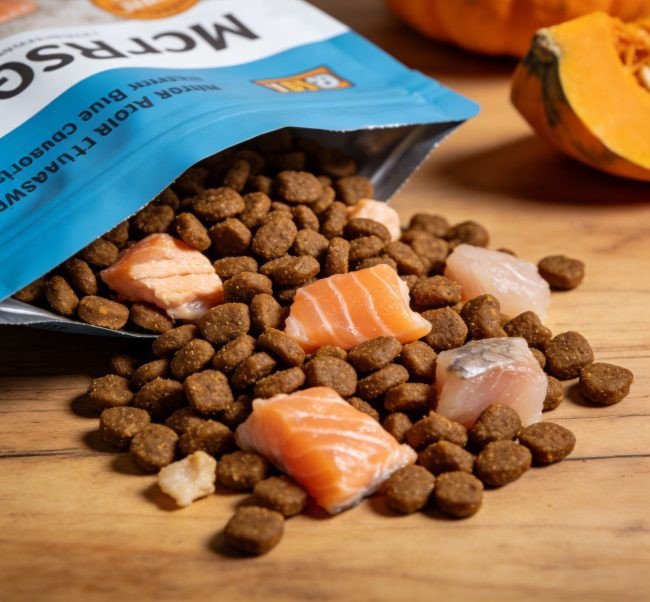
Some owners prefer homemade diets to control ingredients, but this approach carries risks. Commercially prepared cat food for eye problems is scientifically formulated to meet nutritional standards. Homemade diets may lack essential nutrients like taurine unless carefully planned. If you choose homemade, work with a veterinary nutritionist to ensure balance. Commercial options, on the other hand, offer convenience and reliability. Brands like Blue Buffalo and Wellness CORE provide formulas rich in eye-supporting nutrients. Weigh the pros and cons based on your cat’s specific needs and your ability to maintain a balanced diet.
Feeding Strategies for Optimal Eye Health
Proper feeding practices can enhance the benefits of eye-supportive cat food. Follow these tips:
• Feed measured portions to avoid obesity, which can exacerbate eye conditions. • Provide fresh water to stay hydrated, supporting tear production. • Avoid raw diets, as they may lack essential nutrients and pose infection risks. • Monitor your cat’s weight and adjust food intake accordingly.
Consistency is key—stick to a feeding schedule and avoid frequent diet changes, which can disrupt digestive health.
Supplements to Boost Eye Health
In some cases, supplements can complement your cat’s diet to address specific eye concerns. Popular options include:
1. Taurine supplements: Useful if your cat’s diet lacks sufficient amounts.
3. Lutein supplements: Supports retinal health in older cats.
Always choose supplements formulated for cats and follow dosage instructions. Over-supplementation can lead to toxicity, so veterinary guidance is essential.
When to Consult a Veterinarian
Diet alone cannot cure all eye problems, so professional care is vital. Seek veterinary attention if your cat shows persistent symptoms like redness, cloudiness, or vision loss. Your vet may recommend diagnostic tests, medications, or surgical interventions. Nutrition plays a supportive role but should not replace medical treatment. Regular check-ups can catch issues early, allowing for timely intervention. Keep a record of your cat’s diet and symptoms to help your vet make informed decisions.
Conclusion: Prioritizing Your Cat’s Vision
Caring for your cat’s eyes starts with proper nutrition. Choosing the right cat food for eye problems—rich in taurine, omega-3s, and antioxidants—can prevent or manage common conditions. Combine a balanced diet with regular vet visits and attentive care to ensure your cat’s vision remains sharp. Remember, early intervention and consistent feeding practices are key to long-term eye health. By taking these steps, you’re not just treating problems—you’re investing in your cat’s quality of life.
James Anderson
About the Author & PawLitter
PawLitter is a leading online resource dedicated to providing evidence-based pet care information, comprehensive product reviews, and expert guidance for cat and dog owners worldwide.
Our Mission:
• Deliver honest, unbiased product reviews backed by real-world testing
• Share expert advice on pet health, nutrition, and behavior
• Help pet owners make informed purchasing decisions
• Build a trusted community of pet care enthusiasts
With years of experience in the pet industry and a commitment to quality content, we've helped thousands of pet owners find the best products and solutions for their beloved companions.
Industry Partnerships & Collaborations:
We actively seek partnerships with reputable pet brands, veterinary professionals, and industry experts who share our values of transparency and pet welfare. If you're interested in:
• Product reviews and testing
• Sponsored content opportunities
• Guest posting and content collaboration
• Affiliate partnerships
Please visit our Partnership page or contact us directly. We look forward to working together to advance pet care excellence.





 Cat Food & Treats FAQ
 Cat Food & Treats FAQ
 Cat Food & Treats FAQ
 Cat Food & Treats FAQ
 Cat Food & Treats FAQ
 Cat Food & Treats FAQ