


Best Cat Food for Food Sensitivities: 2026 Guide

Choosing the right cat food for food sensitivities can transform your pet’s health and happiness. Many cats suffer from adverse reactions to common ingredients, leading to discomfort and chronic issues. This guide provides actionable insights into identifying triggers, selecting hypoallergenic diets, and ensuring balanced nutrition. By the end, you’ll have a clear roadmap to alleviate your cat’s symptoms and improve their quality of life through tailored nutrition.
Understanding Food Sensitivities in Cats
Food sensitivities occur when a cat’s immune system overreacts to specific ingredients, often proteins like beef, dairy, or fish. Unlike allergies, sensitivities may not trigger immediate reactions but can cause chronic digestive or skin issues. Common symptoms include persistent itching, vomiting, diarrhea, or ear infections.
1. Digestive upset: Frequent loose stools or vomiting after meals.
2. Skin problems: Excessive scratching, redness, or hot spots.
3. Ear issues: Recurrent infections or inflammation.
Veterinary studies suggest that up to 10% of cats may suffer from food sensitivities. Early identification is key to preventing long-term complications and ensuring your cat’s well-being.
How to Identify Trigger Ingredients
Pinning down the culprit ingredient requires a systematic approach. Start with a food elimination trial under veterinary supervision. This involves feeding your cat a novel protein and carbohydrate source for 8-12 weeks.
1. Choose a limited-ingredient diet with a single protein source, like duck or venison.
2. Monitor symptoms closely and keep a daily log of reactions.
3. Gradually reintroduce old ingredients one at a time to observe responses.
Blood tests can sometimes help, but elimination trials remain the gold standard. Patience is crucial, as results can take weeks to manifest.
Key Features of Hypoallergenic Cat Food
When selecting cat food for food sensitivities, focus on formulas designed to minimize reactions. These diets often include limited ingredients, novel proteins, or hydrolyzed proteins.
• Limited-ingredient diets: Reduce exposure to potential triggers.
• Novel proteins: Use uncommon meats like rabbit or kangaroo.
• Hydrolyzed proteins: Break down proteins into non-allergenic fragments.
Additionally, avoid artificial additives, fillers, and common allergens like corn or soy. High-quality hypoallergenic foods prioritize digestibility and nutrient density to support overall health.
Wet vs. Dry Food for Sensitive Cats
Both wet and dry options have pros and cons for cats with food sensitivities. Wet food often contains higher moisture levels, aiding hydration and digestion. It’s also less likely to include fillers.
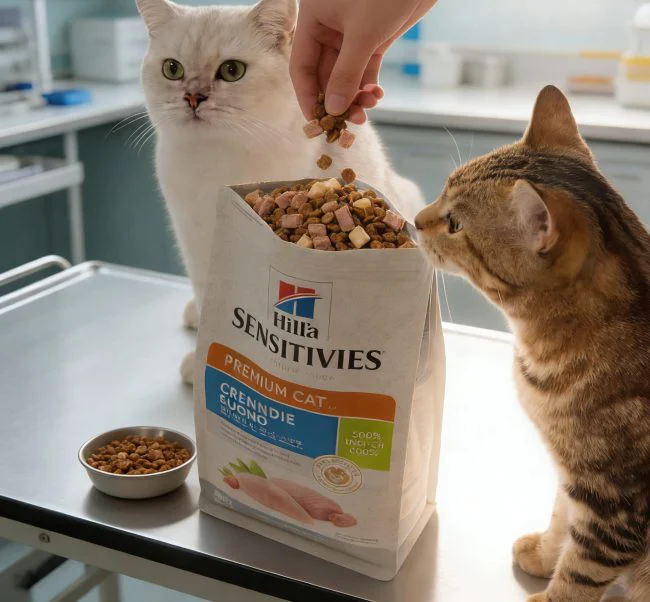
1. Wet food benefits: Easier on sensitive stomachs and palatable.
2. Dry food advantages: Convenient and may support dental health.
For cats with urinary or kidney issues, wet food is typically recommended. However, some cats prefer the texture of kibble. Mixing both can provide a balanced approach, ensuring your cat stays hydrated and receives adequate nutrients.
Top Brands for Sensitive Stomachs
Several brands excel in producing specialized diets for food sensitivities. Hill’s Prescription Diet z/d offers hydrolyzed proteins, while Royal Canin Hydrolyzed Protein is another vet-recommended option.
• Hill’s z/d: Clinically proven to reduce allergic reactions.
• Royal Canin Hydrolyzed Protein: Supports digestive and skin health.
• Blue Buffalo Basics: Limited-ingredient formulas with novel proteins.
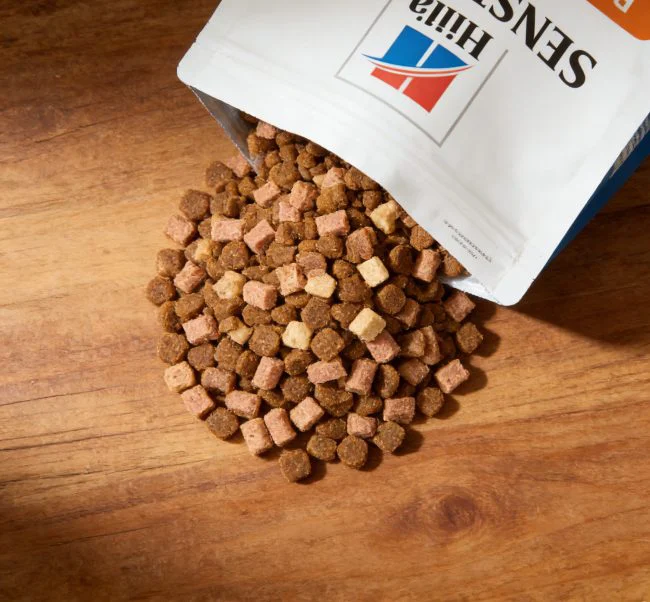
Always consult your vet before switching diets. These brands often require prescriptions, ensuring proper usage and monitoring.
Transitioning to a New Diet Safely
Gradual transitions prevent digestive upset when introducing new cat food for food sensitivities. Start by mixing 25% new food with 75% old food, increasing the new portion over 7-10 days.
1. Days 1-3: 25% new, 75% old.
2. Days 4-6: 50% new, 50% old.
3. Days 7-10: 75% new, 25% old.
Monitor your cat for any adverse reactions during this period. If symptoms persist, consult your vet to adjust the transition plan or explore alternative diets.
Summary: Key Takeaways for Sensitive Cats
Managing food sensitivities in cats requires diligence and informed choices. Start with an elimination diet to identify triggers, then select a hypoallergenic formula with limited or hydrolyzed proteins. Consider wet food for added hydration and digestibility. Trusted brands like Hill’s and Royal Canin offer vet-approved solutions. Always transition diets slowly and under veterinary guidance. With the right approach, your cat can enjoy a symptom-free, healthy life.

Related Products
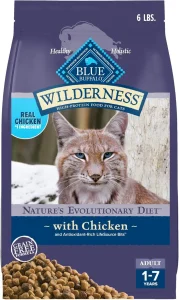
Blue Buffalo Wilderness High-Protein Cat Food
Blue Buffalo Wilderness Nature's Evolutionary Diet High-Protein, Grain-Free Natural Dry Food for Adult Cats is…
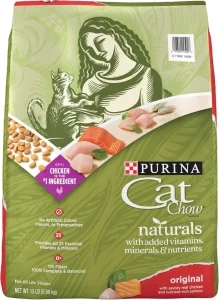
Purina Cat Chow Naturals Dry Cat Food 13 lb
Purina Cat Chow Naturals With Added Vitamins, Minerals and Nutrients Dry Cat Food, Naturals Original,…
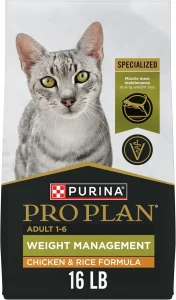
Purina Pro Plan Weight Management Cat Food
Purina Pro Plan Weight Management Chicken and Rice Adult Formula Dry Cat Food is a…

Fancy Feast Gems Chicken Pate Cat Food 8 Pack
Fancy Feast Gems Pate Cat Food Mousse with Chicken and a Halo of Savory Gravy…
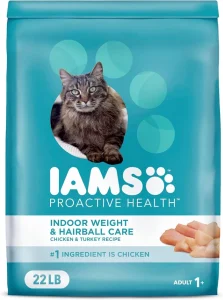
IAMS Indoor Weight & Hairball Cat Food
IAMS Proactive Health Indoor Weight Control & Hairball Care Adult Dry Cat Food is specially…
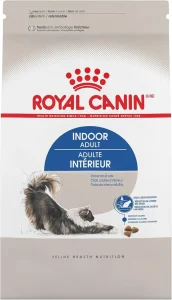
Royal Canin Indoor Adult Dry Cat Food – 7 lb
Royal Canin Feline Health Nutrition Indoor Adult Dry Cat Food is a premium formula designed…
Related Articles
 Cat Food & Treats FAQ
cat food for weight loss
 Cat Food & Treats FAQ
Best Cat Food for Weak Immune Systems: 2026 Guide
 Cat Food & Treats FAQ
cat food for anemia
 Cat Food & Treats FAQ
What Food is Best for Cats? A Vet Techs Guide to Choosing the Right Diet
 Cat Food & Treats FAQ
Best Limited Ingredient Cat Food: A Complete 2026 Guide
 Cat Food & Treats FAQ