



Best Cat Litters for Kittens?A Vet-Reviewed Guide for New Pet Parents

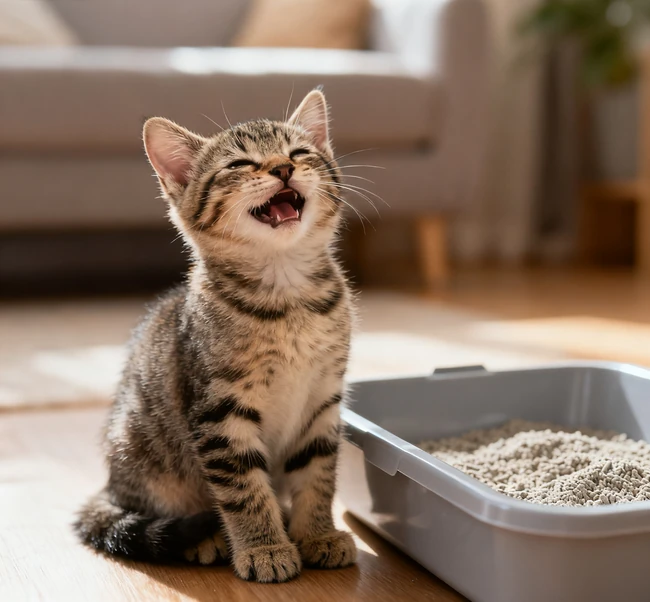
Bringing a new kitten home is an exciting time, but it also comes with important decisions, and one of the most crucial is choosing the right litter. A kitten’s tiny paws, developing respiratory system, and natural curiosity mean that not every cat litter is a safe or suitable choice. At PawLitter, we know that your kitten’s health and comfort are the top priority. That’s why we’ve compiled this comprehensive guide, drawing on expert insights and our own hands-on testing principles, to help you select the best cat litter for your kitten and set them up for a lifetime of good litter box habits.
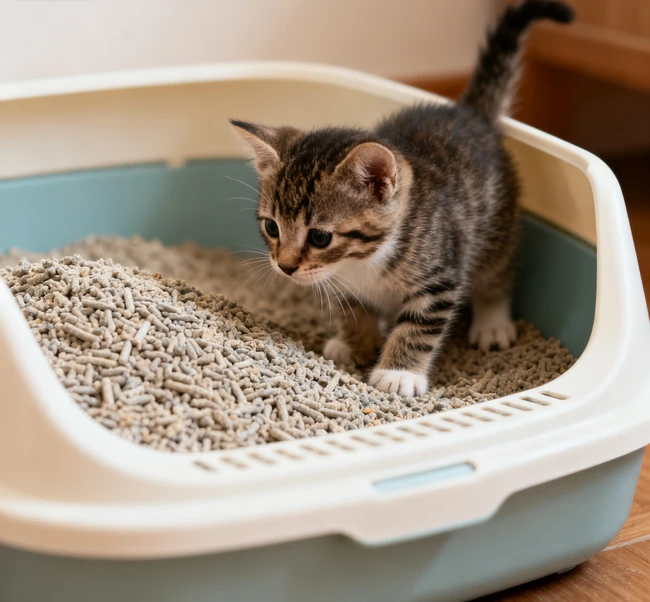
Why Kitten-Safe Litter is Different
Adult cats can typically handle a wide variety of litter types, but kittens have specific needs. The primary concerns are ingestion and inhalation. Kittens are incredibly playful and often explore the world with their mouths. They may accidentally ingest litter granules while grooming their paws or during play. Furthermore, their developing lungs are more sensitive to fine dust particles. A litter that is safe for kittens prioritizes non-toxic, digestible materials and minimal dust.
Key Features to Look For in Kitten Litter
- Non-Clumping Formula: For kittens under 4 months old, veterinarians often recommend non-clumping litter. If ingested, non-clumping paper or wood litter is much safer as it will pass through their digestive system without forming a dangerous blockage.
- Low or No Dust: Dust can irritate a kitten’s delicate respiratory system and eyes. Opt for litters specifically marketed as low-dust or dust-free.
- Soft Texture: A fine, soft texture is gentle on tiny, sensitive paws, making the litter box a more inviting place.
- Natural and Non-Toxic Ingredients: Avoid litters with synthetic fragrances, harsh chemicals, or bleaching agents. Look for litters made from natural materials like paper, wood, corn, or wheat.
- Minimal Tracking: While some tracking is inevitable, smaller, lighter pellets or granules tend to be tracked around the house less than larger, heavier clay pieces.
Top Types of Litter for Kittens
Based on safety and comfort, here are the most recommended types of litter for young kittens.
| Litter Type | Best For | Pros | Cons |
|---|---|---|---|
| Paper-Based Litter | Newborns & Kittens under 4 months | Highly absorbent, very soft, virtually dust-free, non-toxic and safe if ingested. | Does not clump, requires more frequent full changes, less effective odor control. |
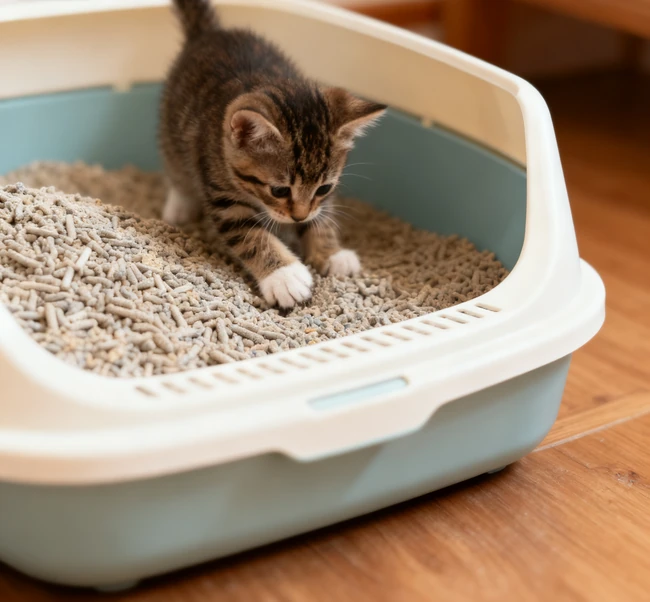
| Wood Pellet Litter | Kittens of all ages | Natural, biodegradable, low dust, expands when wet to signal soiled areas. | Does not clump, some cats may not like the feel or scent of wood. |
| Natural Grain Litter (Corn, Wheat) | Kittens over 4 months | Clumps well, low dust, biodegradable, generally safe if a small amount is ingested. | Can be attractive to bugs if not stored properly; some kittens may be allergic. |
Litters to Avoid for Young Kittens
When it comes to your kitten’s safety, it’s just as important to know what to avoid.
- Traditional Clay Clumping Litter: This is the biggest risk for young kittens. The clumping action, which is so convenient for cleaning, can cause life-threatening intestinal blockages if ingested.
- Highly Scented Litters: Artificial fragrances can be overwhelming and off-putting to a kitten’s sensitive nose, potentially discouraging them from using the box.
- Silica Gel Crystal Litter: These crystals are super absorbent but can be sharp and are not safe for ingestion. They are best reserved for adult cats.
Transitioning to Clumping Litter
Once your kitten is past the 4-month mark and has stopped its oral exploration phase, you can consider transitioning to a clumping litter for easier maintenance. The key is to do it gradually. Start by mixing a small amount of the new clumping litter with their current non-clumping litter. Over 1-2 weeks, slowly increase the ratio of clumping to non-clumping litter until you’ve fully switched. This slow process helps prevent aversion and ensures your kitten continues to use the box reliably. For more on maintenance, see our guide on How Often Should You Change Cat Litter?
Essential Litter Box Tips for Kitten Owners
Choosing the right litter is only half the battle. Proper setup and maintenance are critical for success.
Litter Box Setup
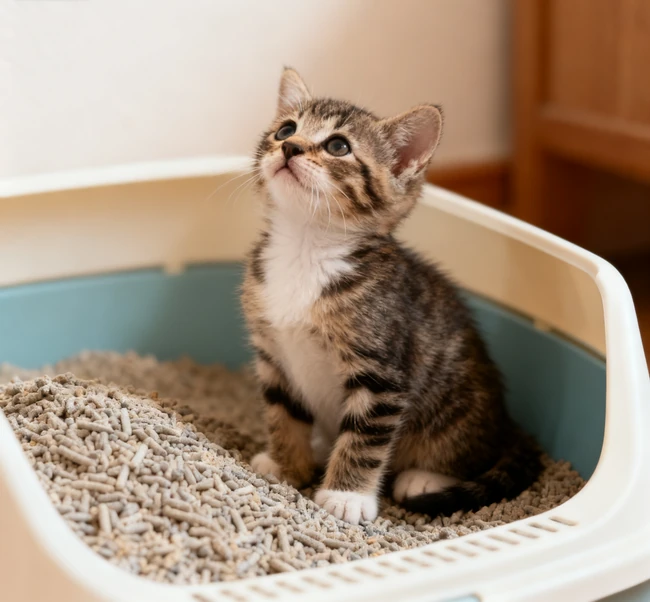
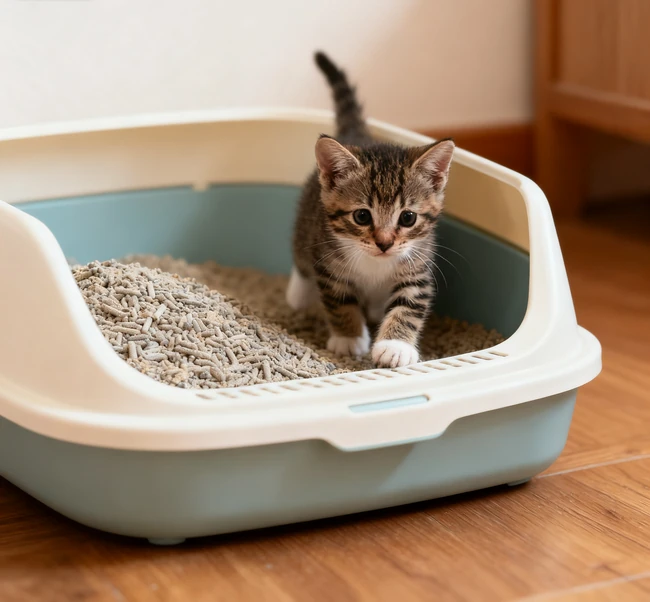
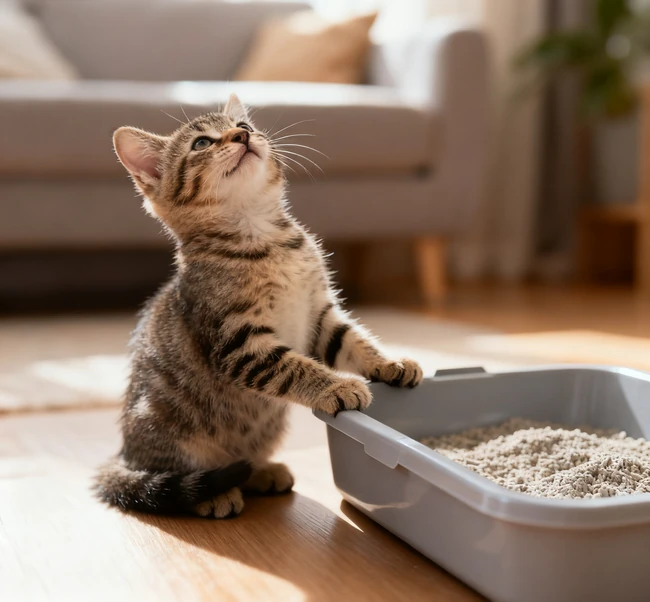
Start with a simple, low-sided box that your kitten can easily step into. Avoid covered litter boxes initially, as they can trap odors and feel intimidating to a small kitten. Proper placement is also key; choose a quiet, low-traffic area where your kitten feels safe.
Cleaning and Maintenance
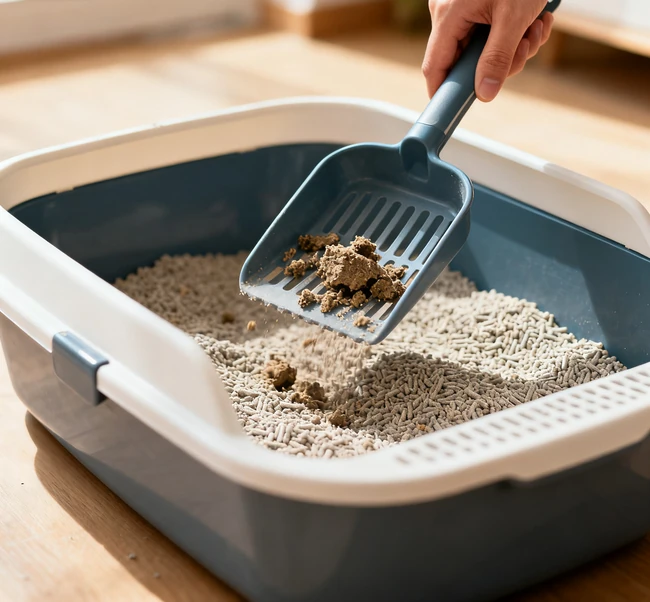
Kittens are clean creatures and may refuse to use a dirty box. Scoop waste at least once daily. For non-clumping litter, you’ll need to change the entire box more frequently. Our guide on How to Clean a Litter Box provides a detailed step-by-step process. To manage multiple feline friends, our article on How Many Litter Boxes Per Cat? is an essential read.
Frequently Asked Questions
At what age can a kitten use clumping litter?
It is generally safe to transition a kitten to a clumping litter once they are around 4 months old. By this age, they are less likely to intentionally eat the litter, and their digestive systems are more developed. However, always consult your veterinarian if you are unsure.
What is the absolute safest litter for a newborn kitten?
For newborn kittens (especially those being hand-reared), the safest option is a non-clumping, dust-free paper-based litter. It is soft, highly absorbent, and poses no risk of intestinal blockage if ingested in small amounts during grooming.
How does PawLitter test and evaluate kitten litters?
At PawLitter, our reviews are based on real-world testing, not just manufacturer claims. For litters, this means we evaluate them over at least a 30-day period in a home environment. We assess key factors like dust production, odor control, clump strength (for clumping varieties), tracking, and most importantly, cat acceptance. We are transparent about our testing process and affiliate disclosures, ensuring our recommendations are honest and prioritize your cat’s wellbeing.
My kitten is eating the litter. What should I do?
This is a common but serious concern. First, immediately switch to a safer, non-clumping litter like paper or wood pellets. Second, consult your veterinarian, as litter eating (a condition called pica) can sometimes indicate a nutritional deficiency or underlying health issue.
How can I stop my kitten from tracking litter everywhere?
Some tracking is normal, but you can minimize it. Use a high-sided litter box or a top-entry box (for older kittens). Placing a high-quality litter trapping mat outside the box will catch a significant amount of granules from their paws.
How much litter should I put in the box for my kitten?
For kittens, a depth of about 1-2 inches is sufficient. This is deep enough for them to dig and cover their waste but not so deep that it becomes difficult for them to walk in. For a detailed breakdown, check out our guide on How Much Cat Litter to Use?
Related Topics
- How to Dispose of Cat Litter?
- Self Cleaning Litter Box Worth It?
- Best Litter Box for Multiple Cats
- How to Get Rid of Cat Litter Smell?
- More Litter Box Reviews & Guides
Conclusion
Selecting the best litter for your kitten is one of the most caring investments you can make in their long-term health and happiness. By starting with a safe, non-clumping, low-dust option and transitioning carefully as they grow, you’ll foster positive litter box habits that last a lifetime. Remember, every kitten is unique, so observe their preferences and be patient. For more trusted, hands-on reviews and practical advice on everything from cleaning techniques to the latest litter box innovations, explore the comprehensive guides at PawLitter.

Related Articles
 Automatic Cat Litter Box
How Often Should You Change Cat Litter?A Vet-Reviewed Guide
 Automatic Cat Litter Box
What is a Litter for Cats?A Complete Guide for Cat Owners
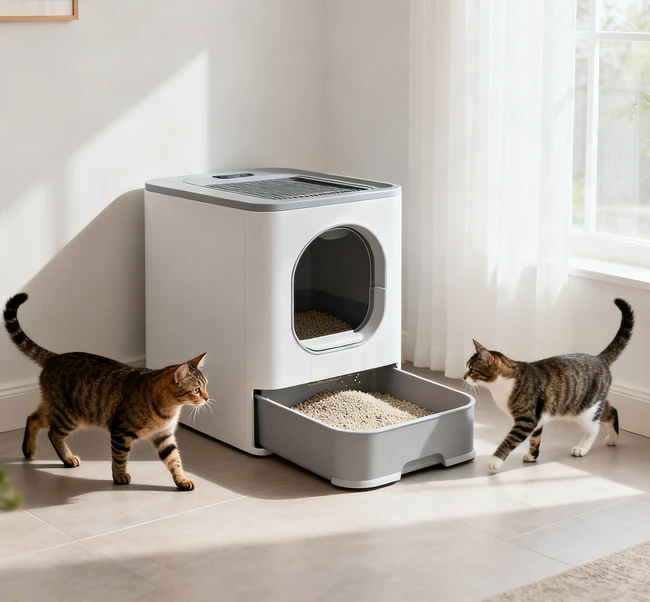 Automatic Cat Litter Box
The Ultimate Guide to Finding the Best Litter Box for Multiple Cats
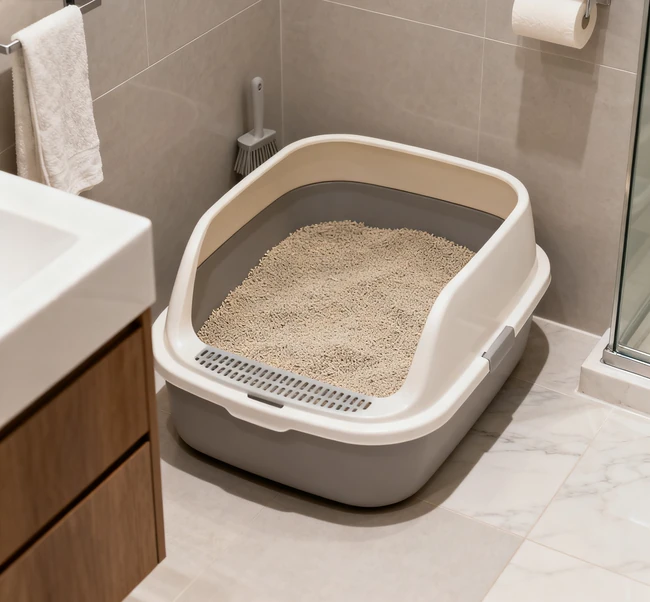 Automatic Cat Litter Box
How to Clean a Litter Box?A Step-by-Step Guide for a Fresh, Odor-Free Home
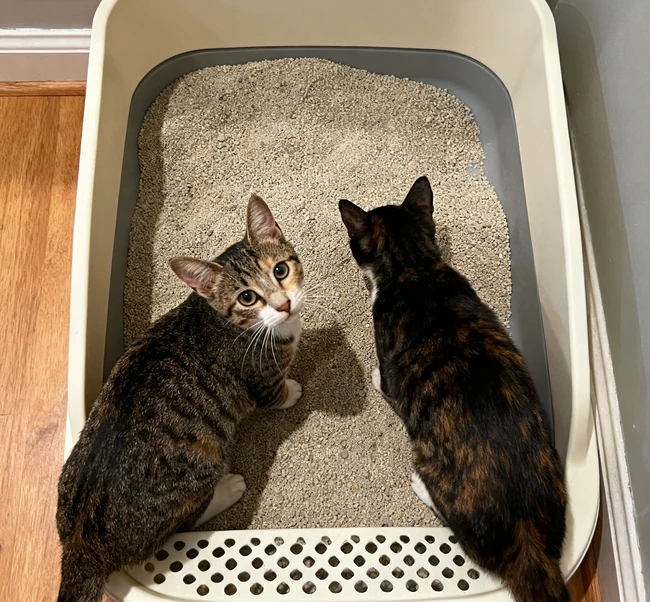 Automatic Cat Litter Box
The Best Cat Litters for Multiple Cats?An Unbiased 2024 Guide
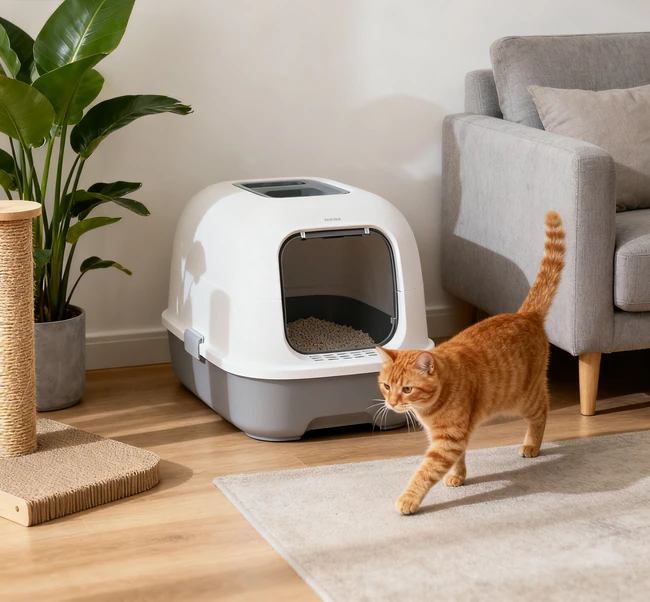 Automatic Cat Litter Box