
Can I give rice to my kitten? A Vet-Approved Safety & Feeding Guide

Yes, you can give rice to your kitten, but it must be done with significant caution and under the right circumstances. Plain, cooked white rice is non-toxic and can sometimes be used as a temporary binding agent for a kitten with an upset stomach. However, it is not a necessary or ideal part of a kitten’s diet. Kittens are obligate carnivores, meaning their primary nutritional needs must be met by high-quality, protein-rich kitten food. Rice offers no essential nutrients they cannot get from their specialized diet and, if fed improperly, can lead to nutritional deficiencies, digestive upset, or weight gain. This guide, informed by veterinary expertise, will walk you through the safe protocols, precise portions, and critical scenarios where rice might—or might not—be appropriate for your growing cat.
The safety of rice for kittens hinges entirely on preparation, portion, and purpose. In its simplest form—fully cooked, plain, and cooled white rice—it is generally safe for a healthy kitten to consume a tiny amount. Think of it as an occasional additive, not a meal. The core principle is that a kitten’s primary diet (over 90%) must be a complete and balanced commercial kitten food formulated to support rapid growth and development. Rice should never replace this. The significant risks arise from feeding rice incorrectly: seasoning it (onions, garlic, and salt are toxic), offering it uncooked (which is indigestible), or allowing it to become a regular part of their diet, displacing vital animal proteins and fats.
Nutritional Breakdown: What’s Actually in Rice?
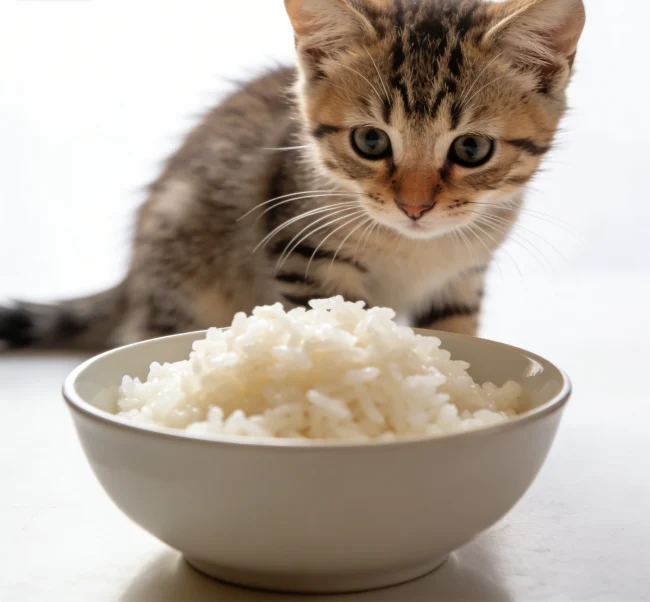
To understand why rice is a supplementary food at best, we must look at its nutritional profile. Kittens require high levels of animal-based protein (for muscle growth), specific amino acids like taurine (for heart and eye health), fats, vitamins, and minerals. Rice is primarily a source of carbohydrates.
| Nutrient (per 100g cooked white rice) | Amount | Relevance to Kittens |
|---|---|---|
| Carbohydrates | 28g | Provides energy, but kittens derive energy more efficiently from protein and fat. |
| Protein | 2.7g | Low-quality, plant-based protein lacking essential amino acids like taurine. |
| Fat | 0.3g | Negligible; kittens need fats for brain development and energy. |
| Fiber | 0.4g | Minimal; brown rice has more, which can be too harsh for a kitten’s sensitive gut. |
White vs. Brown Rice: While brown rice is often considered healthier for humans due to more fiber and nutrients, it’s not superior for kittens. The extra fiber can cause gas or diarrhea in young cats. More critically, brown rice has higher levels of arsenic, a heavy metal that can accumulate over time. For a small, developing kitten, it’s prudent to avoid this potential risk entirely and stick with plain white rice if used.
Potential Benefits vs. Risks for Growing Kittens
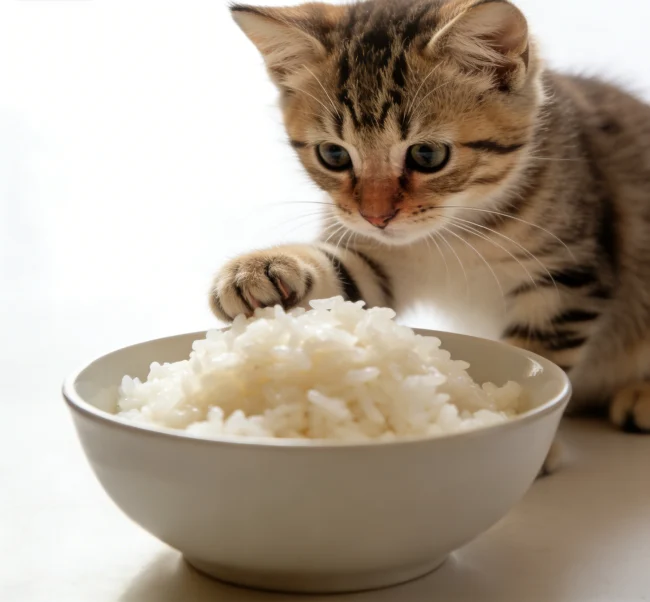
It’s crucial to weigh the very limited potential benefits against the real risks.
Potential Benefits (Context-Specific):
Significant Risks:
Step-by-Step: How to Safely Introduce Rice to Your Kitten
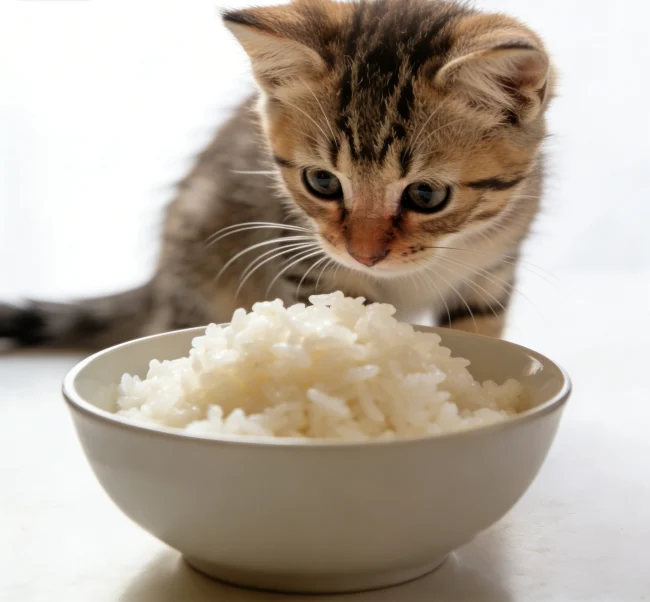
If your veterinarian has advised using rice for a specific reason, follow this precise protocol.
Important Scenarios & FAQs
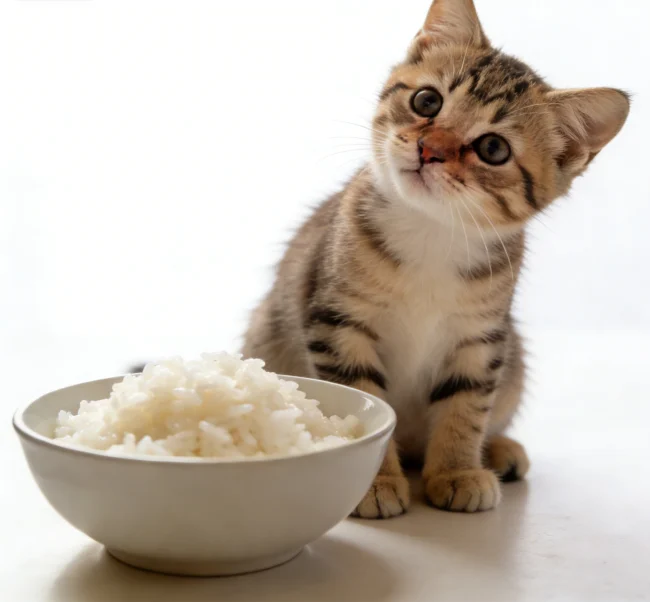
Scenario 1: My kitten has diarrhea. Can I give rice?
Proceed with caution. While a bland diet is a common recommendation, diarrhea in kittens is often caused by parasites, infections, or dietary indiscretion. Contact your vet first. If they advise a home bland diet, it’s typically a specific ratio of plain boiled chicken (for protein) and white rice for no more than 48 hours, followed by a gradual transition back to regular food.
Scenario 2: Can I mix rice with wet food regularly to stretch meals?
Absolutely not. This is a dangerous practice that will dilute the essential nutrients in the commercial food, leading to malnutrition during a critical growth phase. Kitten food is scientifically formulated; adding fillers compromises its integrity.
Scenario 3: My adult cat eats rice occasionally. Is it the same for my kitten?
No. Kittens have much higher nutritional demands and less digestive leeway than adults. An adult cat’s occasional treat of a few rice grains is less risky, but for a kitten, the margin for error is much smaller. Their primary focus must be growth-supportive nutrition.
The Bottom Line & When to Call the Vet
Rice is a tool, not a food, for kittens. Its use should be rare, vet-sanctioned, and highly controlled. The cornerstone of your kitten’s health is a premium commercial diet labeled for “growth” or “kitten.”
Call your veterinarian immediately if:
Your instinct to research before feeding is commendable. When in doubt, always default to a high-quality kitten food and the professional advice of your veterinary team.
Frequently Asked Questions (FAQ)
Q: Can kittens eat rice every day?
No. Kittens should not eat rice every day. Daily consumption would displace the vital nutrients from their specialized kitten food, leading to serious developmental and health problems. Rice lacks the essential proteins, vitamins, and minerals a growing kitten requires.
Q: Is brown rice better than white rice for cats?
Not for kittens. Brown rice contains more fiber, which can be difficult for a kitten’s delicate digestive system to process, potentially causing gas or diarrhea. It also contains higher levels of arsenic than white rice. For the rare instance rice is used, plain white rice is the safer choice.
Q: How much rice can I give my 3-month-old kitten?
For a kitten this young, the portion is extremely small—no more than half a teaspoon of cooked, plain white rice, and only if specifically recommended by your vet for a purpose like a bland diet. Their primary nutrition must come from kitten formula or wet food designed for growth.
Q: Can rice help a kitten with constipation?
This is a common misconception. Rice, especially white rice, is more likely to cause constipation than relieve it due to its low fiber content. If your kitten is constipated, it requires veterinary attention to determine the cause and appropriate treatment, which may involve increased hydration or specific veterinary-prescribed fiber sources.
Q: What should I do if my kitten ate seasoned rice?
Seasoned rice often contains ingredients toxic to cats, such as onions, garlic, or excessive salt. Contact your veterinarian or an animal poison control center immediately. Do not wait for symptoms to appear. Inform them exactly what seasonings were used.
Q: Can I give my kitten rice water (the water leftover from boiling rice)?
Rice water is not recommended. It offers minimal nutritional value and can contain concentrated levels of starch that may upset your kitten’s stomach. It is better to provide fresh, clean water at all times.
Q: Is it okay to mix rice with chicken for my kitten?
A mixture of plain boiled chicken breast (shredded) and a small amount of plain white rice can constitute a vet-recommended bland diet for managing short-term digestive upset. However, this is not nutritionally complete for long-term feeding and should only be used temporarily under guidance.
Q: Are there any kittens that should never have rice?
Yes. Kittens with known grain sensitivities, diabetes, or chronic digestive conditions should avoid rice unless explicitly advised by their veterinarian. Always discuss any dietary additions with your vet, especially for kittens with health issues.
Q: What are the signs that the rice didn’t agree with my kitten?
Watch for vomiting, diarrhea, increased gas, bloating, lethargy, or a decrease in appetite. If you observe any of these signs after introducing rice, stop feeding it immediately and ensure your kitten has access to plenty of water. Contact your vet if symptoms persist.
Q: What are healthier treat alternatives to rice for kittens?
Opt for treats designed for kittens, small pieces of cooked plain chicken or turkey, or a tiny amount of plain canned pumpkin (not pie filling) for fiber. Always introduce any new treat in a tiny amount to ensure tolerance.

Related Products
Blue Buffalo Wilderness High-Protein Cat Food
Blue Buffalo Wilderness Nature's Evolutionary Diet High-Protein, Grain-Free Natural Dry Food for Adult Cats is…
Purina Cat Chow Naturals Dry Cat Food 13 lb
Purina Cat Chow Naturals With Added Vitamins, Minerals and Nutrients Dry Cat Food, Naturals Original,…
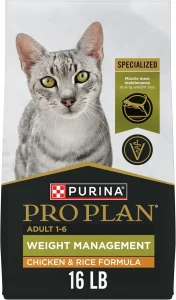
Purina Pro Plan Weight Management Cat Food
Purina Pro Plan Weight Management Chicken and Rice Adult Formula Dry Cat Food is a…
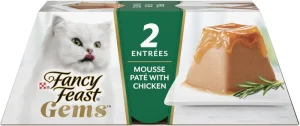
Fancy Feast Gems Chicken Pate Cat Food 8 Pack
Fancy Feast Gems Pate Cat Food Mousse with Chicken and a Halo of Savory Gravy…
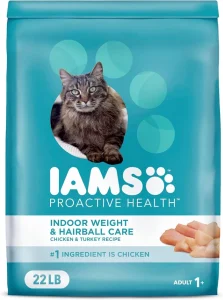
IAMS Indoor Weight & Hairball Cat Food
IAMS Proactive Health Indoor Weight Control & Hairball Care Adult Dry Cat Food is specially…
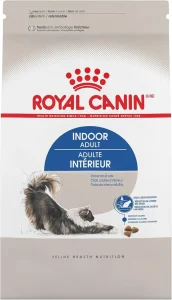
Royal Canin Indoor Adult Dry Cat Food – 7 lb
Royal Canin Feline Health Nutrition Indoor Adult Dry Cat Food is a premium formula designed…
Related Articles
 Cat Food & Treats FAQ
cat food for pancreatitis: A Veterinarian-Approved Guide to Nutritional Management and Diet Selection
 Cat Food & Treats FAQ
Best Cat Food for Post-Surgery Recovery: 2026 Guide
 Cat Food & Treats FAQ
Best Cat Food for Vomiting: 2026 Expert Guide
 Cat Food & Treats FAQ
cat food for ibd: A Veterinarian-Approved Guide to Nutritional Management, Food Trials, and Long-Term Care
 Cat Food & Treats FAQ
Best Cat Food for Urinary Crystals: 2026 Guide
 Cat Food & Treats FAQ