



Can You Flush Cat Poop Without Litter?The Surprising Answer

As you scoop your cat’s litter box, you might wonder if there’s a quicker, more convenient way to dispose of the waste. The idea of simply flushing it down the toilet is undeniably tempting. It seems like a direct route from the litter box to the sewer system, eliminating the need for smelly trash bags. But is this practice safe for your plumbing, your community’s water system, and even your health? In this definitive guide, we’ll dive deep into the science and practicalities to answer the question: can you flush cat poop without litter?
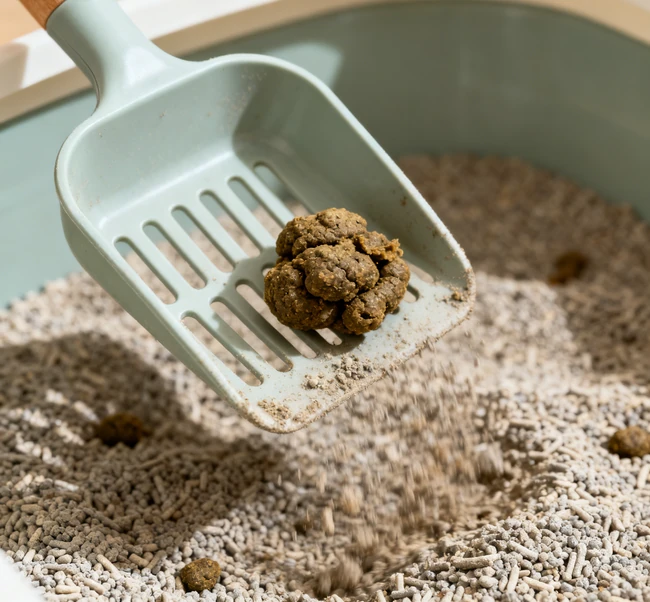
The Short Answer: A Resounding No
Let’s cut to the chase. The overwhelming consensus from plumbers, environmental agencies, and public health experts is that you should never flush cat poop, with or without litter, down the toilet. While the act itself might seem to work in the moment, the long-term consequences can be severe and costly. The risks extend far beyond your own bathroom, potentially impacting your entire neighborhood’s plumbing and local water treatment facilities.
Why Flushing Cat Poop is a Bad Idea
The dangers of flushing feline feces are multifaceted, involving plumbing, environmental, and health concerns.
1. The Parasite Problem: Toxoplasma gondii
This is the single most critical reason to avoid flushing cat poop. Cats can carry a parasite called Toxoplasma gondii (T. gondii), which is shed in their feces.
- Resistant to Treatment: T. gondii is notoriously resilient. Most municipal water treatment plants are not designed to kill this specific parasite.
- Environmental Threat: If the parasites survive the treatment process, they are released into local waterways, where they can infect marine life, most notably sea otters, causing severe illness and death.
- Human Health Risk: While healthy adults may only experience mild flu-like symptoms, the parasite is extremely dangerous for pregnant women and immunocompromised individuals.
2. Plumbing and Pipe Damage
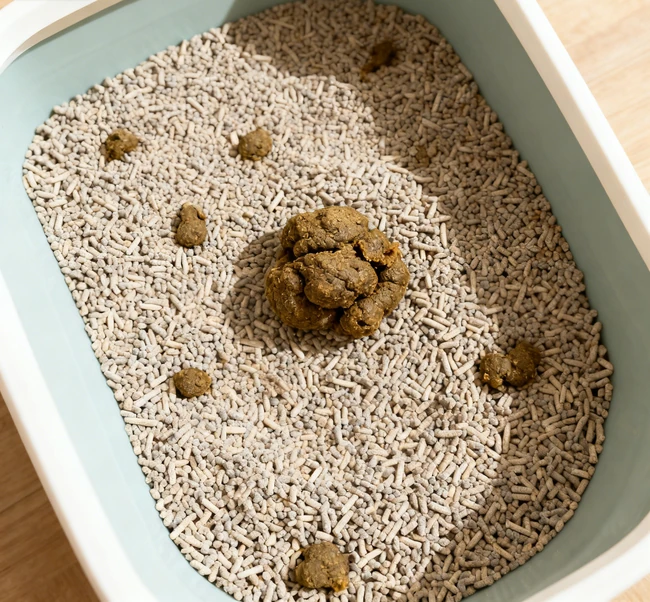
Even if the poop itself seems to flush away, it can cause problems you can’t see.
- Clogs and Blockages: Cat poop doesn’t break down as quickly or completely as human waste. It can combine with other materials (like fats, oils, and “flushable” wipes) in your pipes to create stubborn clogs.
- Sewer Backups: In the main sewer line, this accumulation can lead to backups that are expensive to fix and can cause damage to your home and your neighbors’ properties.
3. The Litter Complication
This article focuses on flushing poop *without* litter, but it’s crucial to address the litter itself. No type of clumping clay, crystal, or silica litter should ever be flushed. These materials are designed to absorb moisture and clump, which is a recipe for a catastrophic plumbing blockage. Even so-called “flushable” litters, often made from corn or wood, are controversial. While they may biodegrade, they do so slowly and can still contribute to pipe issues. For more on choosing a safe and effective litter, see our guide on The Best Cat Litter for Odor Control in 2025.
Safe and Sanitary Disposal Methods for Cat Poop
Now that we’ve established what not to do, let’s focus on the safe, recommended ways to dispose of your cat’s waste.
| Disposal Method | How It Works | Pros & Cons |
|---|---|---|
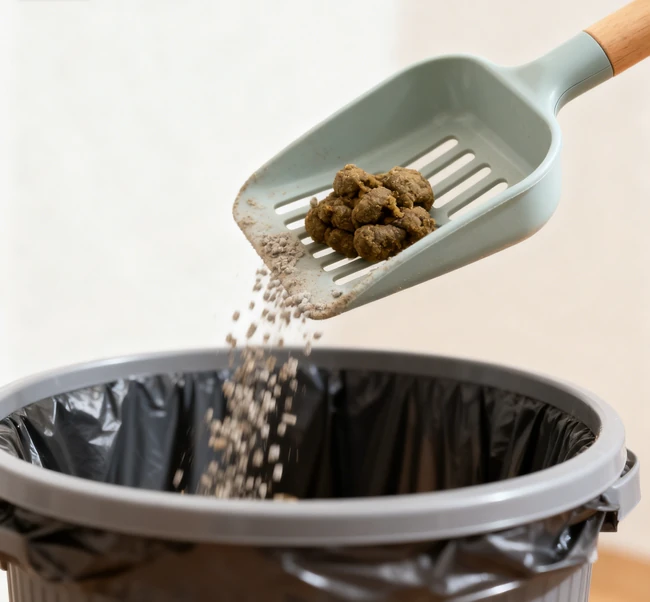
| Trash Can | Scoop waste into a small, sealed bag (like a dog poop bag or used grocery bag) and place it in your regular household trash. |
Pros: Simple, convenient, low-cost. Cons: Can create odor if not taken out frequently. |
| Dedicated Litter Disposal System | Use a product like the Litter Genie, which seals waste in an airtight bag cassette, controlling odor between trash days. |
Pros: Excellent odor control, hygienic. Cons: Ongoing cost of refill bags. |
| Composting (With Caution) | Compost cat waste in a dedicated, hot compost system that reaches high enough temperatures to kill pathogens. Never use this compost on edible plants. |
Pros: Environmentally friendly. Cons: Requires careful management and should not be used in gardens for food. |
| Biodegradable Bags in Trash | A combination method: scoop waste into certified compostable bags before placing in the trash. |
Pros: Reduces plastic waste in landfills. Cons: Slightly more expensive than plastic bags. |
The PawLitter Perspective: Odor Control Starts with the Right Box
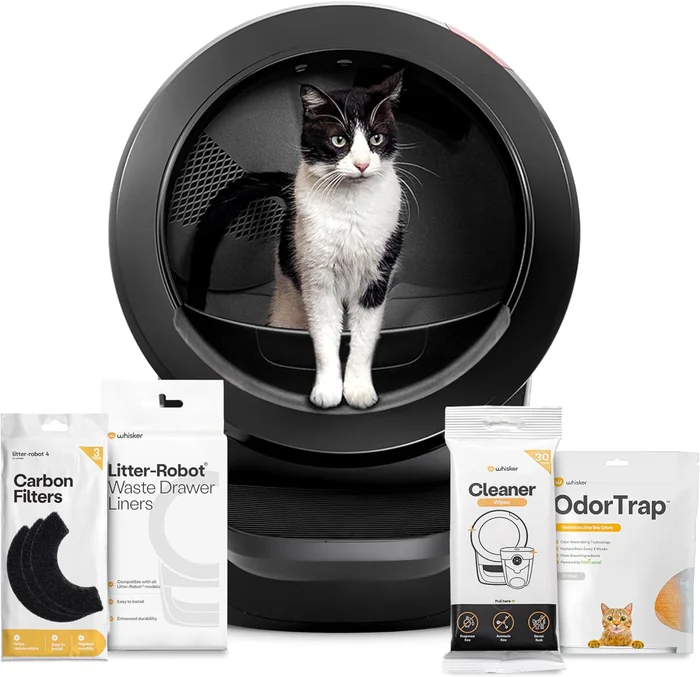
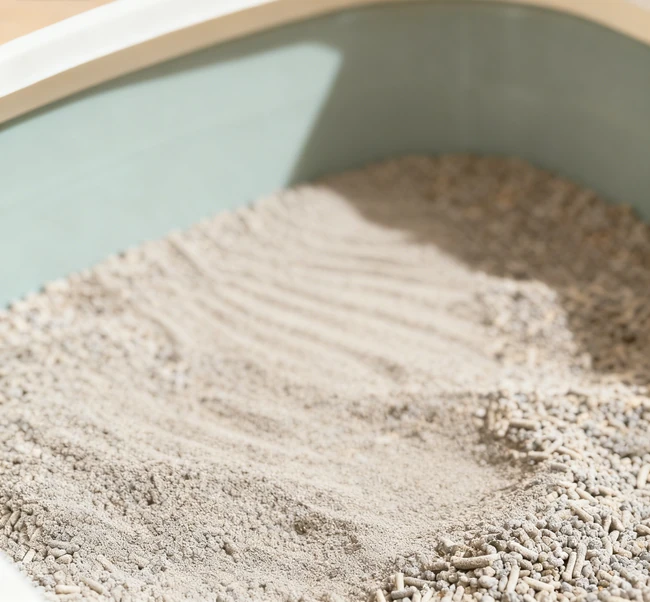
At Pawlitter, we test and review litter boxes with a “cats-first” philosophy. We’ve found that a major reason owners seek alternative disposal methods, like flushing, is often due to persistent odor. A well-designed litter box and a consistent cleaning routine are the true secrets to a fresher home. For instance, a self-cleaning litter box can drastically reduce odor by removing waste immediately after your cat uses it. Proper maintenance is also key; our guide on How Often Should You Clean a Litter Box? offers a clear schedule to keep smells at bay.
Frequently Asked Questions
What if I have an indoor-only cat? Can I flush their poop then?
While an indoor-only cat has a lower risk of contracting T. gondii, the risk is not zero. Furthermore, the plumbing and environmental concerns remain identical. The safest practice is to avoid flushing any cat feces, regardless of your cat’s lifestyle.
Is it ever safe to flush “biodegradable” or “flushable” litter?
This is a topic of much debate. While the litter material itself may eventually break down, it does not do so instantly. It can still cause clogs in your home’s plumbing and the larger sewer system. Most plumbers and water authorities strongly advise against flushing any type of cat litter.
How does PawLitter test products to ensure they help with issues like odor and waste disposal?
At Pawlitter, we conduct real-world testing for a minimum of 30 days in our own homes with our cats. We evaluate products based on strict criteria, including odor control, ease of waste removal and disposal, cat comfort, and overall durability. We are not sponsored by brands, and our affiliate disclosure is transparent, ensuring our recommendations are honest and based on what works best for cats and their owners. You can see this approach in our reviews of odor-control solutions and litter tracking prevention.
What’s the best way to reduce litter box odor overall?
A multi-pronged approach works best:
- Use a high-quality, odor-control litter.
- Scoop the box at least once, preferably twice, daily.
- Choose a well-ventilated litter box or one with a carbon filter.
- Place the box in a low-traffic but accessible area.
- Perform a deep clean of the entire box every few weeks.
Can dog poop be flushed?
Some municipal guidelines may differ for dog waste, as it does not typically carry the same T. gondii risk. However, many of the same plumbing concerns apply. You should always check with your local water authority for specific regulations. When in doubt, the trash can is the safest bet.
My cat is on medication. Does that change anything?
If you’re managing your cat’s health, proper disposal is still key. For tips on other aspects of cat care, like administering medicine, check out our stress-free guide on How to Give a Cat a Pill? and learn to spot potential issues with our guide on How to Tell If a Cat Is Sick?.
Related Topics
- How Often Should You Clean a Litter Box?
- Best Odor Control Cat Litter
- Why Your Litter Box Smells Bad and How to Fix It
- How to Stop Cat Litter Tracking
- PawLitter Litter Box Reviews & Guides
Conclusion
While the convenience of flushing cat poop is alluring, the potential risks to your plumbing, public health, and the environment are simply too great. The safest and most responsible method is to scoop the waste into a sealed bag and dispose of it with your regular household trash. By investing in a high-quality litter box and maintaining a consistent cleaning routine, you can effectively manage odor without resorting to risky practices. For more trusted advice and in-depth reviews on everything from nail trimming to bathing your cat, explore the expert-tested guides at PawLitter.

Related Articles
 Automatic Cat Litter Box
The Ultimate Guide to Finding the Best Litter Box for Multiple Cats
 Automatic Cat Litter Box
The Best Cat Litters for Multiple Cats?An Unbiased 2024 Guide
 Automatic Cat Litter Box
How Often Should You Clean a Litter Box?The Ultimate Guide
 Automatic Cat Litter Box
Self Cleaning Litter Box Worth It?An Honest Review for Cat Owners
 Automatic Cat Litter Box
How to Dispose of Cat Litter?A Safe and Sanitary Guide
 Automatic Cat Litter Box