Dental health is a critical aspect of a cat’s overall well-being, yet it’s often overlooked until problems arise. Poor dental hygiene can lead to pain, infections, and even systemic diseases. Choosing the right cat food for bad teeth is one of the most effective ways to manage and prevent dental issues. This article explores how specific diets can improve your cat’s oral health, reduce plaque, and alleviate discomfort. By understanding the science behind dental-friendly foods and implementing practical feeding strategies, you can ensure your feline companion enjoys a healthier, happier life.
Understanding Dental Problems in Cats
Dental issues in cats are more common than many owners realize. Studies show that over 70% of cats over three years old suffer from some form of dental disease. The most prevalent problems include plaque buildup, tartar, gingivitis, and periodontitis. These conditions can cause bad breath, difficulty eating, and even tooth loss.
1. Plaque: A sticky film of bacteria that forms on teeth.
2. Tartar: Hardened plaque that requires professional removal.
3. Gingivitis: Inflammation of the gums caused by plaque.
If left untreated, dental disease can lead to more severe health issues, such as kidney or heart disease. This underscores the importance of proactive dental care, including the use of specialized cat food for bad teeth.
How Diet Affects Dental Health
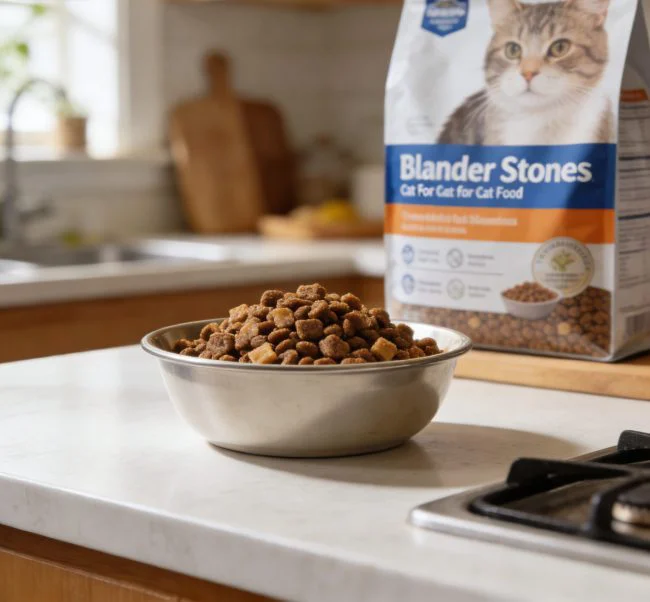
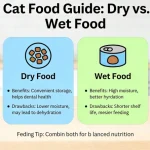
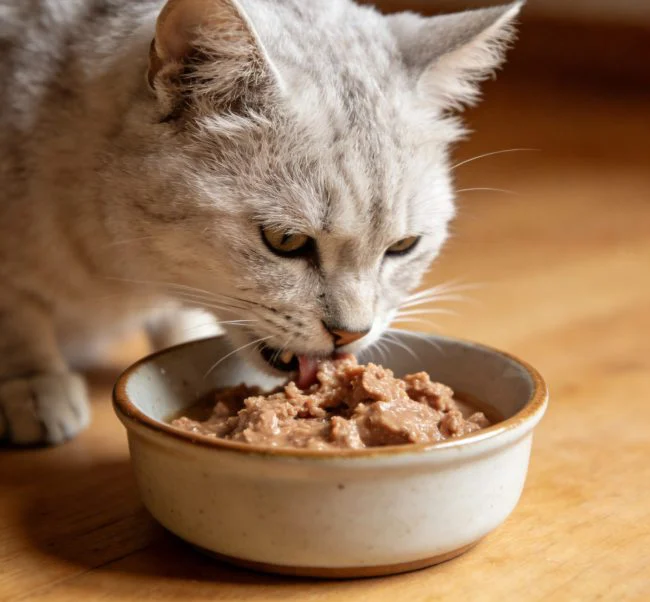
Diet plays a pivotal role in maintaining or improving a cat’s dental health. Dry kibble, for instance, can help scrape away plaque as the cat chews, while wet food may contribute to faster plaque accumulation. However, not all dry foods are created equal. Some are specifically formulated to target dental issues.
• Texture: Crunchy kibble with abrasive surfaces.
• Ingredients: Anti-plaque additives like enzymes or minerals.
• Size: Larger kibble pieces encourage chewing.
Feeding your cat the right type of food can significantly reduce the need for frequent dental cleanings. For cats with existing dental problems, prescription diets may be necessary to manage pain and prevent further deterioration.
Key Ingredients to Look For
When selecting cat food for bad teeth, certain ingredients can make a significant difference. Look for foods that contain:
1. Sodium Hexametaphosphate: A mineral that binds calcium to reduce tartar.
2. Zinc Ascorbate: An antimicrobial agent that fights plaque.
These ingredients work synergistically to promote oral health. Additionally, avoid foods high in sugars or starches, as these can exacerbate plaque formation. Always consult your veterinarian to ensure the chosen diet meets your cat’s specific needs.
Types of Dental-Friendly Cat Foods
There are several types of cat food designed to support dental health, each with unique benefits:
• Prescription Diets: Formulated for cats with severe dental issues.
• Over-the-Counter Dental Diets: Widely available and suitable for mild problems.
• Dental Treats: Complementary to regular meals for extra cleaning.
Prescription diets, such as Hill’s t/d or Royal Canin Dental, are clinically proven to reduce plaque and tartar. These foods often have a unique texture and shape that maximizes cleaning action. Over-the-counter options may be less potent but still offer benefits for cats with minor dental concerns.
Feeding Strategies for Cats with Bad Teeth
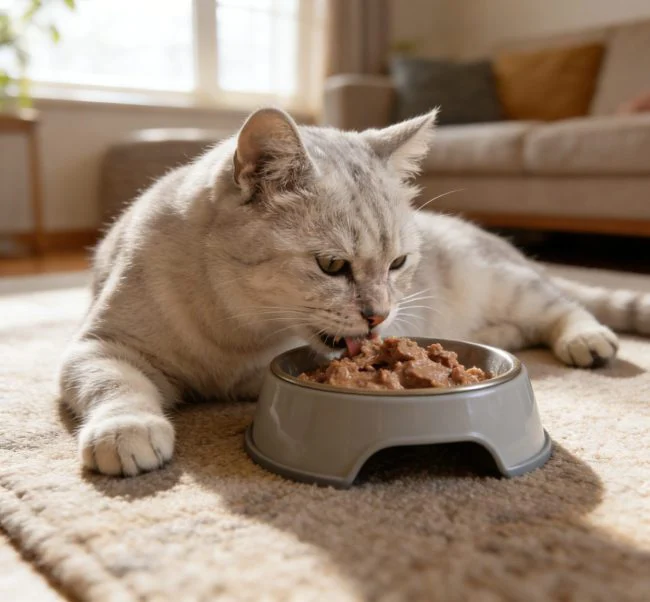
Even the best cat food for bad teeth won’t be effective if not fed correctly. Implement these strategies to maximize benefits:
1. Feed smaller, more frequent meals to encourage chewing.
2. Avoid free-feeding to prevent overeating and plaque buildup.
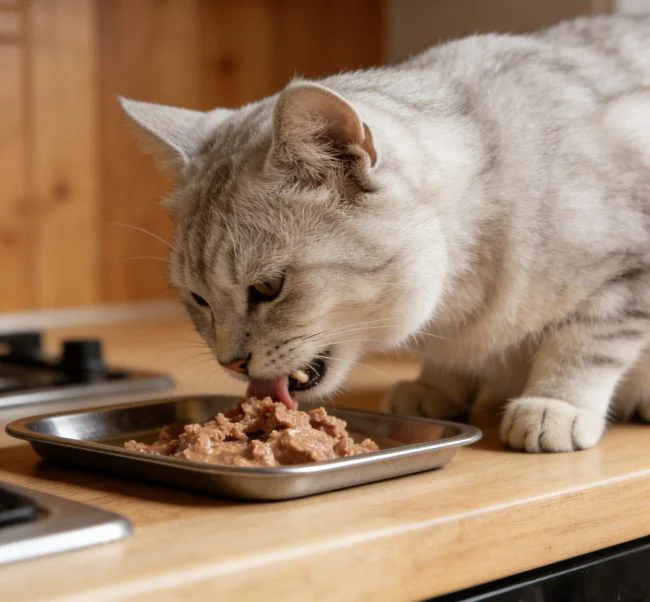
3. Combine dry and wet food for balanced nutrition and dental care.
For cats with severe dental pain, soaking kibble in warm water can make it easier to eat. However, this reduces the abrasive benefits, so it’s best used temporarily. Always monitor your cat’s eating habits and adjust feeding methods as needed.
Supplementing with Dental Treats
Dental treats can be a valuable addition to your cat’s oral care routine. Look for treats with the Veterinary Oral Health Council (VOHC) seal of approval, which indicates they meet rigorous standards for plaque and tartar control.
• Greenies Feline Dental Treats: Popular and VOHC-approved.
• Purina DentaLife: Designed with a porous texture for cleaning.
• Whiskas Dentabits: Affordable and effective for mild issues.
These treats should not replace regular meals but can be used as a reward or supplement. Limit treats to 10% of your cat’s daily caloric intake to avoid weight gain.
When to See a Veterinarian
While diet plays a crucial role, professional care is sometimes necessary. Schedule a vet visit if you notice:
1. Persistent bad breath.
2. Drooling or difficulty eating.
3. Red or bleeding gums.
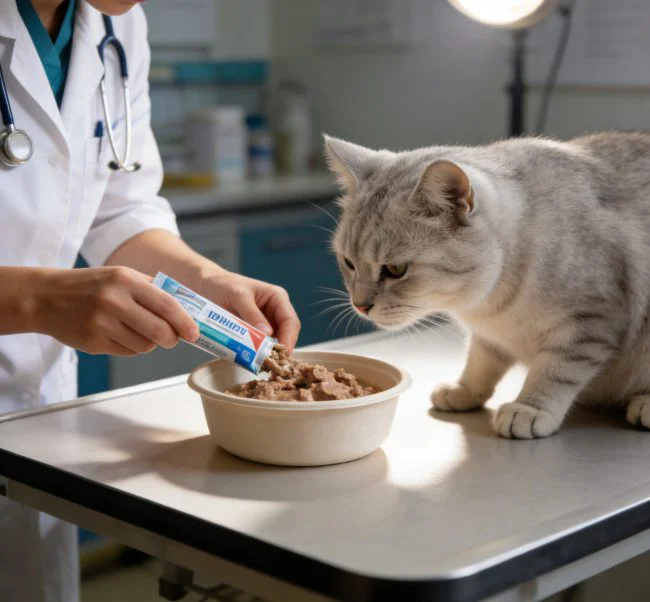
Your vet may recommend a dental cleaning under anesthesia or prescribe a specific diet. Early intervention can prevent more serious complications and improve your cat’s quality of life.
Conclusion
Choosing the right cat food for bad teeth is a proactive step toward better oral health. By understanding the types of dental-friendly foods, key ingredients, and feeding strategies, you can significantly reduce plaque and tartar. Regular veterinary check-ups and supplemental dental treats further enhance care. Remember, a healthy mouth leads to a healthier, happier cat. Start implementing these changes today to safeguard your feline’s dental future.
James Anderson
About the Author & PawLitter
PawLitter is a leading online resource dedicated to providing evidence-based pet care information, comprehensive product reviews, and expert guidance for cat and dog owners worldwide.
Our Mission:
• Deliver honest, unbiased product reviews backed by real-world testing
• Share expert advice on pet health, nutrition, and behavior
• Help pet owners make informed purchasing decisions
• Build a trusted community of pet care enthusiasts
With years of experience in the pet industry and a commitment to quality content, we've helped thousands of pet owners find the best products and solutions for their beloved companions.
Industry Partnerships & Collaborations:
We actively seek partnerships with reputable pet brands, veterinary professionals, and industry experts who share our values of transparency and pet welfare. If you're interested in:
• Product reviews and testing
• Sponsored content opportunities
• Guest posting and content collaboration
• Affiliate partnerships
Please visit our Partnership page or contact us directly. We look forward to working together to advance pet care excellence.




 Cat Food & Treats FAQ
 Cat Food & Treats FAQ
 Cat Food & Treats FAQ
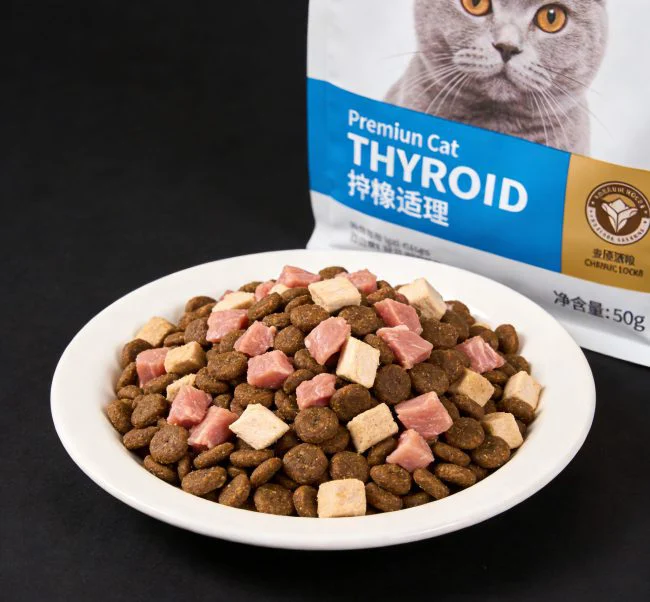 Cat Food & Treats FAQ
 Cat Food & Treats FAQ
 Cat Food & Treats FAQ