
cat food for constipation

Constipation in cats is a common but distressing issue that can lead to serious health problems if left untreated. The right diet plays a crucial role in preventing and alleviating this condition. This guide explores the best cat food for constipation, backed by veterinary insights and nutritional science. You’ll learn about key ingredients, feeding strategies, and product recommendations to keep your feline friend regular and healthy. Whether your cat suffers from occasional or chronic constipation, this article provides actionable solutions to improve their digestive health and overall well-being.
Understanding Feline Constipation
Feline constipation occurs when a cat has infrequent or difficult bowel movements. It’s often caused by dehydration, low fiber intake, or underlying medical conditions. Symptoms include straining in the litter box, hard dry stools, and decreased appetite. Left untreated, it can progress to megacolon, a severe condition requiring surgery.
Veterinary studies show that up to 10% of cats experience constipation annually, with older cats being more susceptible. The condition is particularly common in long-haired breeds like Persians due to ingested hair. Understanding these factors helps in selecting appropriate cat food for constipation.
1. Dehydration is the primary cause in 60% of cases
2. Low fiber diets contribute to 30% of incidents
3. Underlying diseases account for the remaining 10%
Early intervention through dietary adjustments can prevent most cases. The right cat food for constipation addresses these root causes by providing optimal hydration and fiber content.
Key Ingredients to Look For
When selecting cat food for constipation, certain ingredients stand out for their digestive benefits. High-quality fiber sources are essential, with pumpkin and psyllium husk being top choices. These ingredients add bulk to stool and promote regular bowel movements.
Prebiotics like chicory root and fructooligosaccharides (FOS) support healthy gut bacteria, improving overall digestion. Look for foods containing at least 3-7% crude fiber for optimal results. Moisture content is equally crucial – wet foods with 75-80% moisture help combat dehydration.
• Pumpkin: Natural source of soluble fiber
• Psyllium husk: Adds bulk to stool
• Chicory root: Promotes healthy gut flora
• Omega-3 fatty acids: Reduce inflammation
Probiotics such as Lactobacillus acidophilus further enhance digestive health. These beneficial bacteria maintain gut balance and prevent constipation. The combination of these ingredients creates an effective formula for preventing and treating constipation in cats.
Types of Cat Food for Constipation

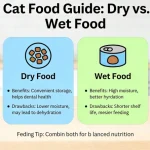
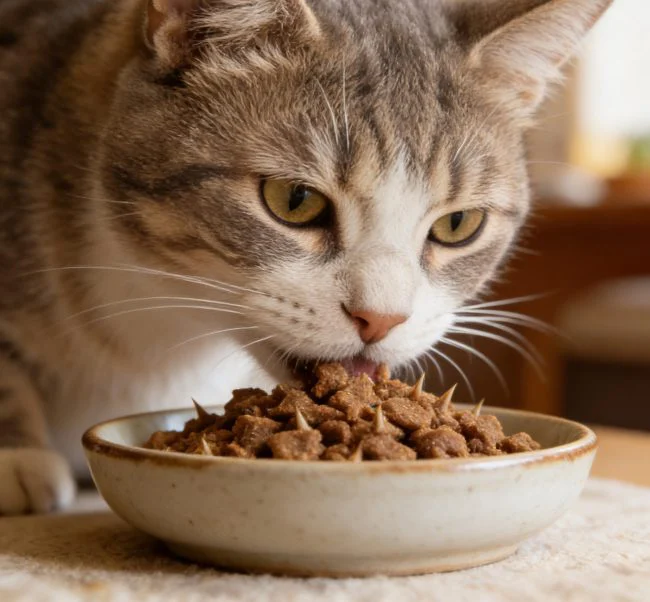
Several types of cat food can help manage constipation, each with unique benefits. Wet food is often recommended due to its high moisture content, which aids hydration. Prescription diets like Hill’s w/d or Royal Canin Digestive Care offer targeted solutions with controlled fiber levels.
Raw and freeze-dried diets provide natural enzymes and high moisture content but require careful handling. Grain-free options with high-quality protein sources can also be beneficial, as they reduce digestive strain. However, not all grain-free foods are equal – ensure they contain adequate fiber.
2. Prescription diets: Veterinarian-formulated
3. Raw diets: Natural enzymes and moisture
4. High-fiber dry foods: Convenient option
For cats with chronic constipation, a combination of wet and prescription foods often yields the best results. Consult your veterinarian to determine the most appropriate type based on your cat’s specific needs.
Feeding Strategies and Tips
Proper feeding practices are as important as food selection in managing constipation. Establish a consistent feeding schedule with 2-3 small meals daily rather than free-feeding. This approach regulates digestion and prevents overeating.
Incorporate water-rich foods like bone broth or canned tuna in water to increase hydration. Food puzzles encourage slower eating and better digestion. For cats resistant to dietary changes, gradually transition to new foods over 7-10 days to avoid digestive upset.
• Feed smaller, frequent meals
• Add water or broth to dry food
• Use food puzzles for slower eating
• Monitor litter box habits daily
Regular exercise also stimulates bowel movements. Encourage play with interactive toys to keep your cat active. These combined strategies enhance the effectiveness of cat food for constipation and promote overall digestive health.
Product Recommendations
Several commercial cat foods excel in preventing and treating constipation. Hill’s Science Diet Adult Sensitive Stomach & Skin offers balanced fiber and prebiotics. Royal Canin Digestive Care contains highly digestible proteins and optimal fiber levels.
For natural options, Blue Buffalo Wilderness Healthy Weight includes pumpkin and cellulose fiber. Purina Pro Plan Focus Adult Weight Management provides controlled calories and added fiber. These products have been clinically tested for digestive health benefits.
1. Hill’s Science Diet Sensitive Stomach
2. Royal Canin Digestive Care
3. Blue Buffalo Wilderness Healthy Weight
4. Purina Pro Plan Focus Weight Management
When selecting a product, consider your cat’s age, weight, and overall health. Always introduce new foods gradually and monitor for improvements. The best cat food for constipation is one that your cat enjoys and consistently eats.
When to See a Veterinarian
While dietary changes often resolve constipation, certain situations require veterinary intervention. If your cat hasn’t had a bowel movement in 48-72 hours, or shows symptoms like vomiting, lethargy, or abdominal pain, seek immediate medical attention.
Chronic constipation may indicate underlying issues such as kidney disease, hyperthyroidism, or intestinal blockages. Your vet may recommend diagnostic tests like blood work or X-rays to identify the cause. In severe cases, prescription medications or enemas might be necessary.

• No bowel movement for 48-72 hours
• Vomiting or loss of appetite
• Lethargy or hiding behavior
• Blood in stool
Early veterinary intervention prevents complications and ensures proper treatment. Your vet can also provide personalized recommendations for cat food for constipation based on your cat’s medical history and specific needs.
Preventative Care and Long-Term Management
Preventing constipation requires ongoing attention to your cat’s diet and lifestyle. Regular veterinary check-ups help catch issues early. Maintain a consistent feeding schedule with high-fiber, moisture-rich foods.
Monitor your cat’s weight, as obesity increases constipation risk. Provide fresh water daily and consider water fountains to encourage drinking. Regular grooming reduces hair ingestion, particularly in long-haired breeds.
• Annual vet check-ups
• Consistent feeding schedule
• Adequate hydration
• Regular grooming
By implementing these preventative measures, you can minimize constipation episodes and ensure your cat’s long-term digestive health. The right combination of diet, hydration, and lifestyle adjustments creates an effective management strategy.
Conclusion
Choosing the right cat food for constipation involves understanding key ingredients, feeding strategies, and your cat’s specific needs. High-fiber, moisture-rich foods with prebiotics and probotics offer the best solution for preventing and treating constipation. Wet foods and prescription diets often provide the most effective relief, but natural options can also work well.
Remember to introduce dietary changes gradually and monitor your cat’s response. If symptoms persist or worsen, consult your veterinarian to rule out underlying conditions. With proper nutrition and care, most cats can achieve regular bowel movements and improved digestive health. This proactive approach ensures your feline companion remains comfortable and healthy for years to come.

Related Products
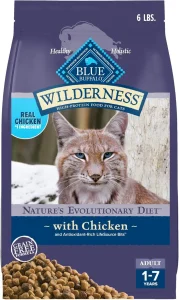
Blue Buffalo Wilderness High-Protein Cat Food
Blue Buffalo Wilderness Nature's Evolutionary Diet High-Protein, Grain-Free Natural Dry Food for Adult Cats is…
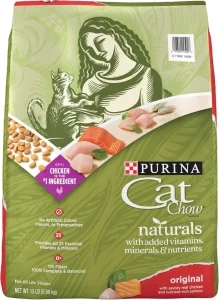
Purina Cat Chow Naturals Dry Cat Food 13 lb
Purina Cat Chow Naturals With Added Vitamins, Minerals and Nutrients Dry Cat Food, Naturals Original,…
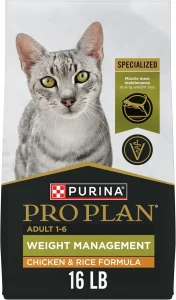
Purina Pro Plan Weight Management Cat Food
Purina Pro Plan Weight Management Chicken and Rice Adult Formula Dry Cat Food is a…
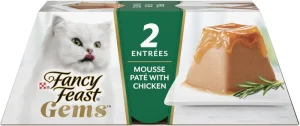
Fancy Feast Gems Chicken Pate Cat Food 8 Pack
Fancy Feast Gems Pate Cat Food Mousse with Chicken and a Halo of Savory Gravy…
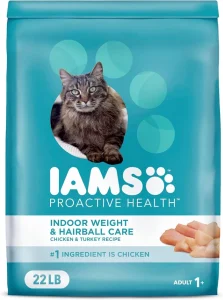
IAMS Indoor Weight & Hairball Cat Food
IAMS Proactive Health Indoor Weight Control & Hairball Care Adult Dry Cat Food is specially…
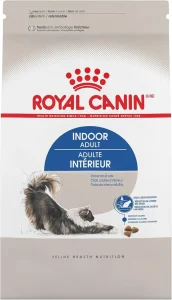
Royal Canin Indoor Adult Dry Cat Food – 7 lb
Royal Canin Feline Health Nutrition Indoor Adult Dry Cat Food is a premium formula designed…
Related Articles
 Cat Food & Treats FAQ
What happens if my cat licks cheese? A Vets Risk Guide & Action Plan
 Cat Food & Treats FAQ
how much cat food should i feed my cat
 Cat Food & Treats FAQ
cat food for ibd: A Veterinarian-Approved Guide to Nutritional Management, Food Trials, and Long-Term Care
 Cat Food & Treats FAQ
cat food for poor appetite
 Cat Food & Treats FAQ
Best Cat Food for Weak Immune Systems: 2026 Guide
 Cat Food & Treats FAQ