



Cat Litter Box Smells Bad? Your Ultimate Guide to a Fresher Home


Why Does My Cat’s Litter Box Smell So Bad?
Before you can fix the problem, it’s crucial to understand where the odor is coming from. The primary source of that classic “cat litter” smell is ammonia, which is released as bacteria break down urea in cat urine. Feces contain sulfur-based compounds, which contribute their own potent aroma. When these are left to sit, the smell intensifies and permeates your home. The key to odor control is interrupting this bacterial process and managing waste effectively.
The 5 Pillars of an Odor-Free Litter Box
Eliminating bad smells isn’t about finding one magic product; it’s about implementing a holistic system. Based on our extensive research and testing at PawLitter, we’ve identified five critical areas to focus on.
1. Scoop Early, Scoop Often (The Golden Rule)
This is the single most effective step you can take. Waste should be removed from the box at least once or twice daily. The longer it sits, the more time bacteria have to multiply and produce foul-smelling gases.
- Ideal Routine: Scoop in the morning and again in the evening.
- Tool Matters: Use a sturdy, well-designed scoop that can handle clumps without breaking them.
- Disposal: Use sealed disposal systems or compostable bags to contain the odor after scooping.
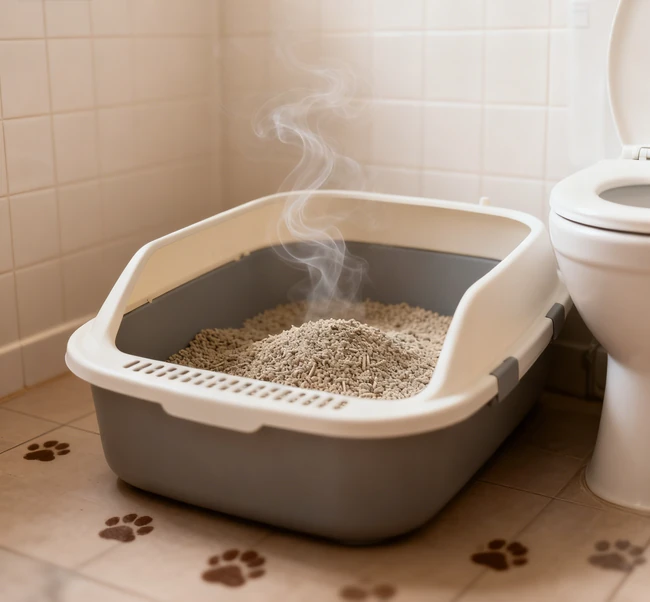
2. Choose the Right Litter for Odor Control
Not all litters are created equal. The type of litter you use plays a massive role in neutralizing smells. Here’s a quick comparison of the most common types:
| Litter Type | Odor Control Mechanism | Pros & Cons |
|---|---|---|
| Clumping Clay | Forms tight, solid clumps around urine that are easy to remove. | Pros: Excellent at isolating waste. Cons: Can be dusty and track easily. |
| Silica Crystal | Absorbs moisture and traps odor within the crystals. | Pros: Long-lasting, low dust. Cons: Higher initial cost; some cats dislike the texture. |
| Natural/Plant-Based (Pine, Corn, Wheat) | Natural enzymes and materials neutralize odors as they break down. | Pros: Eco-friendly, low dust. Cons: Clumps can be less sturdy; may not control strong odors as well. |
In our PawLitter litter box reviews & guides, we put various litters through a 30-day real-world test to see how they handle odor from multiple cats, a true test of any product’s claims.
3. Perform a Complete Litter Box Clean-Out
Even with daily scooping, litter needs to be completely replaced and the box itself scrubbed on a regular basis. Urine and feces residue builds up over time, leading to a permanent baseline odor.
- Frequency: Every 2-4 weeks for most litters. Check the manufacturer’s recommendations.
- Cleaning Process: Empty all old litter. Wash the box with warm water and a mild, unscented dish soap or a vinegar solution (avoid harsh chemicals like bleach, as the smell can deter cats). Dry thoroughly before adding fresh litter.
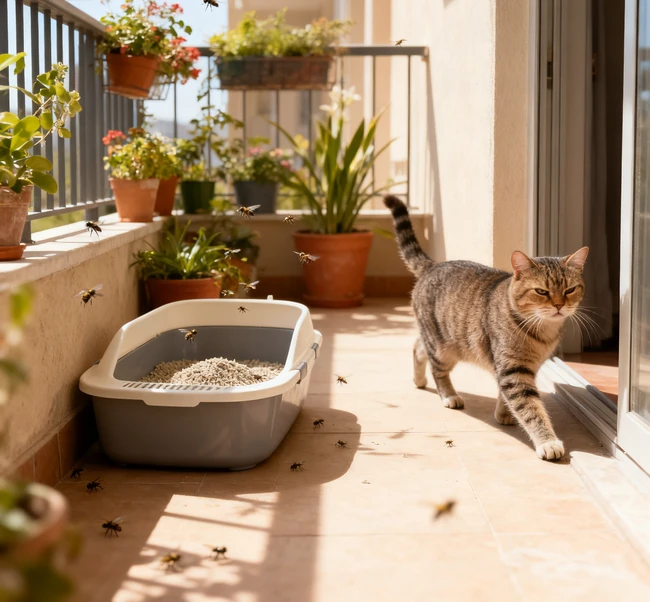
4. Optimize Your Litter Box Setup
The box itself, its location, and its surroundings are crucial factors that are often overlooked.
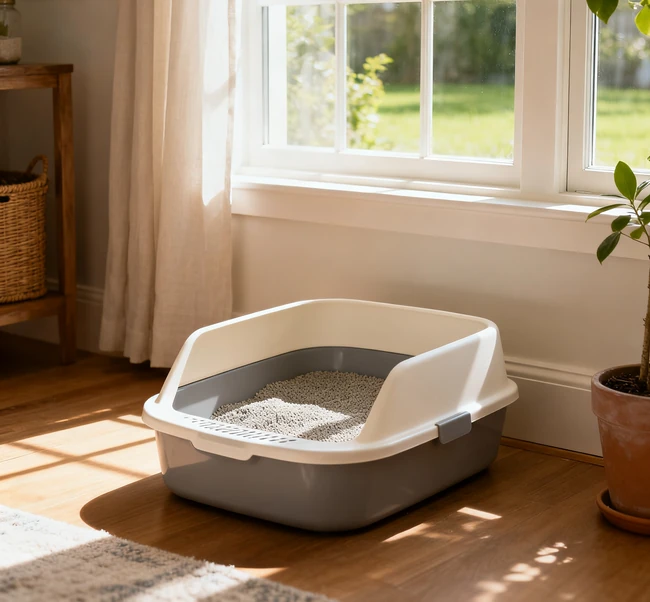
- Size Matters: The box should be at least 1.5 times the length of your cat. A larger surface area gives waste more space to disperse, concentrating the smell.
- Covered vs. Uncovered: While covered boxes seem like they would contain smell, they often trap odors inside, creating a “porta-potty” effect that is unpleasant for your cat and does nothing to solve the root problem. An open box allows for better air circulation.
- The 1+1 Rule: The general rule is one litter box per cat, plus one extra. This prevents overuse and gives cats clean options.
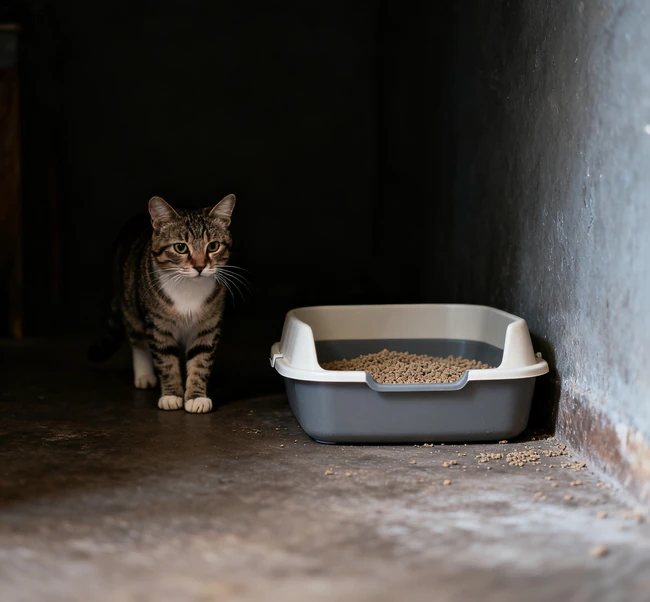
- Placement: Place boxes in quiet, low-traffic but accessible areas. Avoid cramped, poorly ventilated spaces like small closets, which will concentrate odor.
5. Consider a High-Tech Solution: Self-Cleaning Litter Boxes
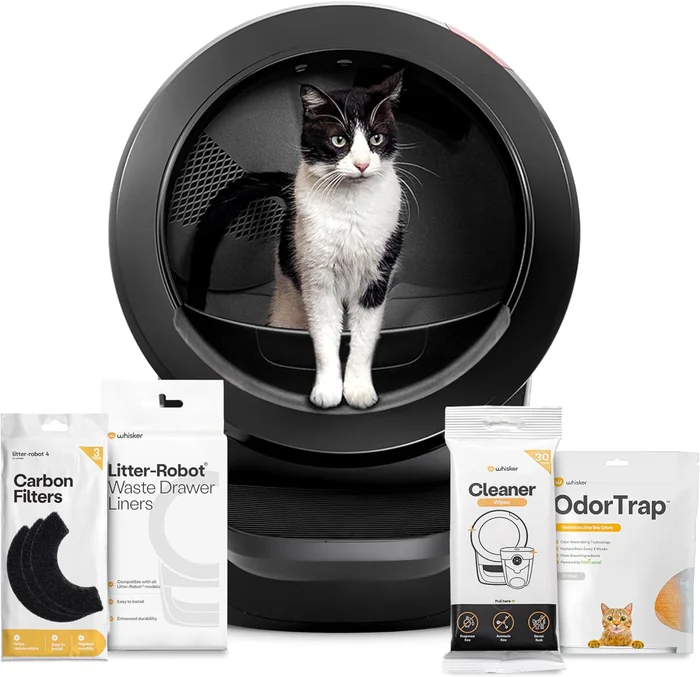
For the ultimate in convenience and consistent odor control, an automatic self-cleaning litter box can be a game-changer. These units automatically rake, sift, or separate waste into a sealed compartment shortly after your cat uses it.
In our testing at PawLitter, we’ve found that the best self-cleaning boxes excel at odor control because they don’t give waste time to fester. However, it’s vital to choose a model that your cat is comfortable with. We prioritize reviewing machines with quiet mechanisms and safe, gradual activation times to prevent startling feline users. You can explore our detailed breakdowns in our PawLitter litter box reviews & guides.
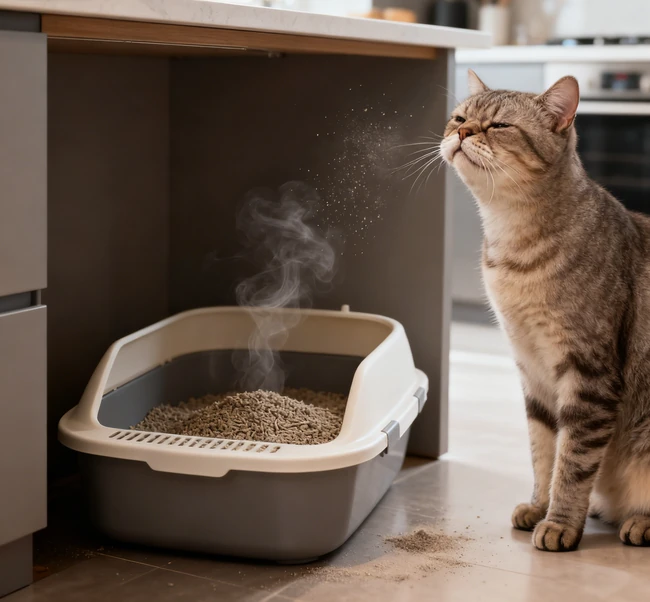
What NOT to Do: Common Odor-Control Mistakes
- Using Scented Litters or Plug-in Deodorizers: Strong perfumes are often overwhelming to a cat’s sensitive nose and can deter them from using the box. They also don’t eliminate odor—they just mask it with a stronger, often unpleasant, chemical smell.
- Using Harsh Cleaners: Ammonia-based cleaners or bleach can smell like concentrated urine to a cat and will make them avoid the box. Stick to mild soaps or enzymatic cleaners designed for pet areas.
- Ignoring the Problem: A suddenly much smellier box can indicate a health issue like a urinary tract infection (UTI) or dietary problem. If the odor is unusually strong and persists despite a clean box, consult your veterinarian.
Frequently Asked Questions (FAQ)
Why does my clean litter box still smell?
If you’ve just cleaned the box and it still smells, the plastic itself may be porous and have absorbed odors over time. Residual bacteria can be trapped in microscopic scratches. Try a thorough wash with a enzymatic pet odor neutralizer. If the smell persists, it’s time to replace the box entirely.
How can I make my litter box smell better naturally?
Baking soda is a safe and effective natural deodorizer. Sprinkle a thin layer on the bottom of the empty box before adding litter, or mix a small amount into the litter itself. Also, ensuring good air circulation in the room (like using a small fan or opening a window) can work wonders.
Is a covered litter box better for smell?
Not usually. While it might seem logical, covered boxes tend to concentrate odor inside, making the experience worse for your cat when they enter. They also allow less litter to dry out, which can promote bacterial growth. An open box in a well-ventilated area is generally better for odor control.
My cat’s waste smells unusually foul. What should I do?
A sudden, significant change in the smell of your cat’s urine or feces can be a red flag for health issues, including dietary intolerances, infections, or kidney problems. It’s important to schedule a check-up with your veterinarian to rule out any medical conditions.
How does PawLitter test litter boxes and related products for odor control?
At PawLitter, our testing philosophy is built on real-world conditions. We test every litter box and litter for a minimum of 30 days in homes with actual cats. For odor control, we evaluate how well a product contains and neutralizes smells from both urine and feces over time, how easy it is to clean thoroughly, and most importantly, whether the design and function are accepted by our feline testers. We are transparent about our affiliate relationships and prioritize cat comfort and owner convenience over any brand partnership.
Can diet affect litter box smell?
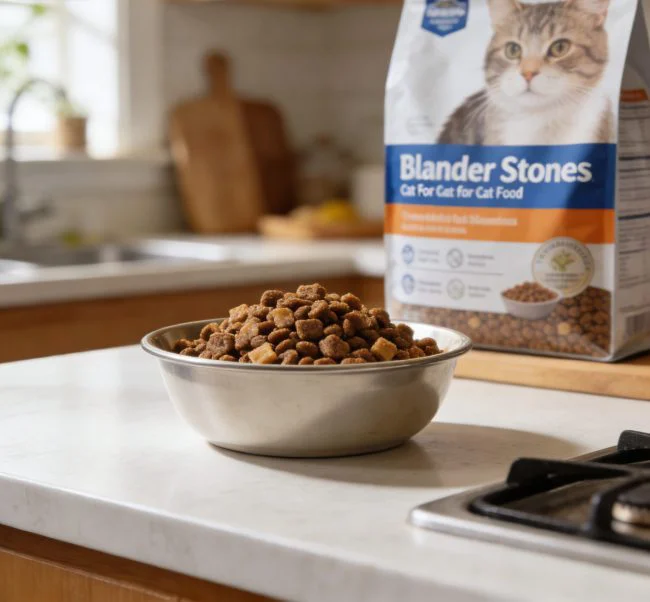
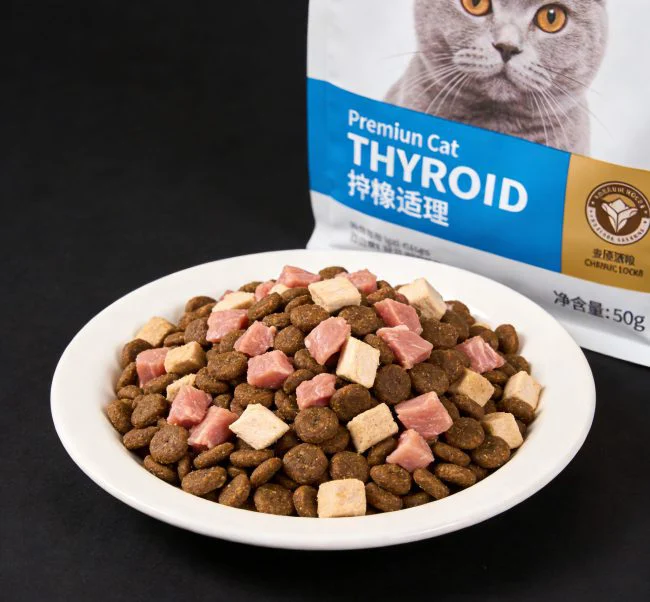
Absolutely. High-quality, highly digestible cat food produces less waste and therefore less odor. Cheap fillers in low-quality food can lead to smellier output. Always ensure your cat has access to fresh water, as proper hydration dilutes urine, making it less pungent.
Conclusion: A Fresh Start is Possible
Dealing with a smelly litter box can feel like a losing battle, but by systematically addressing your scooping routine, litter choice, cleaning schedule, and overall setup, you can achieve a home that is fresh and welcoming for everyone. Remember, the best solution is one that works for both you and your cat’s natural instincts and comfort. For more in-depth, unbiased reviews and practical advice to help you make the best choices for your feline friend, we invite you to explore the comprehensive guides and testing insights available at PawLitter.

Related Articles
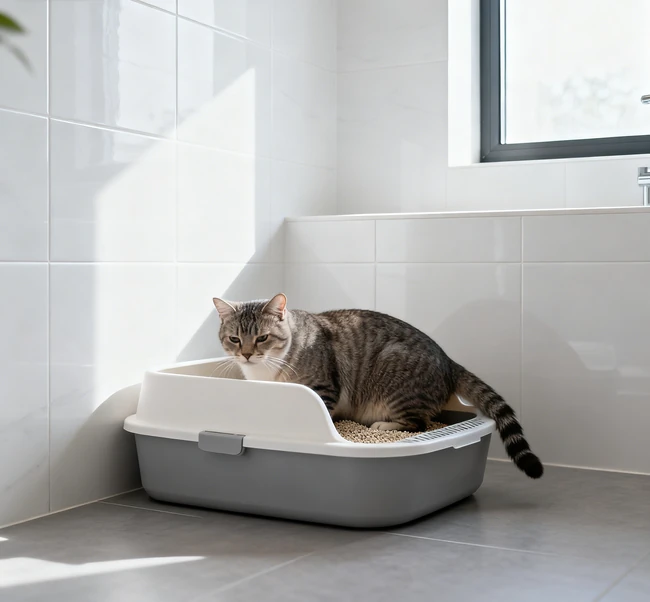 Automatic Cat Litter Box
What is a Litter for Cats?A Complete Guide for Cat Owners
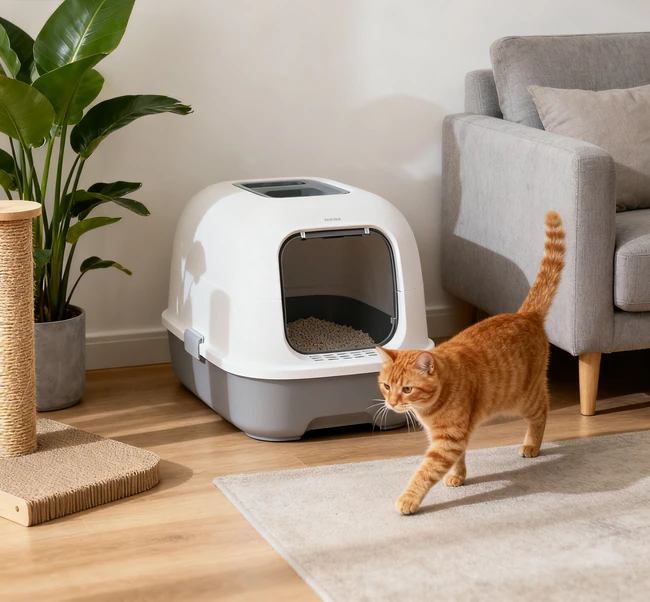 Automatic Cat Litter Box
Self Cleaning Litter Box Worth It?An Honest Review for Cat Owners
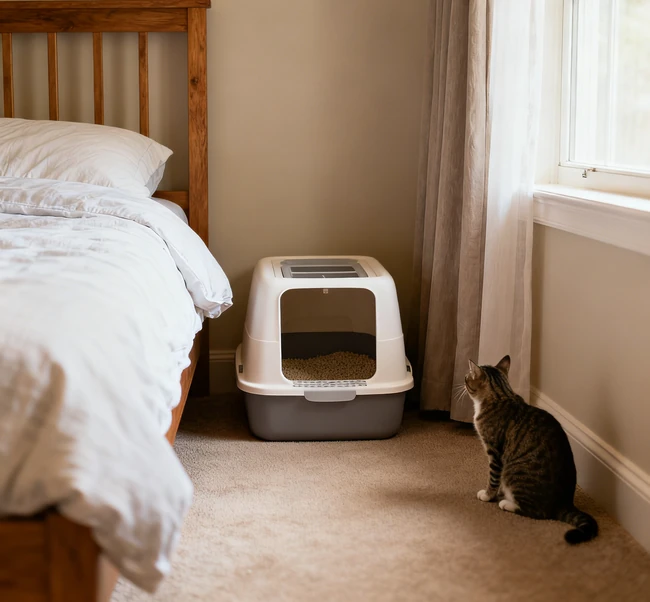 Automatic Cat Litter Box
Is It Safe to Sleep in a Room with a Cat Litter Box?An Expert Guide
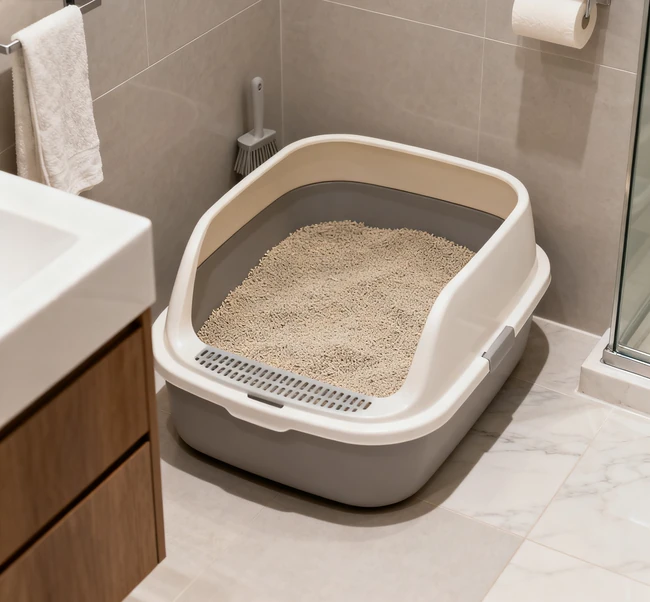 Automatic Cat Litter Box
How to Clean a Litter Box?A Step-by-Step Guide for a Fresh, Odor-Free Home
 Automatic Cat Litter Box
How to Get Rid of Cat Litter Smell?A Complete, Fresh-Smelling Home Guide
 Automatic Cat Litter Box