





Covered vs Uncovered Litter Box?The Ultimate Guide for Cat Owners

Choosing the right litter box is one of the most important decisions you’ll make for your cat’s health and your home’s cleanliness. The debate between a covered (hooded) and an uncovered (open) litter box is more nuanced than a simple preference. The best choice depends on your cat’s personality, your home environment, and your maintenance habits. At PawLitter, we’ve tested dozens of litter boxes with real cats to cut through the confusion. This comprehensive guide breaks down the pros, cons, and science behind covered and uncovered litter boxes to help you make the perfect choice for your feline friend.
The Case for the Uncovered Litter Box
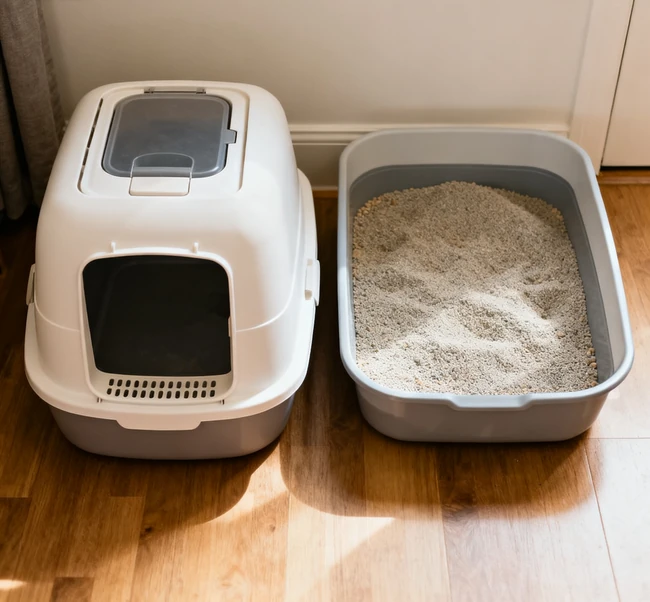
Uncovered litter boxes are the classic, simple choice. They are essentially a low-sided tray, offering a wide-open space for your cat to do their business. While they may seem basic, they offer significant advantages that many cats instinctively prefer.
Advantages of an Uncovered Litter Box
- Cat-Preferred Openness: Cats are vulnerable when eliminating. An open box provides multiple escape routes, reducing anxiety and making them feel less trapped.
- Superior Air Circulation: Without a hood, ammonia and moisture from waste dissipate quickly, which can help control odors more effectively if you scoop frequently.
- Easy Access and Use: They are ideal for kittens, senior cats, and larger breeds who might find a small hooded entrance difficult to navigate.
- Simplicity and Ease of Cleaning: There are no extra parts to remove or clean. Scooping is a straightforward, quick process.
Disadvantages of an Uncovered Litter Box
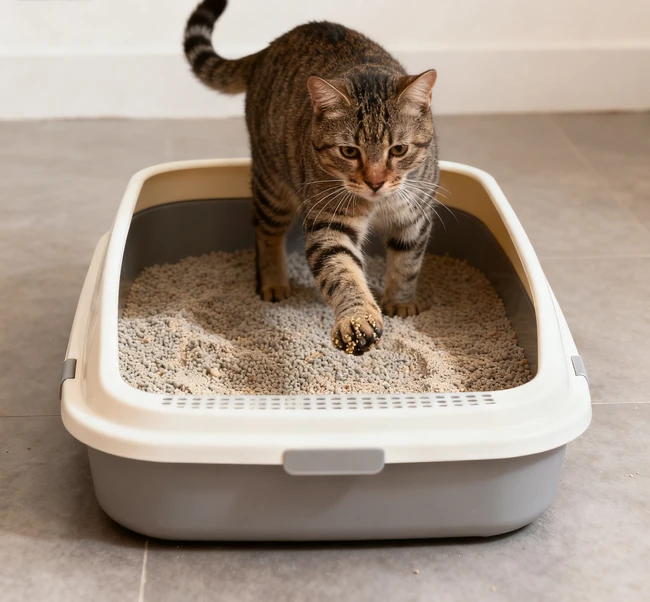
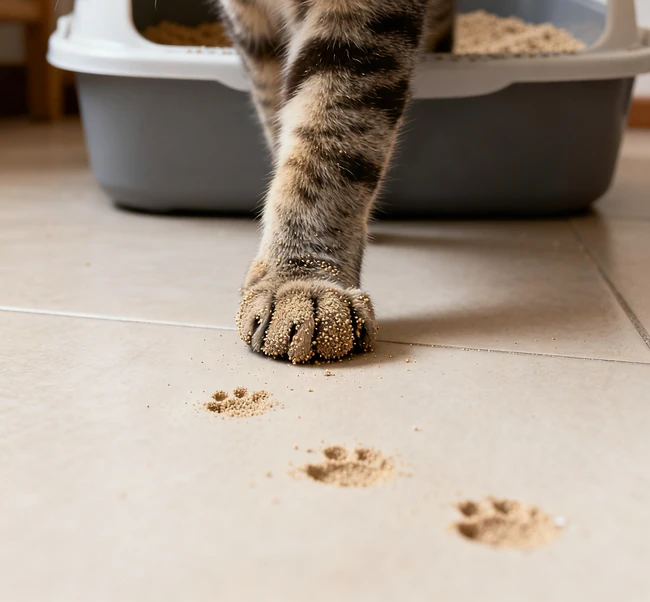
- Litter Scatter and Tracking: The biggest downside is the mess. Cats can kick litter far outside the box, and there’s nothing to contain it.
- No Privacy: Some cats (and owners) prefer the visual privacy a covered box provides.
- Odors Spread Quickly: While air circulation helps, it also means odors can spread through the room immediately after your cat uses the box if not scooped instantly.
The Case for the Covered Litter Box
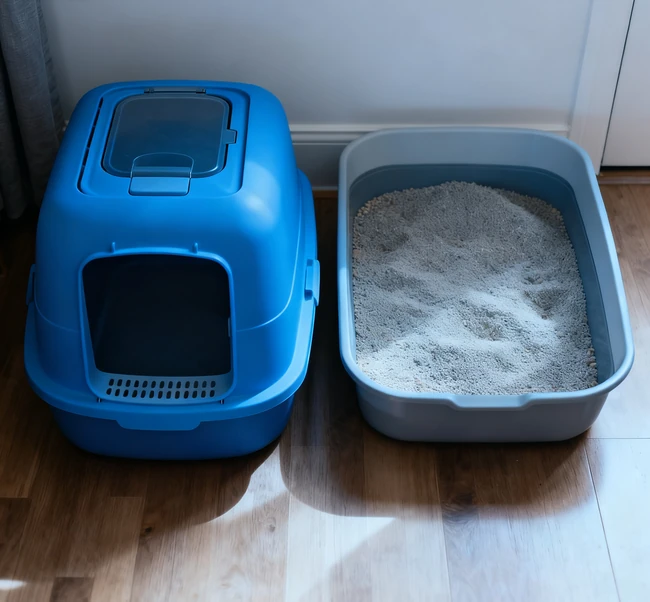
Covered litter boxes feature a hood or dome that encloses the litter area, often with a flap door. They are a popular choice for owners seeking a tidier and more discreet solution, but they aren’t always the best fit for every cat.
Advantages of a Covered Litter Box
- Contains Litter Scatter: The hood acts as a barrier, significantly reducing the amount of litter your cat kicks onto your floor.
- Contains Odors: The enclosed space traps odors inside the box, preventing them from immediately permeating the room. This is a major benefit for small apartments.
- Provides Privacy: The hood offers a sense of seclusion, which some shy or nervous cats appreciate.
- Aesthetically Pleasing: Many owners prefer the look of a covered box as it hides the waste and litter from view.
Disadvantages of a Covered Litter Box
- Can Trap Odors and Dust: For the cat, the enclosed space can concentrate unpleasant smells and inhaling cat litter dust, making the experience aversive. If not cleaned meticulously, a dirty covered box is far worse than a dirty open one.
- May Intimidate Some Cats: The single entrance can feel like a trap, and the dark, cramped interior may deter larger or more anxious cats.
- More Difficult to Clean: You have to remove the hood to scoop, and the entire unit needs regular washing to prevent odor buildup on the plastic.
- Larger Footprint: They often take up more space than a comparable open box.
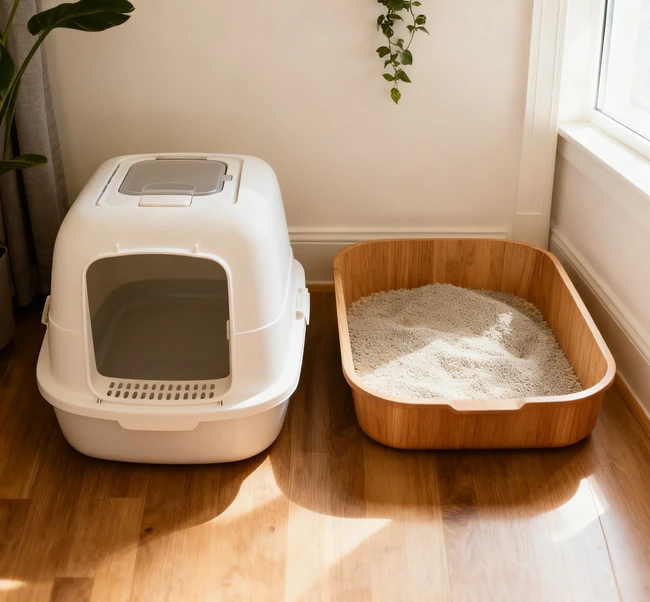
Head-to-Head Comparison: Covered vs. Uncovered
| Feature | Uncovered Litter Box | Covered Litter Box |
|---|---|---|
| Cat Comfort | Generally higher; feels safer for most cats. | Can be lower; may feel confining or trap odors. |
| Odor Control (for the room) | Lower; odors escape quickly. | Higher; odors are contained inside the box. |
| Litter Scatter | High; litter is easily kicked out. | Low; hood contains most of the mess. |
| Ease of Cleaning | Very easy; no parts to remove. | More difficult; hood must be removed and cleaned. |
| Privacy | None; everything is visible. | High; waste and cat are hidden from view. |
| Space Required | Smaller footprint. | Larger overall footprint. |
What Does the Science Say About Cat Preference?
While many owners assume their cats don’t care, research suggests otherwise. A foundational study often cited found that when given a choice, the majority of cats showed a clear preference for large, uncovered litter boxes. The covered boxes were used significantly less, and some cats even avoided them entirely. From our hands-on testing at PawLitter, we’ve observed this trend firsthand. Cats that were hesitant to use a new covered box often resumed normal habits immediately when we switched back to a large, open tray. This reinforces the importance of observing your own cat’s behavior over assuming what’s most convenient for you.
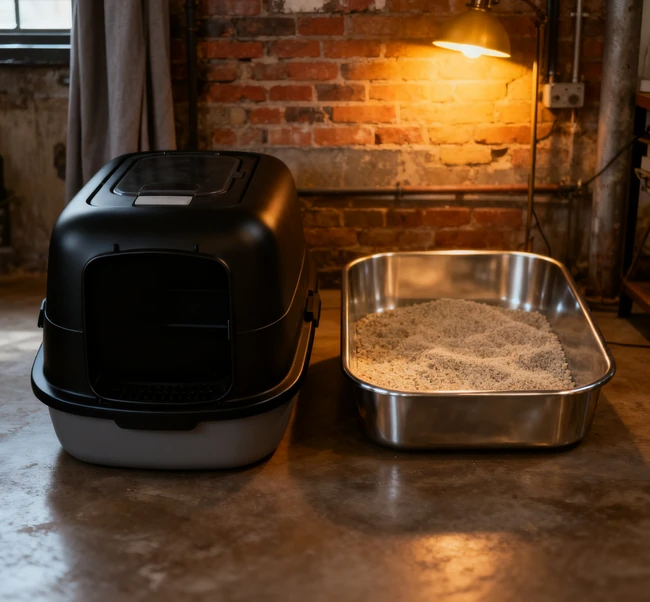
Making the Final Decision: Which is Right for Your Cat?
There is no one-size-fits-all answer. Your decision should be guided by your cat’s behavior and your specific home situation. Consider the following scenarios:
Choose an UNCOVERED Litter Box If:
- Your cat is large, a kitten, or a senior with mobility issues.
- Your cat has ever shown signs of avoiding a covered box.
- You are consistent with scooping multiple times a day.
- You are currently dealing with a litter box aversion issue.
- You have a spacious, well-ventilated area for the box.
Choose a COVERED Litter Box If:
- Your cat readily uses one and shows no signs of stress.
- Containing litter scatter is your top priority.
- You live in a small space and need to control odors between cleanings.
- The box will be placed in a high-traffic area where privacy is desired.
- You are committed to a rigorous cleaning schedule.
Remember, proper litter box placement is just as critical as the type of box you choose. A poorly placed box, whether covered or uncovered, can lead to problems.
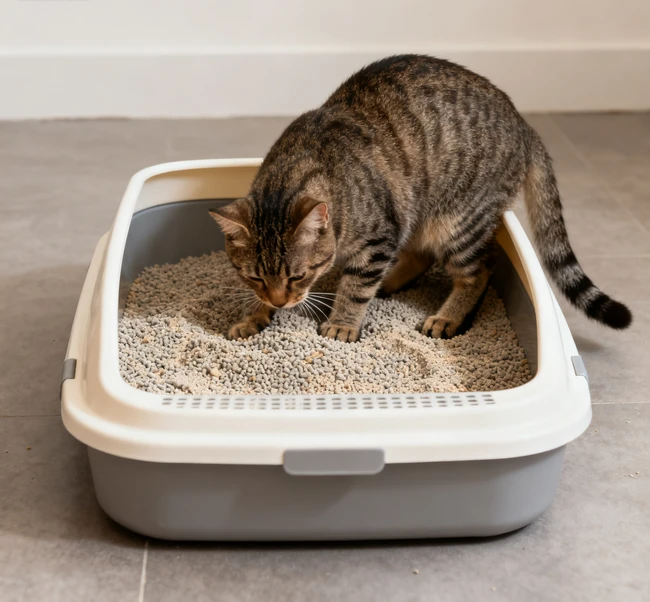
Expert Tips for Success with Either Choice
- Size Matters Most: Always choose the largest box your space can accommodate. A good rule of thumb is at least 1.5 times the length of your cat from nose to tail.
- Maintenance is Non-Negotiable: Scoop at least once daily. For covered boxes, a deep clean with soap and water weekly is essential to prevent odor absorption into the plastic.
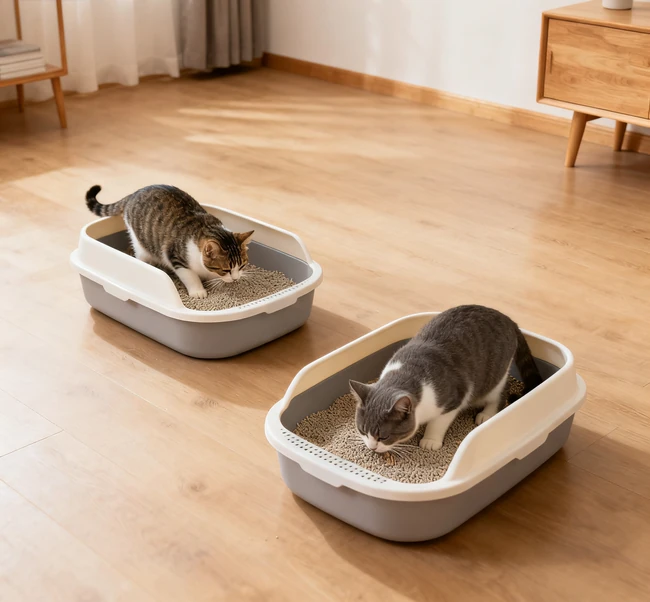
- Provide Options: If you have multiple cats, offer both covered and uncovered options in different locations to see what each cat prefers.
- Consider a Compromise: A large, high-sided open box can contain litter scatter better than a low-sided one while still providing an open feel. Alternatively, you can use a covered box with the door removed.
And when it comes to maintenance, always follow best practices for how to dispose of cat litter and never put cat litter in the toilet.
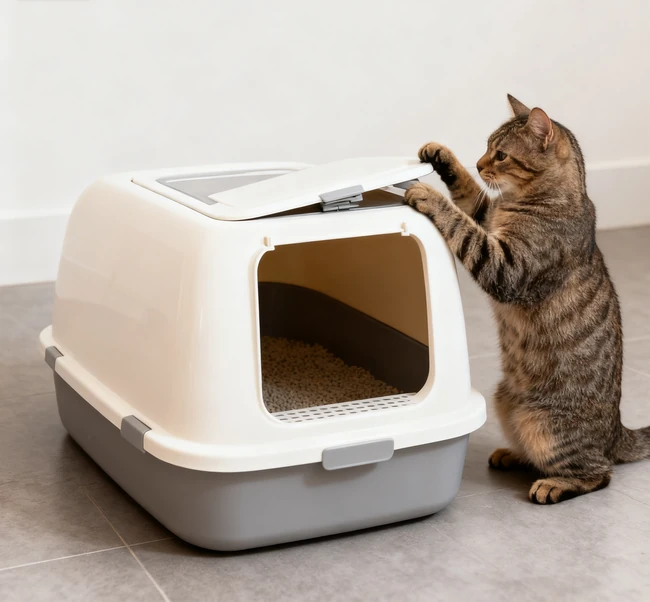
Frequently Asked Questions
Do cats really prefer open litter boxes?
Research and anecdotal evidence from behaviorists suggest that most cats do have a natural preference for large, open boxes because they feel less confined and trapped. However, every cat is an individual. Some may not mind or may even prefer the privacy of a covered box. The best way to know is to observe your own cat.
Are covered litter boxes bad for cats?
Covered litter boxes are not inherently “bad,” but they can be problematic if they are too small, not cleaned frequently enough, or if your cat is already anxious. The trapped odors and dust inside can deter a cat from using it, leading to inappropriate elimination. If you use a covered box, ensure it’s extra large and you are meticulous about cleaning.
How can I stop my cat from kicking litter out of an open box?
There are several effective strategies:
- Use a top-entry litter box (though some cats dislike these).
- Switch to a high-sided open box.
- Place a high-quality litter mat around the box to catch scattered litter.
- Experiment with a different type of cat litter that is heavier and less likely to track.
Can a covered litter box cause behavior problems?
Yes. If a cat finds the covered box aversive due to size, smell, or confinement, it may start eliminating outside the box. This is a common behavioral issue. The first step in resolving litter box avoidance is often to switch to a large, uncovered box. For more on this, see our guide on how to litter train a cat or retrain one with issues.
Is it safe to sleep in the same room as a covered litter box?
While a covered box will contain odors better than an open one, it is still not ideal to sleep in the same room as any litter box. Ammonia and other fumes can build up inside the box and slowly seep out, which is not optimal for air quality. For a detailed breakdown, read our expert guide on sleeping in a room with a cat litter box.
How does PawLitter test and evaluate litter boxes?
At PawLitter, our reviews are based on real-world testing, not just specs. We test every litter box for a minimum of 30 days in a home environment with real cats. We evaluate based on key criteria like cat acceptance (the most important factor), odor control, ease of cleaning, durability, and value. We are transparent about our PawLitter litter box reviews & guides process and use a clear affiliate disclosure. Our “cats-first” philosophy means we prioritize your pet’s comfort and health over all else.
Related Topics
- What is a Litter for Cats?
- Can You Flush Cat Poop Without Litter?
- What is the Use of Cat Litter?
- Self-Cleaning Litter Box Reviews
- Best Litter Boxes for Multiple Cats
Conclusion
The choice between a covered and uncovered litter box ultimately comes down to your individual cat’s preferences and your lifestyle. While uncovered boxes are generally the safer bet for ensuring cat acceptance, a well-maintained, large covered box can be a great solution for some households. The most important thing is to be observant and flexible. If your cat is happily using their current box, there’s no need to change. But if you’re dealing with avoidance issues, switching to a large, open box is the first and most effective step to take. For more in-depth reviews and practical advice on finding the perfect litter solution, explore the rest of our guides at PawLitter.

Related Articles
 Automatic Cat Litter Box
How to Stop Cat Litter Tracking for Good?The Ultimate Guide
 Automatic Cat Litter Box
How Many Litter Boxes Per Cat?The Ultimate Guide for a Happy Home
 Automatic Cat Litter Box
The 7 Best Natural Cat Litters of 2025?An Expert, Tested Guide
 Automatic Cat Litter Box
How Often Should You Change Cat Litter?A Vet-Reviewed Guide
 Automatic Cat Litter Box
The Best Dust Free Cat Litters?A 2024 Guide for a Cleaner, Healthier Home
 Automatic Cat Litter Box