





10 Faszinierende Katzen-Hirn - Fakten Jeder Besitzer sollte wissen

Have you ever watched your cat stare intently at a blank wall or suddenly sprint through the house for no apparent reason and wondered, “What is going on in that little head?” The feline mind is a captivating mystery, a blend of ancient instincts and surprising cognitive abilities. Understanding how your cat’s brain works is the key to unlocking a deeper, more harmonious relationship with your pet. It explains their quirky behaviors, their unique way of communicating, and even their health needs. In this article, we delve into ten incredible facts about the cat brain, backed by science and our own expertise in feline care. By the end, you’ll not only be amazed by your feline friend’s mental prowess but also better equipped to support their overall well-being, from mental stimulation to physical health.
1. A Cat’s Brain is 90% Similar to a Human’s
It might be hard to believe when they’re knocking things off your desk, but the structure of a cat’s cerebral cortex—the area responsible for complex thinking, decision-making, and memory—is about 90% similar to our own. This similarity means cats process information in ways that are more analogous to humans than we often credit. They have the same lobes: frontal, parietal, occipital, and temporal. The key difference lies in the size and the number of neurons dedicated to specific tasks. For instance, a significantly larger portion of a cat’s brain is devoted to processing sensory information, particularly from their whiskers, ears, and eyes, which explains their super-powered senses. This complex brain structure underpins their ability to learn, solve problems, and form deep emotional bonds with their owners.
2. They Have an Incredible Spatial and Memory Map
Cats are renowned navigators. Their brains contain advanced hippocampal neurons that function like a built-in GPS. This “cognitive map” allows them to mentally chart their territory, remembering the location of resources (like their food bowl, favorite sleeping spot, or litter box), obstacles, and escape routes with remarkable precision. This is why cats can often find their way home over surprising distances and why they are so adept at navigating your home in complete darkness. This spatial intelligence is a direct result of their evolutionary history as solitary hunters who needed to patrol and remember vast areas to survive.
3. Cats Dream, Just Like We Do
If you’ve seen your cat twitching, whiskers quivering, or paws paddling in their sleep, you’ve witnessed them dreaming. Cats experience sleep stages similar to humans, including both non-REM and REM (Rapid Eye Movement) sleep, which is when most dreaming occurs. Research suggests that during REM sleep, a cat’s brain replays and processes the day’s events. Their dreams likely consist of familiar activities: stalking, pouncing, chasing, or perhaps even interacting with you. This dreaming process is crucial for memory consolidation and learning. Ensuring your cat has a safe, quiet, and comfortable place to sleep undisturbed supports this vital brain function.
4. Their Brains Are Wired for Hunting, Not Obedience
This fact explains a lot about feline behavior. Unlike dogs, which were bred over millennia for cooperative tasks like herding or hunting with humans, cats domesticated themselves largely on their own terms. Their brains are optimized for solitary predation. The neural pathways for patience, stealth, and the lightning-fast calculation of pounce trajectories are highly developed. Conversely, the regions associated with seeking social approval or following complex commands are less pronounced. This isn’t stubbornness or a lack of intelligence; it’s simply a different kind of intelligence. They solve problems (like how to get the treat out of the puzzle toy) for their own benefit, not to please you.
5. The “Crazies” Have a Neurological Basis
That sudden burst of energy where your cat zooms around the room—often called the “zoomies” or Frenetic Random Activity Periods (FRAPs)—is a genuine neurological event. It’s believed to be a natural mechanism for releasing pent-up energy and stress. For indoor cats, who don’t have the opportunity for the long, strenuous hunts their brains are wired for, these bursts act as a pressure valve. It’s a sudden, overwhelming discharge of energy through the motor cortex. Regular, scheduled play sessions that mimic the hunt (sequence of stalk, chase, pounce, kill) can help manage these episodes by providing a proper outlet for their predatory brain chemistry.
6. They Can Suffer from Cognitive Dysfunction
Just like humans, cats are susceptible to age-related brain changes. Feline Cognitive Dysfunction (FCD) is similar to dementia in people. It’s caused by physical changes in the brain, including the accumulation of abnormal proteins that disrupt neural communication. Symptoms can include disorientation, changes in sleep-wake cycles (vocalizing at night), forgetting litter box training, decreased interaction, and altered activity levels. While there is no cure, a brain-healthy lifestyle can support cognitive function. This includes environmental enrichment (puzzle feeders, climbing trees), a diet rich in antioxidants and omega-3 fatty acids, and managing other health conditions like hypertension. Wie kann man eine Katze trainieren? Ein stressfreier Leitfaden für Kätzchen und erwachsene Katzen
7. A Cat’s Brain Processes Sound at Incredible Speeds
The auditory cortex in a cat’s brain is exceptionally efficient. They can hear frequencies up to 64 kHz (humans max out around 20 kHz) and can rotate their ears 180 degrees to pinpoint the location of a sound with an accuracy of a few inches, from several feet away. Their brain processes this auditory data so quickly that they can distinguish between sounds just 1/10th of a second apart. This ability was vital for detecting the high-pitched squeaks of prey. In your home, it means they can hear the crinkle of a treat bag from another floor and are highly sensitive to loud or sudden noises, which can be a source of stress.
8. Positive Interactions Literally Change Their Brain Chemistry
When you pet your cat in a way they enjoy, play with them, or offer a favorite treat, their brain releases “feel-good” neurotransmitters like dopamine and endorphins. More importantly, positive interactions with a trusted human can trigger the release of oxytocin, the so-called “love hormone,” in both the cat and the human. This hormone promotes bonding, reduces stress, and creates feelings of contentment. This biochemical response proves that the bond you share with your cat is neurologically real and beneficial for both of you. It’s a powerful reminder that gentle, respectful handling and positive reinforcement are key to a happy cat.
9. They Use a Different Part of the Brain to Recognize You
Dogs primarily use scent and sight to identify their humans. For cats, sound may be more crucial. A 2013 study from the University of Tokyo suggested that cats can distinguish their owner’s voice from a stranger’s, as shown by orienting behaviors (ear and head movement). Interestingly, their brain’s behavioral response—actually coming when called—was less consistent, tying back to their independent wiring. They likely create a complex multisensory profile of you, combining your voice, scent, and the visual of your shape and movement. They know it’s you; they just may choose not to acknowledge it on your timetable.
10. Parasites Can Impact Feline Brain Health and Behavior
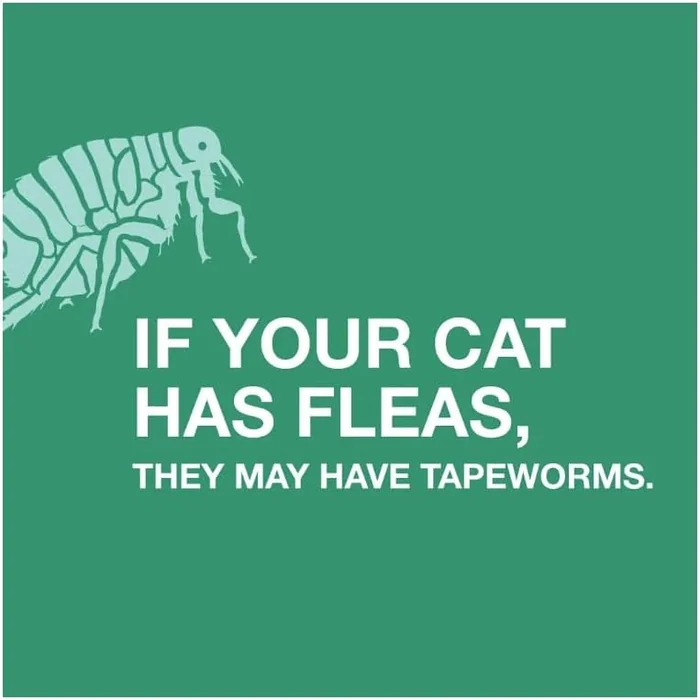
This is a critical fact that bridges brain function and tangible health care. Internal parasites, such as tapeworms or roundworms, are more than just a gastrointestinal issue. By competing for vital nutrients, they can indirectly affect a cat’s neurological health and energy levels. A heavy parasite load can lead to lethargy, a dull coat, and behavioral changes like irritability or hiding—all signs that the body (and brain) is under stress. Protecting your cat’s brain and overall health requires a proactive approach to parasite prevention and treatment. Katze Pflege Tipps
Maintaining a regular deworming schedule as recommended by your veterinarian is essential. For cat owners seeking effective and trusted solutions, we recommend the following products based on efficacy, safety, and overwhelming positive feedback from the pet community.
Top-Recommended Dewormer for Cats
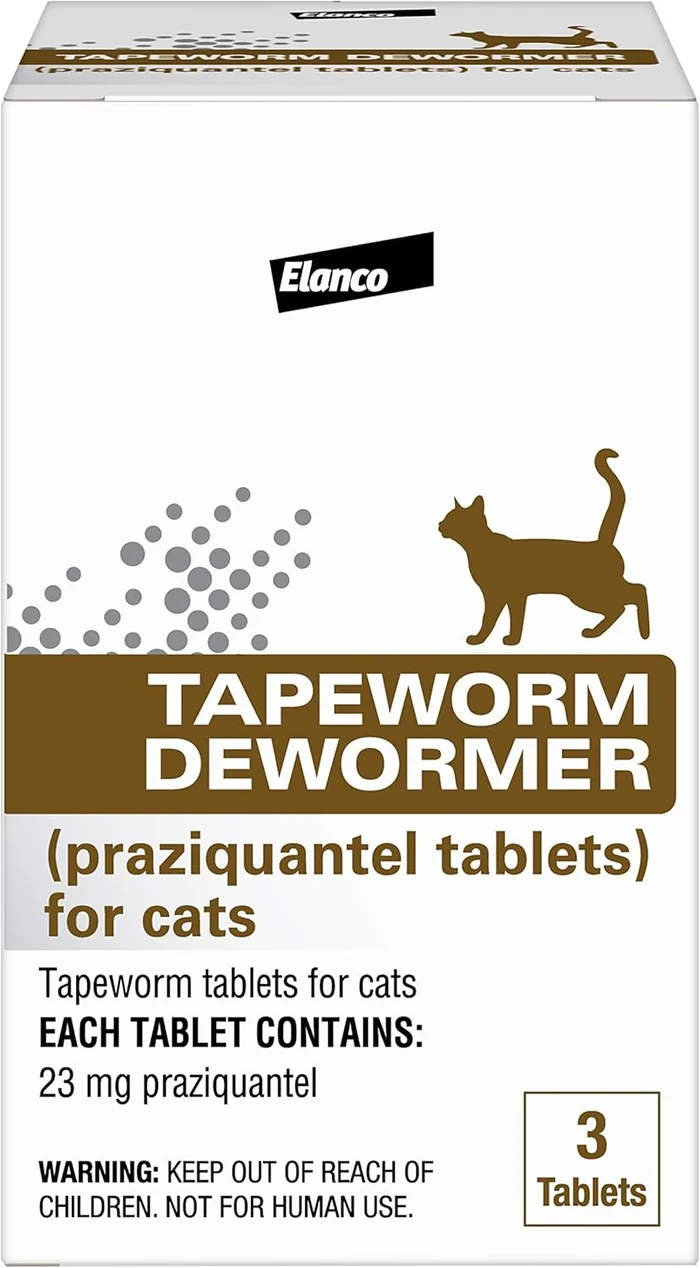
Elanco Bandeworm Dewormer (Praziquantel-Tabletten) für Katzen und Kätzchen 6 Wochen und älter, 3 - count
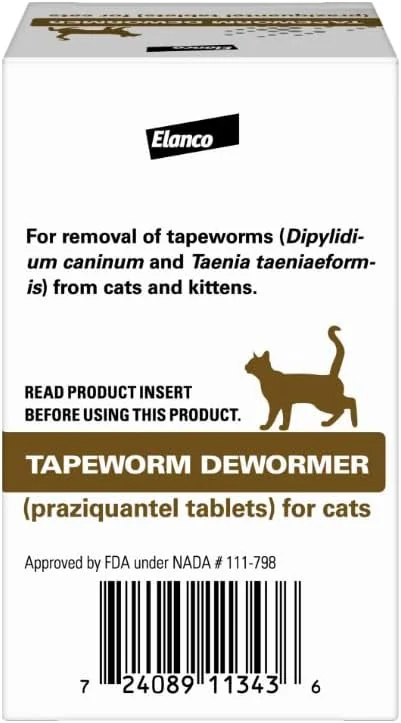



Schlüsselfeatures:
- 3-Count Flasche Bandworm Dewormer für Katzen
- Einfache effektive Möglichkeit, gemeinsame Bandwürmer bei Katzen zu entfernen
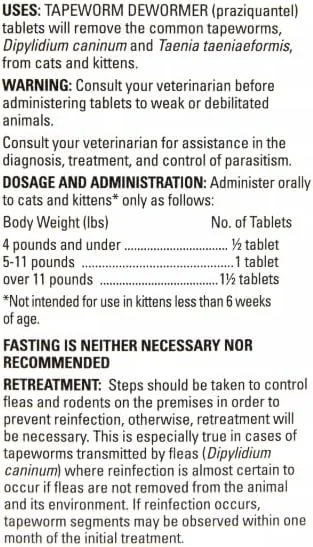
- Tabletten können zerbrochen und mit Nahrung gemischt werden oder durch den Mund eingenommen werden
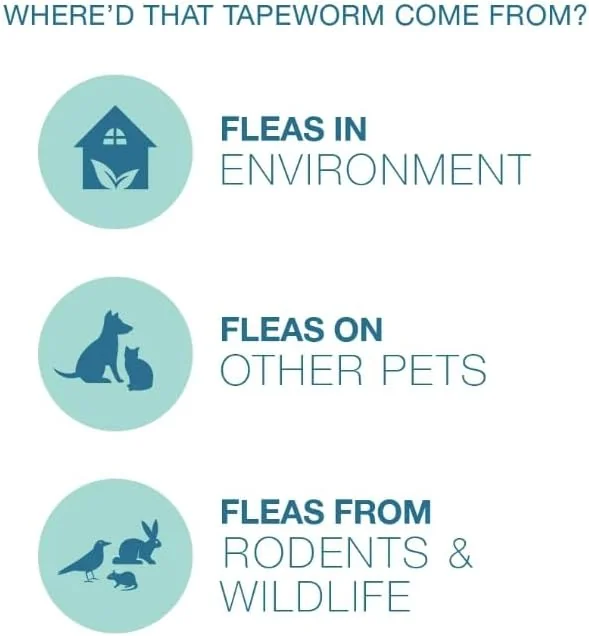
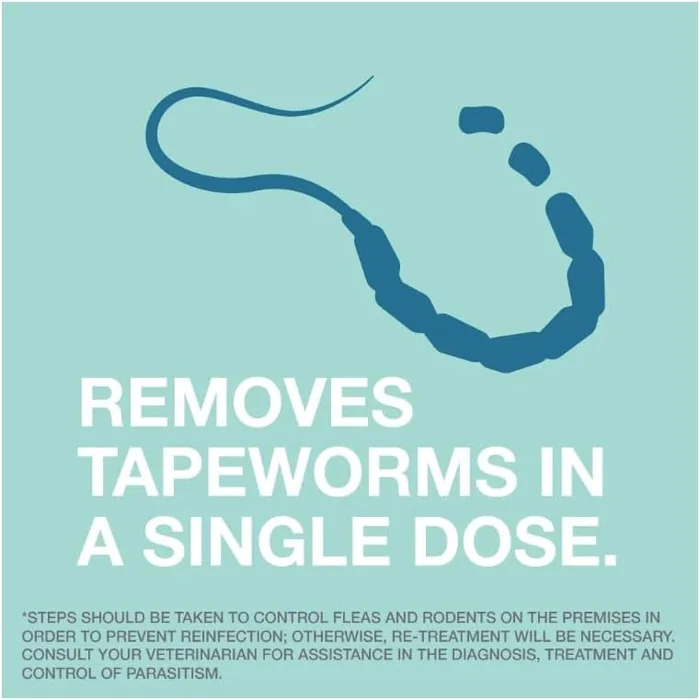
For targeted tapeworm treatment, we recommend Elanco’s Praziquantel tablets. This 3-count bottle provides a complete treatment course for an average adult cat. The active ingredient, praziquantel, is highly effective at eliminating common tapeworms by causing them to disintegrate within the intestine. We appreciate that the tablets are small and can easily be crumbled and mixed with a small amount of wet food, making administration stress-free for both owner and cat. With over 52,000 reviews, it’s a proven and trusted choice for addressing a specific parasitic threat to your cat’s well-being.
Important Consideration for Multi-Pet Households
If you also have dogs, it’s crucial to treat all pets in the home to prevent cross-contamination. Different species require species-specific formulations and dosages.
Recommended Dewormer for Dogs
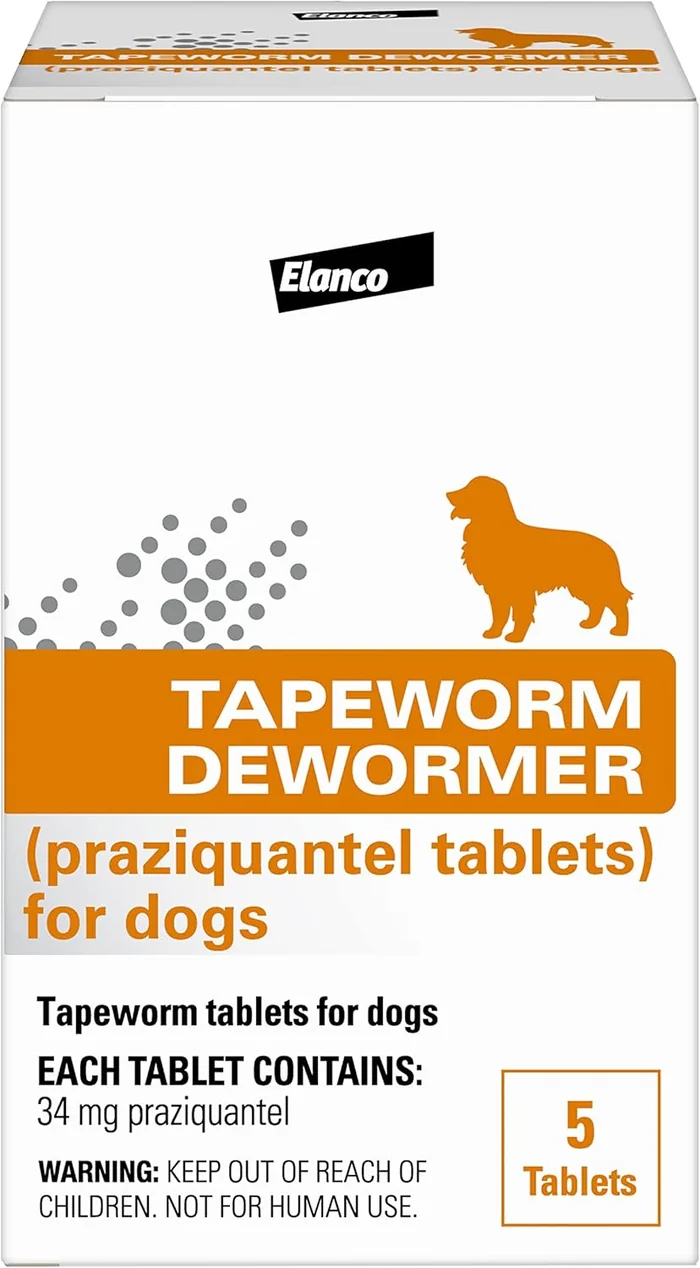
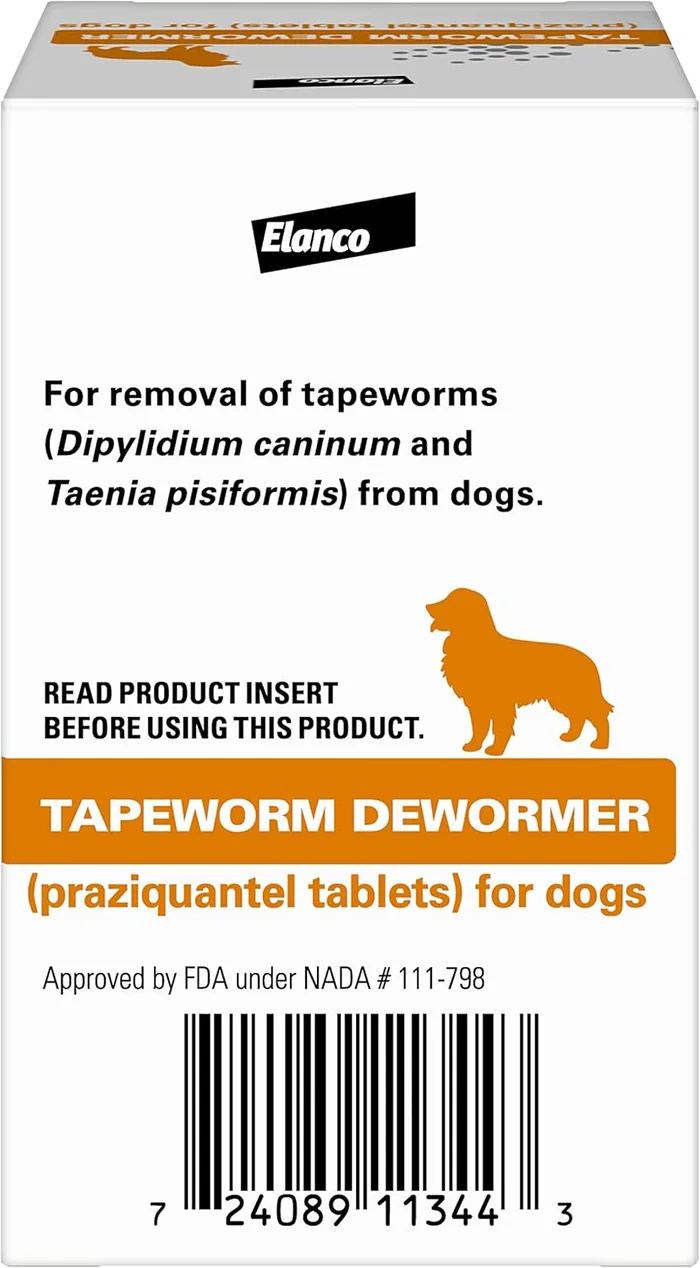
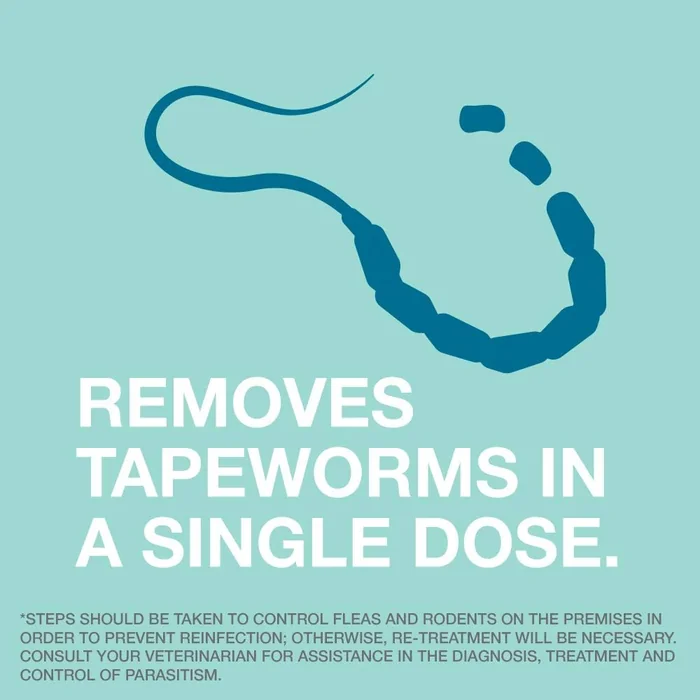
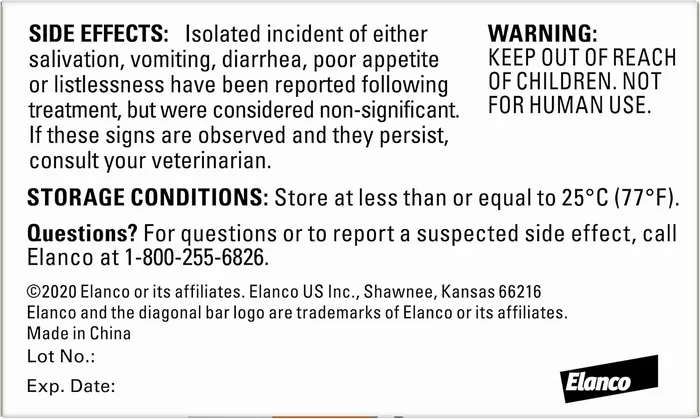
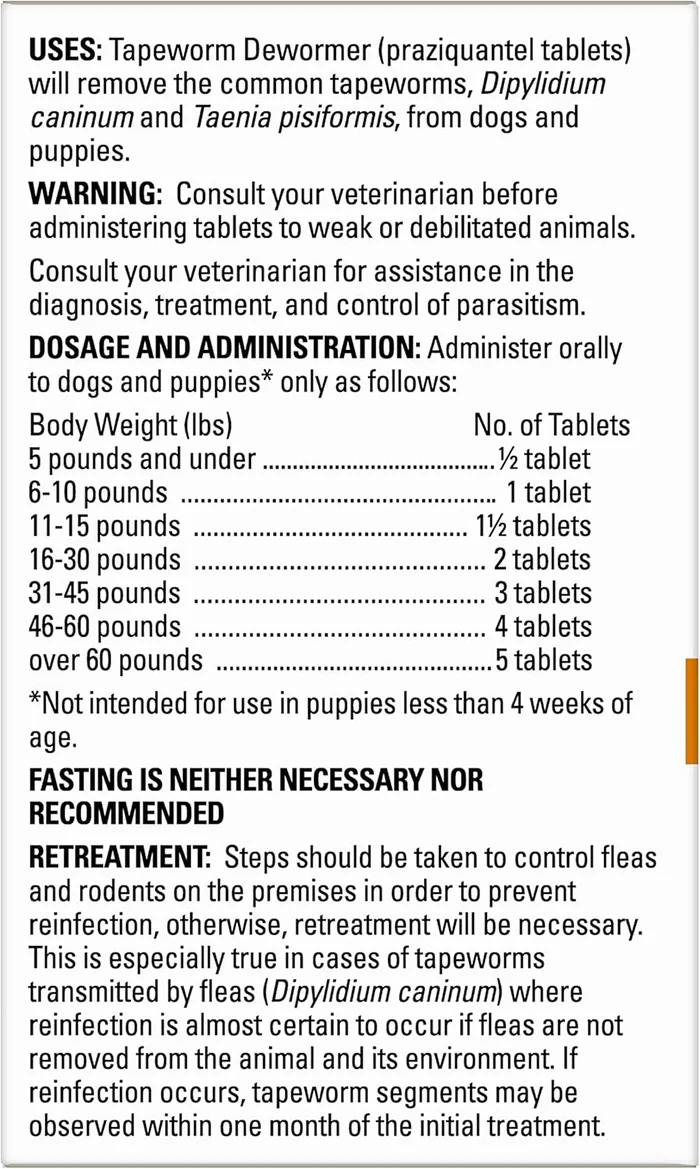
Elanco Tapeworm Dewormer (praziquantel tablets) for Dogs, 5 Count (Pack of 1) Praziquantel Tablets for Dogs and Puppies 4 Weeks and Older


Schlüsselfeatures:
- 5-count bottle of tapeworm dewormer for dogs
- Easy, effective way to remove common tapeworms from dogs
- Tabletten können zerbrochen und mit Nahrung gemischt werden oder durch den Mund eingenommen werden
This 5-count bottle of Elanco Praziquantel tablets is formulated for dogs and puppies. Using the correct product for each animal ensures accurate dosing and safety. The same easy administration applies—tablets can be given by mouth or mixed with food. Treating all pets simultaneously is a key step in breaking the parasite lifecycle in your home environment.
A Broad-Spectrum Option for Common Worms

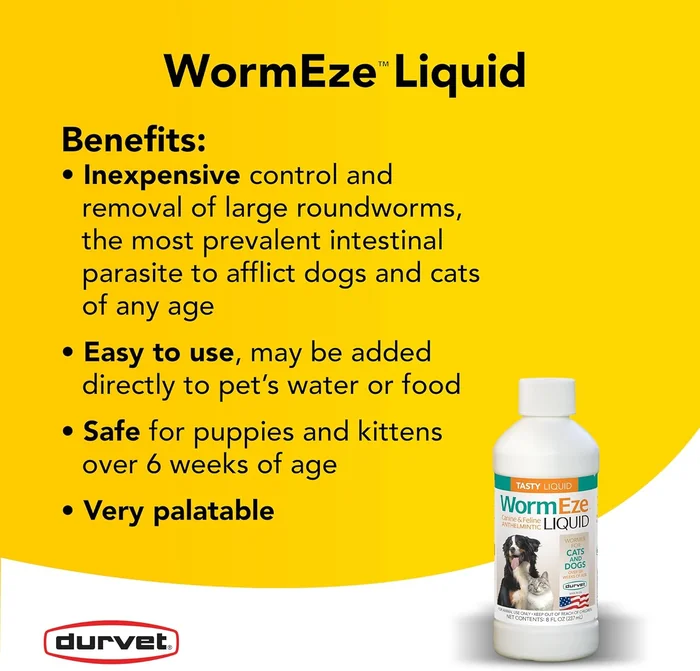
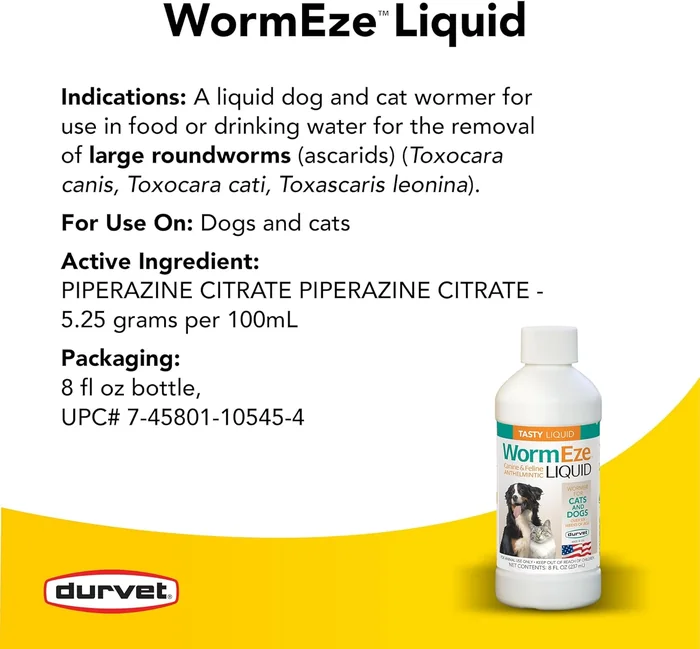
Durvet WormEze Liquid Canine & Feline Antihelmintic, 8 oz


Schlüsselfeatures:
- Inexpensive control and removal of large roundworms, the most prevalent intestinal parasite to afflict dogs and cats of any age
- Easy to use, may be added directly to pet’s water or food
- Sicher für Welpen und Kätzchen über 6 Wochen.
Für eine kostengünstige Lösung, die den am häufigsten verbreiteten Darmparasiten - großen Rundwürmern - bekämpft, empfehlen wir Durvet WormEze Liquid. Diese 8 oz Flüssigkeit ist leicht zu verabreichen, indem Sie die richtige Dosis zu Ihrem Haustier Futter oder Wasser hinzufügen. Es ist sicher für Katzen und Hunde über 6 Wochen alt, so dass es eine vielseitige Option für Haushalte, die mit dieser spezifischen Art von Wurm zu tun haben. Seine breite Attraktivität spiegelt sich in der hohen Anzahl von Benutzerbewertungen wider, die auf weit verbreitete Nutzung und Zufriedenheit hindeuten.
Die Auswahl des richtigen Produkts hängt von dem spezifischen Parasiten ab, der diagnostiziert wird. Wir empfehlen immer, sich mit Ihrem Tierarzt für eine richtige Diagnose und Behandlungsplan zu konsultieren. Eine parasitenfreie Katze ist eine gesündere, lebendigere Katze, deren Gehirn und Körper vollständig funktionieren können. Wie oft sollte man den Katzenwurf wechseln? Ein Vet-Reviewed - Guide
Unterstützen Sie das brillante Gehirn Ihrer Katze
Das Verständnis des Gehirns Ihrer Katze ermöglicht Ihnen, ein besserer Betreuer zu sein. Sie können ihre komplexe Neurologie unterstützen, indem Sie:
- Geistige Bereicherung: Verwenden Sie Puzzle-Feeder, lehren Sie einfache Tricks mit Clicker-Training und drehen Sie Spielzeug, um Langeweile zu vermeiden.
- Sicherstellung einer richtigen Ernährung: Füttern Sie eine hochwertige, ausgewogene Ernährung, die reich an Proteinen, Fetten, Vitaminen und Antioxidantien ist, die die Gesundheit der Gehirnzellen unterstützen.
- Natürliches Verhalten fördern: Erleichtern Sie die Jagd durch das Spiel, bieten Sie hohe Stürze für die Vermessung ihres Territoriums und bieten Sie Kratzpfosten.
- Aufrechterhaltung der tierärztlichen Pflege: Regelmäßige Kontrollen, Impfungen und Parasitenkontrolle schützen die körperliche Gesundheit, auf die das Gehirn angewiesen ist.
Das Gehirn Ihrer Katze ist ein Meisterwerk der Evolution - ein kompaktes, effizientes Organ, das für das Überleben, die sensorische Wahrnehmung und, wie wir jetzt wissen, in der Lage ist, echte Zuneigung zu bilden. Indem Sie ihr einzigartiges Design respektieren und ihre Bedürfnisse erfüllen, pflegen Sie die Essenz dessen, was Ihre Katze so faszinierend und wunderbar macht.

Verwandte Artikel
 Katze Basics
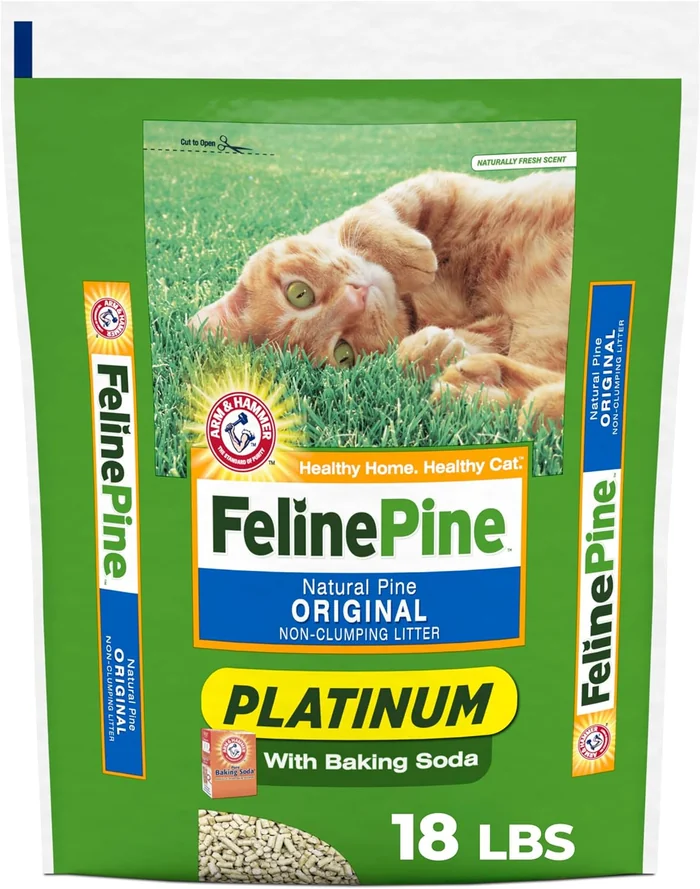
11 erschwingliche und umweltfreundliche Katzen-Litter - Alternativen für ein grüneres Zuhause
 Katze Basics
Die 100 beliebtesten Katzenliebeszitate aller Zeiten
 Katze Basics
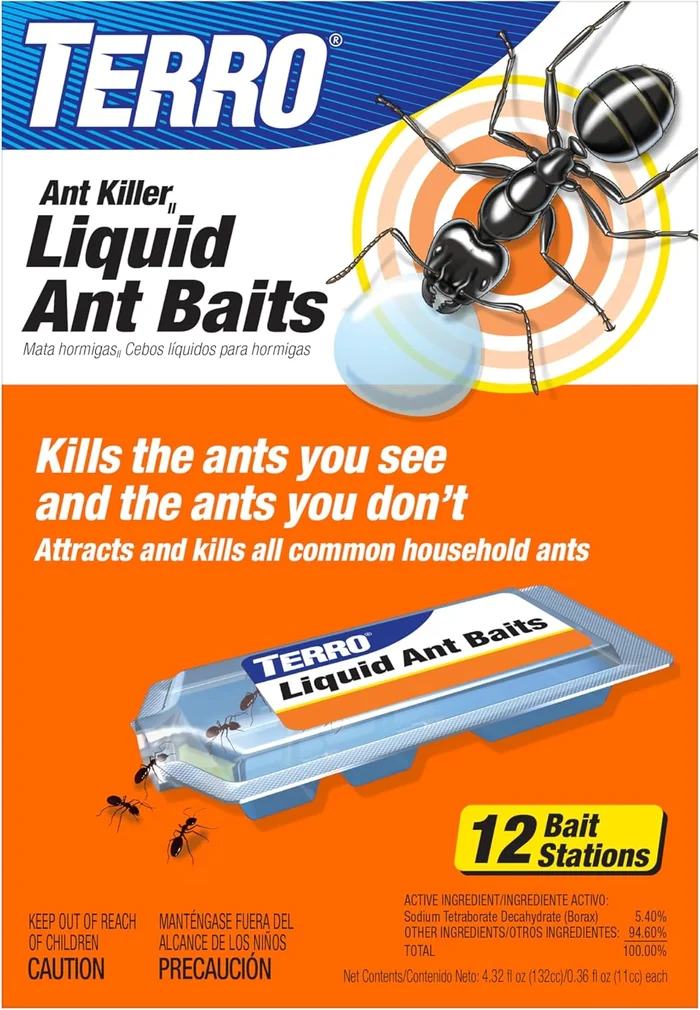
10 effektive und katzensichere Möglichkeiten, um Ameisen von Katzenfutter fernzuhalten
 Katze Basics
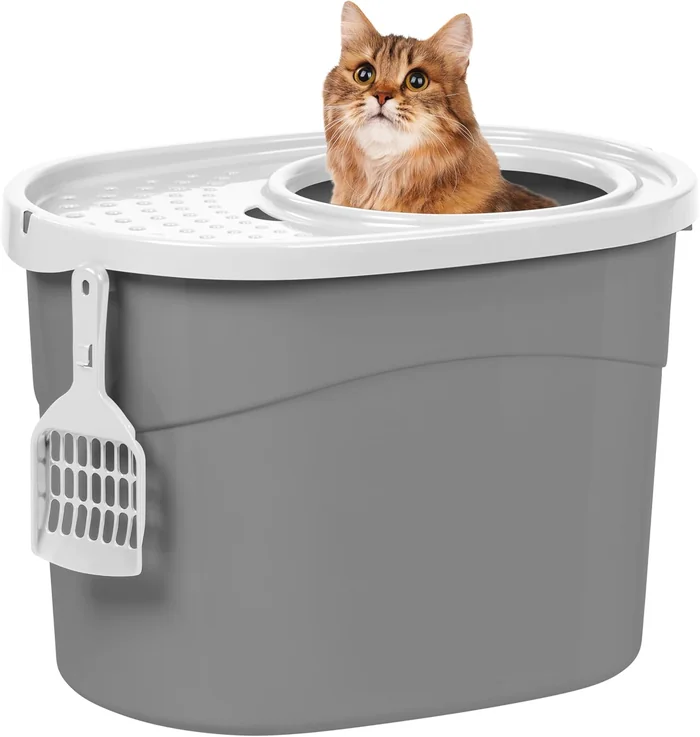
10 einfache und effektive Möglichkeiten, um den Litterbox Bereich Ihrer Katze sauber zu halten
 Katze Basics
10 Gründe, Ihre Katze nicht zu trainieren, um die Toilette zu benutzen und was stattdessen zu tun ist
 Katze Basics