

11 erschwingliche und umweltfreundliche Katzen-Litter - Alternativen für ein grüneres Zuhause

As cat owners, we all want the best for our feline friends, but we also have a responsibility to our planet. The search for the perfect cat litter often feels like a balancing act: finding something that controls odor, is easy to clean, affordable for our budget, und gentle on the environment. Traditional clay litter, while effective, is not biodegradable and involves strip-mining. The good news? The market is now rich with innovative, sustainable options that don’t force you to compromise on performance.
At PawLitter, we’ve tested and researched extensively to cut through the clutter. This guide dives deep into 11 of the best eco-friendly cat litter alternatives. We’ll provide a clear, honest breakdown of each option’s pros, cons, and ideal use case, backed by real product data and insights. Our goal is to empower you with the knowledge to make an informed, sustainable choice for your cat and your home.
What Makes a Cat Litter “Eco-Friendly”?
Before we explore the alternatives, let’s define our criteria. An eco-friendly cat litter typically excels in one or more of these areas:
- Biodegradable & Compostable: Made from renewable, plant-based materials that break down naturally, unlike clay which sits in landfills for centuries.
- Sustainably Sourced: Derived from recycled materials (like paper) or by-products of other industries (like pine sawdust or walnut shells), minimizing new resource extraction.
- Low Environmental Impact: Features low dust (better for air quality), is often lightweight (reducing shipping emissions), and is produced with minimal chemical processing.
- Non-Toxic: Free from synthetic fragrances, silica dust, and chemicals that could harm your cat or leach into the ecosystem.
We’ve also prioritized affordability and real-world performance in odor control and clumping ability, because a litter that doesn’t work for your household won’t be a sustainable choice for long.
The Top 11 Eco-Friendly Cat Litter Alternatives
1. Pine Pellet Litter
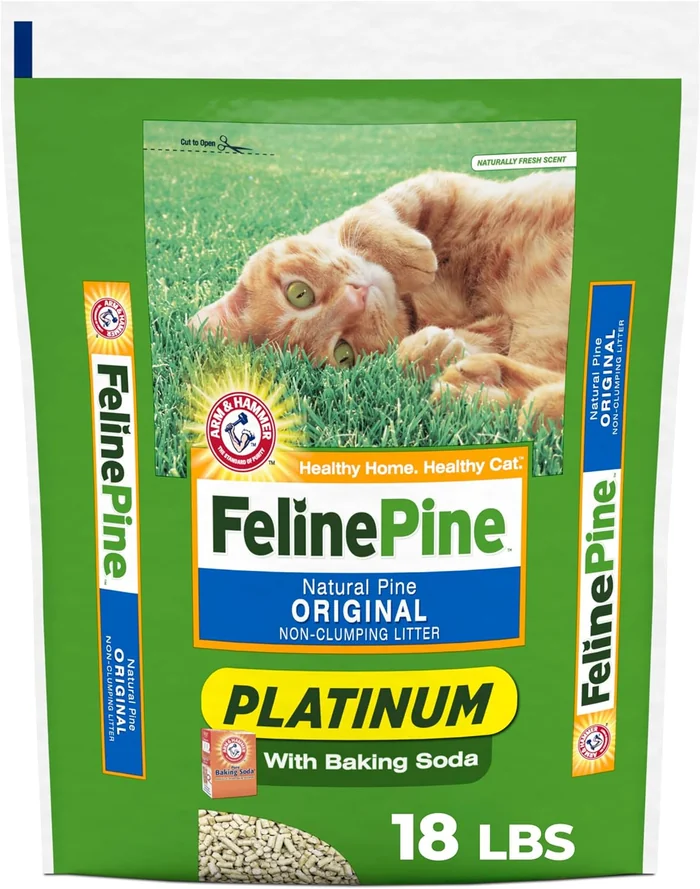
Feline Pine Platinum Non-Clumping Cat Litter, Feline Pine Cat Litter 18lb
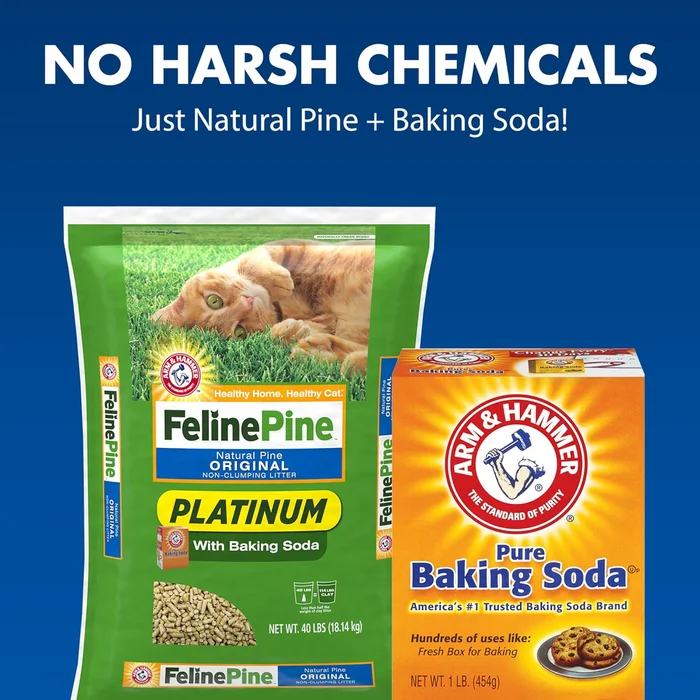
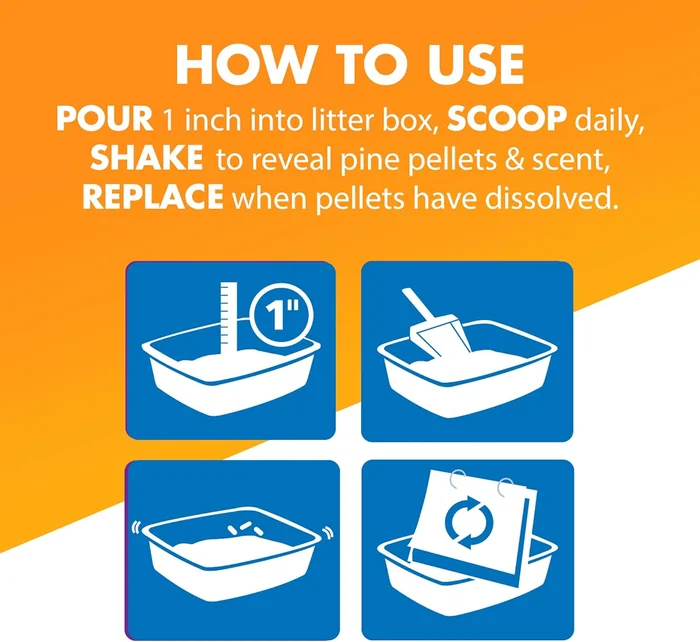
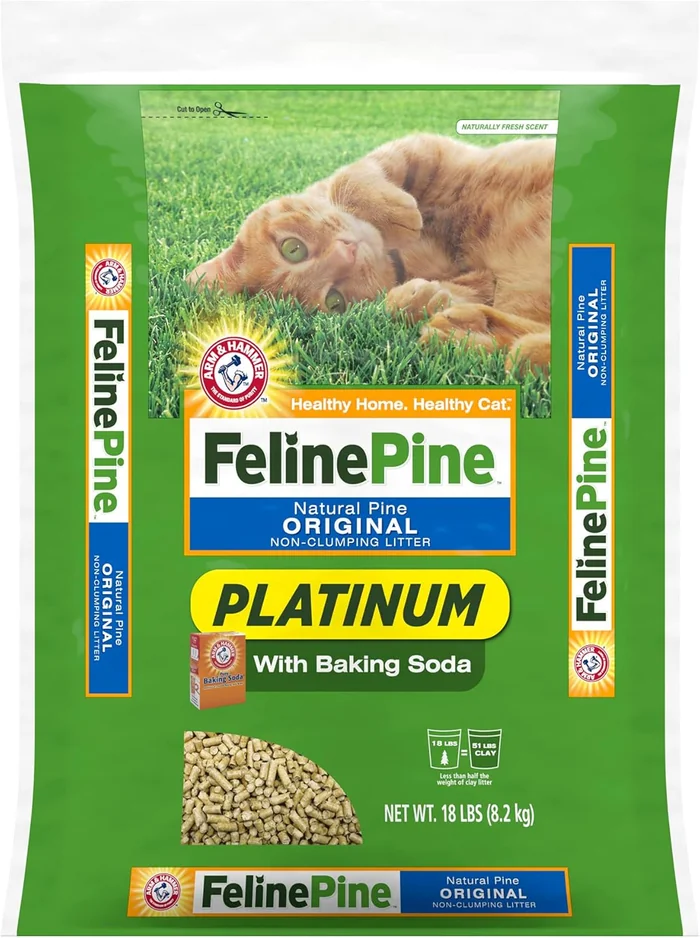
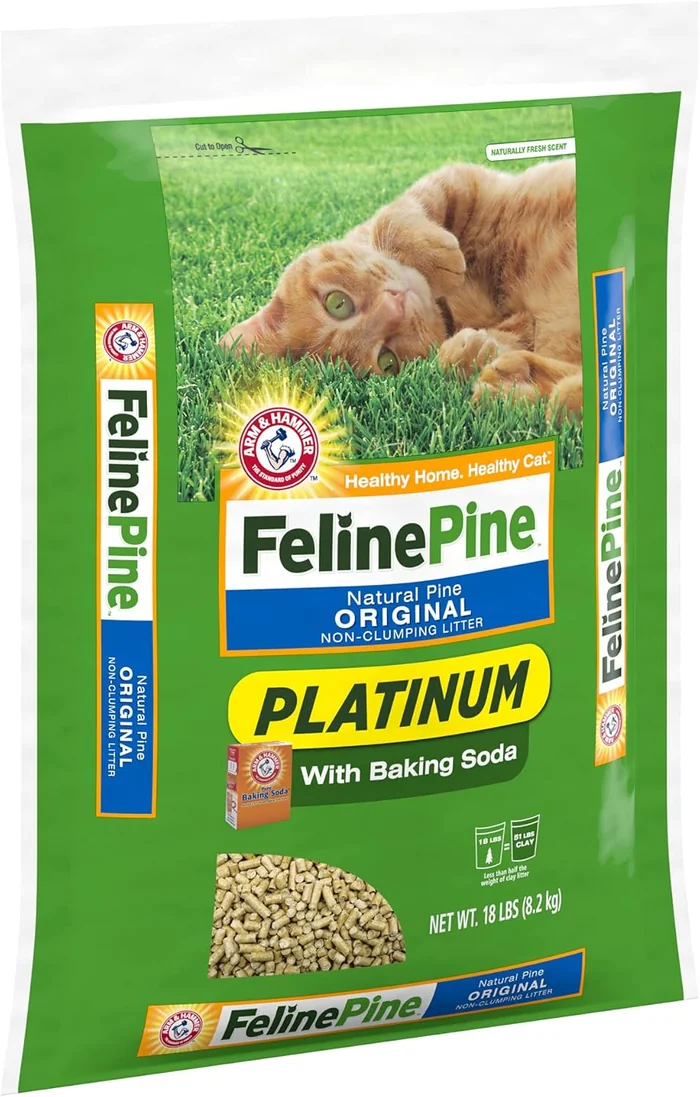
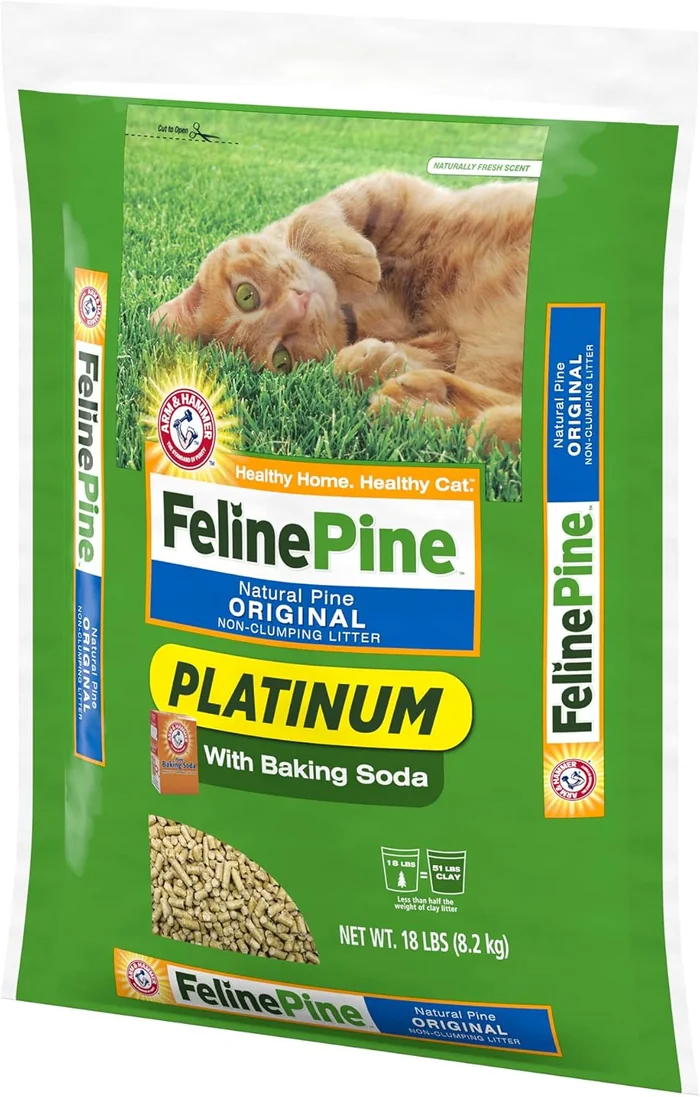
Schlüsselfeatures:
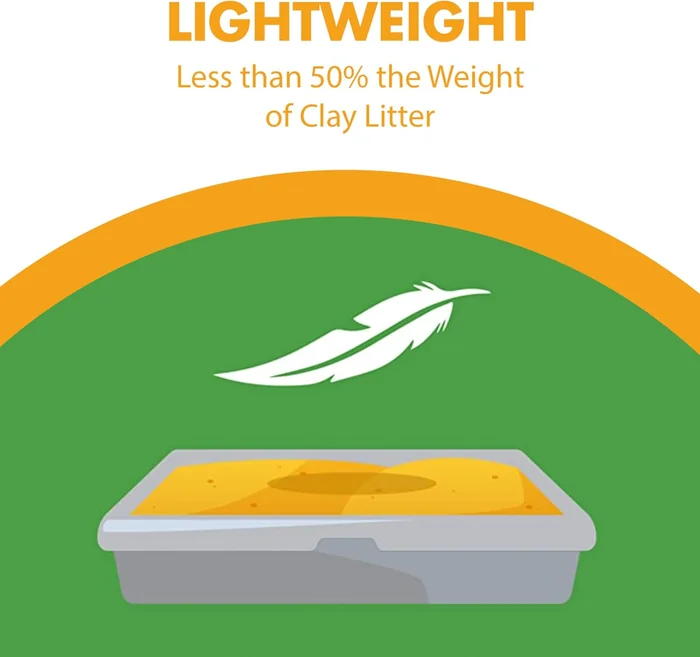
- LIGHTWEIGHT CAT LITTER so changing and refilling the cat litter box is fast and easy. That’s easy because this absorbent non-clumping kitty litter is natural and less than half the weight of clay litter and leaves no messy cloud of dust.
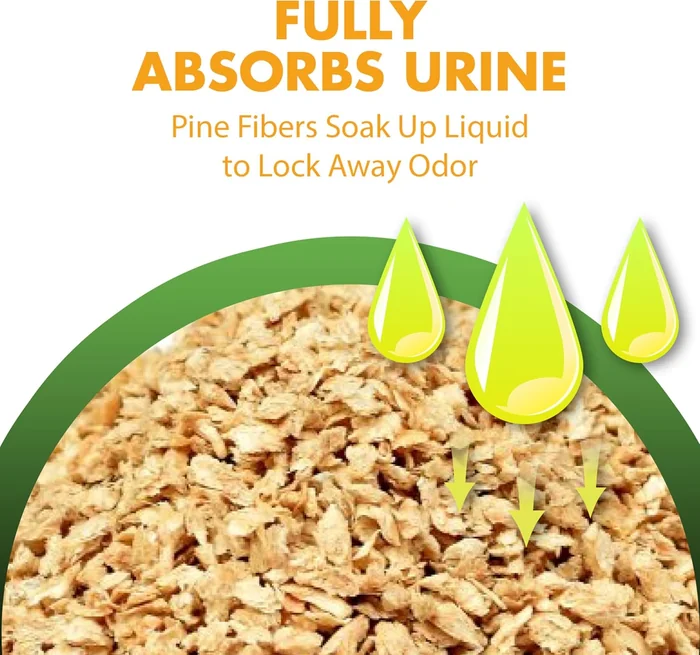
- HIGHLY ABSORBENT PINE LOCKS AWAY ODORS: Feline Pine cat litter is a lightweight non-clumping cat litter that directly binds to odors like thousands of tiny sponges to soak up liquid and lock away ammonia odors to keep the litter box fresh and dry.
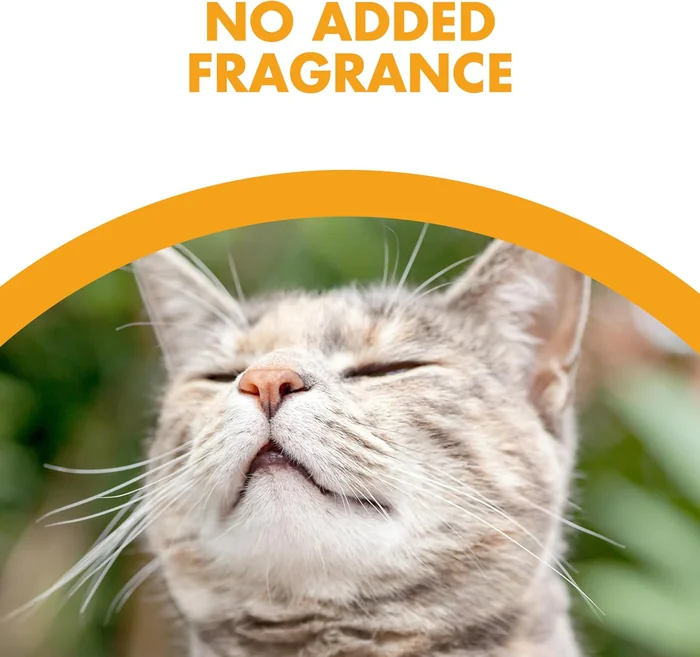
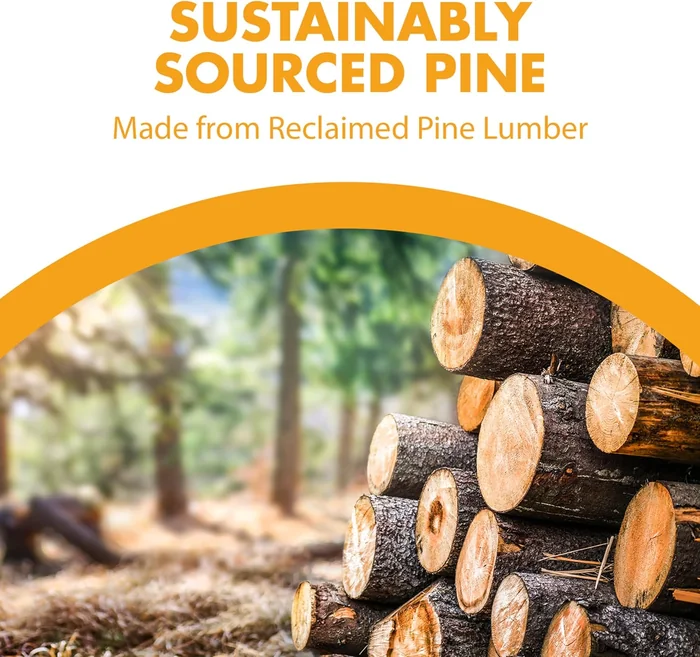
- A NATURAL CAT LITTER CHOICE. No new trees are cut down to make the pine shavings in Feline Pine Platinum Natural Pine Non-Clumping Litter. This unscented cat litter comes from kiln dried shavings reclaimed from lumber production,
Pine litter is a top contender in the natural litter space, and for good reason. Made from compressed pine sawdust—a reclaimed byproduct of the lumber industry—it offers a fresh, woodsy scent and excellent natural odor control through absorption. As the pellets get wet, they break down into sawdust. It’s a fantastic, low-dust option that’s highly absorbent.
Pros: Excellent natural odor control (ammonia neutralization), very low dust, highly absorbent, typically very affordable, biodegradable and compostable. The lightweight nature of options like Feline Pine makes box changes easy.
CONS: Most are non-clumping, requiring a sifting litter box. The sawdust breakdown can be tracked more easily. The pine scent, while pleasant to many, may not be preferred by all cats or owners.
Bestes für: Owners seeking a low-dust, naturally scented, and highly affordable option. It’s excellent for multi-cat households due to its superior odor-locking capabilities.
2. Wheat Litter
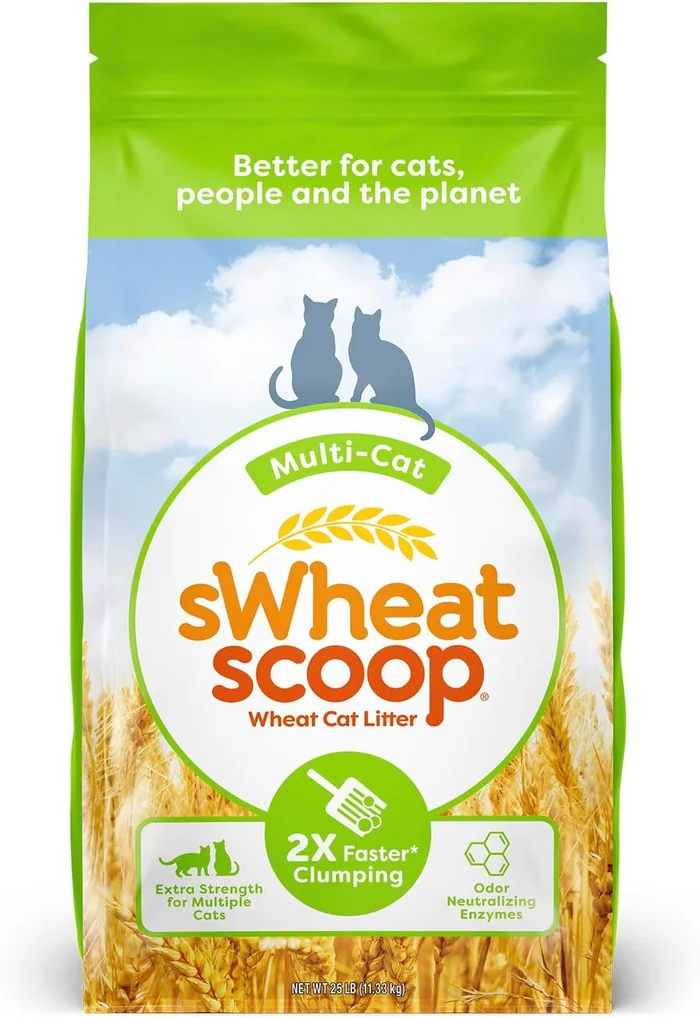
sWheat Scoop Natural Wheat Multi-Cat Litter, Superior Clumping with Odor Neutralizing Enzymes, 25 Pound Bag
Schlüsselfeatures:
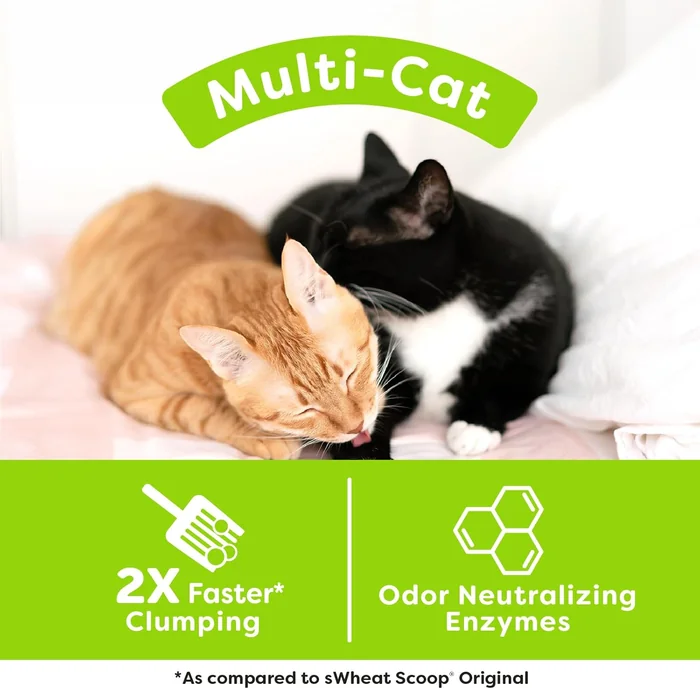
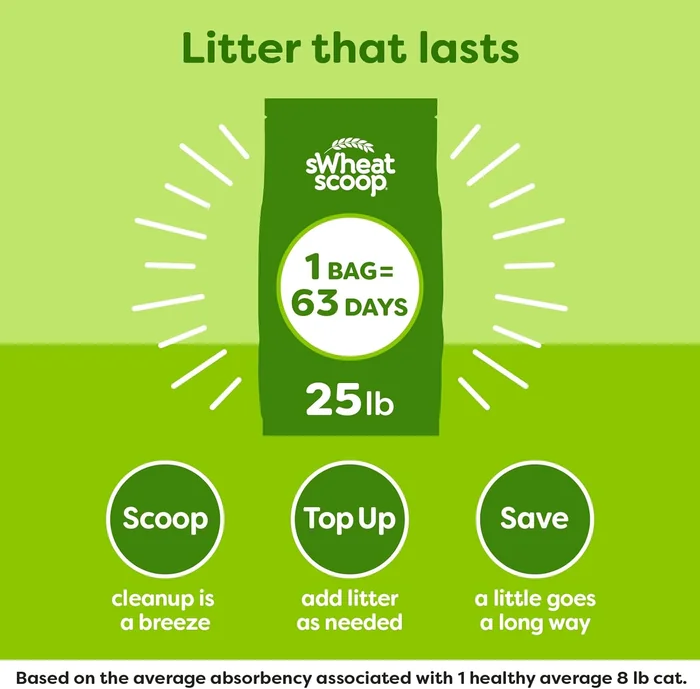
- sWheat Scoop Natural Wheat Multi-Cat Litter: Super absorbent, natural wheat litter designed for multi-cat and multi-litter box households
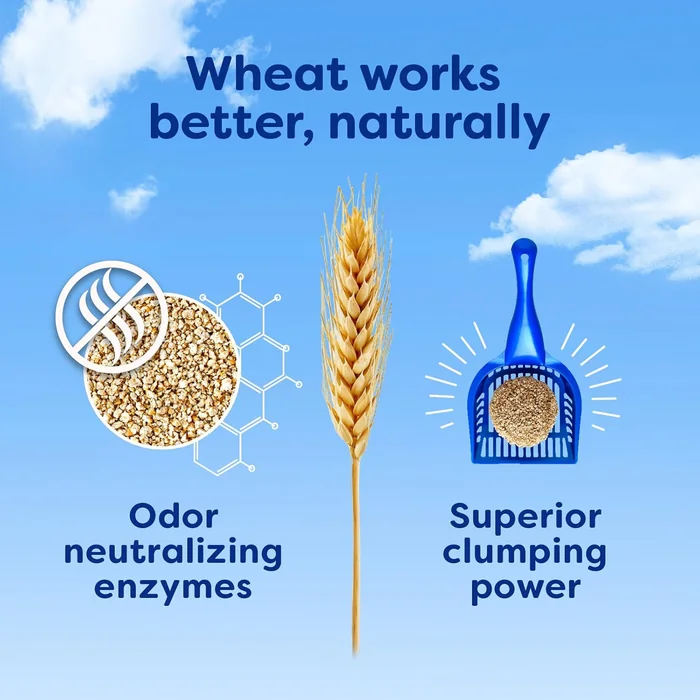
- Superior Odor Control: Powerful natural odor neutralizing enzymes trap odors on contact and neutralize urine and ammonia odors quickly to help eliminate smelly pet odors
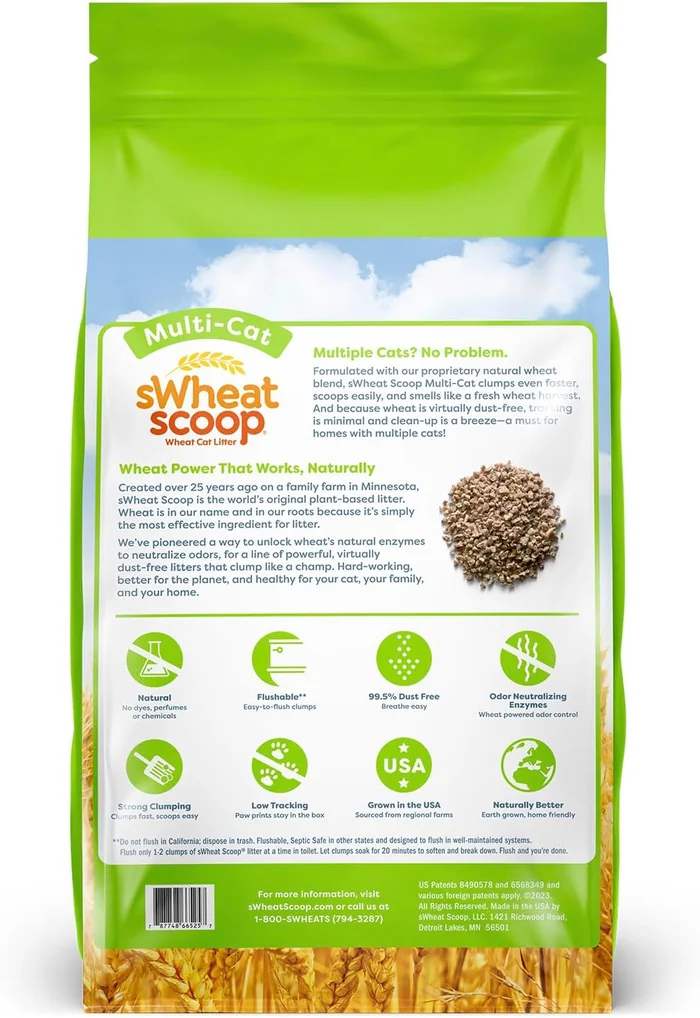
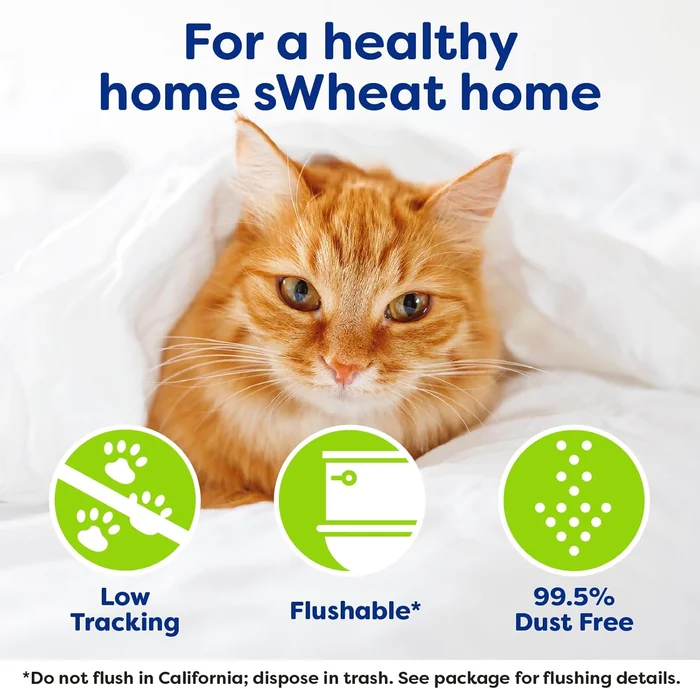
- Natural: sWheat Scoop eliminates odors using natural, domestically sourced wheat with no added dyes, perfumes, or chemicals; naturally lightweight, 99.5% dust free and low tracking
Wheat litter harnesses the natural power of wheat enzymes to neutralize odors. It clumps firmly, is flushable (in small amounts, check local regulations), and is naturally lightweight. The texture is often similar to fine clay, which makes it an easy switch for many cats.
Pros: Natural enzymatic odor control, forms strong clumps, low dust, flushable, biodegradable. Brands like sWheat Scoop are specifically formulated for multi-cat homes, offering superior odor neutralization.
CONS: Can attract pantry pests if stored improperly. May have a slight, sweet grain smell when first poured. Clumps can stick to the bottom of the box if not scooped promptly.
Bestes für: Cat parents looking for a clumping litter with powerful, natural odor control who want a texture familiar to their cat. Great for households with multiple cats.
3. Grass Seed Litter
A relative newcomer that has gained rapid popularity. Made from renewable, fast-growing grasses, this litter forms incredibly hard, quick-clumping balls that are easy to scoop with minimal waste. It’s remarkably low-dust and has excellent odor control.
Pros: Exceptionally fast and hard clumping, virtually dust-free, lightweight, excellent odor control, soft on paws, biodegradable.
CONS: Tends to be on the pricier side. Can be tracked due to its light, small granules. Some brands may sprout if exposed to moisture outside the box.
Bestes für: Those who prioritize minimal mess, easy scooping, and a ultra-low-dust environment. Ideal for cats or owners with respiratory sensitivities.
4. Recycled Paper Litter
Typically made from recycled newspaper or other paper products, this litter comes in pellet or granule form. It’s highly absorbent, incredibly low-dust, and a great choice for cats recovering from surgery (as it’s very soft) or for kittens.
Pros: Ultra-absorbent, virtually dust-free, very soft and gentle, highly biodegradable, often made from post-consumer recycled material.
CONS: Poor clumping ability (if it clumps at all), requires frequent full changes, less effective on odor control compared to other natural litters, can be tracked.
Bestes für: Kittens, post-surgical cats, or cats with known dust allergies. It’s also a good choice for eco-conscious owners who prioritize recycled content.
5. Corn Litter
Corn is a renewable resource used to create clumping litters with a natural, faintly sweet smell. It clumps well and is biodegradable. The texture is usually fine and sand-like, which many cats enjoy.
Pros: Good clumping ability, natural odor control, biodegradable and compostable, renewable resource.
CONS: Risk of mold if stored in humidity. Can attract pests. Some cats may be tempted to eat it. Odor control can be surpassed by wheat or pine in high-odor situations.
Bestes für: Owners and cats who prefer a fine, clumping litter and want a widely available natural option.
6. Walnut Shell Litter
This innovative litter uses ground walnut shells, a byproduct of the nut industry. The granules are naturally porous, offering superior absorption and odor control. It has a dark color that helps hide stains and a natural, earthy appearance.
Pros: Excellent natural odor control and absorption, low dust, clumps well, unique dark color masks stains, utilizes a waste product.
CONS: Can be messy and tracked due to its dark color. May be more expensive. Not suitable for cats with nut allergies.
Bestes für: Those needing heavy-duty odor control and absorption. The dark color is a bonus for aesthetic preference.
7. Coconut Husk Litter
Made from the fibrous husk of coconuts, this litter is highly sustainable. It’s very absorbent, controls odors naturally, and is typically low-dust. It often comes in pellet form.
Pros: Highly sustainable and renewable, excellent absorption, good odor control, low dust, biodegradable.
CONS: Often non-clumping, can be more expensive and harder to find, may have a distinct fibrous texture some cats dislike.
Bestes für: Eco-purists looking for a highly sustainable, absorbent, and low-dust pellet litter.
8. Wood Shavings (Cedar or Pine)
Broader wood shavings, different from pine pellets, offer a more rustic option. Cedar has a strong, iconic scent known for repelling insects and masking odors. Both are highly absorbent.
Pros: Very affordable, highly absorbent, strong natural scent (especially cedar) for odor masking, biodegradable.
CONS: The strong scent can be overwhelming and may deter some cats. Not clumping. Cedar oils can be irritating to some cats’ respiratory systems, so pine is often the safer wood choice.
Bestes für: Budget-conscious owners in well-ventilated areas, or for use in outdoor cat shelters. Use with caution and monitor your cat’s reaction.
9. Sand (A Natural, But Cautious, Choice)
It’s the original litter! Natural sand is incredibly cheap and offers a texture cats instinctively love. However, it has significant drawbacks from a modern pet care perspective.
Pros: Extremely affordable, texture cats naturally prefer, readily available.
CONS: Zero odor control, does not clump, extremely heavy and messy, high tracking, can harbor parasites if not sourced carefully.
Bestes für: As a temporary, emergency litter only. We do not recommend it for long-term daily use due to hygiene and odor issues.
10. DIY Newspaper Pellets
A hands-on, zero-waste option. You can shred and pelletize used newspaper (with non-toxic ink) to create a free, recycled litter. It requires some effort but maximizes sustainability.
Pros: Virtually free, maximizes recycling, dust-free, non-toxic if using safe ink.
CONS: Time-consuming to make, poor odor control, non-clumping, requires very frequent changing, can be messy.
Bestes für: The extremely crafty and budget-focused owner who doesn’t mind daily maintenance and has a single cat with minimal odor issues.
11. Tofu (Cassava) Litter
Primarily made from cassava root (sometimes called tofu litter due to its texture), this is a superstar in regions like Asia and is growing globally. It flushes easily, clumps extremely hard, and is low-dust.
Pros: Excellent, hard clumping, flushable, very low dust and low tracking, biodegradable.
CONS: Can be expensive outside of its primary markets. May have a slight starchy smell when wet. Requires specific disposal (flushing only if approved by all local systems).
Bestes für: Owners in urban settings looking for a flushable, low-mess, high-performance clumping litter and are willing to invest in it.
How to Choose the Right Eco-Friendly Litter for Your Cat
With so many choices, the decision comes down to your household’s specific needs. Ask yourself these questions:
- What’s my budget? Pine and wheat often offer the best balance of cost and performance.
- How many cats do I have? Multi-cat homes need superior odor control. Look at multi-cat formulas like sWheat Scoop Multi-Cat or highly absorbent pine.
- Does my cat have preferences or health issues? Cats with asthma need low-dust litters (paper, grass). Picky cats may prefer finer textures (corn, wheat).
- How important is convenience? If you love clumping for easy scooping, prioritize wheat, corn, grass, or tofu litters.
- What’s my disposal method? If you want to flush, ensure the litter is truly flushable and that your plumbing and municipal system can handle it.
We always recommend transitioning slowly. Mix the new eco-friendly litter with your old litter in increasing amounts over 1-2 weeks to help your cat adjust.
Eco-Friendly Litter Deep Dive: Performance & Data
Let’s look at some real-world data for popular options to illustrate the market. Remember, price and reviews are dynamic, but they provide a valuable snapshot of user experience.
High-Performance Clay: The Sustainable Mindset Shift
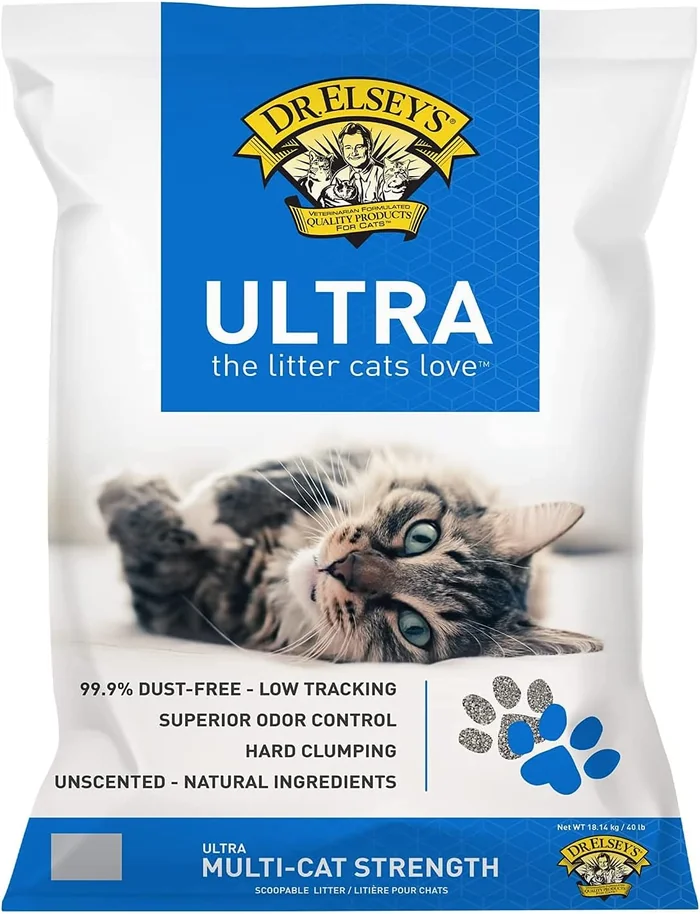
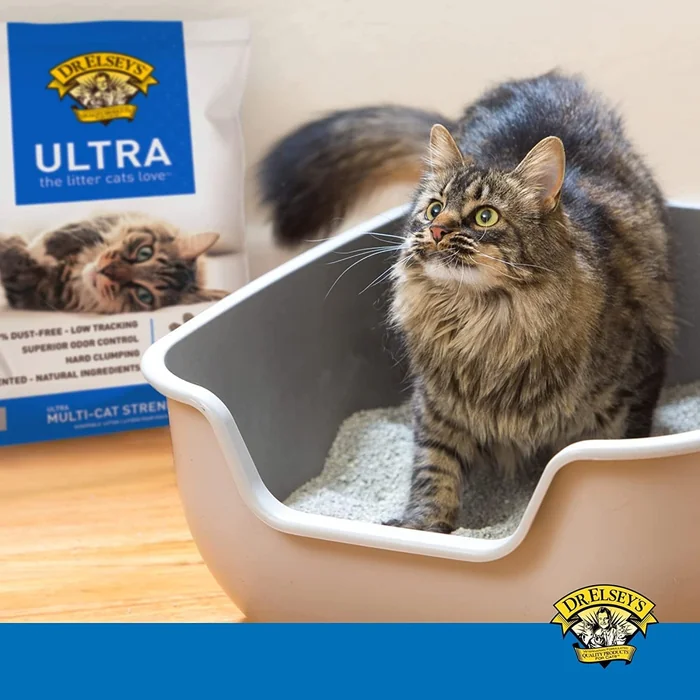
Dr. Elsey’s Ultra UnScented Clumping Clay Cat Litter 40 lb. Bag
Schlüsselfeatures:
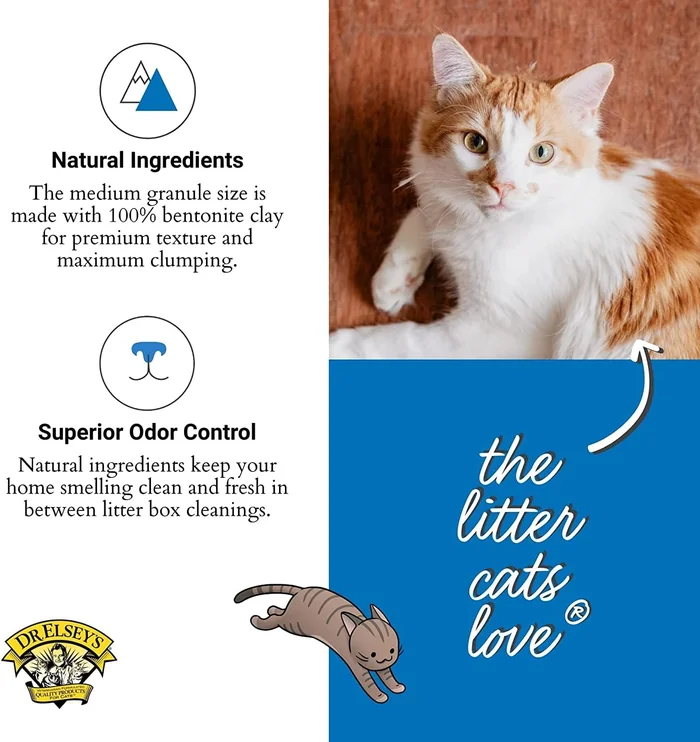
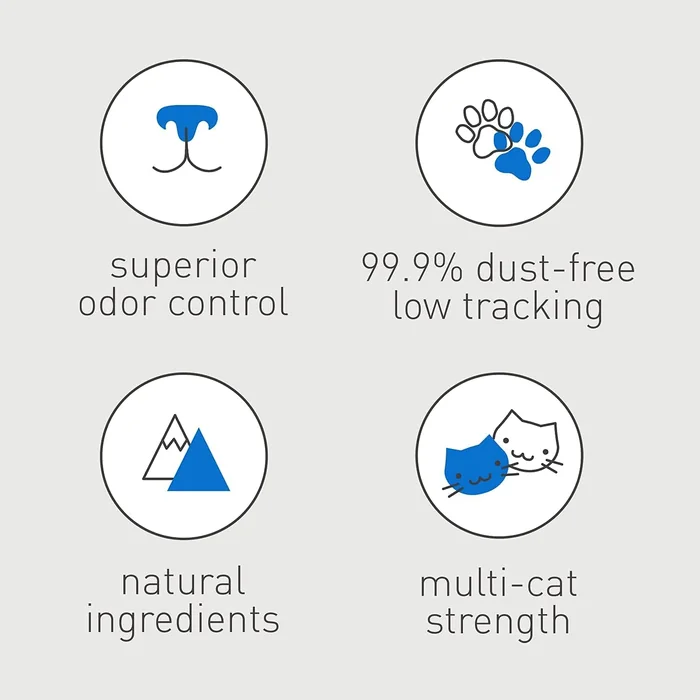
- PREMIUM QUALITY: A combination of premium texture and granule size made with 100% bentonite clay for maximum clumping creates litter particles that are just the right size.
- LOW DUST: Ideal for cats and owners who suffer from allergies with a 99.9% dust-free and hypoallergenic litter formulation.
- HARD CLUMPING: Hard clumping medium grain clay helps prevent moisture from reaching the bottom of the tray and forms hard clumps that won’t break down, making it easier to scoop.
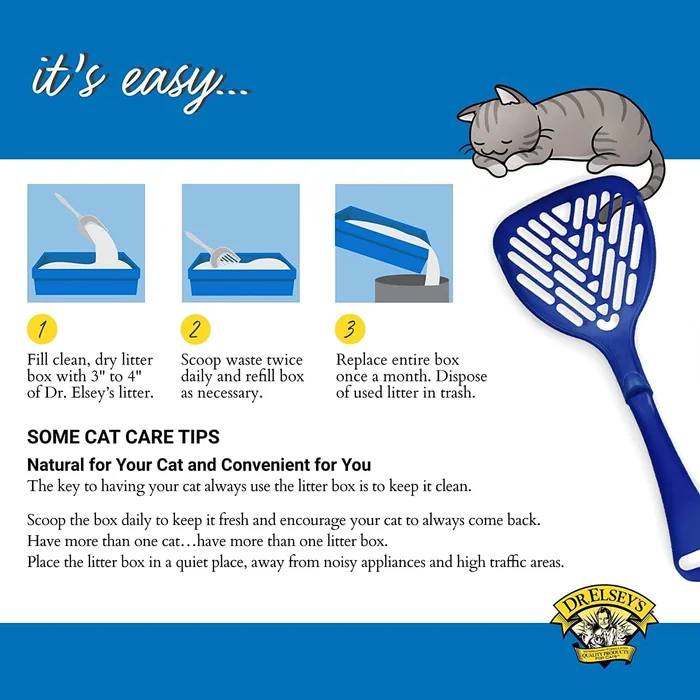
While not biodegradable, we include a note on clay because for some, the first eco-shift is choosing a product with a lower carbon footprint per use. A high-efficiency clay litter like Dr. Elsey’s Ultra can be more eco-friendly in practice than a natural litter you have to change completely every few days. Its hard clumping and superior odor control mean you use less litter overall and generate less physical waste going to the landfill. For the owner prioritizing a seamless transition for a finicky cat while minimizing overall consumption, a premium dust-free clay can be a stepping stone.
FAQs About Eco-Friendly Cat Litter
Is eco-friendly litter as good at controlling odor?
Yes, many are excellent—just in different ways. Plant-based litters use natural materials like pine enzymes, wheat enzymes, or porous walnut shells to neutralize and trap odors biologically, rather than just masking them with perfume. For strong ammonia odors, pine and walnut are particularly effective.
Can I flush eco-friendly cat litter?
Check the package and your local regulations. Some wheat, corn, and tofu litters are marketed as flushable. However, even “flushable” litter can cause plumbing issues in older systems. We recommend scooping waste into biodegradable bags and composting or trashing it when possible. Never flush clay or silica litter.
Is natural litter safe for kittens?
Generally, yes, and often safer. Low-dust, unscented, natural litters like paper or grass seed are ideal for kittens’ developing respiratory systems. Avoid litters with fine dust or strong fragrances. Always supervise kittens to ensure they aren’t eating the litter.
How do I dispose of biodegradable cat litter?
The safest method is in the regular trash using a biodegradable bag. You can compost only the urine-soaked litter (no feces) in a dedicated, hot compost pile that will not be used on edible plants, due to potential pathogens like Toxoplasma gondii. Always research safe composting practices first. Covered vs. Uncovered Litter Box? Der ultimative Leitfaden für Katzenbesitzer
Final Pawsitive Thoughts
Switching to an eco-friendly cat litter is one of the easiest and most impactful ways to reduce your pet’s environmental pawprint. The key is finding the right balance between sustainability, your cat’s acceptance, and your household’s practical needs. Whether you choose the affordable, odor-locking power of pine, the enzymatic clumping of wheat, or the innovative flushability of tofu litter, you’re making a positive choice.
We encourage you to use this guide as a starting point. Don’t be afraid to try a small bag of one or two options that seem best for your situation. Your cat and the planet will thank you. For more tips on transitioning your cat to a new litter or setting up the perfect litter box area, explore our other resources. Wie kann man eine Katze trainieren? Ein stressfreier Leitfaden für Kätzchen und erwachsene Katzen Wie oft sollte man den Katzenwurf wechseln? Ein Vet-Reviewed - Guide

Verwandte Artikel
 Katze Basics
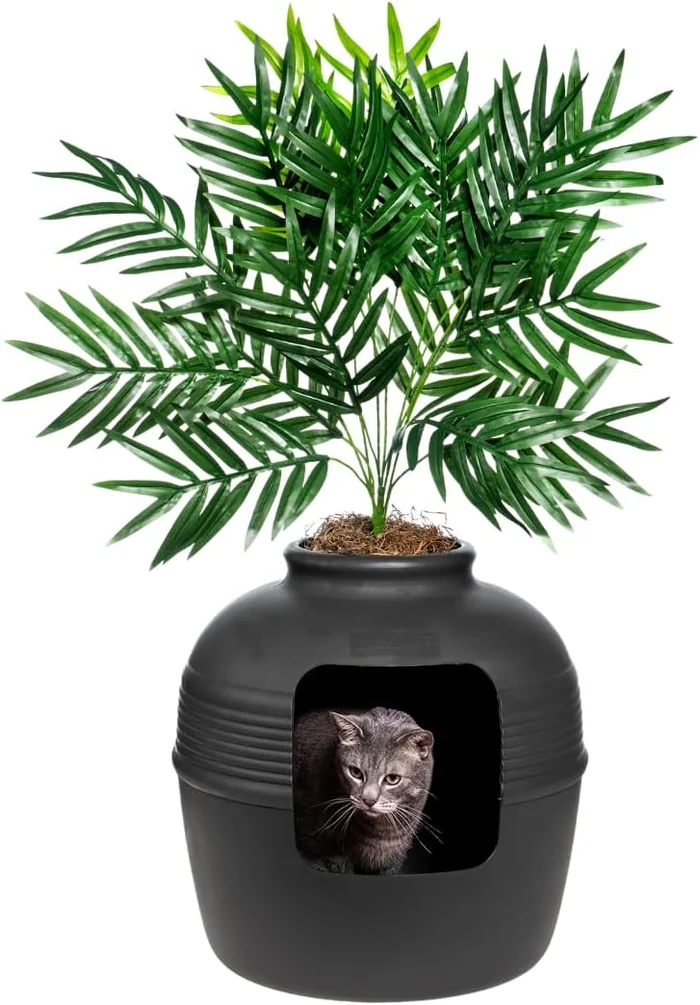
10 einfache & stilvolle Möglichkeiten, um eine Müllbox zu verstecken
 Katze Basics
10 Anzeichen einer Schwangerschaft bei Katzen: Ein vollständiger Leitfaden für besorgte Besitzer
 Katze Basics
Die 100 beliebtesten Katzenliebeszitate aller Zeiten
 Katze Basics
10 einfache und effektive Möglichkeiten, um den Litterbox Bereich Ihrer Katze sauber zu halten
 Katze Basics
10 bewährte Hacks, um Ihre Katze von Pflanzen fernzuhalten und Ihr Grün zu retten
 Katze Basics