Der ultimative Leitfaden für die besten flüssierbaren Katzen-Wurf im Jahr 2024
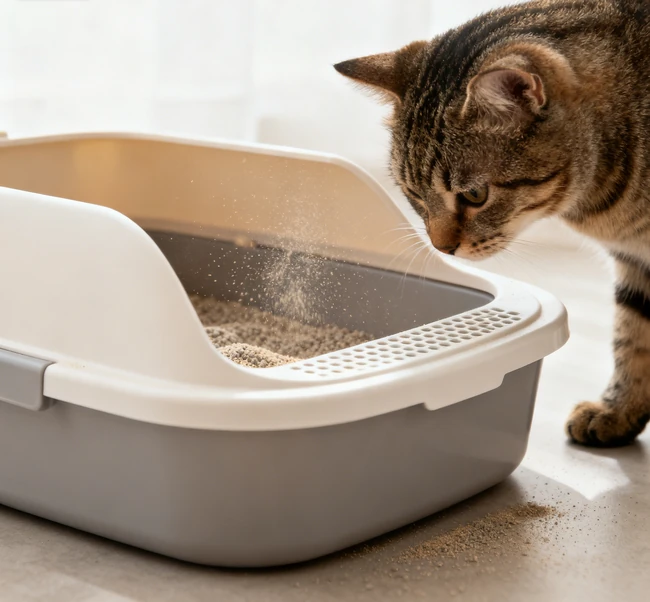
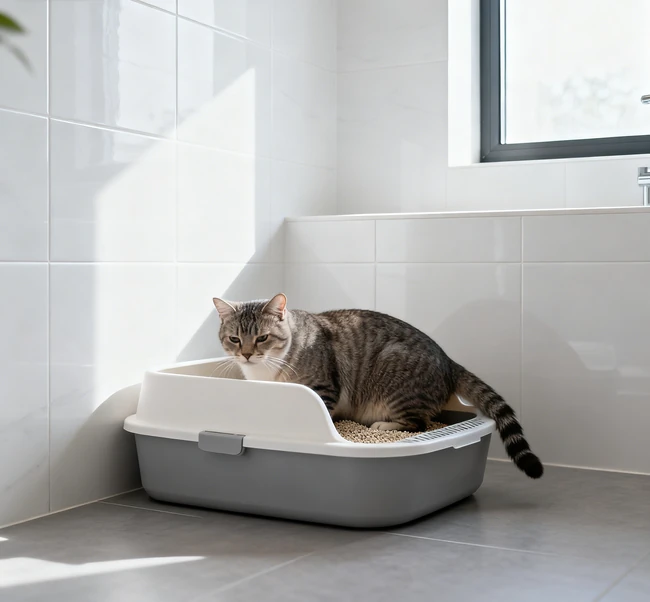
Für Katzenbesitzer, die den ultimativen Komfort suchen, ist das Versprechen von spülbarem Katzenstreu unglaublich ansprechend. Stellen Sie sich einfach vor, Abfall zu schuppen und zu spülen, wodurch die Notwendigkeit schwerer, stinkender Mülltüten eliminiert wird. Doch ist es sicher? Welche Produkte erfüllen ihr Versprechen wirklich? bei PawLiter, Wir haben die führenden Marken in unseren realen Katzen-First - Tests auf die Probe gestellt. Dieser umfassende Leitfaden durchschneidet den Marketing-Hype, um Ihnen einen ehrlichen Blick auf die besten spülbaren Katzenwurfe, die entscheidenden Sicherheitsüberlegungen und ob sie die richtige Wahl für Ihr Zuhause und Ihren Katzenfreund sind.
Was genau ist Flushable Cat Litter?
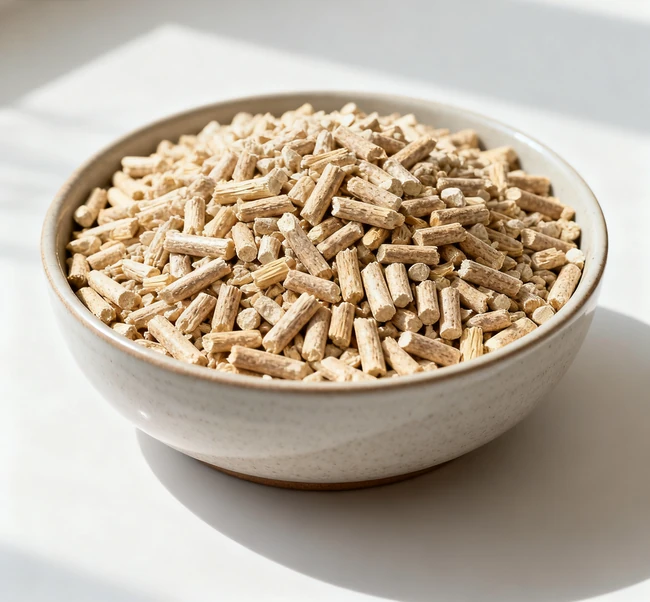
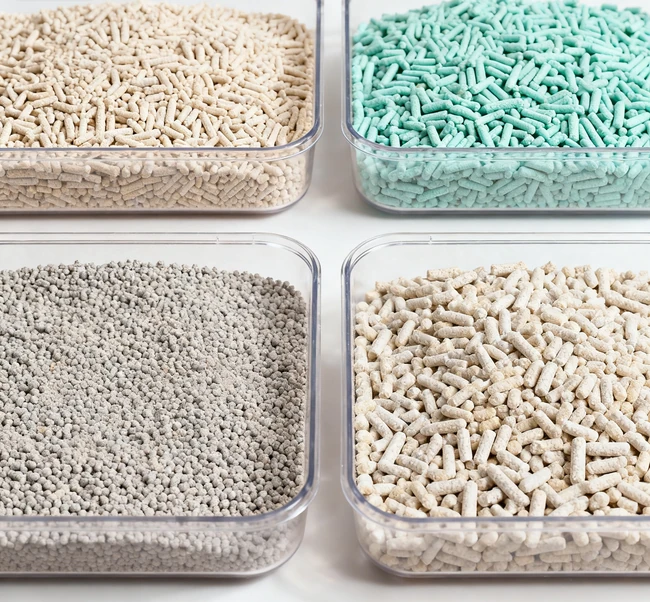
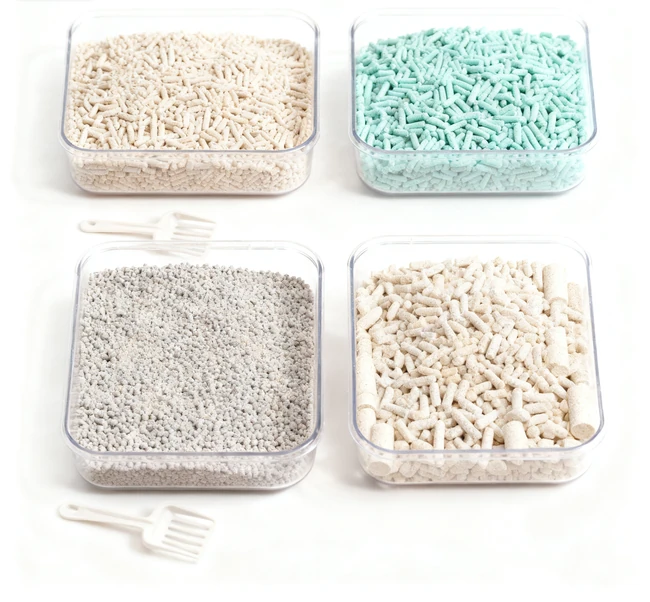
Flussable Katzen litter wird typischerweise aus biologisch abbaubaren, pflanzlichen Materialien hergestellt, die dazu bestimmt sind, sich in Wasser zu lösen oder zu zersetzen. Im Gegensatz zu herkömmlichen Ton - oder Silikagel-Würfen, die Rohre verstopfen und die Sanitäranlagen beschädigen können, stammen diese Würfe aus Materialien wie Mais, Weizen, Holz, Kiefern oder recyceltem Papier. Die Kernidee ist, dass sowohl Müll als auch Abfall durch kommunale Abwasser - oder Septikanlagen sicher verarbeitet werden können, was eine umweltfreundlichere und bequeme Entsorgungsmethode bietet. Der Begriff “fließbar” hat jedoch bedeutende Vorbehalte, die jeder verantwortungsbewusste Katzenbesitzer verstehen muss.
Die kritische Sicherheitsdebatte: Spülen oder nicht Spülen?
Dies ist der wichtigste Teil dieses Leitfaden. Während Hersteller diese Produkte als spülbar vermarkten, raten viele Klempner und kommunalen Wasserbehörden dringend dagegen.
- Plumbing-Clogs: Sogar “lösbare” Abfälle können sich clumpfen und Verstopfungen in den Rohren Ihres Hauses erzeugen, was zu teuren Reparaturen führt.
- Schäden an septischem System: Bei Häusern mit Septiktanken kann der Müll nicht schnell genug zerfallen und sich ansammeln und das empfindliche bakterielle Gleichgewicht stören, das für das Funktionieren des Systems notwendig ist.
- Wasserbehandlung Themen: Müll kann zu “Fatbergs” und anderen Blockaden in kommunalen Abwassersystemen beitragen.
- Umwelt-Toxoplasmose - Risiko: Katzenfäße können die Die Toxoplasma gondii Parasiten, die nicht immer von Wasseraufbereitungsanlagen getötet werden und das Meeresleben schaden können.
Unser Urteil: Erkundigen Sie sich immer bei Ihrer lokalen Wasserbehörde und befolgen Sie ihre Richtlinien. Wenn Sie sich entscheiden, zu spülen, tun Sie dies sparsam und spülen Sie nie große Klumpen auf einmal. Für einen tieferen Eintauchen in die Vor - und Nachteile, sehen Sie unsere endgültige Anleitung auf Ist es in Ordnung, Katze-Wurf in die Toilette zu legen?.
Unsere Top-Picks für die besten Flussable Katzen Litter
Basierend auf unseren praktischen Tests bei PawLitter - wo wir Produkte über mindestens 30 Tage auf Klumpenfestigkeit, Geruchskontrolle, Staub, Tracking und natürlich Spülbarkeit bewerten - hier sind unsere Top-Empfehlungen.
1. Der beste Katzenwurf der Welt (Corn-Based)
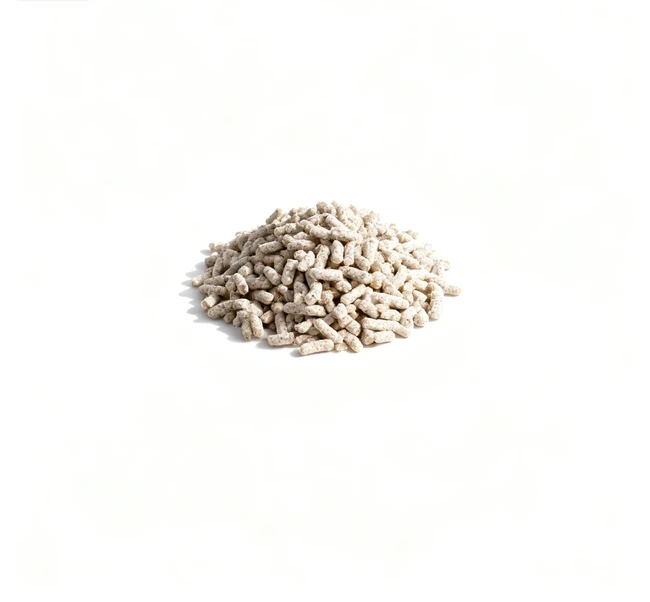
Es ist wohl die bekannteste Marke in dieser Kategorie. Unsere Tests bestätigten seine ausgezeichnete Verklumpfungsfähigkeit und überlegene Geruchskontrolle. Die Mais-basierte Formel ist sehr absorbierend und leistet einen bemerkenswerten Job beim Verriegeln von Ammoniakgerüchen. Es spült in kleinen Mengen ziemlich gut, aber wir raten trotzdem Vorsicht. Es ist eine großartige Option für Haushalte mit mehreren Katzen, und Sie können mehr über die Verwaltung mehrerer Katzen in unserem Buch erfahren. Ultimate Guide zur Suche nach der besten Litter Box für mehrere Katzen.
- Pros: Ausgezeichnete Geruchskontrolle, starke Klumpen, geringe Staubgrenze, mehrere Formeln verfügbar.
- CONS: Kann teuer sein, manche Katzen können die kleineren Granules verfolgen.
2.Ökocat Naturholz Verklümmerung Litter (Holzbasiert)
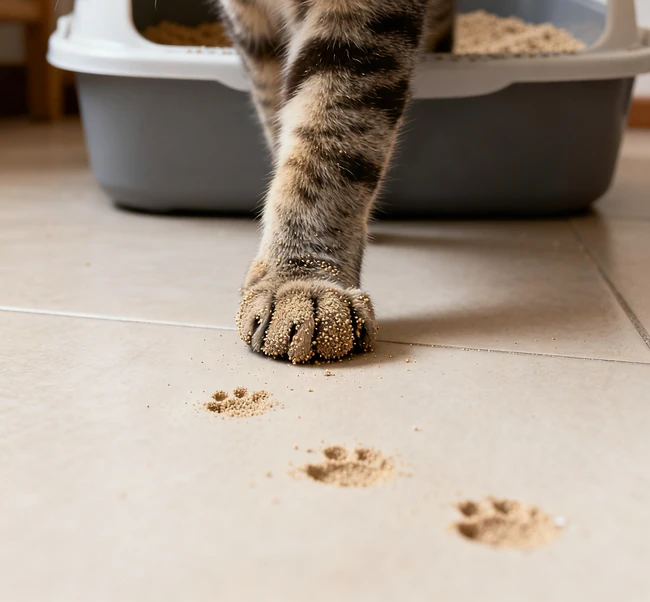
Wenn Sie nach einer leichten, unglaublich staubarmen Option suchen, ist Ökocat eine fantastische Wahl. Hergestellt aus zurückgewinntem Holz, ist es hoch absorbierend und bildet feste Klumpen. Es hat einen natürlichen, frischen Kieferduft, der Gerüche ohne Parfüm effektiv neutralisiert. In unseren Flush-Tests verteilte sie sich gut. Dieser Wurf entspricht unserem “Katzen-First” - Prinzip, da er frei von Chemikalien und künstlichen Zusatzstoffen ist. Um Ihr Zuhause mit Müll sauber zu halten, schauen Sie sich unsere Tipps an Wie man Cat Litter Tracking stoppen kann.
- Pros: Extrem geringe Staubbelastung, leichtes Gewicht, natürliche Geruchskontrolle, hoch nachhaltig.
- CONS: Die Textur kann manchen Katzen zunächst unbekannt sein.
3. Feline Pine Original Non-Clumping Litter (Pine-Based)
Dieser Wurf funktioniert nach einem anderen Prinzip. Anstatt sich zu klammern, zerfallen die Kieferpellets bei Nass in Säge, die auf den Boden der Box fällt. Sie sichten einfach den festen Abfall aus und spülen es. Es bietet unschlagbare natürliche Geruchskontrolle - der Kieferengeruch ist sehr effektiv. Es ist auch eine der erschwinglichsten und umweltfreundlichsten Optionen. Für Anleitung zur Aufrechterhaltung einer nicht verklumpenden Müllkasse, unser Artikel über Wie oft sollte man den Katzenwurf wechseln? Es ist eine große Ressource.
- Pros: Sehr erschwinglich, ausgezeichnete natürliche Geruchkontrolle, praktisch keine Verfolgung.
- CONS: Manche Katzen mögen die Pellettestatur nicht, erfordert eine Sieb-Wettkiste.
Flussable Cat Litter Vergleichstabelle
| Marke & Typ | primäres Material | Clumping? | Geruchskontrolle | Staubniveau |
|---|---|---|---|---|
| Der beste Katzen litter der Welt | Korn | Ja ja | Ausgezeichnet | Low |
| Ökocat Naturholz | Holz | Ja ja | Sehr gut | Sehr niedrig |
| Feline Pine Original | Pine | nein | Ausgezeichnet | Sehr niedrig |
Wie man Flussable Cat Litter sicher verwendet
Wenn Sie die Risiken abgewogen haben und sich entschieden haben, weiterzumachen, folgen Sie diesen goldenen Regeln, um Probleme zu minimieren:
- Flush kleine Beträge: Spülen Sie nur einen Klumpen oder einen kleinen Löffel auf einmal. Verwenden Sie niemals den gesamten Inhalt der Box.
- Geben Sie Zeit: Warten Sie ein paar Minuten zwischen den Spülungen, damit der Müll vollständig durch die Rohre wandert.
- Überprüfen Sie die lokalen Vorschriften: Das kann nicht übertreffen werden. Ihre Gemeinde kann ausdrücklich verbieten, jeden Katzen litter zu spülen.
- Septische Vorsicht: Wenn Sie ein septisches System haben, seien Sie besonders vorsichtig. Verwenden Sie einen als “septik-sicher” gekennzeichneten Abfall und erwägen Sie stattdessen die Kompostierung von festen Abfällen.
- Bewahren Sie Ihre Box: Regelmäßiges Scooping ist entscheidend. Für ein unberührtes Zuhause, unser Guide auf Wie man Cat Litter Geruch loswerden kann Sie bieten bewährte Strategien.
Vor - und Nachteile von Flushable Litter
Ist die Spülung des Schlauchs das Richtige für Sie? Hier ist ein ausgewogener Blick.
Vorteile:
- Ultimate Convenience: Die direkte Entsorgung vereinfacht die Reinigung.
- Umweltfreundlich: Biologisch abbaubare Materialien und reduzierte Plastiktütenmüll.
- Lichtgewicht: Viel leichter zu tragen als ein 20 - Pfund-Kreuz aus Tonmüll.
- Niedrigem Staub: Im Allgemeinen erzeugt weniger Staub als Ton litter, besser für die Luftqualität.
Nachteile: -
- Plumbing Risiken: Das Potenzial für teure Verstopfungen ist ein erheblicher Nachteil.
- Variable Clump Stärke: Einige Marken klammern sich möglicherweise nicht so fest wie Premium-Ton - Litters.
- Kosten: Oft teurer pro Pfund als herkömmliche Litters.
- Katze akzeptiert: Einige Katzen sind wählerisch in Bezug auf Textur und Geruch und nehmen möglicherweise nicht an den neuen Wurf.
Häufig gestellte Fragen (FAQs)
Ist ein Katzen litter wirklich sicher zu spülen?
Während viele Wurf als “fließbar”, “septiksicher” oder “lösbar” vermarktet werden, ist kein Wurf 100% risikofrei. Der sicherste Ansatz besteht darin, davon auszugehen, dass es nicht sicher ist und andere Entsorgungsmethoden zu erkunden, wie in unserem Leitfaden beschrieben. Wie man Katzen litter entsorgt. Wenn Sie sich entscheiden, zu spülen, tun Sie dies mit äußerster Vorsicht und in strikter Übereinstimmung mit den Anweisungen des Herstellers und lokalen Vorschriften.
Was ist der beste spülbare Katzenstreu für die Geruchskontrolle?
In unseren Tests bei PawLitter lieferten Mais-basierte Litter wie World 's Best und Holz-basierte Litter wie Ökocat die beste geruchsbezogene Kontrolle. Sie neutralisieren effektiv Ammoniakgerüche, ohne auf schwere Parfüms zu verlassen. Für eine maximale Gerüchskontrolle stellen Sie sicher, dass Sie die Die richtige Menge an Katzen litter Betrachten Sie eine Covered Litter Box.
Kann ich spülbare Müll in einem selbstreinigenden Müllkasten verwenden?
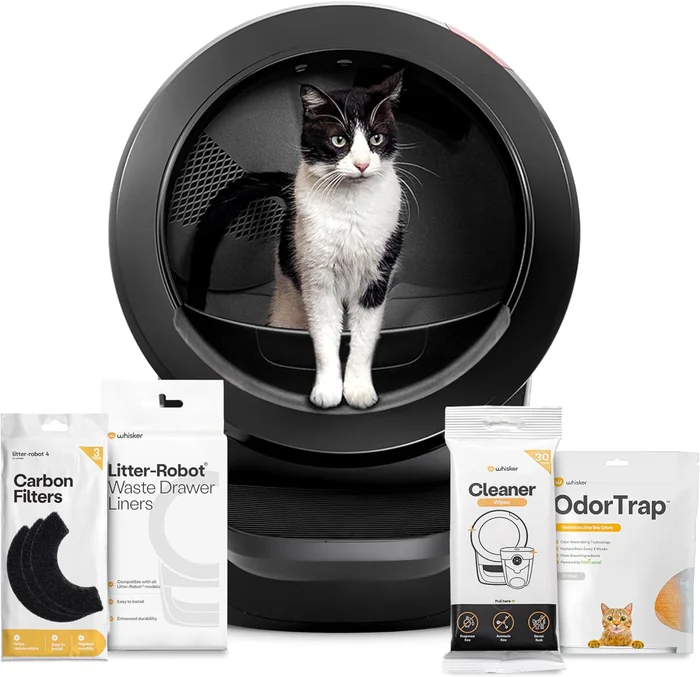
Das ist eine kritische Frage. Die meisten selbstreinigenden Müllkisten, insbesondere solche mit Raschmechanismen, sind speziell für bestimmte Mülltypen (wie z. B. Klumpen von Ton oder Kristallen) konzipiert. Die Verwendung eines spülbaren Mülls, der unterschiedliche Verklümmerungseigenschaften aufweisen oder leichter sein kann, kann den Mechanismus verstopfen. Überprüfen Sie immer zuerst die Richtlinien Ihres selbstreinigenden Müllkistenherstellers. Für mehr dazu lesen Sie unsere ehrliche Rezension: Ist eine selbstreinigende Müllbox lohnt sich?.
Wie prüft und bewertet PawLitter spülbare Katzenbrüfe?
Bei PawLitter basieren unsere Bewertungen auf Vertrauen und Erfahrung in der realen Welt. Wir testen jeden Wurf, einschließlich spülbarer Wurf, für mindestens 30 Tage in einer Heimumgebung mit unseren eigenen Katzen. Wir bewerten wichtige Kriterien wie Klumpenfestigkeit, Geruchskontrolle, Staub, Tracking und Katzenakzeptanz. Wir führen auch praktische “Flush-Tests” mit kleinen Mengen durch, um zu sehen, wie gut sie sich verteilen. Wir sind transparent über unsere Affiliate-Partnerschaften - während wir eine Provision für Käufe verdienen können, die über unsere Links getätigt werden, sind unsere Bewertungen immer unvoreingenommen und nie von Provisionen beeinflusst. Unser Hauptziel ist es, Ihnen zu helfen, die beste Lösung für Ihre Katze zu finden.
Was sind die umweltfreundlichen Alternativen, wenn ich nicht spülen sollte?
Wenn Spülung keine Option ist, können Sie trotzdem umweltbewusst sein. Erwägen Sie, den Müll selbst (wenn es sich um ein 100% pflanzliches Material wie Holz oder Papier handelt) in einem dedizierten Kompostbehälter zu kompostieren, der nicht für essbare Pflanzen verwendet wird. Eine weitere ausgezeichnete Option ist die Verwendung von biologisch abbaubaren Taschen für das Schaufeln von Abfall und die Entsorgung in den Müll. Dies reduziert Plastikmüll und vermeidet gleichzeitig Klempnergefahren.
Wie viele Müllkisten sollte ich haben, wenn ich spülbare Müll verwenden?
Die Art des Mülls ändert nicht die grundlegende Regel der Müllkistennummern. Die Allgemeine Empfehlung ist Eine Kiste pro Katze, plus eine zusätzliche. Für eine Katze benötigen Sie also zwei Kisten; für zwei Katzen benötigen Sie drei, und so weiter. Dies hilft, Territorialprobleme zu verhindern und stellt sicher, dass jede Katze einen sauberen Ort hat. Erfahren Sie mehr in unserem Guide auf Wie viele Kisten pro Katze?.
Verwandte Themen
Erfahren Sie mehr über PawLitter, um ein Müllbox-Experte zu werden:
- Wie entsorgt man Katze Litter? Ein sicherer und hygienischer Leitfaden
- Ist es in Ordnung, Katze-Wurf in die Toilette zu legen? Der endgültige Guide
- Selbstreinigende Müllbox lohnt sich? Eine ehrliche Review
- Wie kann man den Katzen-Litter - Geruch loswerden? Ein vollständiger Guide
- Pawlitter litter box Bewertungen & Guides
Schlussfolgerung
Flussable Katzen litter bietet eine überzeugende Mischung aus Komfort und Umweltvorteilen, aber es ist keine einheitliche Lösung. Die potenziellen Risiken für Ihre Sanitärversorgung und die breitere Umwelt erfordern sorgfältige Überlegung. Der “beste” spülbare Katzen litter ist einer, der nicht nur gut spülen kann, sondern auch eine ausgezeichnete Geruchskontrolle bietet, sich verklümmert und vor allem von Ihrer Katze akzeptiert wird. Wir hoffen, dass dieser detaillierte Leitfaden, der auf PawLitters realen Testphilosophie basiert, Ihnen die Klarheit gegeben hat, die Sie benötigen, um eine fundierte Entscheidung zu treffen. Denken Sie daran, dass bei der richtigen Wahl sowohl Ihre Bequemlichkeit als auch die Gesundheit und das Glück Ihrer Katze Priorität hat. Für vertrauenswürdigere Bewertungen und praktische Rat für Katzenpflege, erkunden Sie alle unsere Ressourcen unter PawLitter.com.
Kommentare ansehen (0)