
10 einfache und effektive Möglichkeiten, Ihren Zaun zu Katzeproof 2025 Guide
For cat owners, a secure backyard is a sanctuary—a place where your feline friend can enjoy fresh air and sunshine without the dangers of roaming free. The challenge? Most standard fences are mere suggestions to a determined cat. As pet safety experts, we understand the anxiety of a potential escape. This comprehensive guide details ten proven methods to cat-proof your fence, from simple DIY tricks to professional-grade systems. We’ll help you assess your needs, budget, and your cat’s personality to find the perfect solution for a safe and happy outdoor experience.
Why Cat-Proofing Your Fence is Essential
Allowing your cat unsupervised access to the great outdoors exposes them to significant risks: traffic, predators, diseases, toxins, and the chance of getting lost. A cat-proofed fence, often called a “catio” enclosure or containment system, transforms your yard into a controlled, safe environment. It protects not only your cat but also local wildlife. The goal is to create a barrier that is physically and psychologically effective, ensuring your cat’s curiosity doesn’t lead them into danger. The following methods are ranked from simple, low-cost deterrents to more permanent, full-containment solutions.
1. Install a Dedicated Cat Fence Topper
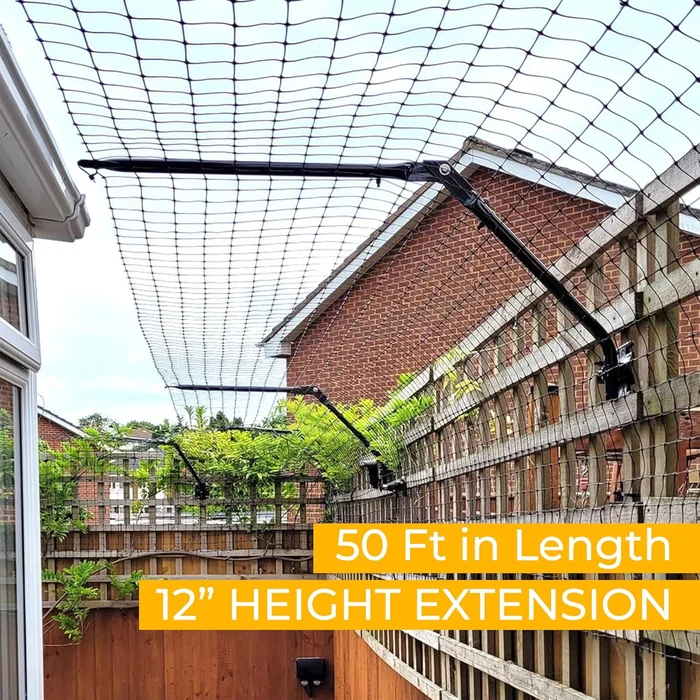
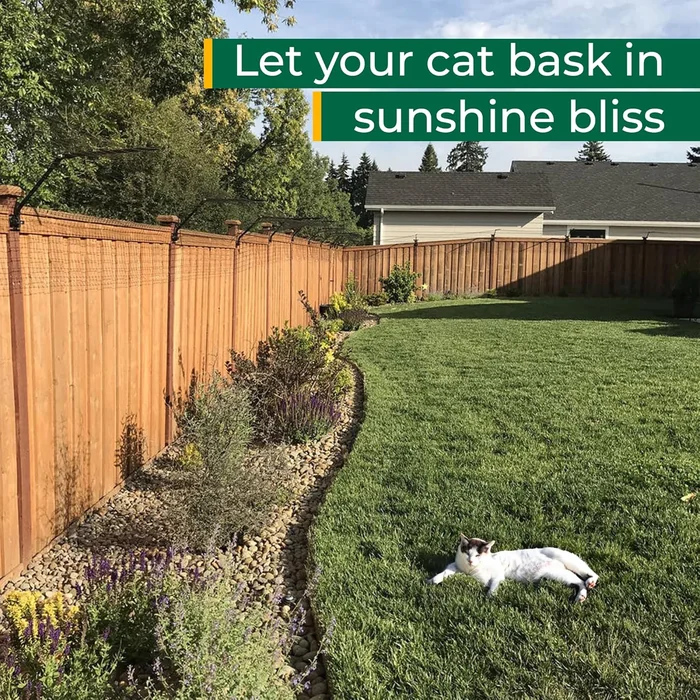
This is one of the most effective and popular solutions for modifying an existing fence. A fence topper is a netting or mesh barrier that angles inward at the top of your fence, creating an overhang that makes it nearly impossible for a cat to climb over. The angled design utilizes a cat’s own instincts; they are excellent at climbing upwards but struggle when the top surface is unstable or bends back toward them.
Best for: Owners with existing wood, vinyl, or chain-link fences who want a permanent, highly effective solution.
Key Considerations: Ensure the mesh is strong, UV-resistant, and securely attached with sturdy poles and brackets. The inward angle (typically 45 degrees) is crucial for success.
PURR…FECT Fence Conversion System
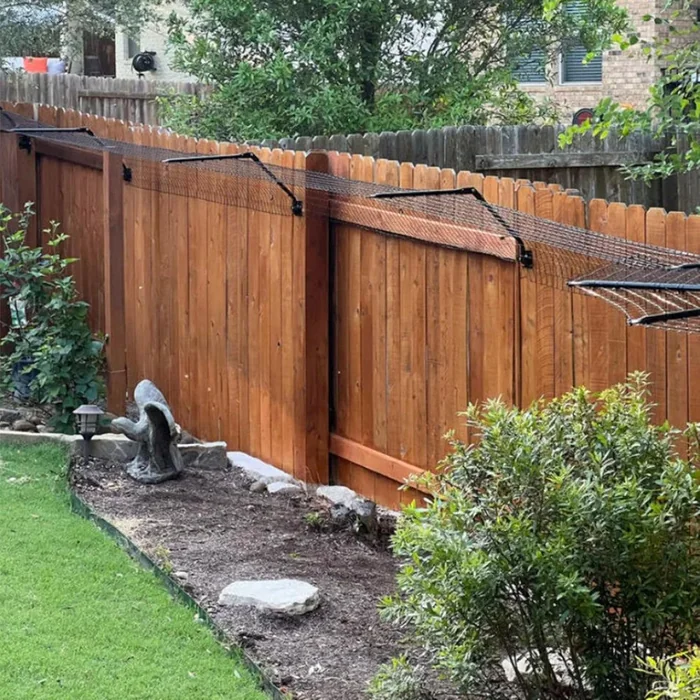
PURR…FECT Fence Conversion System for Cats – Cat-Proof Steel Toppers for Existing Outdoor Fencing, Containment Barrier For Wood, Chain Link, Metal, Brick, & Vinyl Fences 5′ Tall or Higher, 50 Foot Kit
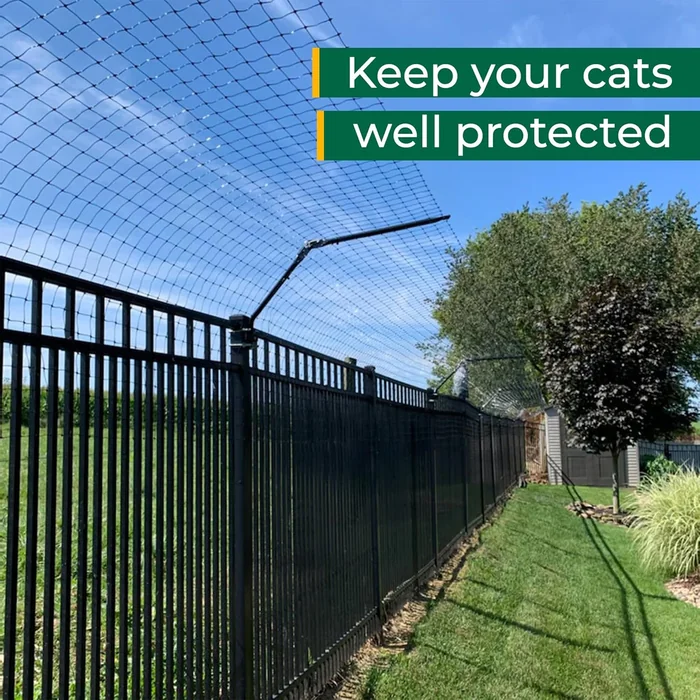
Schlüsselfeatures:
- THE PURRFECT PROTECTIVE ENCLOSURE: The PURR…FECT Fence features a unique patented design that works with 99.9 percent of fence types and configurations, converting wood, chain link, metal, vinyl, brick, or block fences into escape-proof cat barriers
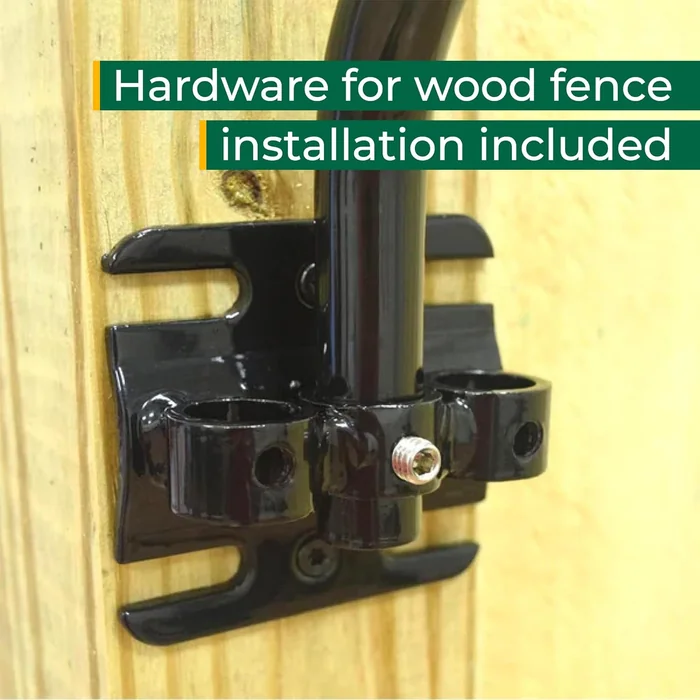
- HEAVY-DUTY ALL-WEATHER DESIGN: Outsmart even the most skilled escape artists with heavy-gauge black powder-coated galvanized steel components, stainless steel hardware and springs, and UV-stabilized material with a 600 pound breaking strength
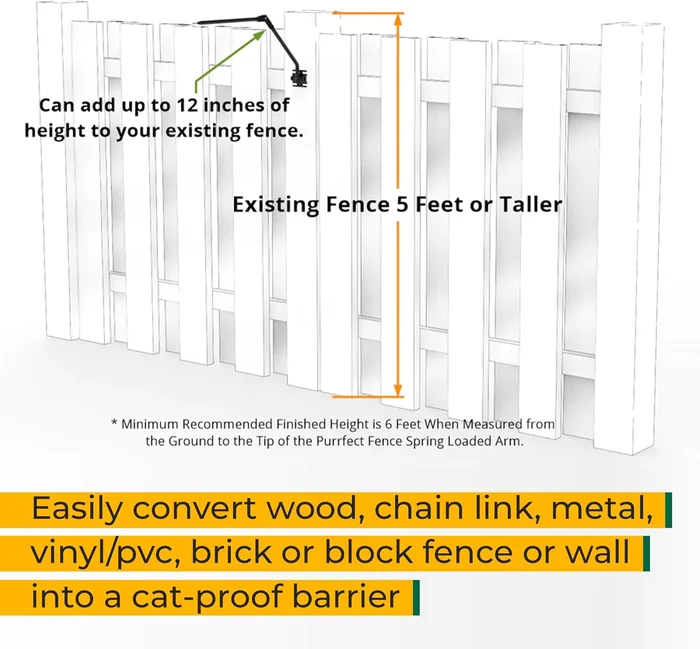
- MOUNTING INSTRUCTIONS: For optimal effectiveness, the system should have a finished height of at least 6 feet, and it is mountable as low as 5 feet on an existing fence, measured either from the ground up or from the top of any leaping surface to the tip of the arm
When looking for a top-tier, professional fence topper, the PURR…FECT Fence Conversion System is a market leader. Its patented design is renowned for compatibility, working with over 99% of fence types including wood, chain link, metal, and brick. We recommend it for its heavy-duty construction: it uses powder-coated galvanized steel arms, stainless steel hardware, and a UV-stabilized netting with a 600-pound breaking strength. For optimal effectiveness, the system should create a total barrier height of at least 6 feet. It’s a significant investment at $299.99 for a 50-foot kit, but its durability and proven success rate make it a worthwhile long-term solution for keeping even the most adept escape artists safely contained, as reflected in its positive user reviews.
2. Add a Roller Bar System
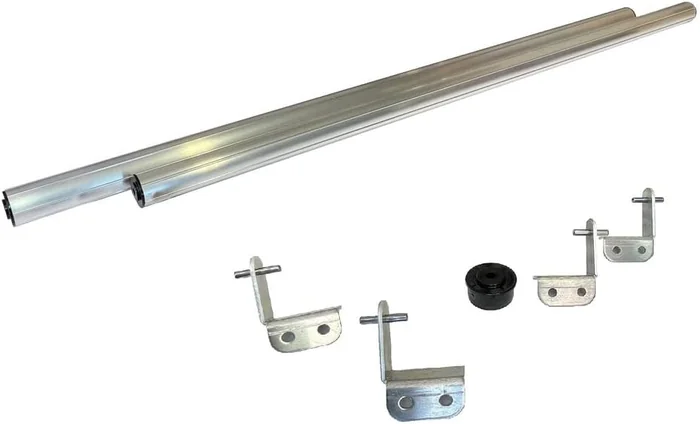
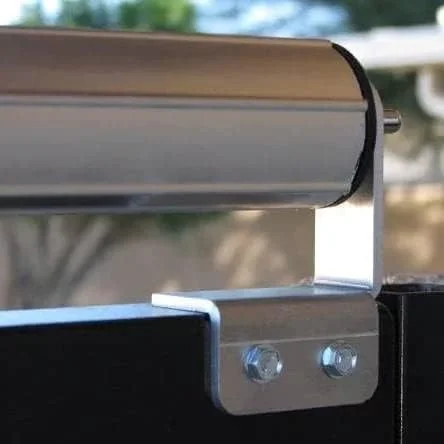
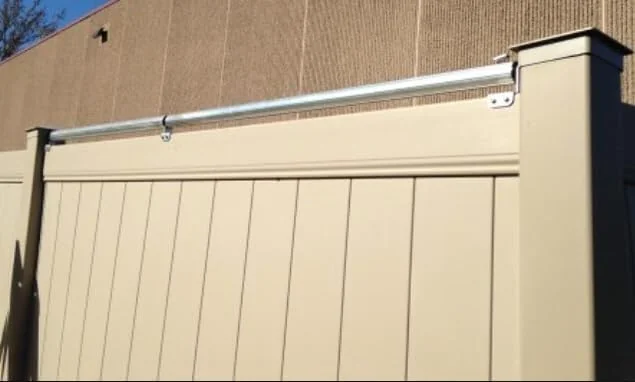
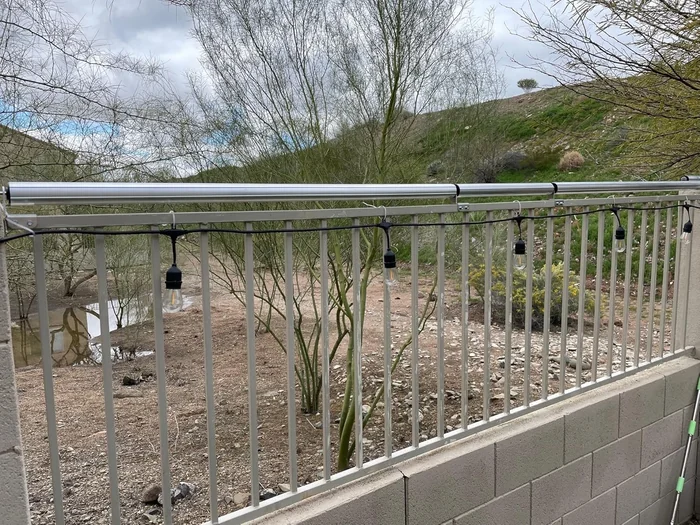
A roller bar, like the famous Coyote Roller, is a brilliantly simple mechanical deterrent. It consists of a freely rotating tube installed along the top of your fence. When a cat or other animal tries to gain a grip on the fence top to pull themselves over, the tube spins, denying them the stable footing they need. It’s a passive, humane, and low-maintenance option.
Best for: Flat-topped fences (wrought iron, vinyl, wood). Also excellent for deterring other animals like raccoons, coyotes, and neighboring dogs.
Key Considerations: Proper installation is key to ensure smooth rotation. It doesn’t enclose the yard but acts as a highly effective top barrier.
Coyote Roller 8-Foot Kit
8 Foot Kit – Keep Pets Contained, Coyotes Away – Cats, Dogs, Coyotes, Bird Repellent – Wrought Iron/Vinyl/Wood Flat Top

Schlüsselfeatures:
Die Coyote Roller is the original product in this category and remains a top choice. The 8-foot kit, priced at $138.99, provides a scalable solution. Its design is elegantly simple—a PVC pipe that rotates on a galvanized steel axle—making it incredibly reliable with no moving parts to break. It’s an excellent choice if your primary goal is to prevent animals from getting a foothold on the *top* of your existing fence. Users report high success rates not just with cats, but also in keeping pests like coyotes out. It’s a more affordable physical barrier than a full enclosure system and blends discreetly with most fence styles.
3. Use a Wireless Pet Containment System
Wireless containment systems create an invisible boundary using a central transmitter and a receiver collar worn by your pet. When the cat approaches the set boundary, the collar emits a warning beep. If they continue, it delivers a safe but startling static correction. This method trains the cat to stay within a defined zone.
Wichtiger Hinweis: These systems are more commonly and reliably used with dogs. Cats can be more stubborn and may run through the correction if frightened. It requires consistent, patient training and is not a physical barrier against other animals entering your yard.
Best for: Tech-savvy owners with large, open yards and a cat that is responsive to training. It’s not suitable for all feline personalities.
PetSafe Wireless Pet Containment System
PetSafe Wireless Pet Containment System – Original Wireless Electric Fence for Dogs – Covers Up to 1/2 Acre – for Pets 8lb+


Schlüsselfeatures:
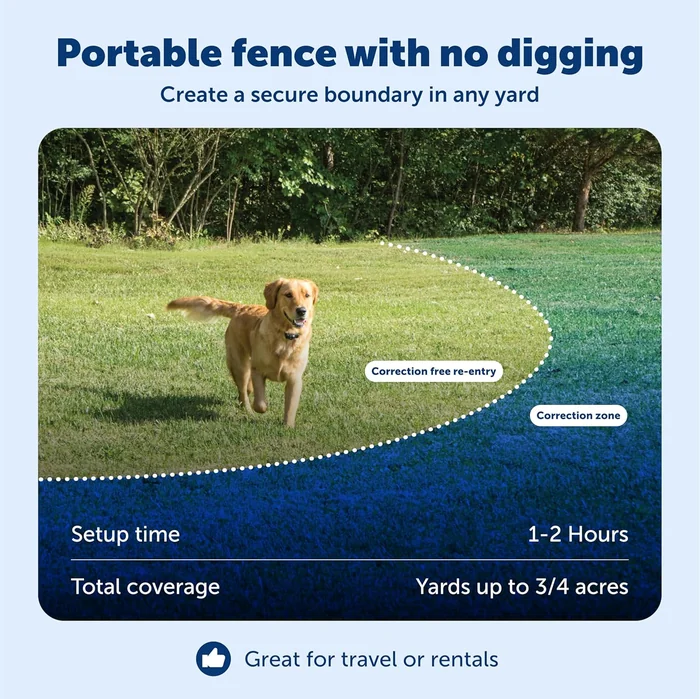
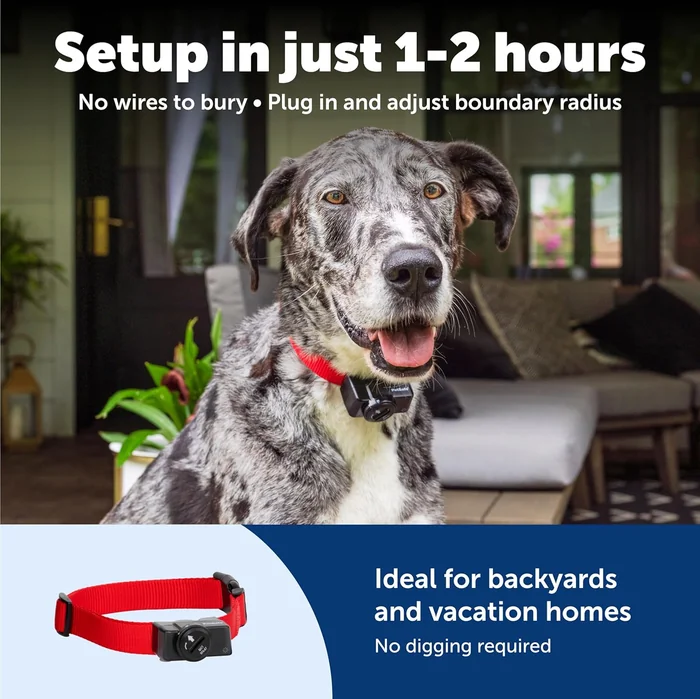
- Wireless Freedom: The PetSafe Wireless Pet Containment System is a lightweight, travel-friendly system that sets up in 1-2 hours with a circular boundary covering up to 1/2 acre; no digging required
- Safe Wireless Fence: With 5 adjustable correction levels, a tone-only training mode, and static-free reentry, this static collar tailors to your dog’s temperament and reinforces positive behavior
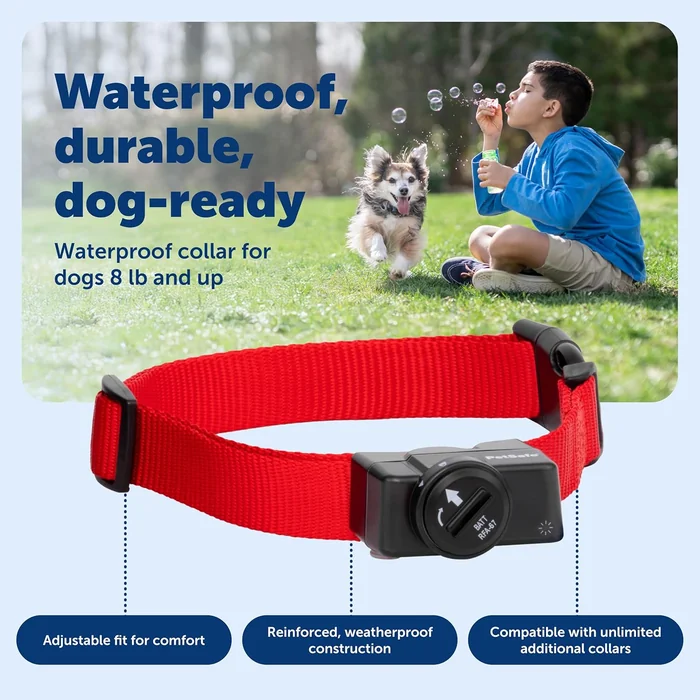
- Adjustable Neck Collar: The waterproof, rechargeable receiver collar fits dogs more than 6 months old weighing at least 8 lbs and offers adjustable neck sizes from 6-28 in
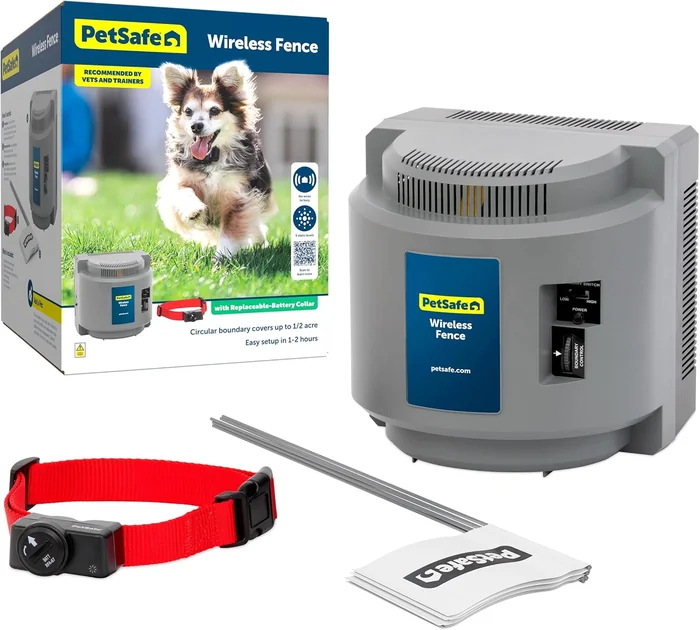
For owners considering an invisible boundary, the PetSafe Wireless Pet Containment System is a reputable and widely-used option. Its major advantage is easy setup with no digging required; the circular boundary can cover up to 1/2 acre from a single transmitter. The collar offers 5 adjustable correction levels and a tone-only training mode, which we always recommend starting with. It’s waterproof and rechargeable. Priced at $289.99, its effectiveness is backed by a massive number of user experiences (over 14,000 reviews). However, we urge caution with cats. Success depends entirely on individual temperament and dedicated training sessions. It should not be used as a sole containment method for cats prone to bolting.
4. Create a PVC Pipe Overhang (DIY Roller)
This is a cost-effective DIY version of the commercial roller bar. By sliding a length of wide PVC pipe over the top wire or rail of a chain-link fence, you create a similar spinning deterrent. Secure it so it can rotate freely but cannot slide off the ends.
Best for: Chain-link fences on a tight budget. It’s a quick weekend project.
Key Considerations: Use schedule 40 PVC (4-inch diameter or larger works well). Ensure the pipe rotates easily. This may not be as aesthetically pleasing or durable as a commercial product but is a fantastic proof-of-concept.
5. Install Commercial Cat Netting
Different from an angled topper, this involves enclosing the entire top of your yard with heavy-duty polyethylene netting, supported by posts. It creates a fully enclosed “aviary” style space over your entire patio or yard section.
Best for: Creating a fully enclosed catio space over a patio or section of the yard, not just topping a perimeter fence.
Key Considerations: Requires a sturdy frame (often using wooden or metal posts). Mesh size should be small enough to prevent a cat’s head from getting through (under 2 inches). Ensure it can withstand local weather conditions.
6. Utilize Plastic Spikes or Bird Spikes
Streifen von stumpfen Kunststoffspitzen können entlang der Spitze von Zaunposten und flachen Oberflächen installiert werden. Sie schaden der Katze nicht, schaffen aber eine unangenehme Oberfläche, die das Hocken oder Gehen entlang der Zaunspitze abhält. Es ist eine psychologische Barriere.
Best for: Abschreckung von Katzen von bestimmten Sprungpunkten wie Torpfosten, schmalen Zaunspitzen oder Wänden.
Key Considerations: Wählen Sie stumpfe, humane Spikes, die für Schädlingsbekämpfung entwickelt wurden. Sie stellen keine vollständige Containment-Lösung dar, können aber eine nützliche Komponente in einer breiteren Strategie sein.
7. Pflanzen Cat-Deterrent Greenery
Strategische Landschaftsgestaltung kann als natürliche Zaunlinie Abschreckung fungieren. Das Pflanzen dicker, stachelnder Büscher wie Rosmarin, Barbeer oder Hollie entlang der Basis Ihres Zauns kann den Ansatz und den Aufstiegspunkt weniger ansprechend machen. Katzen mögen im Allgemeinen den Geruch von Pflanzen wie Lavendel, Zitronenthym und Pennyroyal nicht.
Best for: Ergänzung von physischen Barrieren und Verbesserung der Garten - Ästhetik Es ist ein sanfter, natürlicher Ansatz.
Key Considerations: Stellen Sie sicher, dass alle Pflanzen, die Sie verwenden, nicht giftig für Katzen sind. Diese Methode ist nicht allein zuverlässig, kann aber andere Barrieren erhöhen.
8. Bewegungsaktivierter Sprinkler oder Deterrent anwenden
Geräte wie bewegungsaktivierte Sprinkler (z. B. ScareCrow) erschreckt eine Katze mit einem plötzlichen Ausbruch von Wasser, wenn sie sich einer bestimmten Zone in der Nähe des Zauns nähert. Ultraschall-Abschreckungsmittel emittieren einen Hochfrequenzgeräusch, der für Katzen unangenehm ist (aber für die meisten Menschen unhörbar), wenn Bewegung erkannt wird.
Best for: Schützen Sie spezielle “Hot Spot” - Bereiche, in denen Ihre Katze ständig versucht, zu klettern. Gut, um andere Tiere auch auszuhalten.
Key Considerations: Die Wirksamkeit kann abnehmen, da sich Katzen gewöhnen können. Erfordert eine Wasserquelle oder Batterien. Am besten als vorübergehende Trainingshilfe oder in Verbindung mit physischen Barrieren verwendet.
9. Bauen Sie eine vollständig geschlossene “Catio”
Eine Terrasse ist ein dedizierter Außenraum, der oft an einem Fenster oder einer Tür angebracht ist und das ultimative sichere Erlebnis bietet. Es kann von einer kleinen Fensterbox bis zu einer großen, Walk-in - Struktur reichen. Sie können eines selbst mit Holz und Drahtnetz bauen oder modulare Kits kaufen.
Best for: Besitzer, die ihrer Katze einen garantierten sicheren Zugang zum Freien geben möchten, ohne ihren gesamten Umfang zu verändern.
Key Considerations: Bietet Anreicherung und Sicherheit, begrenzt aber das Freirauming im gesamten Hof. Betrachten Sie die Hinzufügung von Regale, Perches und Schatten. Erfahren Sie mehr über die Schaffung des perfekten Bereicherungsraums in unserem Leitfaden für Indoor Katze Bäume und Regale Wie kann man eine Katze trainieren? Ein stressfreier Leitfaden für Kätzchen und erwachsene Katzen.
10. Verwenden Sie temporäre Playpens für überwachte Zeit
Für Kätzchen, ältere Katzen oder überwachte Spielsitzungen kann ein tragbares Outdoor-Spielpen aus Mesh und Pop-up - Rahmen eine großartige Lösung sein. Es ist keine dauerhafte Zaunmodifikation, sondern ermöglicht eine sichere, kontrollierte Zeit im Freien.
Best for: Vorübergehende, überwachte Outdoor-Genieß. Reisen oder kleine Terrassen.
Key Considerations: Supervisieren Sie Ihre Katze immer in einem Spielstall. Stellen Sie sicher, dass es robust und gewichtet ist, um Tippen zu verhindern. Die Zipper-Schließungen müssen sicher sein.
Die Wahl der richtigen Methode für Ihr Zuhause und Ihre Katze
Die Auswahl der besten Katzensicherungsstrategie hängt von mehreren Faktoren ab:
- Die Persönlichkeit Ihrer Katze: Ist Ihre Katze ein fauler Lieger oder ein sportlicher Escape Artist? Entschlossene Kletterer benötigen robuste Lösungen wie PURR... FECT Fence oder Coyote Roller-Rolle.
- Fence Type & Height: Chainlink Zäune sind ideal für Topper und Rollen. Feste Privatsphäre Zäune können ein Überhangsystem erfordern. Die minimale effektive Gesamthöhe sollte mindestens 6 Fuß betragen.
- Haushalt: Die Lösungen reichen von DIY-PVC - Rohren ($) bis hin zu vollwertigen professionellen Installationen ($$$). Bestimmen Sie Ihre langfristigen Investitionen.
- Ästhetisch: Überlegen Sie, wie die Lösung aussehen wird. Rollerstangen und schwarze Mesh Toppers neigen dazu, diskreter zu sein als helle Netze.
Denken Sie daran, dass die Sicherheit der Materialien von oberster Bedeutung ist. Vermeiden Sie alles mit scharfen Kanten, giftigen Beschichtungen oder kleinen Lücken, in denen eine Katze eine Pfote stecken könnte. Für weitere Tipps zur Schaffung einer ganzheitlichen, sicheren Heimumgebung, erkunden Sie unseren Artikel auf Essential Kitten-Proofing für Ihr Zuhause Wie oft sollte man den Katzenwurf wechseln? Ein Vet-Reviewed - Guide.
Installation Tipps & Safety Checklist
Die richtige Installation ist genauso wichtig wie die Auswahl des richtigen Produkts.
- Überprüfen Sie Ihren Zaun: Reparieren Sie alle losen Bretten, rostigen Metall oder instabilen Pfosten, bevor Sie alle katzensicheren Elemente hinzufügen.
- Überprüfen Sie Climb-Aids: Entfernen Sie Gegenstände in der Nähe des Zauns wie Pflanzplanter, Tische oder niedrige Baumzweige, die als Startplatten dienen könnten.
- Sichern Sie die Hardware: Verwenden Sie Edelstahl oder verzinkte Hardware, um Rost zu vermeiden. Stellen Sie sicher, dass alle Klammern, Stöben und Netze angespannt und fest befestigt sind.
- Test der Barriere: Bevor Sie Ihre Katze unbeaufsichtigt auslassen, drücken Sie sanft auf die Barriere, um das Gewicht einer Katze zu simulieren und nach Schlappen oder potenziellen Schwachstellen suchen.
- Überwachen Sie die ersten Ausflüge: Begleiten Sie Ihre Katze während ihrer ersten Sitzungen im gesicherten Hof, um ihr Verhalten zu beobachten und sicherzustellen, dass das System wie geplant funktioniert.
Schlussfolgerung: Seelenfrieden in einem sicheren Hof
Katzensicherung Ihres Zauns ist ein Akt der Liebe, bietet Ihrem katzenischen Begleiter die Bereicherung der Natur und eliminiert gleichzeitig seine Risiken. Ob Sie sich für ein kommerzielles Kraftwerk entscheiden wie die PURR... FECT Fence, Eine mechanische Abschreckung, wie die Coyote Roller, oder sogar eine sorgfältig trainierte drahtlose Grenze, das Ziel ist das gleiche: eine glückliche Katze und ein entspannter Besitzer. Indem Sie Ihre Bedürfnisse bewerten und eine oder mehrere dieser zehn Methoden implementieren, können Sie ein Hinterhof-Paradies schaffen, das sowohl ein Spielplatz als auch eine Festung ist. Für andere Haustiersicherheits essentielle, verpassen Sie nicht unsere Rezension der Die besten GPS-Tracker für abenteuerlustige Katzen Wie viele Kisten pro Katze? Der ultimative Leitfaden für ein glückliches Zuhause, Das perfekte Backup für jedes Containment System.
Kommentare ansehen (0)