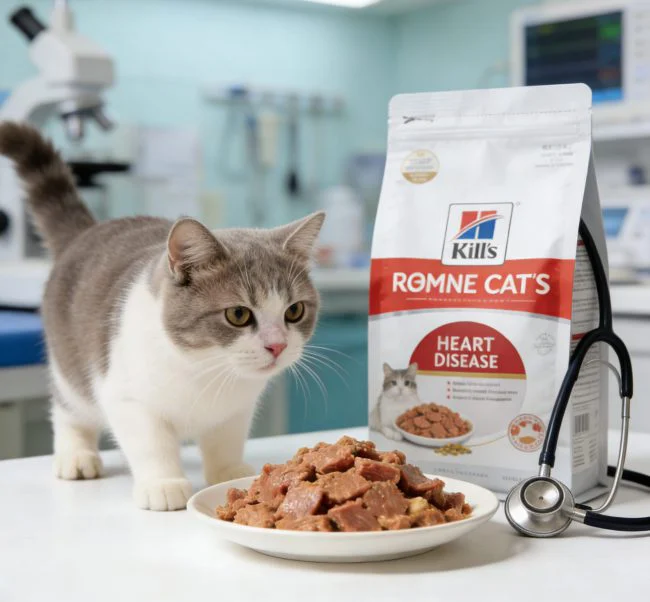
When your cat is diagnosed with heart disease, their diet becomes a critical part of managing their health. The right cat food for heart disease can improve their quality of life and even slow the progression of the condition. This guide provides actionable insights into selecting the best nutrition, backed by veterinary science. You’ll learn about key nutrients, commercial vs. homemade options, and how to monitor your cat’s response to dietary changes. By the end, you’ll be equipped to make informed decisions that support your cat’s cardiac health.
Understanding Heart Disease in Cats
Heart disease in cats, particularly hypertrophic cardiomyopathy (HCM), is a common condition that affects the heart muscle’s ability to pump blood efficiently. Early symptoms may include lethargy, rapid breathing, or loss of appetite. Diet plays a pivotal role in managing these symptoms by supporting heart function and reducing strain on the cardiovascular system.
2. Other forms include dilated cardiomyopathy (DCM) and restrictive cardiomyopathy (RCM).
3. Regular veterinary check-ups are essential for early detection and management.
Nutritional interventions can complement medical treatments, helping to stabilize your cat’s condition. For example, diets low in sodium can reduce fluid retention, while taurine supplementation is crucial for cats with DCM. Understanding these needs is the first step in choosing the right cat food for heart disease.
Key Nutrients for Cardiac Health
Certain nutrients are vital for maintaining heart health in cats. Taurine, an amino acid, is essential for preventing DCM, while omega-3 fatty acids help reduce inflammation and support heart rhythm. Additionally, controlled sodium levels are critical to avoid exacerbating heart failure symptoms.
• Taurine: Found in animal-based proteins, deficiency can lead to reversible DCM. • Omega-3 fatty acids: Sourced from fish oil, they improve cardiac output and reduce arrhythmias. • Low sodium: Helps manage blood pressure and fluid retention. • Antioxidants: Vitamins E and C combat oxidative stress on the heart.
Commercial cardiac diets often include these nutrients in balanced proportions. For homemade diets, consult a veterinary nutritionist to ensure completeness. Always prioritize high-quality, digestible proteins to maintain muscle mass without overworking the heart.
Commercial vs. Homemade Diets
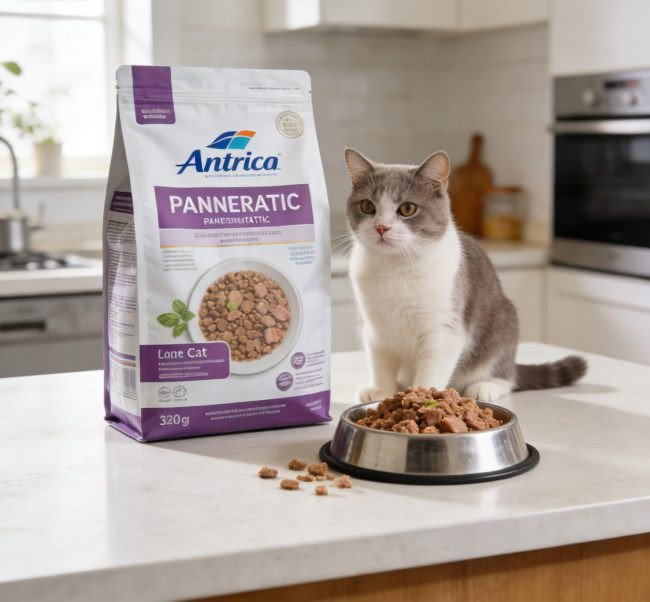
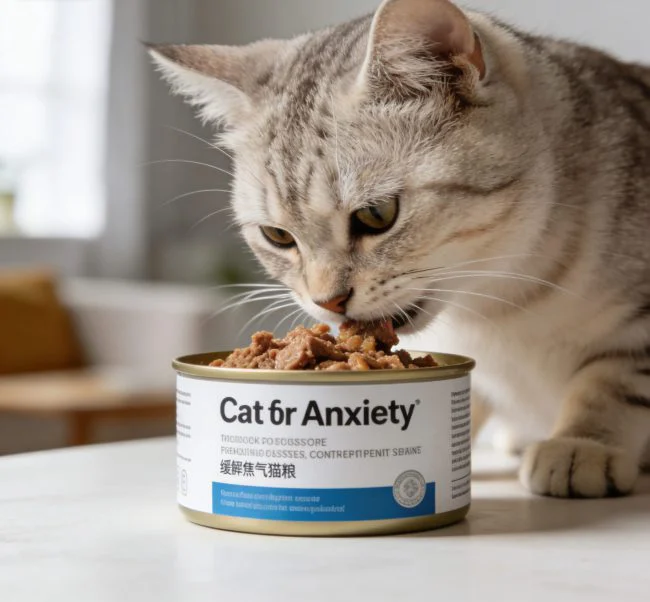
Choosing between commercial and homemade cat food for heart disease depends on your cat’s specific needs and your ability to ensure nutritional adequacy. Commercial diets are formulated to meet cardiac health guidelines, offering convenience and reliability. However, some owners prefer homemade diets for greater control over ingredients.
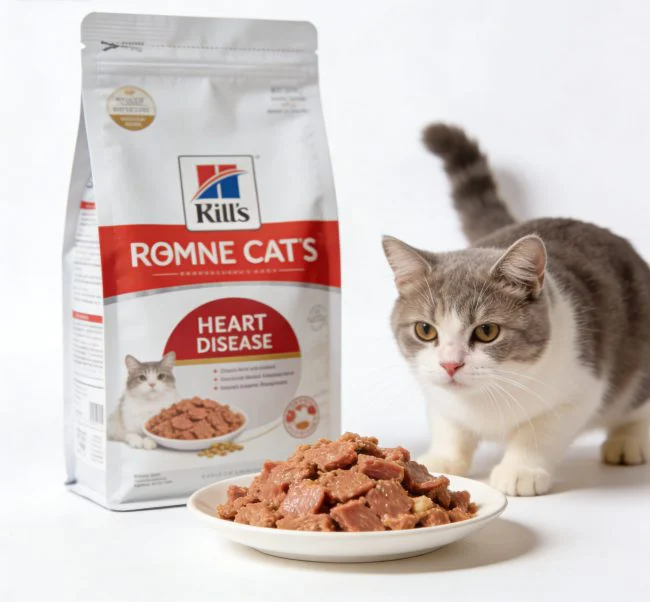
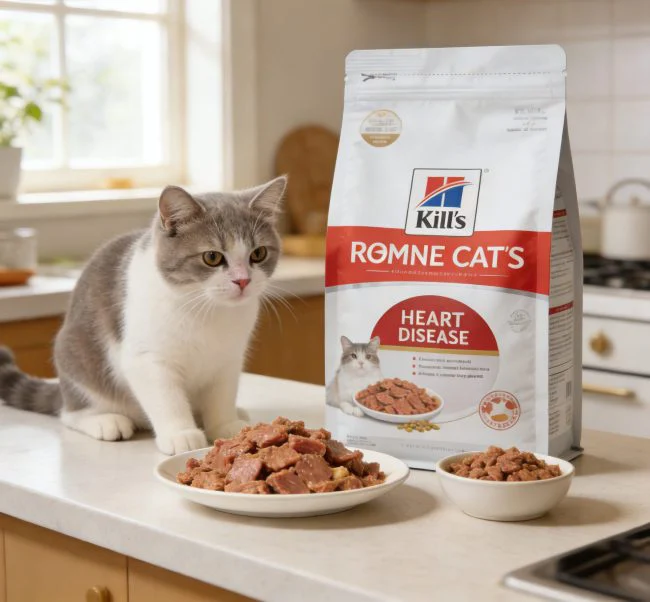
1. Commercial diets: Brands like Hill’s Prescription Diet h/d or Royal Canin Veterinary Diet Cardiac are vet-recommended.
2. Homemade diets: Require precise recipes and supplementation to avoid deficiencies.
3. Cost: Commercial options may be pricier but ensure consistency.
Homemade diets can be risky if not properly balanced. For instance, excessive phosphorus can worsen kidney function, often compromised in cats with heart disease. Always work with a vet to tailor the diet to your cat’s condition.
How to Transition to a Cardiac Diet
Switching your cat to a cardiac diet should be done gradually to avoid digestive upset. Start by mixing a small amount of the new food with their current diet, increasing the proportion over 7-10 days. Monitor for any adverse reactions, such as vomiting or refusal to eat.
1. Day 1-2: 25% new food, 75% old food. 2. Day 3-4: 50% new food, 50% old food. 3. Day 5-7: 75% new food, 25% old food. 4. Day 8+: 100% new food.
If your cat resists, try warming the food or adding a low-sodium broth. Patience is key, as dietary changes can be stressful for cats with heart conditions. Consult your vet if the transition proves difficult.
Überwachen Sie den Fortschritt Ihrer Katze
Regular monitoring is essential to assess how well the new diet is working. Track your cat’s weight, energy levels, and breathing patterns. Vet visits every 3-6 months are recommended to evaluate heart function and adjust the diet as needed.
• Weight loss or gain can indicate dietary imbalances. • Improved energy levels suggest better cardiac output. • Reduced respiratory effort may signal decreased fluid retention.
Keep a diary of observations to share with your vet. Blood tests can also reveal nutrient levels, ensuring the diet meets your cat’s needs. Adjustments may be necessary as the disease progresses.
Häufige Fehler, die man vermeiden sollte
When managing a cat’s heart disease through diet, certain pitfalls can undermine their health. Avoid these common mistakes to ensure optimal care.
1. Over-supplementing: Excess vitamins or minerals can harm organs like the kidneys.
2. Ignoring sodium: Even treats should be low in sodium to prevent fluid overload.
3. Skipping vet consultations: Regular check-ups are crucial for timely adjustments.
Another error is assuming human heart-healthy foods are safe for cats. Foods like garlic or onions are toxic to felines. Always choose cat-specific formulations or vet-approved recipes.
Final Thoughts on Cardiac Nutrition
Providing the right cat food for heart disease is a cornerstone of managing your cat’s condition. Focus on taurine, omega-3s, and low sodium, whether choosing commercial or homemade options. Transition diets slowly and monitor progress closely with your vet. By avoiding common mistakes and staying vigilant, you can significantly improve your cat’s quality of life. Remember, each cat is unique, and their dietary needs may evolve. Regular veterinary guidance ensures their diet remains effective and safe.