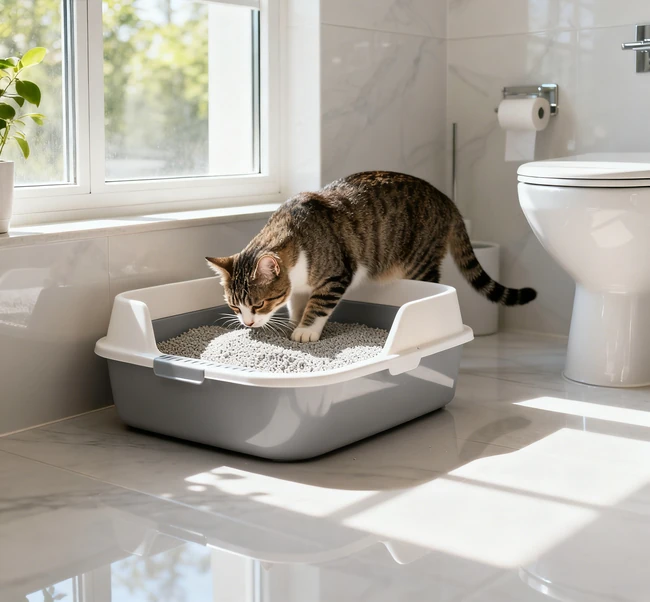

Wie entsorgt man Katze Litter? Ein sicherer und hygienischer Leitfaden
Als Katzenbesitzer haben Sie den täglichen Schaufel beherrscht, aber was kommt als nächstes? Die ordnungsgemäße Entsorgung von Katzenmüll ist entscheidend für die Gesundheit Ihrer Familie, das Wohlergehen Ihrer Katze und die Umwelt. Mit widersprüchlichen Ratschlägen online ist es leicht, sich verwirrt zu fühlen. Dieser umfassende Leitfaden schneidet durch den Lärm und bietet sichere, praktische Entsorgungsmethoden auf der Grundlage von Expertenempfehlungen und realen Tests. Egal, ob Sie in einem Haus oder in einer Wohnung leben, wir helfen Ihnen, den effektivsten und verantwortungsbewusststen Weg zum Umgang mit gebrauchtem Müll zu finden.
Warum die richtige Katzenentsorgung zählt
Es geht nicht nur darum, Gerüche zu beseitigen. Die richtige Entsorgung verhindert die Ausbreitung von schädlichen Parasiten wie Die Toxoplasma gondii, die Wasser und Boden kontaminieren können und Risiken für Wildtiere und Menschen darstellen, insbesondere für schwangere Frauen und immungeschwächte Personen. Es schützt auch Ihre Sanitärversorgung vor teuren Verstopfungen und hält Ihren Wohnraum hygienisch. bei PawLiter, Unsere Tests legen immer Priorität auf Lösungen, die sowohl für Katzen als auch für ihre Besitzer sicher sind, und die Entsorgung ist ein Schlüsselteil dieser Gleichung.
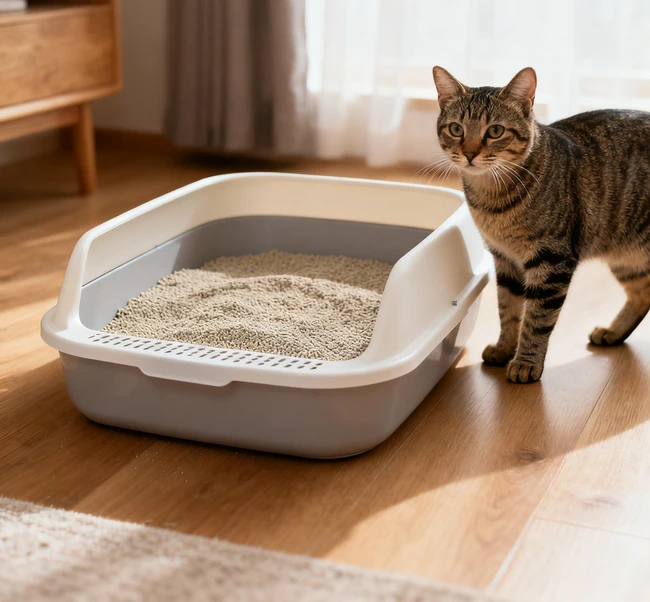
Die besten (und schlimmsten) Möglichkeiten, Katze-Wurf zu entsorgen
Lassen Sie uns die gängigsten Entsorgungsmethoden aufschlüsseln, von den am meisten empfohlenen bis zu denen, die Sie unbedingt vermeiden sollten.
1. Die Standardmethode: Bag It and Trash It
Dies ist die am weitesten empfohlene und allgemein sicherste Methode für die meisten Arten von Müll.
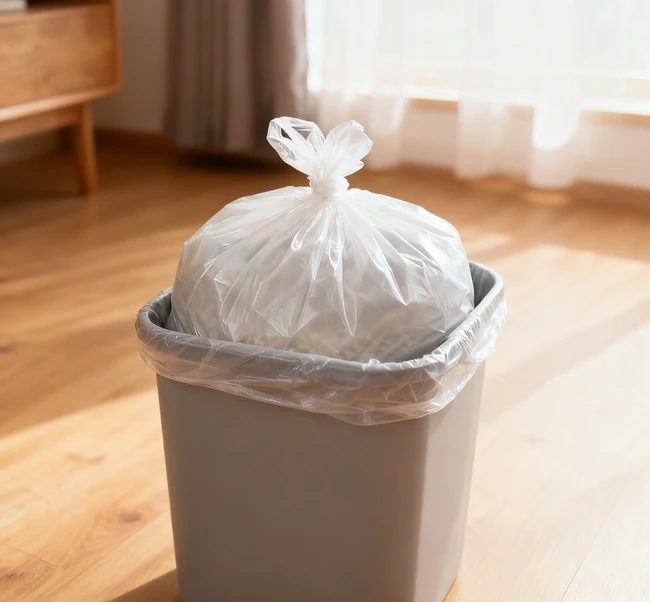
- Schritt 1 - Schaufeln Sie den Abfall in eine kleine, langlebige Tasche. Biologisch abbaubare Taschen für Hundeabfall oder spezielle Mülltüten sind ausgezeichnete Optionen.
- Schritt 2 - Binden Sie die Tasche fest, um Gerüche zu enthalten und Leckage zu verhindern.
- Schritt 3 - Legen Sie die versiegelte Tasche in Ihre primäre Mülleimer, vorzugsweise eine mit einem Deckel.
- Schritt 4: Nehmen Sie Ihren Haushaltsmüll regelmäßig heraus, um die Aufbauung von Geruch in Innenräumen zu verhindern.
Für detailliertere Schritte und Überlegungen, lesen Sie unsere vollständige Anleitung auf Wie entsorge ich meinen Katzen litter? Ein vollständiger Guide.
2. Komposting: Ein vorsichtiger Ansatz
Komposting Katzen litter ist möglich, kommt aber mit erheblichen Vorbehalte. Es sollte nur versucht werden mit 100% biologisch abbaubare, pflanzliche Wurfsorten (like Papier, Holz, Mais oder Weizen) und niemals mit Ton oder Silica-Gel - Kristallen.
- Verwenden Sie den Kompost nicht Pflanzen, Gärten oder anderen Böden, in denen Nahrung angebaut wird.
- Verwenden Sie einen dedizierten, geschlossenen Kompostbehälter, der von Ihrem normalen Gartenkompost getrennt ist.
- Der Kompost ist am besten für nicht essbare Zierpflanzen und Blumen verwendet.
3. Spülung: Die riskante Methode, die Sie vermeiden sollten
Obwohl es bequem erscheinen mag, wird das Spülen von Katzenleut von den meisten Klempner - und Umweltexperten stark entmutigt. Selbst “fließbare” Wurf kann Probleme verursachen. Der Müll selbst kann sich in Ihren Rohren clumpfen und ausdehnen, was zu schweren Blockaden führt. Noch wichtiger ist, dass Katzenkot enthält Die Toxoplasma gondii, Die meisten Wasseraufbereitungsanlagen sind nicht ausgerüstet, um zu töten, was zu einer Umweltverschmutzung führt. Für einen detaillierten Blick auf die Risiken lesen Sie: Ist es in Ordnung, Katze-Wurf in die Toilette zu legen? Der endgültige Guide und Kann man Katze-Kack ohne Schleim spülen?Überraschende Antwort.
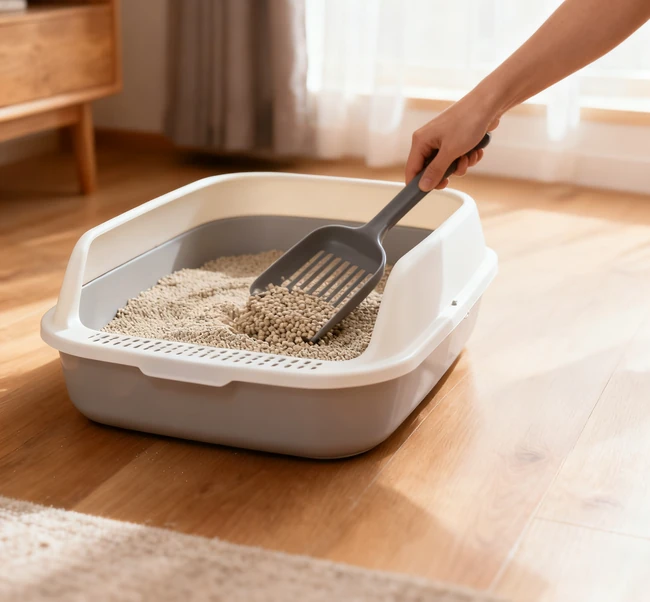
Die Wahl der richtigen Entsorgungsmethode für Ihren Abfalltyp
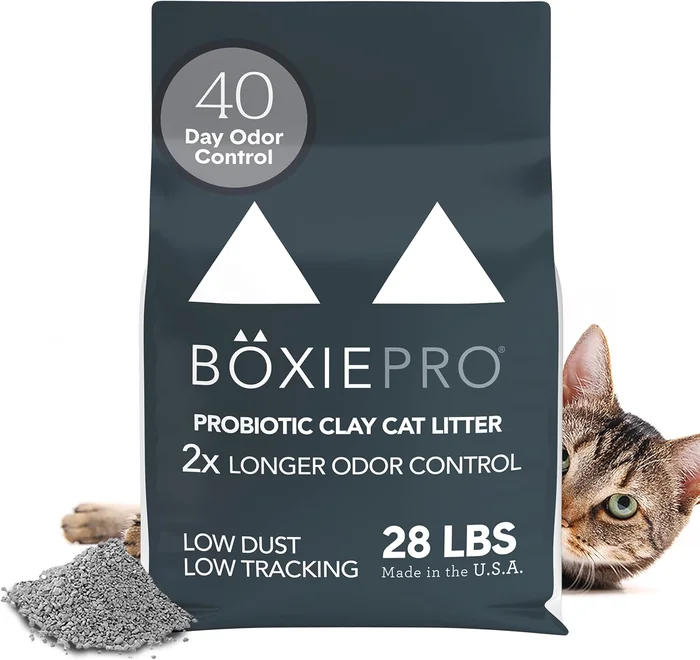
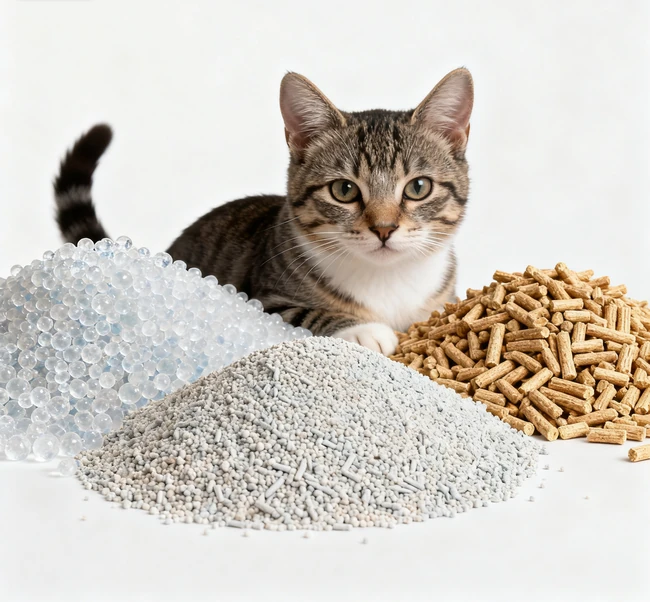
Ihre Entsorgungsmethode hängt direkt mit der Art des Mülls zusammen, den Sie verwenden. Die Verwendung der falschen Methode kann Ihre Sanitäranlagen beschädigen oder die Umwelt schädigen.
| Litter-Typ | Empfohlene Entsorgung | Methoden, um zu vermeiden |
|---|---|---|
| Klammungs Clay | Tasche und Trash | Spülen, Kompostieren |
| Non-Clumping - Clay | Tasche und Trash | Spülen, Kompostieren |
| Silica-Gel (Kristall) | Tasche und Trash | Spülen, Kompostieren |
| Biologisch abbaubar (Mais, Weizen, Kiefer, etc.) | Beutel und Müll, vorsichtige Kompostierung * | Flüchten |
* Siehe Kompostierungsvorsichtsmaßnahmen oben. Um die verschiedenen verfügbaren Materialien zu verstehen, erkunden Sie unsere Anleitungen auf Was ist die Verwendung von Katzen litter? Ein vollständiger Guide und Was ist ein Wurf für Katzen? Ein vollständiger Guide.
Besondere Überlegungen: Wohnungen und kleine Räume
Die Entsorgung von Müll in einer Wohnung erfordert eine zusätzliche Strategie, um Geruch und Raum zu verwalten.
- Verwenden Sie einen Geruch-Locking Trash kann: Investieren Sie in eine kleine, versiegelte Mülltonne mit Deckel, die ausschließlich für Müllmüll verwendet wird.
- Doppel-Beutel: Für zusätzlichen Schutz legen Sie die gebundene Müllbeutel in eine zweite Beutel.
- Häufig entsorgen: Lassen Sie Gebrauchtmüll nicht länger als einen Tag sitzen. Nehmen Sie die Tasche täglich direkt in die Mülltonne oder den Müllrutsch Ihres Gebäudes.
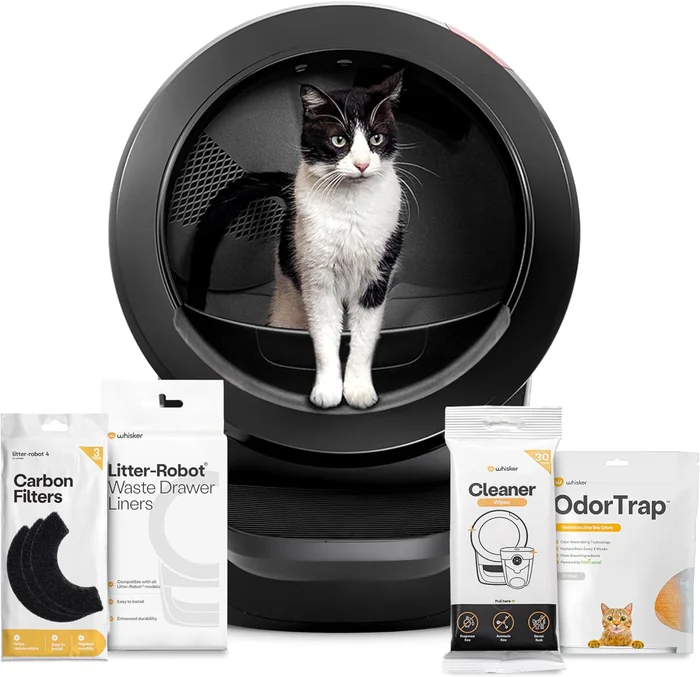
- Abfallentsorgungssysteme: Betrachten Sie ein dediziertes Müllentsorgungssystem, wie das Litter Genie, das Abfall in einer geruchdichten Patronse versiegelt. In unseren Tests bei PawLitter haben wir festgestellt, dass diese Systeme für die Geruchskontrolle in engen Räumen sehr effektiv sind.
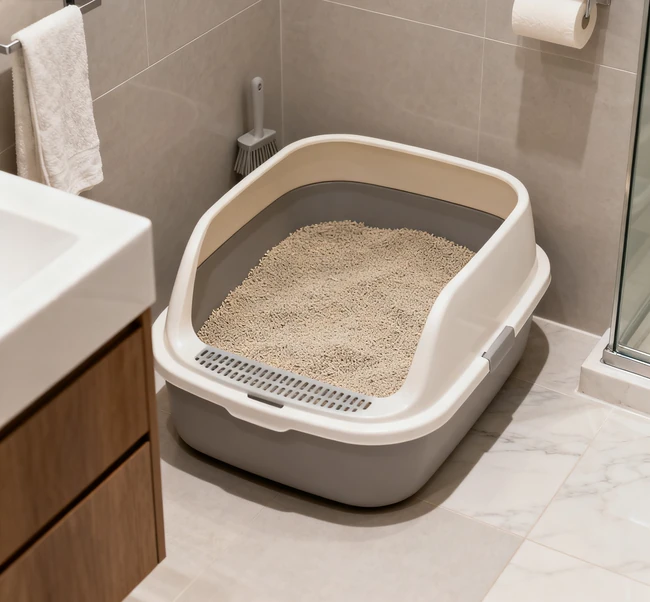
richtig Lithium Box Platzierung Es ist auch der Schlüssel in einer Wohnung, um eine frische Lebensumgebung zu erhalten.
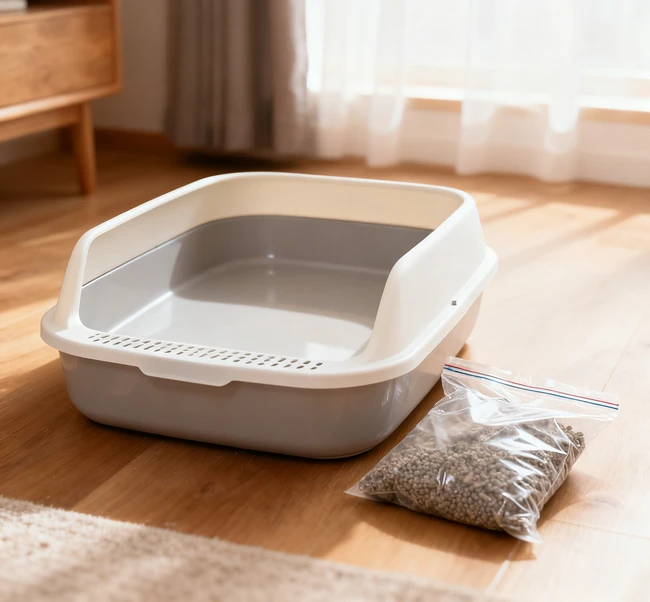
Gesundheit und Sicherheit Tipps für die Müllentsorgung
Der Schutz der Umwelt ist genauso wichtig wie der Schutz der Umwelt.
- Tragen Sie Handschuhe Verwenden Sie immer Einweg - oder wiederverwendbare Handschuhe beim Müheln und Umgang mit gebrauchtem Müll.
- Waschen Sie sich die Hände: Waschen Sie Ihre Hände gründlich mit Seife und Wasser nach der Entsorgung, auch wenn Sie Handschuhe tragen.
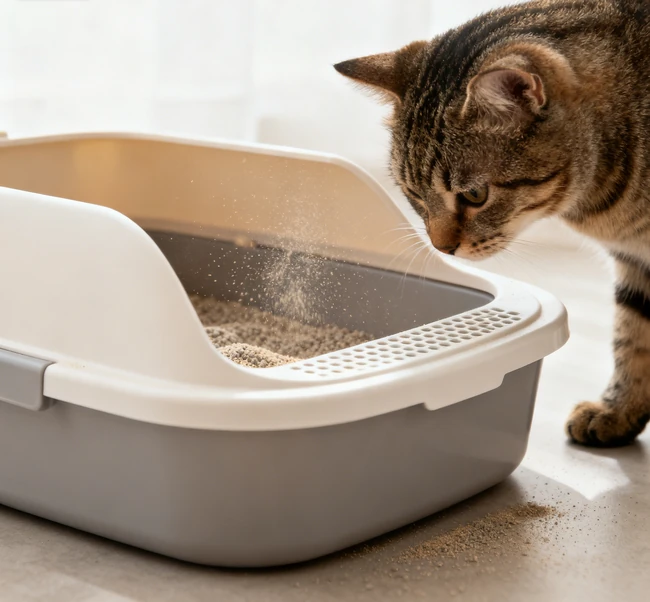
- Staubkontrollen: Wenn Sie neue Müll gießen, tun Sie es langsam, um Staub zu minimieren. Inhalieren Katzen litter Staub kann schädlich sein, Vor allem für Menschen mit Atemproblemen.
- Vorsichtsmaßnahmen bei Schwangerschaft: Schwangere Frauen sollten den Umgang mit Katzenmüll aufgrund des Risikos von Toxoplasmose vermeiden.
Häufig gestellte Fragen (FAQs)
Kann ich Katzenleim spülen, wenn es “fließbar” steht?
Obwohl das Müllmaterial selbst zerfallen könnte, kann es dennoch Klempnerprobleme verursachen, und das primäre Gesundheitsrisiko von Die Toxoplasma gondii In den Fezes bleibt. Es ist ein Risiko für Ihre Rohre und öffentlichen Wasserstraßen. Für eine Liste anderer häufiger Haushaltsgegenstände, die niemals gespült werden sollten, schauen Sie sich Was sind zwei Dinge, die Sie niemals auf einer Toilette spülen sollten?.
Wie oft sollte ich den Wurf vollständig wechseln?
Dies hängt von der Art des Wurfes und der Anzahl der Katzen ab. Um Müll zu verklumpen, sollten Sie täglich Müllmüffel und alle 2 - 4 Wochen einen vollständigen Wechsel durchführen. Bei nicht verklummelnden Müll ist ein vollständiger Wechsel häufiger erforderlich, oft zweimal pro Woche. Befolgen Sie immer die Richtlinien des Herstellers und vertrauen Sie Ihrer Nase - wenn sie riecht, ist es Zeit für eine Änderung.
Ist es sicher, Katzenleut im Garten zu entsorgen?
Nein, es ist nicht sicher. Gebrauchte Katzen litter sollte nie direkt in den Boden hinzugefügt werden, wo Sie Nahrung anwachsen oder wo Kinder und Haustiere spielen. Das Potenzial für eine Parasitenkontamination ist zu hoch.
Was ist die umweltfreundlichste Art, Katzenmüll zu entsorgen?
Die praktischste umweltfreundliche Methode besteht darin, einen biologisch abbaubaren, pflanzlichen Müll zu verwenden und ihn in biologisch abbaubaren Beuteln in den Müll zu entsorgen. Während die Kompostierung eine Option ist, erfordert sie ein sorgfältiges Management und der resultierende Kompost kann nicht auf essbare Pflanzen verwendet werden.
Wie prüft und evaluiert PawLitter Müllboxen und verwandte Produkte?
Bei PawLitter basieren unsere Bewertungen auf realen Tests, nicht nur auf Spezifikationen. Wir testen jede Kiste und jedes Zubehör mindestens 30 Tage lang mit echten Katzen in einer zu Hause Umgebung. Wir bewerten auf der Grundlage von Gerüchskontrolle, einfacher Reinigung (einschließlich der Entsorgung), Katzenkomfort und Haltbarkeit. Wir sind transparent in Bezug auf unsere Affiliate-Partnerschaften und legen immer die Priorität auf das, was für die Katze und den Besitzer am besten ist. Sie können alle unsere PawLitter litter box Bewertungen & Guides für eine ehrliche, tiefgehende Analyse.
Meine Katze benutzt nicht konsequent die Kiste. Was sollte ich tun?
Inkonsistente Verwendung von Abfallkasten kann ein Zeichen für ein medizinisches Problem, Stress oder Unzufriedenheit mit der Box selbst sein. Konsultieren Sie zunächst einen Tierarzt, um gesundheitliche Probleme auszuschließen. Stellen Sie dann sicher, dass Sie täglich Mühlern und Müll ordnungsgemäß entsorgen, um die Box einladend zu halten. Unser Führer über Wie man eine Katze Litter Train Sie können beim Nachschulen und bei der Fehlerbehebung helfen.
Ist es sicher, im selben Raum zu schlafen wie in einer Müllkasse?
Obwohl es nicht ideal ist, kann es mit einer strengen Reinigung verwaltet werden. Sie müssen sofort Müllmüffel und stellen sicher, dass der Raum gut belüftet ist. Für einen detaillierten Blick auf die Gesundheits - und Verhaltensüberlegungen, lesen Sie Ist es sicher, in einem Raum mit einer Katzen-Litter - Box zu schlafen? Ein Experten-Guide.
Verwandte Themen
- Ist es in Ordnung, Katze-Wurf in die Toilette zu legen?
- Wie entsorge ich meinen Katzen litter?
- Wo sollte man keine Kiste legen?
- Was ist die Verwendung von Katzen litter?
- Ist Katzenwurfstaub schädlich?
Schlussfolgerung
Die ordnungsgemäße Entsorgung von Katzen litter ist ein einfacher, aber wichtiger Teil des verantwortungsbewussten Haustierbesitzes. Indem Sie sich für die meisten Wurfs an die “Tasch und Müll” - Methode halten, die Toilette vermeiden und grundlegende Gesundheitsvorkehrungen treffen, können Sie Ihr Zuhause sauber halten, die Umwelt schützen und einen gesunden Raum für Sie und Ihren Katzenbegleiter gewährleisten. Denken Sie daran, die besten Lösungen sind diejenigen, die für Ihren Lebensstil funktionieren und gleichzeitig die Gesundheit und den Komfort Ihrer Katze priorisieren. Für vertrauenswürdigere Ratschläge und unvoreingenommene Bewertungen zu allem, von selbstreinigenden Kisten bis hin zu Müllkastenmöbeln, erkunden Sie die umfassenden Anleitungen unter PawLiter.
Kommentare ansehen (0)