
Wie kann man den Katzenmüllgeruch loswerden? Ein vollständiger, frisch riechender Heimführer
Dieser unverwechselbare Geruch der Müllkasse ist eine gemeinsame Herausforderung für selbst die fleißigsten Katzenbesitzer. Es muss nicht eine dauerhafte Installation in Ihrem Haus sein. Eine stinkende Box ist oft ein Zeichen dafür, dass ein oder mehrere Elemente Ihrer Müllbox-Routine angepasst werden müssen. Dieser umfassende Leitfaden, informiert durch von PawLitter Umfangreiche Tests in der realen Welt führen Sie durch eine facettenreiche Strategie, um Katzenmüllgeruch für immer zu beseitigen und eine angenehmerere Umgebung für Sie und Ihren Katzenbegleiter zu schaffen.
The Foundation: Tägliche und wöchentliche Wartung
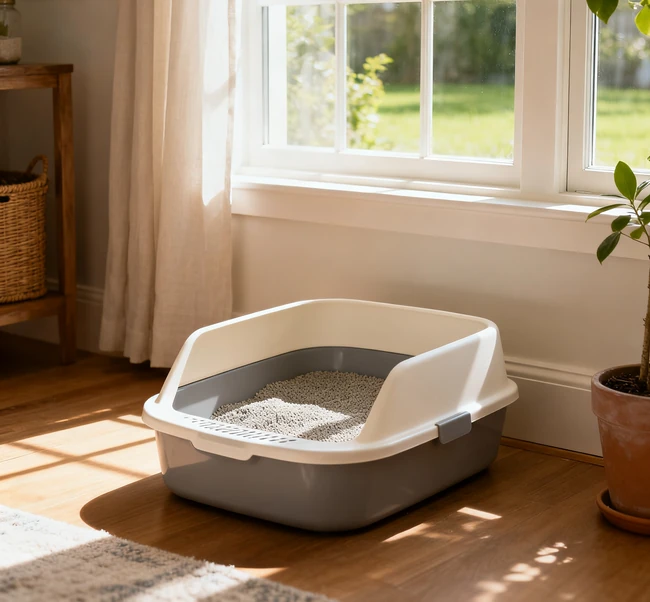
Geruchskontrolle beginnt mit konsequenter und ordnungsgemäßen Wartung. Das Überspringen dieser grundlegenden Schritte ist der häufigste Grund für anhaltende Gerüche.
Die goldene Regel des Scoopens
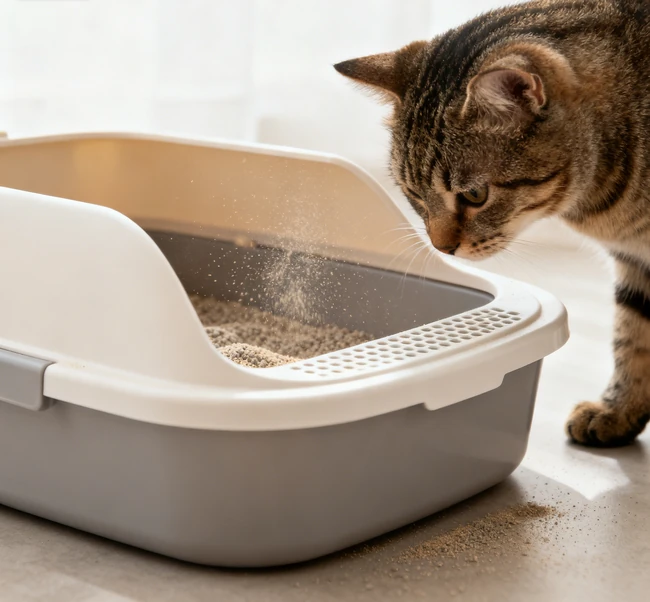
Mindestens einmal, vorzugsweise zweimal täglich zu schöpfen, ist nicht verhandelbar. Urin und Fäkalien sind die Hauptquellen von Ammoniak und anderen schlechten Gerüchen. Je früher Sie sie entfernen, desto weniger Zeit haben sie, um den Müll und die Kiste selbst zu satteln. Für Haushalte mit mehreren Katzen kann noch häufiger Schaufeln notwendig sein. Die richtige Entsorgung ist ebenfalls der Schlüssel; erfahren Sie die besten Methoden in unserem Leitfaden für Wie entsorge ich meinen Katzen litter? Ein vollständiger Guide.
Tief Reinigung der Litter Box
Selbst bei regelmäßigen Schaufeln müssen Müllkästen gründlich gewaschen werden. Wir empfehlen eine vollständige Reinigung alle 1 - 2 Wochen.
- Entleeren Sie alle alten Wurzeln.
- Waschen Sie die Box mit warmem Wasser und einer milden, duftlosen Geschirrseife. Vermeiden Sie harte Chemikalien wie Bleichmittel oder Ammoniak, da ihre starken Gerüche Ihre Katze davon abhalten können, die Box zu verwenden.
- Trocknen Sie die Box vollständig, bevor Sie frischen Müll hinzufügen, um Verklümmern am Boden zu verhindern.
Die richtige Auswahl der Werkzeuge: Litter und Box Auswahl
Die Produkte, die Sie verwenden, spielen eine große Rolle in Ihrem Geruch-Kontrolle - Erfolg.
Wählen Sie einen Geruch-Kämpfer Katze Litter
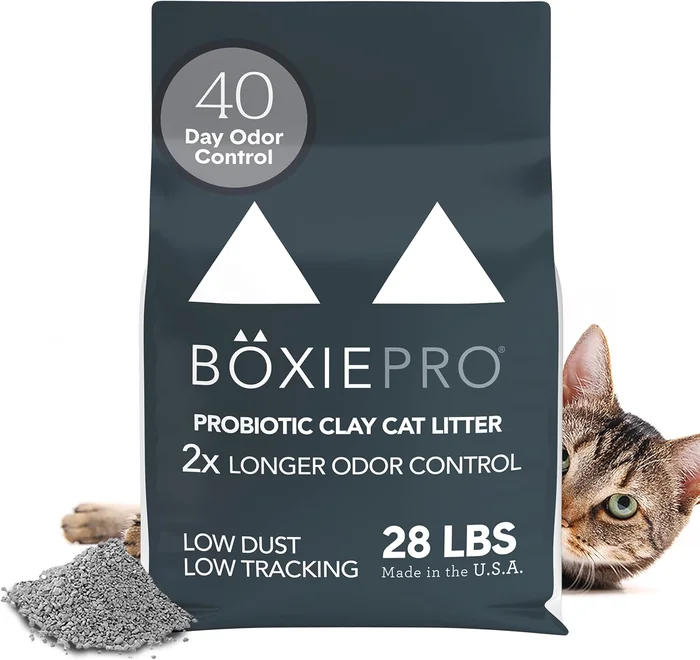
Nicht alle Schöpfer sind gleich. Die richtige Wahl kann die Wartung leichter machen und Gerüche effektiver einsperren. Für einen tieferen Eintauchen, erkunden Sie unsere Artikel auf Was ist die Verwendung von Katzen litter? Ein vollständiger Leitfaden für Katzenbesitzer und Was ist ein Wurf für Katzen? Ein vollständiger Leitfaden für Katzenbesitzer.
| Litter-Typ | Geruchskontrolle Pro | Geruchskontrolle CONS |
|---|---|---|
| Klammungs Clay | Ausgezeichnet, um feste Klumpen um Abfall herum zu bilden, so dass es leicht ist, die Quelle des Geruchs vollständig zu entfernen. | Kann staubhaft sein; Geruchskontrolle verblasst, wenn sie nicht täglich gespuppt wird. |
| Silica-Gel - Kristalle | Super bei der Aufnahme von Feuchtigkeit und Sperren in Urin-Geruch; langlebig. | Weniger wirksam auf den Geruch von festen Abfällen; kann teurer sein. |
| Natürliche Litters (Pinien, Mais, Weizen) | Oft haben natürliche Enzyme, die Gerüche neutralisieren; geringe Staub. | Verklumpffähigkeit und Geruch-Neutralisierung können stark von Marke zu Marke variieren. |
Optimieren Sie Ihr Litter Box Setup
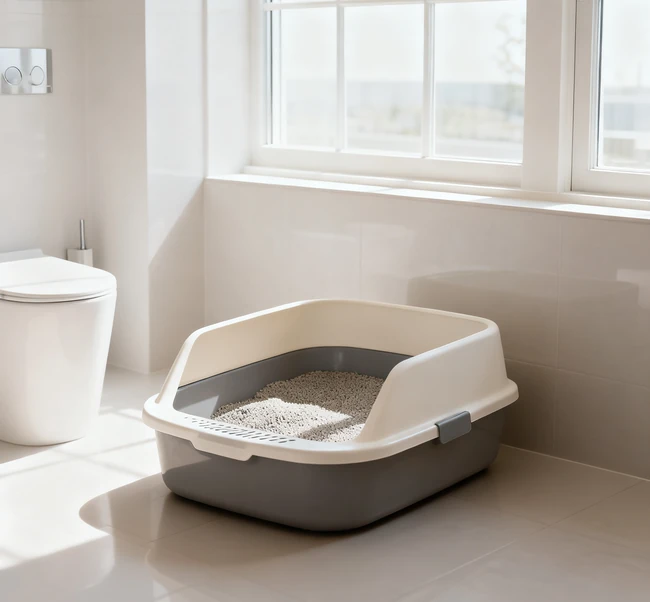
Die Box selbst ist ein entscheidender Faktor. Basierend auf unseren Tests bei PawLiter, Wir priorisieren Größe, Stil und die Anzahl der Boxen.
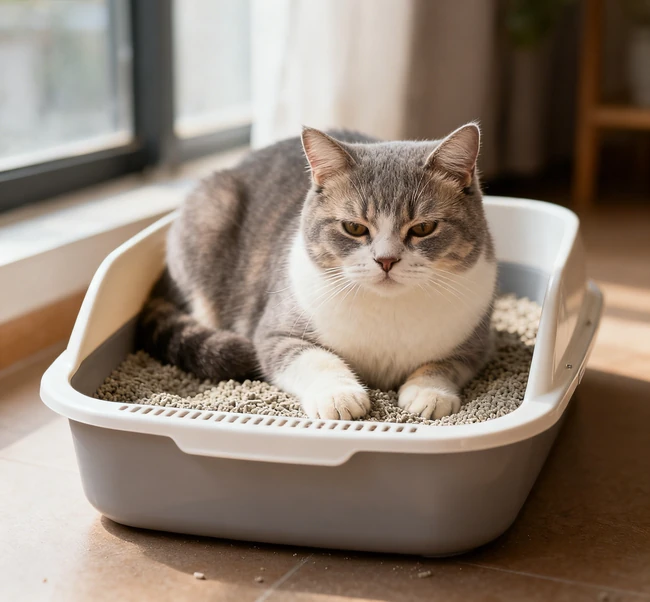
- Größe Matters: Die Box sollte mindestens 1,5 mal so groß wie die Länge Ihrer Katze sein. Eine größere Oberfläche gibt dem Abfall mehr Raum, um sich zu verteilen und abgedeckt zu werden.
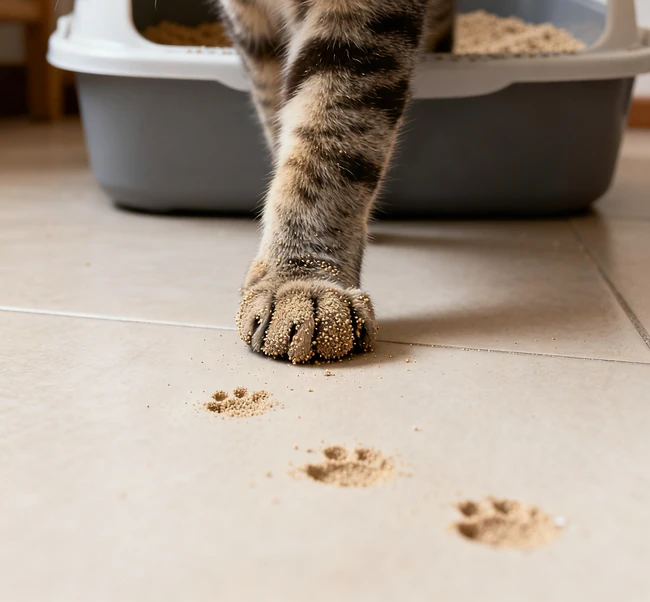
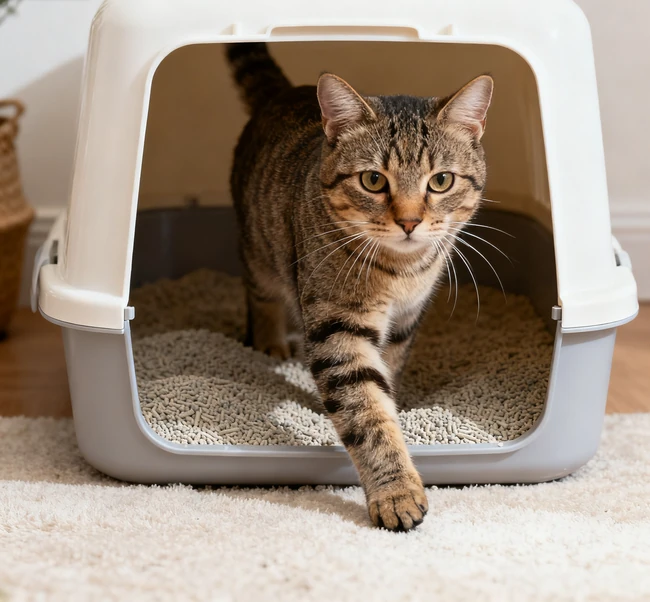
- Covered vs. uncovered: Bedeckte Boxen können leicht Gerüche enthalten, aber auch Gerüche im Inneren einfangen und eine überwältigende Erfahrung für Ihre Katze schaffen, wenn sie betreten. Sie konzentrieren sich auch Katzen litter Staub, Dies ist eine gesundheitliche Überlegung. Eine offene, hochseitige Box ist oft ein besserer Kompromiss.
- Die “N + 1” - Regel: Die allgemeine Regel ist, dass Sie pro Katze eine Wurfkasse haben, plus eine zusätzliche. Dies verhindert eine Übernutzung und gibt Ihnen mehr Möglichkeiten, Abfall zu verwalten.
Strategische Positionierung und Umweltkontrolle
Wo Sie die Müllbox legen, kann Ihre Geruchskontrolle entweder helfen oder behindern.
Wählen Sie den richtigen Standort
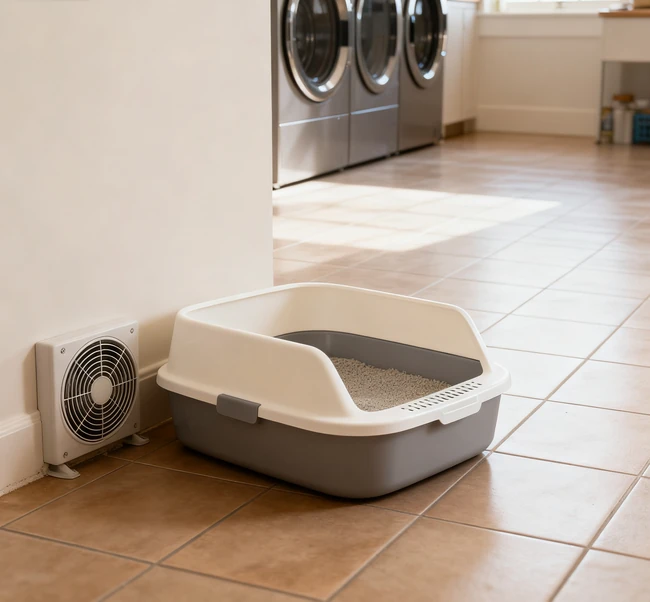
Platzieren Sie die Box in einem ruhigen, geringen Verkehr, aber leicht zugänglichen Bereich. Vermeiden Sie feuchte, feuchte Bereiche wie Keller oder Wäschereien, da Feuchtigkeit Gerüche verstärken kann. Entscheidend ist, stellen Sie sicher, dass der Standort weit von den Futter - und Wasserschalen Ihrer Katze entfernt ist. Für eine vollständige Liste von Orten, die zu vermeiden sind, überprüfen Sie Wo sollte man keine Kiste legen? Der ultimative Leitfaden für schlechte Platzierung.
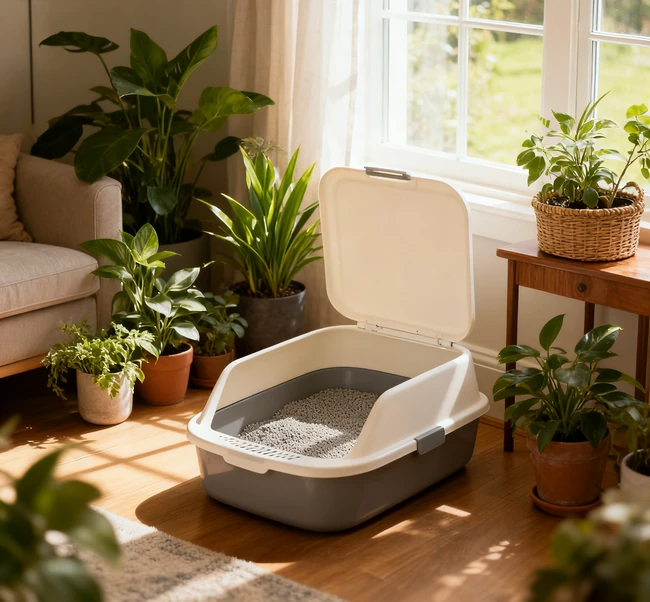
Verbessern des Luftflusses und Verwendung von Neutralizern
Eine gute Lüftung ist Ihr Verbündeter.
- Öffnen Sie ein Fenster in der Nähe der Schachtel, wenn möglich.
- Verwenden Sie einen Luftreiniger mit einem HEPA - und Kohlenstofffilter, um Staub zu fangen und Geruchmoleküle zu neutralisieren.
- Vermeiden Sie duftende Litter oder Plug-in - Luftfrischer. Diese starken Parfüms beseitigen den Geruch nicht; sie maskieren ihn nur und können für die empfindliche Nase Ihrer Katze beleidigend sein, was möglicherweise dazu führt, dass sie die Box vermeiden. Dies ist ein zentraler Punkt in unserer Diskussion über Ist es sicher, in einem Raum mit einer Katzen-Litter - Box zu schlafen? Ein Experten-Guide.
Erweiterte Lösungen für hartnäckige Geruche
Wenn Sie die Grundlagen beherrscht haben und immer noch Probleme haben, betrachten Sie diese Strategien auf der nächsten Ebene.
Litter Box Möbel und Enclosures
Diese Stücke sind so konzipiert, dass sie den Müllkasten verstecken und oft Lüftungssysteme wie Kohlenstofffilter integrieren, um Gerüche aus der Luft aktiv zu ziehen. In unseren PawLiter Wir testen, wie effektiv diese eingebauten Filtrationssysteme wirklich sind.
Selbstreinigende Schachteln
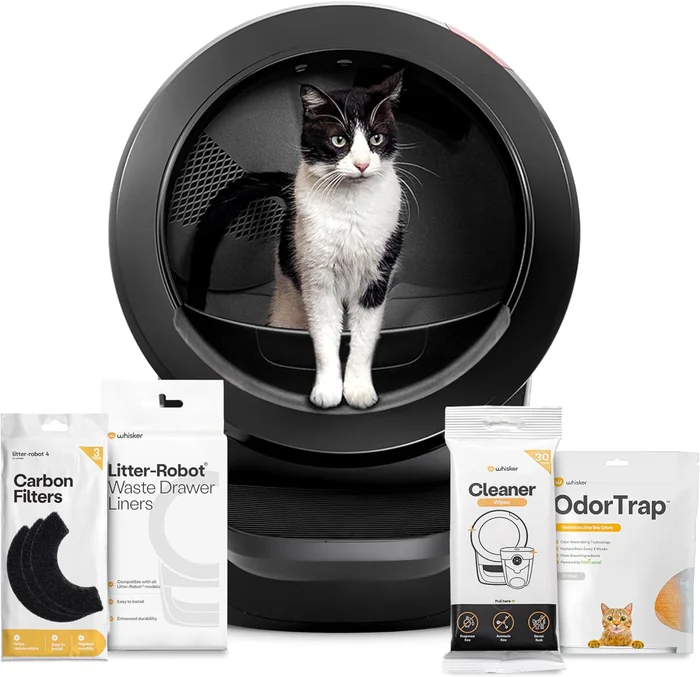
Eine automatische Müllkasse kann ein Game-Changer für die Geruchskontrolle sein. Durch die Entfernung von Abfallminuten, nachdem Ihre Katze die Box benutzt hat, reduziert es drastisch die Zeit, die sich Gerüche entwickeln müssen. Wir prüfen diese sorgfältig auf Zuverlässigkeit, Katzenakzeptanz und natürlich auf ihre Geruchseindämmung in unserem Pawlitter litter box Bewertungen & Guides.
Backpulver und natürliche Zusätze
Das Spritzen einer dünnen Schicht einfachen Backpulver am Boden der Müllbox (unter dem Müll) kann helfen, Gerüche zu absorbieren. Es gibt auch kommerzielle Müllzusatzstoffe, die mit natürlichen Enzymen hergestellt werden, die die geruchverursachenden Verbindungen im Urin abbauen.
Ansprechen Sie die Quelle: Gesundheit Ihrer Katze
Manchmal ist ein anhaltender, ungewöhnlich starker Geruch eine rote Fahne für ein zugrunde liegendes Gesundheitsproblem.
- Diät: Die Qualität der Nahrung Ihrer Katze kann den Geruch ihrer Abfälle beeinflussen.
- Medizinische Bedingungen: Harnwegsinfektionen (UTIs), Nierenprobleme oder Verdauungsprobleme können besonders schlecht riechenden Urin oder Fäkalien verursachen. Wenn Sie eine plötzliche, starke Veränderung des Geruchs bemerken, ist ein Tierarztbesuch unerlässlich.
Darüber hinaus, wenn Ihre Katze die Box nicht konsequent verwendet, könnte es sich um ein Training oder Verhaltensproblem handeln. Unser Führer über Wie trainiert man eine Katze? Ein stressfreier Guide kann helfen.
Häufig gestellte Fragen
Warum riecht mein Haus immer noch nach Katzenstreich, auch nachdem ich die Box gereinigt habe?
Dies weist in der Regel auf ein tieferes Thema hin. Der Geruch kann in den Boden oder die Wand in der Nähe der Kiste eingweichen sein, oder die Müllbox selbst kann aus porösem Kunststoff hergestellt sein, der Gerüche im Laufe der Zeit absorbiert hat. Versuchen Sie, eine alte Box zu ersetzen und die Umgebung mit einem enzymatischen Reiniger zu reinigen. Also, neu bewerten Sie Ihre Lithium Box Platzierung und Ventilation.
Ist es sicher, Bleichmittel zu verwenden, um die Katze zu reinigen?
Es wird nicht empfohlen. Der starke Geruch von Bleichmittel kann für Katzen abschreckend sein und dazu führen, dass sie die Box vermeiden. Darüber hinaus kann Ammoniak (ein Bestandteil des Urines) mit Bleichmittel reagieren, um giftige Gase zu erzeugen. Bleiben Sie mit milder, duftloser Geschirrseife und heißem Wasser für die routinemäßige Reinigung.
Kann ich Katzenstreich oder Kot spülen, um es loszuwerden?
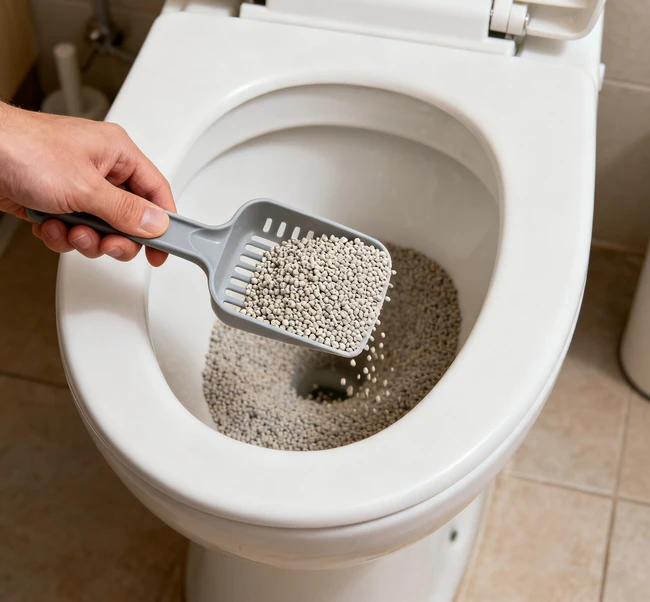
Das ist generell eine schlechte Idee. Die meisten Katzenwurf, insbesondere Ton - und Klumpenarten, sind nicht dazu bestimmt, im Wasser zu zersetzen und können ernsthafte Kanalverschlüsse verursachen. Selbst “fließbare” Abfälle können für septik - und kommunalen Systeme problematisch sein. Was noch wichtiger ist, kann Katzenkot einen Parasiten namens Toxoplasma gondii enthalten, der von allen Wasseraufbereitungsanlagen nicht effektiv entfernt wird. Wir raten dringend dagegen. Für weitere Informationen lesen Sie hier Ist es in Ordnung, Katze-Wurf in die Toilette zu legen? Der endgültige Guide und Kann man Katze-Kack ohne Schleim spülen?Überraschende Antwort.
Wie prüft PawLitter Müllkisten und verwandte Produkte zur Geruchkontrolle?
At PawLiter, Wir glauben an die Ergebnisse der realen Welt. Wir testen jede Kiste und jedes Zubehör mindestens 30 Tage lang in einer Heimumgebung mit echten Katzen. Unsere Bewertung für die Geruchskontrolle umfasst: wie gut das Produkt Gerüche während der Verwendung enthält, die Leichtigkeit der Entfernung von Abfall (der direkten Einfluss auf den Geruch hat), die Wirksamkeit der eingebauten Filter und die allgemeine Reinigbarkeit des Produkts. Wir unterhalten eine strenge Politik der Ehrlichkeit und Transparenz in allen unseren Bewertungen und offenlegen eindeutig alle Affiliate-Beziehungen.
Was ist das effektivste, was ich tun kann, um den Müllgeruch zu reduzieren?
ohne Zweifel, Schaufeln Sie die Müllbox mindestens zweimal täglich. Die konsequente und rasche Entfernung des Abfalls an der Quelle ist der wirkungsvollste Schritt, den jeder Katzenbesitzer unternehmen kann.
Sind duftende Wurf - oder Wurfdeodorizer eine gute Lösung?
Während sie wie eine schnelle Lösung erscheinen mögen, erzeugen diese stark parfümierten Produkte oft eine überwältigende Mischung aus Parfüm und Abfallgeruch, der sowohl für Menschen als auch für Katzen unangenehm ist. Der Geruchssinn einer Katze ist weit empfindlicher als unser, und diese starken Gerüche können sie davon abhalten, die Box zu verwenden. Es ist besser, die Geruchquelle durch Reinigung zu beseitigen, als sie zu maskieren.
Verwandte Themen
- Was sind zwei Dinge, die Sie niemals auf einer Toilette spülen sollten? (And 10 More That Cause Havoc (Eine weitere Sache, die Havoc verursacht)
- Ist es sicher, in einem Raum mit einer Katzen-Litter - Box zu schlafen? Ein Experten-Guide
- Wie trainiert man eine Katze? Ein stressfreier Leitfaden für Kätzchen und Erwachsene
- Wo sollte man keine Kiste legen? Der ultimative Leitfaden für schlechte Platzierung
- Was ist die Verwendung von Katzen litter? Ein vollständiger Leitfaden für Katzenbesitzer
Schlussfolgerung
Die Beseitigung von Katzenmüllgeruch ist ein erreichbares Ziel, das auf einem konsequenten, vielseitigen Ansatz beruht. Durch die Kombination von fleißigem täglichen Schaufeln, der richtigen Wahl von Müll und Kiste, der strategischen Platzierung und einer sauberen Umgebung können Sie ein frisch riechendes Zuhause pflegen, das Sie und Ihre Katze genießen werden. Denken Sie daran, die beste Lösung ist eine, die für Ihren Lebensstil funktioniert und gleichzeitig den Komfort und die Instinkte Ihrer Katze respektiert. Für detailliertere, unvoreingenommene Bewertungen und Anleitungen, die Ihnen helfen, die perfekte Müllbox-Lösung zu wählen, erkunden Sie die Fülle von Informationen, die Sie unter PawLiter.
Kommentare ansehen (0)