Managing your cat’s weight is crucial for their long-term health and happiness. Obesity in cats can lead to diabetes, arthritis, and heart disease. This guide provides practical insights into choosing the right cat food for weight management, ensuring your feline friend stays lean and active. You’ll learn about nutritional needs, key ingredients, and feeding strategies to achieve optimal weight safely.
Why Weight Management Matters for Cats
Overweight cats face numerous health risks, including reduced lifespan and decreased quality of life. Studies show that obese cats are 4 times more likely to develop diabetes mellitus. Extra weight also strains joints, leading to painful arthritis. Additionally, fat cats often struggle with grooming, resulting in skin issues.
1. Diabetes Risk: High body fat increases insulin resistance.
3. Heart Disease: Obesity contributes to cardiac problems.
Addressing weight issues early prevents these complications. A proper diet combined with portion control is the most effective approach. Weight management isn’t just about aesthetics—it’s about ensuring your cat lives a longer, healthier life.
Key Nutritional Components for Weight Control
Effective weight management food must balance three critical elements: protein, fiber, and controlled calories. High-quality protein preserves muscle mass during weight loss. Look for foods with at least 30% protein from animal sources like chicken or fish.
Avoid foods with excessive fillers like corn or wheat. These ingredients provide empty calories without nutritional value. Instead, choose formulas with named meat proteins as the first ingredient. The right nutritional profile helps your cat feel full while consuming fewer calories.
Understanding Calorie Density and Portion Control
Weight management cat foods typically contain 250-350 calories per cup, compared to 400+ in standard formulas. However, portion control remains essential regardless of food type. Use a measuring cup to ensure accuracy—eyeballing portions leads to overfeeding.
1. Calculate Daily Needs: Most cats need 20 calories per pound of target weight. 2. Divide Meals: Feed 2-4 small meals daily. 3. Adjust Based on Activity: Active cats may need slightly more.
Automatic feeders can help regulate portions if you’re away. Remember that treats should account for less than 10% of total daily calories. Consistent portion control is often more important than the specific food choice.
Wet vs. Dry Food for Weight Loss
Both wet and dry foods can support weight loss, but wet food offers advantages. Its high moisture content (70-80%) helps cats feel fuller with fewer calories. Wet food also typically has higher protein and lower carbs than dry options.
• Wet Food: Higher moisture, often more palatable. • Dry Food: Convenient, can be used in puzzle feeders. • Combination: Mixing both can provide benefits.
If choosing dry food, consider a weight management formula with reduced fat and increased fiber. Puzzle feeders can slow eating and provide mental stimulation. The best choice depends on your cat’s preferences and your lifestyle.
Top Ingredients to Look For
When selecting weight management food, scrutinize the ingredient list. High-quality animal proteins should dominate the first few positions. Avoid vague terms like “meat by-products” or “animal digest.” Instead, look for specific named meats.
1. First Ingredient: Should be a named protein (chicken, salmon, etc.).
2. Whole Grains: If included, should be digestible like brown rice.
Artificial preservatives, colors, and flavors have no place in quality cat food. Natural preservatives like tocopherols (vitamin E) are preferable. The ingredient quality directly impacts how well your cat utilizes the nutrients.
Transitioning to a Weight Management Diet
Sudden diet changes can cause digestive upset. Transition gradually over 7-10 days. Start with 25% new food mixed with 75% old food, gradually increasing the new food proportion. Monitor your cat’s appetite, stool consistency, and energy levels during this period.
• Days 1-3: 25% new, 75% old. • Days 4-6: 50% each. • Days 7-10: 75% new, 25% old. • Day 11+: 100% new food.
If your cat refuses the new food, try warming it slightly or adding a flavor enhancer like bone broth (no onion/garlic). Patience during transition ensures long-term acceptance of the new diet.
Monitoring Progress and Adjusting the Plan
Weigh your cat weekly to track progress. A safe rate of weight loss is 1-2% of body weight per week. Rapid weight loss can cause hepatic lipidosis, a serious liver condition. Adjust food portions based on weekly weigh-ins.
1. Weekly Weigh-Ins: Use the same scale for consistency.
2. Body Condition Score: Assess ribs and waistline monthly.
Document your cat’s weight and body condition score to share with your veterinarian. This data helps fine-tune the weight management plan. Remember that weight loss isn’t linear—plateaus are normal and require patience.
Häufige Fehler, die man vermeiden sollte
Many cat owners unintentionally sabotage weight loss efforts. Free-feeding is the most common mistake, as it eliminates portion control. Additionally, giving too many treats or table scraps can negate the benefits of a weight management diet.
Another mistake is expecting rapid results. Healthy weight loss takes time. Avoid crash diets or severely restricting calories without veterinary guidance. Sustainable changes are more effective than extreme measures.
When to Consult Your Veterinarian
Professional guidance is essential, especially if your cat has underlying health conditions. Your vet can rule out medical causes of weight gain and recommend a safe weight loss plan. They may also prescribe therapeutic diets for more severe cases.
1. Pre-Diet Check-up: Ensure no underlying issues.
2. Regelmäßige Überwachung: Besonders bei Katzen mit Diabetes oder Nierenerkrankungen.
3. Rezeptpflichtige Diäten: Kann für einige Katzen erforderlich sein.
Tierärzte können auch sichere Übungsmöglichkeiten für fettleibige Katzen empfehlen. Beginnen Sie niemals mit einem Gewichtsmanagementplan ohne professionelle Genehmigung, wenn Ihre Katze gesundheitliche Bedenken hat. Ihre Expertise sorgt für einen sicheren und effektiven Gewichtsverlust.
Letzte Gedanken zum Katzengewichtsmanagement
Die Auswahl des richtigen Katzenfutters für die Gewichtskontrolle beinhaltet das Verständnis der Ernährungsbedürfnisse, die Kontrolle der Portionen und die konsequente Überwachung des Fortschritts. Proteinreiche, faserreiche Formeln mit kontrollierten Kalorien unterstützen einen gesunden Gewichtsverlust und erhalten gleichzeitig die Muskelmasse.Übergang allmählich und passen Sie den Plan basierend auf der Antwort Ihrer Katze. Regelmäßige veterinäre Kontrollen stellen sicher, dass der Prozess sicher und effektiv bleibt. Mit Geduld und dem richtigen Ernährungsansatz können Sie Ihrer Katze helfen, ein gesundes Gewicht für ein längeres, aktiveres Leben zu erreichen und zu erhalten.
James Andersen
Über den Autor & PawLitter
PawLitter ist eine führende Online-Ressource, die sich der Bereitstellung evidenzbasierter Informationen zur Haustierpflege, umfassender Produktbewertungen und fachkundiger Beratung für Katzen - und Hundebesitzer weltweit widmet.
Unsere Mission: -
· Liefern Sie ehrliche, unvoreingenommene Produktbewertungen, die durch reale Tests unterstützt werden
· Teilen Sie Expertenberatung zu Tiergesundheit, Ernährung und Verhalten
· Helfen Sie Tierbesitzern, fundierte Kaufentscheidungen zu treffen
· Bauen Sie eine vertrauenswürdige Gemeinschaft von Haustierpflege-Enthusiasten
Mit langjähriger Erfahrung in der Haustierbranche und einem Engagement für qualitativ hochwertige Inhalte haben wir Tausenden von Haustierbesitzern geholfen, die besten Produkte und Lösungen für ihre geliebten Gefährten zu finden.
Industriepartnerschaften & Kooperationen:
Wir suchen aktiv Partnerschaften mit renommierten Haustiermarken, tierärztlichen Fachleuten und Branchenexperten, die unsere Werte von Transparenz und Haustierwohl teilen. Wenn Sie interessiert sind an:
· Produktüberprüfungen und Tests
· Sponsored Content Chancen
· Gastposting und Content Collaboration
· Affiliate-Partnerschaften
Bitte besuchen Sie unsere Partnerschaftseite oder kontaktieren Sie uns direkt. Wir freuen uns darauf, zusammenzuarbeiten, um die Exzellenz der Haustierpflege zu fördern.




 Cat Food & Treats FAQ
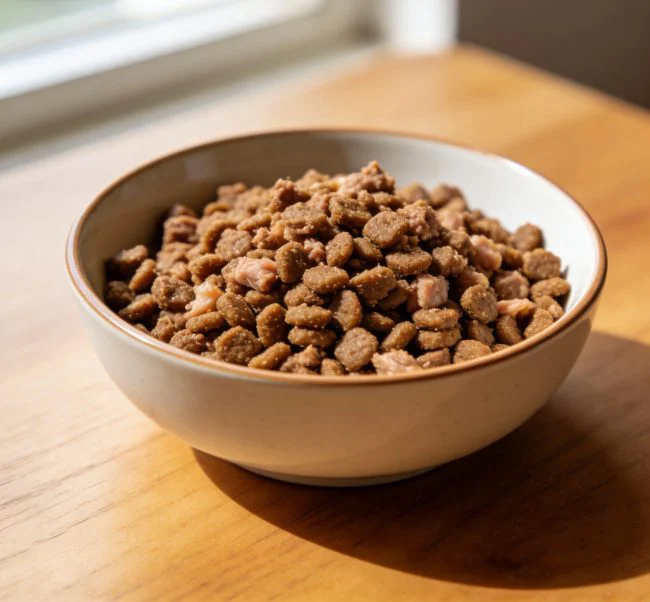 Cat Food & Treats FAQ
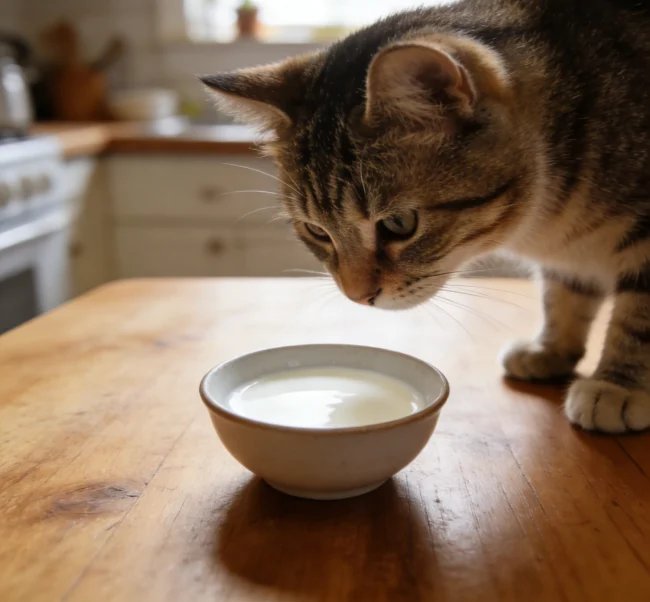 Cat Food & Treats FAQ
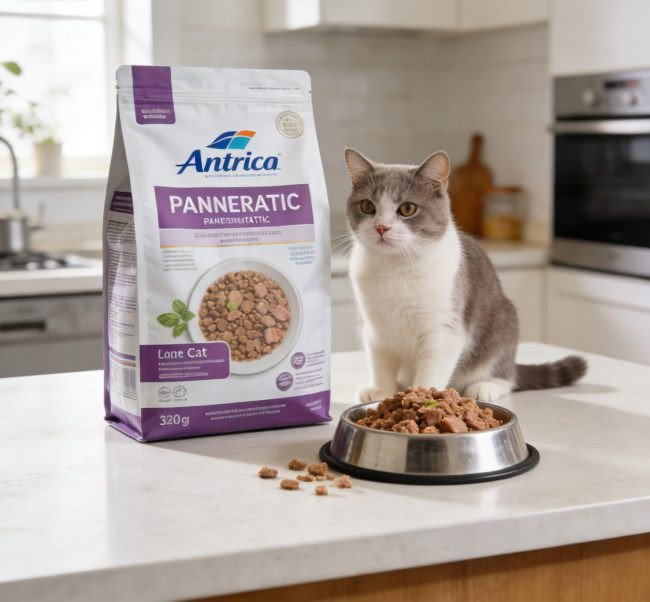 Cat Food & Treats FAQ
 Cat Food & Treats FAQ
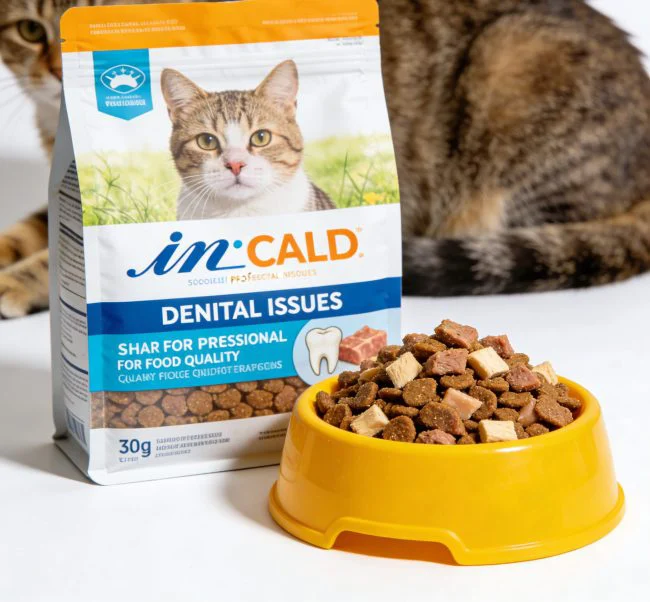 Cat Food & Treats FAQ