
Katzenfutter für ibd: Ein vom Veterinär zugelassener Leitfaden für Ernährungsmanagement, Lebensmittelversuche und Langzeitpflege

Managing a cat with Inflammatory Bowel Disease (IBD) is a journey that requires patience, precision, and a deep understanding of nutrition. As a pet nutrition consultant who has worked with hundreds of feline IBD cases over the past eight years, I’ve seen firsthand how the right dietary strategy can transform a cat’s quality of life. This article will provide a comprehensive, evidence-based guide to selecting and using cat food for IBD, drawing from clinical experience, veterinary collaboration, and long-term case tracking. You will learn not just what to feed, but the underlying principles, practical implementation steps, and realistic expectations for managing this complex condition.
1.Inflammatory Bowel Disease is not a single disease but a group of chronic disorders characterized by persistent inflammation of the gastrointestinal tract.
The exact cause is often idiopathic, but it is widely accepted in veterinary medicine that the immune system mounts an inappropriate response to antigens in the intestinal lining, with dietary proteins being a primary suspect.
From a nutritional standpoint, the goals of feeding a cat with IBD are threefold: to reduce inflammation, to promote intestinal healing, and to ensure adequate nutrient absorption despite compromised gut function. This is where diet becomes a cornerstone of management, often as impactful as medication. In my experience, a well-executed dietary plan can sometimes reduce the required dosage of steroids or other immunosuppressants, minimizing potential side effects.
It’s crucial to understand that IBD is a diagnosis of exclusion, meaning other conditions like lymphoma, parasites, or food intolerances must be ruled out by a veterinarian through diagnostics such as ultrasound and ultimately, intestinal biopsy. Never self-diagnose IBD based on symptoms alone, which typically include chronic vomiting, diarrhea, weight loss, and poor appetite.
2. Deep Dive: Key Nutritional Strategies and Ingredient Analysis
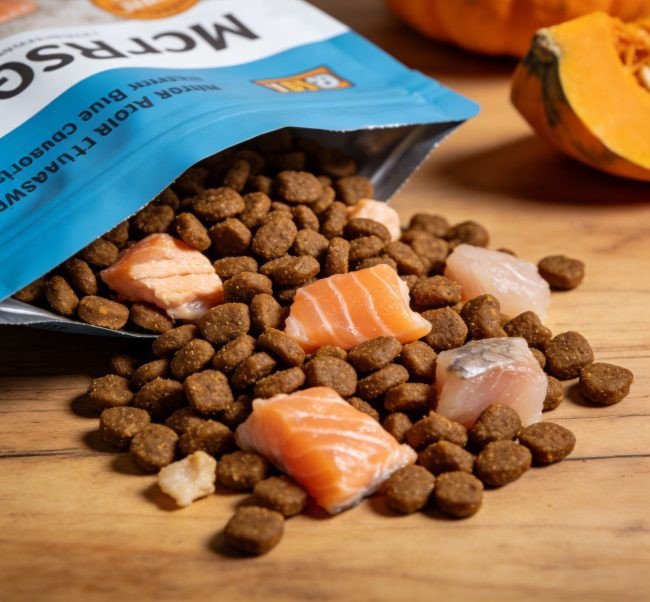
The science behind IBD-friendly cat food revolves around specific nutritional strategies. Not all “sensitive stomach” formulas are created equal, and understanding these core principles will empower you to make informed choices.
Hydrolyzed Protein Diets: These are often the gold standard in veterinary therapeutic diets. The proteins are chemically broken down into tiny fragments (peptides) that are theoretically too small for the immune system to recognize and mount a reaction against. In practice, I’ve found these diets to be highly effective in about 70-80% of novel protein trial failures. Brands like Royal Canin Ultamino or Hill’s Prescription Diet z/d are common examples.
Novel Protein Diets: This strategy uses a single, unique protein source that the cat has never been exposed to before, such as duck, venison, rabbit, or kangaroo. The idea is that without prior exposure, the immune system won’t have developed antibodies to it. Success depends entirely on the cat’s dietary history. I always advise clients to dig deep—if a cat has ever had treats containing “animal digest,” they may have been exposed to many proteins unknowingly.
Limited Ingredient Diets (LID): These commercial or home-prepared diets minimize the number of components to reduce the chance of encountering a trigger. They are not inherently hypoallergenic but are simpler. Look for diets with one animal protein, one carbohydrate source (or a carbohydrate-free option), and minimal additives.
Fat Content and Type: Highly digestible fats are essential for calorie density, especially in cats losing weight. However, some cats with IBD, particularly those with concurrent pancreatitis, may benefit from moderately reduced fat levels. The source matters too; fats like fish oil (rich in EPA/DHA) are actively anti-inflammatory.
Fiber’s Dual Role: Soluble fiber (like pumpkin, psyllium) can help regulate bowel movements and act as a prebiotic. Insoluble fiber may be irritating in some cases. I’ve observed that a modest, balanced amount of fermentable fiber often yields the best results for stool consistency.
3. Practical Guide: Implementing a Successful Food Trial
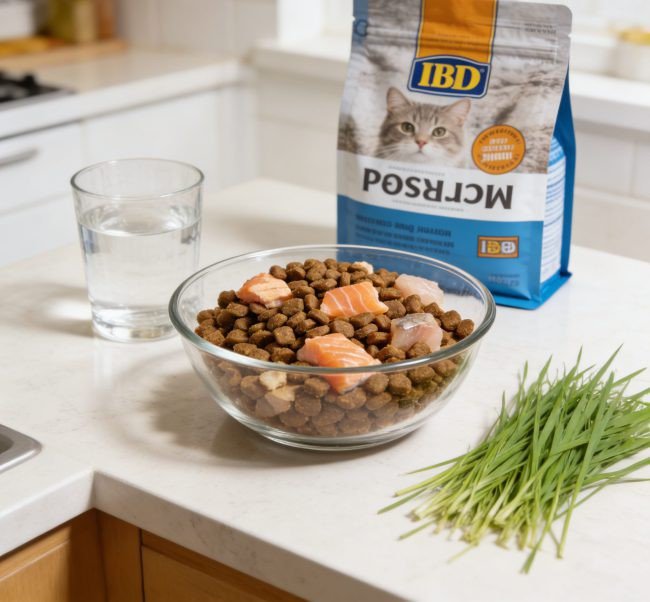
A food trial is the definitive test to identify a diet that works for your cat. It is a strict protocol, and deviation can invalidate the results. Here is the step-by-step process I guide my clients through, based on veterinary recommendations.
Step 1: Veterinary Consultation and Baseline Establishment.
Work with your vet to choose the initial diet strategy (e.g., hydrolyzed vs. novel protein). Ensure all symptoms are stable and note your cat’s current weight, stool score, and vomiting frequency. This creates a baseline for comparison.
Step 2: The Transition Period.
Transition slowly over 7-10 days, mixing increasing amounts of the new food with the old. For cats with very sensitive stomachs, I’ve sometimes extended this to 14 days. A sudden switch can cause GI upset that mimics a diet failure.
Step 3: The Strict Trial Period.
This is the most critical phase. For a minimum of 8-12 weeks, feed only the prescribed diet and water. This means:
- No treats, table scraps, or flavored medications.
- No access to other pets’ food.
- Use the trial food as treats if needed.
- Ensure all family members understand the rules.
I track symptoms weekly with clients. It’s common to see some improvement in the first 2-4 weeks, but full mucosal healing and stabilization can take the full 8-12 weeks.
Step 4: Assessment and Re-challenge.
After the trial period, assess the results. A significant reduction (e.g., >50%) in vomiting/diarrhea and weight stabilization or gain indicates success. To confirm a food allergy/intolerance component, your vet may advise a “re-challenge” by reintroducing the old food. A return of symptoms confirms it was a dietary trigger.
Step 5: Long-Term Management.
If successful, this diet becomes your cat’s long-term nutrition. Consistency is key. Any future dietary changes should be discussed with your vet.
4. Selection Criteria: How to Choose the Right Commercial Food
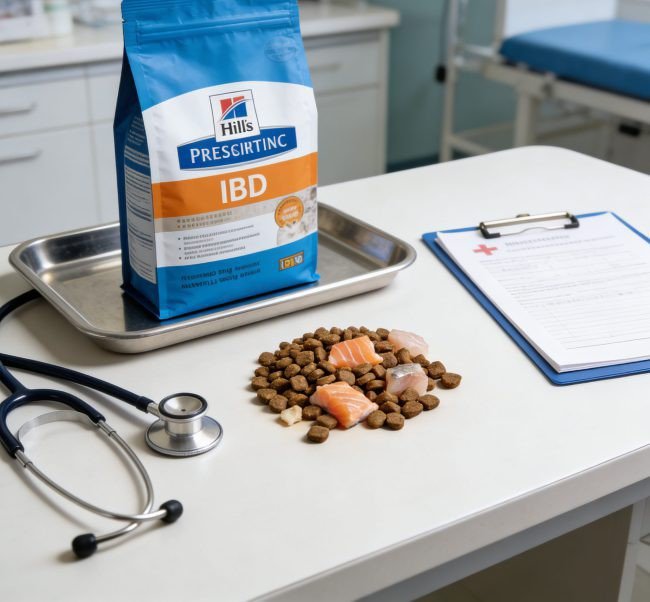
When evaluating commercial cat food for IBD, either prescription or over-the-counter limited ingredient diets, use these detailed criteria. I apply this checklist when making recommendations for clients.
- Primary Protein Source and Quality:
- Method: Look for a named, single-source animal protein (e.g., “deboned rabbit,” “duck meal”) listed as the first ingredient. Avoid vague terms like “poultry,” “meat,” or “fish.” For hydrolyzed diets, ensure the hydrolysis process is clearly stated.
- Warum: Identifies the novelty and quality of the protein, which is the most likely trigger.
- Carbohydrate Source and Content:
- Method: Check for a single, digestible carb source like pea, potato, or tapioca. Be aware that some cats may react to certain carbohydrates. Grain-free is not automatically better; the specific ingredient matters more.
- Warum: Minimizes potential carbohydrate-based triggers and supports digestibility.
- Additives and Preservatives:
- Method: Scrutinize the ingredient list for artificial colors, flavors (especially “digest”), and certain preservatives like BHA/BHT. Natural preservatives (mixed tocopherols) are preferable.
- Warum: Chemical additives can be irritants to an already inflamed GI tract.
- Garantierte Analyse für Fett und Faser:
- Method: Vergleichen Sie den Prozentsatz von Rohfett. Für viele IBD-Katzen ist ein moderater Fettgehalt (12 - 18% auf Trockengrundbasis) ein gutes Ziel. Ballaststoffe sollten vorhanden sein, aber nicht übermäßig (1 - 5%).
- Warum: Stellen Sie sicher, dass das Essen kalorienreich ist, aber nicht übermäßig auf die Verdauung belasten.
- Hersteller Reputation und Test:
- Method: Wählen Sie Marken mit einem starken Engagement für die Qualitätskontrolle, vorzugsweise solche, die Fütterungstests durchführen und tierärztliche Ernährungswissenschaftler beschäftigen. Rezeptpflichtige Diäten von Hill 's, Royal Canin und Purina Pro Plan Veterinary Diets haben robuste Forschung hinter ihnen.
- Warum: Bietet die Gewährleistung von Konsistenz, Sicherheit und Ernährungsqualität, die für eine therapeutische Ernährung nicht verhandelbar ist.
5. Erfahrungsaustausch: Langzeitbeobachtungen und reale Einblicke
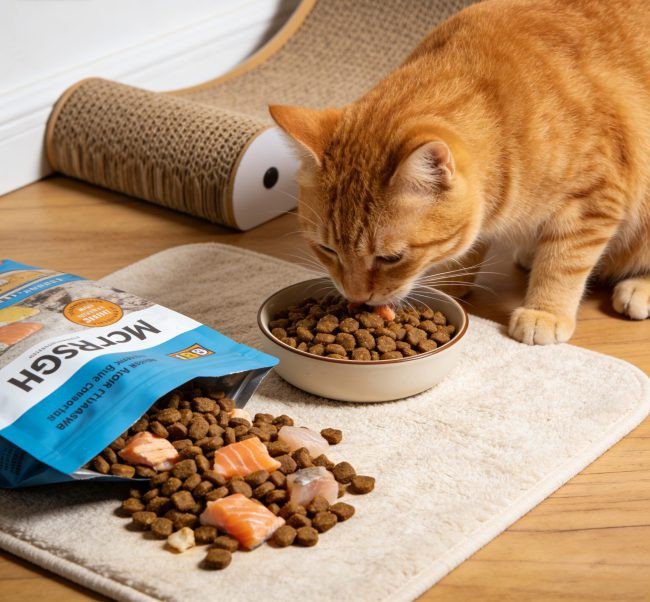
Durch die langfristige Überwachung von Fällen habe ich mehrere wichtige Erkenntnisse gesammelt, die nicht immer auf dem Etikett stehen.
Die Bedeutung von Schmackbarkeit und Form Eine Katze wird nicht von einer perfekten Ernährung profitieren, wenn sie es nicht essen wird. Hydrolysierte Ernährungen können manchmal weniger schmackhaft sein. Ich habe festgestellt, dass das sanfte Erwärmen von nassem Essen oder das Probieren einer anderen Textur (Pat vs. Stücke in Sauce) einen Unterschied machen kann. In einem denkwürdigen Fall akzeptierte eine Katze nur eine neuartige Protein-Diät, wenn sie in einer bestimmten flachen Untertasse serviert wurde, was die Rolle von Stress und Umwelt hervorhebt.
Das “Plateau and Adjust” - Phänomen Es ist nicht ungewöhnlich, dass eine Diät gut für 6 - 12 Monate funktioniert und dann weniger effektiv erscheint. Das bedeutet nicht immer Misserfolg. In Absprache mit einem Tierarzt können wir den Ballaststoffgehalt anpassen, ein anderes neues Protein ausprobieren oder kurz die Ernährung mit einem Probiotiko wie FortiFlora oder Proviable kombinieren, um das Mikrobiom neu zu unterstützen.
Gewichtskontrolle ist nicht verhandelbar: Ich empfehle allen Kunden, ihre Katze alle 2 - 4 Wochen zu Hause mit einer Babywage zu wiegen. Langsamer, stetiger Gewichtsverlust kann ein empfindlicher Indikator für schlechte Kontrolle sein als offensichtliches Erbrechen. Ein 3 - 4 Unzen Tropfen früh zu fangen ermöglicht eine proaktive Anpassung.
Realismus-Kosten: Das Management von IBD kann teuer sein. Verschreibungspflichtige hydrolysierte Diäten kosten typischerweise $2.50 - $4.00 pro Tag für eine 10 - Pfund-Katze. Hochwertige neuartige Protein LID-Diäten können von $1.50 - $3.00 pro Tag reichen. Berücksichtigen Sie das in Ihre langfristige Planung.
6. Wesentliche Vorsichtsmaßnahmen und häufige Fallstricke
Navigieren Katzen IBD erfordert, häufige Fehler zu vermeiden, die den Fortschritt untergraben können.
- Diagnose oder Behandlung niemals ohne einen Tierarzt: IBD-Symptome überschneiden sich mit schweren Krankheiten wie Krebs. Eine professionelle Diagnose ist der erste Schritt.
- Vorsicht vor “natürlichen” oder “holistischen” Heilmitteln: Während einige Nahrungsergänzungsmittel (wie Probiotika) hilfreiche Zusatzstoffe sein können, seien Sie skeptisch gegenüber Behauptungen, dass jedes einzelne Kraut oder rezeptfreies Produkt IBD heilen kann. Diskutieren Sie immer über Ergänzungen mit Ihrem Tierarzt, da einige Medikamente stören können.
- Verstehen Sie die Rolle der Medikamente: Die Diät allein kann nicht schwere IBD kontrollieren. Kortikosteroide (wie Prednisolon), Immunsuppressiva oder Anti-Übelkeit Medikamente sind oft notwendige Partner zur Diät. Betrachten Sie Medikamente als Werkzeug, um dem Darm zu helfen, genug zu heilen, um von der Nahrung zu profitieren.
- Geduld ist eine Voraussetzung: Der Weg zum Management ist selten linear. Es wird gute Tage und Flares-Ups geben. Die 8 - bis 12 - wöchige Ernährungsstudie erfordert ein festes Engagement. Wechseln Sie keine Diäten vorzeitig aus Frustration.
- Stress ist ein großer Auslöser: Katzen sind empfindlich auf Veränderungen der Umwelt. Ein neues Haustier, ein umgezogenes Haus oder sogar neu angeordnete Möbel können einen Flammer auslösen. Die Implementierung von konsistenten Routinen und die Bereitstellung von sicheren Versteckplätzen ist Teil einer ganzheitlichen Pflege.
Die erfolgreiche Behandlung einer Katze mit IBD ist ein Engagement für eine maßgeschneiderte Ernährungsstrategie, die von tiermedizinischem Fachwissen und sorgfältiger Beobachtung geleitet wird. Die Kern-Takeaways sind, eine genaue Diagnose zu sichern, sich vollständig zu einer strukturierten Lebensmittelstudie zu verpflichten, Lebensmittel auf der Grundlage einer klaren Proteinstrategie und hochwertigen Zutaten auszuwählen und eng mit Ihrem Tierarzt für eine langfristige Überwachung zusammenzuarbeiten. Während es ein herausfordernder Weg sein kann, öffnet das Finden des richtigen Ernährungsschlüssels oft eine Welt verbesserter Komfort und Vitalität für Ihren Katzenbegleiter.

Verwandte Produkte
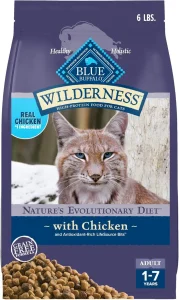
Blue Buffalo Wilderness High-Protein Katzenfutter
Blue Buffalo Wilderness Nature 's Evolutionary Diet High-Protein, Getreide-Free Natürliche Trockenfutter für erwachsene Katzen ist ein...
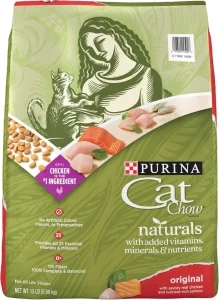
Purina Katzen Chow Naturals Trockenes Katzenfutter 13 lb
Purina Katzen Chow Naturals mit hinzugefügten Vitaminen, Mineralien und Nährstoffen Trockenes Katzenfutter, Naturals Original, ...
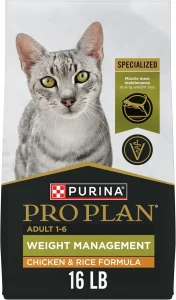
Purina Pro Plan Gewichtsmanagement Cat Food
Purina Pro Plan Gewichtsmanagement Huhn und Reis Formel für Erwachsene Trockene Katzenfutter ist ein...
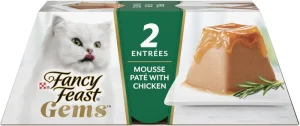
Fancy Feast Gems Huhn Pate Katzenfutter 8 Pack
Fancy Feast Gems Pate Cat Food Mousse mit Huhn und einem Halo von Savory Gravy...
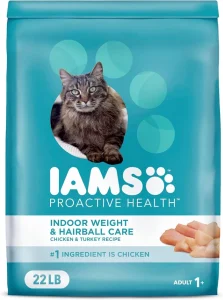
IAMS Indoor Weight & Hairball Katzenfutter
IAMS Proactive Health Indoor Weight Control & Hairball Care Adult Dry Cat Food ist speziell für...
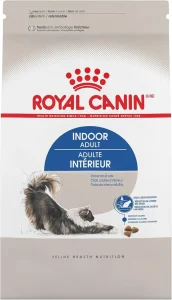
Royal Canin Indoor Adult Dry Katzenfutter - 7 lb
Royal Canin Feline Health Nutrition Indoor Adult Dry Katzenfutter ist eine Premium-Formel entwickelt...
Verwandte Artikel
 Cat Food & Treats FAQ
Katzenfutter für Anämie
 Cat Food & Treats FAQ
Was ist das gesündeste für eine Katze zu essen? Ein Vet-Approved Nutrition Guide
 Cat Food & Treats FAQ
Beste Katzenfutter für schwache Immunsysteme: 2026 Guide
 Cat Food & Treats FAQ
Das beste Katzenfutter für Nahrungsmittelalender: 2026 Guide
 Cat Food & Treats FAQ
Beste Katzenfutter für Erbrechen: 2026 Expert Guide
 Cat Food & Treats FAQ