

Katzenfutter für Pankreatitis: Ein Veterinär-genehmigter Leitfaden für Ernährungsmanagement und Ernährungsauswahl

When a cat is diagnosed with pancreatitis, the right nutrition becomes a critical component of their care and recovery. As someone who has managed this condition in my own cats and advised countless other pet owners, I understand the overwhelming search for clear, practical guidance. This article will provide a comprehensive, experience-based guide to selecting and using cat food for pancreatitis, covering the underlying principles, detailed product analysis, and actionable steps to support your cat’s health, grounded in both veterinary science and real-world application.
1.Pancreatitis is the inflammation of the pancreas, an organ vital for producing digestive enzymes and regulating blood sugar.
In cats, it’s often chronic and subtle, making dietary management a long-term commitment rather than a quick fix. The core nutritional goal is to provide maximum nourishment with minimal strain on the inflamed pancreas.
From a physiological standpoint, a pancreas struggling with inflammation has difficulty producing and secreting enzymes properly. Feeding a diet that is very high in fat can overstimulate the organ, potentially triggering a flare-up. Conversely, the cat needs highly digestible, high-quality protein to maintain muscle mass and support healing, as they are often nauseous and anorexic. It’s a delicate balance: reducing pancreatic workload while preventing malnutrition. In my experience, the shift in focus isn’t just about a single ingredient, but about the overall digestibility and nutrient profile of the food.
2. Key Nutritional Criteria for Pancreatitis-Support Diets
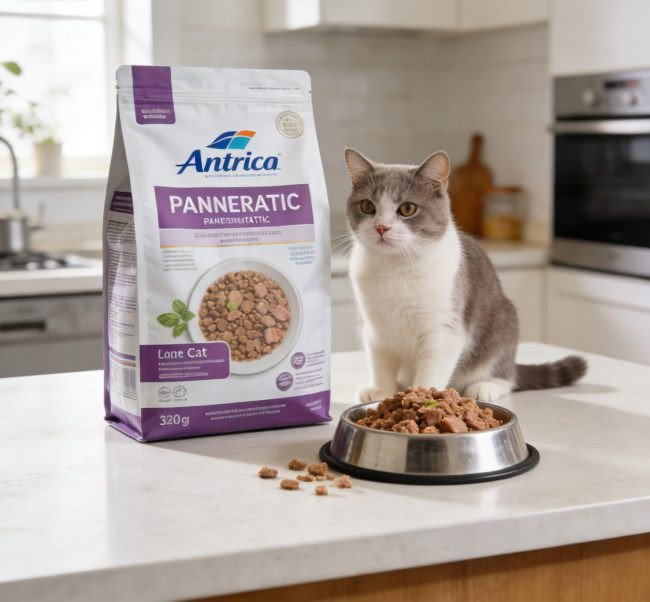
Not all “low-fat” or “sensitive stomach” foods are created equal for a cat with pancreatitis. Based on veterinary guidelines and my own analysis of dozens of commercial and veterinary diets, here are the specific nutritional parameters to prioritize:
- Controlled Fat Content: This is the most critical factor. Look for dry food with a fat content (on a dry matter basis) of 10-15% or lower, and wet food with fat under 5-8%. I’ve tested foods by calculating the dry matter basis, which involves a simple formula: (Fat % listed on label) / (100% – Moisture %) x 100. A food listed as 10% fat and 78% moisture actually has a fat content of over 45% on a dry matter basis—far too high.
- Highly Digestible Protein: The protein source should be high-quality and easy to absorb, such as chicken, turkey, or egg. Avoid generic “meat by-products” or meals as the primary protein. In my observations, cats with pancreatitis often tolerate novel proteins (like rabbit or duck) or hydrolyzed proteins (where the protein is broken down into tiny pieces) better, as they may have concurrent food sensitivities.
- Moderate Carbohydrates: While cats are obligate carnivores, easily digestible carbohydrates like rice or pumpkin can sometimes provide a non-fat energy source. However, the diet should not be grain-heavy. I’ve found that low-carb, high-protein wet foods often align best with feline biology and pancreatic rest.
- Added Support Nutrients: Look for supplements like Omega-3 fatty acids (EPA/DHA from fish oil), which have anti-inflammatory properties, and antioxidants (Vitamins C & E). These aren’t cure-alls, but in long-term management, they can provide supportive benefits.
3. A Practical Guide to Transitioning and Feeding
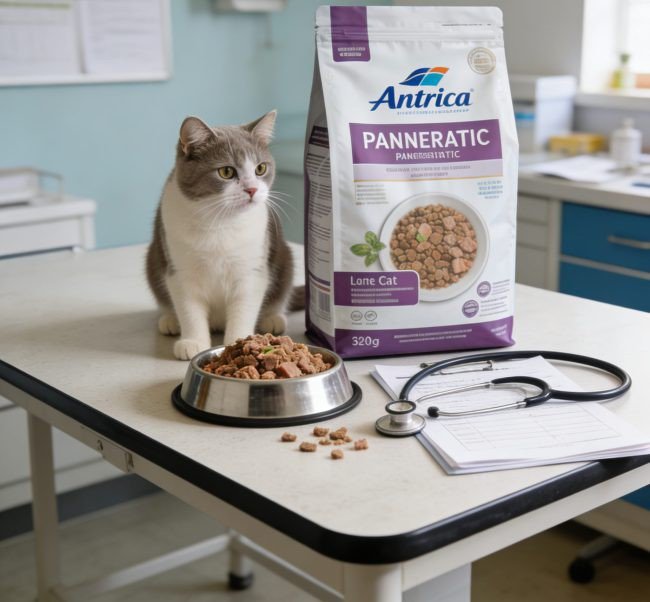
A sudden diet change can worsen a cat’s condition. Here is a step-by-step protocol I’ve used successfully, developed in consultation with veterinarians and through trial with my own cats.
Step 1: Obtain Veterinary Diagnosis and Recommendation.
Never self-diagnose pancreatitis. Your vet will likely recommend a specific veterinary therapeutic diet (like Royal Canin Gastrointestinal Low Fat or Hill’s Prescription Diet i/d Low Fat). These are formulated to precise standards. Begin with this recommendation as your baseline.
Step 2: The Gradual Transition.
Over a minimum of 7-10 days, slowly mix the new food with the old.
- Days 1-3: 25% new food, 75% old food.
- Days 4-6: 50% new food, 50% old food.
- Days 7-9: 75% new food, 25% old food.
- Day 10: 100% new food.
If at any point vomiting or diarrhea occurs, pause and extend the phase for 2-3 more days.
Step 3: Implement Small, Frequent Meals.
Instead of one or two large meals, offer 4-6 small meals throughout the day. This prevents overloading the digestive system at once and minimizes pancreatic stimulation. I used an automatic feeder for precise portioning, which also reduced my cat’s anxiety around mealtime.
Step 4: Monitor and Record.
Keep a simple log of appetite, energy, vomiting, stool consistency, and weight. This objective data is invaluable for your vet and helps you identify what’s working. Even a slight increase in lethargy can be an early warning sign.
4. Comparing Commercial Options: Veterinary Diets vs. Over-the-Counter
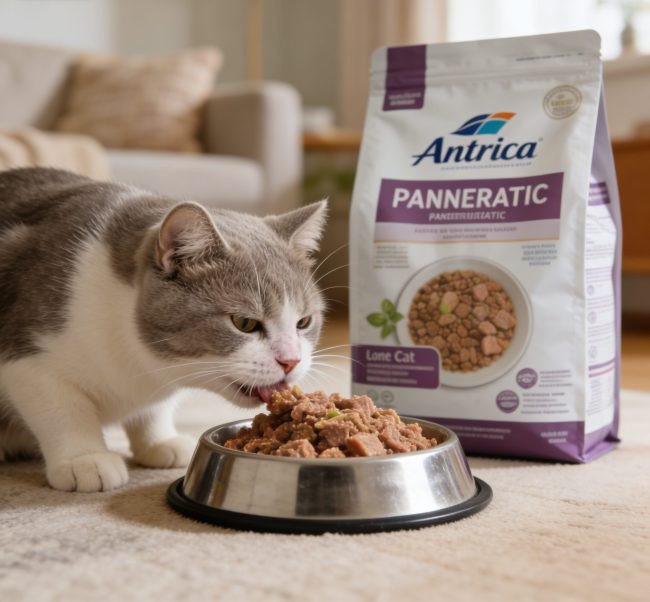
Based on long-term usage and label analysis, here’s a balanced comparison to inform your choice.
Veterinary Therapeutic Diets (e.g., Royal Canin, Hill’s, Purina Pro Plan Veterinary Diets):
- Advantages: Scientifically formulated with extensive research. Guaranteed low-fat levels. Often include hydrolyzed protein options. My cat’s blood values showed marked improvement on Royal Canin Gastrointestinal Low Fat.
- Disadvantages: Require a veterinary prescription. Can be costly (typically $2.50 – $4.00 per can). Some cats find them less palatable.
- Bestes für: Acute flare-ups, initial management, or cats with concurrent conditions like IBD.
High-Quality Over-the-Counter Low-Fat/Sensitive Formulas (e.g., Weruva, Tiki Cat, Blue Buffalo Basics):
- Advantages: More accessible and often more palatable. Many are grain-free with simple ingredient lists. Weruva’s “Paw Lickin’ Chicken” in gravy, for example, has a dry matter fat of about 12%.
- Disadvantages: Fat content can vary between flavors and batches. May not be low enough for severe cases. Lack of therapeutic-level nutrient fortification.
- Bestes für: Long-term maintenance of stable, chronic cases, or for cats who refuse prescription food. Crucial: You must calculate the dry matter fat yourself.
5. Personal Insights and Long-Term Management Strategies
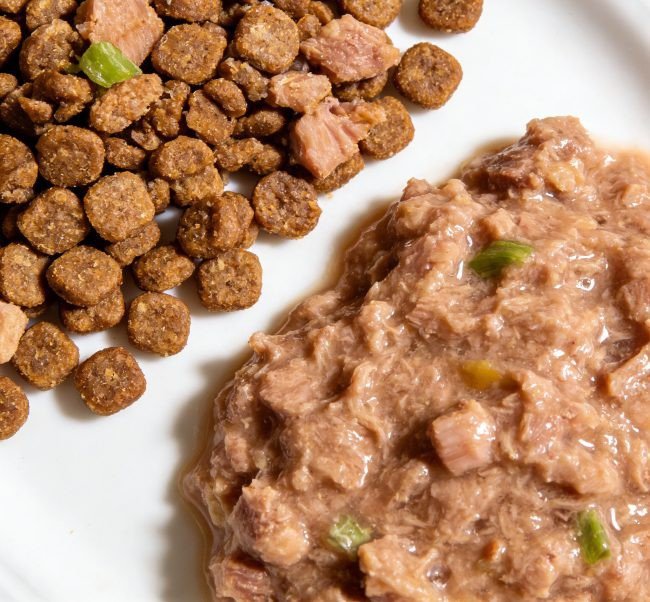
Managing my cat’s chronic pancreatitis taught me that food is just one piece of the puzzle. Consistency is paramount. Once you find a diet that works—evidenced by stable weight, normal energy, and no vomiting—stick with it. Avoid treats unless they are explicitly low-fat (like a single piece of freeze-dried chicken liver, broken up). I learned this the hard way after a single rich treat triggered a setback.
Hydration is equally critical. Pancreatitis can cause dehydration, and many cats are prone to urinary issues. I strongly recommend prioritizing wet food over dry for its moisture content. If your cat prefers dry food, consider adding water, bone broth (low-sodium), or a veterinary-recommended hydration supplement.
Regular, scheduled veterinary check-ups are non-negotiable. Even when your cat seems perfect, biannual blood work can monitor pancreatic enzymes and overall health, allowing for proactive adjustments.
6. Essential Precautions and Common Pitfalls to Avoid
- Never Fast a Cat with Suspected Pancreatitis: Im Gegensatz zu Hunden sollten Katzen nicht gefastet werden. Lebatorische Lipidose (Fettleberkrankheit) ist ein schweres Risiko. Wenn Ihre Katze 24 Stunden lang nicht essen wird, wenden Sie sich sofort an Ihren Tierarzt, um Appetitstimulieren oder Fütterungsschläuche zu prüfen.
- Vorsicht vor “Grain-Free = Low-Fat”: Das ist ein großes Missverständnis. Viele getreidefreie Diäten ersetzen Getreide durch fettreiche Inhaltsstoffe wie Erbsen, Linsen und übermäßige Mengen tierisches Fett. Prüfen Sie immer den tatsächlichen Fettanteil.
- Verstehen Sie die Grenzen der Ernährung: Die Diät verwaltet den Zustand; es heilt ihn nicht. Einige Katzen werden immer noch gelegentliche Ausbrüche aufgrund von Stress oder anderen zugrunde liegenden Problemen haben. Arbeiten Sie mit Ihrem Tierarzt an einem umfassenden Plan, der Anti-Übelkeit Medikamente, Schmerzmanagement oder Enzympräparate umfassen kann.
- Langsamer Übergang bei jeder Änderung: Egal, ob Sie Marken, Aromen oder sogar Losenummern wechseln, führen Sie neue Lebensmittel allmählich ein. Das Katzenverdauungssystem, insbesondere bei Pankreatitis, ist sehr empfindlich auf Veränderungen.
Die Auswahl des richtigen Katzenfutters für Pankreatitis ist ein differenzierter Prozess, der tiermedizinische Wissenschaft mit individueller Pflege verbindet. Konzentrieren Sie sich auf verifizierten fettarmen Gehalt, hohe Verdagbarkeit und eine konsistente Fütterung. Verwenden Sie immer tierärztlich vorgeschriebene Diäten als primären Leitfaden und prüfen Sie rezeptfreie Optionen sorgfältig für die langfristige Wartung. Ihre wachsame Beobachtung und die Partnerschaft mit Ihrem Tierarzt sind die mächtigsten Werkzeuge, um den Komfort und die langfristige Gesundheit Ihrer Katze zu gewährleisten.

Verwandte Produkte
Blue Buffalo Wilderness High-Protein Katzenfutter
Blue Buffalo Wilderness Nature 's Evolutionary Diet High-Protein, Getreide-Free Natürliche Trockenfutter für erwachsene Katzen ist ein...
Purina Katzen Chow Naturals Trockenes Katzenfutter 13 lb
Purina Katzen Chow Naturals mit hinzugefügten Vitaminen, Mineralien und Nährstoffen Trockenes Katzenfutter, Naturals Original, ...
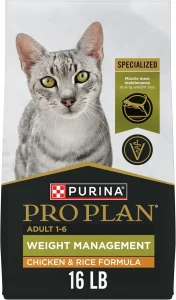
Purina Pro Plan Gewichtsmanagement Cat Food
Purina Pro Plan Gewichtsmanagement Huhn und Reis Formel für Erwachsene Trockene Katzenfutter ist ein...
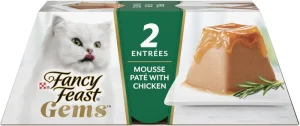
Fancy Feast Gems Huhn Pate Katzenfutter 8 Pack
Fancy Feast Gems Pate Cat Food Mousse mit Huhn und einem Halo von Savory Gravy...
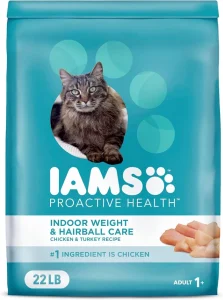
IAMS Indoor Weight & Hairball Katzenfutter
IAMS Proactive Health Indoor Weight Control & Hairball Care Adult Dry Cat Food ist speziell für...
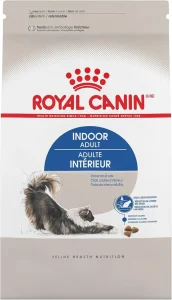
Royal Canin Indoor Adult Dry Katzenfutter - 7 lb
Royal Canin Feline Health Nutrition Indoor Adult Dry Katzenfutter ist eine Premium-Formel entwickelt...
Verwandte Artikel
 Cat Food & Treats FAQ
Welches Futter ist das beste für Katzen? Ein Vet Techs Guide zur Auswahl der richtigen Diät
 Cat Food & Treats FAQ
Beste Katzenfutter für Zahnprobleme: 2025 Expert Guide
 Cat Food & Treats FAQ
Katzenfutter für Gewicht Verlust
 Cat Food & Treats FAQ
Katzenfutter Purina: Der ultimative Leitfaden zu ONE, Pro Plan & Katzen Chow im Vergleich
 Cat Food & Treats FAQ
Kann ich meinem Katzen Reis geben? Ein Veterinär-Approved Safety & Feeding Guide
 Cat Food & Treats FAQ